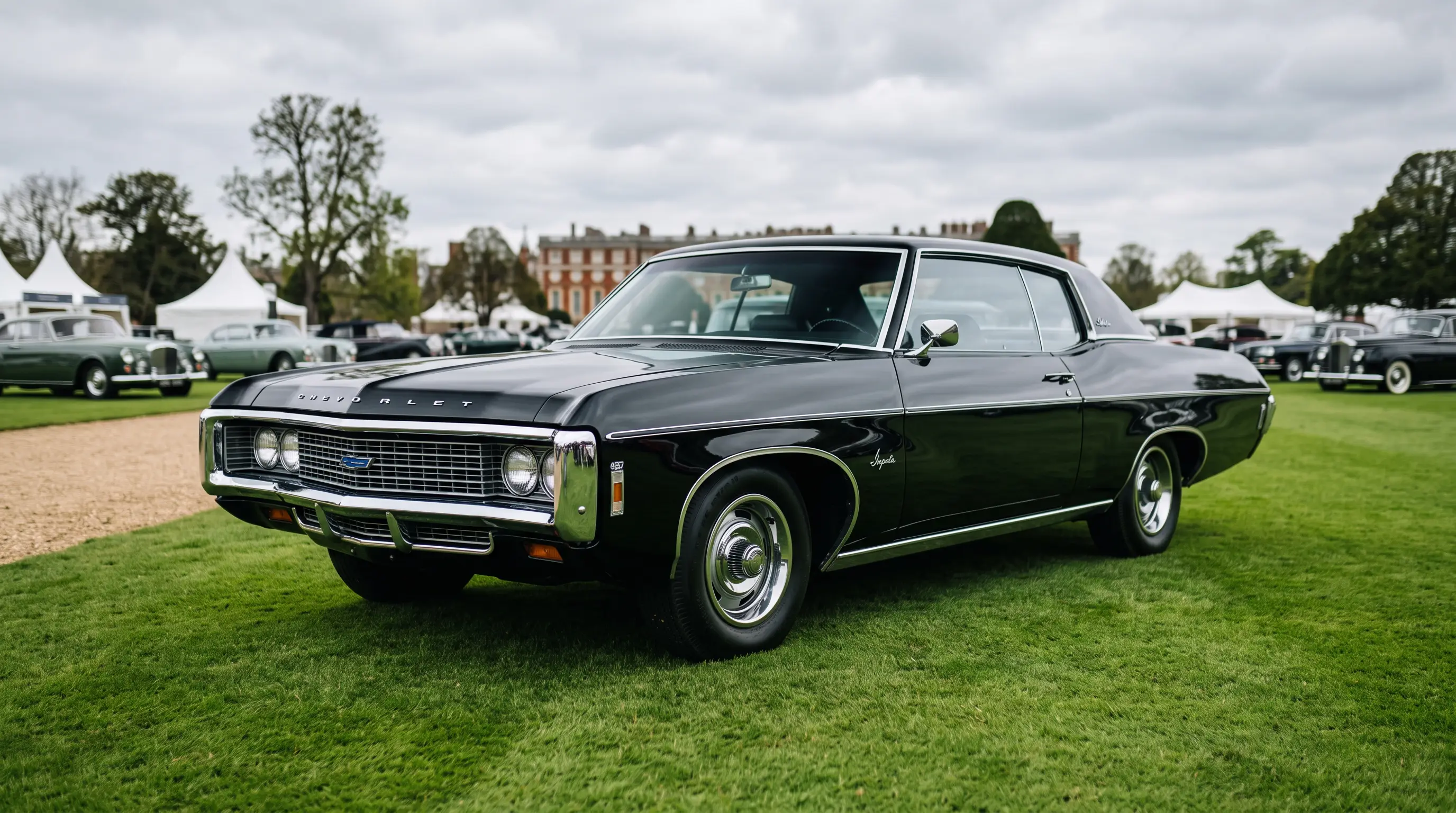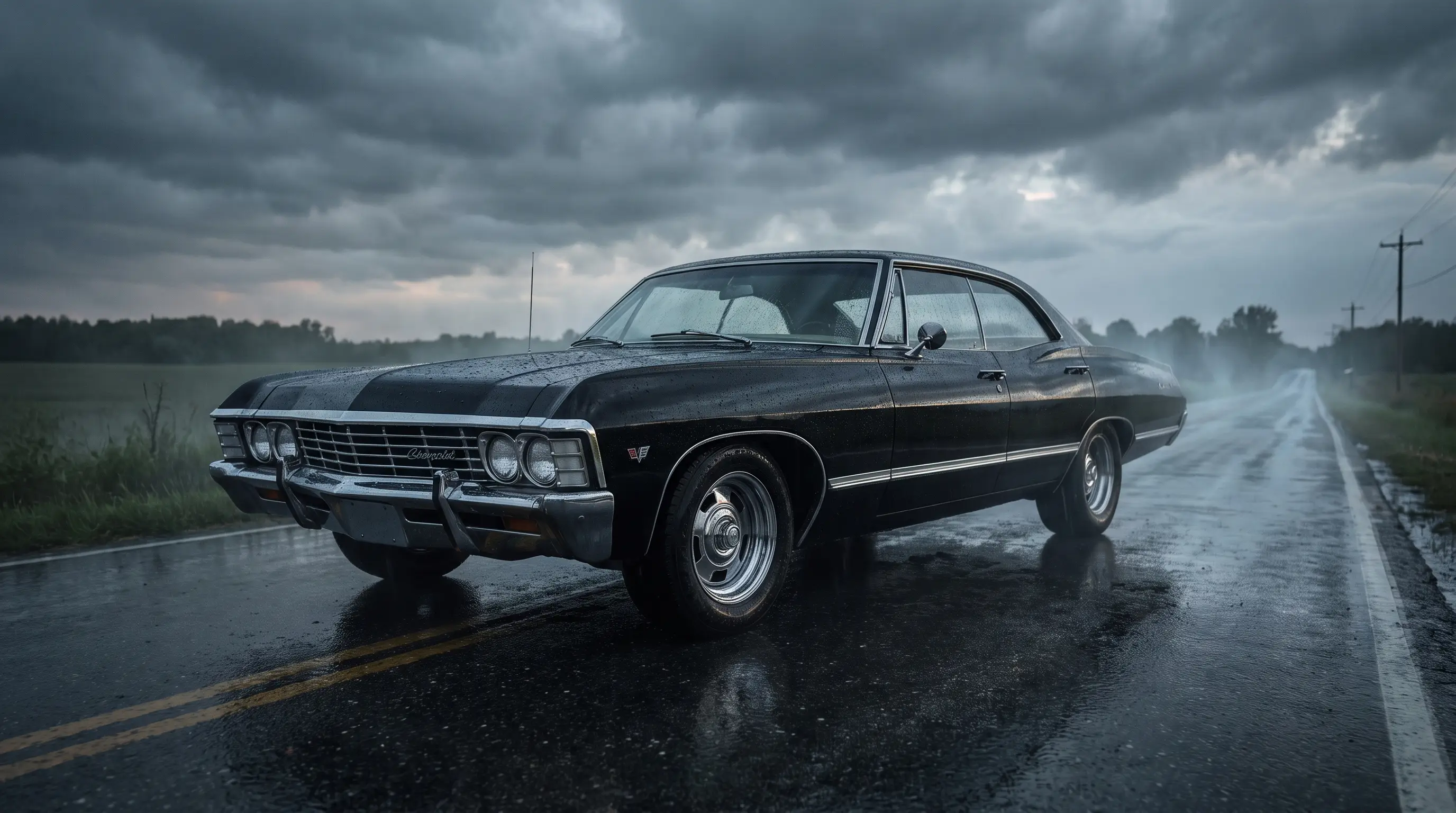
No television show did more for the 1967 Impala's cultural profile in the 21st century than Supernatural, and that is not really an exaggeration. For fifteen seasons, a black 1967 Impala Sport Coupe carried the show's two lead brothers across a fictional version of America, and it became so central to the story that fans nicknamed it Baby and treated it as a character in its own right rather than set dressing. For a whole generation of viewers who never lived through the muscle car era, this particular Impala became their introduction to what a classic American car could look and sound like.
Why the production chose a 1967 Impala
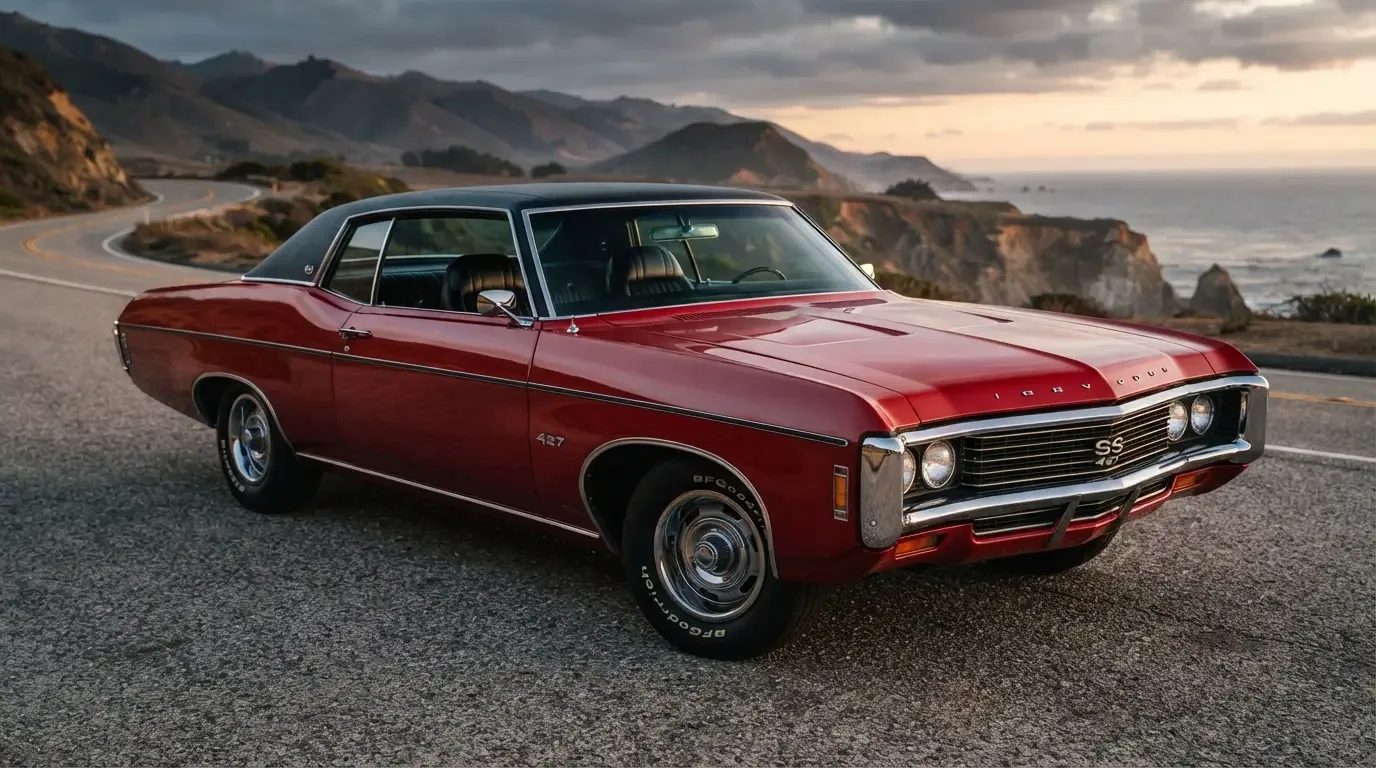
The choice was not accidental. Show creator Eric Kripke has spoken about wanting a car that felt both masculine and nostalgic, something that suggested a family history and a road-trip lifestyle without needing dialogue to explain it. The 1967 Impala Sport Coupe fit that brief precisely. Its long hood, fastback-adjacent roofline, and dark paint gave it a brooding presence on screen, while its status as a genuine, attainable classic rather than an exotic machine kept it grounded in the show's blue-collar, monster-hunting premise. A Corvette or a Camaro would have suggested a different kind of character entirely. The Impala suggested inheritance, durability, and a life lived on the road.
How many cars it actually took
Viewers who assume the production used a single car for fifteen years are mistaken. Multiple Impalas were used throughout the show's run, including stunt cars, hero cars kept in pristine condition for close-up shots, and specially modified versions built for scenes involving rollovers or damage. Sourcing genuine, running 1967 Impalas for a production of this length required ongoing effort from the show's transportation department, since the model was never rare enough to be impossible to find but specific parts and correct trim details still took real work to keep consistent across so many vehicles and so many years of filming.
The market effect nobody predicted
Long-running television exposure has a measurable effect on collector car demand, and the 1967 Impala benefited from exactly that kind of sustained visibility. Fans of the show, many of whom had no prior connection to classic car culture, began seeking out real 1967 Impalas, attending car shows specifically hoping to see a Baby replica, and commissioning their own tribute builds finished in black with the same basic trim package. That demand pulled a segment of buyers into the classic car hobby who might never have considered a full-size 1960s Chevrolet otherwise, expanding interest in the model well beyond its traditional collector base of Chevrolet loyalists and muscle car enthusiasts.
For the broader history of this generation beyond its television fame, including the styling and engine details that made the Sport Coupe such a natural fit for the role, our complete history covers the years surrounding the car's production.
"I've stood next to plenty of 1967 Impalas at shows over the years, and the ones that draw a crowd of people who couldn't tell you what a 396 is are always the black Sport Coupes. That's the show talking, not the car's original reputation, and there's nothing wrong with that. It brought people in the door."
- Patrick Walsh
Building a tribute car today
Owners chasing their own version of the show's car generally start with the basics: a black 1967 Sport Coupe, ideally a genuine hardtop rather than a sedan, finished in the right shade and trimmed to match reference photos as closely as budget allows. Purists debate details down to the wheel style and interior color, and a genuinely accurate tribute build can take real time and research to get right. Most builders accept that an exact screen match is nearly impossible given how many different vehicles the production actually used, and instead aim for something close enough to capture the character rather than replicate a single specific car frame for frame.
Why this matters beyond one television show
The Supernatural Impala is a useful case study in how popular culture reshapes demand for a specific classic car, sometimes years or decades after the model left production. It joins a small list of vehicles whose collector value and public recognition were meaningfully altered by screen appearances rather than by their original factory reputation. For the 1967 Impala specifically, that exposure reinforced rather than replaced its existing standing, since the car already had a strong following among Chevrolet collectors before the show ever aired. What changed was the size and composition of the audience paying attention.
The car as a storytelling tool
Part of what made the Impala work so well as a recurring element in the show was how much storytelling it could carry without a single line of dialogue. A cluttered back seat, a well-worn steering wheel, and cassette tapes scattered across the interior did more to establish the characters living out of the car than any expository scene could have managed on its own. That is a testament to good production design generally, but it only works when the underlying vehicle already carries enough cultural weight to support the metaphor. A generic sedan would not have communicated the same sense of inherited history and hard use that the Impala did almost automatically.
The car's continuity across seasons also became a running element for attentive fans, who noticed changes in wheel style, interior details, and even paint sheen between different production vehicles used for different scenes. Rather than treating these inconsistencies as errors, much of the fan community absorbed them into the show's own internal lore, treating the car's minor visual shifts the same way a real owner might explain away a repaint or a replaced wheel set on a car that has genuinely lived a long working life.
Where to find one
Whether the goal is a faithful tribute build or simply an appreciation for the body style that made the show's car so recognizable, the underlying 1967 Impala Sport Coupe remains available on the collector market at a range of price points depending on condition, engine, and documentation. Buyers ready to look at real inventory can browse classic Impala listings and see what a genuine example of this fastback body style costs today, television fame aside.
Value on a tribute build tracks closely with how faithfully it captures the reference car rather than with any dramatic premium over a standard Sport Coupe of the same year and condition. A buyer should treat a black 1967 Impala advertised as a tribute build with the same scrutiny applied to any other classic purchase, checking engine originality, body condition, and documented history rather than paying extra purely for the association with a television show. The car underneath the paint job is still the same 1967 Chevrolet it always was, and that is exactly why the whole arrangement worked in the first place.