1968 Impala value comes down to four things, in this order: condition, documentation, engine and body style combination, and liquidity. Get those four factors right and the rest of the appraisal writes itself. Get them wrong, or ignore one entirely, and a buyer ends up paying a strong-market price for a car that will struggle to sell at that number when it eventually changes hands again. This is not a sentimental exercise. It is risk management applied to a depreciating, then appreciating, asset class that behaves differently from almost anything else people collect.
Condition, the baseline everything else builds on
A rough 1968 Impala with a correct numbers-matching drivetrain is still worth less than a properly restored example with the same specification, but it is worth considerably more than a cosmetically perfect car built on a compromised structure. Frame and floor integrity matter more than paint quality, full stop. Buyers who fall for a fresh repaint on a car with hidden rust in the trunk floor or lower quarters routinely overpay by a significant margin once the real repair costs surface. An honest appraisal starts underneath the car, not on top of it.
Documentation, the difference nobody can fake convincingly
A build sheet, a Protect-O-Plate, a dealer invoice, or a documented ownership chain adds real, quantifiable value to a 1968 Impala, particularly on SS and big-block configurations where buyers are specifically paying for originality rather than just the shape of the car. Without paperwork, a seller's claim about engine originality is just a claim. With paperwork, it becomes a verifiable fact that survives resale, appraisal, and insurance scrutiny. I have seen two nearly identical SS cars sell at a noticeably different price purely because one had a build sheet and the other did not.
Engine and body style, the multiplier
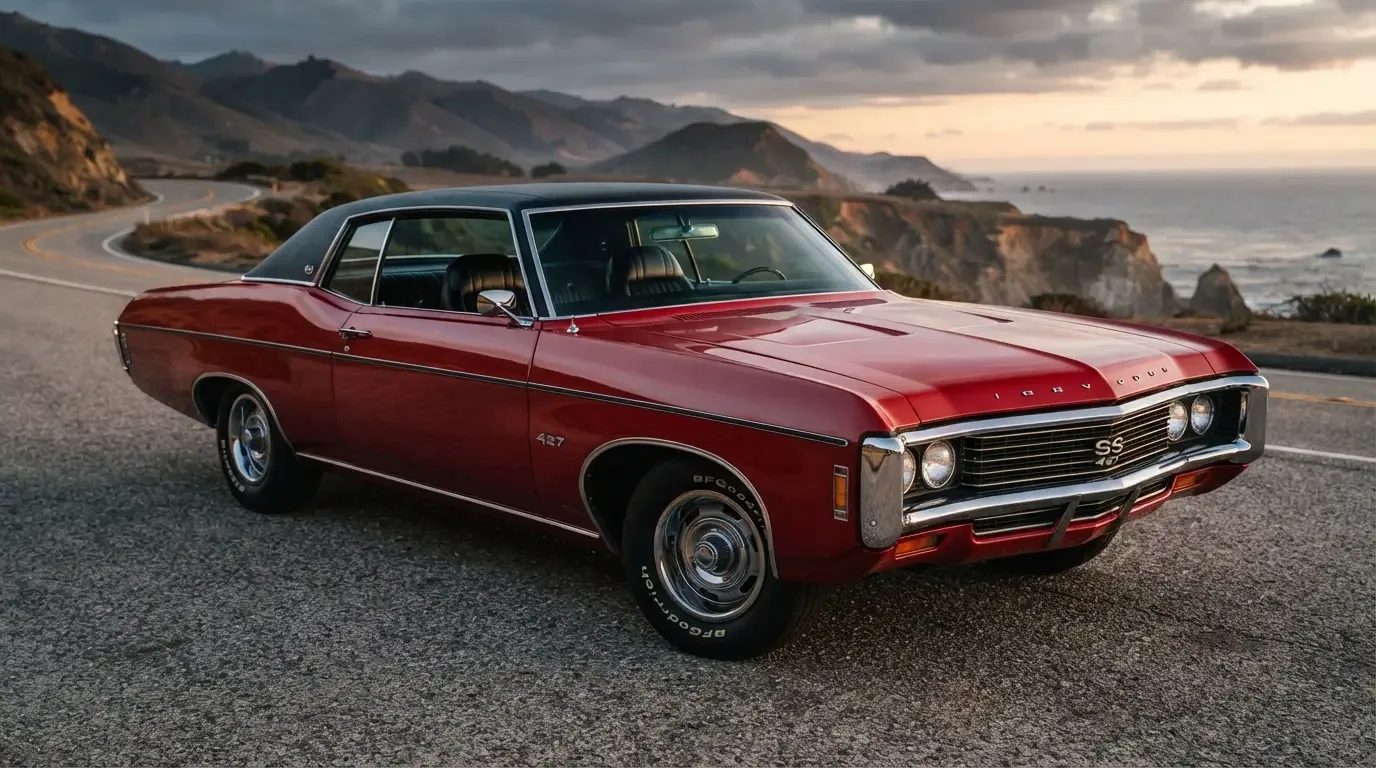
Value does not scale evenly across configurations. A base six-cylinder sedan and a 396-powered SS convertible share a model name and not much else in the appraisal world. The convertible body style alone typically commands a significant premium over an equivalent hardtop, and adding a documented big-block SS specification on top of that stacks the multiplier further. Buyers should never assume a generic "1968 Impala" price applies to their specific car. Configuration is the single largest driver of value spread within this one model year, larger than condition differences between two examples of the same specification.
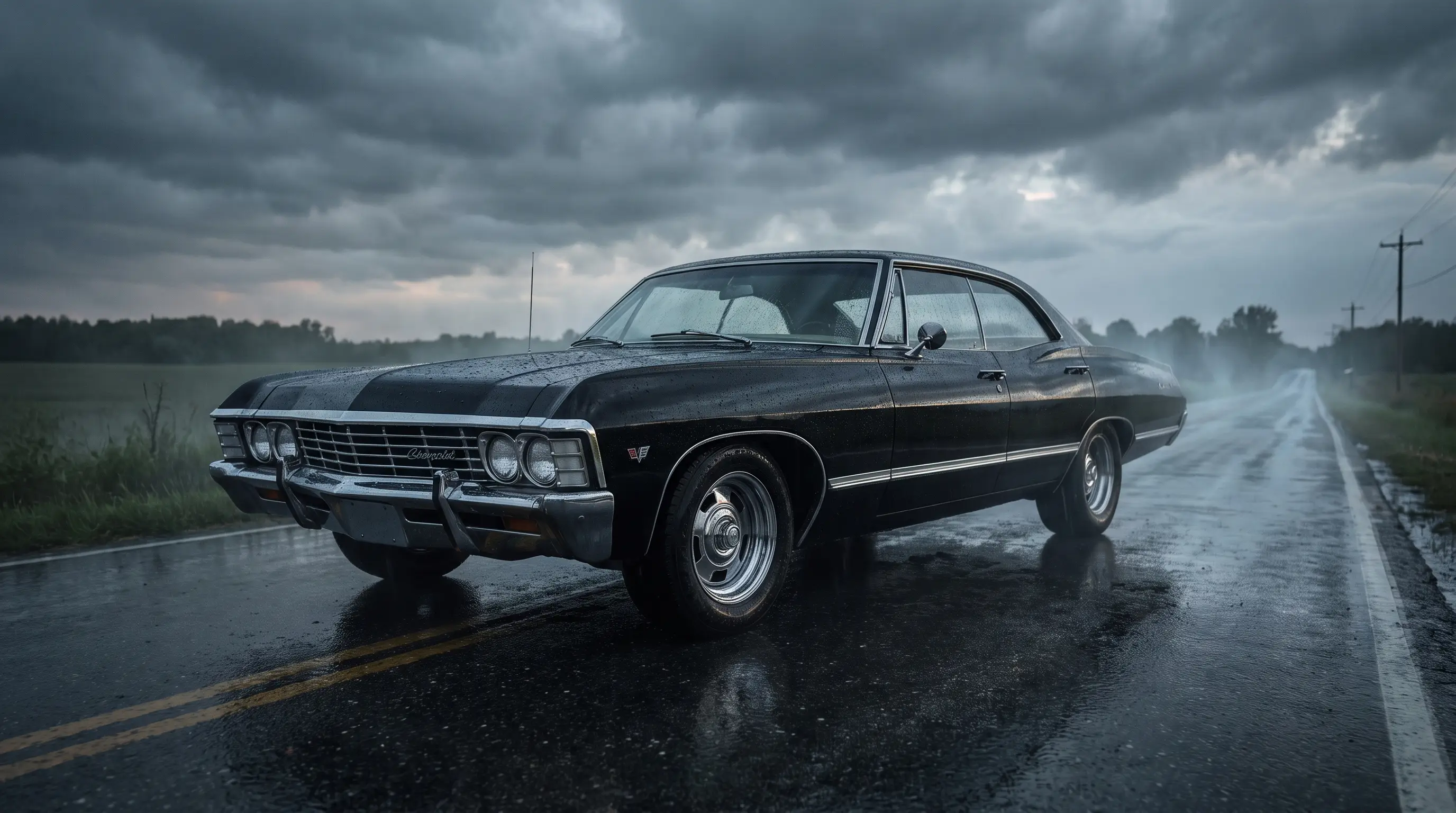
The broader history behind why these body styles and engines carried the reputations they did is covered in 1967 impala history, useful context for understanding why the market prices these configurations the way it does.
"Every appraisal I do comes down to the same question. If this car needed to sell in thirty days, not thirty months, what would it actually bring? That number is usually lower than what an owner has convinced themselves the car is worth, and the gap almost always comes down to one of those four factors being weaker than they realized."
- Marcus Feld
Liquidity, the factor collectors underrate
A car can be genuinely valuable on paper and still be difficult to sell quickly at that value if the buyer pool for its specific configuration is thin. Common body styles and engines in good condition sell faster and closer to book value because more buyers are actively shopping that exact combination. Unusual or over-restored configurations, oddball color combinations, or non-original modifications can suppress liquidity even when the underlying quality is high, simply because fewer buyers are looking for that specific car. Appraisers who ignore liquidity risk giving an owner a number that sounds right but proves difficult to actually realize at sale.
How styling changes across the generation affect appraisal
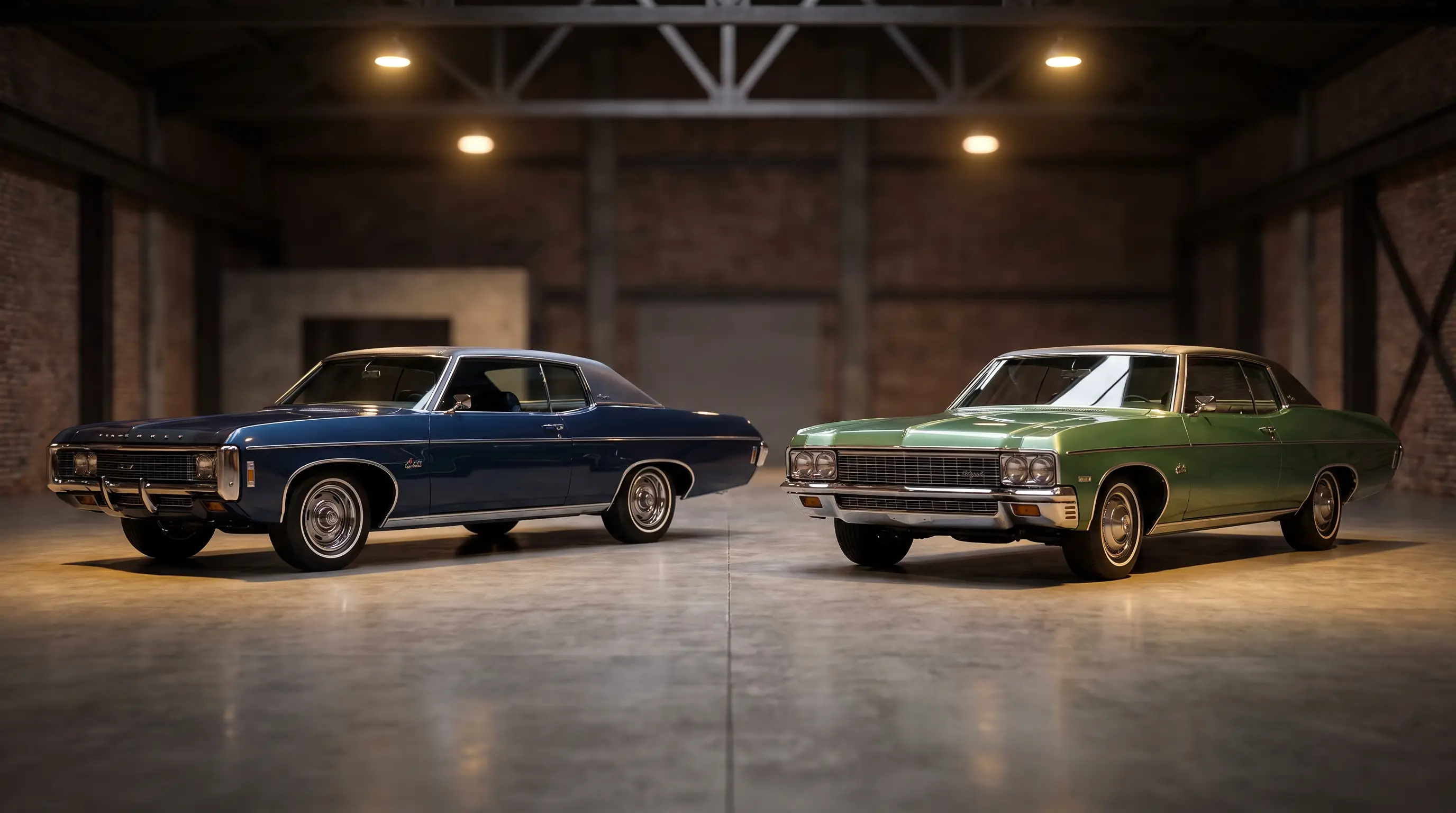
Body and trim details shifted meaningfully between 1968 and 1970, and getting the year-specific details right matters for an accurate valuation. A car with incorrect trim for its model year, whether from a botched restoration or parts swapped in from an adjacent year, raises red flags for serious buyers and appraisers alike. The specifics of how styling evolved across these years, which directly affects what counts as correct versus incorrect for appraisal purposes, is covered in a related story that walks through the year-over-year changes in detail.
What this means for a buyer today
| Configuration | Relative value tier | Key value driver |
|---|---|---|
| Base sedan, six-cylinder | Entry | Condition, low running cost |
| V8 hardtop, non-SS | Mid | Balance of usability and price |
| SS hardtop, big-block | Upper | Documentation, originality |
| SS convertible, big-block | Top | Rarity, documentation, condition |
Buyers entering this market should decide honestly which tier they are actually shopping before falling in love with a specific car. A buyer chasing entry-level ownership costs who ends up bidding against convertible-tier buyers on a rare configuration is going to overpay relative to their own goals, even if the price is fair relative to the car's actual market position. Clarity about intent saves money in this hobby more reliably than any single negotiating tactic.
Common appraisal mistakes I still see
Owners selling a 1968 Impala make the mirror-image mistake just as often, assuming their car deserves top-tier pricing because it is clean and runs well, without accounting for whether its specific configuration and paperwork actually support that number. An honest appraisal cuts both directions, protecting buyers from overpaying and protecting sellers from underselling a genuinely well-documented car simply because they did not know how to present its history.
The bottom line on value today
The 1968 Impala remains a genuinely investable classic when the four fundamentals line up, and a genuinely risky purchase when they do not. Condition without documentation is a guess. Documentation without sound structure is a liability. Rare configuration without liquidity is a waiting game. Buyers who understand how these factors interact, rather than fixating on a single headline number from an auction result, make far better decisions in this market. Anyone ready to see how these principles play out against real, currently available cars can review Impalas for sale now and apply this same framework to whatever is actually on the table.
Sources and notes
- Hagerty Valuation Tools, Chevrolet Impala
- Chevrolet Impala (fourth generation) - Wikipedia
- 1968 Chevrolet Impala Series Specifications - conceptcarz.com
- 1968 Chevrolet Impala - Midwest Car Exchange
- 1968 Chevrolet Full Size Cars Fact Sheet - Over-Drive Magazine
- 1968 Chevrolet Impala Flexes Original V8 Muscle - autoevolution