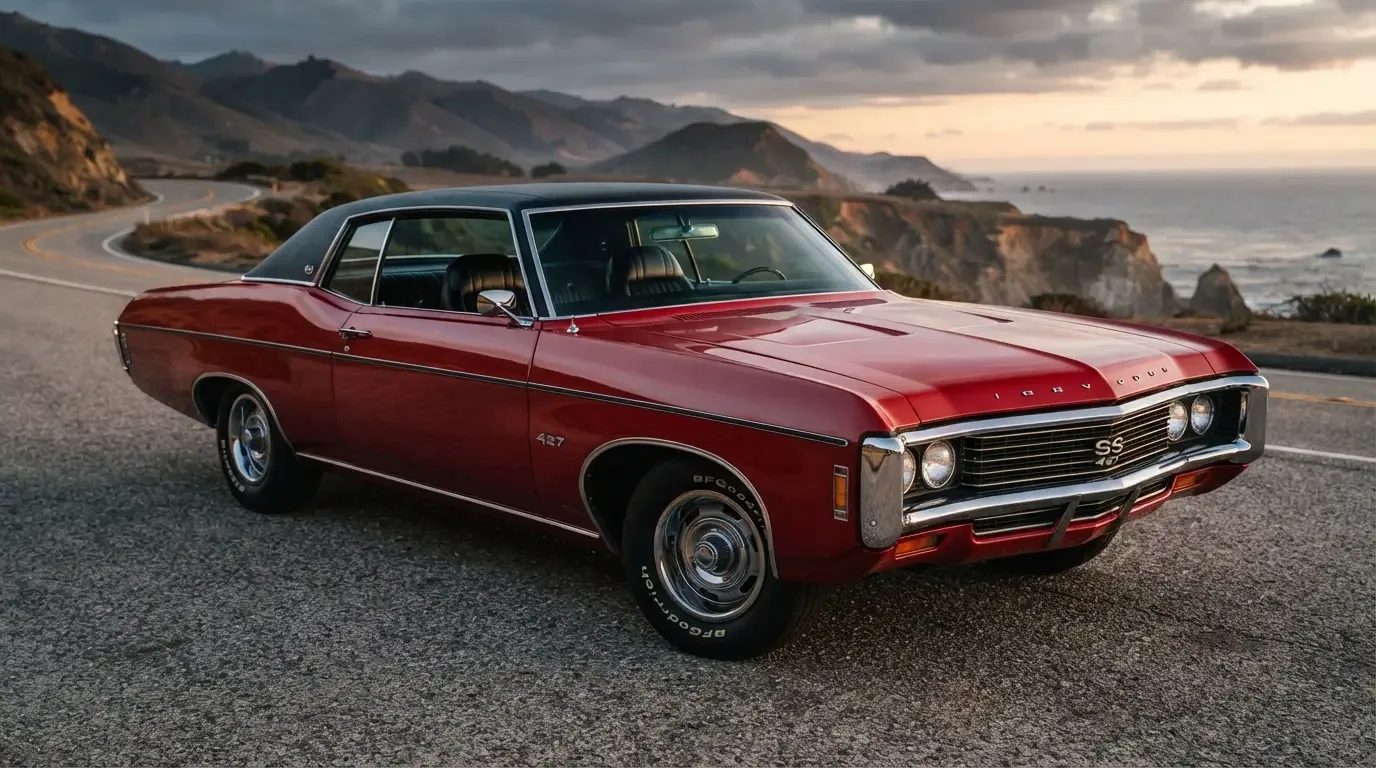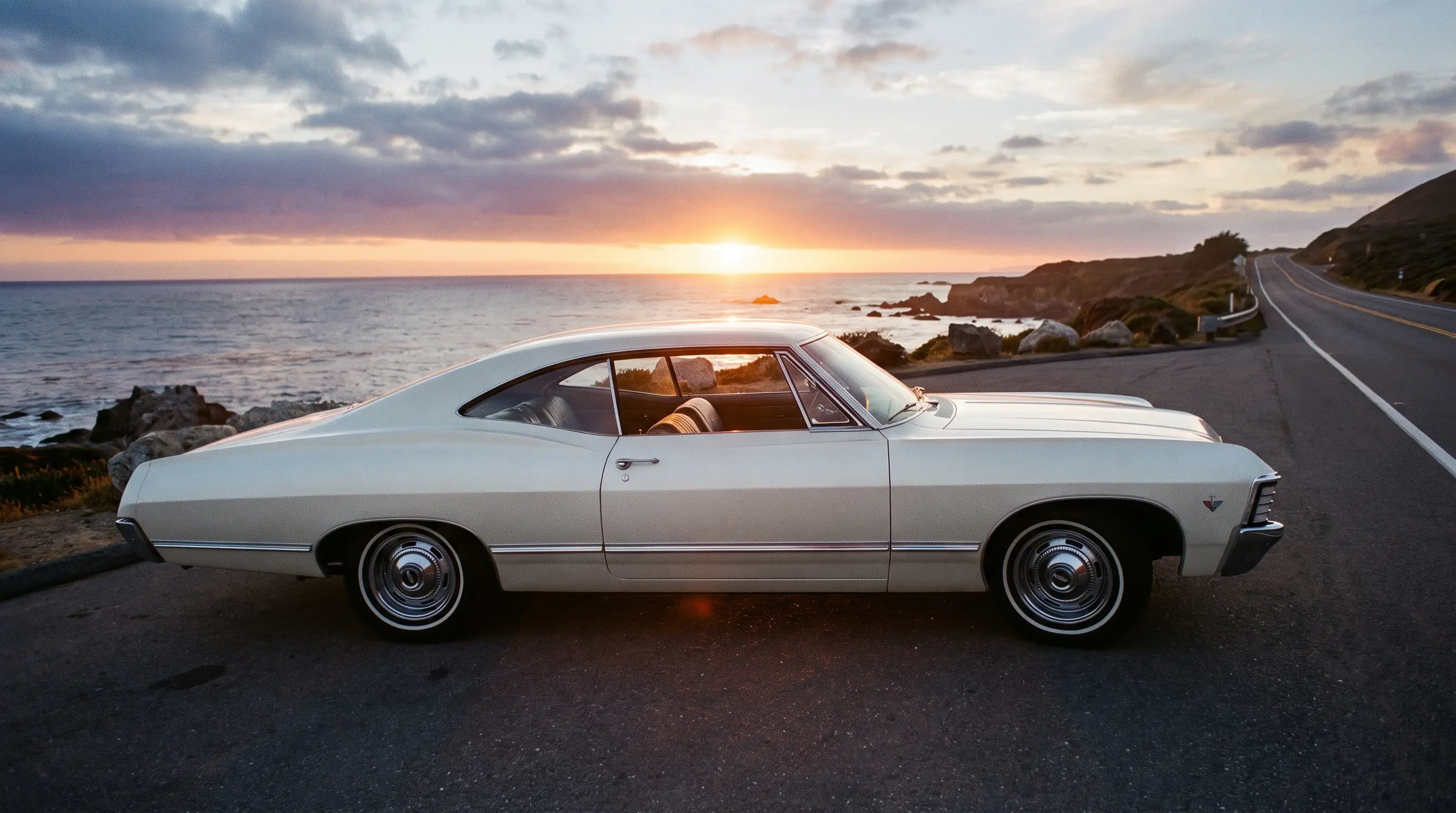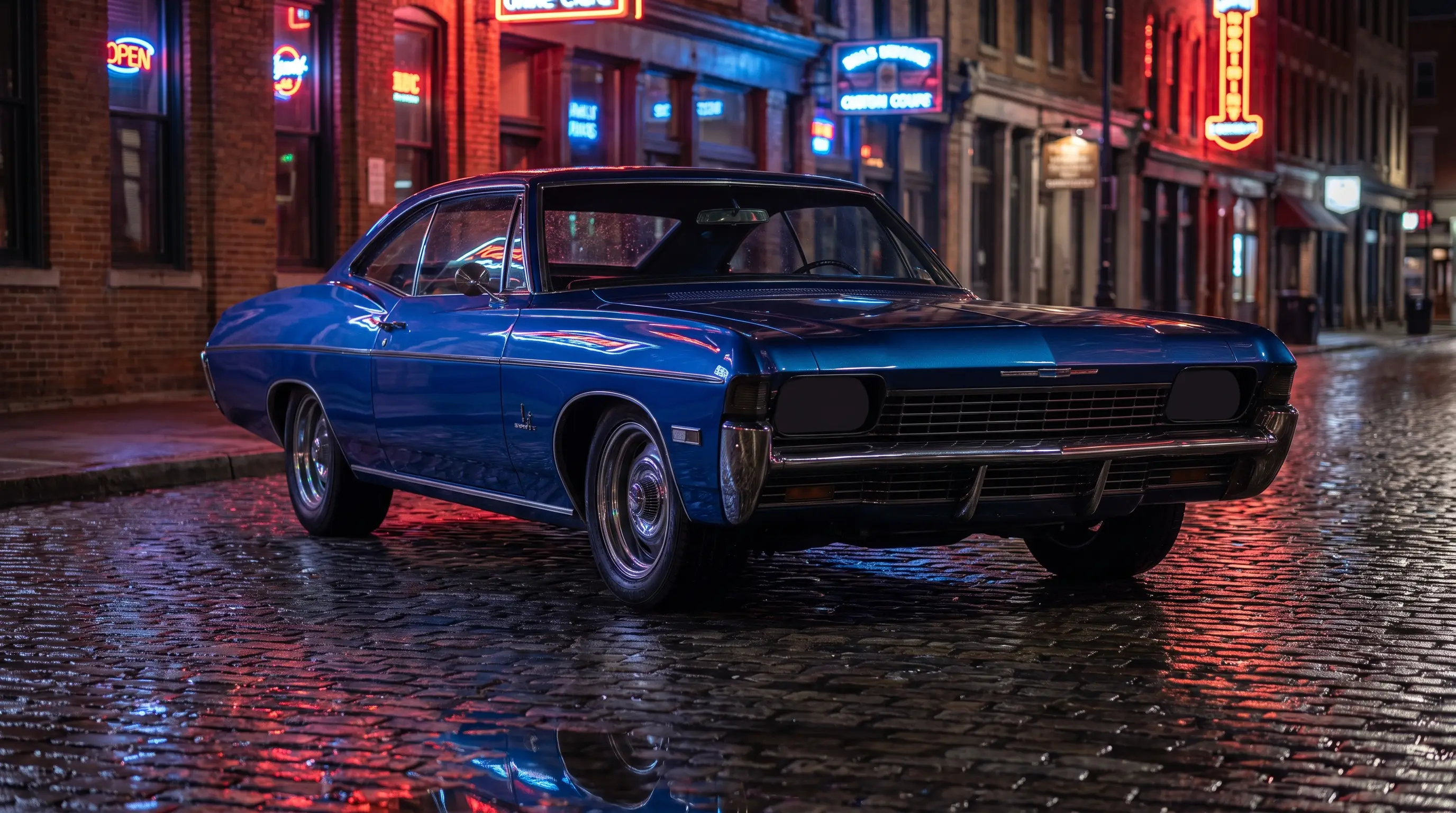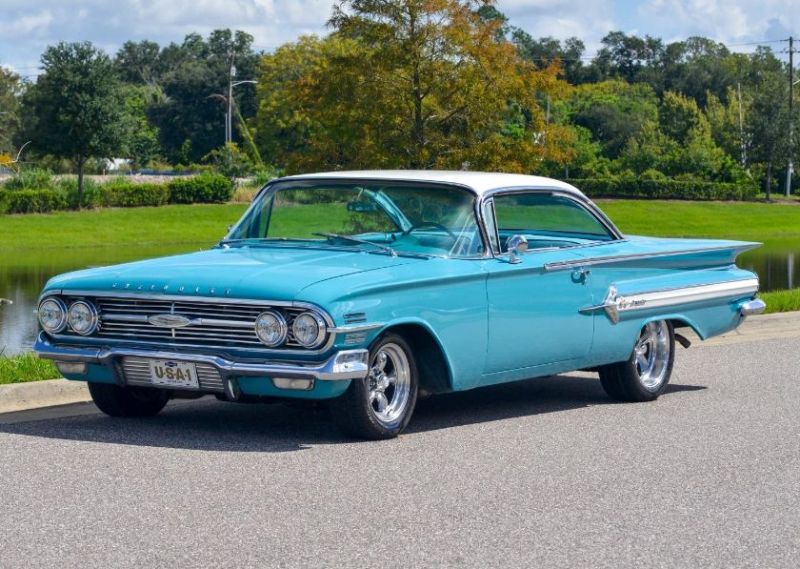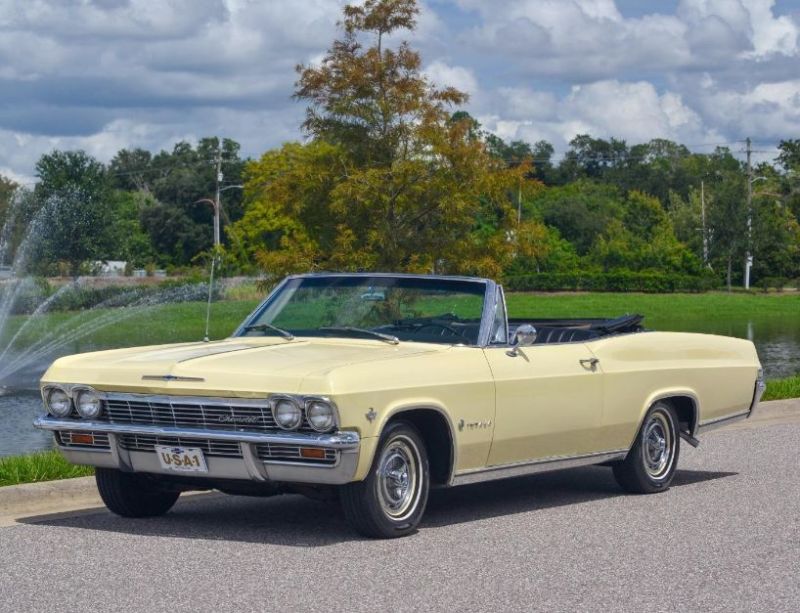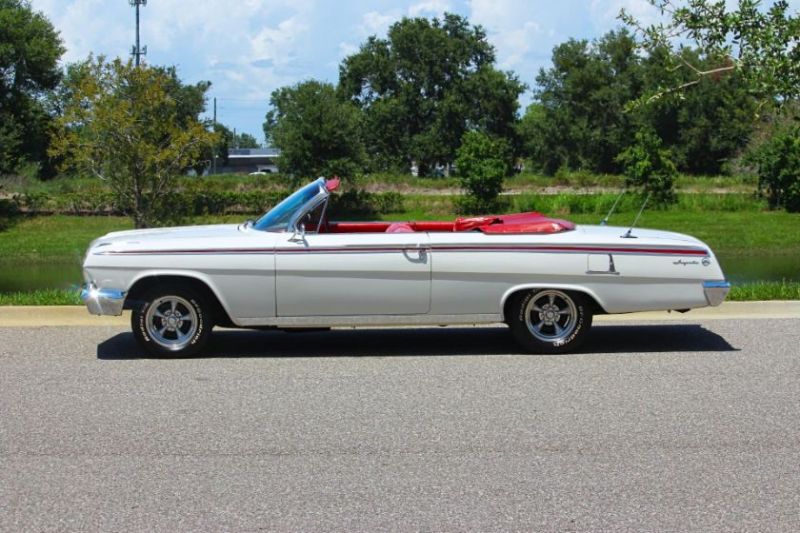
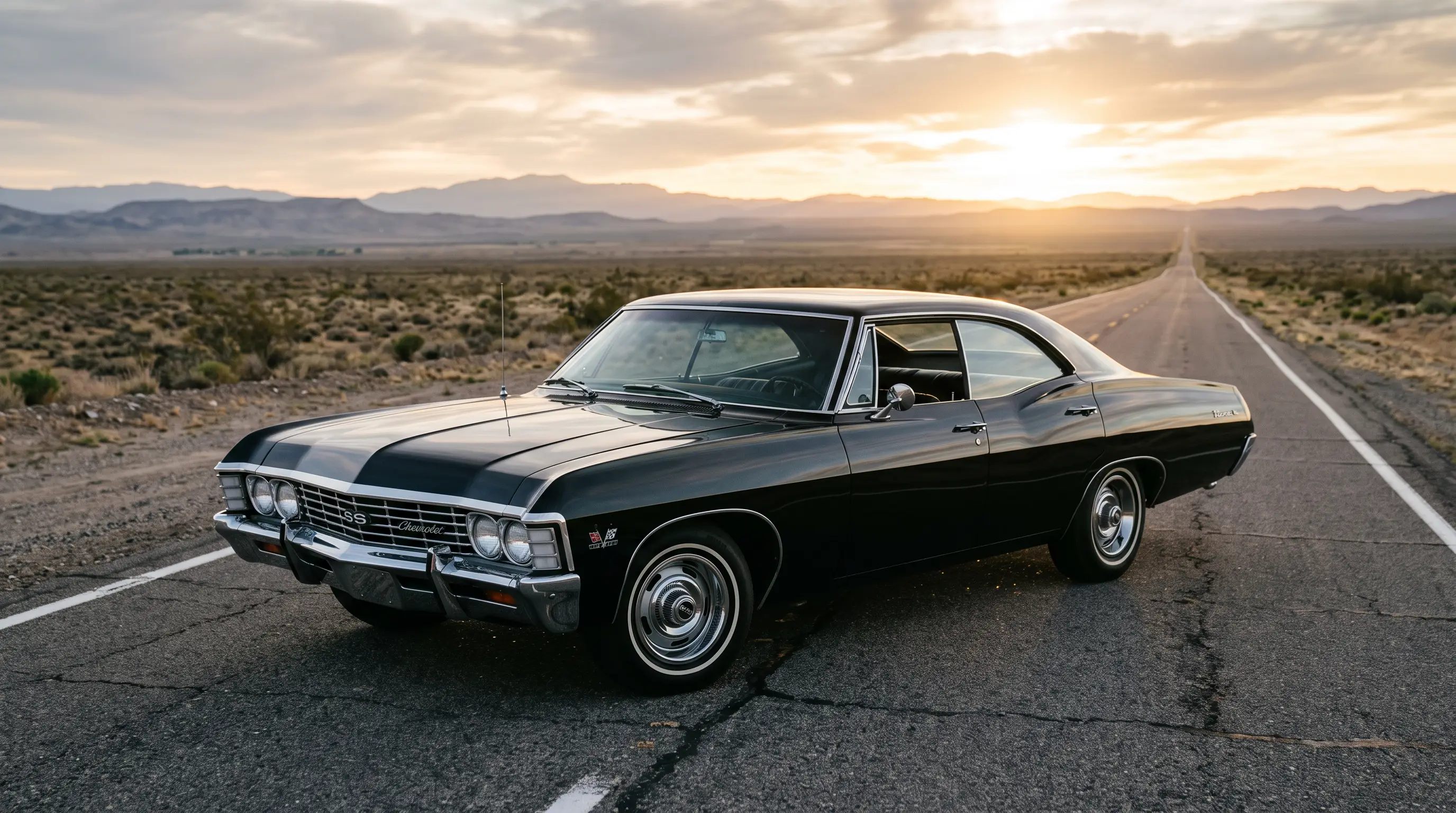
The 1967 Impala SS427 is the version of the story where the SS badge starts writing checks the rest of the lineup could not quite cash anymore. By 1967 Chevrolet had spread the Super Sport name across several model lines, the Chevelle SS, the Camaro SS, the Nova SS, and each of those cars was smaller, lighter, and by most measures a more focused performance package than the full size Impala could ever be. The Impala SS427 was the argument that a big, comfortable car could still be the fastest thing in the driveway if you specified it correctly.
The engine that made the badge honest
Under the SS427 designation, buyers could still order the same two big block variants that had appeared the year before, the milder L36 and the far more aggressive L72. The numbers had not changed much from 1966, 385 hp for the L36 and 425 hp for the L72. What had changed was the competitive landscape around the car. Buyers cross-shopping an Impala SS427 in 1967 increasingly had a Chevelle SS396 or an early big block Camaro sitting on the same showroom floor, both lighter and both arguably a more direct route to raw acceleration.
That context matters for how the SS427 should be evaluated today. It was never trying to be the quickest car in the Chevrolet lineup by 1967. It was the car for a buyer who wanted big block performance without giving up back seat room, trunk space, and the comfort of a full size chassis. Evaluated on those terms rather than a drag strip time slip, the SS427 makes complete sense as an engineering compromise, and a reasonable one.
What the numbers actually tell an honest buyer
Weight is the variable that gets glossed over in casual comparisons between the Impala SS427 and its smaller siblings. A full size Impala carried a meaningful weight disadvantage against a Chevelle with the same engine, and that weight shows up in every performance metric that matters, acceleration, braking distance, and handling response. None of that makes the SS427 a bad car. It makes it a different kind of car, one where the big block's torque is doing the job of overcoming mass rather than producing a class leading time slip.
Where the SS427 does hold its own is in the honest, unglamorous metric of covering ground quickly and comfortably over distance, which is arguably what a full size performance car should be evaluated on in the first place. A Chevelle SS396 might win the stoplight drag race. The Impala SS427 is the one you would actually want to drive four hundred miles the same afternoon.
| Spec | Impala SS427 (L36) | Impala SS427 (L72) |
|---|---|---|
| Displacement | 427 cubic inches | 427 cubic inches |
| Valvetrain | Hydraulic lifters | Solid lifters |
| Rated output | 385 hp | 425 hp |
| Best suited to | Daily use, long distance comfort | Dedicated performance buyer |
"Stop comparing the SS427 to a Chevelle on a drag strip. Compare it to a Chevelle on a four hundred mile drive and the math changes completely."
- Emily Chen
Why survival rates skew the perception
Fewer SS427 Impalas were built relative to the smaller SS models Chevrolet was selling by 1967, and fewer still survive with their original engine and documentation intact. That scarcity has pushed collector interest upward even though the model was something of a niche choice when new. Readers wanting the fuller context on how the SS427 fits into the broader 1967 through 1970 body generation should look at our complete history of that run, since the SS427's engineering decisions only make full sense against the backdrop of the styling and platform choices Chevrolet made across those years.
Transmission and chassis choices that shaped the drive
Most SS427 buyers paired the engine with the Turbo Hydra-Matic automatic rather than a manual gearbox, a choice that makes sense given the car's role as a comfortable, fast cruiser rather than a strip car. The automatic also suited the L36's torque curve better than a driver constantly rowing gears would have, since the engine's whole appeal was low RPM pull rather than a screaming top end. A manual equipped SS427 exists and is a more engaging car in isolation, but it works somewhat against the car's own design intent.
Suspension and brake specification followed the standard full size Chevrolet playbook of the era, with heavier duty springs and shocks available as options and front disc brakes offered for buyers who wanted stopping power to match the straight line performance. An SS427 without the upgraded brakes is a car that accelerates like it means it and stops like a base model sedan, a mismatch that period reviewers noted and that modern owners should weigh carefully before assuming every SS427 came similarly equipped.
What separates a genuine SS427 from a clone
Because the SS package and the 427 engine were both options rather than a single indivisible model, it has always been mechanically possible to build a convincing looking SS427 clone from a lesser car. A genuine example should have trim tag codes that confirm both the SS option and the correct engine code, along with casting numbers on the block that align with the expected production window. Buyers who skip this verification step risk paying a real SS427 premium for a car that only wears the badge.
Buying an SS427 with clear eyes
A buyer evaluating an SS427 today should apply the same engineering honesty the original buyers should have applied in 1967. This is not the quickest car of its era, and it was not meant to be. It is a comfortable, torquey, well built full size car with a genuinely potent engine option, and its value today rests on documentation, condition, and rarity rather than any claim to outright performance supremacy. Buyers ready to move from research to an actual purchase should find a classic Impala and evaluate it against that honest framework rather than marketing nostalgia.
A last practical note worth stating plainly, since it gets skipped in more romantic writeups: parts availability for the drivetrain is genuinely good, the 427 big block was used across enough GM product lines that reproduction and used parts remain findable, but body trim specific to the SS package is a much tighter market. Anyone budgeting a restoration should price the trim search before assuming the mechanical rebuild is the expensive half of the project.