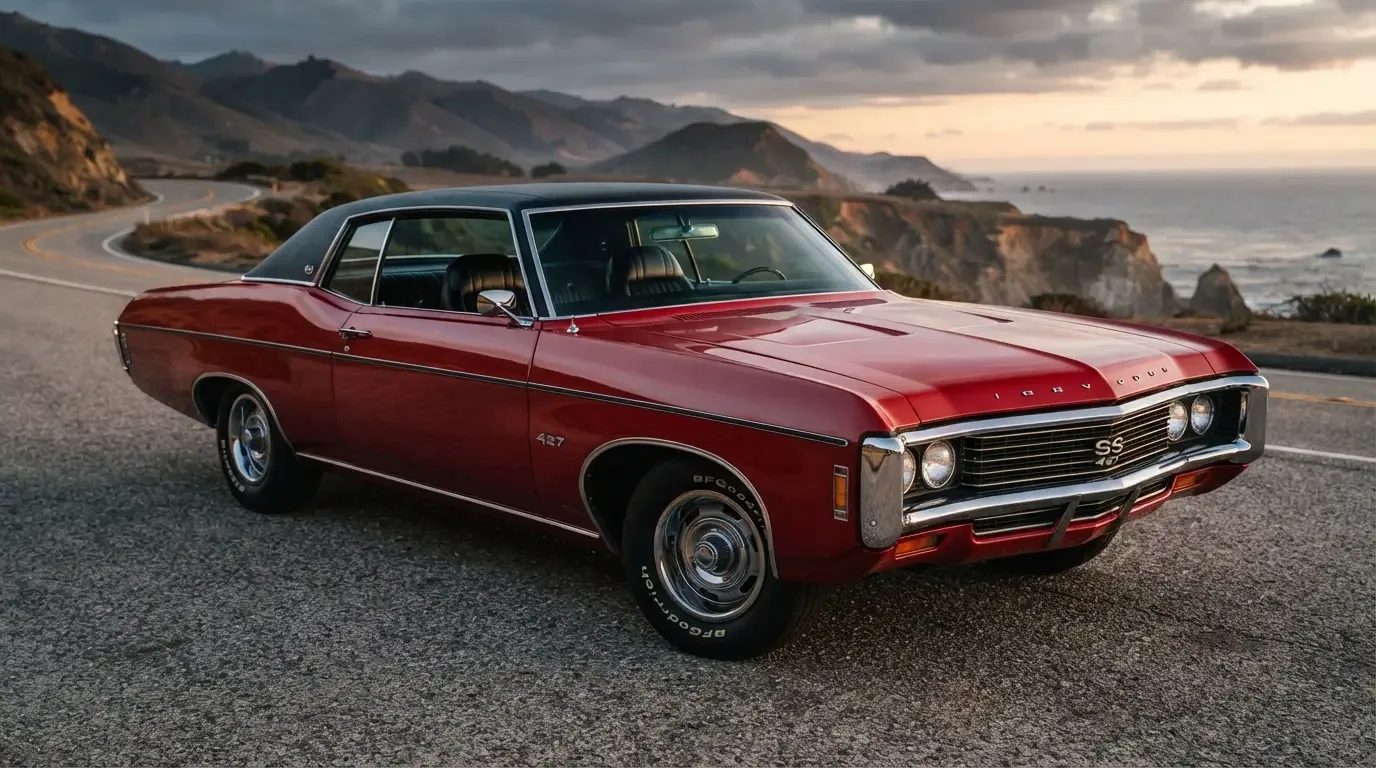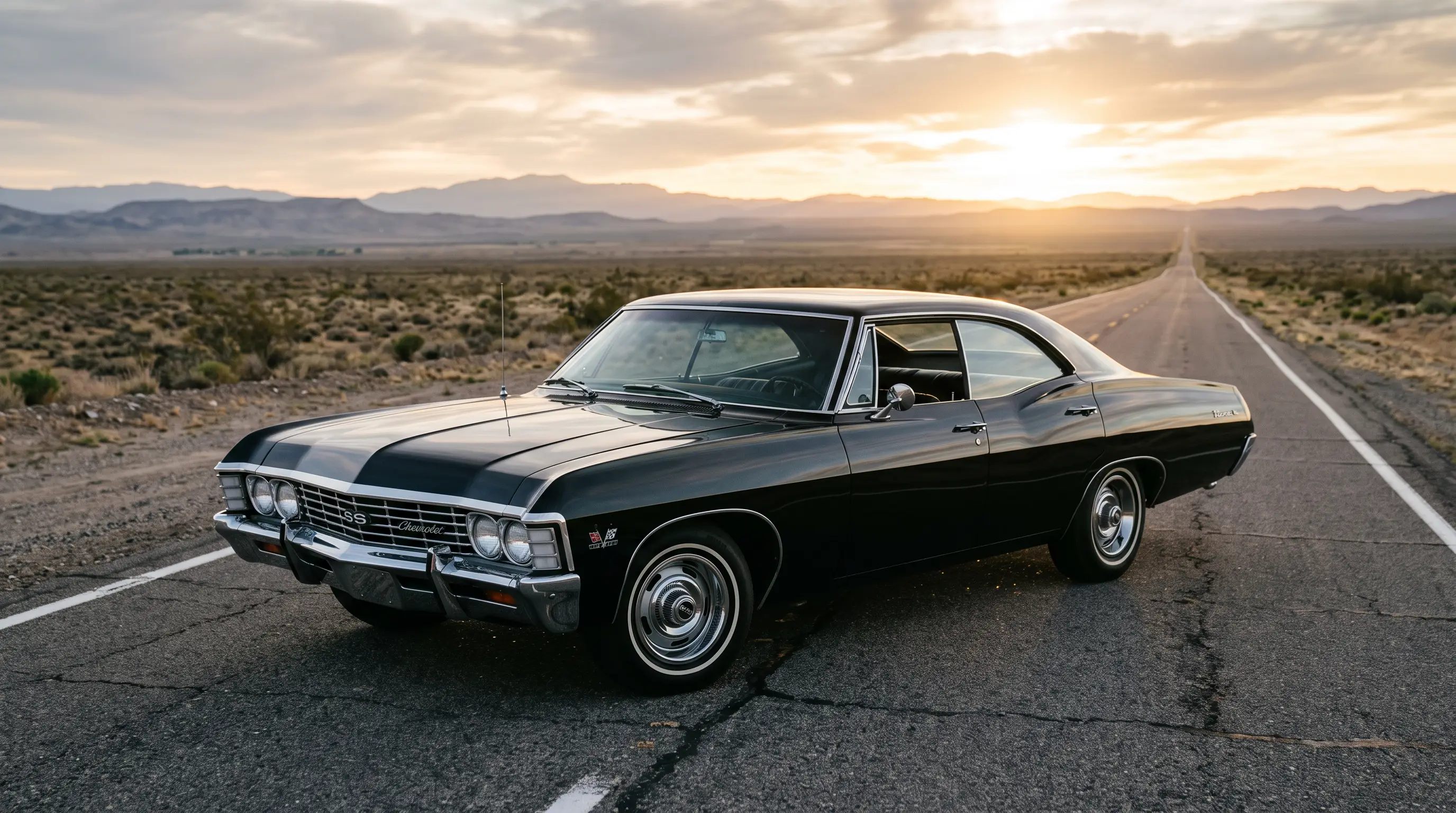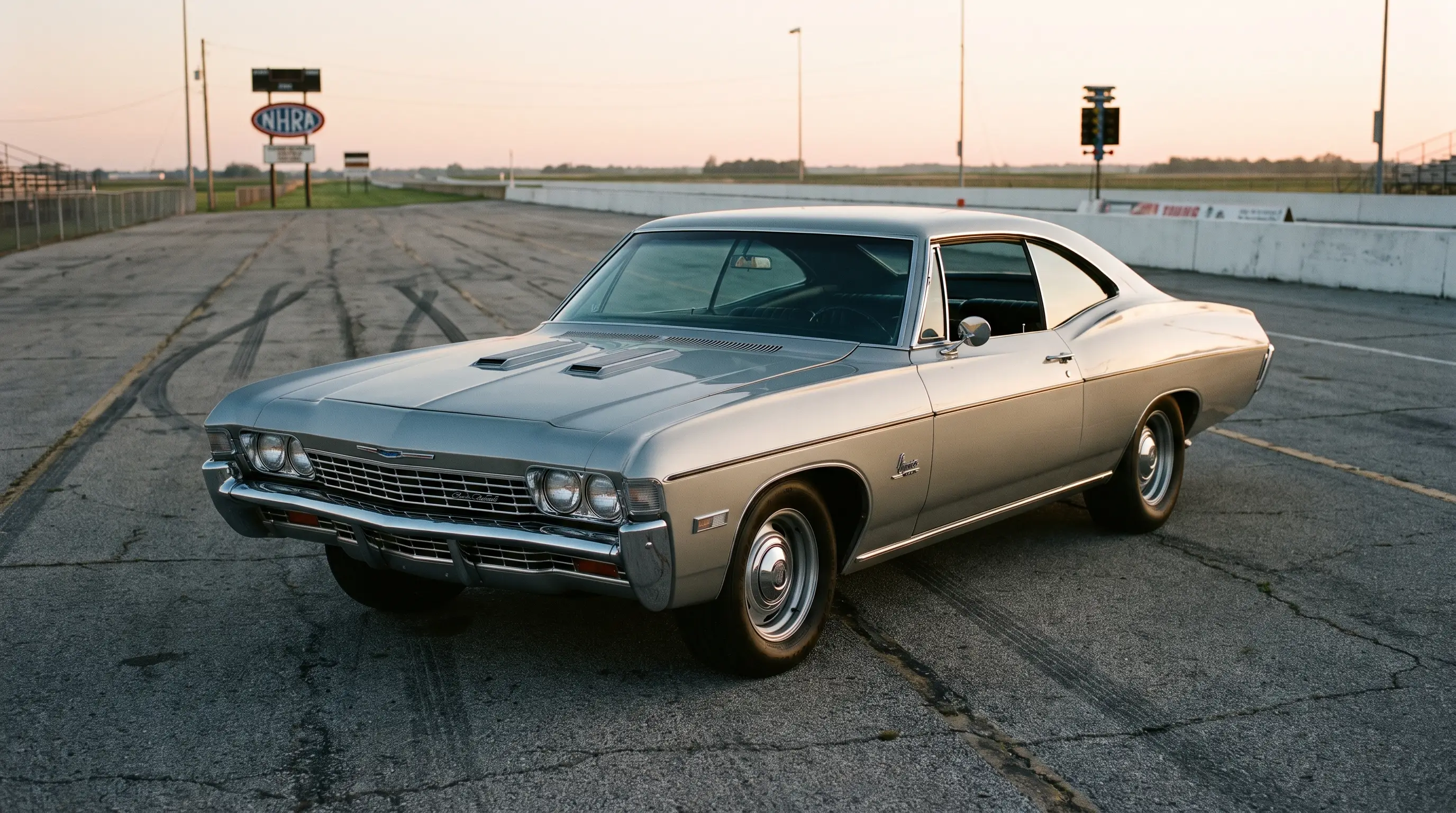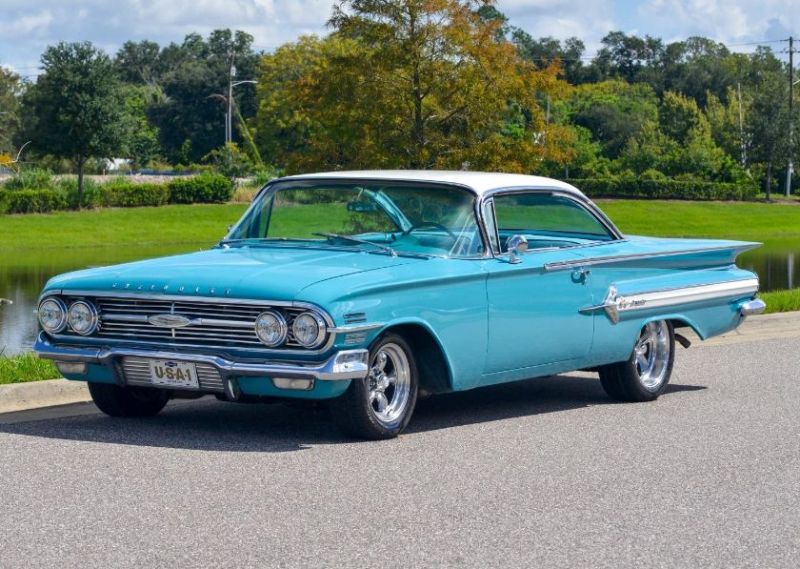
The 1968 Impala carried forward the body architecture Chevrolet introduced the year before, but factory documentation from the period shows it was never intended as a simple carryover. Grille, taillamp, and side trim revisions were substantial enough that Chevrolet's own production paperwork treats 1968 as its own distinct model year within the larger 1967 to 1970 generation, with unique tooling for the front and rear fascias even though the core greenhouse and door structure continued unchanged.
What changed and what stayed the same
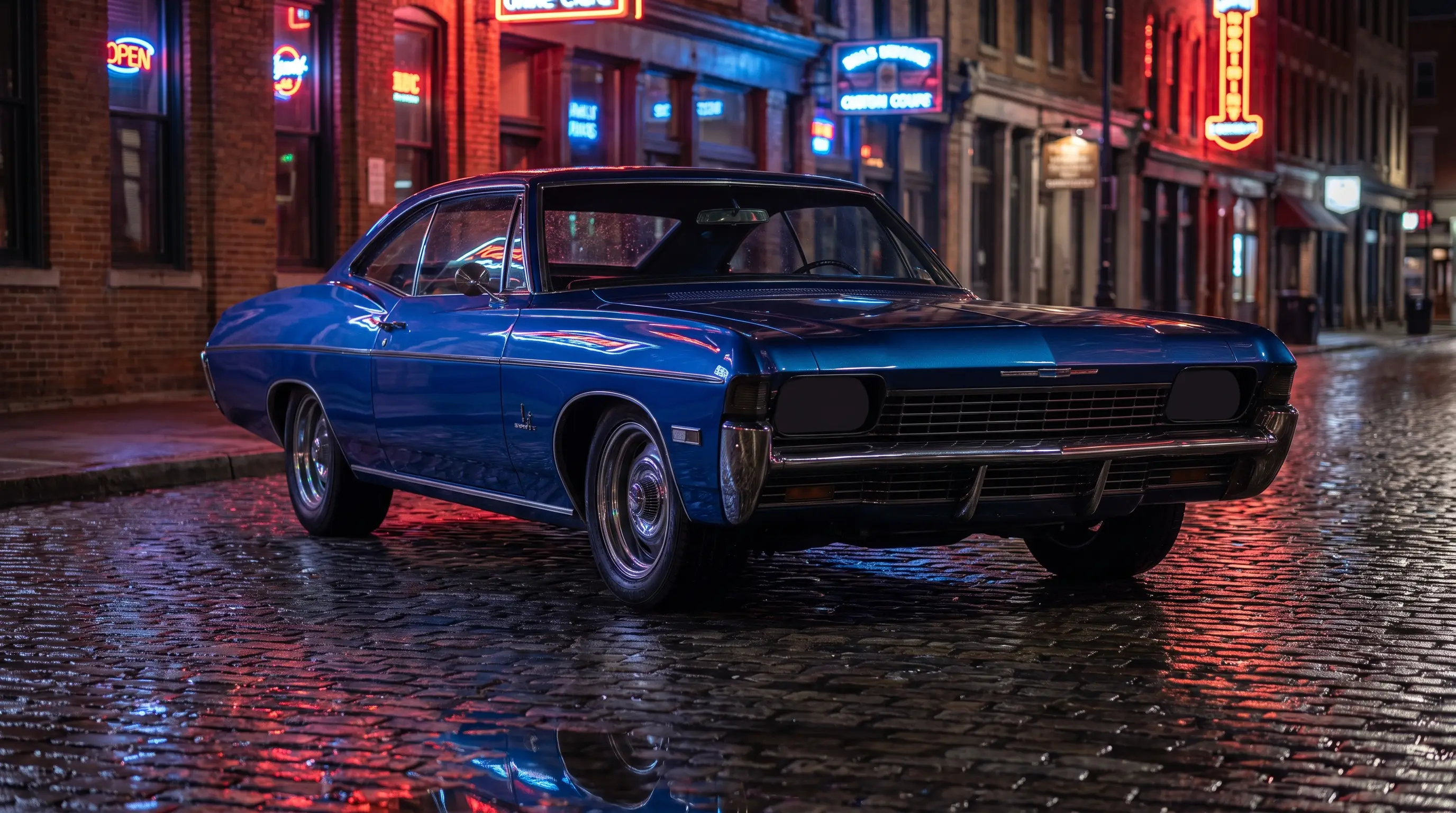
The most visible factory revision for 1968 was the introduction of concealed windshield wipers on many full size Chevrolet models, a detail that shows up clearly in period service documentation and that owners today use as one of the quickest visual cues to distinguish a 1968 car from its 1967 predecessor at a glance. The grille was reworked with a different texture and surround, and the taillamp treatment moved to a design distinct from both the 1967 car before it and the 1969 car that would follow, making the 1968 rear fascia a one year only piece according to factory parts records.
For 1968, Chevrolet's production records show the addition of the Custom Coupe body style, a formal notchback roofline variant, similar to the Caprice Coupe's roof, that broadened the Impala's coupe offerings beyond the existing semi-fastback Sport Coupe. This addition reflects Chevrolet's broader strategy across the full size lineup that year, adding visual variety within an existing body generation rather than committing to another full restyle so soon after the 1967 changes.
Correcting the "just a facelift" misconception
Enthusiast conversation sometimes reduces 1968 to a minor facelift of the more celebrated 1967 body. Factory tooling investment tells a more nuanced story. The concealed wiper system alone required meaningful engineering and tooling work across the corporation's full size lineup, not a simple trim swap. Combined with the one year only grille and taillamp designs and the addition of the Custom Coupe body style, 1968 represents a genuine mid cycle investment by Chevrolet rather than the afterthought some retrospective accounts suggest.
Buyers and historians researching how this specific year fits into the broader run of the body generation should read the background on the full 1967 through 1970 story, since 1968's changes only make sense in that larger context of what came immediately before and after.
| Feature | 1967 Impala | 1968 Impala |
|---|---|---|
| Wipers | Exposed | Concealed |
| Grille | 1967 specific design | 1968 specific design |
| Taillamps | 1967 specific design | 1968 specific design |
| Coupe body styles | Sport Coupe | Sport Coupe plus Custom Coupe |
"Call 1968 a facelift if you want, but the tooling investment in that grille and those hidden wipers says Chevrolet treated it as its own year, not an afterthought."
- Tom Ramirez
Engine and trim continuity from the factory record
Powertrain documentation for 1968 shows continuity with the previous year's offerings, including the 427 big block option for buyers who wanted it, alongside the smaller displacement engines that made up the bulk of actual production. The SS trim package continued as an available option, though period production figures suggest it represented a shrinking share of total Impala output as buyer attention across the industry shifted toward mid size and pony car performance models. Readers interested specifically in how the 427 option performed within this body should look at a companion piece on the worth a look too covering that engine's specific 1968 application.
Safety and regulatory changes baked into the 1968 model year
Factory documentation for 1968 also reflects a broader industry shift, as new federal safety standards took effect that year across the American auto industry. Side marker lights, shoulder belt provisions, and other regulatory requirements show up in Chevrolet's 1968 parts and equipment records as standardized additions across the full size lineup, the Impala included. These were not stylistic choices by Chevrolet's design staff but compliance driven changes, and they are a useful, often overlooked detail for anyone trying to date a car precisely from photographs, since side marker lights are a reliable visual cue separating a 1968 or later car from the pre-1968 body.
Interior trim also saw a round of revisions consistent with a genuine model year update rather than a pure carryover. Factory upholstery pattern references for 1968 differ from the 1967 patterns, and the dashboard trim, while sharing the same basic architecture as the previous year, picked up detail changes to switchgear and trim finish that period parts catalogs list as year specific.
Production volume and where 1968 sits in the run
Total Impala production for 1968 remained a significant share of Chevrolet's overall full size output, though industry wide sales data from the period shows the entire full size segment beginning a long, gradual decline in relative market share as buyers increasingly considered mid size and smaller cars. That broader trend does not diminish 1968's importance to the Impala's own story, but it is useful context for understanding why Chevrolet's engineering investment in full size cars, while still substantial in 1968, would not remain at that level indefinitely as the following decade progressed.
What survives and what to look for
Because the 1968 grille and taillamp assemblies are unique to that single year, parts availability for a full restoration is somewhat tighter than for the more common 1967 or 1969 pieces, according to current reproduction parts catalogs. Buyers evaluating a 1968 car for originality should pay close attention to whether the front and rear trim is correct for the year rather than assuming interchangeability with adjacent model years, since incorrect parts swaps are common after decades of ownership and repair. Those ready to compare documented examples against this factory record can shop classic Impala listings with these year specific details in mind.
Documentation, as with any car of this age, is the deciding factor between a fairly priced example and an overpriced one. A build sheet or cowl tag that confirms the original trim, color, and engine combination gives a buyer confidence that what they are looking at matches the factory record rather than a later owner's reinterpretation of what a 1968 Impala should look like.
It is also worth noting that the Custom Coupe addition means two 1968 Impala coupes can look meaningfully different from each other despite sharing a model year and nameplate. A buyer or historian comparing two cars should confirm which coupe body they are actually looking at before drawing conclusions about rarity or originality, since the two rooflines had different production runs and different survival rates.