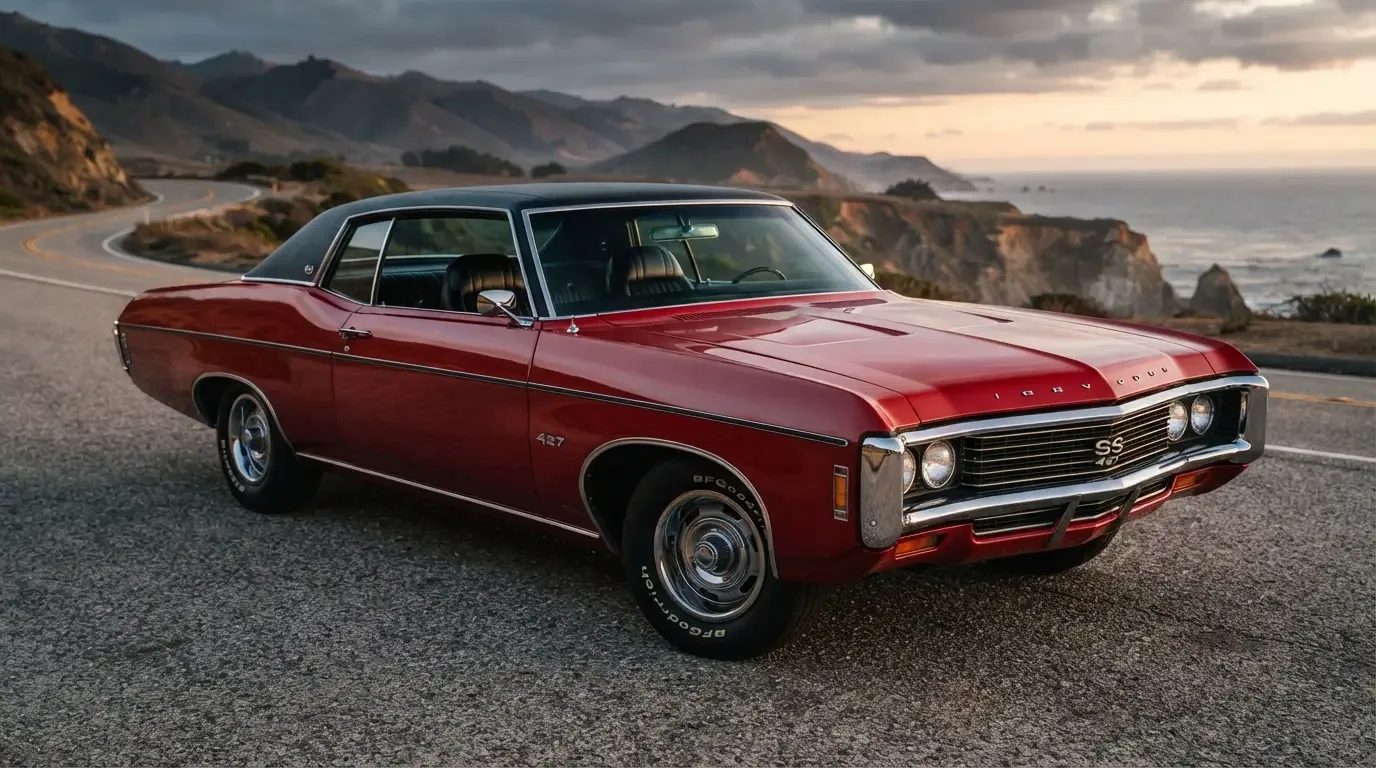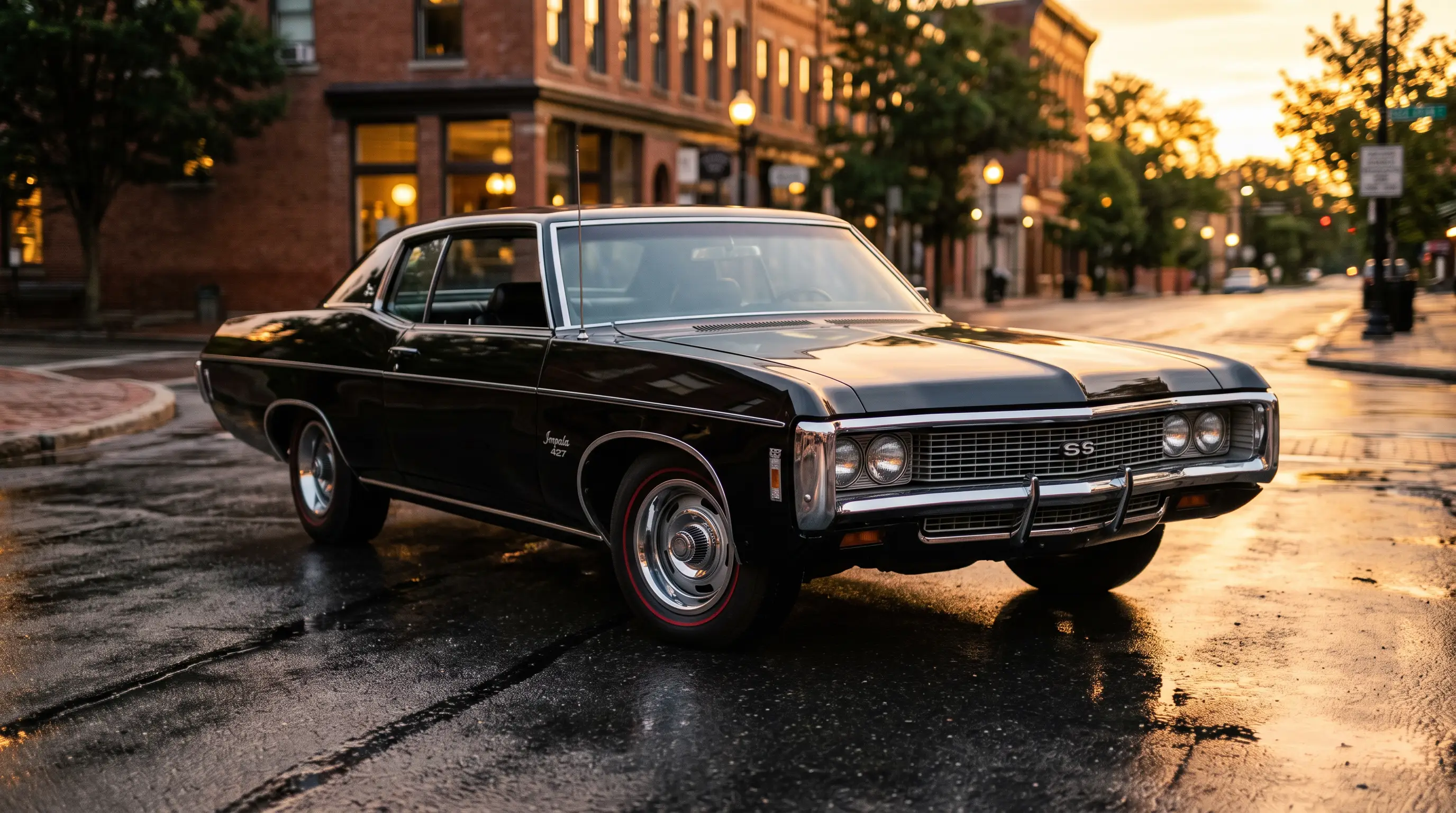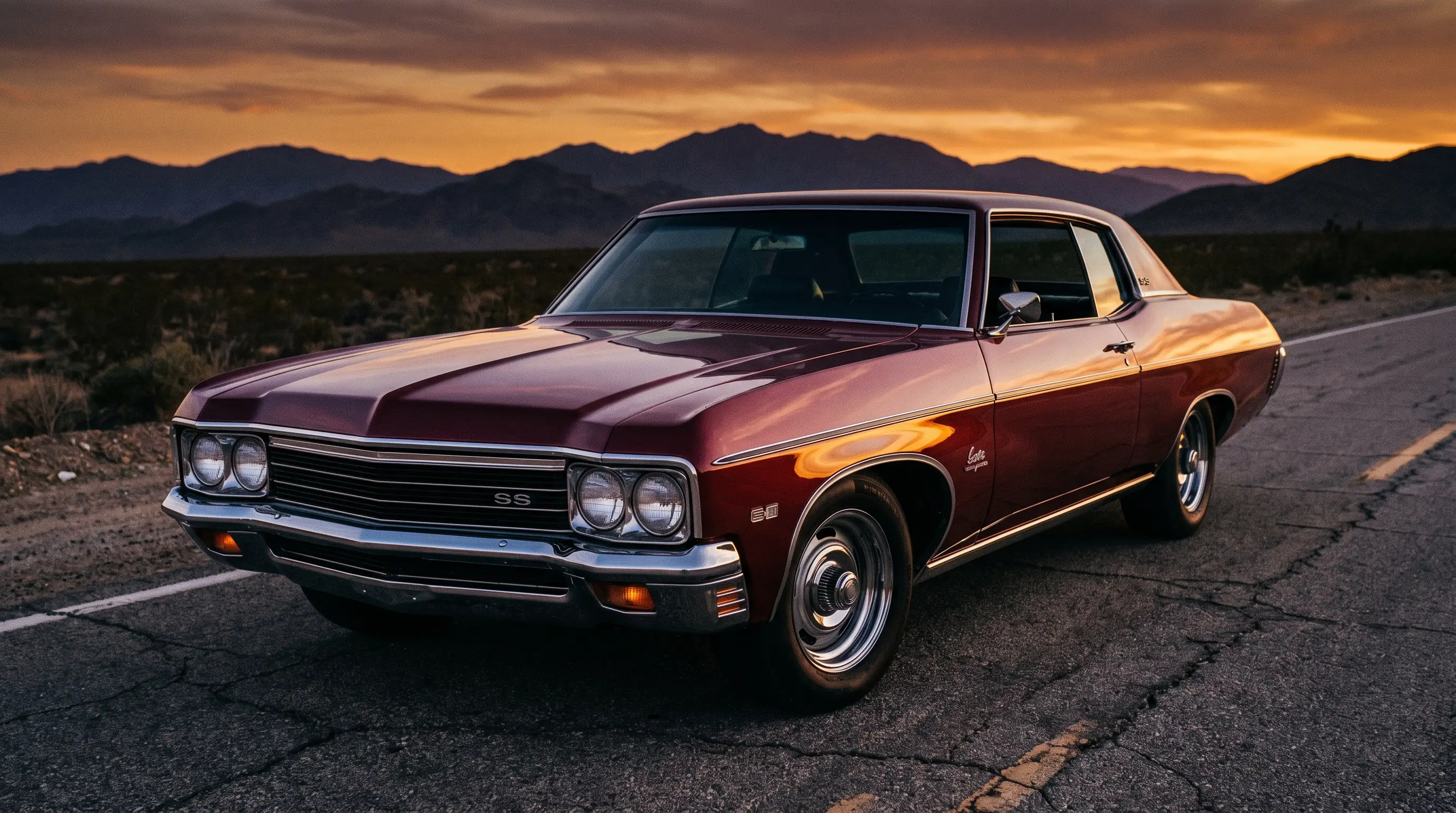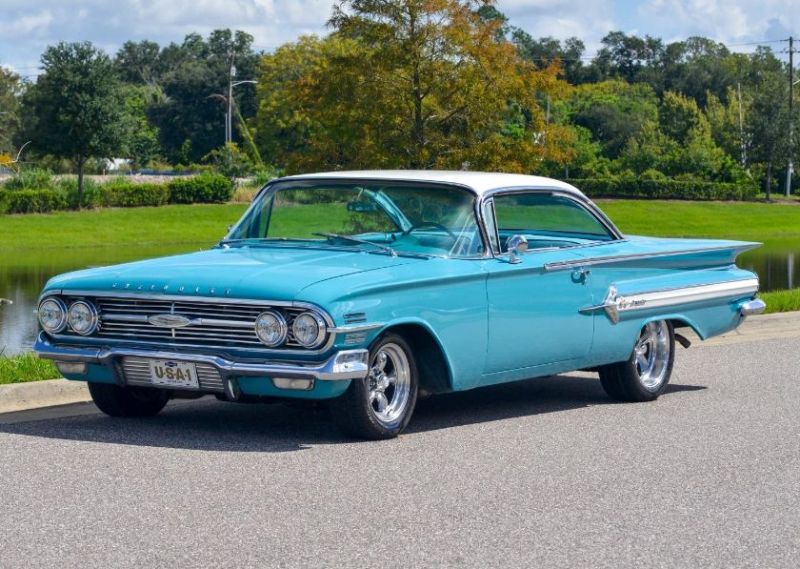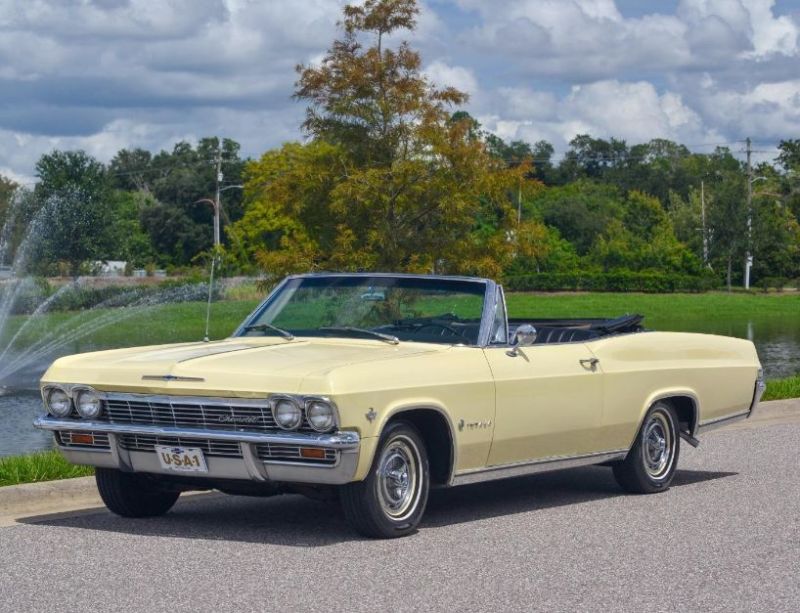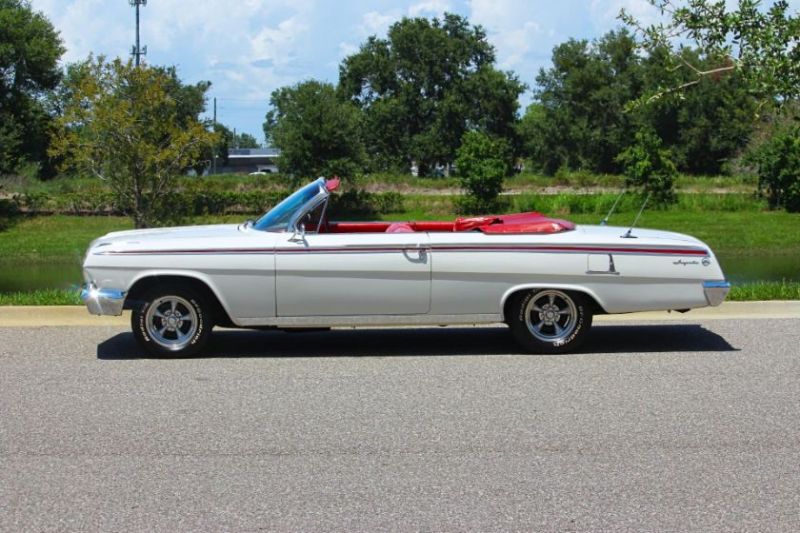
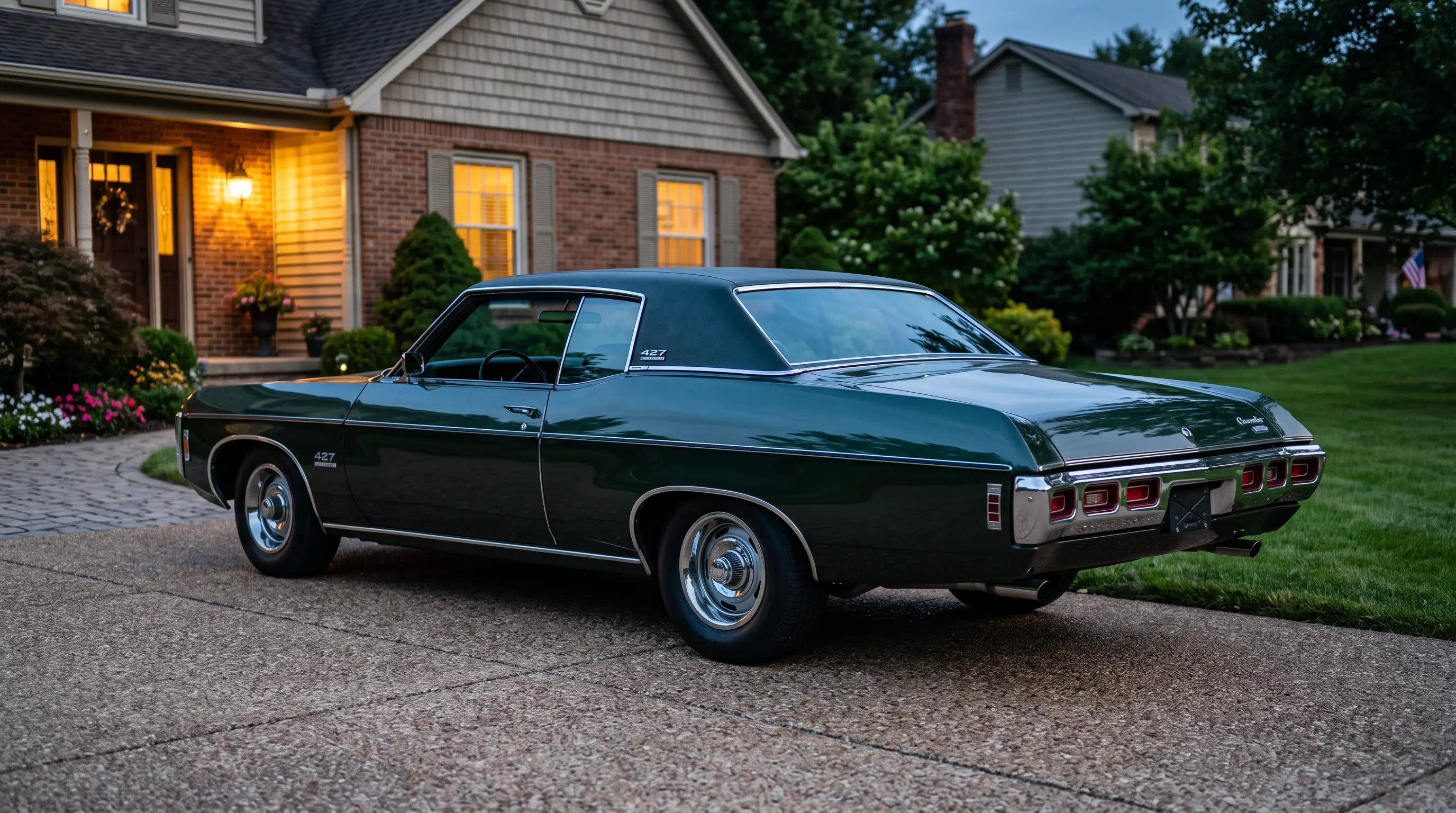
The 1969 Impala 427 is the last chapter of an engine story that started three model years earlier, and the closing chapter deserves to be evaluated on its own terms rather than treated as a simple footnote to 1966 or 1967. Chevrolet carried the 427 big block into its final Impala application largely unchanged from an engineering standpoint, offering the same basic L36 and L72 architecture that had defined this option since its introduction, now installed in a car wearing its third and final round of grille and trim revisions within this body generation.
The engine at the end of its run
The L36 remained the version most buyers actually wanted to live with day to day, hydraulic lifters, a single four barrel carburetor, and a factory rating of 390 hp that delivered strong, usable torque without the maintenance demands of its solid lifter sibling. The L72 remained the uncompromising option, 425 hp on paper and a genuinely different ownership experience, hotter running, thirstier, and less forgiving of casual maintenance. The L72 did not change meaningfully from the version Chevrolet had offered two years earlier; the L36's factory rating had crept up slightly since 1966 and 1967. By 1969 the 427 in a full size Impala was a known quantity, refined through three years of production rather than freshly engineered.
What did change was the context around the engine. This was the final model year Chevrolet offered the 427 in the full size Impala line before a larger displacement big block replaced it in the subsequent body generation, and it was also the final year the SS package existed as a regularly cataloged option on the standard Impala. A 1969 Impala with both the SS package and the 427 option represents the closing combination of two distinct chapters at once, which is a meaningfully different collector proposition than either the 1966 or 1967 version of the same basic engine.
Why closing years get undervalued, and why that is a mistake
Collector attention often gravitates toward introduction years, the first year of a new body or the first year of a new engine option, at the expense of closing years that carry their own distinct significance. The data does not support treating a closing year as automatically less desirable. A documented 1969 SS427 is scarcer in absolute terms than its more heavily discussed 1967 counterpart in some respects, simply because SS production had been declining as a share of total Impala output through the back half of the decade, and fewer buyers specified the combination in its final year than had in the package's more popular earlier seasons.
| Spec | 1969 L36 427 | 1969 L72 427 |
|---|---|---|
| Displacement | 427 cubic inches | 427 cubic inches |
| Valvetrain | Hydraulic lifters | Solid lifters |
| Rated output | 390 hp | 425 hp |
| Significance | Final year, daily driveable | Final year, committed performance |
"A closing year is not automatically a lesser year. The 1969 SS427 is scarcer than people assume precisely because fewer buyers ordered it as the package wound down."
- Emily Chen
Context from the broader generation
The engineering and styling decisions that shaped this final application of the 427 only make full sense against the backdrop of the entire 1967 through 1970 body generation. Readers wanting that fuller picture should look at the full story covering how the platform, the SS package, and the 427 option evolved together across those four model years before this particular combination reached its end.
Transmission and drivetrain pairing in the final year
The Turbo Hydra-Matic automatic remained the dominant transmission choice behind either 427 variant in 1969, consistent with the pattern established across the entire three year run of this engine option in the Impala. A four speed manual was available on order sheets, but it represented a small minority of actual production, since the buyer profile for this car, someone wanting effortless torque in a comfortable full size platform, was rarely the same buyer who wanted to row through gears in traffic. Anyone encountering a manual equipped 1969 427 today should treat it as a genuinely uncommon configuration worth extra documentation scrutiny precisely because it was uncommon when new.
Brake and suspension options followed the same optional upgrade path established in 1966 and continued largely unchanged, meaning a 1969 427 could be ordered with either standard or upgraded stopping power depending on what the original buyer specified. This detail matters for evaluating an example today, since the base brake setup was never designed with this level of engine performance specifically in mind, and a car without the upgrade should be treated and priced accordingly rather than assumed to match the performance of a fully optioned example.
What the end of this run means for parts and ownership
Because 1969 was the final year for this specific 427 application, certain trim and drivetrain support pieces unique to the year can be somewhat harder to source than equivalent parts for the more commonly reproduced 1967 cars. Mechanical parts for the 427 itself remain reasonably available given the engine's broader use across other GM products during this era, but body and trim pieces specific to the 1969 Impala require more patience to track down. Buyers planning a restoration around a genuine example should factor this reality into their budget and timeline rather than assuming parts sourcing will mirror the more heavily supported 1967 model year.
Buying a 1969 Impala 427 with real information
As with every year in this engine's run, documentation is the deciding factor between a fairly priced example and an overpriced gamble. Trim tag codes, casting numbers, and any surviving factory paperwork need to agree before a buyer pays a genuine premium for this specific, final year combination. Buyers ready to move from research to real inventory should browse classic Impala listings and apply the same documentation standard used for every other year in this story, since a claimed 1969 427 with no paper trail carries exactly the same risk as an undocumented claim from any other model year.
The bottom line for this final year is straightforward. It closes out the 427's Impala story and, in the SS combination, closes out the original Super Sport package at the same time, giving a documented example a legitimate claim to significance that has nothing to do with hype and everything to do with what actually stopped being made after this specific model year rolled off the line.