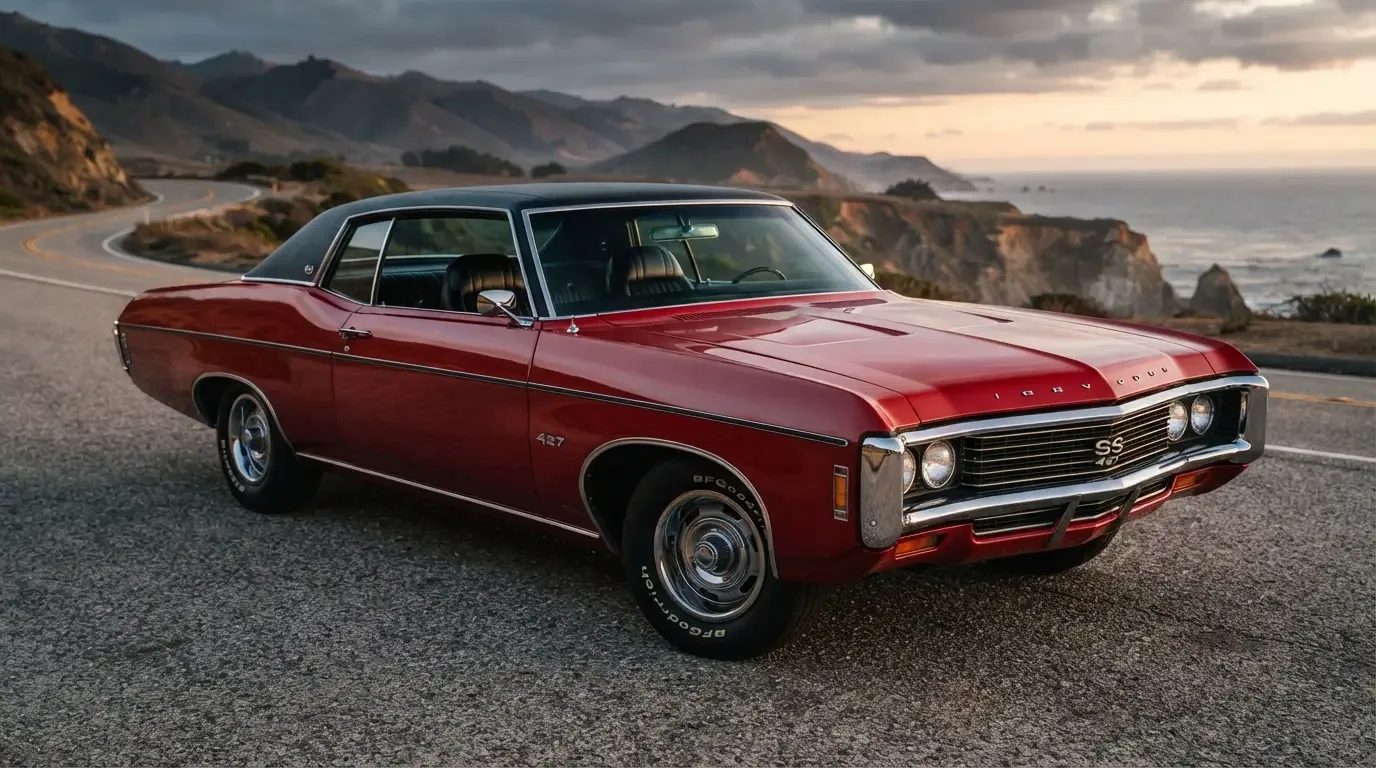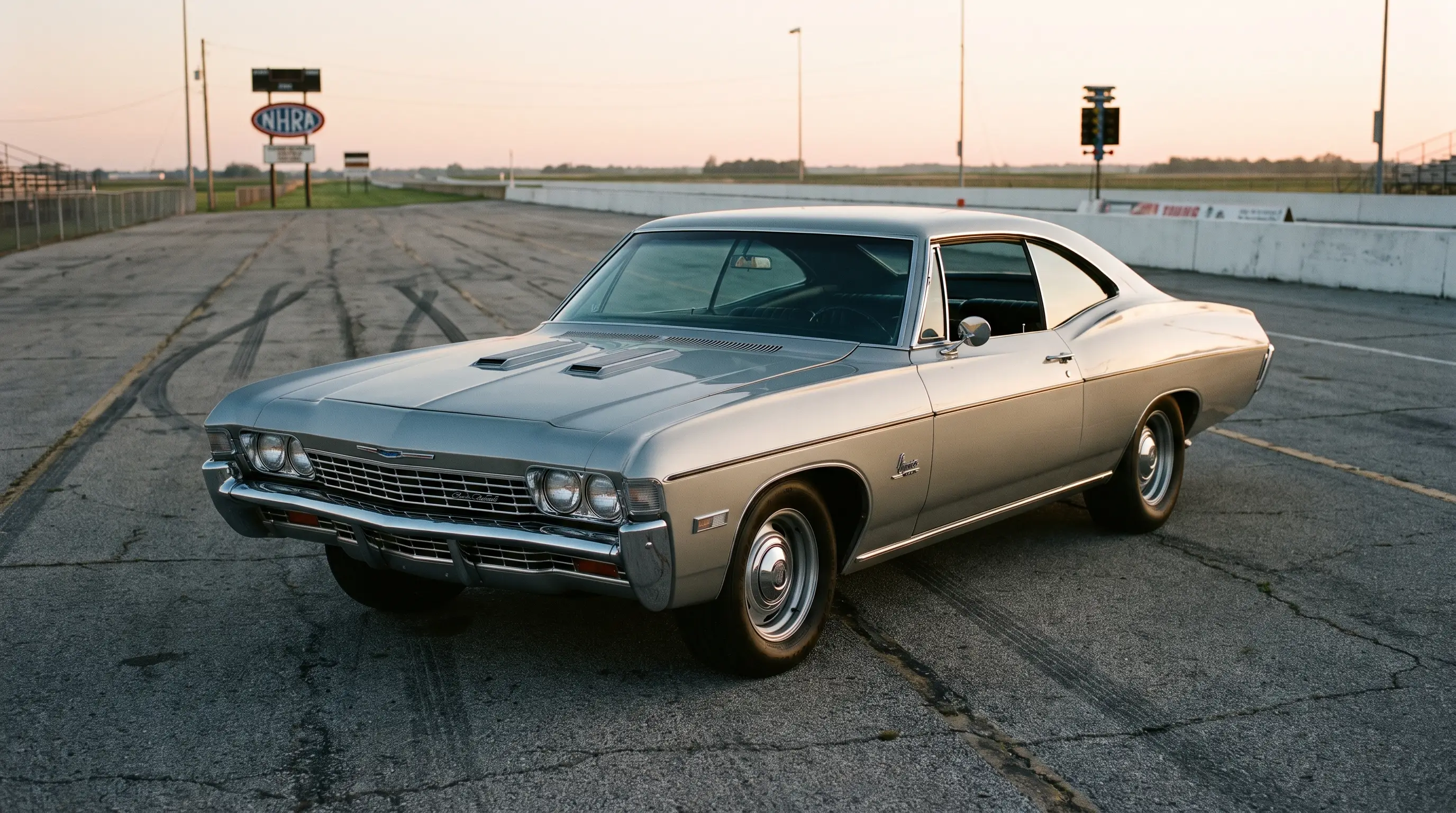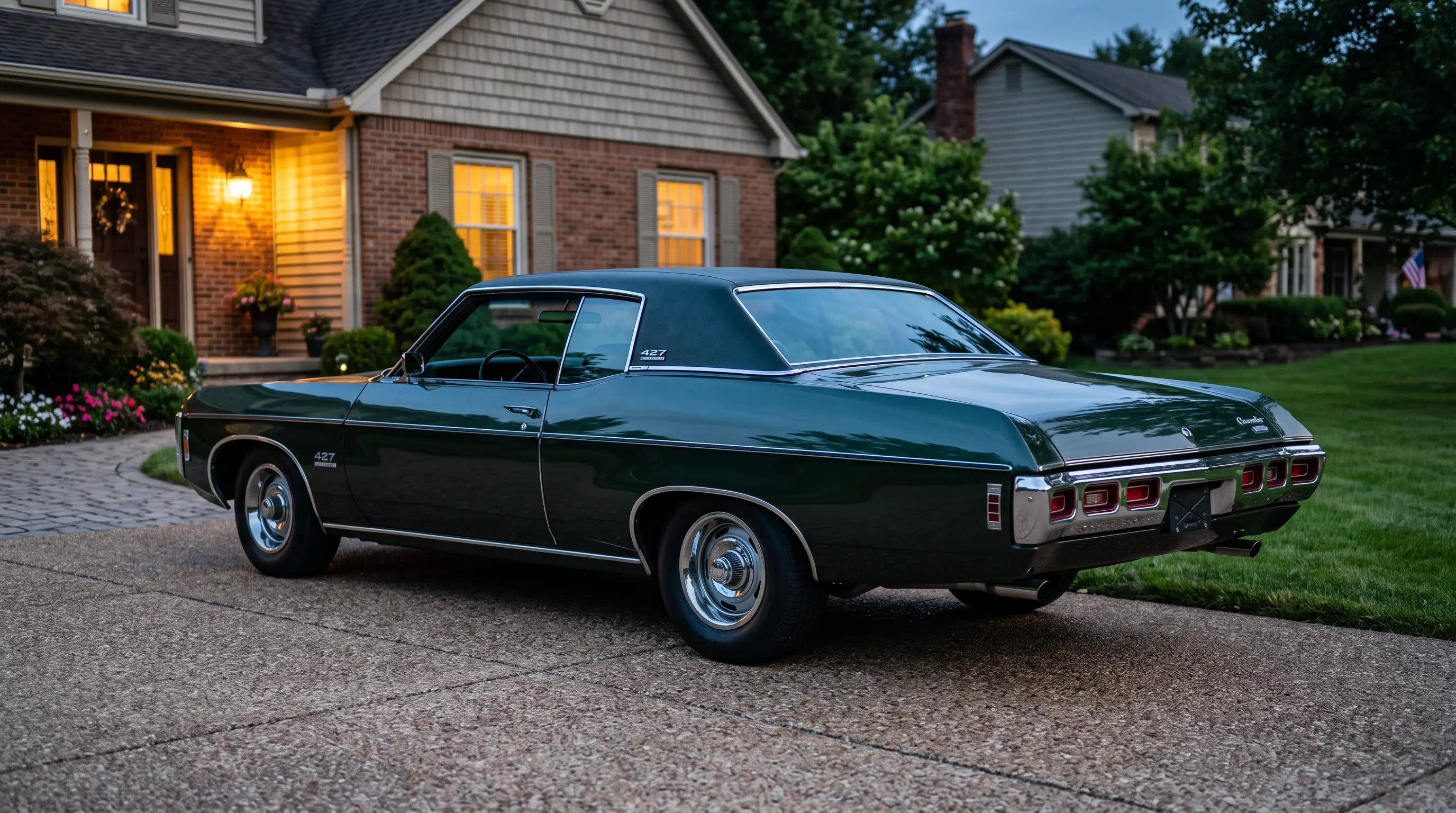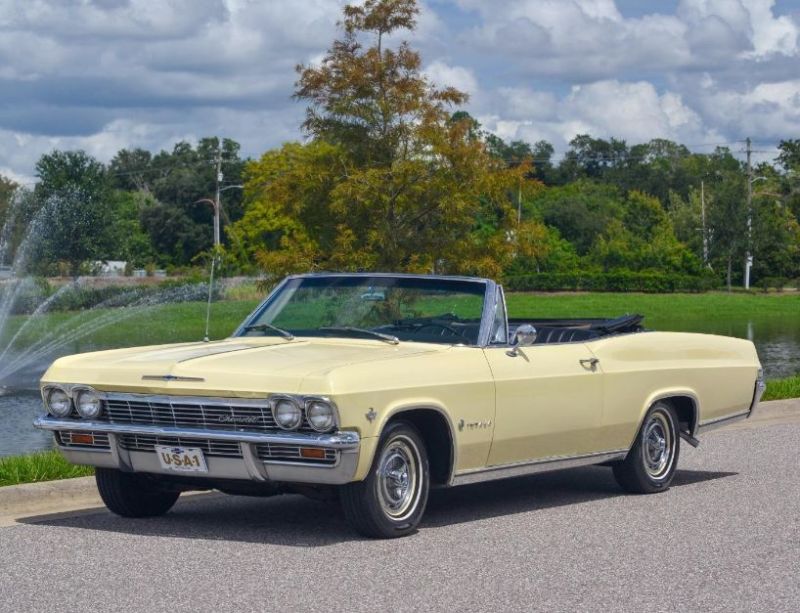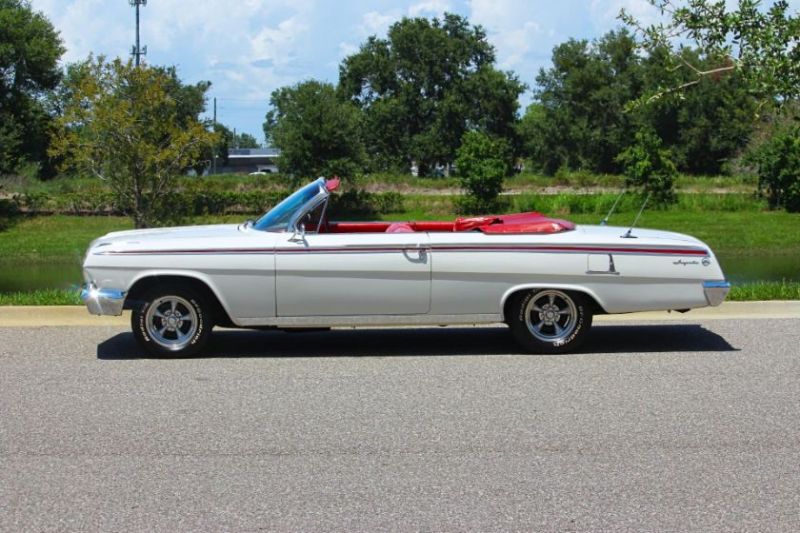
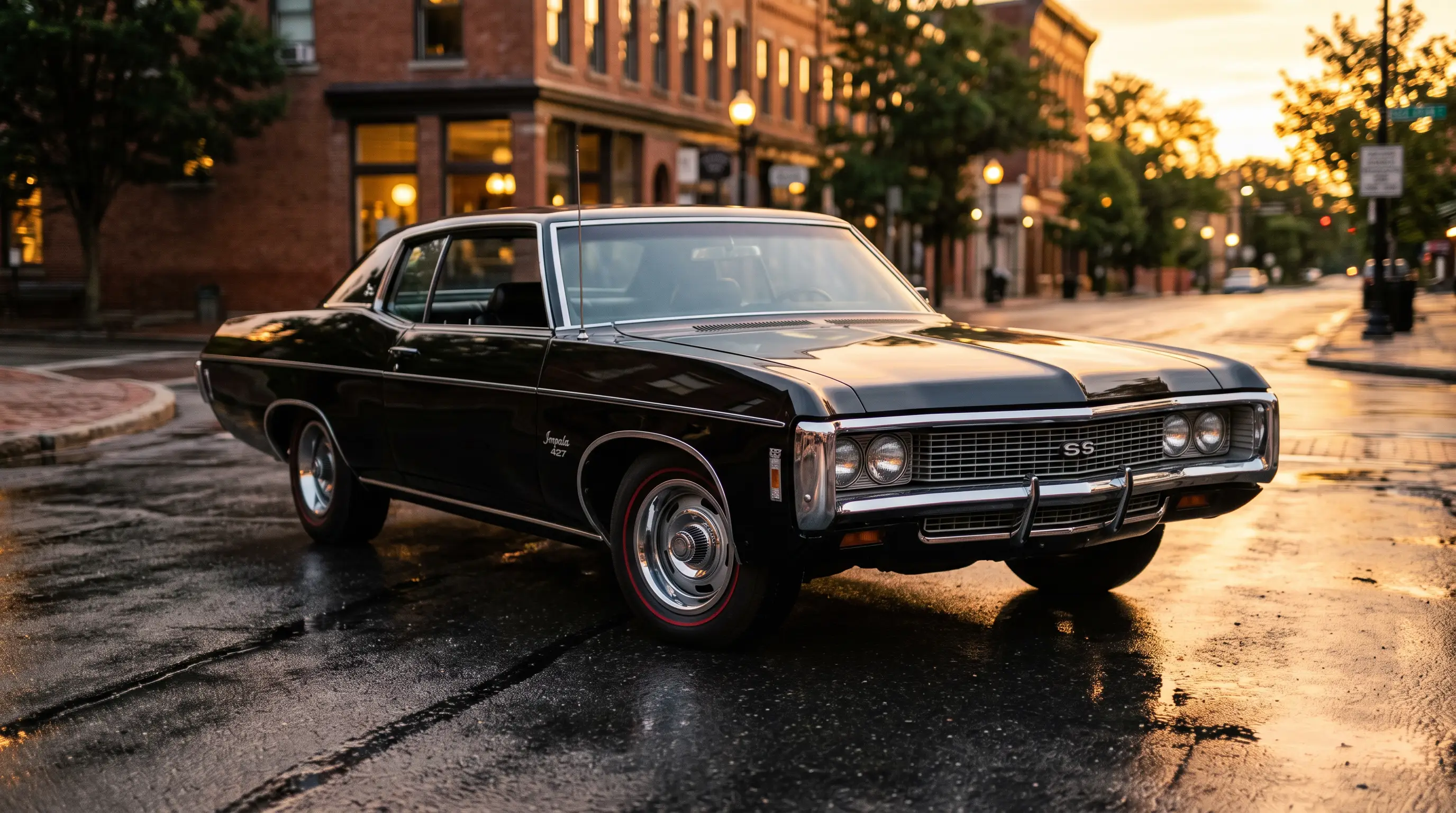
The 1969 Impala closes out a chapter of Chevrolet's full size lineup in a way that factory records make clearer than casual enthusiast summaries usually acknowledge. Built on the same basic body generation introduced in 1967 and carried through 1968, the 1969 car received another round of grille, taillamp, and trim revisions distinct enough that period parts catalogs list them as year specific, even as the fundamental structure underneath continued unchanged for a third consecutive year.
What the factory paperwork shows for 1969
Production documentation from Chevrolet describes a revised grille texture and surround for 1969, along with a new taillamp treatment that differs from both the 1968 car before it and the substantially restyled 1970 model that would follow. Interior trim references from the period show updated upholstery patterns and door panel details consistent with a genuine model year refresh rather than a pure carryover. As with the 1968 car, these changes represented real tooling investment by Chevrolet even within a body generation that was, by its third year, closer to the end of its cycle than the beginning.
One factory record worth highlighting for historical accuracy: 1969 marked the final year the Impala Super Sport was offered as a distinct, regularly cataloged option package within the standard Impala lineup before the SS name was set aside for the Impala nameplate for roughly a quarter century, not returning to regular production until the 1990s. This detail is often stated imprecisely in casual writing, so it is worth being specific here based on Chevrolet's own model lineup documentation from the period.
Correcting a common date confusion
A misconception that circulates among casual enthusiasts conflates the end of the original Impala SS run with the end of Impala production generally, treating 1969 as some kind of closing chapter for the nameplate itself. Factory sales and production records make clear this is inaccurate. The Impala nameplate continued in strong volume well beyond 1969, through the following body generation and for decades after that. What actually ended in 1969 was the SS as a distinct, regularly ordered option package on the full size Impala, a narrower and more specific fact than the nameplate's overall story.
"People conflate the end of the Impala SS with the end of the Impala. The factory record shows those are two very different endings, separated by decades."
- Tom Ramirez
Engine and drivetrain continuity
Powertrain options for 1969 remained largely consistent with the previous two model years, including the 427 big block for buyers who specified it, alongside the smaller displacement engines that made up the bulk of production volume. This would be the final model year Chevrolet offered the 427 in the full size Impala line before a larger displacement big block took its place in the subsequent body generation, another detail that adds to 1969's significance as a closing year for several distinct chapters within the Impala's broader story, even as the nameplate itself continued on.
Readers wanting the fuller arc connecting 1969 to the body generation it belongs to should look at where this started, the complete account of how this specific styling and engineering cycle developed from its 1967 introduction through its final year.
The Caprice's growing role and what it meant for Impala
Factory positioning records from the period show Caprice steadily assuming the role of Chevrolet's premium full size trim throughout the late 1960s, a shift that directly informed the decision to retire the SS package from the regular Impala catalog after 1969. This was not a sudden decision made in isolation, it reflected several years of Chevrolet gradually repositioning where luxury and where performance emphasis sat within its full size lineup. By the time the 1970 model year arrived, the Impala had settled into a role as the high volume, broadly equipped full size Chevrolet, while Caprice absorbed most of the premium trim emphasis and performance oriented buyers increasingly looked toward the smaller Chevelle and Camaro lines instead.
This context matters for understanding 1969 correctly. It was not a car in decline, production volume remained strong and the model continued to be a significant part of Chevrolet's overall output. It was, instead, a car at the end of one specific identity, the performance capable full size Impala, transitioning into a somewhat different one for the following decade.
Regional trim and color variation from the factory record
As with the years immediately before it, Chevrolet's regional assembly plants show some variation in color and trim allocation for 1969 depending on the sales region a given plant served. Historians working from surviving build sheets and plant codes can frequently trace a car back to its assembly origin, which provides useful context when evaluating an example's originality and helps explain why certain color and trim combinations are more commonly found in some parts of the country than others even now, decades later.
Finding and evaluating a 1969 today
Because 1969 represents the last year for both the original SS package and the 427 option within this generation, documented examples combining both carry meaningful collector interest. As with every year in this generation, verifying trim tag codes and, where possible, surviving factory paperwork against what a specific car presents as is the only reliable way to confirm originality rather than relying on visual impression alone. Buyers ready to compare real inventory against this factory record can look at classic Impala for sale listings and apply these year specific details when evaluating candidates.
Parts availability for 1969 specific trim pieces, particularly the grille and taillamp assemblies unique to this model year, tends to be somewhat tighter than for the more commonly reproduced 1967 pieces, according to current aftermarket parts catalogs. Anyone planning a restoration around a genuine 1969 example should budget for that reality early rather than discovering it partway through a project. As with every year in this generation, the paperwork trail remains the most reliable guide to a car's true identity, more reliable than paint condition, more reliable than a seller's verbal history, and more reliable than assumptions based on how a car happens to be badged today.
Taken together, the grille and trim changes, the closing chapter for the SS package, and the final appearance of the 427 option make 1969 a genuinely significant single year within this generation, worth researching on its own terms rather than skimming past on the way to the more heavily discussed restyle that followed it.