
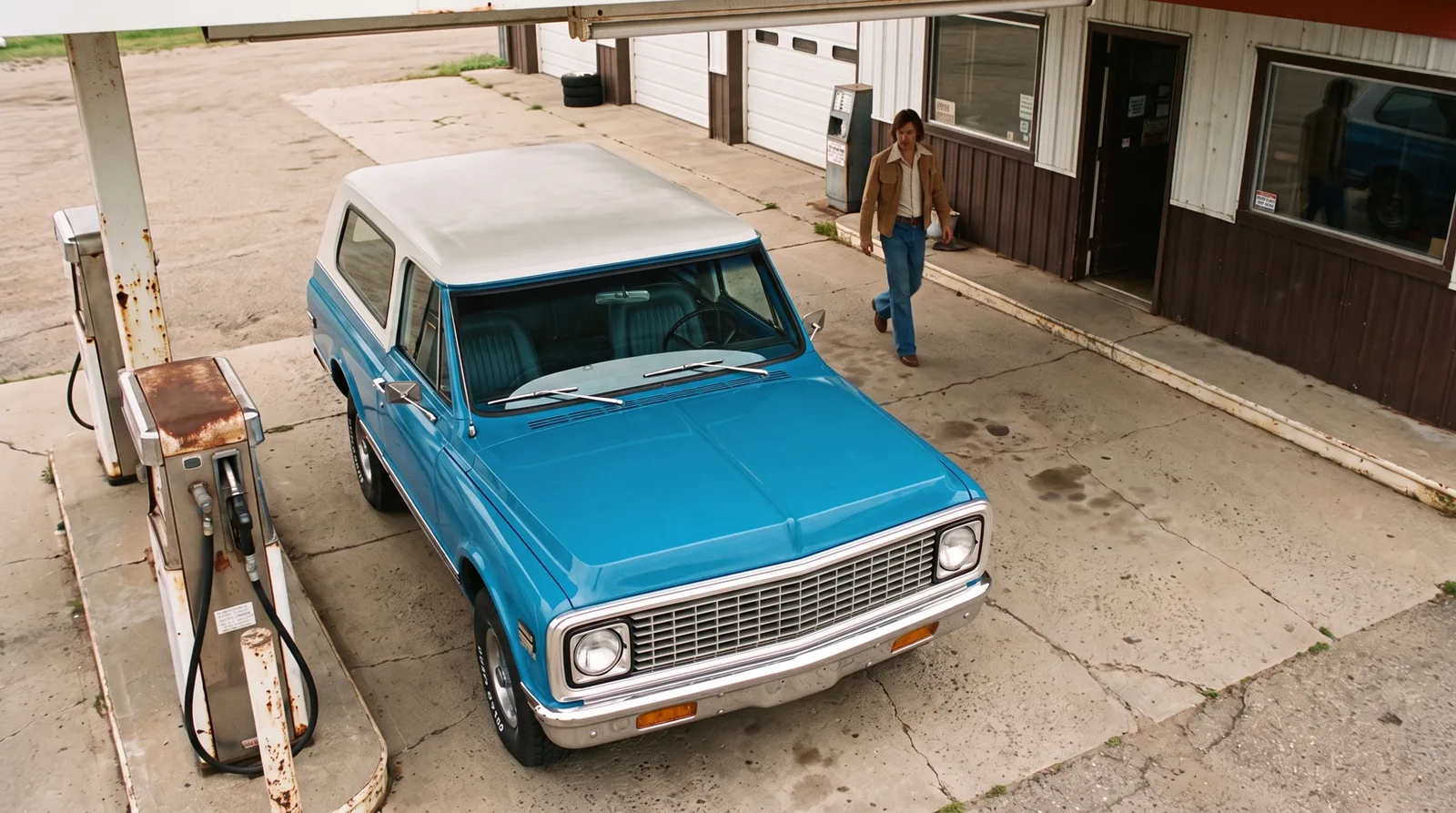
Ask ten people which Blazer they want and about eight of them will say a 1972 K5 Blazer without being able to tell you why. That is not a criticism. The 1972 is the right answer for most of them. It is the last year of the original body, the last year the whole roof came off, and the year Chevrolet finally sorted out the things it got wrong in 1969. The reasons are good ones. They are just usually secondhand.
Car Features
9 min read
The 1972 K5 Blazer: The Most Wanted First-Generation Blazer
The 1972 is the last year the entire roof came off, the most refined of the first generation, and the one everyone asks for by name. Here is what it actually gets you, and what it costs.
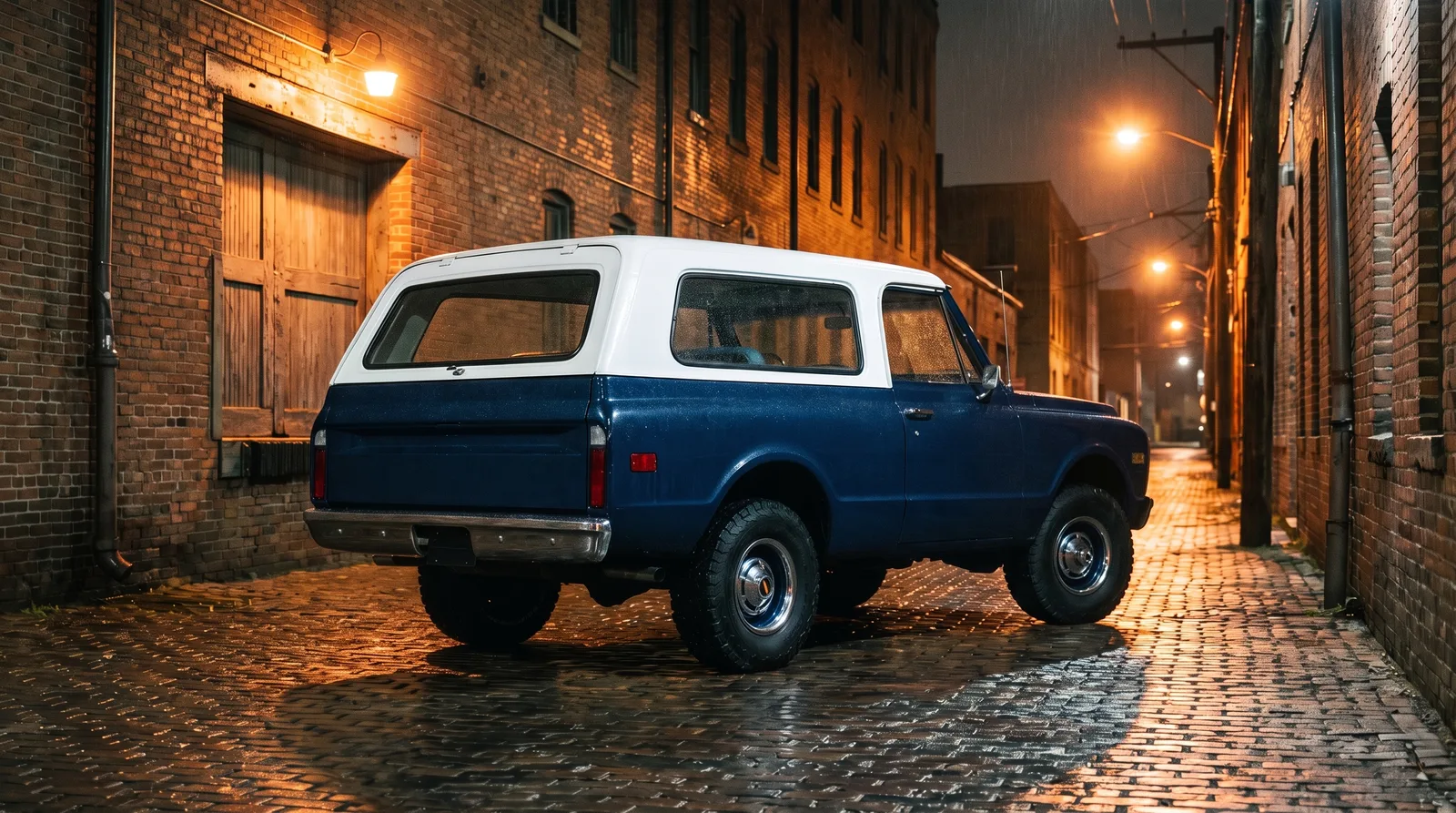
Why 1972 gets the money
The first generation ran four model years, 1969 through 1972, and each one is a slightly better truck than the one before it. That is normal. What is not normal is how sharply the market rewards the last of them. A clean 1972 will regularly outrun a comparable 1970 by a meaningful margin, and the gap is not entirely about the truck itself.
Some of it is arithmetic. Production climbed steadily across the four years as buyers worked out what the thing was for, from under 5,000 units in the 1969 launch year to 44,266 for 1972, so 1972 is the year with the most survivors and the deepest parts supply. More survivors normally means lower prices. Here it means the opposite, because a bigger pool of trucks means more of them are good, and the good ones set the price.
The rest of it is the roof. From 1973 the truck got bigger, better and more comfortable, and by 1976 the front half of the roof was welded on for good. If you want the version where the entire top lifts away and you are sitting in what amounts to a four wheel drive convertible, 1972 is your last chance at the original recipe. People pay for last chances. For the whole arc from the 1969 launch through to the end of the squarebody run, the k5 blazer story lays out how the truck got from one to the other.
What was actually new for 1972
Not as much as the price difference suggests, and this is where I have to be honest. The 1972 is a detail refresh of the 1971, which was itself a refresh of the 1969. The body dies are the same. The chassis is the same. The 104 inch wheelbase is the same.
What changed is the stuff you notice on the third day of ownership rather than the first. Front disc brakes had become standard equipment on the four wheel drive trucks by then, which is a genuinely large improvement over the drums the earliest ones came with. The grille and trim got their final revision for the generation. Interior appointments improved again, and the sound deadening got better, although nobody in 1972 was going to mistake this truck for quiet.
The other change is on paper. For 1972 the industry switched from gross horsepower ratings, taken from an engine on a stand with no accessories, to net ratings, taken with everything bolted on. Nothing about the engines got worse that year. The numbers just started telling the truth, and a lot of people have spent fifty years misreading that as a power cut.
| Item | 1972 Chevrolet K5 Blazer |
|---|---|
| Generation | First, 1969 to 1972 |
| Wheelbase | 104 inches |
| Body | Steel cab with full removable fiberglass top |
| Drivetrain | K5 four wheel drive or C5 rear drive |
| Base engine | 250 cubic inch inline six |
| Popular engine | 350 cubic inch V8 |
| Transmissions | Three speed and four speed manual, three speed automatic |
| Key trim package | CST, Custom Sport Truck |
| Rear seat | Optional, not standard |
| Significance | Final year of the fully convertible body |
The engine list, and what the numbers mean
The base engine was the 250 cubic inch inline six, and I have never met anyone who wanted one. It ran forever, it was cheap to keep, and it made a heavy truck with the aerodynamics of a filing cabinet feel exactly as slow as it was. The 292 six was the better version of that idea if you found one.
Most buyers took a V8. The 307 was the entry point and the 350 was the one that mattered, then and now. In 1972 net trim the 350 was rated in the neighbourhood of 160 to 175 net horsepower depending on carburetor, which sounds miserable next to a modern half ton and feels perfectly adequate in a truck that weighs what this one weighs. The torque curve is the point. These engines pull from idle, which is what you want when the truck is going up a rutted two track at walking pace.
Here is the part nobody likes hearing. The overwhelming majority of 1972 K5 Blazers you will see advertised no longer have the engine they left the plant with. Fifty years is a long time and a small block Chevrolet is the easiest engine in the world to replace with another small block Chevrolet. That does not ruin a truck. It does mean that anyone paying a numbers matching premium had better have the documentation to justify it.
"A 1972 with a replacement 350 and honest paint is a better buy than a 1972 with the original block and a body full of filler. One of those problems costs a weekend. The other costs a year."
- Mike Sullivan
CST and the truck that started thinking it was a car
CST stood for Custom Sport Truck, and it is the option package that explains why the Blazer succeeded when so many rivals stalled. For not very much money it added bucket seats, carpet, a headliner, better door panels, extra bright trim outside and the kind of finish that made a working truck acceptable to somebody who was going to drive it to the office on Monday.
That was the whole commercial insight. International had the Scout, Ford had the Bronco, Jeep had the Commando, and all of them were narrower and more agricultural. Chevrolet started with a full-size pickup cab, which meant a wide bench, real shoulder room and a heater that worked. Then CST made it pleasant. A base 1972 is a tool. A CST 1972 is a vehicle you would happily drive across three states.
The trim package is also the single most faked thing on these trucks. CST emblems cost almost nothing and bucket seats can be sourced from a wrecking yard. If the interior looks too good for the underside, somebody has been busy.
The roof, and why it changed everything
On a 1969 through 1972 truck, the fiberglass top starts at the top of the windshield frame and covers everything behind it. Undo the fasteners, get two friends, and the entire roof comes off in one piece. What is left is a windshield, a low body line and a great deal of sky. There is nothing else quite like it from a mainstream American manufacturer of the era.
It is also the reason first generation trucks are hard to find in honest condition. A removable roof is a removable seal, and a removable seal on a vehicle that spent twenty years outdoors in a snow belt state does what you would expect. Water found its way into the cab corners, the floors and the rear wheel arches on a lot of these trucks, and the ones that were stored with the top in a barn and the body in a field are still out there waiting to disappoint somebody.
That is the trade. The most desirable feature of the truck is also its most reliable route to rust. Price accordingly, and inspect accordingly.
What a 1972 actually costs you
The first generation trucks were the first part of this market to move, and they moved hard. Driver quality four wheel drive examples that were changing hands for modest money fifteen years ago now sit in a range that would have looked absurd then, and the best restored and restomodded trucks have reached well into six-figure territory at major collector auctions, numbers that put them alongside serious muscle cars.
What you get for it is a big, comfortable, slow, thirsty truck with a removable roof and an enormous amount of character. It is not fast. It does not stop like anything built in this century. In a crosswind on the interstate it will keep you awake. None of that matters, because the moment the top is off and you are doing 45 miles an hour on a gravel road, the 1972 K5 Blazer makes a case for itself that no specification sheet ever could.
If the first generation appeals but 1972 money does not, the earliest cars are worth a look for different reasons, and there is another one worth knowing at the very start of the run. When you are ready to see what the current market is asking, you can browse classic K5 Blazer listings and calibrate against real trucks rather than remembered prices.
The honest verdict
The 1972 is the best first generation K5 Blazer and it is priced like it. That is a fair outcome. What I would push back on is the idea that it is the only one worth having. A 1970 or a 1971 gives you the same roof, the same shape and most of the same experience for less money, and a 1973 gives you a considerably better truck for a different kind of buyer.
Buy the 1972 because you want the final version of the original idea, not because a forum told you it was the good one. If you go in knowing what the roof does to the floors and what fifty years does to a small block, you will end up with a truck that keeps paying you back every time the weather is good.
Sources and notes
Related Reading
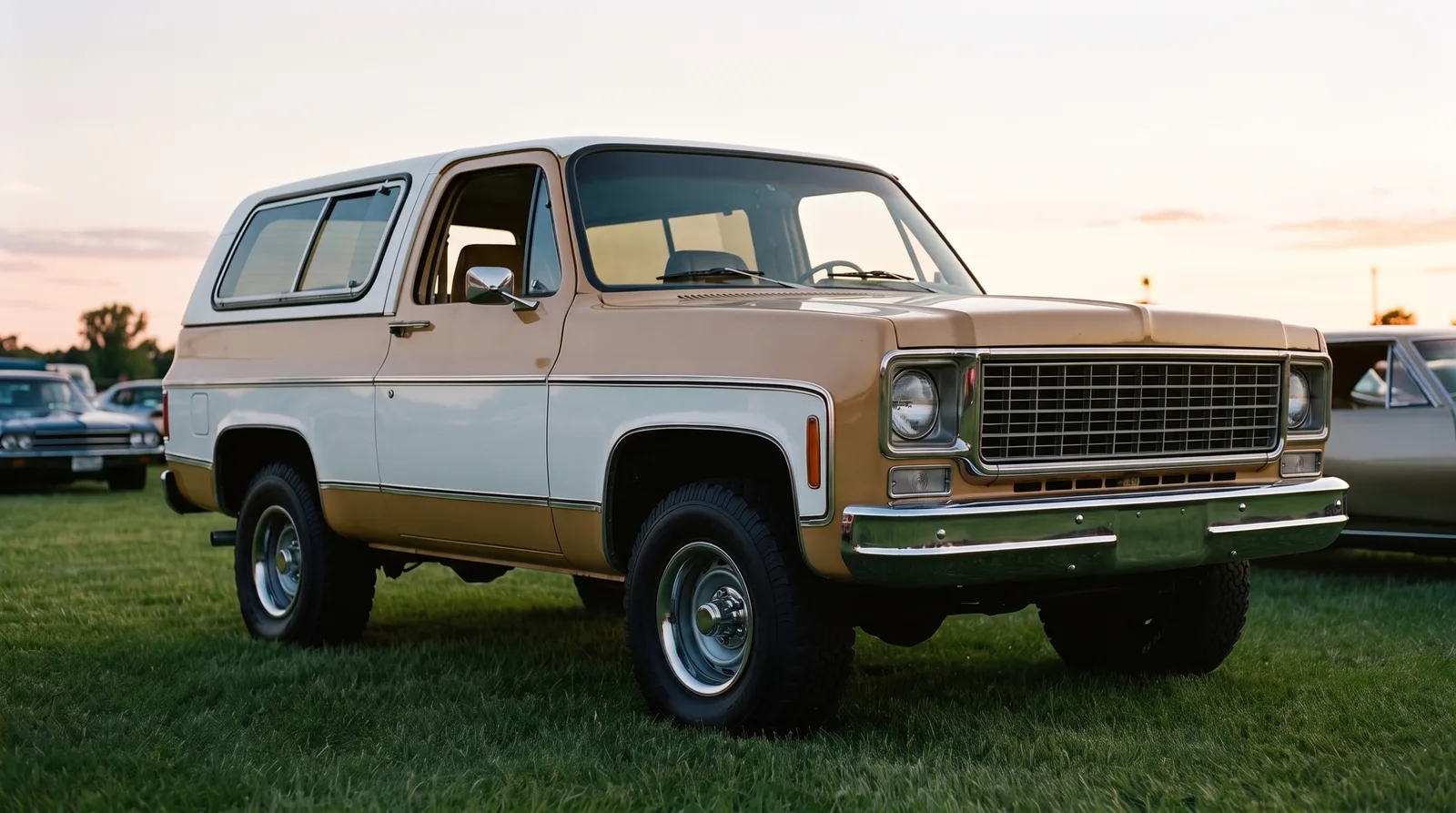
Article
The Chevrolet K5 Blazer Story: The Full-Size 4x4 That Defined an Era
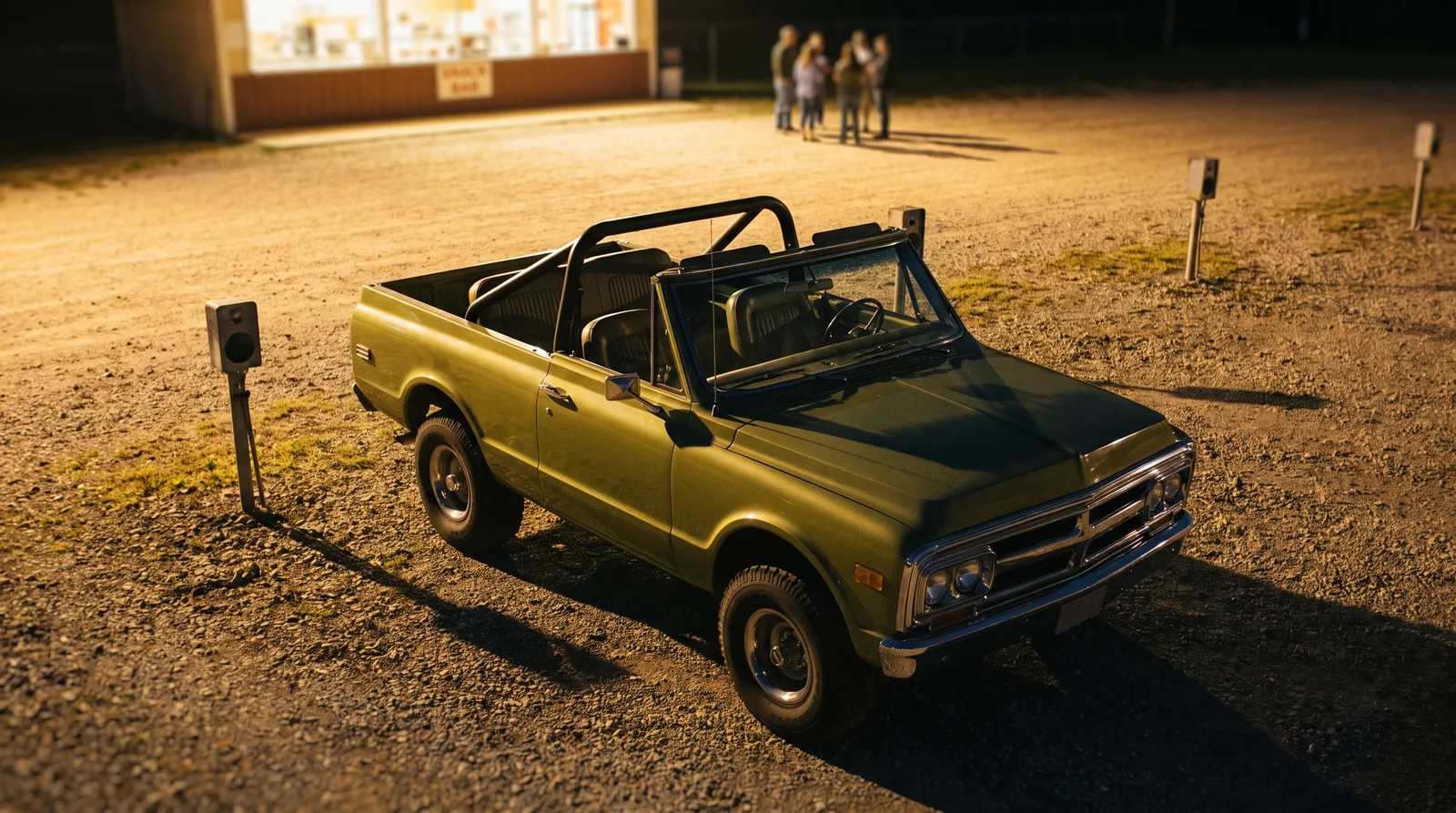
Article
The GMC Jimmy: The Full-Size K5 Blazer Twin
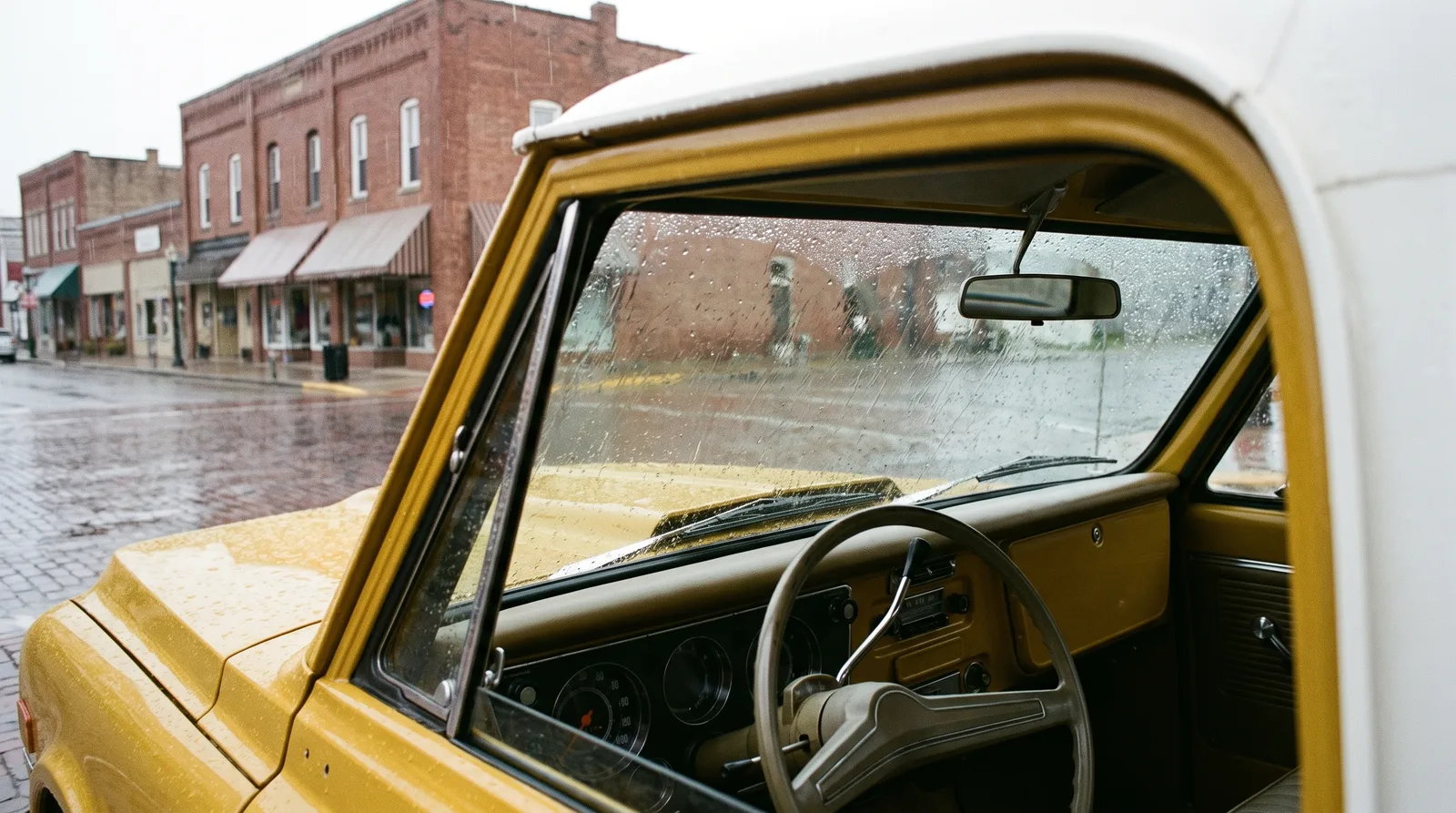
Article
The 1969 K5 Blazer: The First Year
Article
Why 1972 Is the Most Wanted First-Gen K5 Blazer

Article
The 1972 CST Package: Comfort Meets the K5

Article
1972 and the Last of the True Convertible K5

About the author
Mike Sullivan
Detroit-area muscle car enthusiast and restoration specialist with three decades of hands-on experience working on American iron.
Related Listings - Chevrolet Blazer


Comments
Be the first to comment on this article.