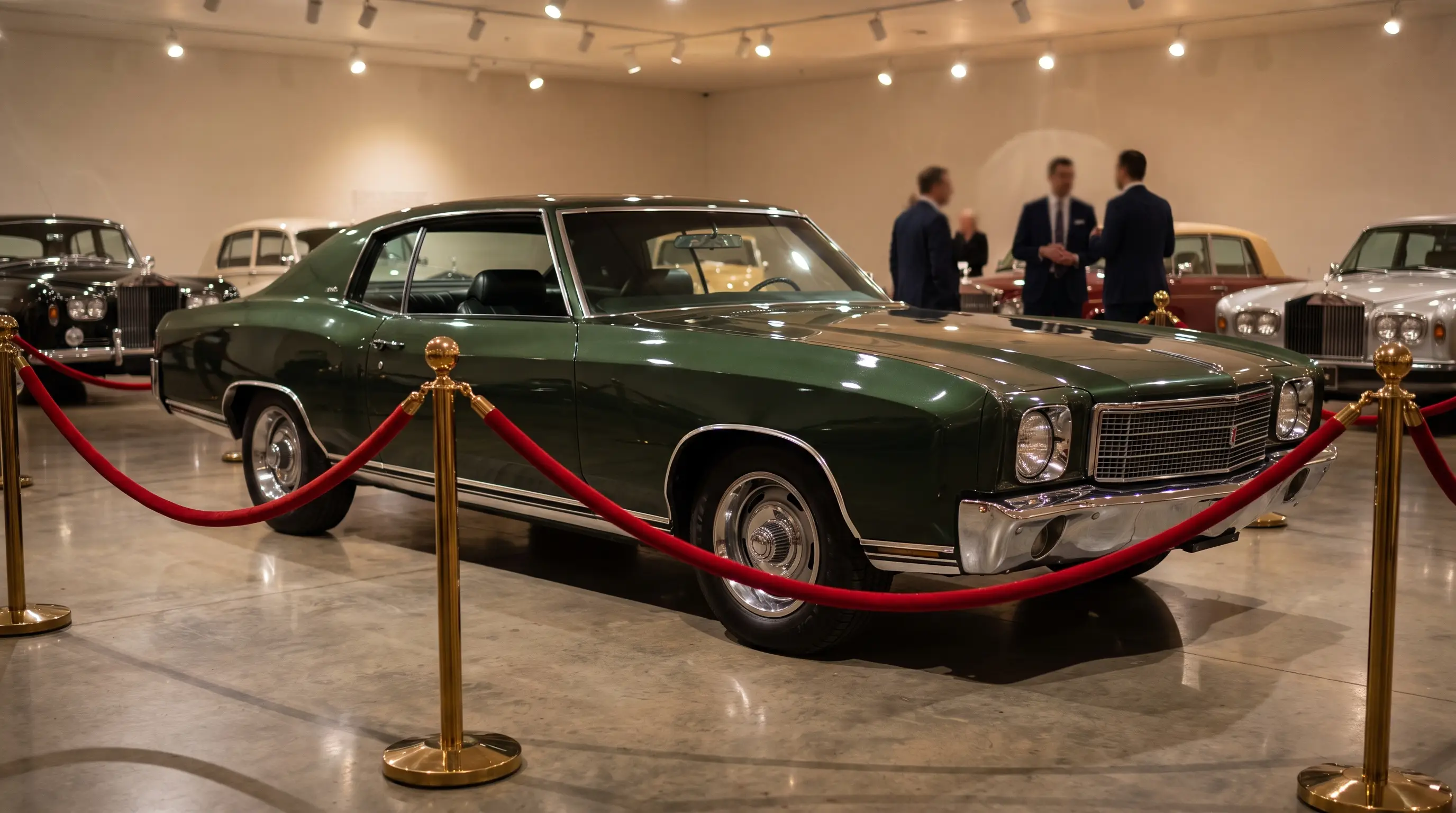
Appraisers do not get paid for enthusiasm, we get paid for being right about risk, and the monte carlo 1971 auction market narrative is a useful case study in how a car's value gets built from four separate factors rather than one. Condition, documentation, liquidity, and downside. Ignore any of the four and you will overpay, underpay, or misjudge a car entirely, no matter how confident you feel walking up to it in a driveway.
Condition sets the floor, not the ceiling
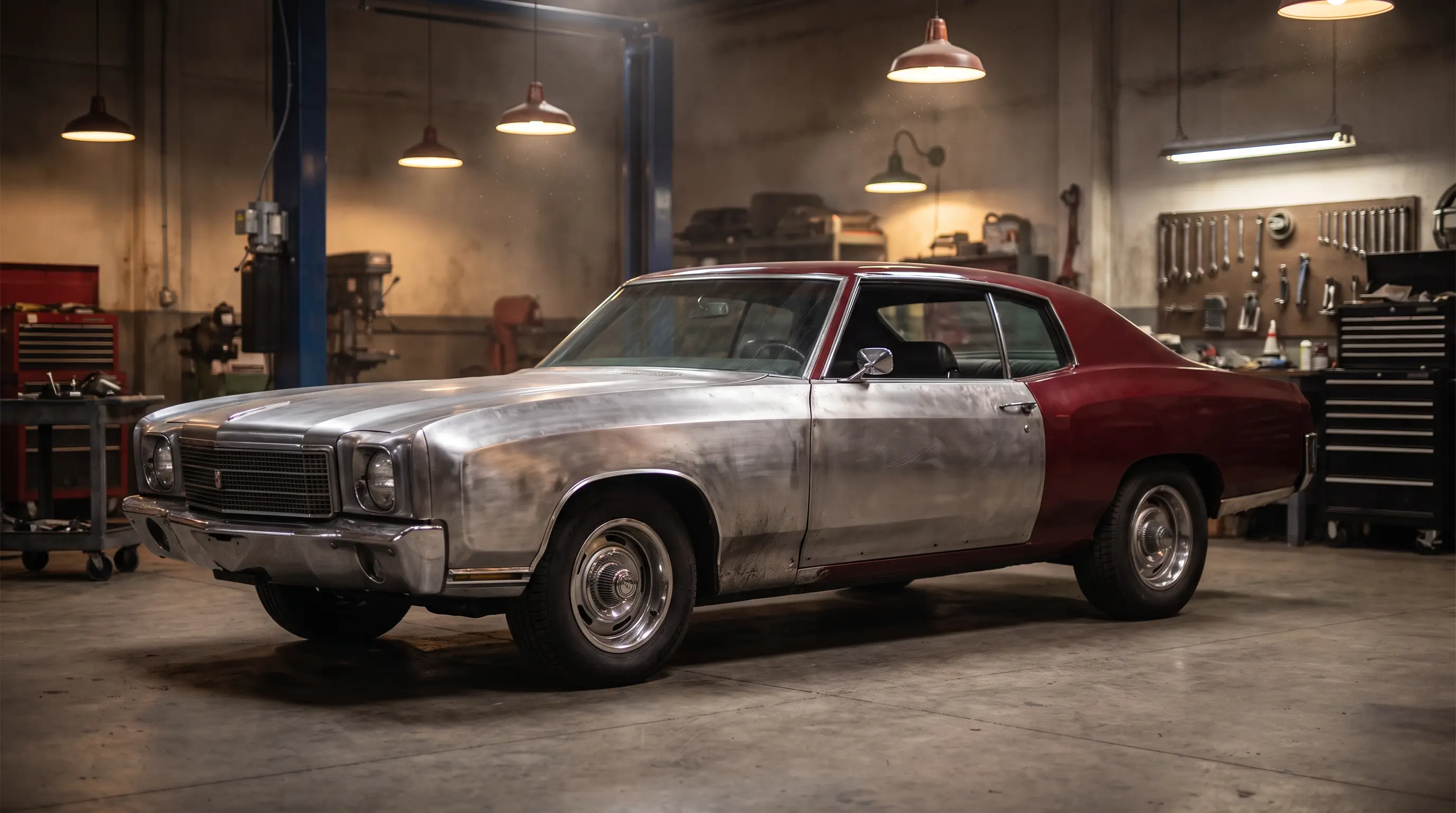
A rough 1971 Monte Carlo with rust through the floor pans and a tired interior has a floor value that does not move much regardless of what trim or engine it originally carried, because restoration cost eats whatever premium the specific configuration might otherwise command. Condition matters most at the bottom of the market. Once a car clears a basic threshold of structural soundness and usable trim, condition alone stops being the deciding factor and the other three variables start doing the real work of setting price. This is where inexperienced buyers get tripped up, assuming a shiny paint job on a mediocre car means the same thing as genuine quality throughout.
The full background on this generation's engineering and market position is worth reading in 1971 monte carlo history before applying any of this framework to a specific car, since condition assessment only means something once you know what the car was supposed to be in the first place.
Documentation is the multiplier
Two cars in identical cosmetic condition can carry meaningfully different appraised values purely on paperwork. A build sheet, a Protect-O-Plate, factory invoice, or verified single-family ownership history all function as a multiplier on whatever base value the condition alone would suggest. This is not sentiment. It is risk reduction. A documented car carries lower risk of being a misrepresented clone, a title problem, or an undisclosed rebuild, and lower risk translates directly into a buyer's willingness to pay closer to top dollar rather than discounting for uncertainty. Undocumented cars are not worthless, but they are appraised with a built-in risk discount that documented cars simply do not carry.
Liquidity decides how fast you get paid
Value on paper means nothing if nobody is buying. The 1971 Monte Carlo benefits from broad, durable demand across a wide range of buyers, from casual collectors wanting a comfortable cruiser to serious SS 454 hunters chasing a specific numbers-matching example, and that range of interest is what keeps the model liquid. A niche configuration or an obscure factory option might carry bragging rights among specialists but can sit on the market far longer waiting for the one buyer who cares about that specific detail. Liquidity is the variable most buyers ignore and most sellers discover the hard way, usually after a car has sat listed for months longer than expected.
A related pattern shows up across the whole first-generation run, not just the 1971 model year, and it is covered in a related story worth reading alongside this one for anyone weighing where in that generation's timeline to buy.
Downside is what separates a hobby purchase from a mistake
Every appraisal ultimately answers one question the buyer usually does not ask directly: what happens if this turns out to be wrong. A well-documented, mechanically sound 1971 Monte Carlo in a popular configuration has a shallow downside, because even a soft market still finds buyers for cars that check every box. A speculative purchase, an undocumented rare option bought on a hunch that it will someday be recognized as special, carries real downside if that recognition never arrives. The market has a long memory for options that seemed clever at purchase time and simply never developed a following.
"I have never once seen a buyer regret paying full documented price for a clean, liquid, well-known configuration. I have seen plenty regret saving money on an undocumented car that turned out to be exactly the risk everyone warned them about."
- Marcus Feld
None of these four factors operate in isolation, and treating them as a simple checklist misses how they compound against each other. A car with excellent documentation but rough condition still needs real restoration money spent before that paperwork translates into a strong sale price, since a buyer cannot drive a build sheet. A car in beautiful condition but with a thin ownership history and no factory paperwork will still sell, often quickly given how liquid this model is, but at a discount reflecting the unresolved risk that its story might not hold up to scrutiny. The strongest appraisals happen when all four variables align in the same direction: good condition, real documentation, a configuration with broad buyer appeal, and limited downside if the market softens.
Sellers who understand this interaction price their cars more realistically from the start, rather than anchoring on whichever single factor happens to flatter their car the most, whether that is a shiny paint job, a famous option code, or a vague family story nobody can actually document. A seller who leads with "numbers matching" but has no supporting paperwork for that claim is, in appraisal terms, making an assertion rather than presenting evidence, and buyers who take the time to understand this framework price that distinction into their offers whether the seller acknowledges it or not.
Reading today's market with this framework
Applying these four variables to the current auction environment tells a consistent story. Documented, liquid, well-known configurations of the 1971 Monte Carlo continue to trade steadily with predictable pricing bands, while undocumented or speculative examples show far wider price variance and longer time on market before finding a buyer willing to accept the risk. That is not a prediction, it is simply what happens when condition, documentation, liquidity, and downside are weighed honestly rather than ignored in favor of a good story about a car, and it holds true whether the buyer is paying five thousand dollars or fifty. Anyone shopping this market with that discipline in mind can start by seeing what Monte Carlos for sale now actually looks like against these four variables before making an offer, and pricing accordingly rather than pricing on enthusiasm alone.