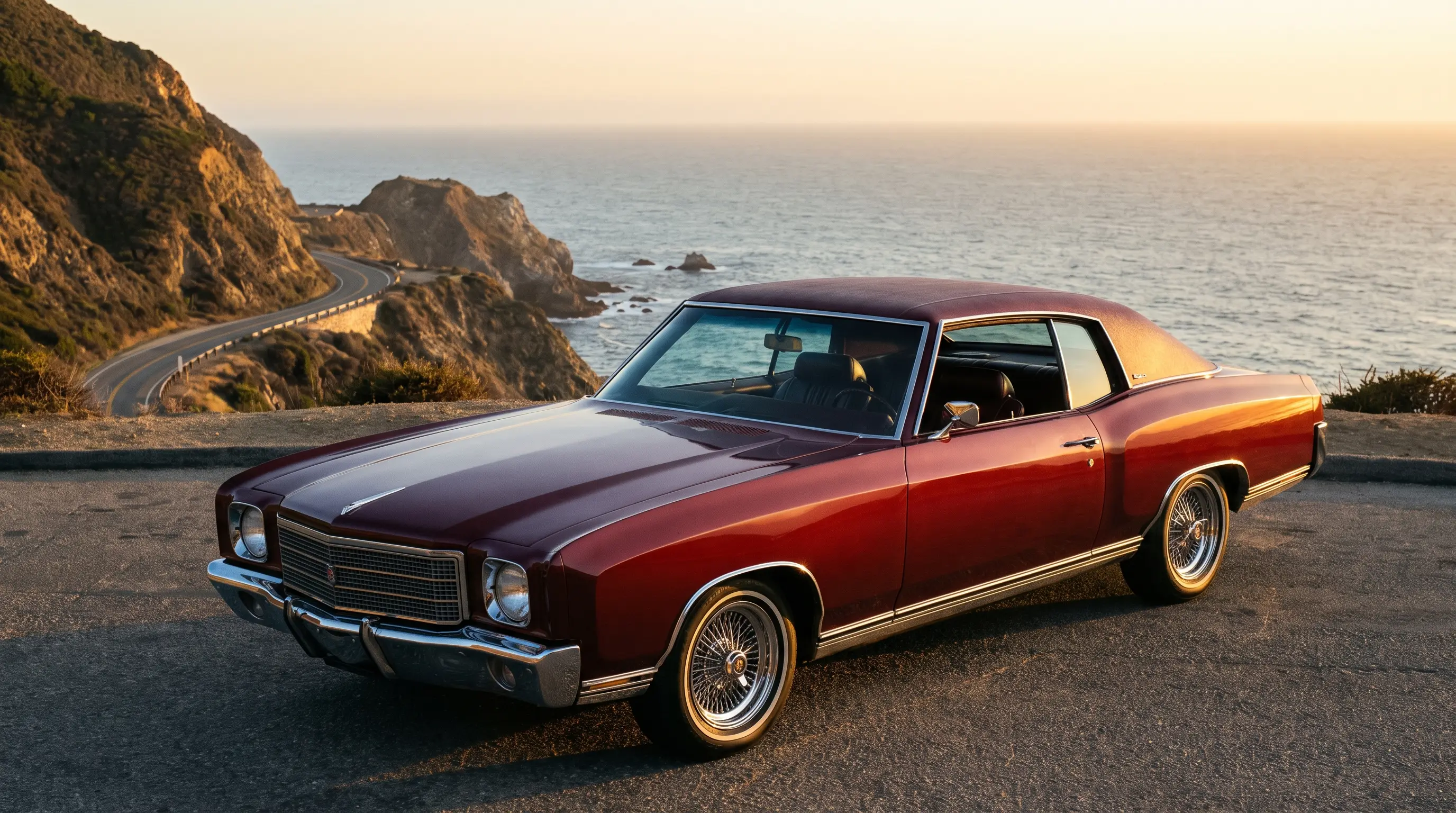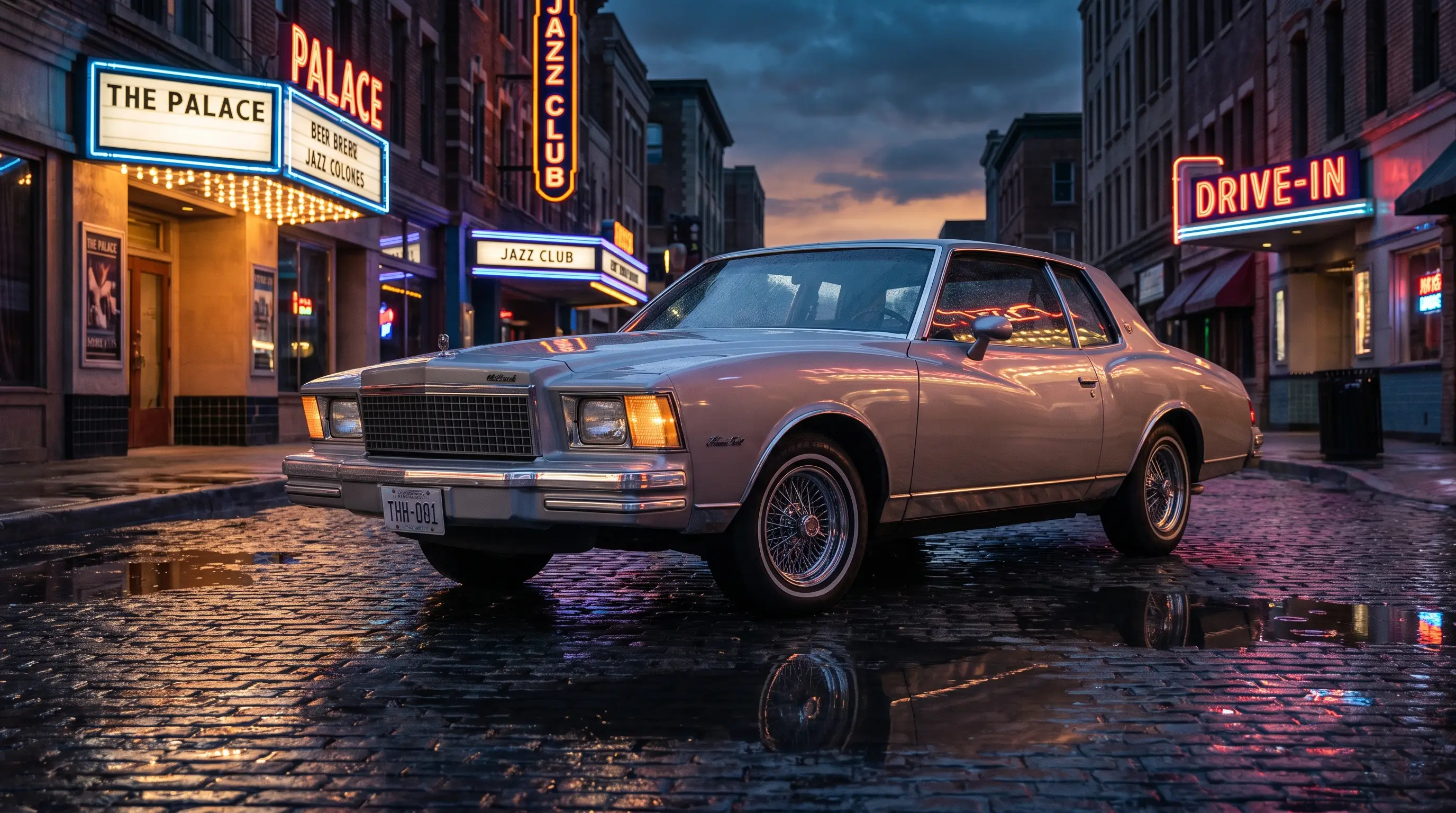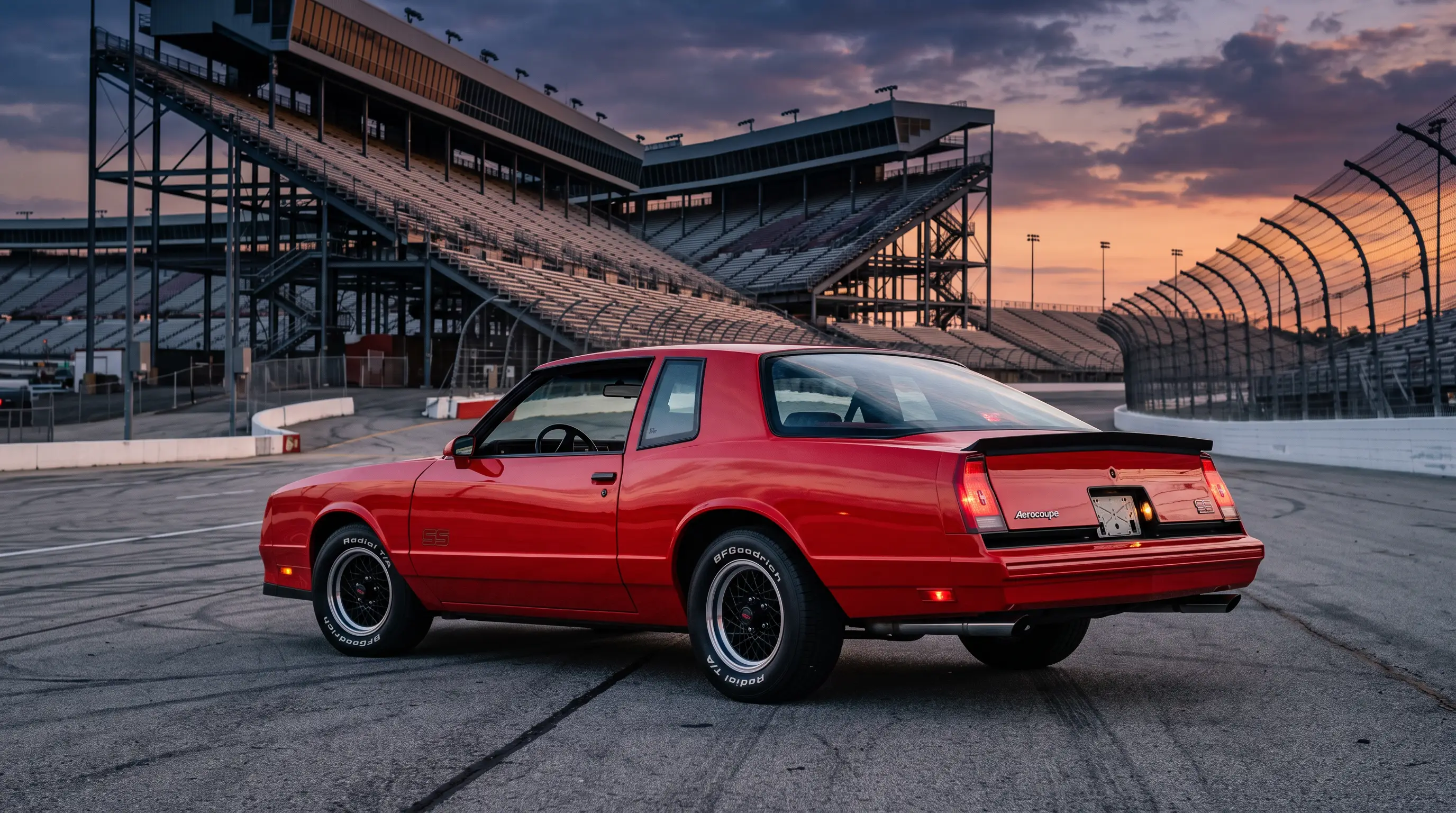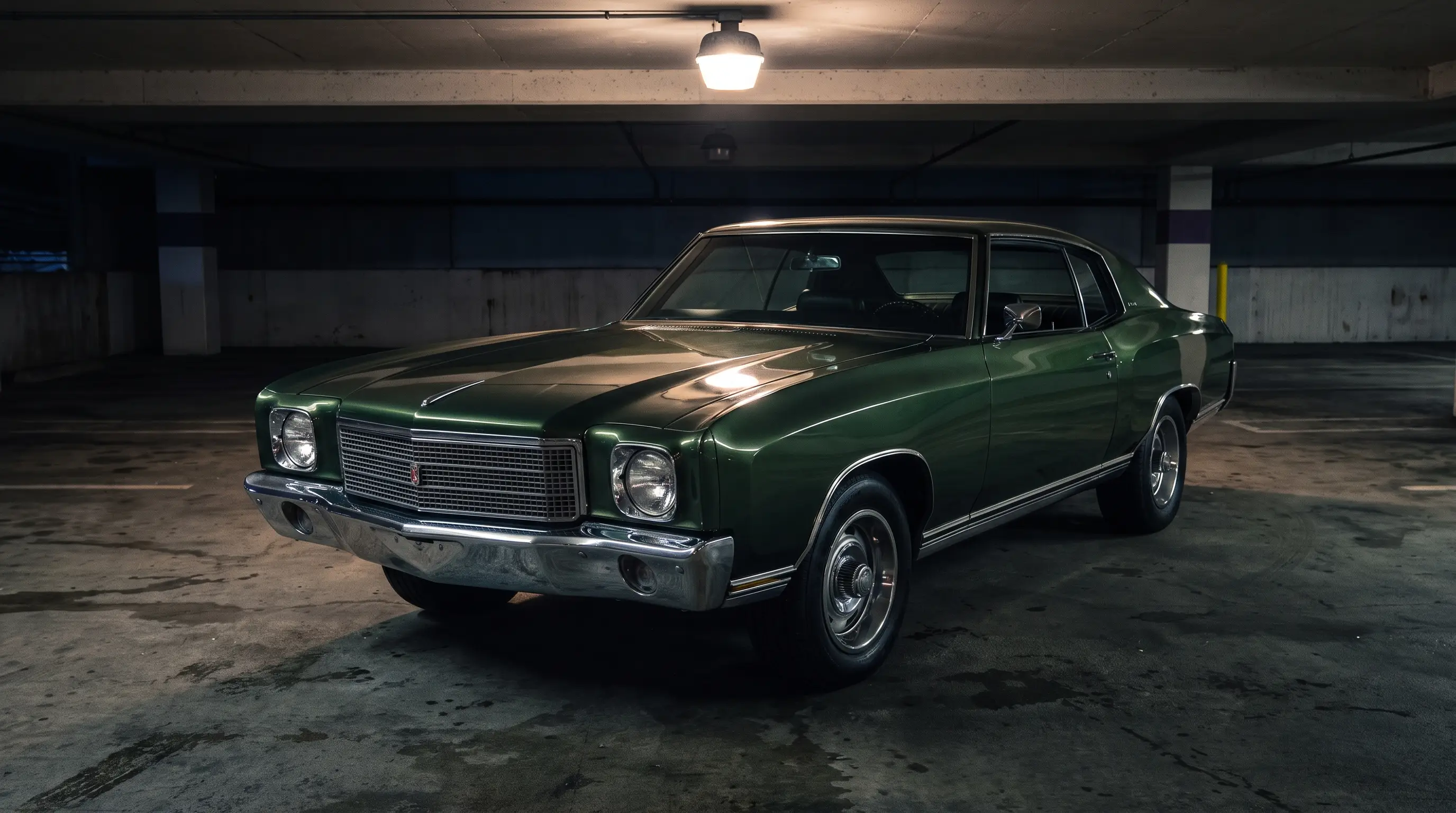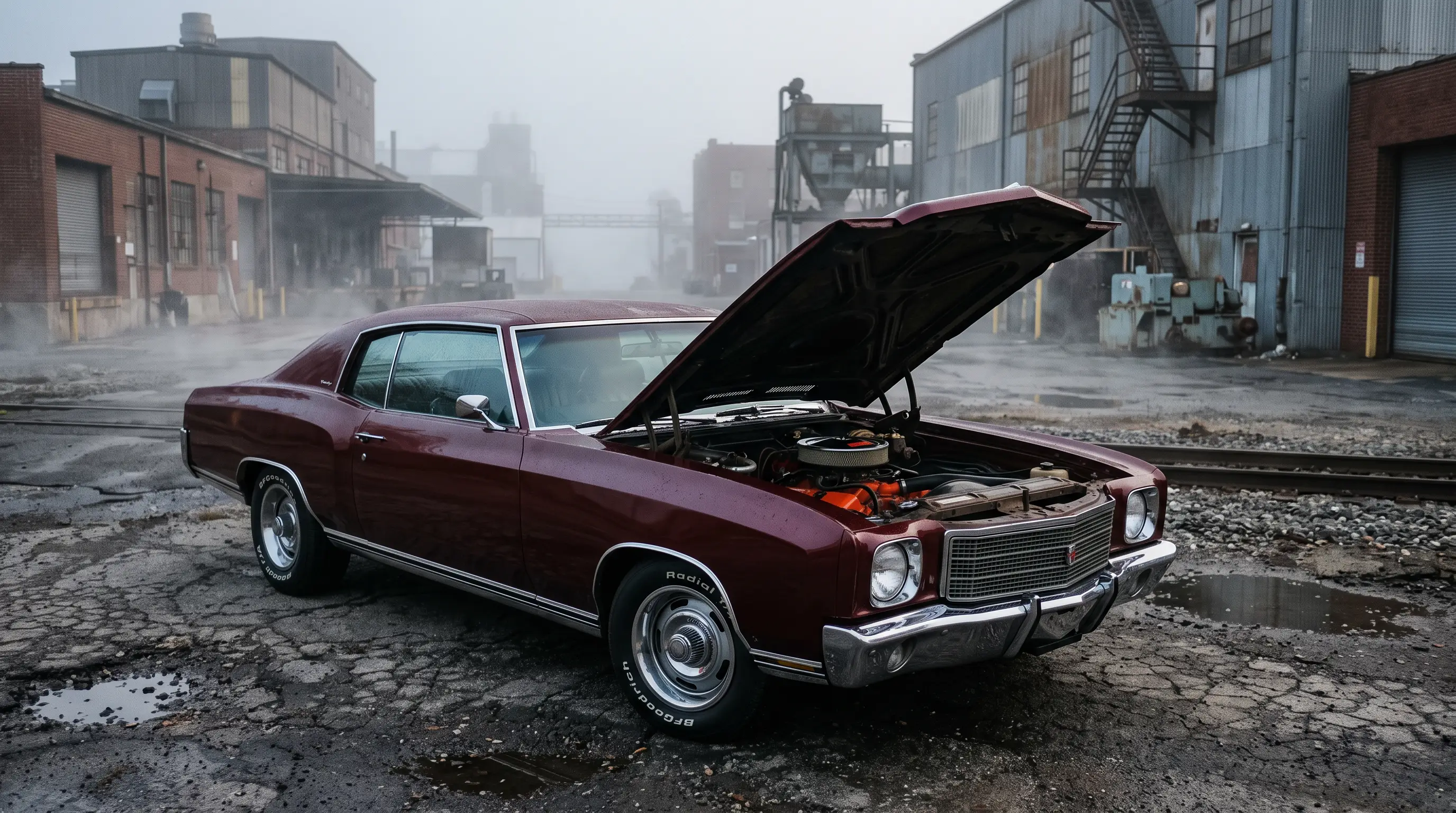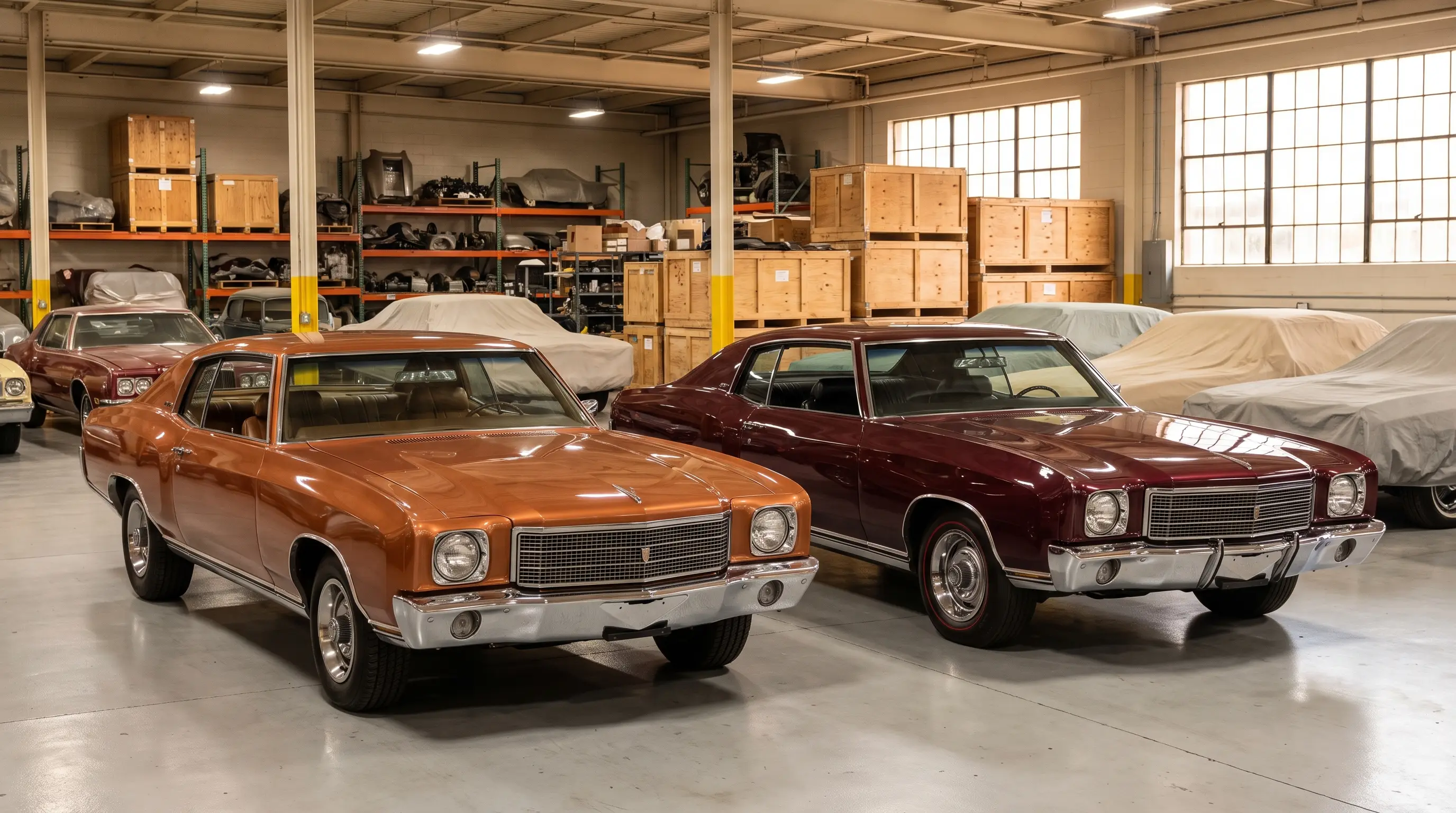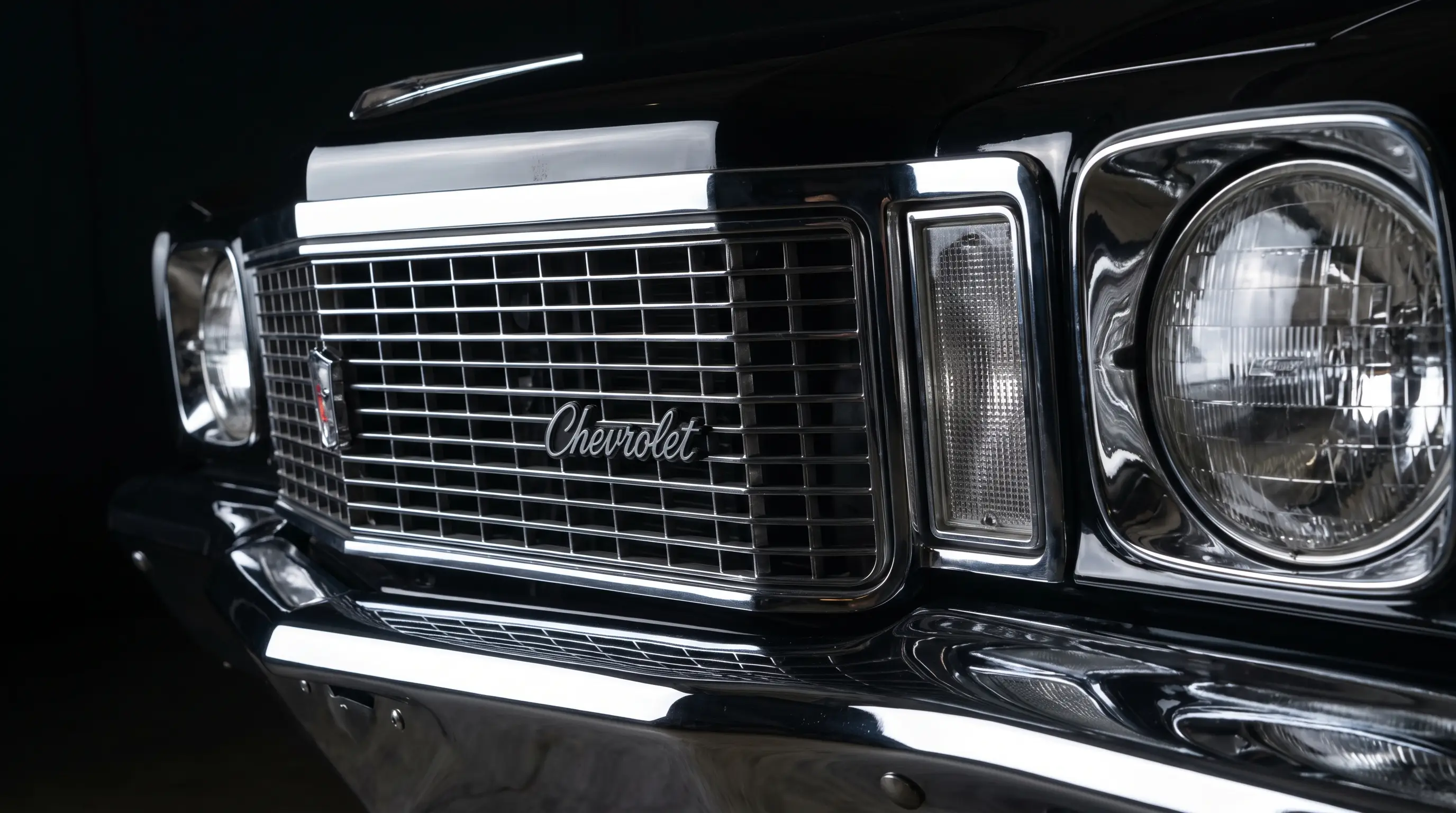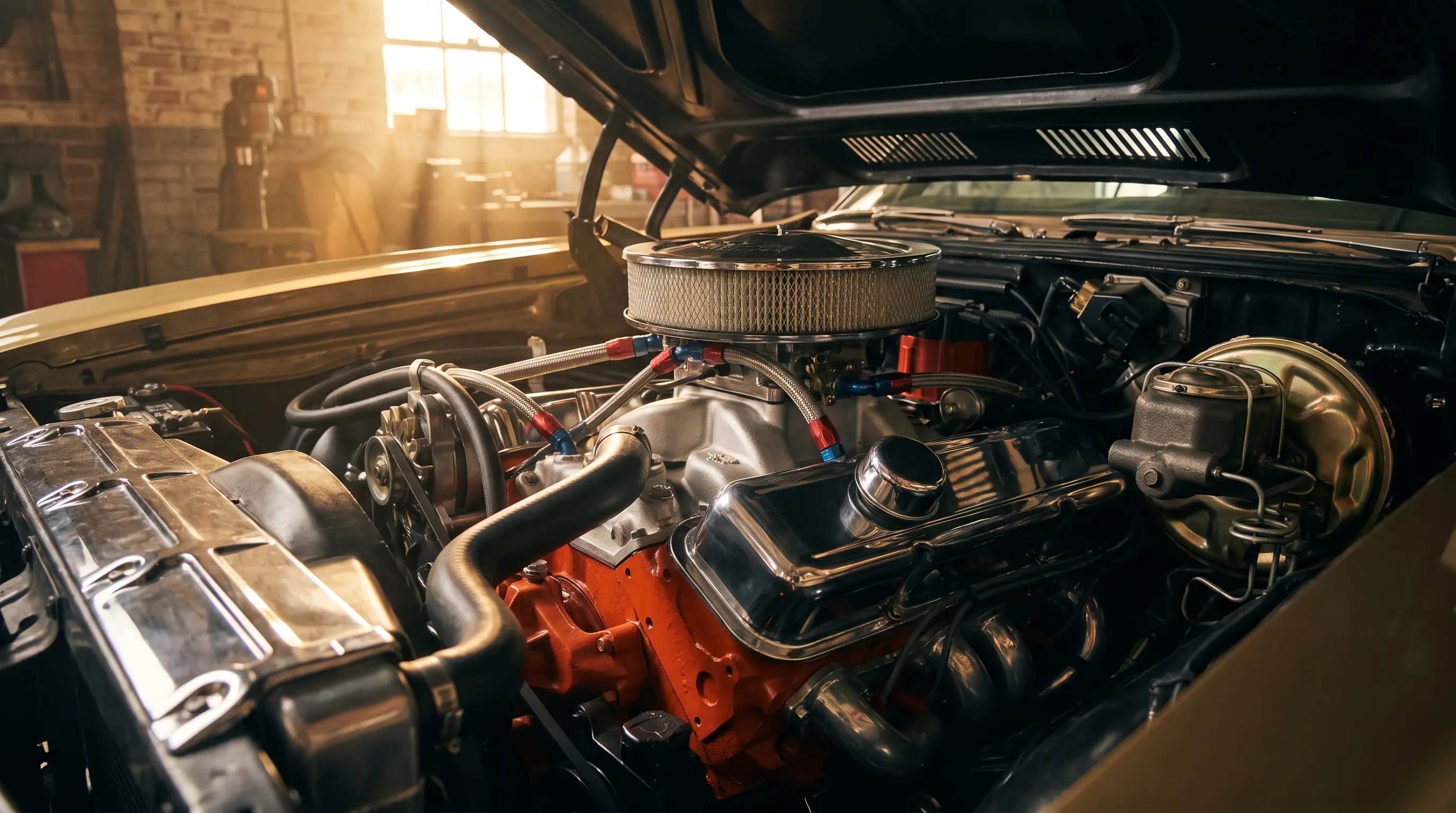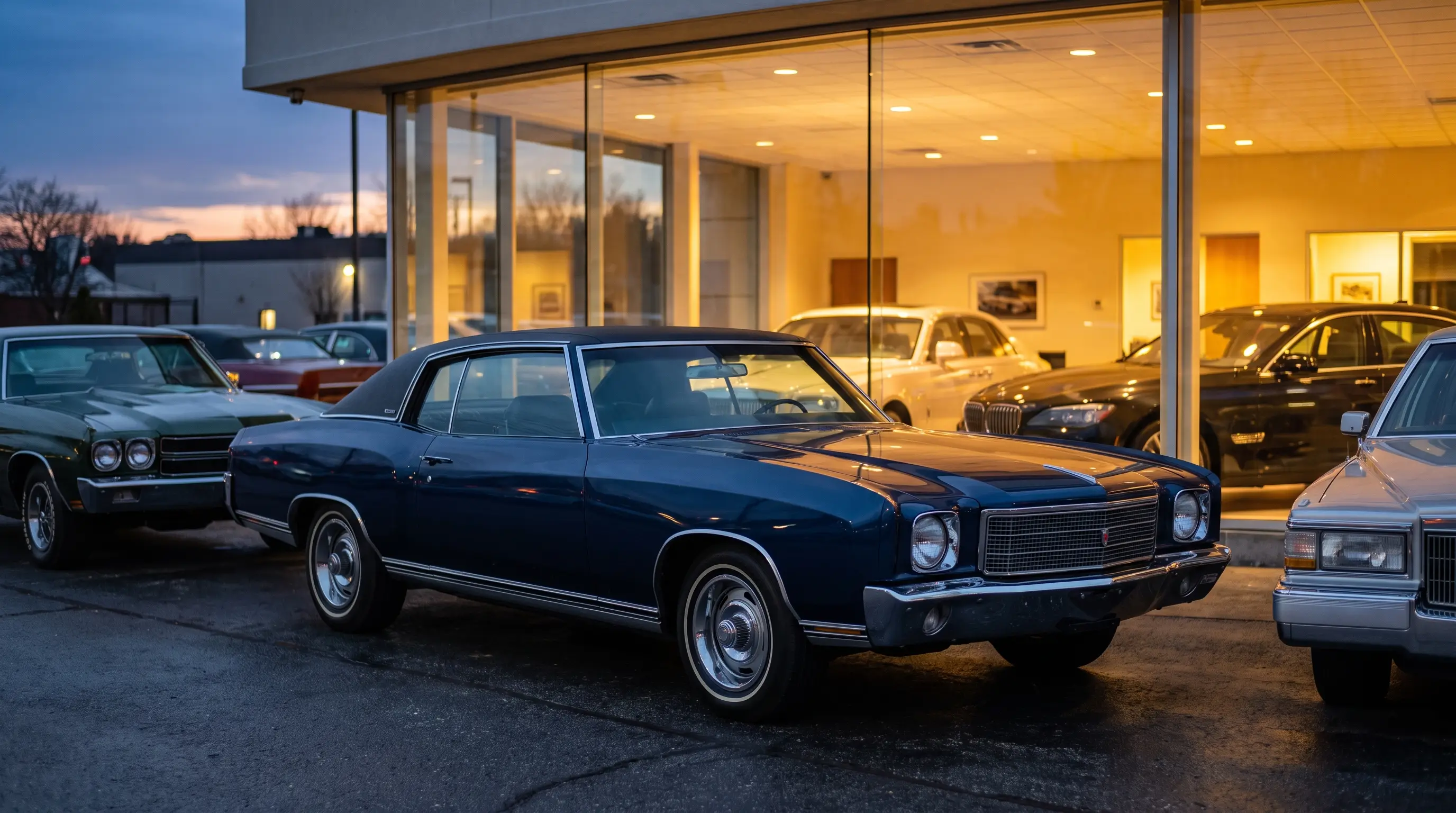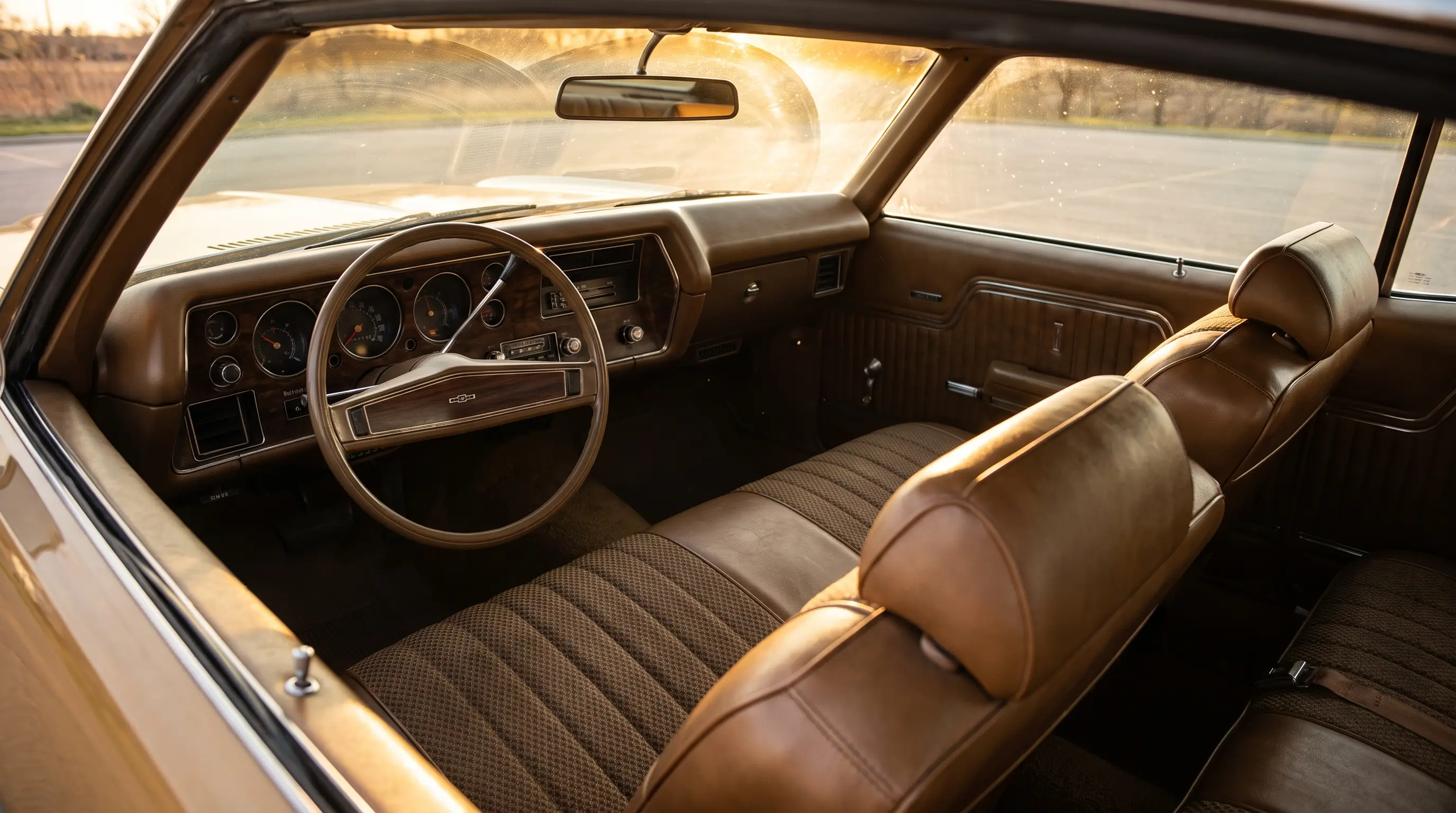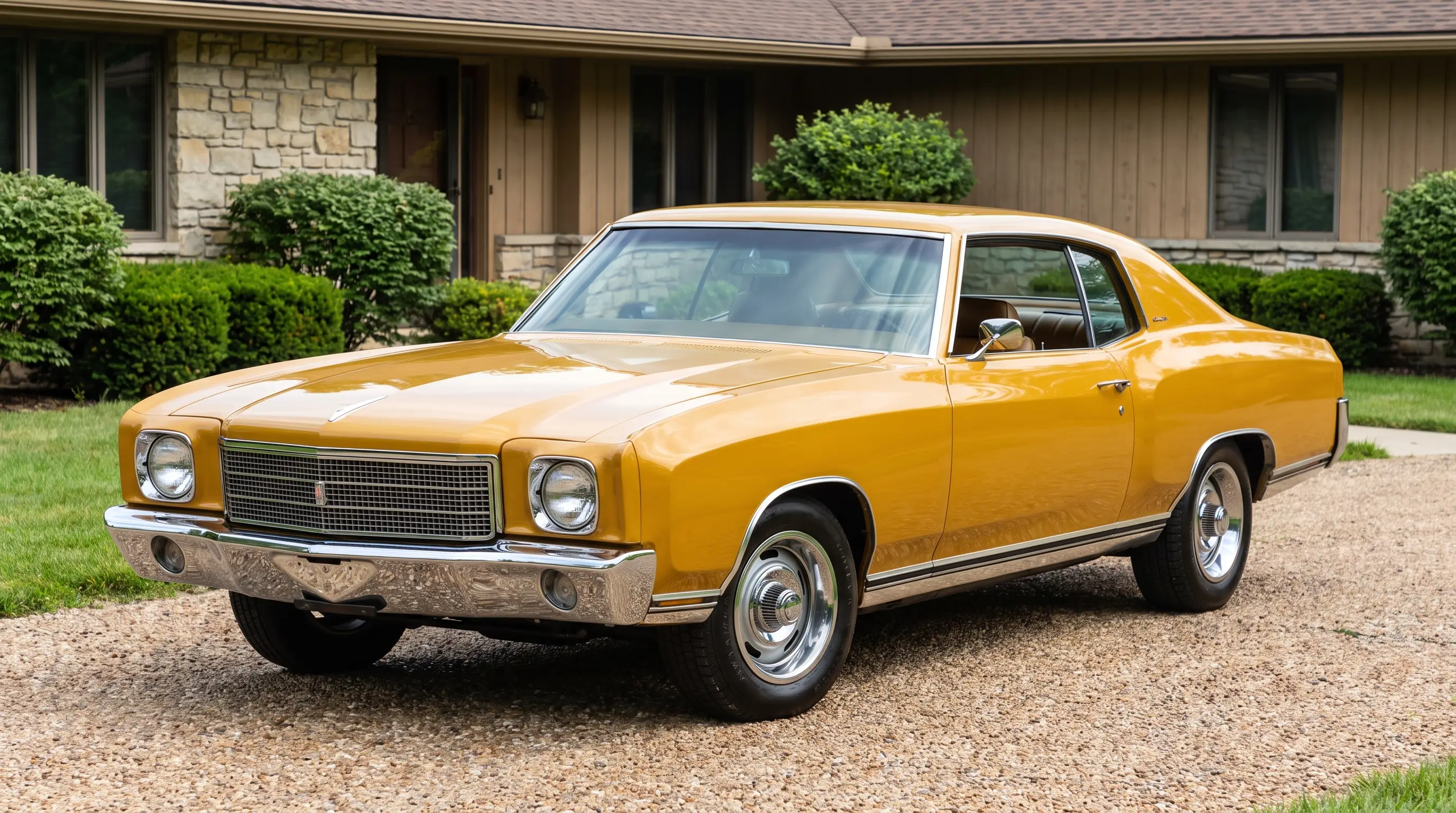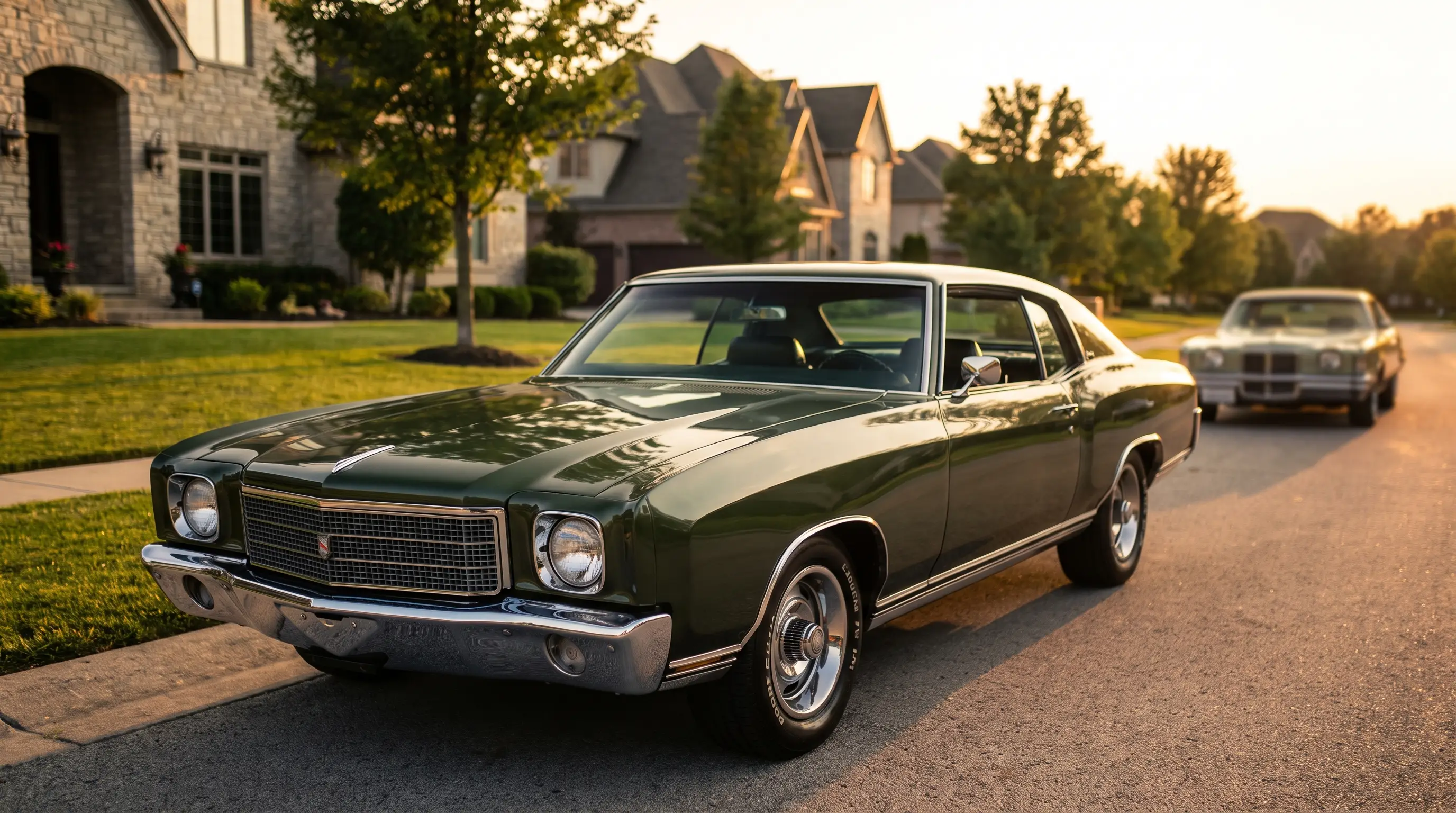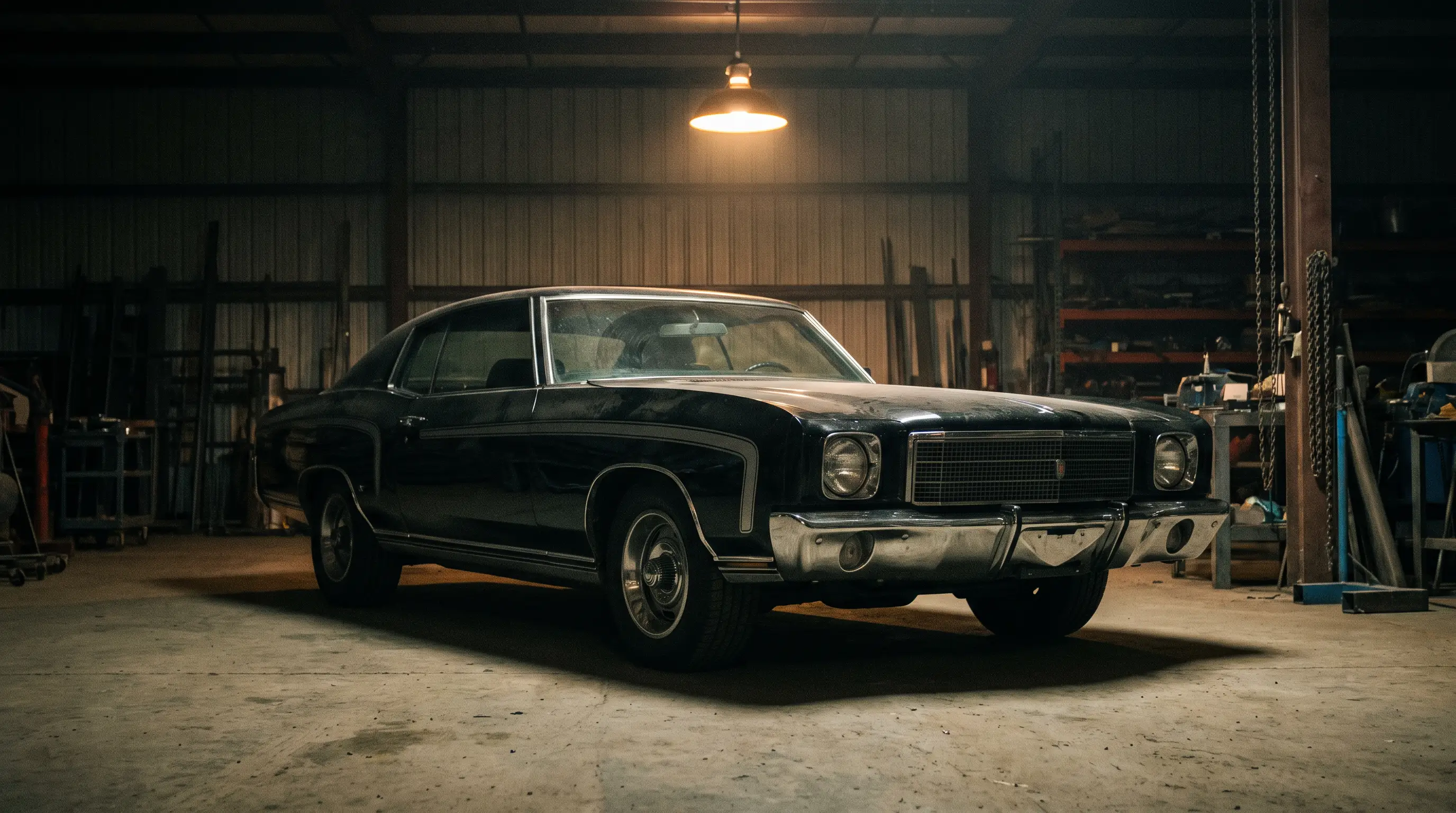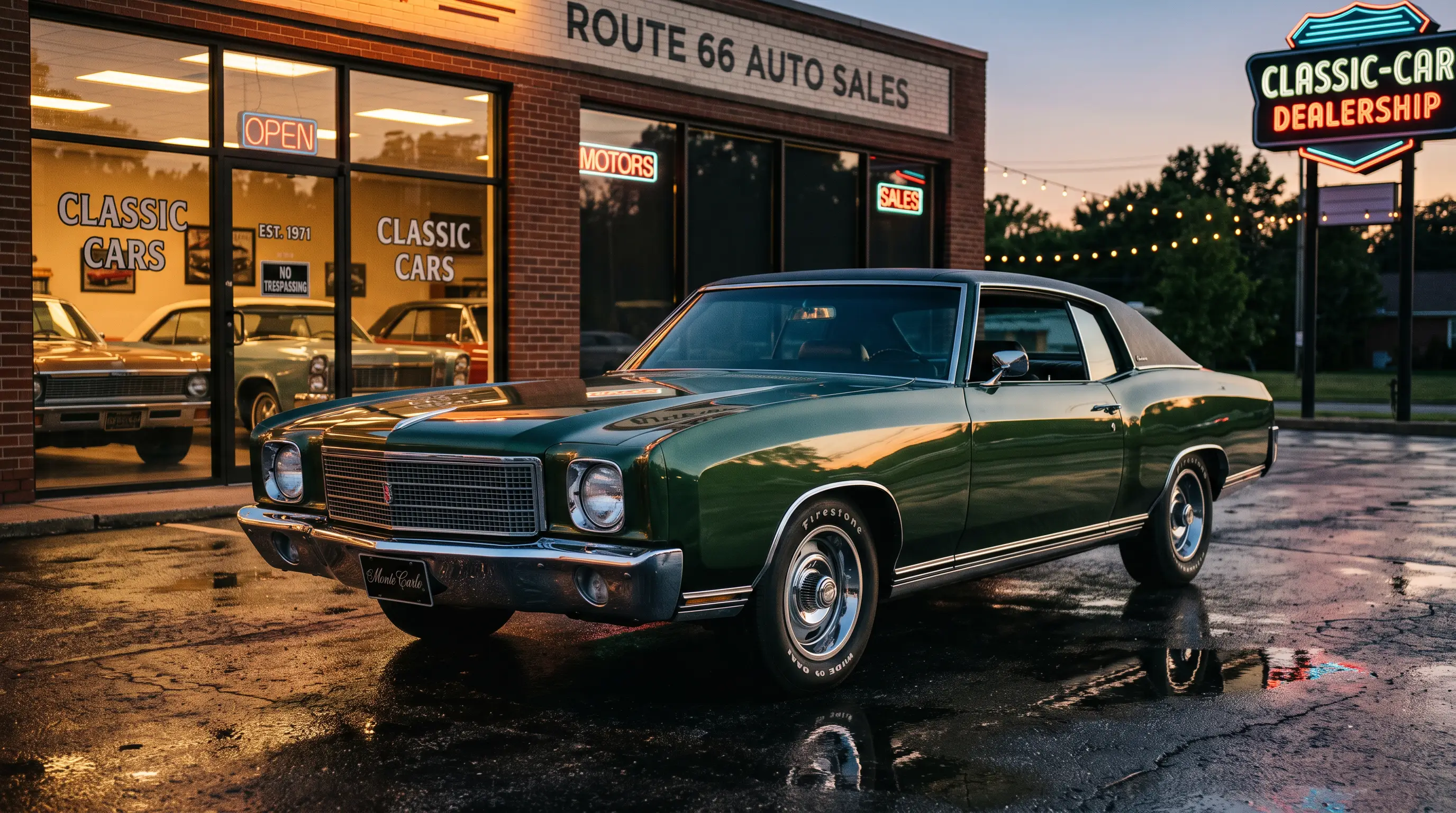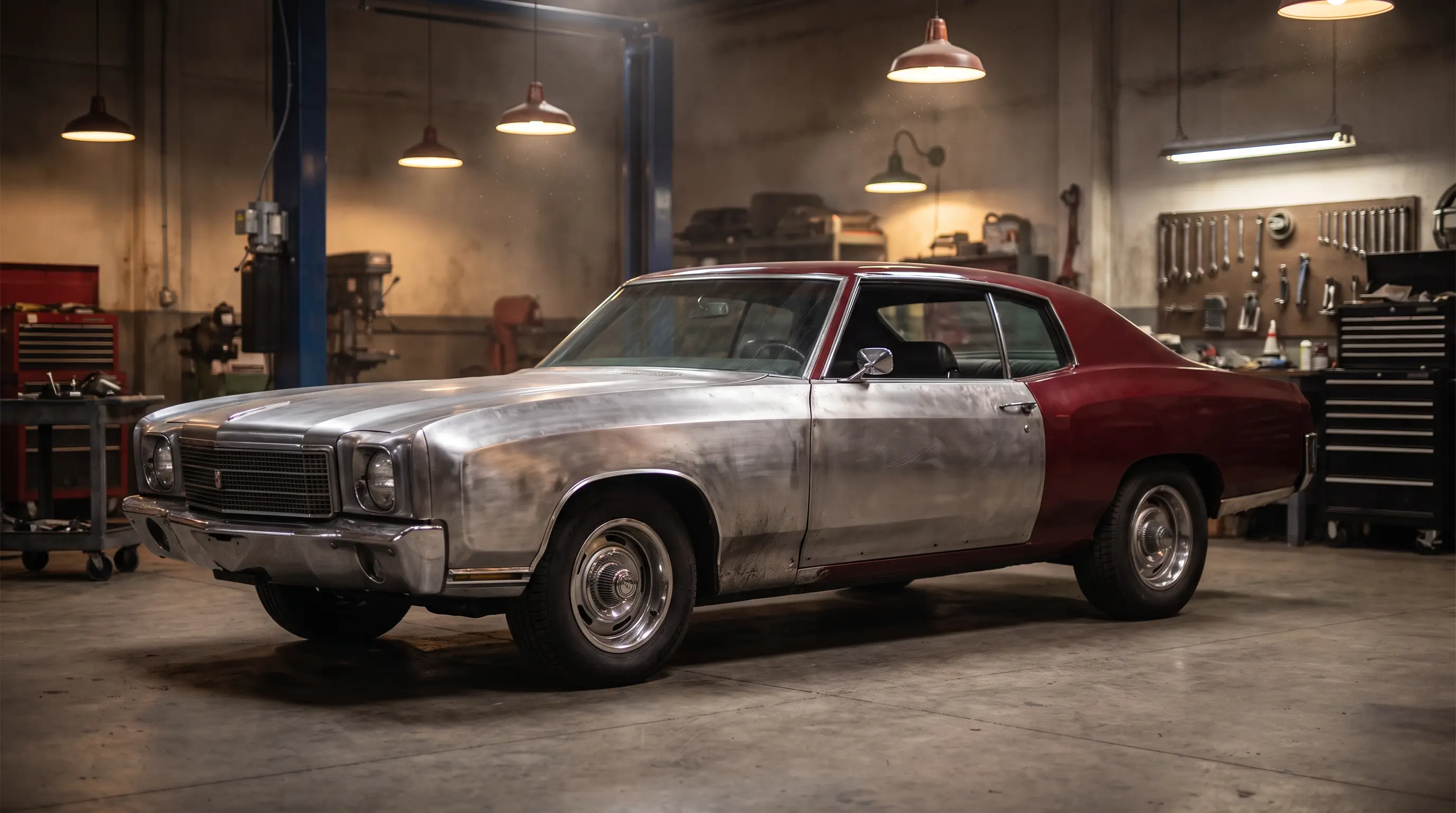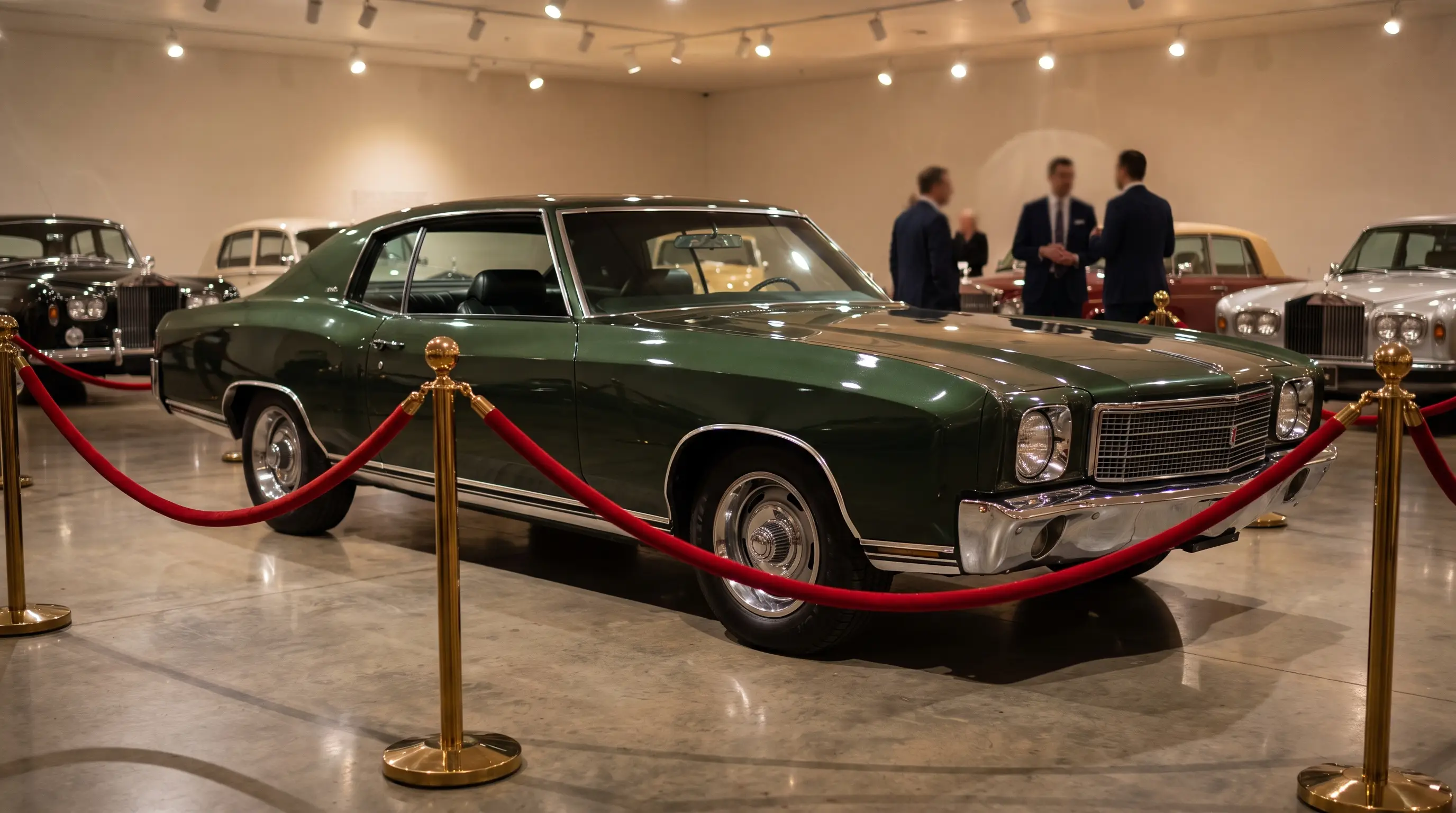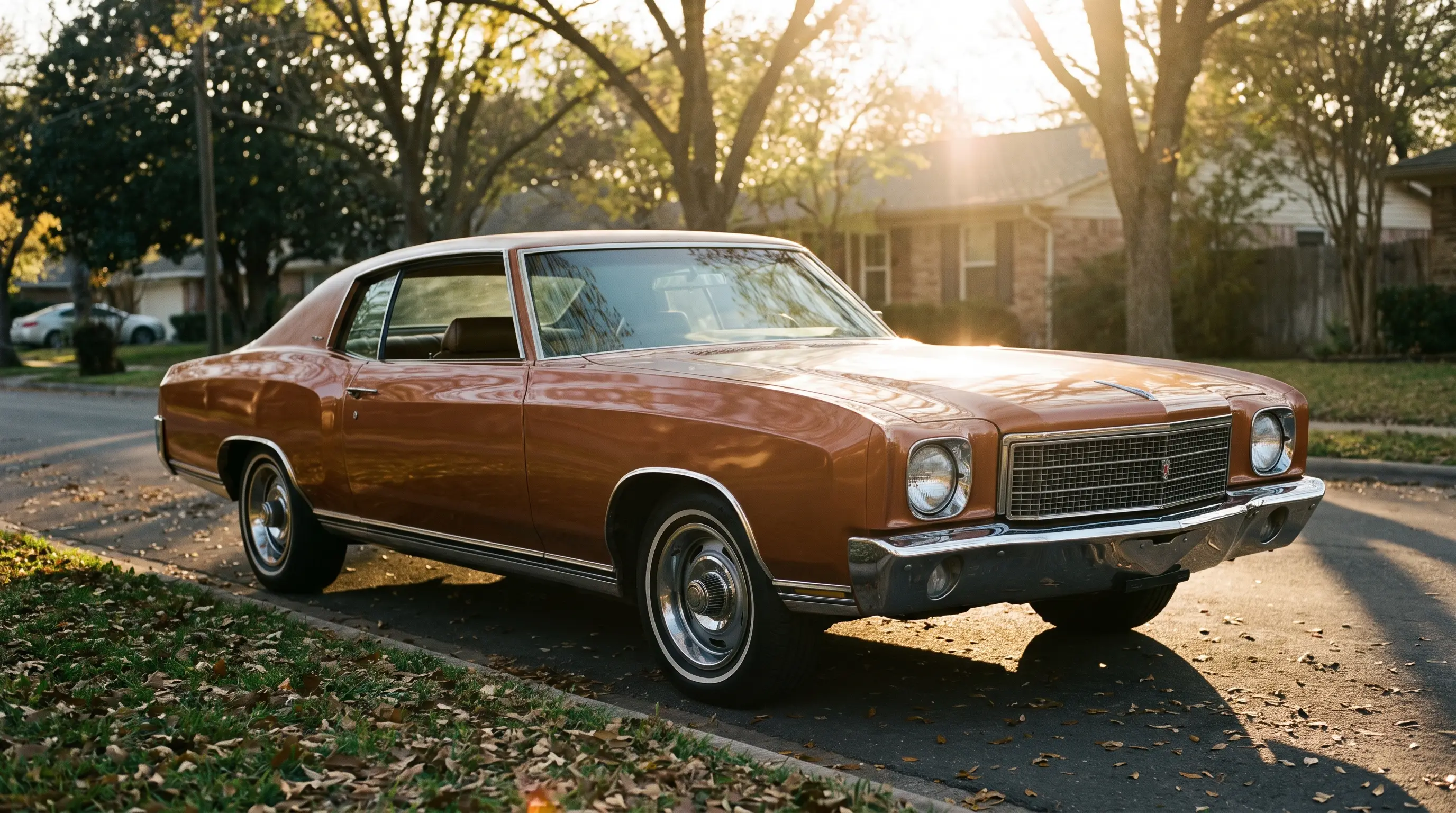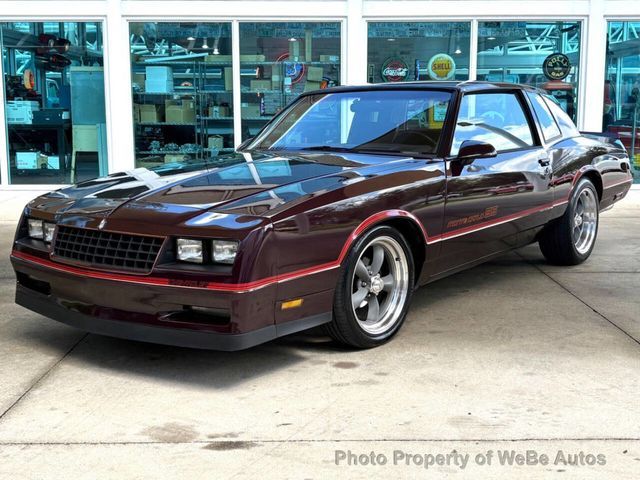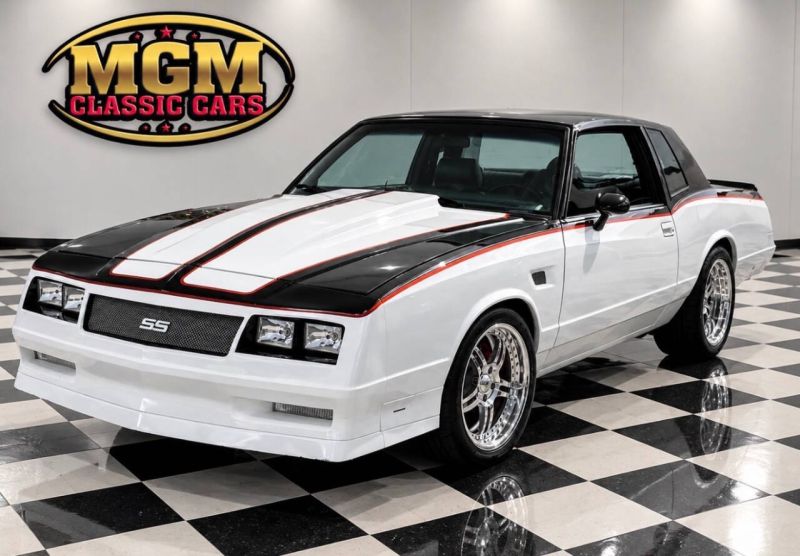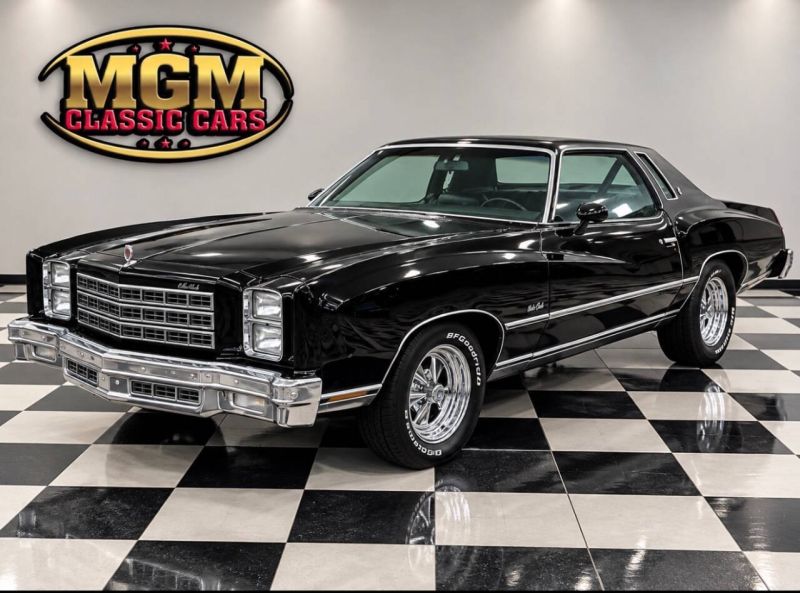
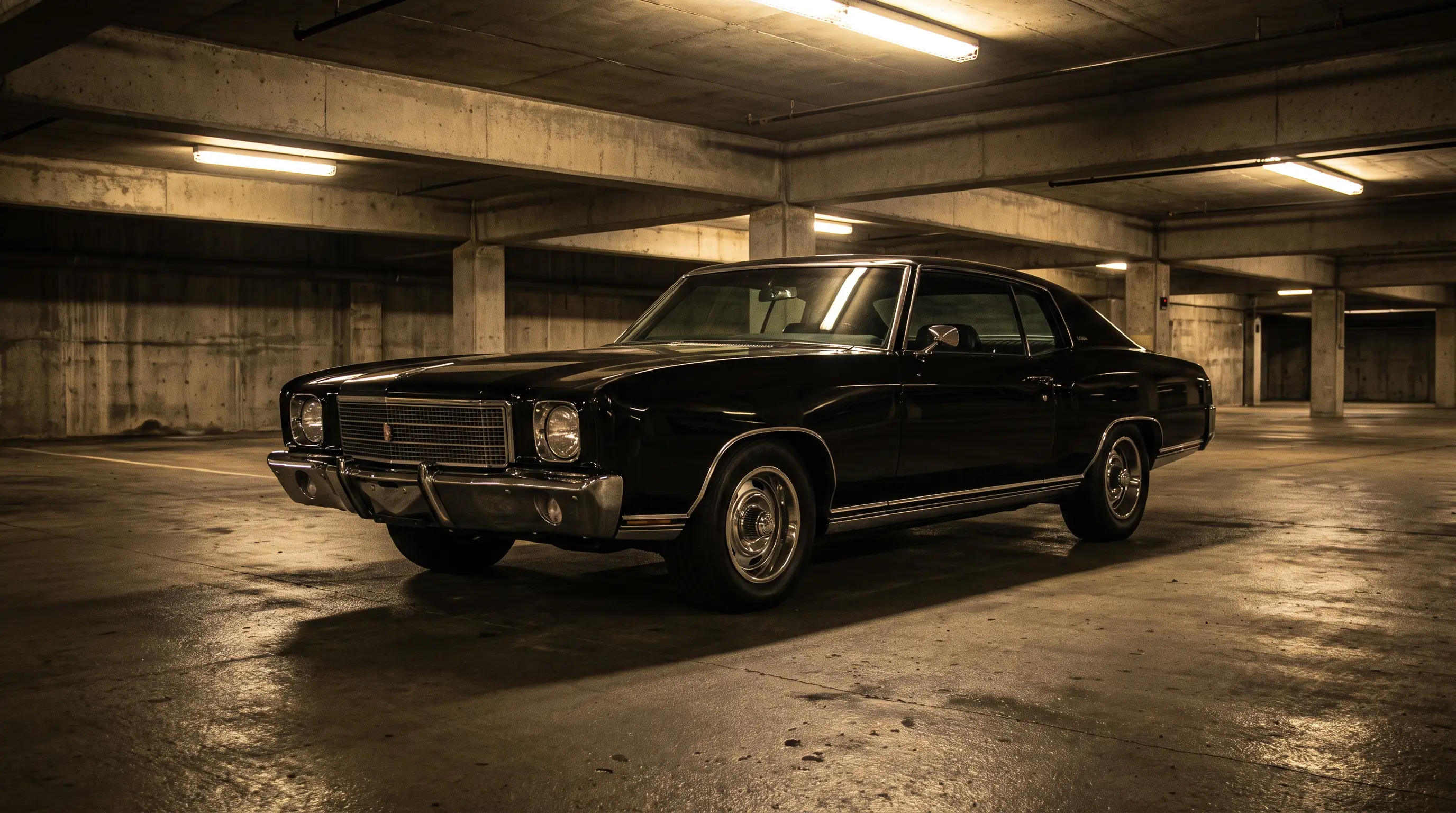
The 1971 monte carlo sits at an awkward and fascinating hinge point in automotive history, and the factory records explain why. The debut 1970 car had proved the concept. The 1972 car would close out the first generation. In between, 1971 stands as the last moment a buyer could order the genuine SS 454 performance package on a Monte Carlo, before Chevrolet retired the badge for 1972 and folded the 454 into a plain Custom-trim option instead. Understanding what happened across these two years corrects a lot of loose talk about when the muscle really ended.
Enthusiasts tend to blur the first-generation cars together. The paperwork does not. Each year carried specific changes, and the 1971 to 1972 pair marked both a peak and a turning point that the numbers make plain.
The big-block sunset
When the Monte Carlo arrived for 1970, the SS 454 option gave the gentleman's coupe a real performance heart. That option carried into 1971, but the world around it was changing fast. For 1971, General Motors mandated that all its engines run on lower-octane, low-lead or unleaded fuel, which meant compression ratios came down across the board. The LS5 454 survived in the SS for one more year, but it was already being detuned to meet the new fuel reality.
The result is that the 1971 SS 454 is the last true SS-badged big-block Monte Carlo. For 1972, Chevrolet retired the SS package and replaced it with a new Monte Carlo Custom trim; a 454 remained on the options sheet for Custom buyers that year, but it never wore the SS name again, and when the redesigned Colonnade car arrived for 1973 the big-block option was gone from the lineup for good. So 1971 is the final window on the concept of an SS-badged, large-displacement personal-luxury Chevrolet. That scarcity is a big part of why collectors treat it the way they do, and the wider context lives in more on the chevrolet monte carlo and how the nameplate evolved after the SS left. You can read more on the chevrolet monte carlo to see where the story went next.
How the numbers changed
The confusion around this era usually comes from horsepower figures, and here the records need careful reading. In 1971 the SS 454 still carried a gross power rating of 365 horsepower, but the lowered compression meant the engine was making that power differently than the 1970 car had. Then for 1972 the entire industry switched from gross to net horsepower ratings, and the 454 available on the Custom trim carried a lower net number even though the physical engine had changed less dramatically than the figures suggested.
This is the single most misunderstood point about early-1970s cars. A 1972 rating that looks weak next to a 1970 figure is often measuring the same basic engine by a stricter method. The factory did not gut these motors overnight. The ratings system changed, the fuel changed, and compression came down in steps. Reading a 1972 net number as if it were a 1970 gross number produces a wildly inaccurate picture of what these cars actually did.
| Year | Top Engine | Rating Method | Note |
|---|---|---|---|
| 1970 | LS5 454 | Gross, higher compression | Debut SS 454 |
| 1971 | LS5 454 | Gross, lowered compression | Final year of the SS 454 package |
| 1972 | LS5 454 (Custom option, no SS badge) | Net ratings introduced | SS package retired, replaced by Custom trim |
Production that makes them rare
The SS 454 was never a volume choice, and the later first-generation cars are scarcer still. Production of the 1971 SS 454 was small, exactly 1,919 cars, the final tally before Chevrolet dropped the package. The 454 engine remained available on the 1972 Custom trim, but only a modest number of buyers ordered it there, and none of those cars carried the SS badge. Set the SS 454 total against Monte Carlo production measured in the hundreds of thousands, and you begin to see why a documented, original SS 454 from 1971 commands the attention it does.
Rarity alone does not make a collectible, but rarity combined with a clear historical role does. These cars are both hard to find and historically meaningful, sitting at the exact end of the classic big-block era. That is the combination that drives serious collector interest, and it is why the paperwork on one of these cars matters as much as the sheet metal. A car that can prove its build carries value that a well-executed tribute simply cannot.
There is a further wrinkle the records reveal. Because the SS 454 was a costly option on an already upmarket car, the buyers who ordered it tended to load the rest of the car as well. A genuine SS 454 from these years often came with power features, upgraded interiors, and other extras that pushed the sticker well beyond a base coupe. That means a correct, original example is not just rare mechanically. It is frequently a richly optioned car, which adds another layer of desirability for collectors who value a fully documented, heavily equipped survivor.
Survival rates compound the scarcity. Many of these cars were driven hard, modified, or simply used up during the years when they were merely old rather than collectible. The big-block cars in particular attracted owners who wanted performance and were not always gentle with it. Every year that passed thinned the population of honest, unmolested examples, so the number of genuine SS 454 cars still wearing their original drivetrains today is smaller than the already low production figures suggest.
What separated 1971 from 1972
People often ask which of the two years to chase, and the honest factory answer is that they represent two different things entirely. The 1971 SS 454 is the last of the badge, the final year Chevrolet built a Monte Carlo wearing the SS package over a genuine big-block. The 1972 car is the true swan song of the generation, the last year of the original body before the Colonnade redesign, but it wears a Custom badge rather than an SS one, and its 454 is a plain engine option rather than a performance package. That bookend significance still makes a well-optioned 1972 Custom worth chasing, just for a different reason than the SS.
Trim and detail changes across the two years help authenticate a given car, and knowing those specifics is part of buying intelligently. A collector who understands what a correct 1971 SS 454 should show, versus a correct 1972 Custom, is far better protected against a misrepresented example. This is one area where doing the homework before you shop pays for itself many times over.
"The 1971 SS 454 is the one people misjudge most. They see the next year's net horsepower figure on a plain 454 option and assume the whole big-block story just fizzled out. It did not. It changed its name from SS to Custom, and 1971 was the last year it wore the badge that mattered."
- Tom Ramirez
The market forces closing in
The factory decisions of 1971 and 1972 did not happen in a vacuum, and the surviving records make the pressures plain. Insurance companies had begun surcharging high-performance cars heavily, which priced younger buyers out of big-block coupes and cooled demand from the exact customers who had made muscle profitable. A personal-luxury car with a 454 was becoming an expensive thing to insure, and that alone thinned the order sheets.
At the same time, federal emissions regulations were tightening year over year, and every manufacturer knew the direction of travel. Engineering budgets that had once chased horsepower were being redirected toward compliance. The low-lead fuel mandate was only the first visible step. Behind it stood a whole apparatus of coming rules that made large, high-output engines an increasingly poor investment for a division trying to plan several years ahead.
There was also a genuine shift in what buyers wanted. The personal-luxury customer, it turned out, cared far more about comfort, quiet, and status than about quarter-mile times. Chevrolet could read its own sales data, and that data showed the SS 454 was a halo option, not a volume seller. When a low-volume performance choice becomes expensive to certify and hard to insure, its days are numbered no matter how much enthusiasts love it.
All of these forces converged right as the first generation was ending, which is why the SS package did not survive past 1971 and never returned for the Colonnade redesign. The car did not lose its performance option because Chevrolet lost interest. It lost it because the math stopped working, and the 1971 SS 454 is the last example built before that math turned decisively against the big-block, with the 1972 Custom closing out the platform under a different name. That context is essential to reading these cars honestly.
Where these cars fit in the story
The first-generation peak matters because of what it bookends. It closes the muscle era of the Monte Carlo, and it sets up the long stretch of personal-luxury cars that followed, the downsized coupes and eventually the reborn SS. The big-block Monte Carlo did not fade because the car failed. It faded because the entire industry moved, and these last cars caught the change in real time.
That makes them essential for anyone trying to understand the nameplate as a whole. You cannot appreciate the 1980s SS comeback without knowing what the badge meant when it first carried a 454, and you cannot understand the downsizing era without knowing what Chevrolet was leaving behind. The 1971 SS 454 and the 1972 model that followed it are the pivot on which the whole story turns, and the era they closed casts a long shadow. There is more from this era worth studying if you want to follow the badge into its second life, so read more from this era to connect the two chapters.
Collecting the first-generation peak
For collectors, the 1971 SS 454 occupies the top tier of first-generation Monte Carlo desirability, alongside the rarer, non-SS 454-optioned 1972 Custom cars that closed out the platform, and prices reflect their rarity and historical weight. Documentation is non-negotiable at this level. Build records and original paperwork are what separate a genuine, valuable car from a convincing tribute, and the gap in value between the two is enormous.
Even outside the SS cars, clean first-generation coupes from these years reward buyers who value originality and provenance over showroom shine. The market has matured enough that honesty of presentation matters more than a fresh respray. A base 350 car with a clear history and honest paint can be a deeply satisfying way into the first generation, and it carries the same styling and the same period character as the more expensive SS cars without the premium the big-block commands.
Whichever version you pursue, the guiding principle stays the same. Buy the documentation as much as the car, learn the year-specific details before you commit, and treat originality as the asset it is. Together, the 1971 SS 454 and the 1972 Custom are the closing statement of the first-generation Monte Carlo, and a well-chosen example rewards the patience it takes to find one. When you are ready to look, take time to find a classic Monte Carlo with the paperwork to back up its claims, because with these last big-block cars the story a car can prove is exactly what you are paying for. Start your search to find a classic Monte Carlo worthy of the era it represents.