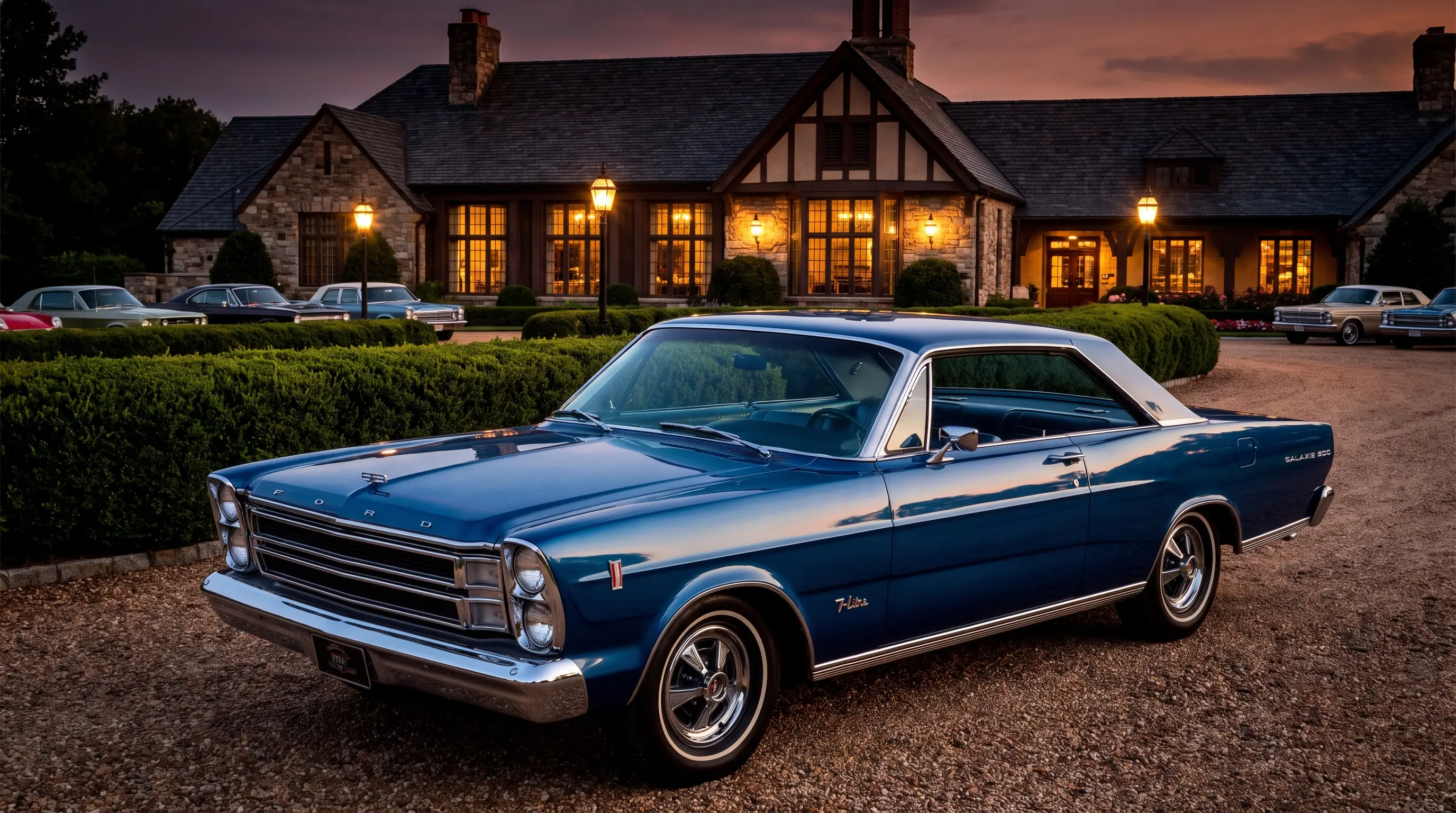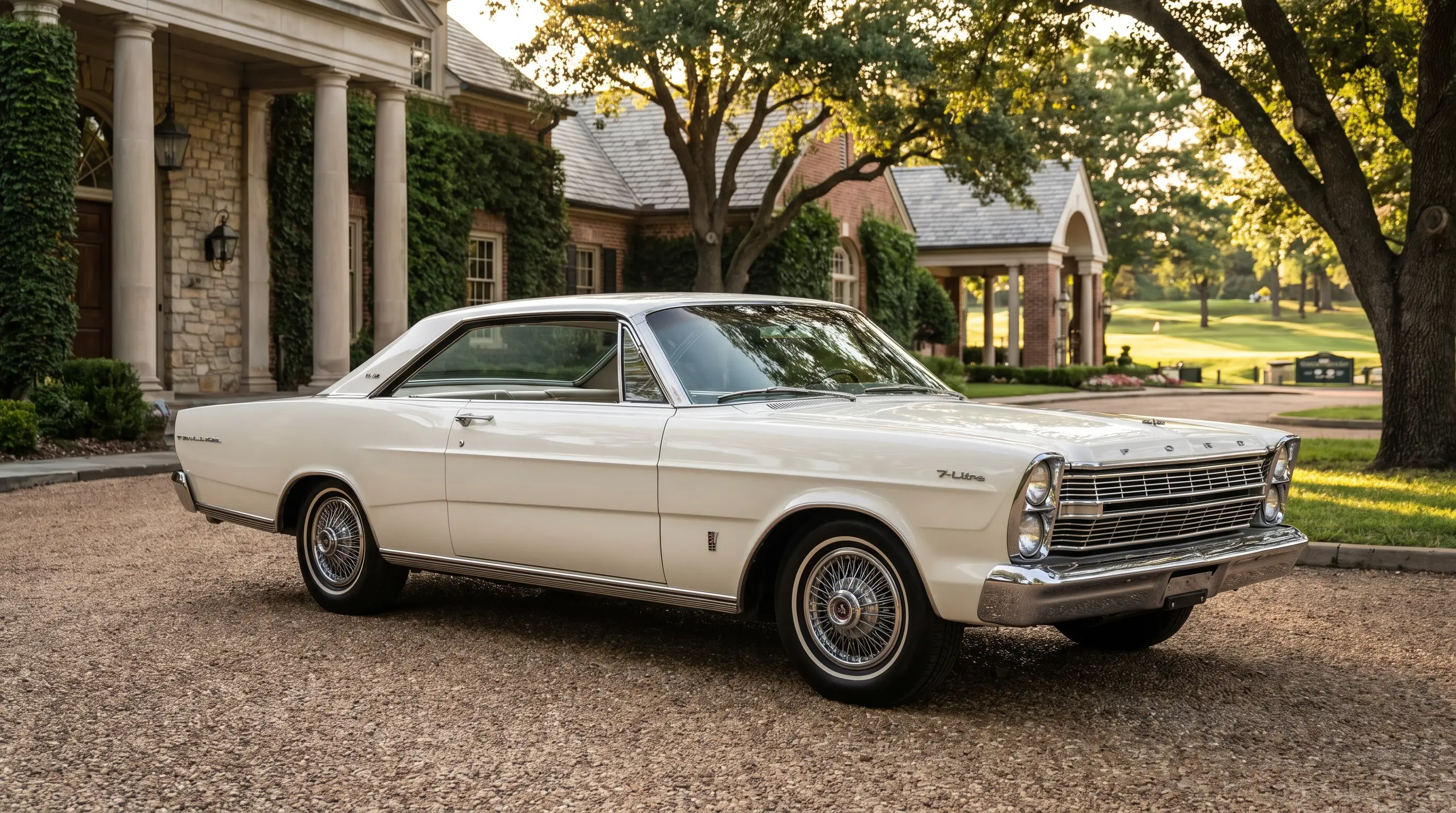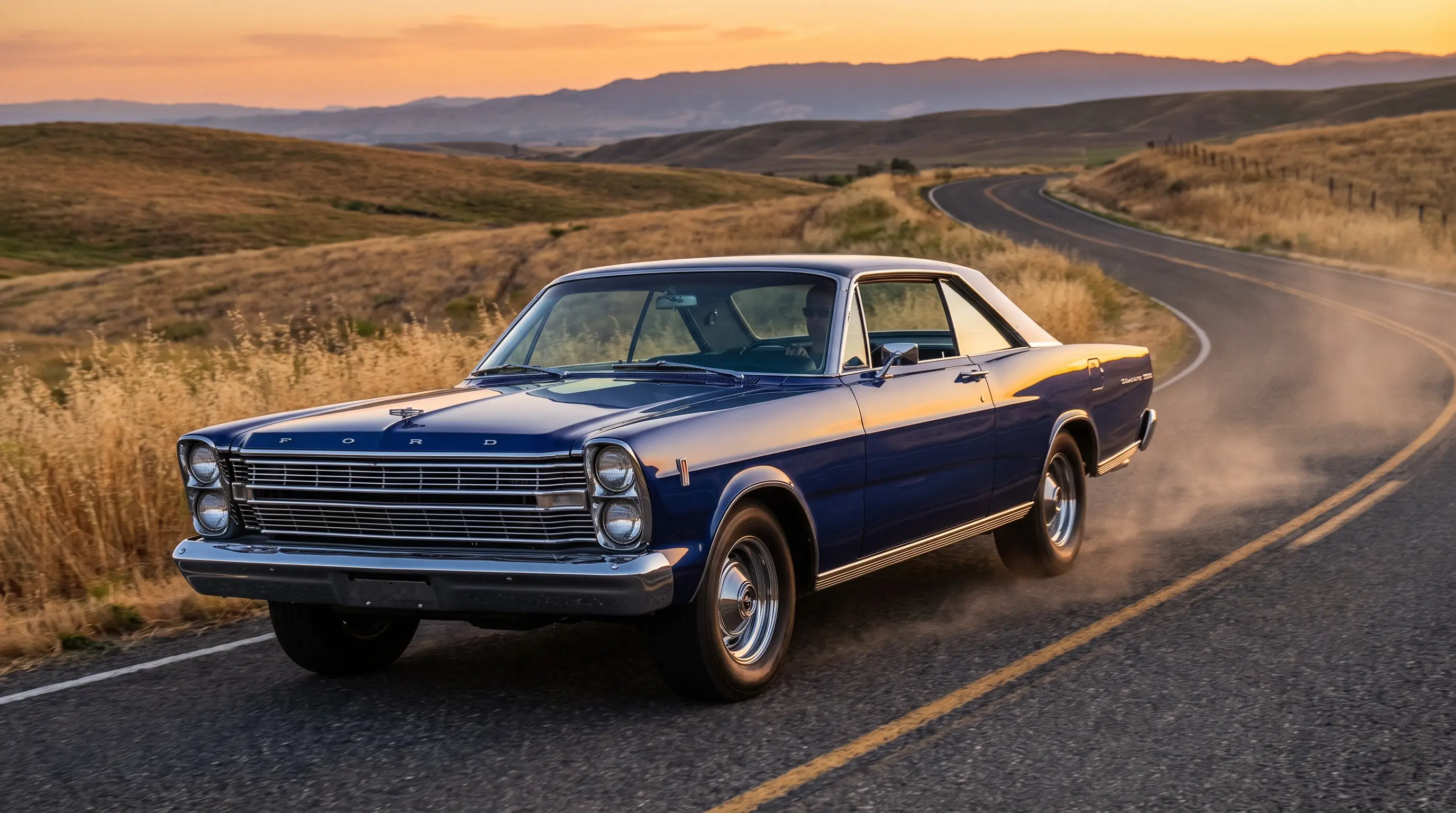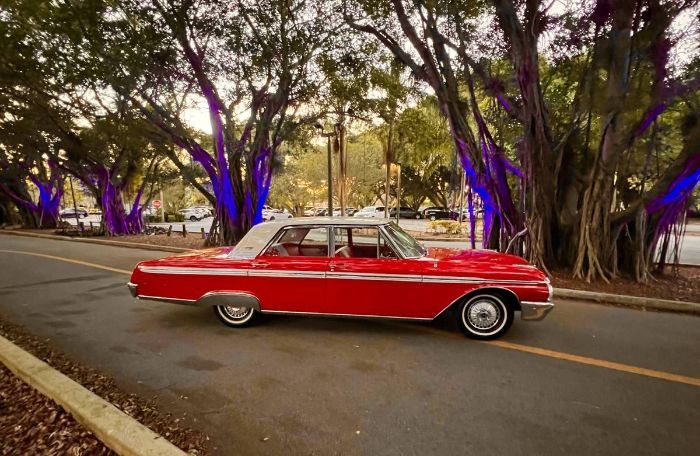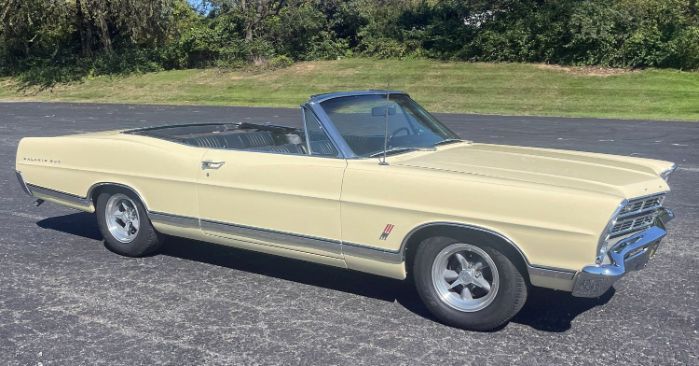
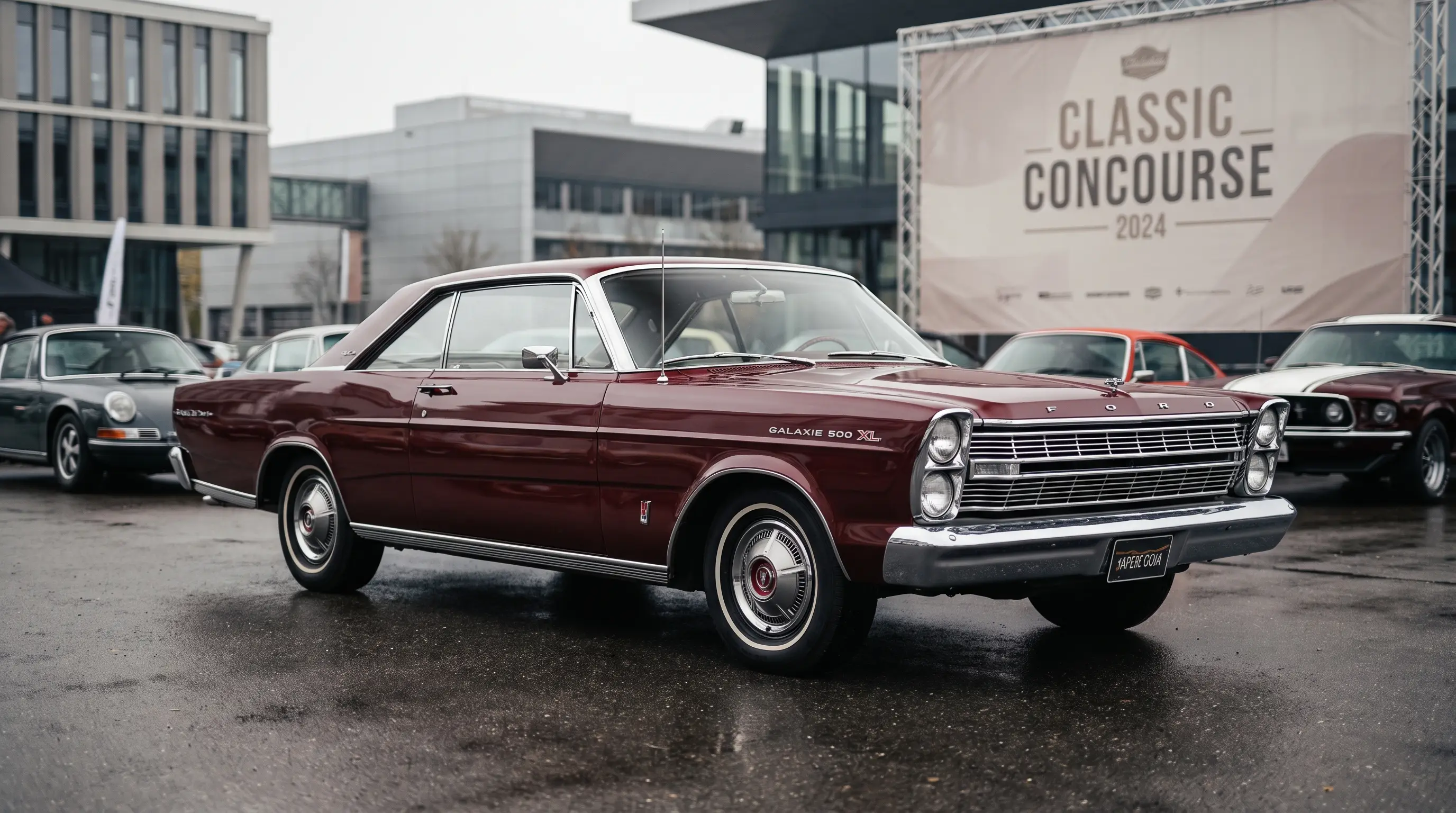
Park a 1966 Ford Galaxie at a cars-and-coffee meet today and the reactions split into two camps. One group walks past looking for the small-block Mustangs and the 427 Cobra replicas. The other stops cold, because they know exactly what they are looking at, and they know it does not show up nearly as often as it should. The ford galaxie 1966 ownership scene today sits in that second camp: smaller than the muscle-car mainstream, more knowledgeable than most people expect, and quietly better documented than its reputation suggests.
I have spent a long career pulling production records and dealer paperwork on full-size Fords, and the 1966 Galaxie is one of the cars I get the most corrections about. People assume it was a low-volume oddball because it gets overshadowed by the Fairlane GT and the Mustang in most retrospectives. The build numbers say otherwise. Ford moved roughly 774,000 full-size cars that model year across the Custom, Galaxie 500, Galaxie 500 XL, LTD, and 7-Litre lines, with the Galaxie series alone accounting for around 648,000 of those units, and the Galaxie 500 carried the bulk of that volume as the mainstream trim level. It was never rare. What is rare, decades later, is a well-preserved example that survived daily use, trade-in cycles, and the demolition-derby years that claimed so many big Fords in the 1970s and 1980s.
Who is actually driving these cars now
The ownership base for the 1966 Galaxie today skews toward people who came to the car through family history rather than auction catalogs. I hear the same story on repeat at swap meets: a grandfather bought a 500 or 500 XL new, it sat in a garage or a barn through a couple of decades of disuse, and a grandchild pulled it back out wanting to keep it as close to original as the family remembers it. That is a different collector profile than the one chasing a numbers-matching 427 R-code car for investment purposes. It produces owners who care more about the correct interior pattern and the right exterior color than about horsepower bragging rights.
There is a second group worth naming honestly: NASCAR history buffs. The 1966 Galaxie carries real motorsport weight because it was the last full-size body Ford ran hard in Grand National competition before the intermediate-based cars took over, and the 427 side-oiler engine option ties this car directly to that Total Performance era. Owners in this camp tend to gravitate toward 7-Litre and XL trims with the big engines, and they are the ones most likely to know exact production codes, not just model-year totals.
Clearing up what the car is actually worth to keep
A misconception I correct constantly: people assume a full-size 1966 Ford has no collector value because it is not a muscle car in the pony-car sense. That confuses body style with significance. The 1966 Galaxie 500 XL and 7-Litre were Ford's flagship personal-luxury-meets-performance statement that year, sitting above the Fairlane and well above the base Custom in trim, options, and factory marketing attention. Original build sheets, Marti Reports, and dealer invoices for these cars turn up more often than people expect, because Ford's paperwork retention from this era was reasonably thorough compared to some competitors. That documentation is exactly what separates a car worth restoring correctly from one worth using as a parts donor, and it is the first thing I tell new owners to chase down before they touch anything else.
Where the community actually gathers
Full-size 1960s Ford owners lean heavily on regional and national Ford clubs rather than model-specific Galaxie-only organizations, and that shapes how the ownership scene behaves. You will find 1966 Galaxies parked next to Fairlanes, Falcons, and Thunderbirds at the same shows, judged by the same regional club chapters, and discussed on the same forums where a Torino owner might answer a Galaxie parts question just as readily as another Galaxie owner would. That cross-pollination has kept trim, interior, and reproduction parts sourcing alive longer than a narrower single-model community might have managed on its own.
Anyone getting serious about a 1966 car should start with our complete history of the model year before chasing parts or provenance, since knowing what was original to a given trim level saves real money down the line. From there it is worth reading how the flagship trim fit into the lineup; keep exploring if the big-engine story is what drew you in.
What today's owners actually prioritize
Ask a dozen 1966 Galaxie owners what they care about most and you get a fairly consistent answer: correct color combinations, an intact original interior or a faithful reproduction, and confirmation of the drivetrain that left the factory. Very few chase concours perfection on these cars, because the culture around full-size Fords of this era has always valued honest, driver-quality preservation over trailer-queen restoration. That is a cultural trait worth understanding before you jump into ownership, because it shapes what the market actually rewards.
"People treat the paperwork like an afterthought until they try to sell the car, and then suddenly the Marti Report is the only thing anyone wants to talk about. Chase the documentation first. The car will still be there next weekend."
- Tom Ramirez
Buying into the scene without getting burned
The active buyers I talk to now are not speculators. They are people who want a full-size cruiser with real history, room for a family, and a story that connects to Ford's Total Performance years without the price tag of an actual factory 427 car. That demand has kept a healthy supply of 289 and 390-powered Galaxie 500 sedans and hardtops moving at reasonable prices, while the documented big-block XL and 7-Litre cars command a real premium. If you are shopping the current classic Galaxie for sale listings, the single best move is asking the seller directly whether they have any original paperwork, even something as simple as an old registration or a dealer sticker, before you evaluate anything else about the car.
The ford galaxie 1966 ownership scene today is smaller and quieter than the muscle-car circuit, but it is not thin on knowledge or passion. It rewards patience, rewards documentation, and rewards people willing to learn the difference between a base Galaxie 500 and the flagship trims that carried Ford's performance reputation through one of its most competitive NASCAR seasons.
Sources and notes
- Ford Galaxie - Wikipedia
- Car of the Week: 1966 Ford Galaxie 500 7-Litre convertible - Old Cars Weekly
- 1966 Ford Galaxie Specifications & Dimensions - conceptcarz.com
- Own This Ultra-Rare 1966 Ford Galaxie 7-Litre Convertible - Motorious
- Curbside Classic: 1966 Ford Galaxie 500 7-Litre - The Truth About Cars
- 1966 Ford Full Size Cars Fact Sheet - Over-Drive Magazine