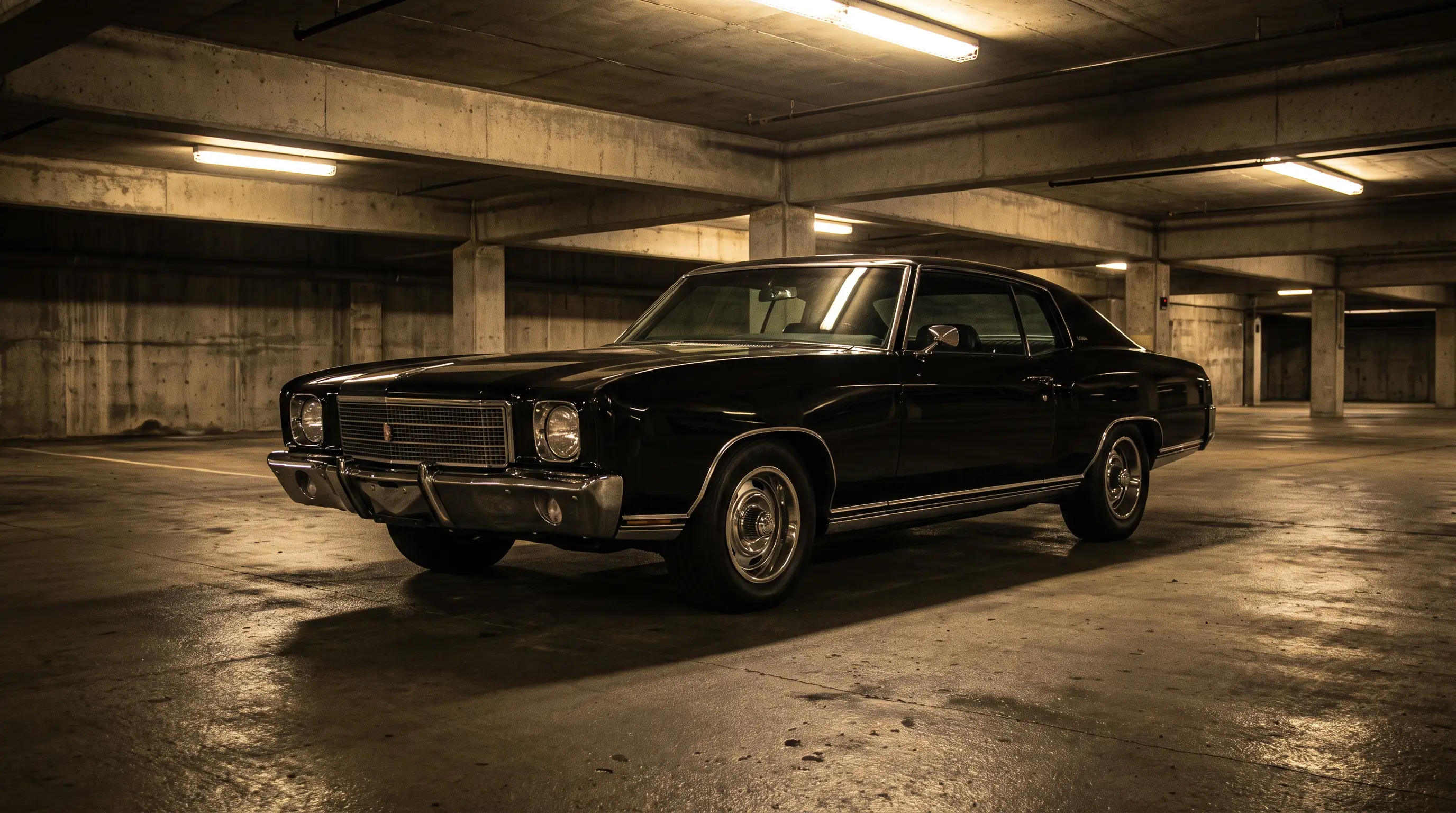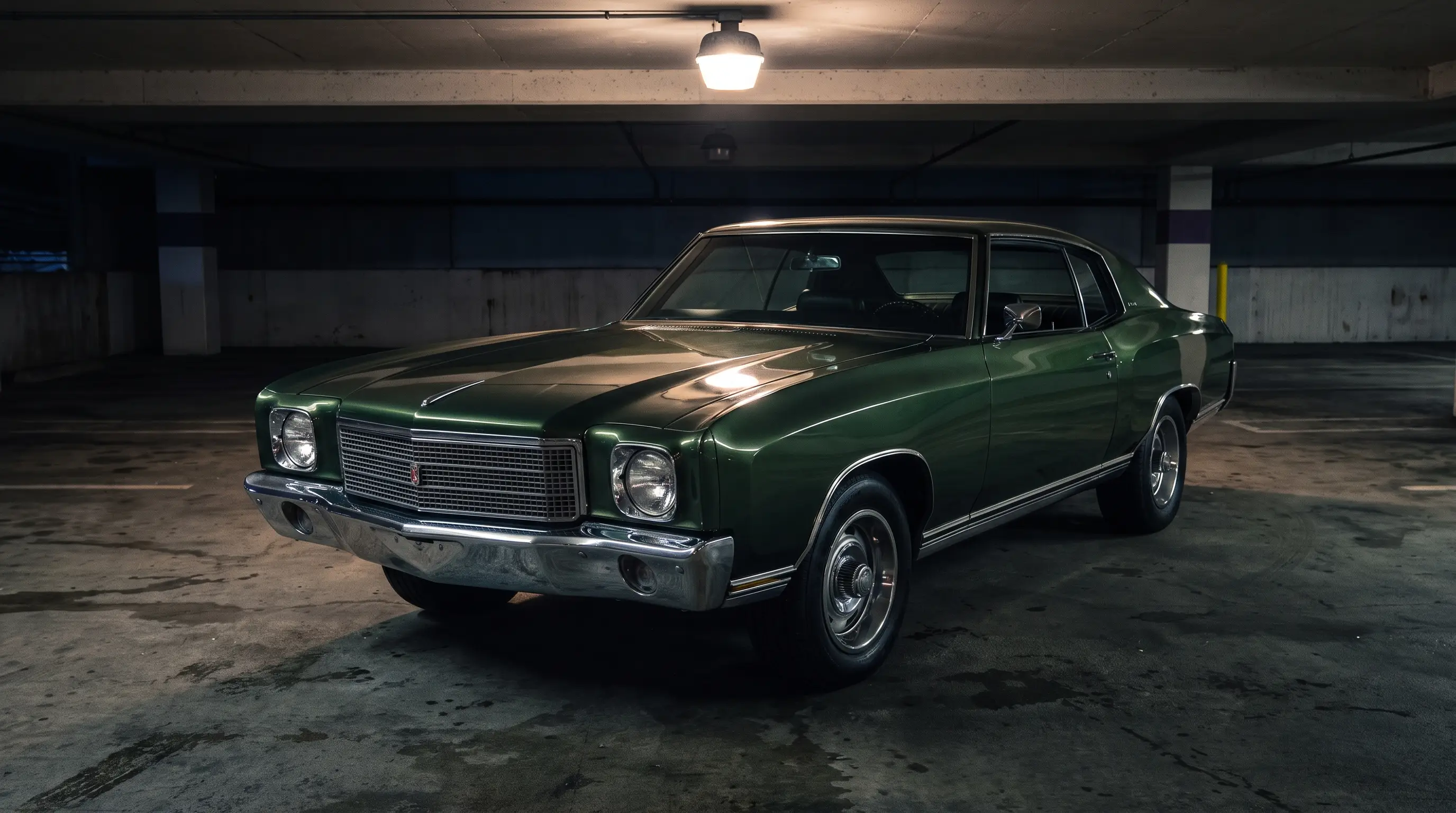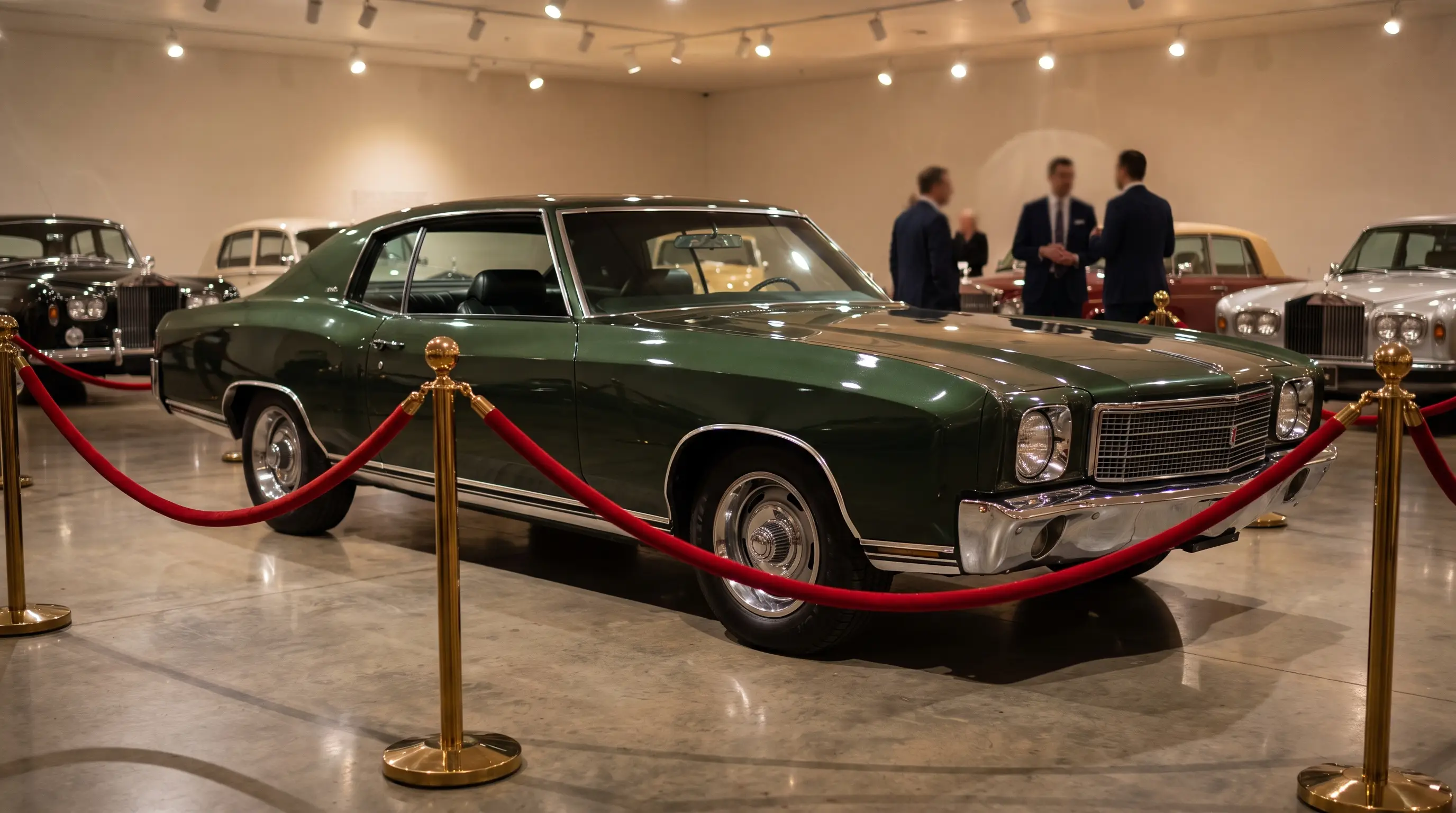
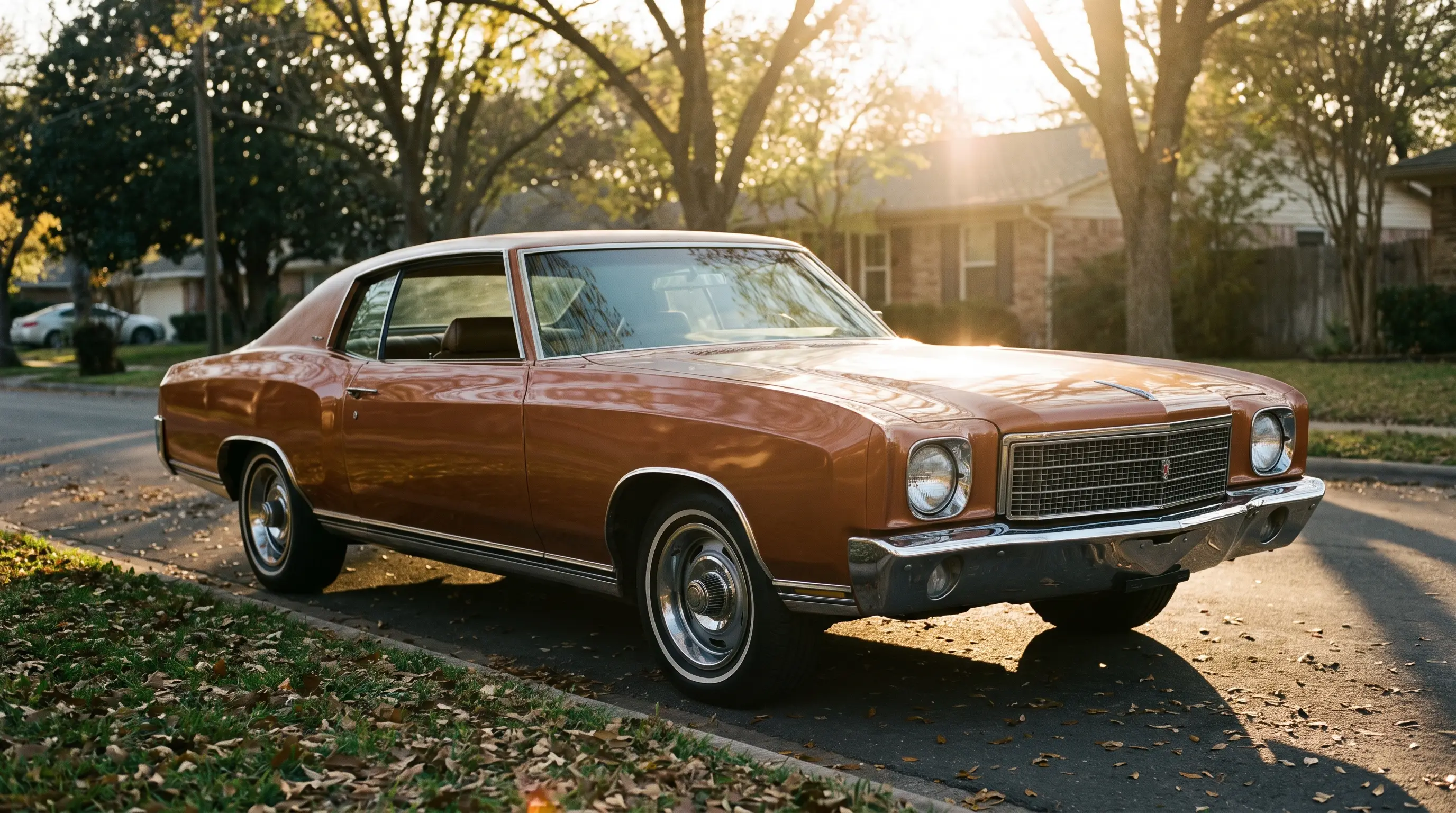
Every model line has a year that quietly does the work of proving a formula before it gets handed off to something new, and for the first-generation Chevrolet Monte Carlo, that year was 1971. The monte carlo 1971 legacy gen1 closing chapter is not the flashiest part of this car's history, but it is the part that determined whether the entire personal luxury coupe idea Chevrolet had bet on in 1970 was going to last past its own debut season.
A second year with something to prove
Launching a new nameplate is one thing. Following through on it is another, and 1971 was where Chevrolet found out whether the Monte Carlo's first-year sales success was a genuine trend or a one-year novelty. The refreshed grille and taillamp treatment for 1971 were modest changes by design, a signal that Chevrolet believed the fundamental shape and positioning were already correct and did not need reinvention so soon. That restraint mattered. A more aggressive redesign this early would have suggested the division was not confident in what it had built, while the subtle 1971 update read instead as quiet confirmation that the formula worked.
Readers wanting the whole picture of what changed and what stayed exactly the same that year will find the full account of how Chevrolet handled this second, quietly decisive model year, and it is worth pairing with the broader arc of the first generation to see how deliberately restrained this closing chapter actually was.
Setting up what 1972 and the redesign would inherit
By the time 1971 production wound down, the Monte Carlo had established a customer base, a dealer network comfortable selling it, and a reputation distinct enough from the Chevelle and full-size Impala lines that Chevrolet no longer needed to explain what a Monte Carlo was to a skeptical buyer. That groundwork mattered enormously for what came next. The 1972 model year carried the first generation to its actual final chapter with only incremental changes, essentially coasting on the platform 1971 had proven, before Chevrolet moved to the larger, more dramatically styled Colonnade generation for 1973. None of that transition would have gone as smoothly without 1971 doing the unglamorous, largely uncelebrated work of confirming the original concept could sustain a following past its debut year.
This closing role is easy to overlook precisely because 1971 did not introduce anything dramatic. It consolidated. In an industry that often rewards flash over follow-through, that consolidation is exactly what let the Monte Carlo nameplate survive long enough to become one of Chevrolet's defining personal luxury cars rather than a short-lived experiment.
Why closing chapters get overlooked in car history
Enthusiast history tends to celebrate launches and dramatic redesigns while skipping past the years that simply confirmed a formula was working. That habit shortchanges cars like the 1971 Monte Carlo, whose real contribution to the nameplate's survival was proving repeatable success rather than announcing something new. A one-year wonder that sells well once and then fades is a very different kind of car than one that sells well twice in a row, and only the second version earns the kind of dealer confidence and factory investment that keeps a nameplate alive for decades. The 1971 Monte Carlo quietly did the less celebrated but far more important job.
Collectors researching this generation today increasingly recognize that value, treating the 1971 model not as a minor refresh of the more historically significant 1970 original, but as the year that actually determined whether there would be a Monte Carlo nameplate worth having a history at all. That recognition has only grown as more researchers have gone back through dealer records and sales literature from the era rather than relying on secondhand summaries repeated across decades of enthusiast retellings.
"The 1970 Monte Carlo asked a question. The 1971 model answered it. That is a less dramatic story than a redesign, but it is the story that actually decided whether this nameplate had a future. Nobody puts that on a poster, but it is the truer history."
- Sarah Whitfield
What dealers learned during this closing stretch
Dealer feedback from the first two model years shaped decisions Chevrolet carried into the redesign, even when the day-to-day car on the lot looked nearly unchanged. Salesmen reported which options buyers actually wanted versus which ones sat unsold on the order form, which trim combinations moved fastest, and which competitive comparisons customers raised most often against the Grand Prix and Thunderbird. That feedback loop, unglamorous as it sounds, is exactly the kind of institutional knowledge that turns a promising debut into a durable nameplate. A car that debuts well but generates no useful dealer feedback in its second year risks getting redesigned based on guesswork rather than evidence, and the Monte Carlo avoided that trap specifically because 1971 gave Chevrolet a second full sales cycle to learn from before committing to the much larger investment the Colonnade redesign represented.
This is also where the personal luxury segment as a whole matured. Chevrolet was not operating in a vacuum. Ford and Pontiac were running their own second and third model years on comparable platforms during this same window, and the entire segment's conventions, what buyers expected as standard, what counted as a reasonable option package, how much a formal roofline actually mattered to the target buyer, solidified across these closing years of the early personal luxury boom rather than in any single model's debut season, which is exactly why comparing 1971 in isolation misses most of what the year actually accomplished.
What this closing chapter means for today's buyers
Understanding 1971 as the proof year rather than a footnote changes how a buyer should think about the car relative to its siblings. It carries the same fundamental design integrity as the more celebrated 1970 debut, often with running refinements dealers and owners had already flagged after the first year on sale, while avoiding the higher demand and pricing premium that sometimes attaches to "first year" collectibility on the 1970 model specifically. For a buyer who wants the first-generation Monte Carlo experience without paying a first-year premium, 1971 is frequently the more sensible entry point into this chapter of the car's history, offering the same proportions, the same basic engineering, and the same personal luxury pitch at a price that reflects its role as the confirming year rather than the headline one. If that entry point interests you, you can find a classic Monte Carlo from this closing year of the original body style and judge the proof-of-concept for yourself, exactly as period buyers did when they chose 1971 over waiting to see what came next.