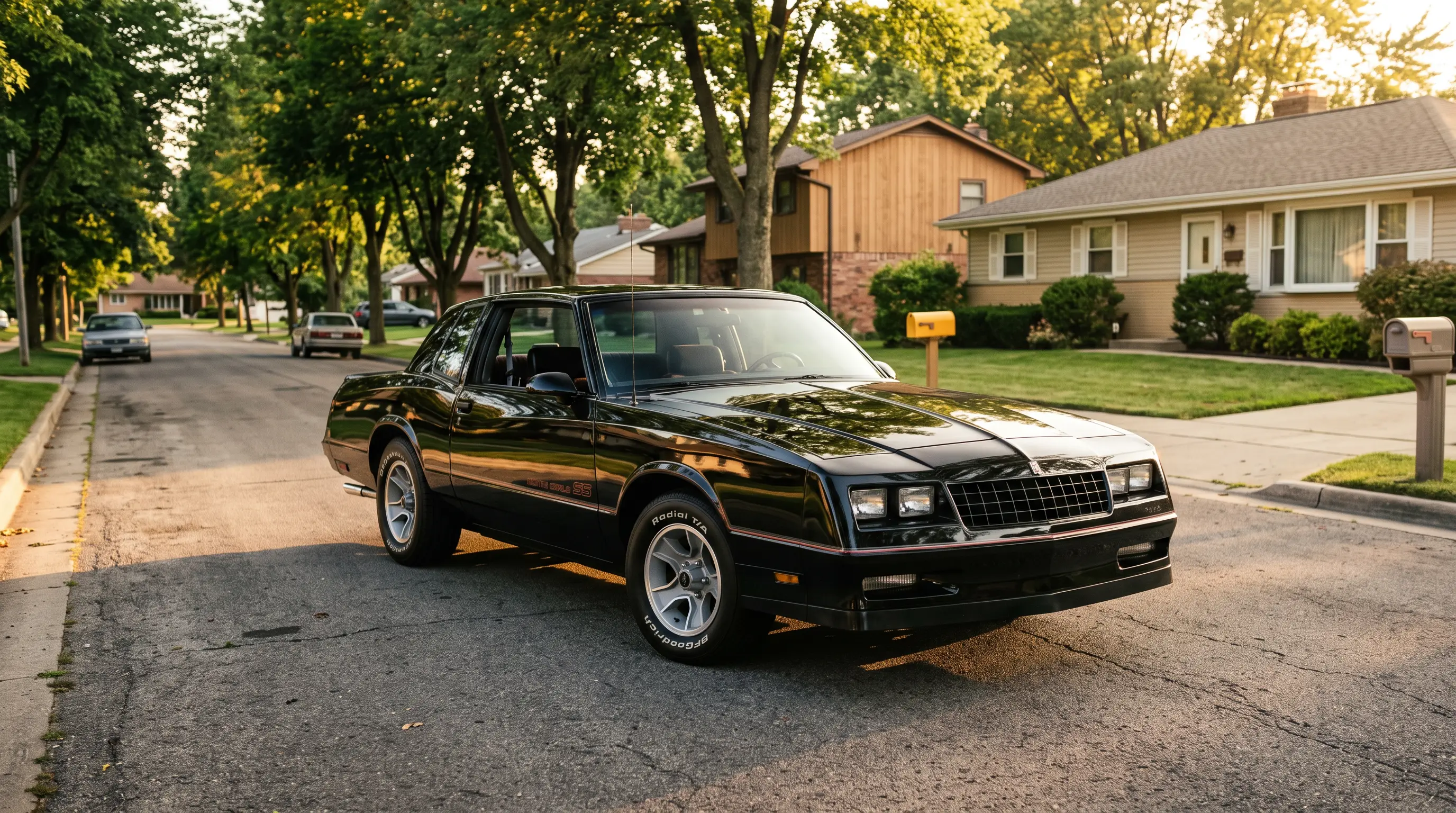
Every builder who has chased a correct repaint on one of these cars ends up having the same argument with themselves eventually. The monte carlo 1986 ss color combos question sounds simple until you are standing in front of a paint chip book trying to figure out whether the black your customer wants is actually a factory black or something closer to a generic aftermarket approximation. The difference matters more than most people assume, and getting it wrong is the fastest way to turn a correct restoration into an expensive guess.
Black on black, the combination everyone remembers
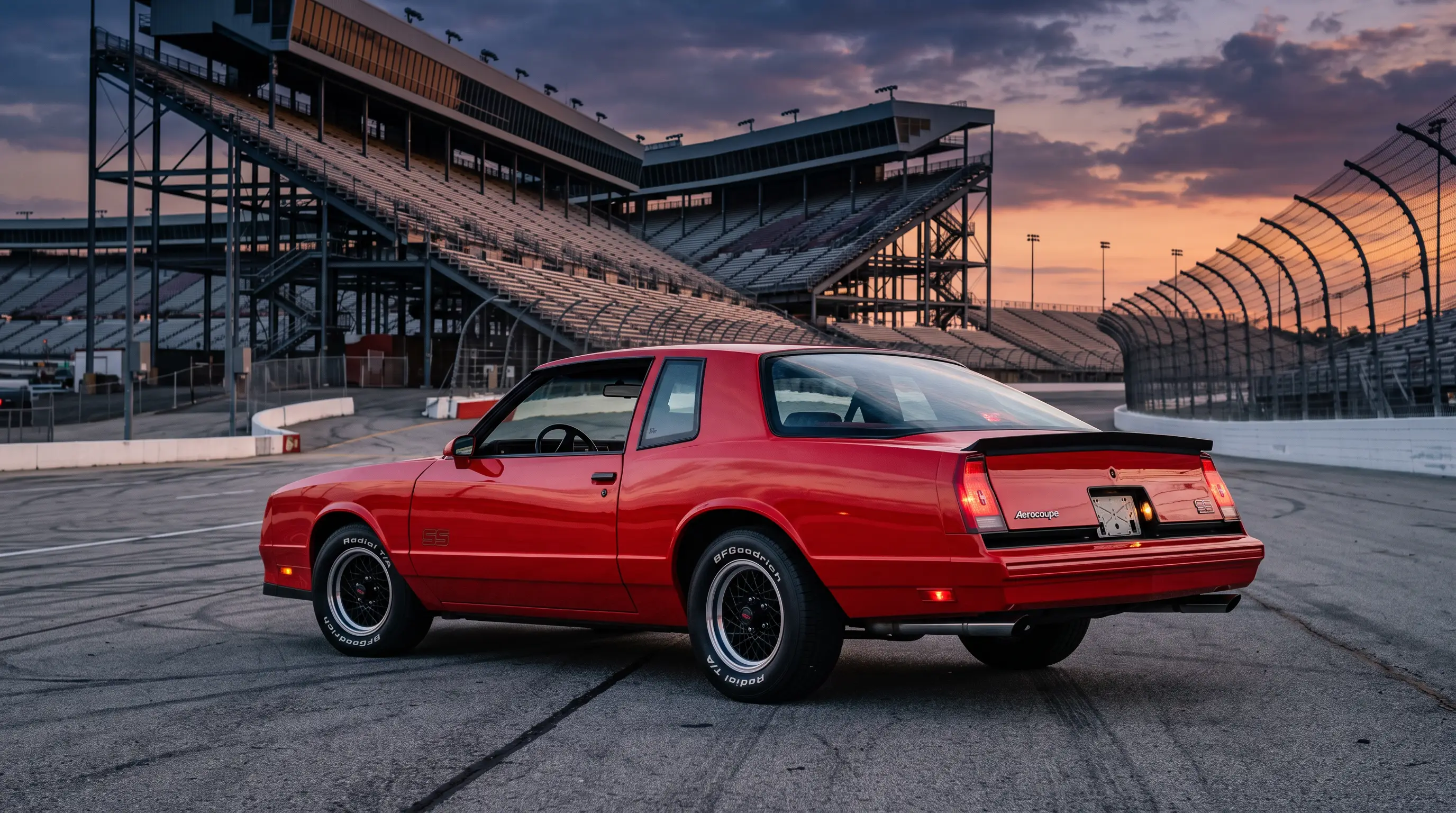
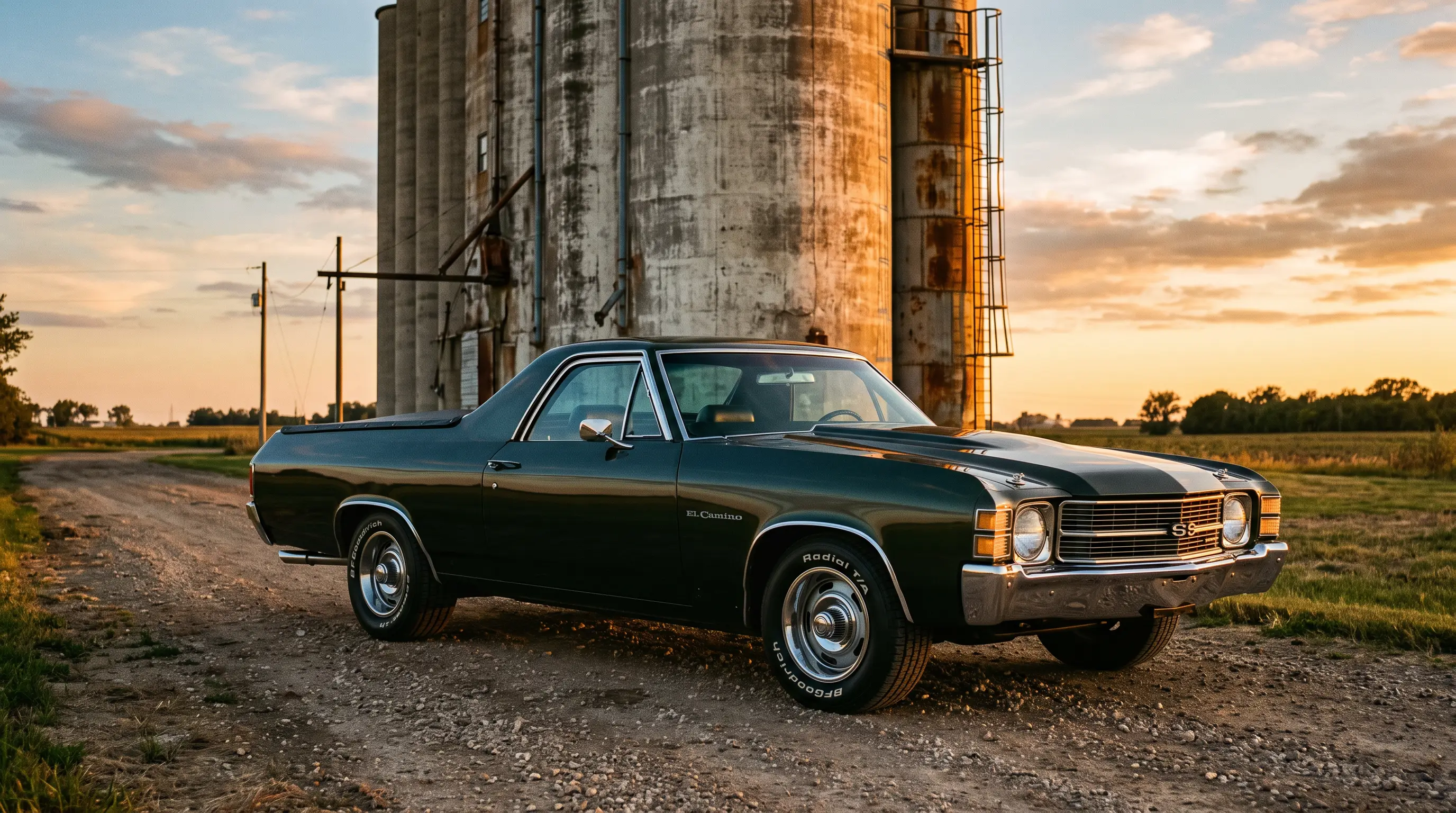
The all black SS, black paint over black cloth or vinyl interior, is the color combination most people picture when they hear the name, and there is a reason for that beyond simple nostalgia. Black paired with the SS package's monochrome trim philosophy the most completely of any color option Chevrolet offered, letting the blacked out window surrounds and lower cladding disappear into the body color rather than contrasting against it. That visual continuity is exactly what the SS design language was chasing, and black delivered it more completely than any other factory color.
Getting a correct black repaint right means matching factory formulation rather than reaching for a generic automotive black off a modern paint chart. Factory blacks from this era carried specific additive packages that affected how the paint aged and how it reflected light, subtle differences a trained eye can spot on an incorrect repaint parked next to an original finish even decades later. Builders chasing accuracy pull the actual factory paint code rather than eyeballing a match, because eyeballing black against black is exactly the kind of shortcut that gets caught at a judged show.
The lighter combinations people forget existed
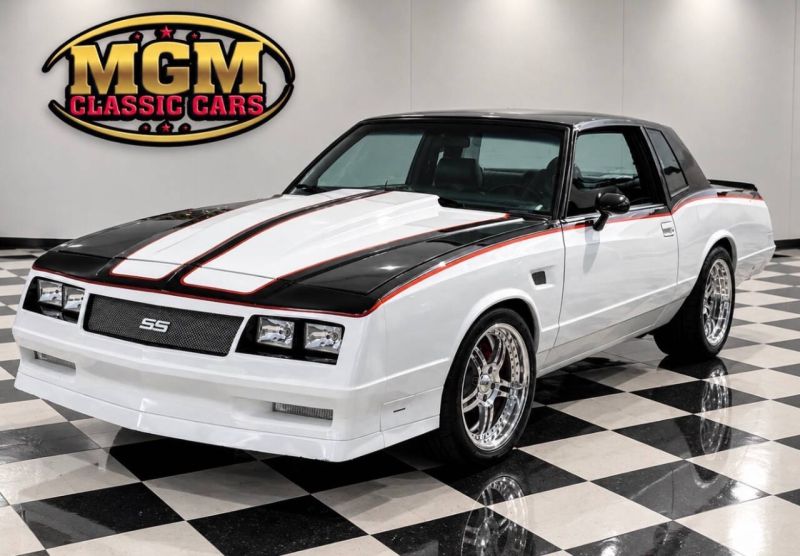
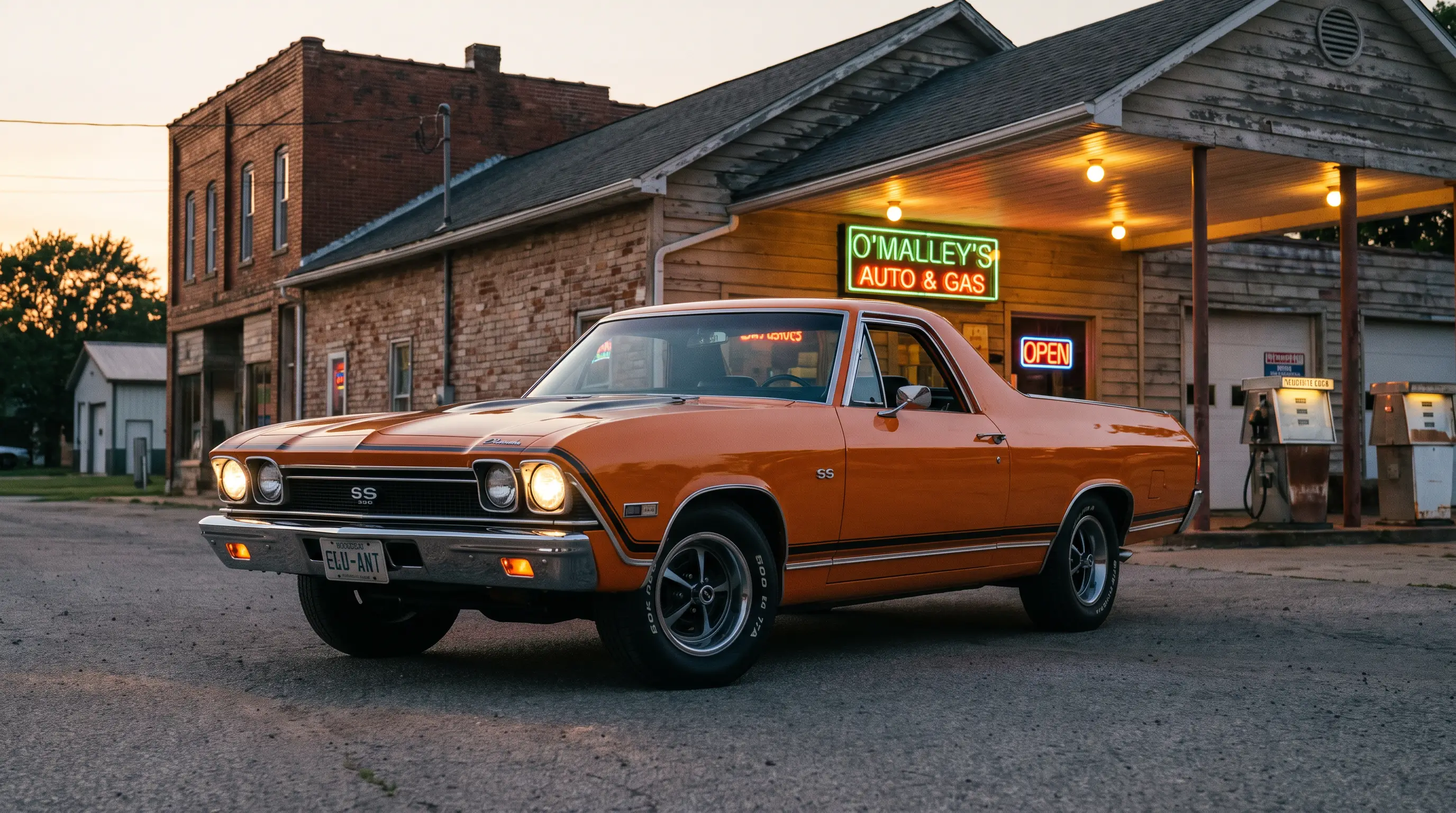
Black gets all the attention, but Chevrolet offered the SS package in lighter body colors too, and those cars carry their own restoration challenges that get less discussion at car shows because fewer people chase them. A lighter body color paired with the same blacked out trim produces a completely different visual effect than the monochrome black cars, more contrast, less of that continuous unbroken silhouette the design was built around. Some builders consider these lighter combinations less successful visually for exactly that reason. Others argue the contrast actually shows off the SS-specific body lines better than an all black car does, since the cladding and trim read as a distinct design element rather than disappearing into the body.
I have built both, and I will not pretend there is one correct answer here. What I will say is that lighter color SS cars are more commonly found in incorrect or incomplete restorations, because builders chasing the more popular black combination have paid closer attention to getting it right, while lighter cars sometimes get treated as an afterthought. That gap is actually an opportunity for anyone doing a documented restoration, since a correctly executed lighter combination stands out specifically because so few of them are done properly.
What a judge checks that a casual buyer never notices
At a serious judged event, color accuracy gets scrutinized well past whether the paint simply looks black or looks silver. Judges check whether the specific shade matches documented factory formulations, whether the interior color was actually available with that exterior choice according to factory records, and whether trim pieces that should be blacked out actually carry the correct finish rather than a close but incorrect substitute. A builder who skips that research produces a car that looks right to ninety percent of onlookers and gets flagged immediately by the ten percent who actually know what they are checking.
That gap between looking right and being documented right is where a lot of restoration budgets get tested. Pulling accurate paint codes and interior availability charts takes real research time before a single panel gets sprayed, and it is tempting to skip that step when a customer just wants the car finished. Builders who skip it consistently produce cars that fail closer inspection, and word travels fast in this hobby about which shops cut that corner.
"Black on black gets remembered because it worked with the design philosophy better than anything else Chevrolet offered. That does not mean it is the only correct answer, it means it is the popular one. A properly documented lighter color car done right will turn more heads at a serious show than a sloppy black repaint ever will."
- Jim Vasquez
The colors that never made it to production
Every color program has cars that almost happened, and the SS lineup is no exception. Chevrolet's design studios tested combinations that never reached a dealer lot, some abandoned for cost reasons, others because a color that looked promising on a small sample panel read completely differently once applied across an entire body. That gap between a paint chip and a full sized car is a real phenomenon, not restoration folklore. Metallic finishes in particular can shift dramatically in perceived depth and undertone depending on panel size and lighting, which is part of why some colors that tested well internally never made it past a prototype stage.
For a builder today, that history matters mostly as a caution against chasing a combination based on a scanned brochure swatch or a faded paint chip found at a swap meet. What looked correct on a printed sample decades ago has often shifted in reproduction, and a builder working purely from an old catalog image risks producing a car that looks plausible but does not match anything Chevrolet actually built. Cross-referencing against build sheet codes rather than visual samples alone remains the more reliable path, even when it takes longer than simply eyeballing an old photograph and calling it close enough.
None of this diminishes the appeal of the colors that did make production. If anything, knowing how many combinations got tested and rejected along the way makes the surviving lineup feel more deliberate, a curated set of choices rather than an arbitrary list, and that context is worth knowing before a builder commits real money to matching one of them precisely.
Getting it right before the paint goes on
The lesson that applies across every color combination is the same one that applies to the rest of this car's restoration story. Documentation comes before the spray gun, not after. A builder who pulls the factory paint codes, checks interior availability against the actual exterior color, and verifies trim finish specifications before starting work produces a car that survives real scrutiny. A builder who works from memory and general impressions produces something that photographs fine and falls apart the moment someone who actually knows the details gets close enough to look.
The whole picture of the 1986 SS model year is worth reading if this color discussion has you wanting the full context behind why Chevrolet built the package the way it did. If you are hunting for a specific combination yourself, shop classic Monte Carlo listings and check the documentation on any car before you commit.