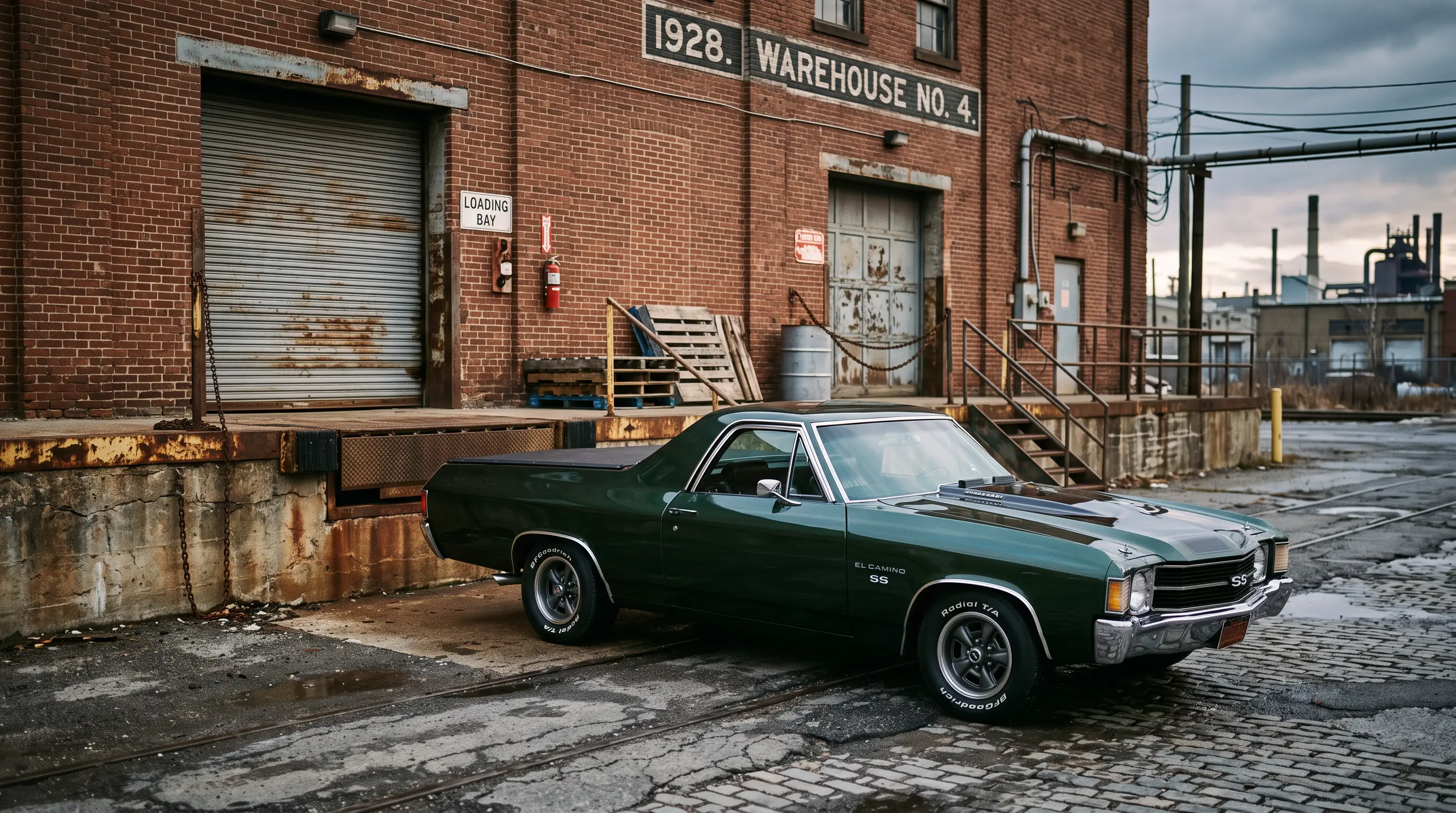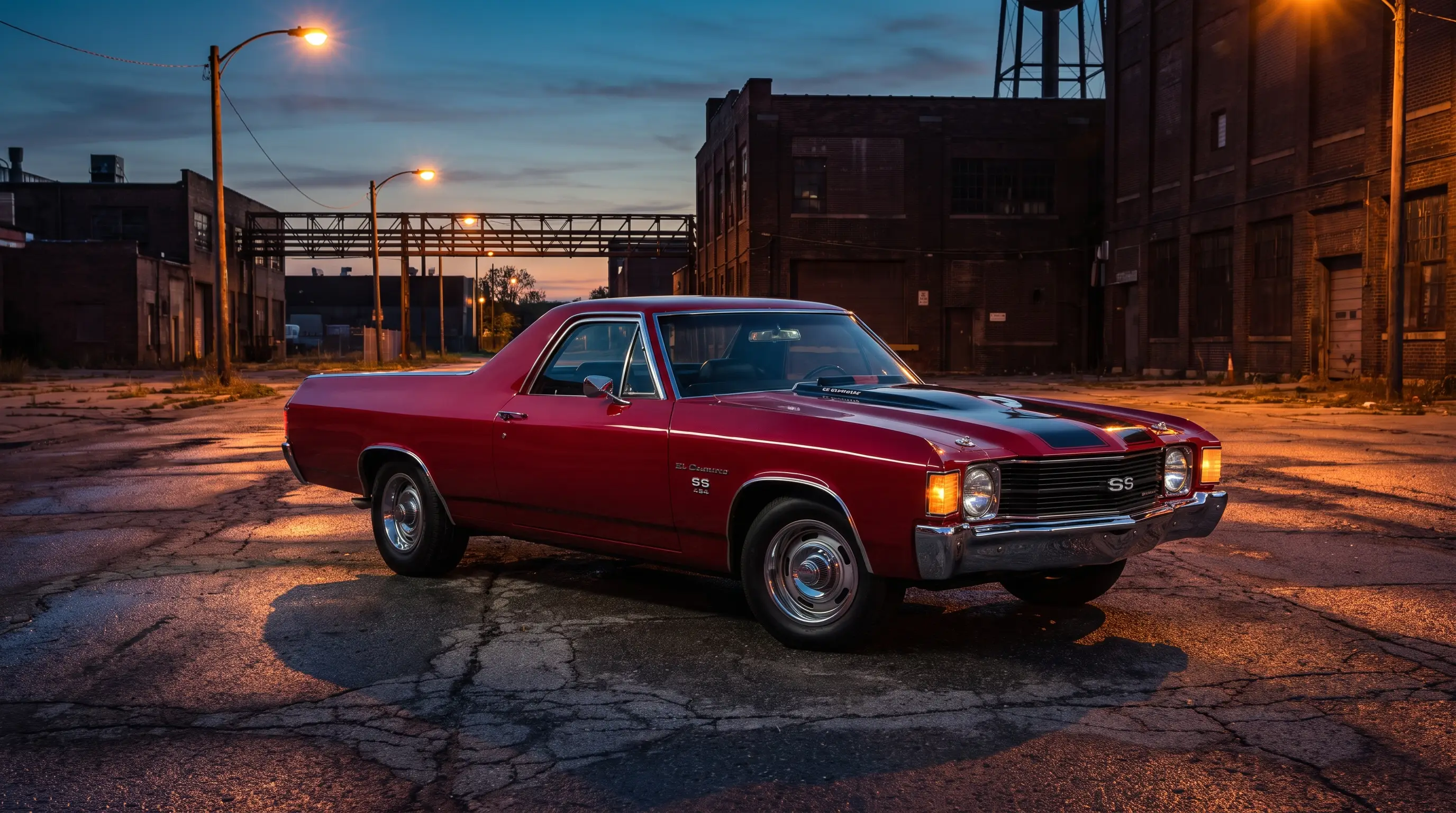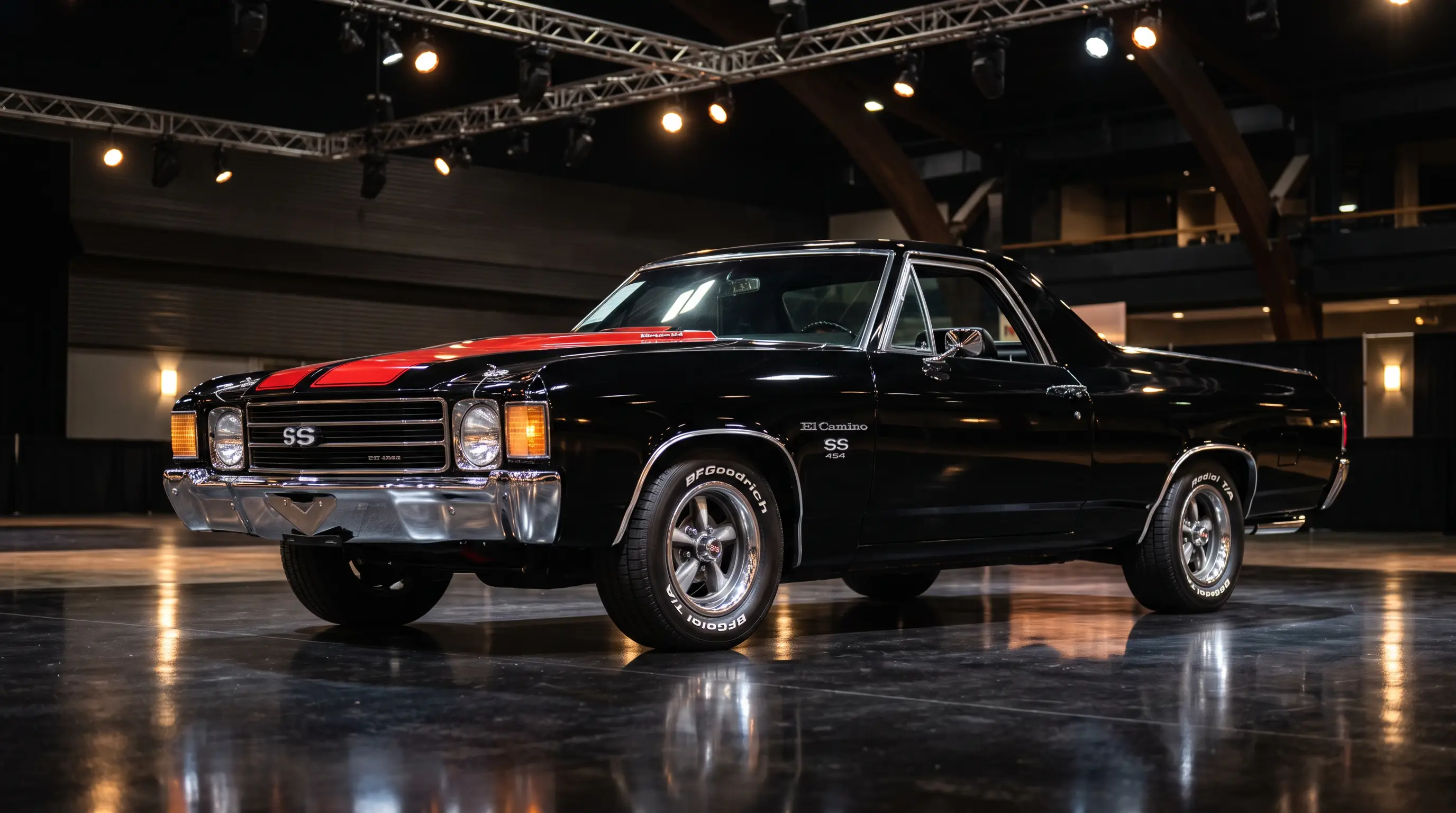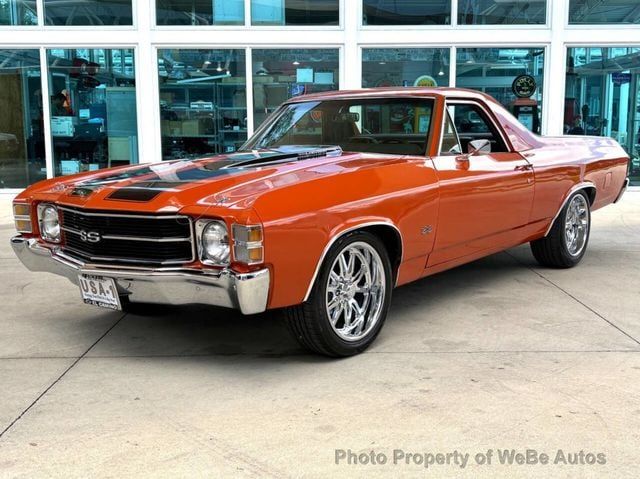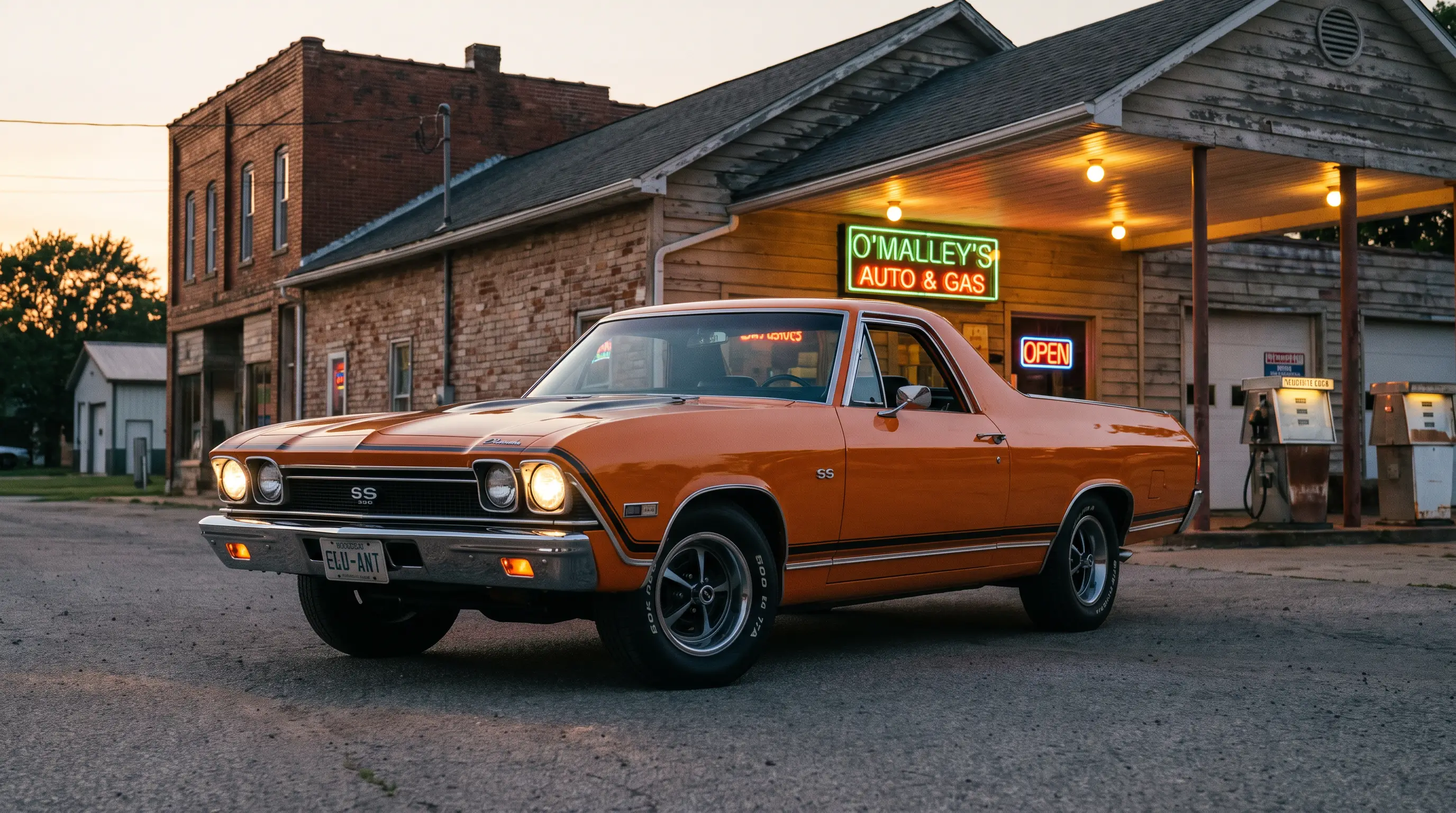
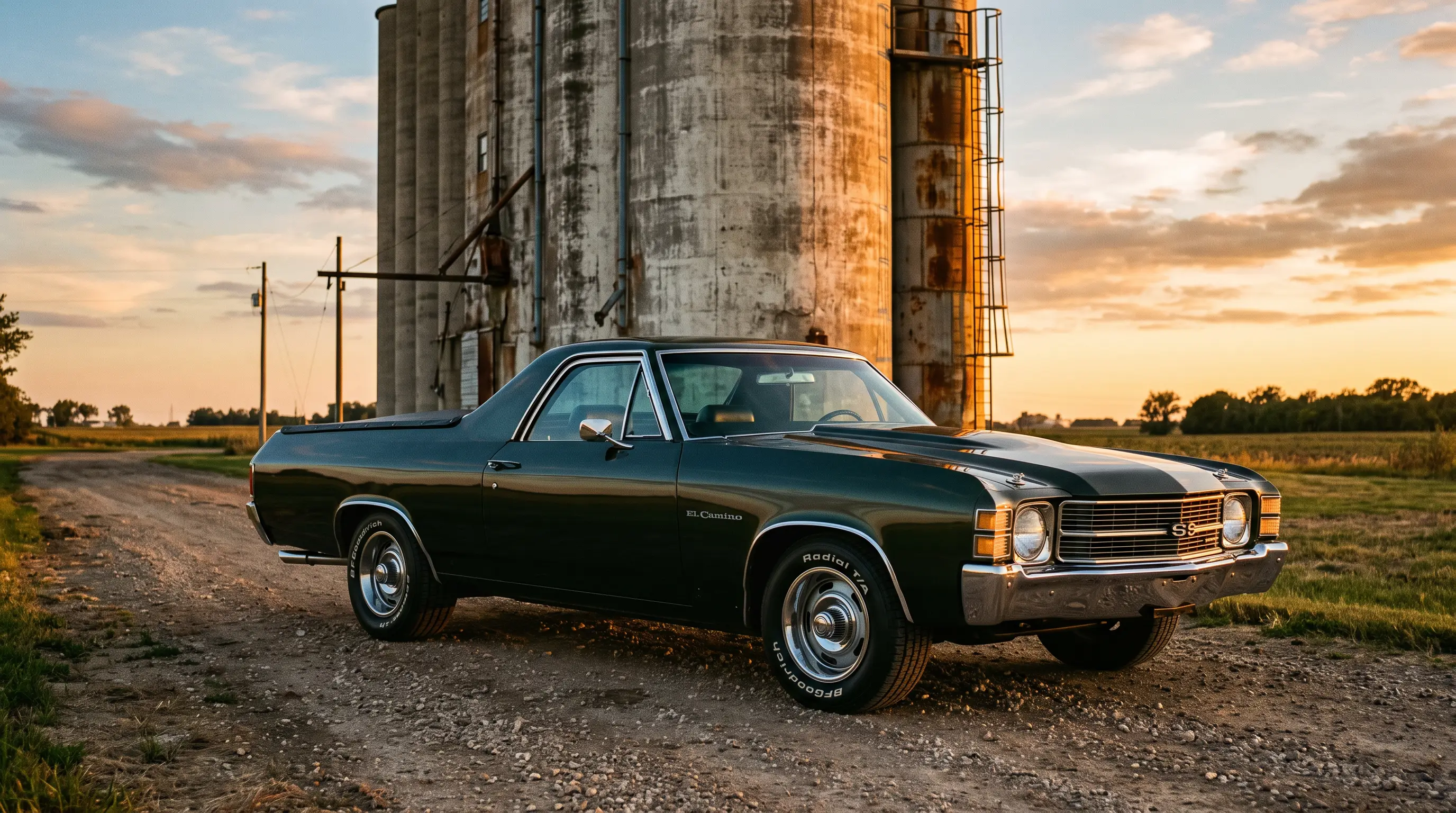
The 1972 El Camino closed a chapter more than it opened one. It was the last model year built on the original mid-size A-body architecture Chevrolet introduced for the El Camino back in 1964, before the 1973 Colonnade redesign changed the platform's proportions, safety structure, and visual language for good. Understanding what the A-body actually accomplished across those years is the clearest way to understand why 1972 deserves to be remembered as an ending worth taking seriously.
What the A-body actually was
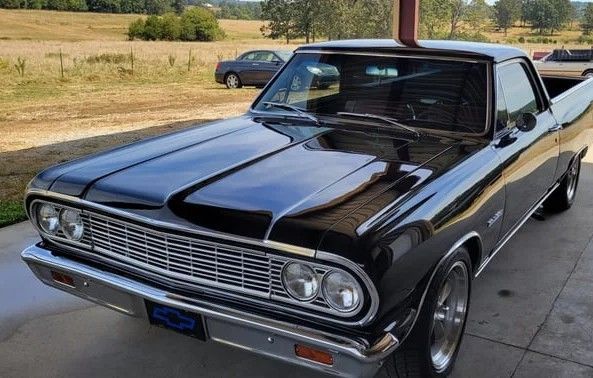
When Chevrolet revived the El Camino nameplate in 1964, it built the new truck on the same mid-size platform underpinning the Chevelle, rather than reviving the full-size Impala-based approach used for the original 1959 to 1960 version. That decision, made years before the muscle car boom reached its height, defined the entire second era of the model and every year that followed it through 1972. The A-body gave the El Camino car-like handling, a wide range of available engines shared with the Chevelle and Malibu, and a body that could credibly wear performance trim without looking like a truck pretending to be something else.
Across 1964 through 1972, the A-body El Camino evolved through several distinct looks, from the crisp early sixties styling to the longer, lower, more aggressive redesign of 1968, through to the 1970 through 1972 cars that represent the platform's final and arguably most muscular expression. Each iteration kept the same fundamental idea intact, a genuinely car-based platform capable of hauling cargo without giving up the driving character people wanted from a performance coupe.
That consistency of concept is what separates the A-body El Camino from other manufacturers' attempts at a car-based utility vehicle during the same period. Competitors either leaned too far toward the truck side, sacrificing ride quality and handling, or treated the idea as a novelty rather than a serious performance platform. Chevrolet's decision to keep the El Camino tied directly to the Chevelle's engineering, rather than developing it as a separate lower-priority program, is the reason the A-body version earned genuine respect from performance-minded buyers rather than being dismissed as a gimmick.
Why 1972 matters as the closing statement
Ending a platform's run on a strong note is rarer than it sounds. Plenty of automotive nameplates limp to the finish line on a compromised, cost-reduced version of what they used to be. The 1972 El Camino did not do that. It could still be ordered with the 454 cubic inch LS5 V8, still wore the SS badge with real mechanical substance behind it, and still carried the same basic silhouette that had made the late-60s and 1970 cars into muscle-era icons. Whatever changes SAE net horsepower ratings and tightening emissions rules brought to the paperwork, the 1972 remained, in every meaningful sense, a full-strength A-body El Camino.
Compare that with what happened to other platforms exiting the muscle era around the same time. Several competing nameplates saw their most powerful engine options quietly disappear a year or two before the body style itself changed, meaning their final years of a given generation were already diminished before the redesign even arrived. The El Camino avoided that fate. The 454 remained on the order sheet through the very last model year of the A-body, which meant the platform's reputation and its actual final-year hardware never drifted apart the way they did for some rivals.
| Era | Years | Defining trait |
|---|---|---|
| Early A-body | 1964-67 | Introduction of the Chevelle-based platform |
| Restyle era | 1968-69 | Longer, lower body, first SS package |
| Peak muscle | 1970 | LS5 454 standard SS engine; a rare, disputed LS6 454 is documented on a small number of surviving cars |
| Final A-body years | 1971-72 | Net horsepower ratings, last of the body style |
"A platform's legacy is not decided by its most photographed year. It is decided by how much of that year's substance survived all the way to the final one, and on that measure the A-body El Camino held up remarkably well."
- Sarah Whitfield
How the ending shaped what came next
When the redesigned 1973 El Camino arrived on the new Colonnade platform, it brought body-color bumpers, a heavier structure built around new federal crash standards, and a visual language that read as distinctly seventies rather than late-sixties muscle. That new truck was a genuinely different car in character, softer and more road-trip oriented than aggressive. Which makes the final A-body year all the more significant in hindsight. 1972 was the last time buyers could get the specific combination of Chevelle-based handling, big-block power, and late-muscle-era styling that had defined the model since 1968. For readers wanting the granular detail on that specific final year, more on the 1972 el camino covers the mechanical and market specifics that this legacy overview builds on.
What the platform taught the industry
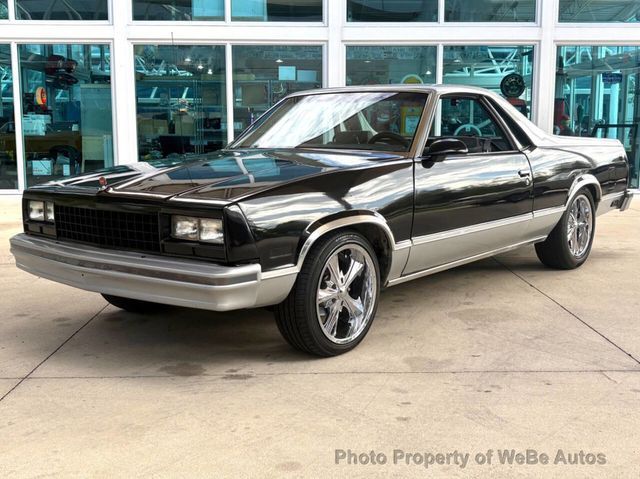
The A-body El Camino's success also shaped how General Motors and its competitors thought about car-based utility vehicles going forward. The idea that a coupe platform could support both a performance image and genuine cargo capacity, without either compromising the other, proved durable enough that echoes of it persisted long after the Colonnade-era El Camino eventually gave way to the G-body truck of the 1978 through 1987 years. Every later chapter of the model owes a structural and philosophical debt to the precedent set during the 1964 through 1972 A-body run, even as the specific engineering underneath changed generation to generation.
The bigger picture
Viewed against the full sweep of the model's history, traced from 1959 through the 1980s in our complete history, the A-body years stand out as the period when the El Camino most fully realized its founding idea: a real car underneath a truck bed, capable of holding its own against dedicated muscle coupes. That is a legacy worth taking seriously on its own terms, not just as a preamble to the more famous 1970 model year. Buyers who want a genuine piece of that closing chapter can see which classic El Caminos on the market remain from this final A-body year.
There is also a lesson here for how collectors and historians should approach any platform's final model year in general, not just this one. The instinct to treat a closing year as an afterthought, a placeholder before something new arrives, is understandable but frequently wrong. Manufacturers rarely abandon effort on a platform simply because its replacement is already designed and waiting in the wings. The 1972 El Camino is a clear demonstration of that principle in action, a truck built with the same seriousness as its more celebrated predecessors, right up until the very last unit rolled off the line under the old architecture. That is a far more useful lesson for evaluating any closing model year than simply assuming the newest replacement automatically made the outgoing version obsolete on the day it appeared in showrooms.