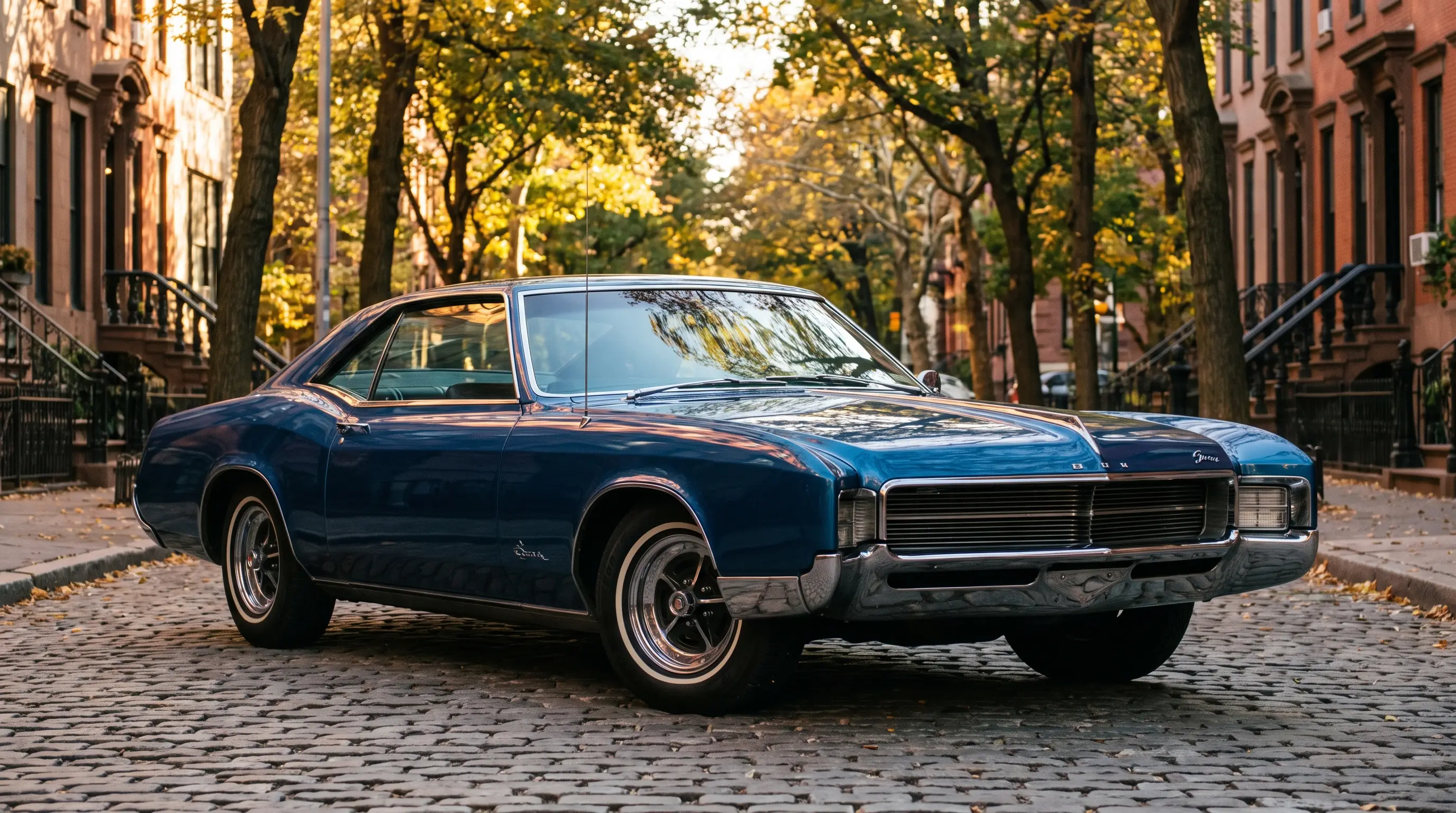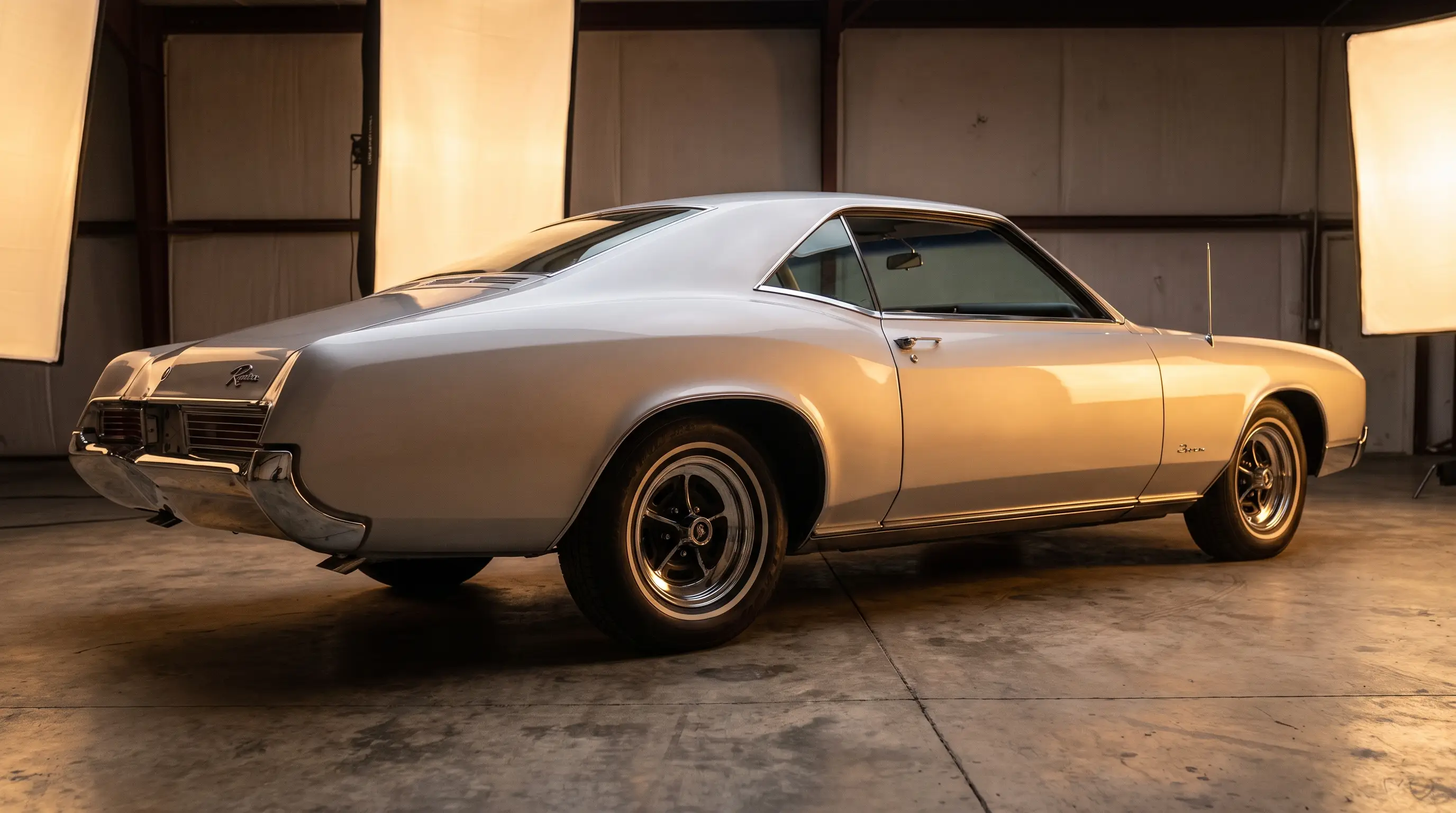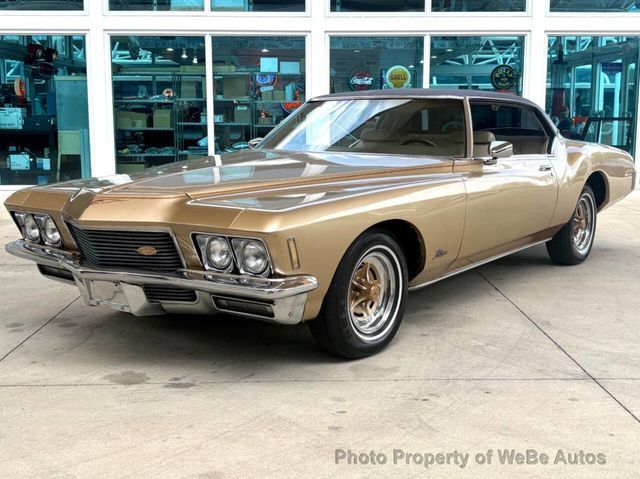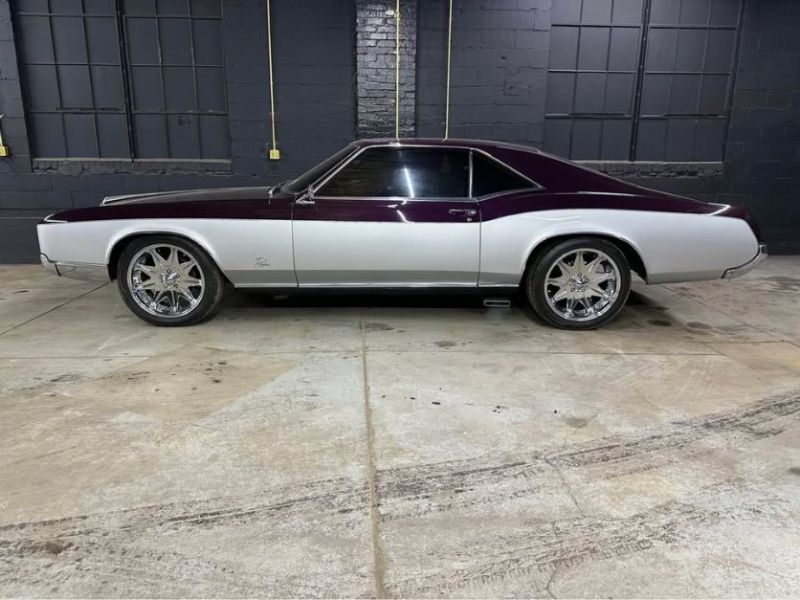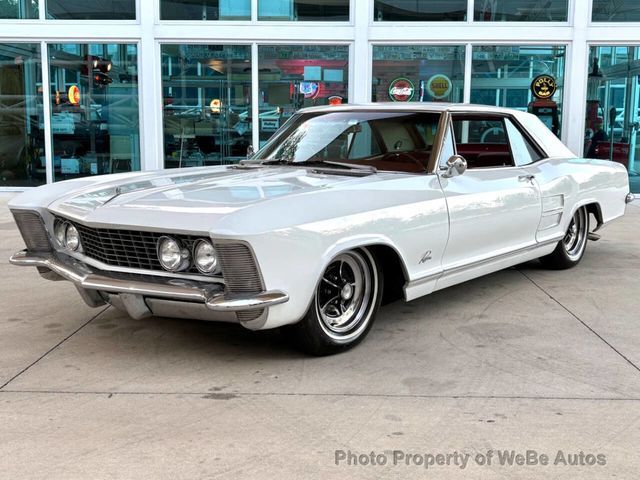
The 1966 Buick Riviera front end tells a story that most casual histories of the car flatten into a single line, and it deserves better. The concealed headlamps that made the 1965 Riviera so distinctive did not carry straight through to the second generation. They disappeared for two model years, then came back in a different form, and the reasons behind both decisions say a lot about how Buick's design and engineering teams weighed cost, reliability, and visual identity against each other in the late 1960s.
1965 set the standard the second generation had to answer
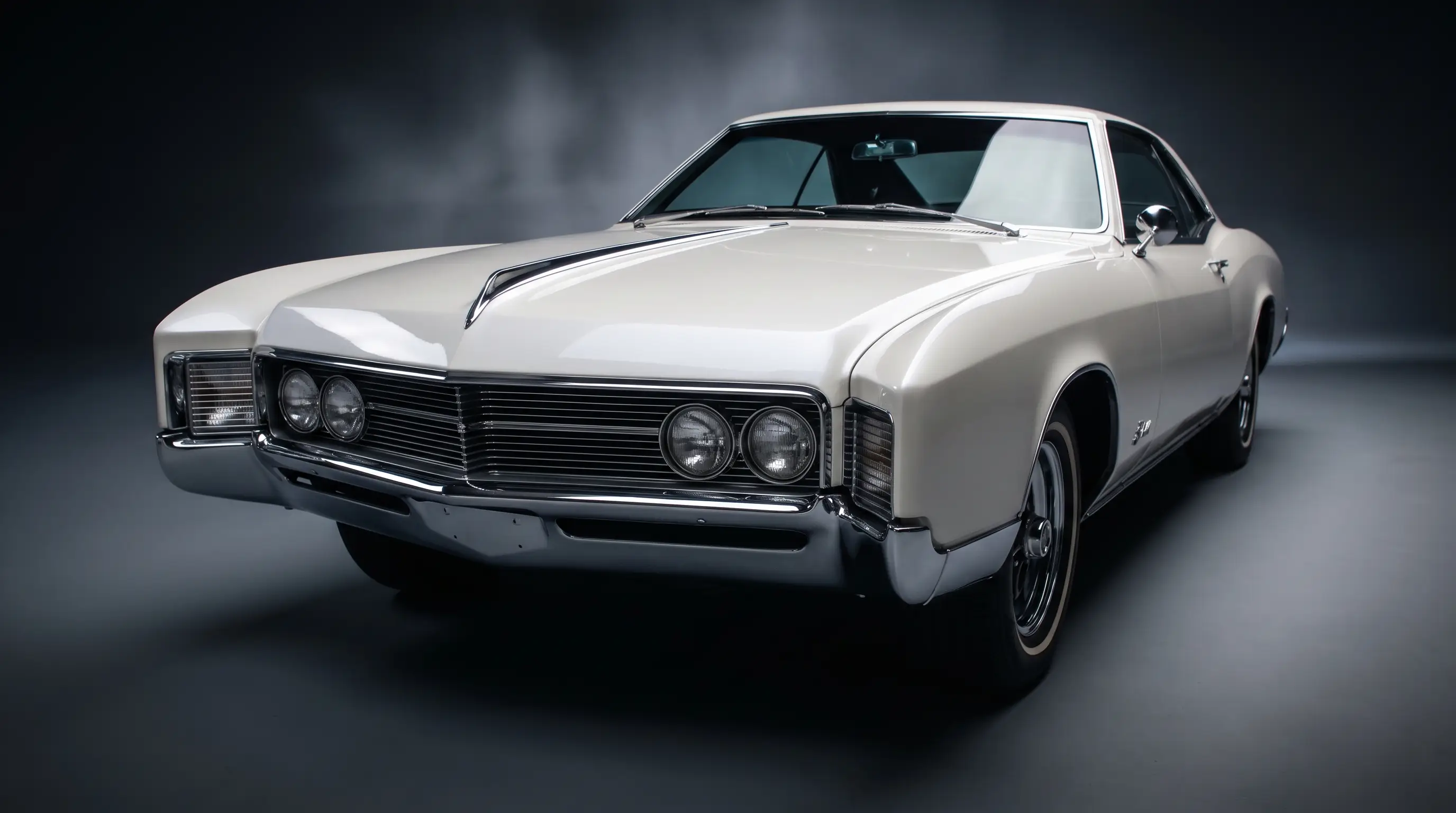
The first-generation Riviera introduced clamshell headlamp doors for the 1965 model year, a mechanism that rotated the fender-mounted lamp covers open using engine vacuum. It gave the front of the car a clean, uninterrupted grille when the lights were off, and it became one of the most talked-about details of that model year among period road testers. When Buick redesigned the Riviera for 1966 on the new E-body platform, that concealment mechanism did not carry over. The 1966 and 1967 cars ran exposed quad headlamps instead, set into a crosshatched grille that filled the full width of the nose.
That was not an oversight. The all-new body, all-new platform, and a compressed development schedule meant Buick's engineers had a long list of new systems to validate for 1966, and a concealment mechanism carried over from a discontinued body was not a simple bolt-in. Exposed headlamps let the styling team lean into the crosshatch grille as the dominant visual element of the new front end instead, and for two years that grille, not hidden lamps, was the signature the 1966-67 Riviera wore.
Why the concealment came back for 1968
Buick reversed course for the 1968 model year, giving the Riviera a fresh front-end treatment with vacuum-operated doors that hid the headlamps behind a body-colored panel when not in use. By 1968 the E-body platform had been in production for two full cycles, the initial engineering questions were settled, and Buick had time to develop the concealment hardware properly rather than rush it alongside an all-new body. The change also lined the Riviera back up with a design language the brand clearly wanted associated with its personal luxury flagship, since hidden headlamps had become shorthand for exclusivity across several GM lines by the late 1960s. More on the 1966 Buick Riviera covers what else changed when that first redesign landed, including the parts of the car that stayed consistent while the face kept moving.
The 1968 arrangement carried through the rest of the generation, essentially unchanged in its mechanical layout for 1969 and 1970 while trim details around it continued to shift. That three-year run of concealed lamps closing out the second generation meant the Riviera ended its 1966-70 story with the same signature detail it had opened its very first model year with in 1965, just executed with a different mechanism behind the panel.
The two designs solved different problems
It is worth being precise about what changed mechanically, because the two systems were not the same idea repeated. The 1965 clamshell doors rotated the entire fender face, lamps included, as one moving unit, a design that put more of the load-bearing sheet metal into motion. The 1968-70 system instead used separate doors that swung the concealment panel away from stationary lamp housings, a layout closer to what other GM divisions were fitting on their own hidden-headlamp cars by then. Both approaches required a vacuum reservoir and careful sealing to keep road grime out of the mechanism, and both are common trouble spots on surviving cars today when the vacuum lines have hardened or the actuators have seized from decades of disuse.
How the grille and bumper changed around the lamps each year
The headlamp story does not stand alone. Buick reworked the grille texture and bumper shape almost every year of the second generation, which is part of why enthusiasts can usually date a Riviera from this era at a glance even before checking the headlamps. The 1966 crosshatch pattern gave way to a slightly different mesh for 1967, still with exposed lamps but a subtly revised bumper profile underneath. The 1968 redesign brought the concealment doors alongside a full new grille surround, and 1969 refined that same basic layout with detail changes to the grille insert and parking lamp placement. By 1970, the final year before the third-generation boat-tail arrived, the nose had grown slightly heavier in appearance, reflecting the larger 455 cubic inch engine and the era's broader trend toward more substantial-looking front ends across the entire American industry.
None of these year-to-year revisions were dramatic on their own. Taken together across five model years, they show a design team treating the front end as the one part of the car worth refreshing annually while leaving the fastback profile and greenhouse essentially alone. That is a deliberate strategy, not an accident of budget. Buick's stylists understood that a sedan buyer cross-shopping a Thunderbird or an Eldorado would notice a fresh grille on a showroom floor far faster than a subtly revised roofline, and the front end was the cheapest place to keep the car feeling current without retooling the expensive compound-curved body panels behind it.
What this means for the car in front of you
For anyone shopping a 1966-70 Riviera today, the headlamp story is a fast way to place a car's model year at a glance and a useful diagnostic point during a pre-purchase inspection. A 1966 or 1967 car with exposed quad lamps in a crosshatch grille is unmistakable next to a 1968-70 car with the concealed doors closed. On the later cars, a seller should be able to demonstrate the doors opening and closing smoothly under their own vacuum power. Sluggish or non-functioning doors are common on cars that have sat, and the fix is rarely expensive, but a buyer should see it work before agreeing on a price rather than take a seller's word for it. A quick test at idle, cycling the switch a few times while listening for the vacuum actuator, tells you more about a car's overall maintenance history than a glance at the paint ever will. Anyone weighing a purchase against another example of this generation can start with our full account of the earlier redesign, since where this started puts the 1965 clamshell system in context before comparing it to what came back in 1968. When it is time to compare real cars side by side, classic Rivieras on the market right now include examples from across the full 1966-70 run.
"Buick didn't abandon the hidden headlamp idea in 1966, they set it aside while they got a brand-new platform sorted, and brought it back once the engineering had caught up with the ambition."
- Sarah Whitfield
Sources and notes
- Plutocrat Pony Car: The 1966-1970 Buick Riviera, Ate Up With Motor
- Razor-Sharp Style: The 1963-1965 Buick Riviera, Ate Up With Motor
- Introduction to the 1966-1970 Buick Riviera, HowStuffWorks
- Nobility Meets Muscle: 1968 Buick Riviera, autoevolution
- Buick Riviera, Wikipedia
- Buick Riviera History (1963-1975), Muscle Car Club