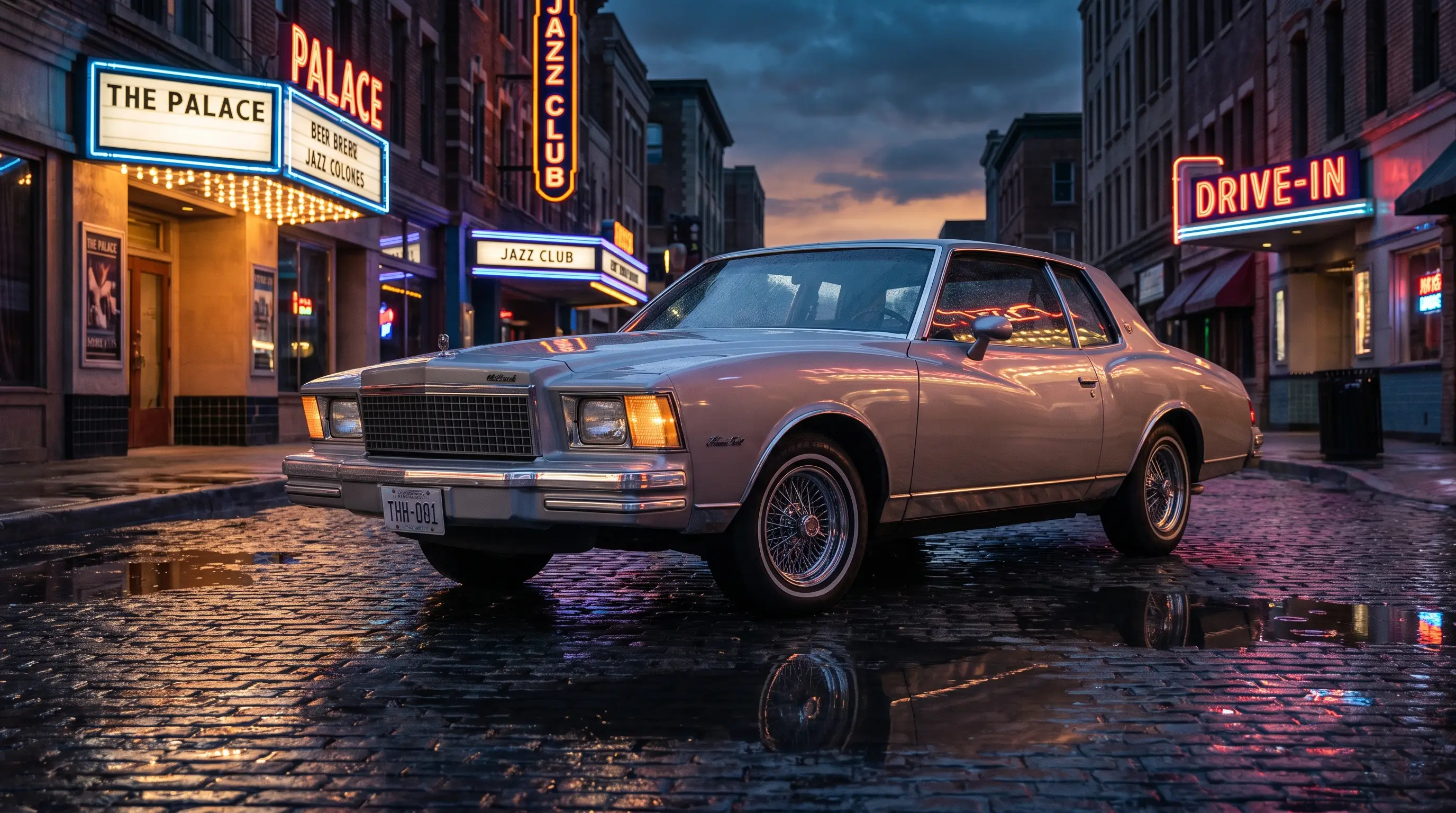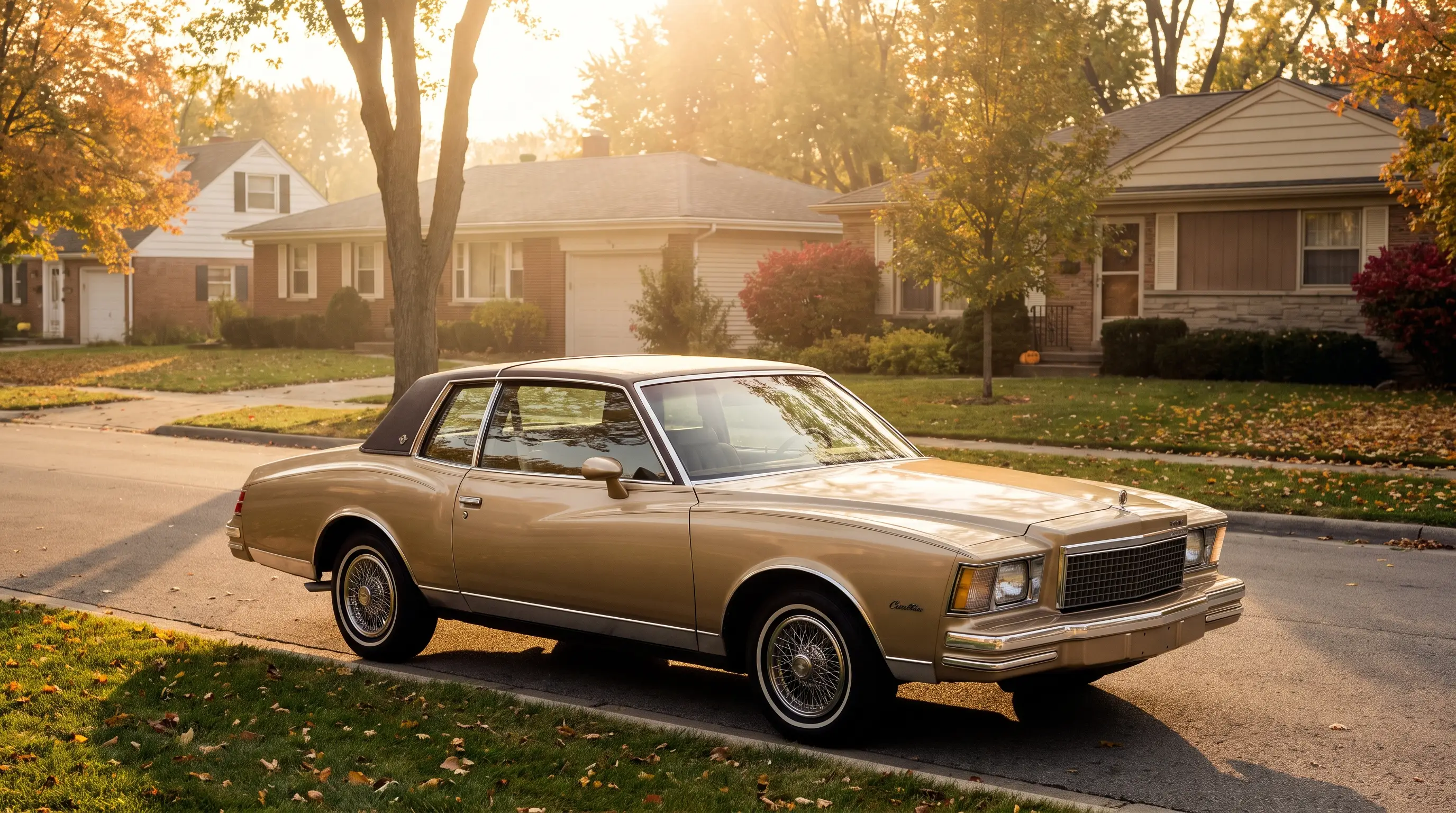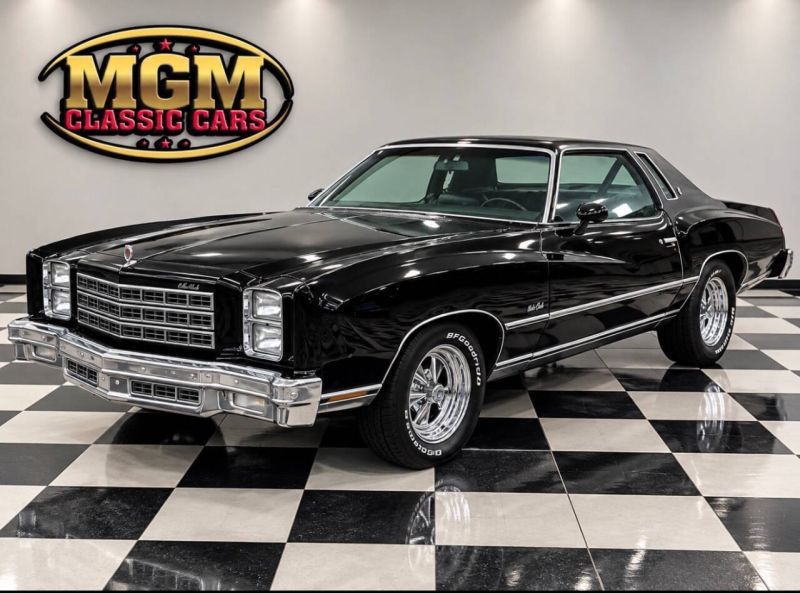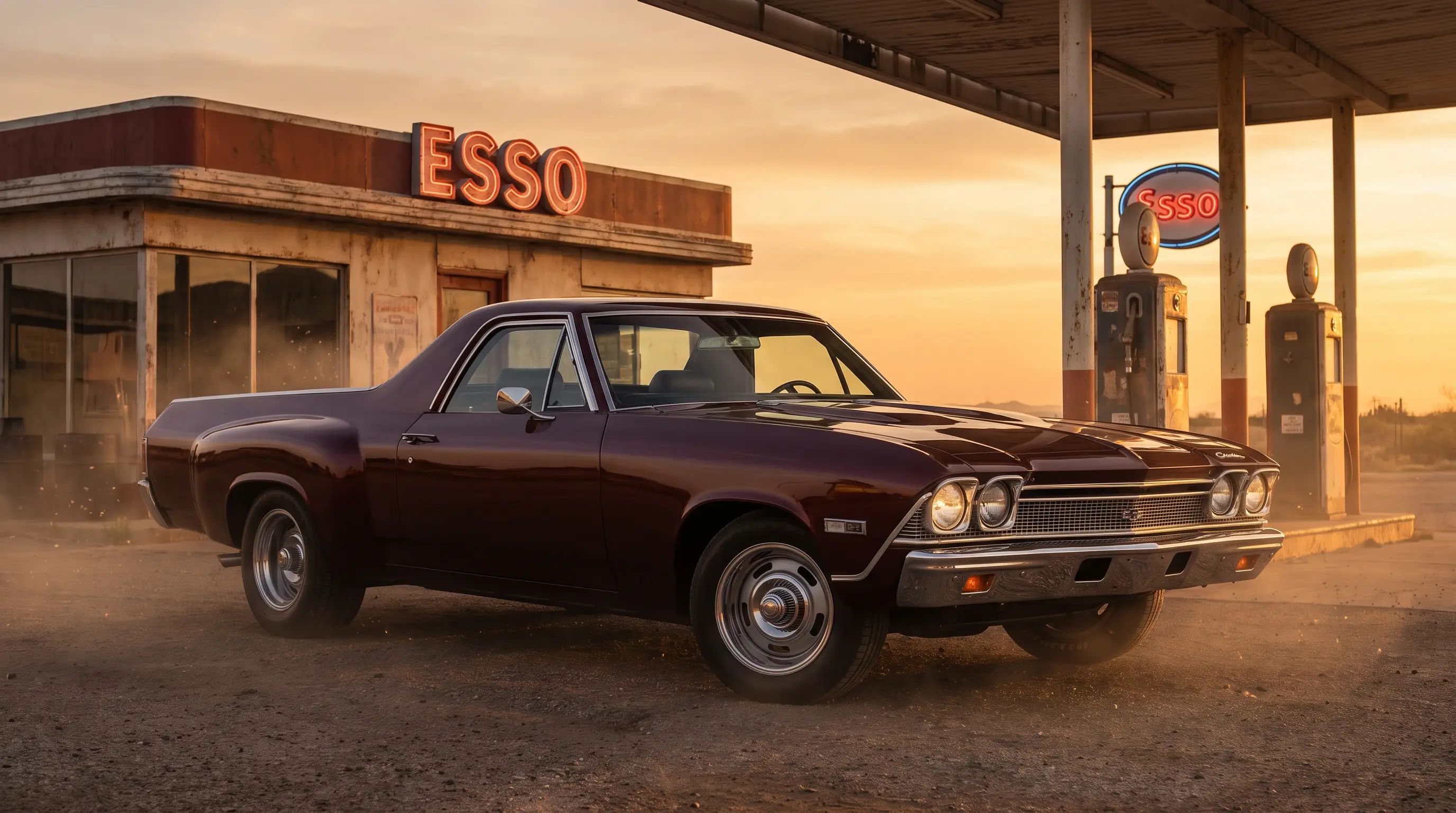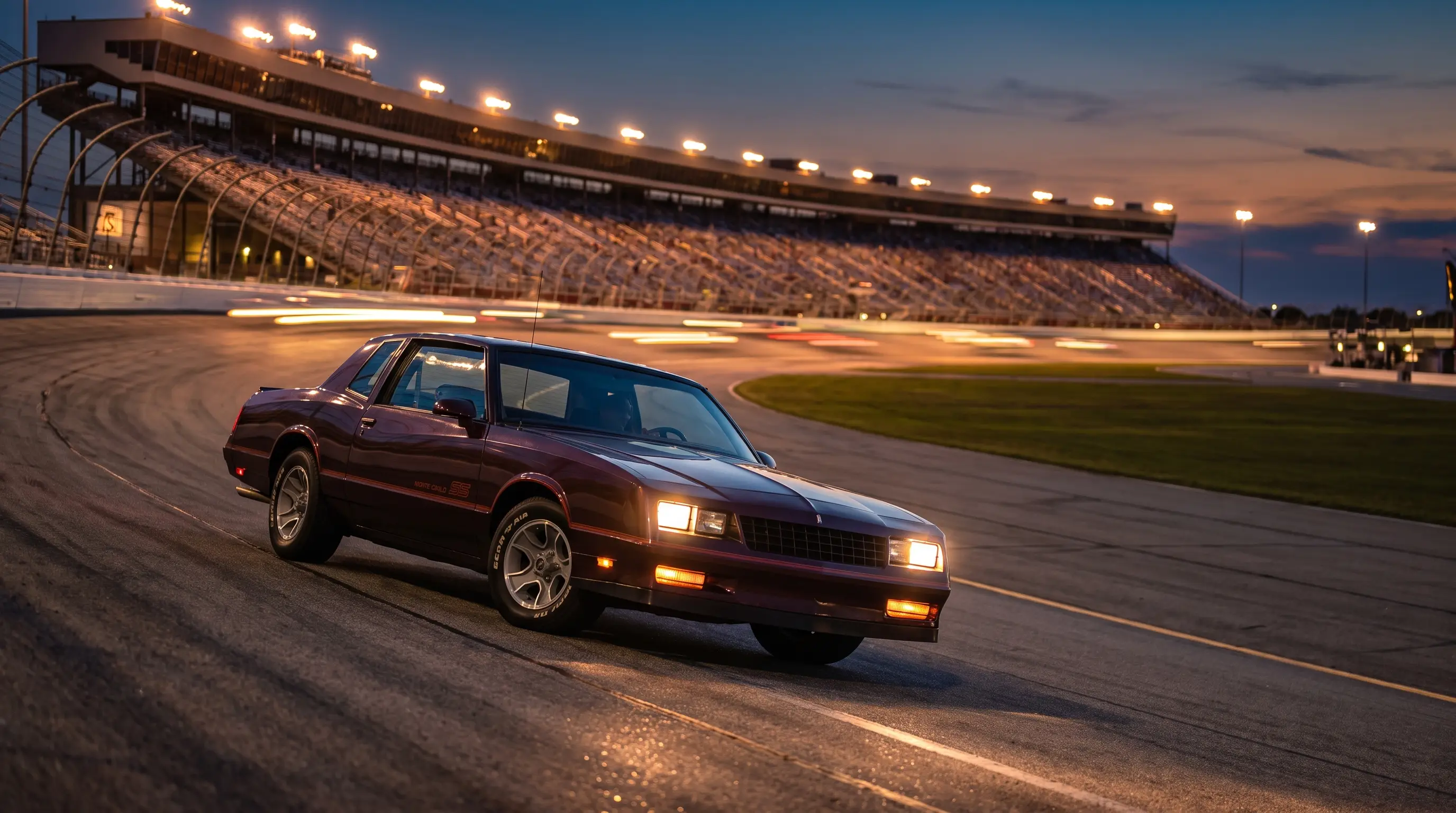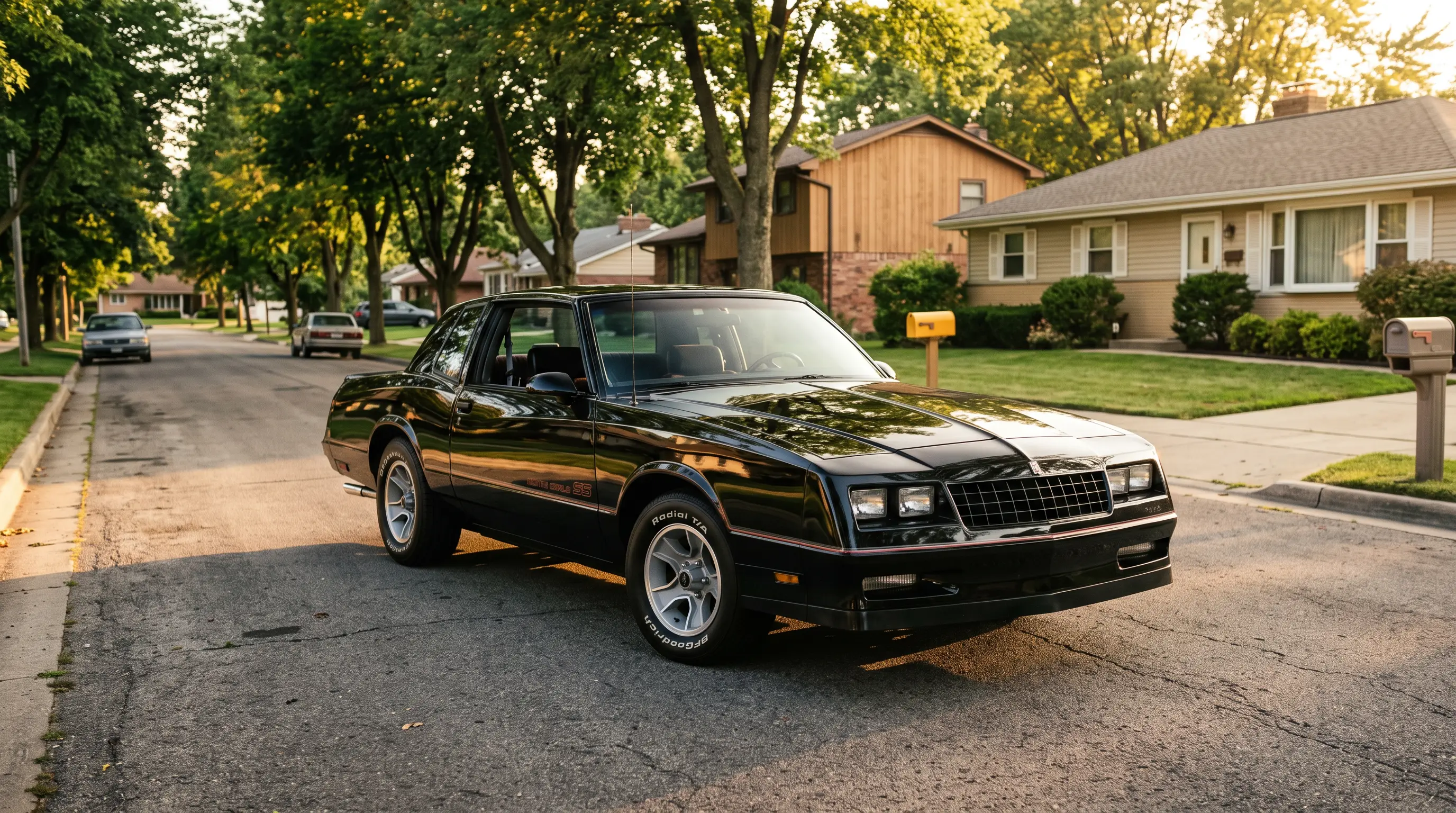
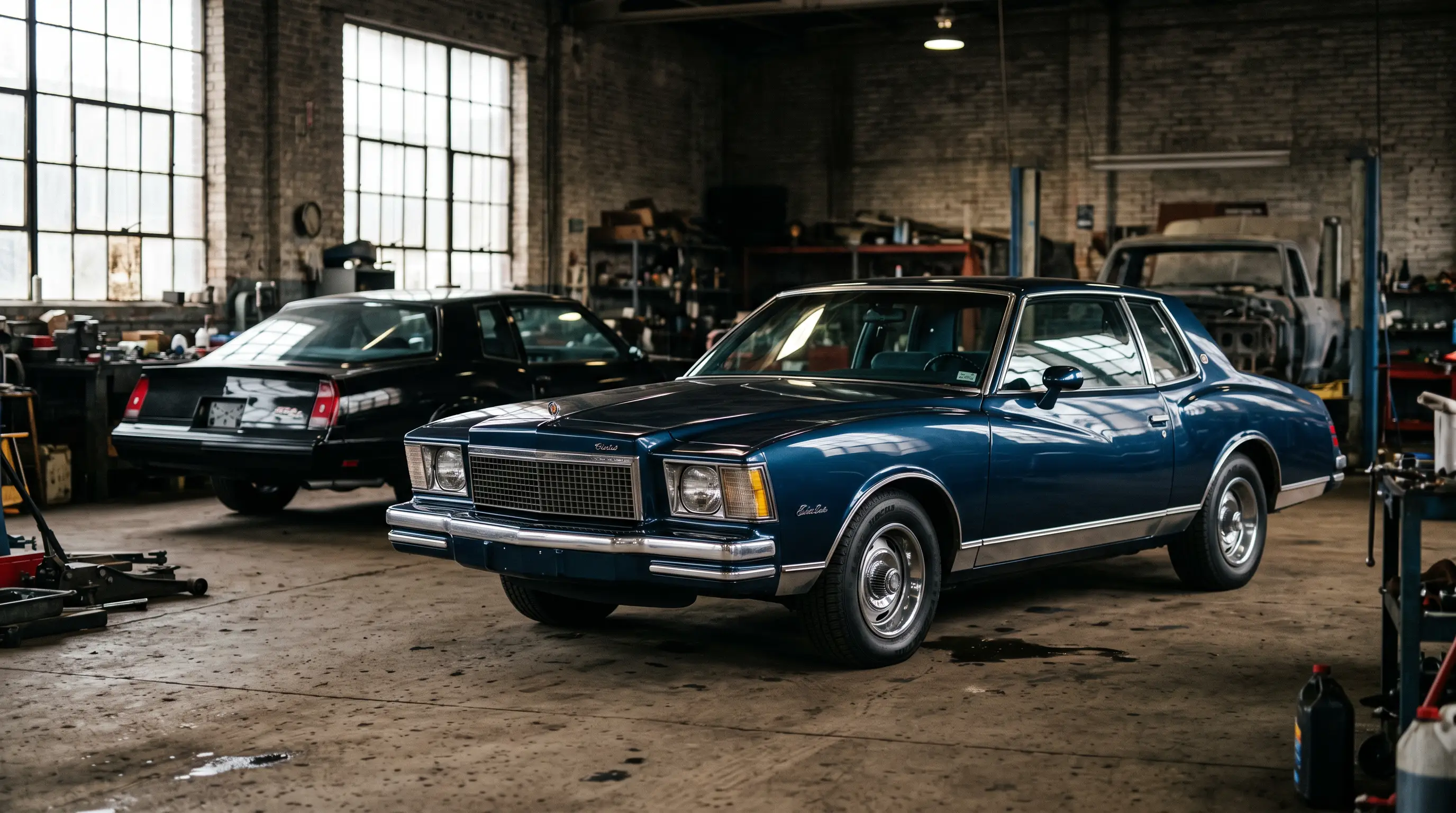
The Chevrolet Monte Carlo did not become a G-body legend by accident. The car that Chevrolet rolled out for 1978 was smaller, lighter, and built on a different frame than anything wearing the Monte Carlo name before it, and almost everything the 1983-88 SS and the Aerocoupe would later lean on traces back to decisions made in that single model year. Understanding 1978 means understanding the foundation under the whole G-body era.
A personal luxury coupe outgrowing its own market
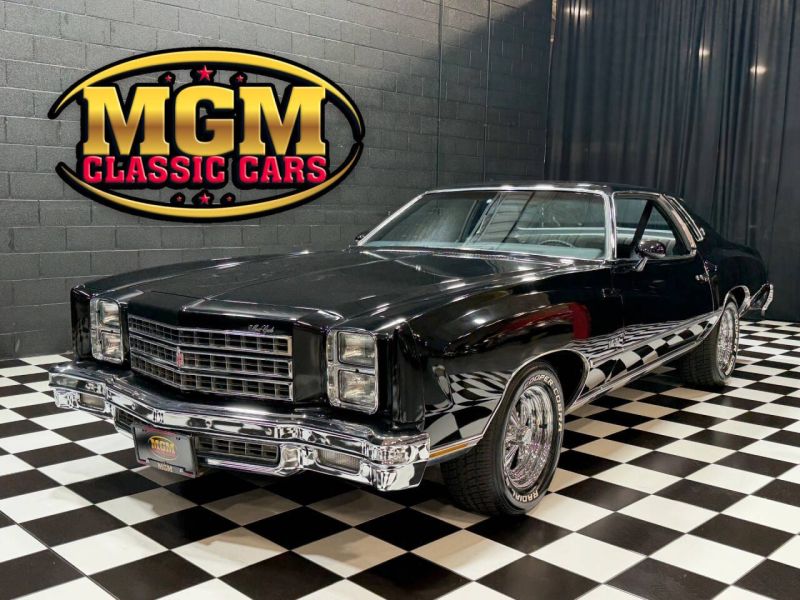
By the mid-1970s the Colonnade-era Monte Carlo had grown wide, heavy, and thirsty at exactly the wrong moment. Fuel prices had climbed, federal fuel economy rules were tightening year over year, and Chevrolet's own sales data showed buyers cooling on a two-door personal luxury coupe that weighed well over two tons. General Motors had already committed to a company-wide downsizing program that started with full-size cars for 1977, and the mid-size personal luxury coupes were next in line. The Monte Carlo, along with its Pontiac Grand Prix, Oldsmobile Cutlass Supreme, and Buick Regal cousins, was scheduled to shrink for 1978.
This was not a cosmetic reskin. Chevrolet engineers pulled roughly a foot of overall length and hundreds of pounds of curb weight out of the car while keeping the formulas that had made the nameplate work in the first place: a long hood, a formal roofline, and a cabin tuned for two people up front and comfortable pretense of room in back.
The G-body platform replaces the Colonnade chassis
The mechanical story of 1978 is the platform swap. Chevrolet moved the Monte Carlo off its old A-body Colonnade underpinnings and onto what GM internally designated the G-body, a shortened, lightened evolution of the same corporate architecture rather than a clean-sheet design. Wheelbase dropped to 108.1 inches, down several inches from the outgoing car, and overall length shrank in step. Chevrolet's own literature at the time leaned hard on the weight reduction, and independent test numbers from the era back up a drop in the neighborhood of 700 to 800 pounds depending on trim and engine.
The effect on the road was immediate. A lighter, shorter car with a tighter turning circle and less mass to haul around felt noticeably different than the barge it replaced, even with a similar menu of small and mid-size V8 engines under the hood. Chevrolet was careful not to oversell performance. This was a downsizing built around efficiency and cost, not a new muscle car, but the byproduct was a chassis with real potential once someone decided to push it harder.
Engine choices for 1978 stayed conservative on paper. Buyers could still order a small-block V8, and a six-cylinder base engine was offered in some markets to chase corporate average fuel economy numbers that were becoming a real constraint on product planning. None of these powertrains were exciting by the standards of a decade earlier, and none were meant to be. The point of the 1978 redesign was survival in a regulatory environment that was actively hostile to large, thirsty coupes, not a return to the horsepower wars of 1970 and 1971.
What is easy to miss from a distance is how much engineering discipline that survival took. Cutting hundreds of pounds without a clean-sheet design means finding weight everywhere: thinner-gauge steel where strength calculations allowed it, smaller subframes, a shorter driveshaft, less sound-deadening material in places where the smaller cabin allowed it. None of that shows up on a window sticker, but it shows up in the finished car's road manners, and it shows up in the fact that the same basic recipe carried Chevrolet's mid-size lineup for another decade with only detail changes.
What Chevrolet kept from the old formula
Where 1978 gets interesting is what did not change. The formal roofline with its upright rear glass stayed. The long-hood, short-deck proportion stayed. The nameplate's positioning as an affordable step into personal luxury, one rung below a Cadillac or a loaded Buick but styled to look the part, stayed too. Chevrolet's designers understood that Monte Carlo buyers were paying for a look and a feeling of occasion rather than raw specification sheets, and they protected that identity even as the engineering underneath was rewritten from the ground up.
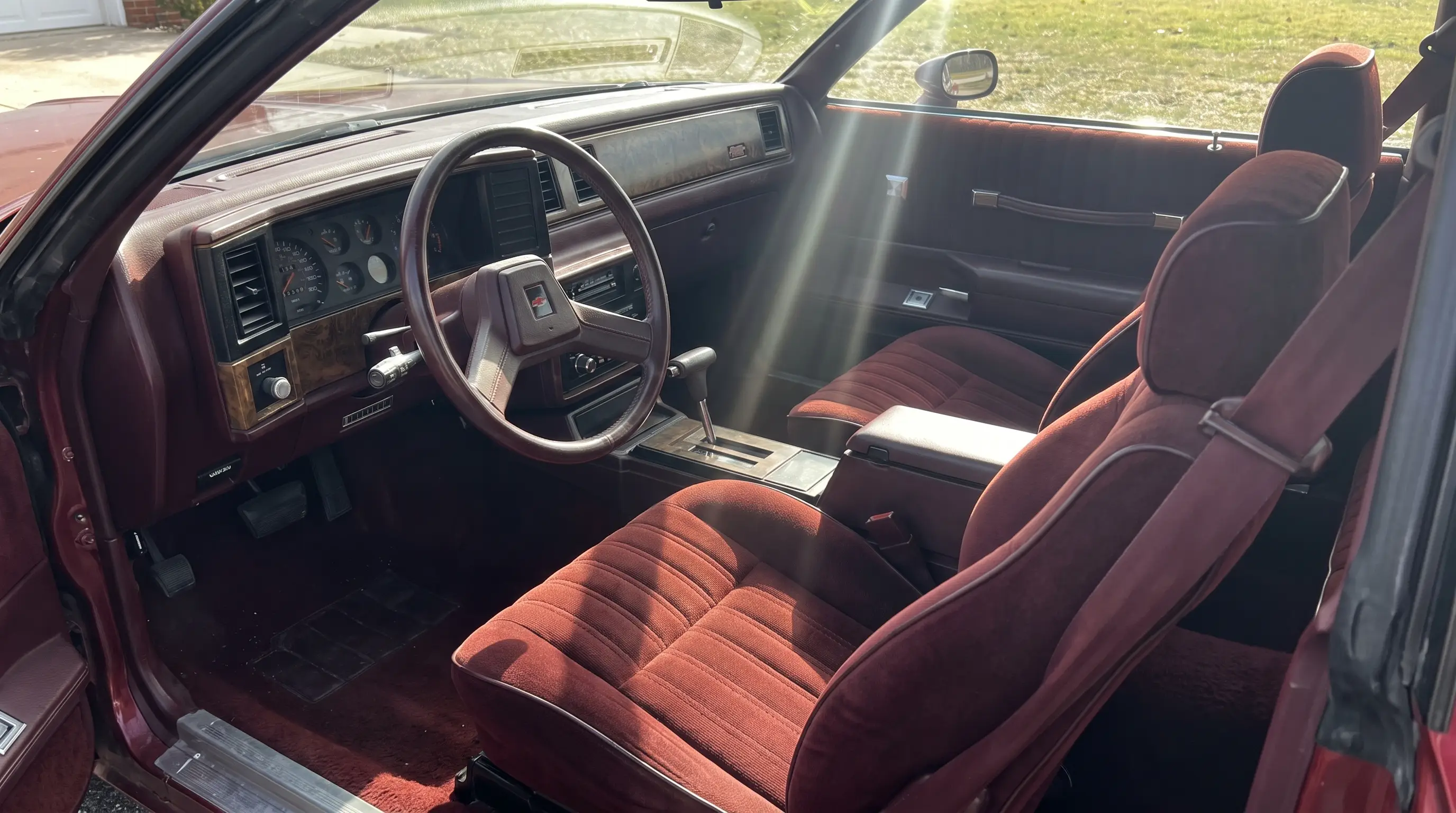
Interior trim followed the same logic. Buyers still got velour or vinyl bench or bucket seating depending on trim, simulated wood accents, and the kind of brougham-era detailing that defined the segment. The downsized car was smaller in every dimension that mattered for weight and efficiency, but it was not allowed to feel cheaper. That balancing act between cost-cutting and perceived luxury is arguably the hardest thing Chevrolet's product planners did in 1978, and getting it right is exactly where this started for the entire G-body run.
Sales, reception, and what came next
The market answered quickly. Downsized personal luxury coupes across GM's divisions sold well in 1978 and 1979, a rare case of a mandated engineering change actually landing with buyers rather than alienating them. The Monte Carlo held its place as one of Chevrolet's stronger nameplates through the end of the decade, and the G-body chassis it introduced went on to carry the model through 1988 with only incremental changes, culminating in the turbocharged Aerocoupe built for NASCAR aerodynamics homologation.
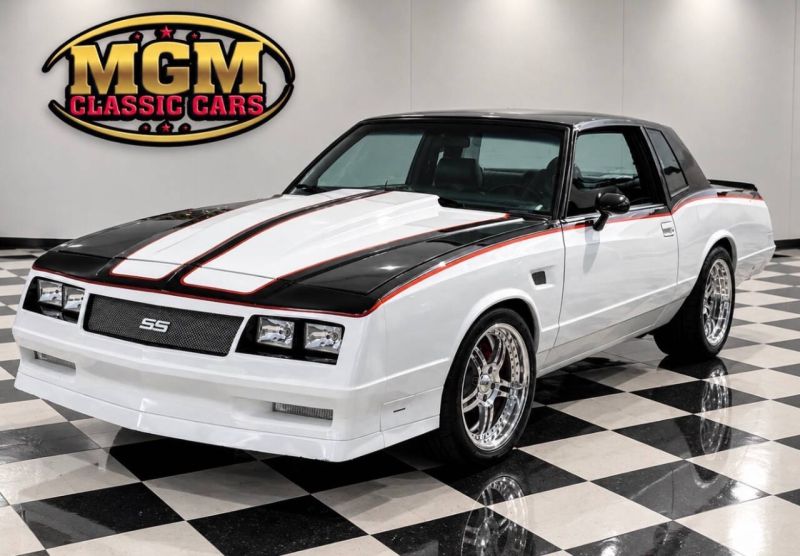
None of that later story happens without the 1978 groundwork. The SS package that arrived for 1983, the notchback-to-fastback rear window change for the Aerocoupe, the small-block V8 lineup that carried the nameplate into the malaise-era emissions environment and back out again, all of it sits on the same shortened, lightened frame that debuted in 1978. It is easy to treat that model year as a footnote sandwiched between the flashier Colonnade cars and the eventual SS, but the numbers tell a different story about a platform that quietly outlasted almost every expectation set for it.
"Everyone remembers the SS badge and the Aerocoupe's slippery back glass, but none of that exists without the diet Chevrolet put this car on in 1978. That is the year the modern Monte Carlo was actually born."
- Tom Ramirez
Chevrolet did not advertise 1978 as a historic turning point at the time, and in the showroom it probably felt like an incremental new model year with a smaller footprint and a lower price. Looked at from four decades on, it reads differently. The decisions made about wheelbase, weight, and identity in that single year defined the shape every subsequent Monte Carlo would take until the nameplate's classic-era run ended in 1988. Anyone tracing the lineage of a G-body SS back to its roots eventually lands here, at the year the car got smaller and, in almost every way that mattered to its ten-year run afterward, got smarter.
For collectors and shoppers working through the model's history today, the early G-body cars from 1978 and 1979 remain some of the more overlooked years in the lineup, priced well below the SS-era cars while sharing the same fundamental architecture. Buyers who want to understand the platform before chasing a later, pricier variant can shop classic Monte Carlo listings and see how the early downsized cars compare directly against what came after.
Sources and notes
- A New Dimension in Luxury: The 1978 Chevrolet Monte Carlo - Mac's Motor City Garage
- Chevrolet Monte Carlo - Wikipedia
- Disco-Era Darling: The Chevrolet Monte Carlo - Ate Up With Motor
- 1970-1971 Chevrolet Monte Carlo SS 454: Specs and History
- 1971 Monte Carlo Body Style, Engines, and VIN Decoder - ChevyHardcore