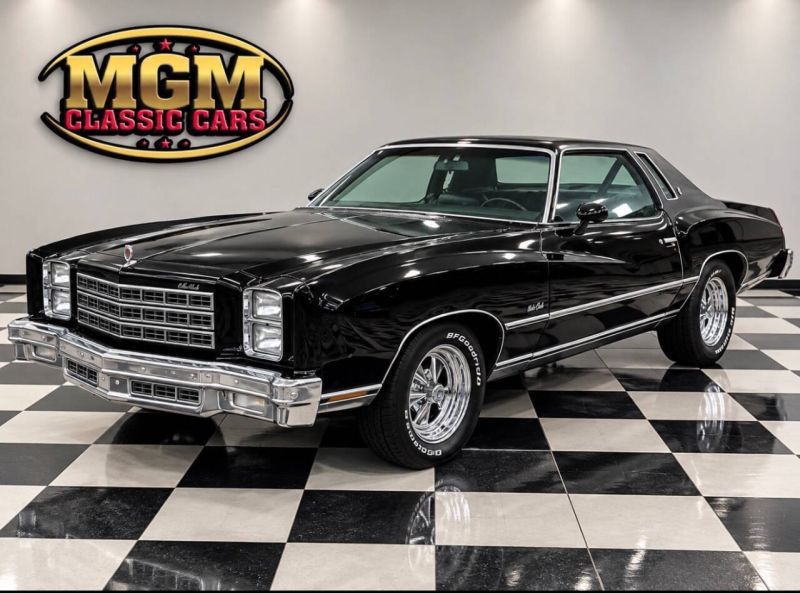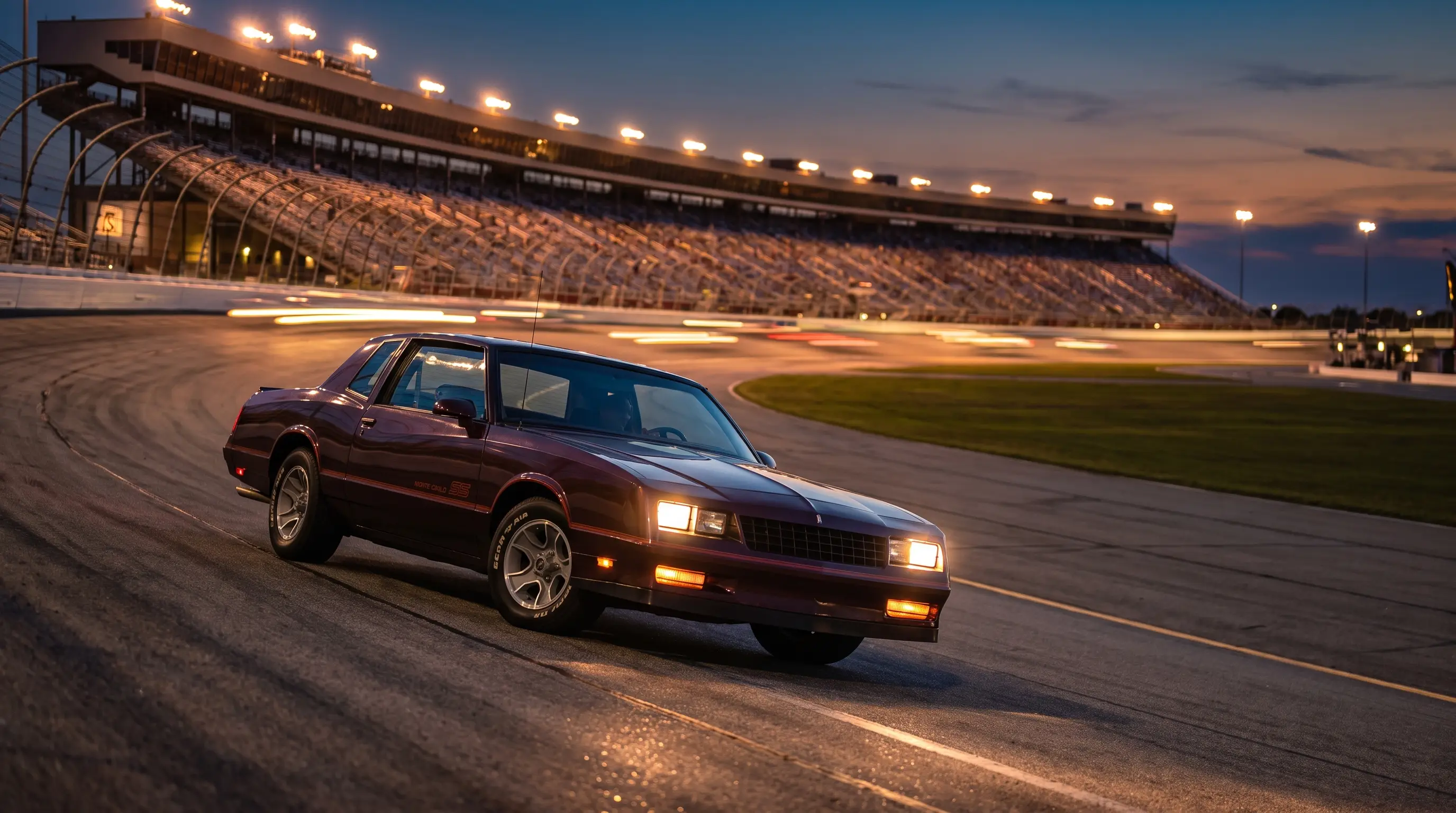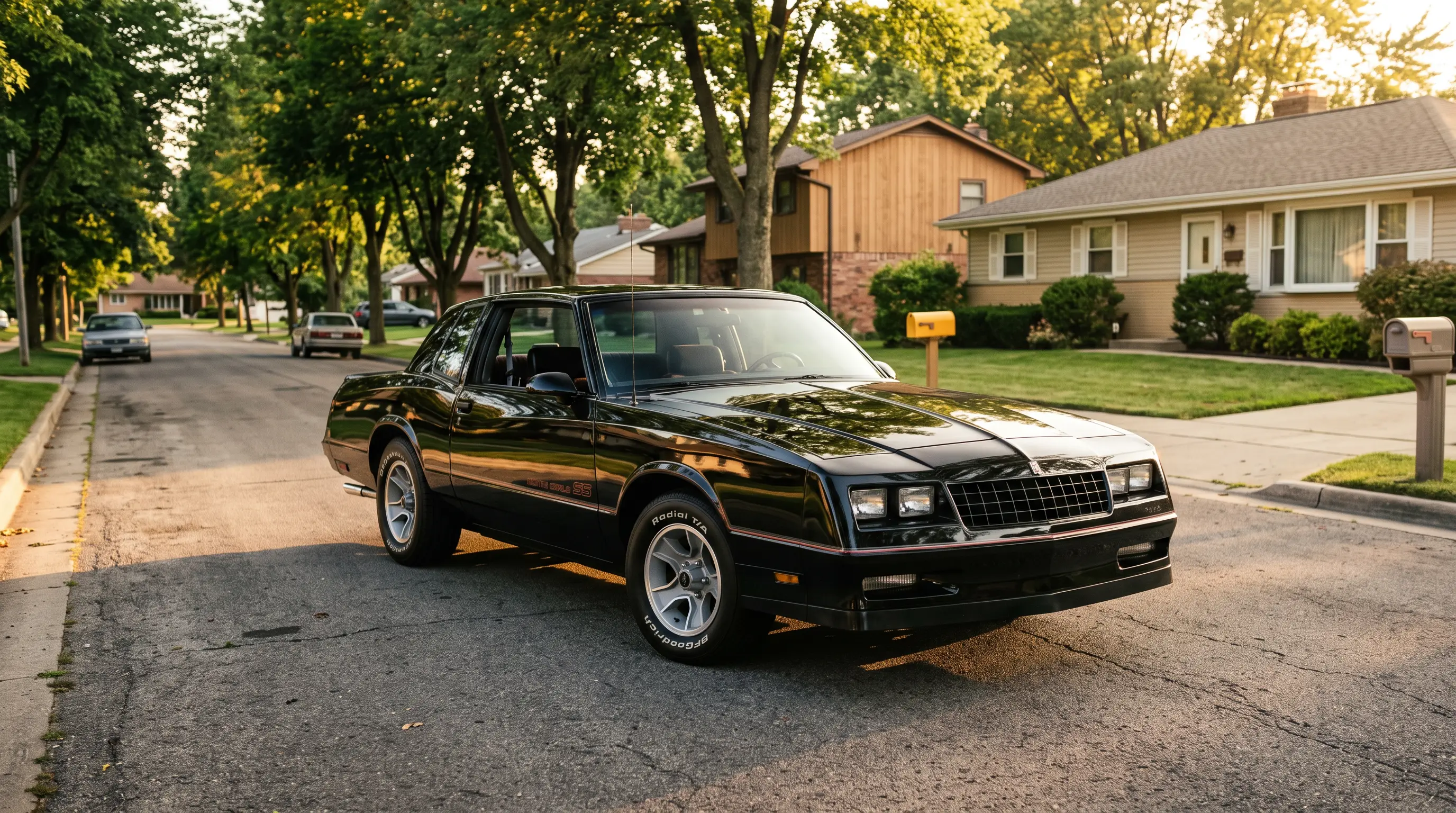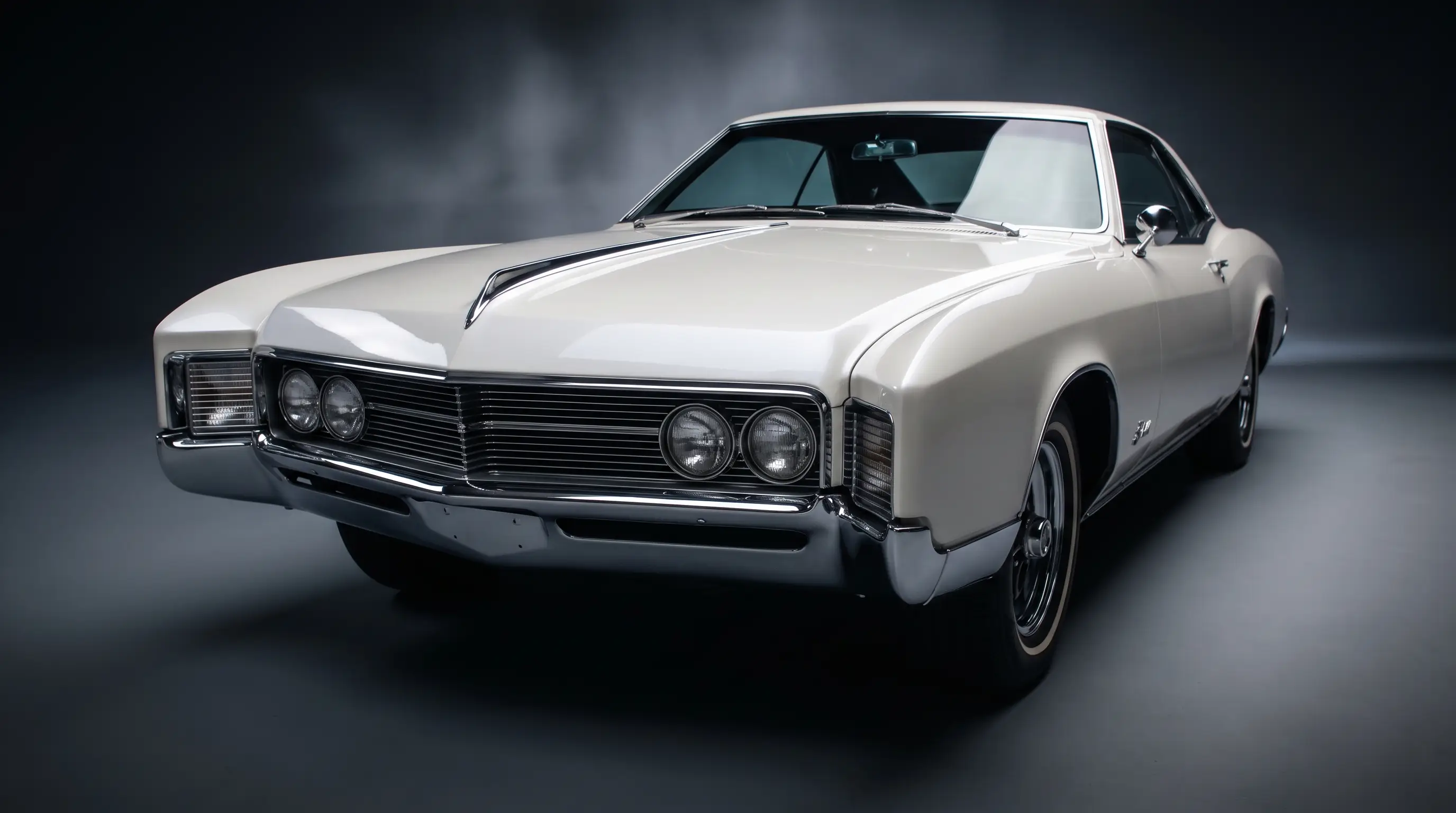

Automotive journalists in 1978 approached the newly downsized Monte Carlo with a mix of professional curiosity and honest skepticism, and reading the monte carlo 1978 period press reaction now offers a genuinely useful window into how contemporary experts, rather than nostalgic hindsight, actually judged this car the moment it arrived in showrooms.
Cautious optimism, not immediate praise
Trade press coverage of the 1978 Monte Carlo tended to open with acknowledgment of the obvious question hanging over the entire G-body launch, namely whether a smaller, lighter Monte Carlo could preserve the personal-luxury character that had defined the nameplate since 1970. Reviewers generally credited Chevrolet with keeping the proportions convincing, noting that the car did not read as a compromised or apologetic redesign the way some competitors' downsizing efforts did. Car and Driver's January 1978 test, written by Terry Cook, praised the more nimble handling and roomier interior of the smaller car even while calling the test car's red crushed-velour trim tacky, and the magazine's Patrick Bedard was considerably rougher on the whole personal-luxury concept behind the car, making clear this was never going to be a Car and Driver kind of car in the first place. That said, the coverage was rarely uncritical, and several period road tests raised specific concerns worth taking seriously rather than glossing over.
Ride quality earned consistent praise, with reviewers noting that Chevrolet had preserved the smooth, isolated highway manners buyers expected from a personal-luxury coupe despite the substantial weight reduction. Handling commentary was more mixed, with some reviewers noting improved agility from the lighter curb weight while others felt the car's road manners had not fundamentally changed enough to justify calling it a genuinely sportier drive compared to its predecessor.
What reviewers said about power and performance
The available V8 options drew measured rather than enthusiastic responses, reflecting the broader industry reality of 1978 rather than any specific complaint about the Monte Carlo itself. Reviewers understood that emissions and fuel economy regulations had constrained horsepower across the entire domestic industry, and coverage of the Monte Carlo's performance tended to frame the car fairly within that context rather than holding it to a standard from earlier, less regulated years. Fuel economy improvements from the weight reduction were generally reported as a genuine and welcome benefit, one of the clearest wins period reviewers attributed directly to the downsizing decision.
Braking and overall composure at highway speed received solid marks as well, with several reviewers specifically noting that the smaller Monte Carlo felt more controlled during quick lane changes and emergency maneuvers than the larger, heavier previous generation had, a meaningful safety-adjacent improvement that period coverage did not always emphasize as strongly as it probably deserved in hindsight.
Interior commentary from the reviewers
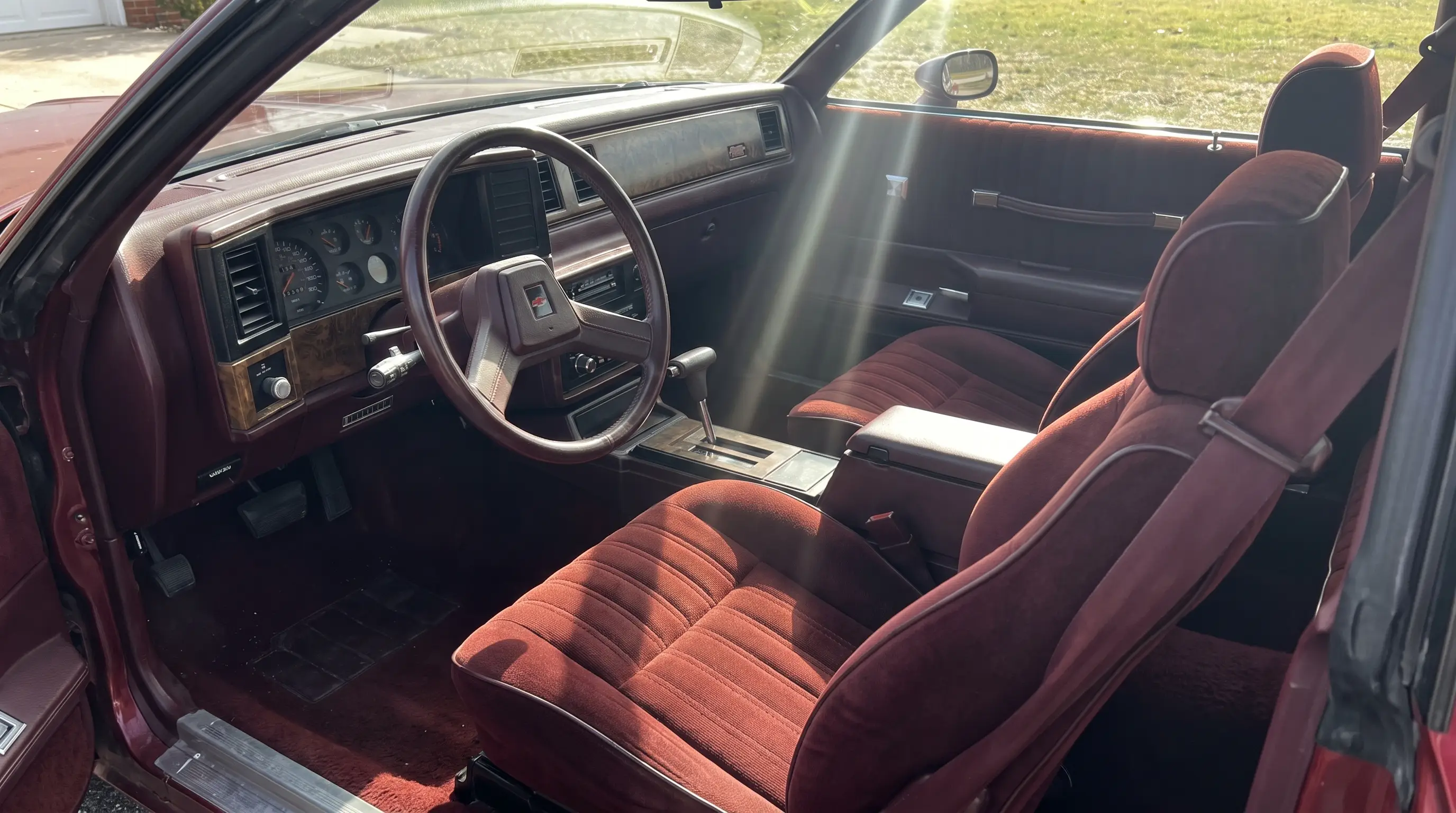
The cabin drew some of the most consistently positive coverage of any aspect of the redesign. Reviewers noted the quality of the velour upholstery options and the restrained, legible dashboard layout as genuine strengths, often contrasting the Monte Carlo's interior favorably against competitors that had cluttered their dashboards with busier switchgear and gauge layouts in the same period. This interior praise aligns closely with how the car is remembered by owners decades later, suggesting period reviewers and long-term owners arrived at similar conclusions about the cabin even though they were evaluating it from very different vantage points and time horizons.
For a full account of the engineering and design decisions that produced the car these reviewers were evaluating, the whole picture covers the redesign process in considerably more depth than any single period road test had space to explore.
"Read enough period coverage of this car and a consistent picture emerges. Reviewers respected the discipline of the redesign even when they had reservations about specific details, and that measured respect has aged better than outright praise usually does."
- Sarah Whitfield
Why this period record matters today
Contemporary press reaction gives collectors and researchers a documented baseline against which to measure how the car's reputation has shifted over subsequent decades. The 1978 Monte Carlo was not universally beloved by period critics, but it was respected as a competent, honestly engineered response to a genuinely difficult set of regulatory and market pressures, and that honest, measured assessment carries real historical value for anyone trying to understand this car accurately rather than through either nostalgic exaggeration or dismissive hindsight.
Reading these period reviews alongside modern owner accounts creates a fuller, more balanced picture than either source provides alone, and that balance is exactly what serious research into this generation should aim for. For anyone whose interest in this history translates into wanting the real thing in their own garage, you can find a classic Monte Carlo and judge the car's manners for yourself against everything period reviewers had to say about it back in 1978.
How the sales press differed from the enthusiast press
It is worth distinguishing between two different kinds of period coverage, since they framed the 1978 Monte Carlo quite differently. General consumer and sales-oriented press, the kind aimed at ordinary car shoppers rather than enthusiasts, tended to emphasize practical benefits like improved fuel economy, easier parking, and lower insurance costs relative to the outgoing model. This coverage was broadly favorable, since the downsizing story aligned neatly with what mainstream buyers were already telling dealers they wanted in 1978.
Enthusiast-oriented publications, by contrast, approached the car with more caution, since their readership skewed toward buyers who remembered the larger, more dramatic earlier Monte Carlo generations and were naturally more skeptical of any reduction in size or presence. This audience wanted reassurance that Chevrolet had not sacrificed the nameplate's fundamental character simply to satisfy regulators, and reviewers writing for this audience spent more column space specifically addressing that concern directly, often concluding that the car passed the test even if it required real scrutiny to reach that conclusion.
This split in coverage reflects a broader pattern common across the entire malaise-era downsizing wave, where the same redesign decision could read as either sensible pragmatism or disappointing compromise depending entirely on which audience a given publication was writing for. Car and Driver's own January 1978 test is a useful example of this tension in a single piece, delivering real praise for the handling and interior room alongside genuinely sharp commentary about the personal-luxury concept itself. Understanding this distinction helps modern readers evaluate period quotes about the 1978 Monte Carlo more accurately, since a glowing consumer magazine blurb and a more measured enthusiast column were often describing the exact same car from two genuinely different sets of expectations.
Taken together, this range of period reaction paints a more complete picture than any single review could offer alone, and it explains why the car's reputation has always had two slightly different threads running through it, one practical and approving, one more cautious and protective of the nameplate's earlier identity. Both threads, read together decades later, describe a car that earned its sales success honestly rather than through marketing spin alone, which is a rarer outcome in period automotive coverage than it probably should be, and it is exactly the kind of measured verdict that holds up well under later, more skeptical historical scrutiny of this generation.