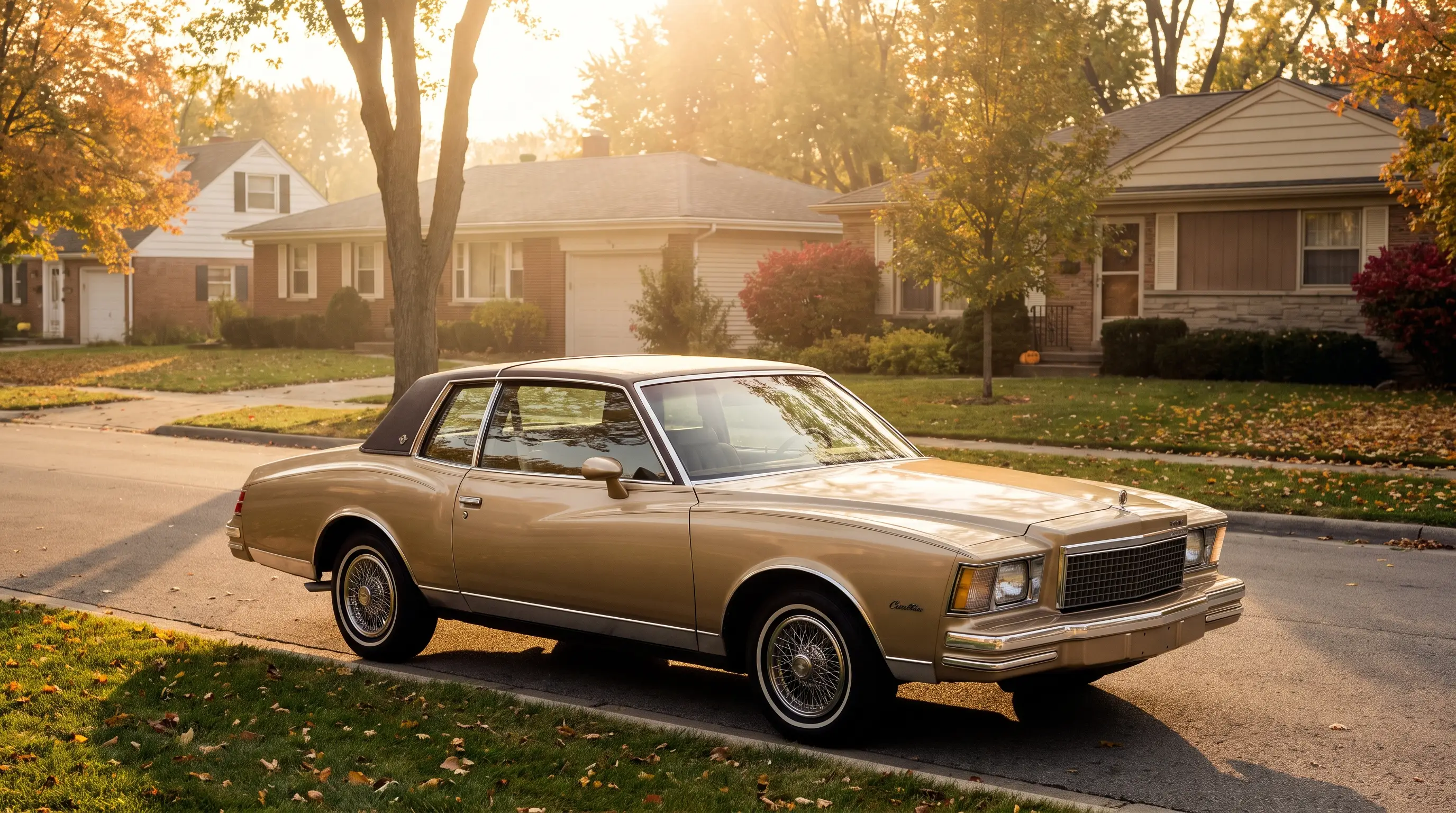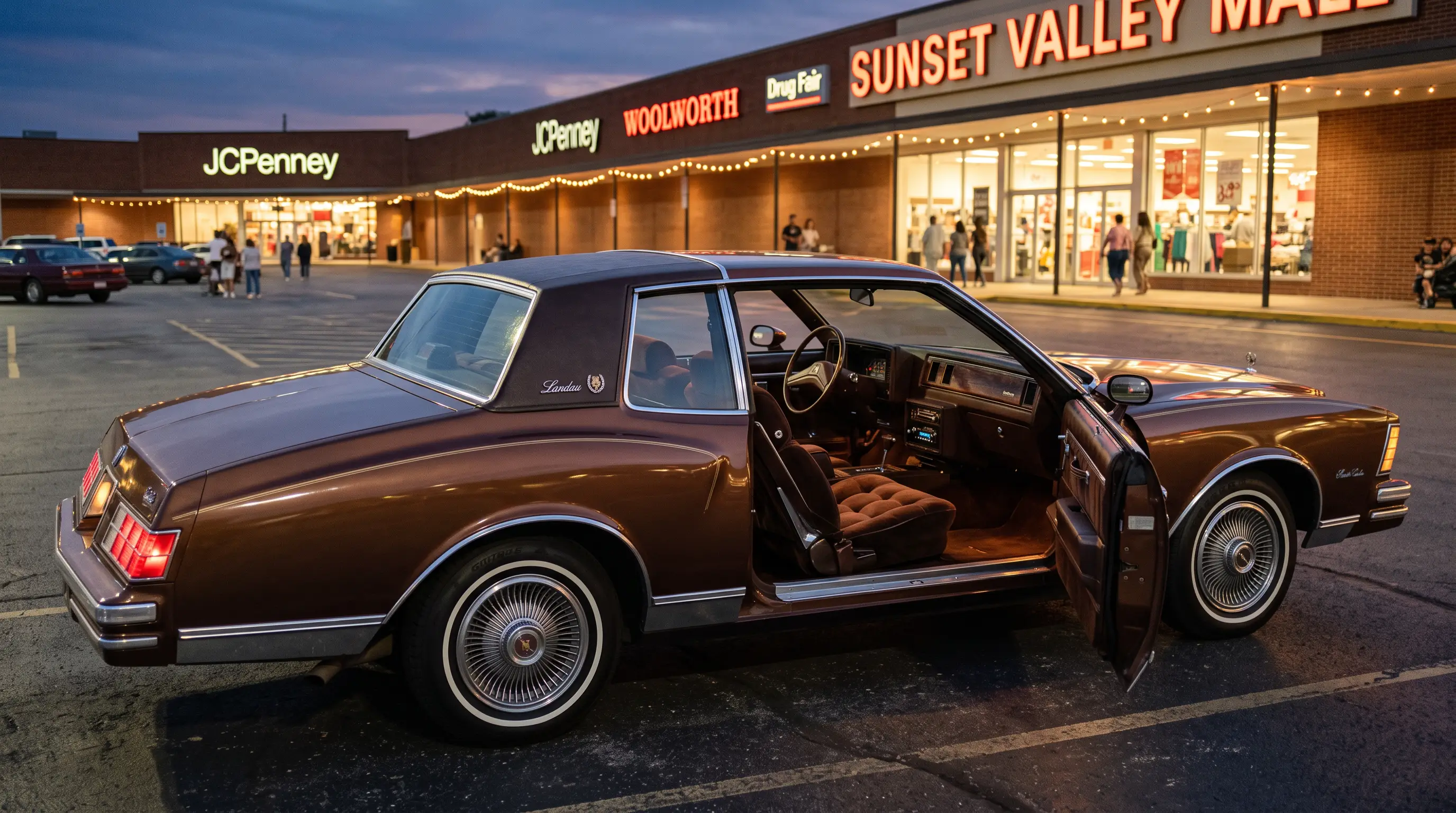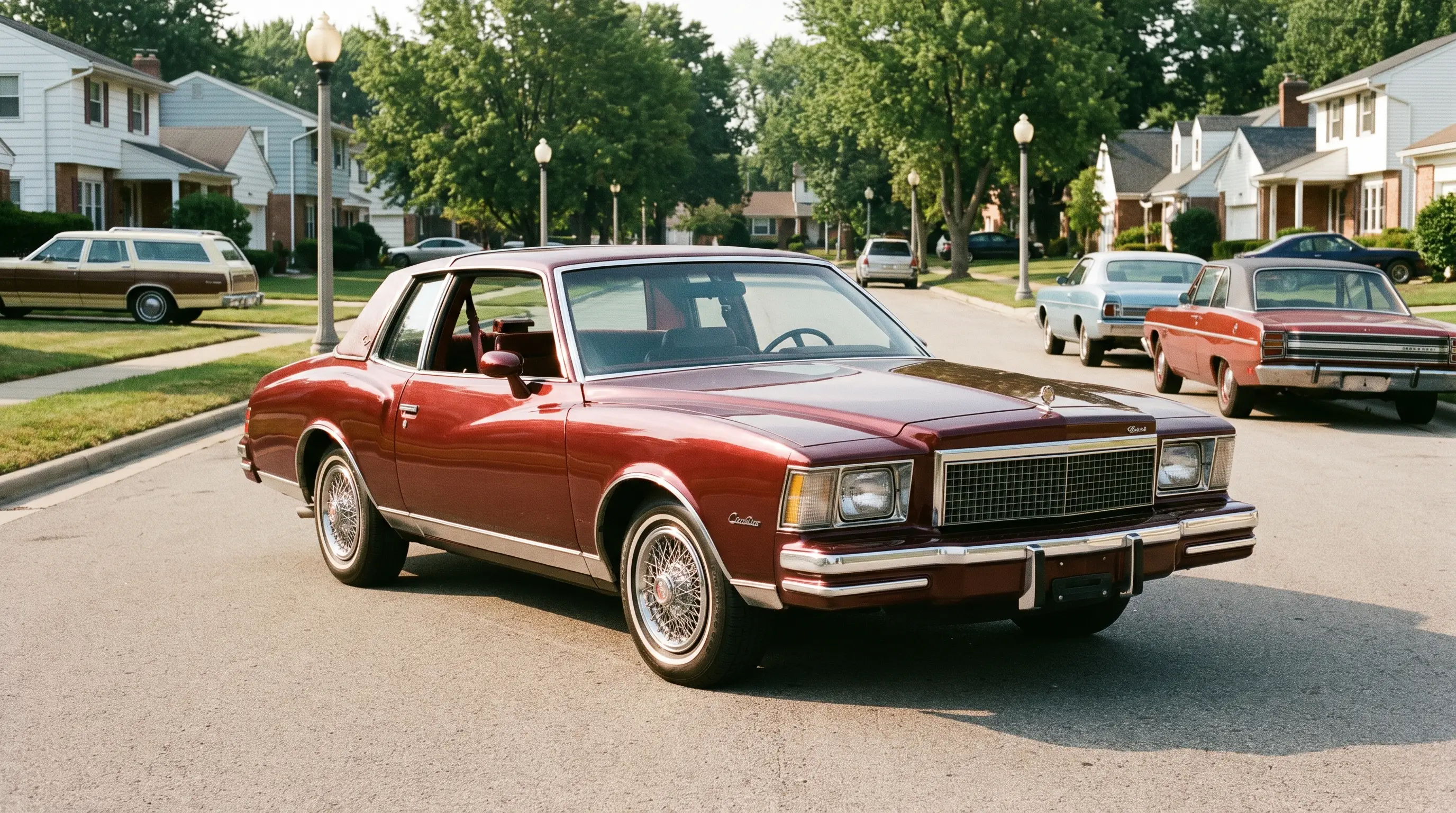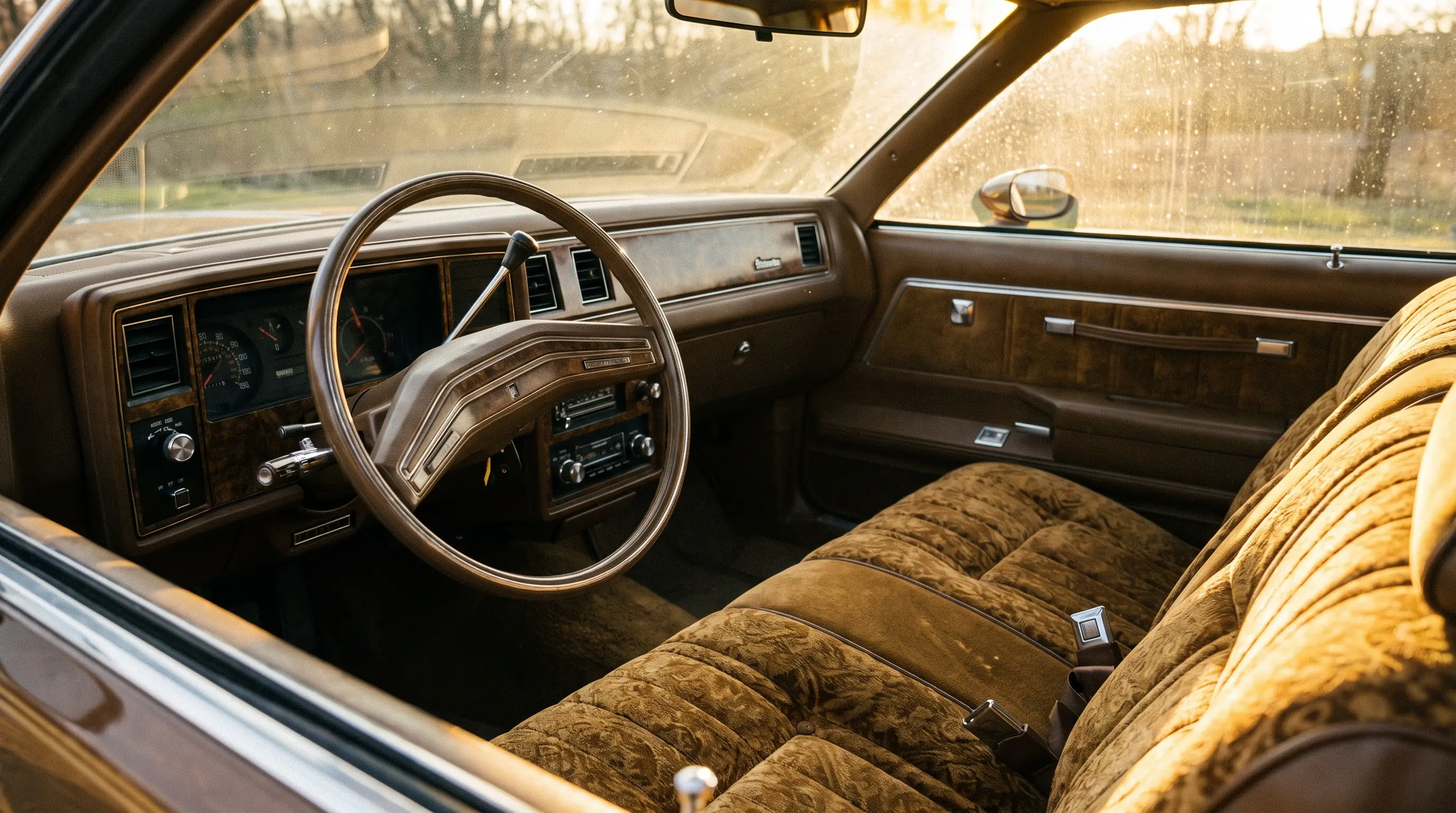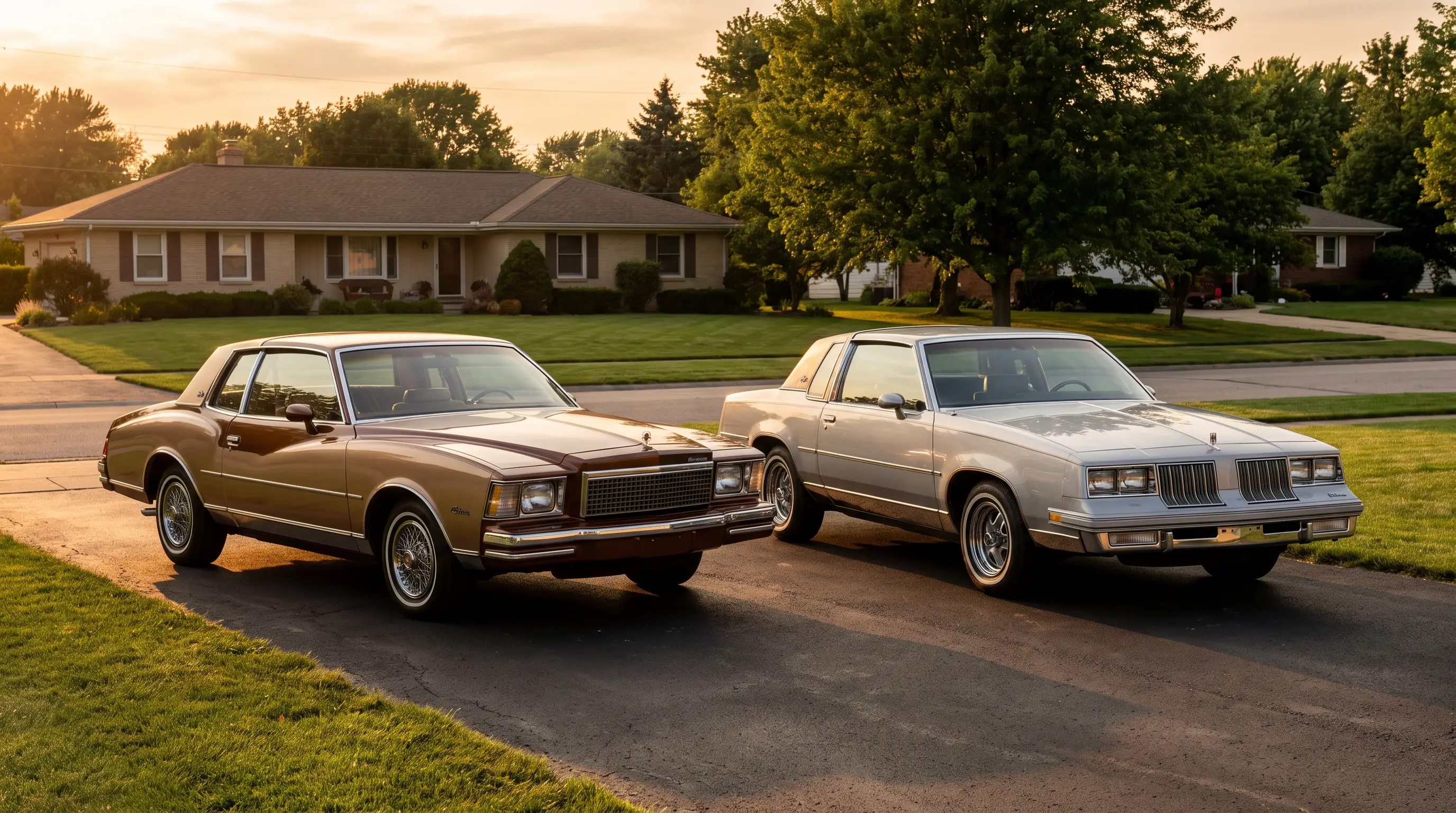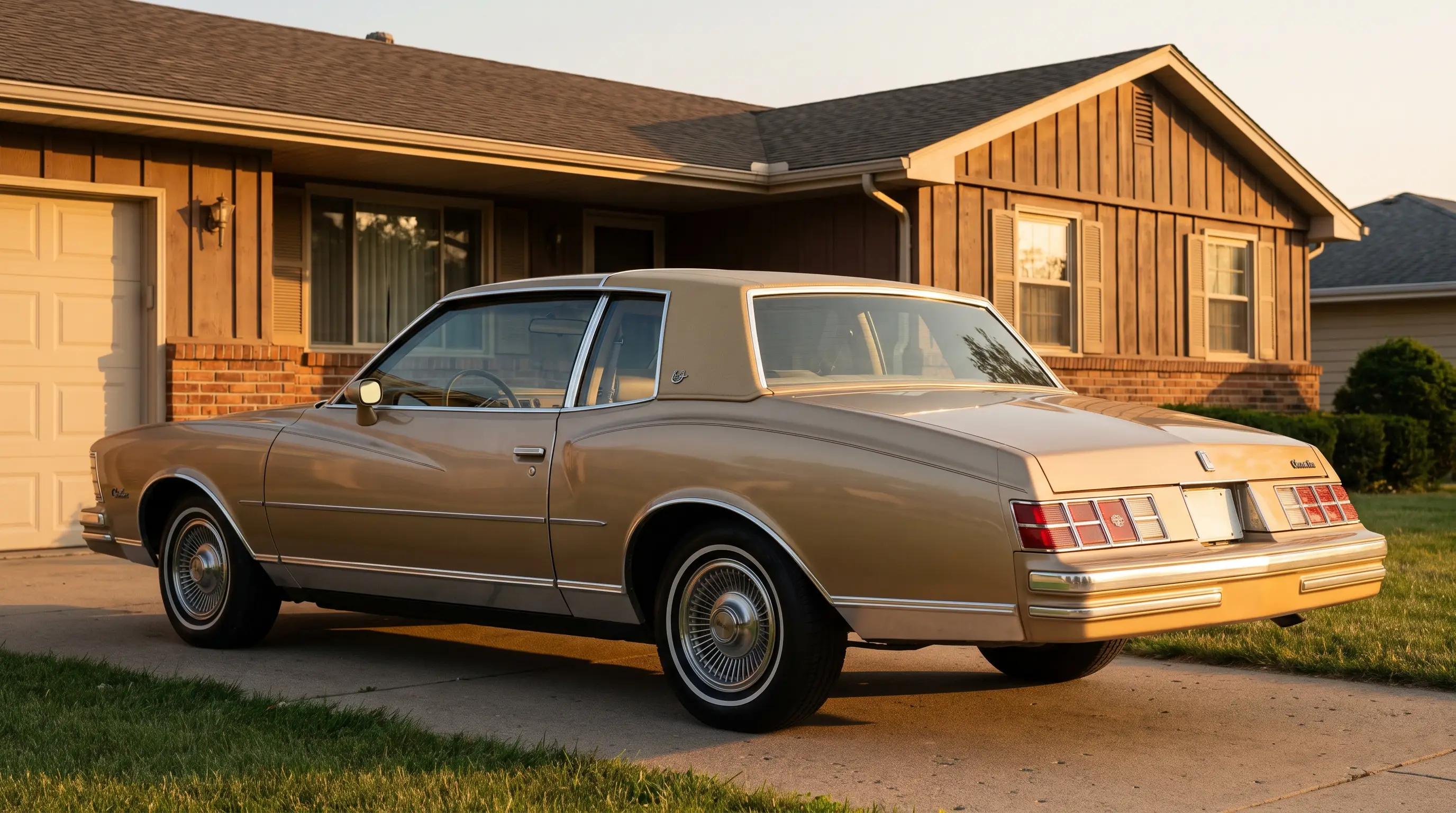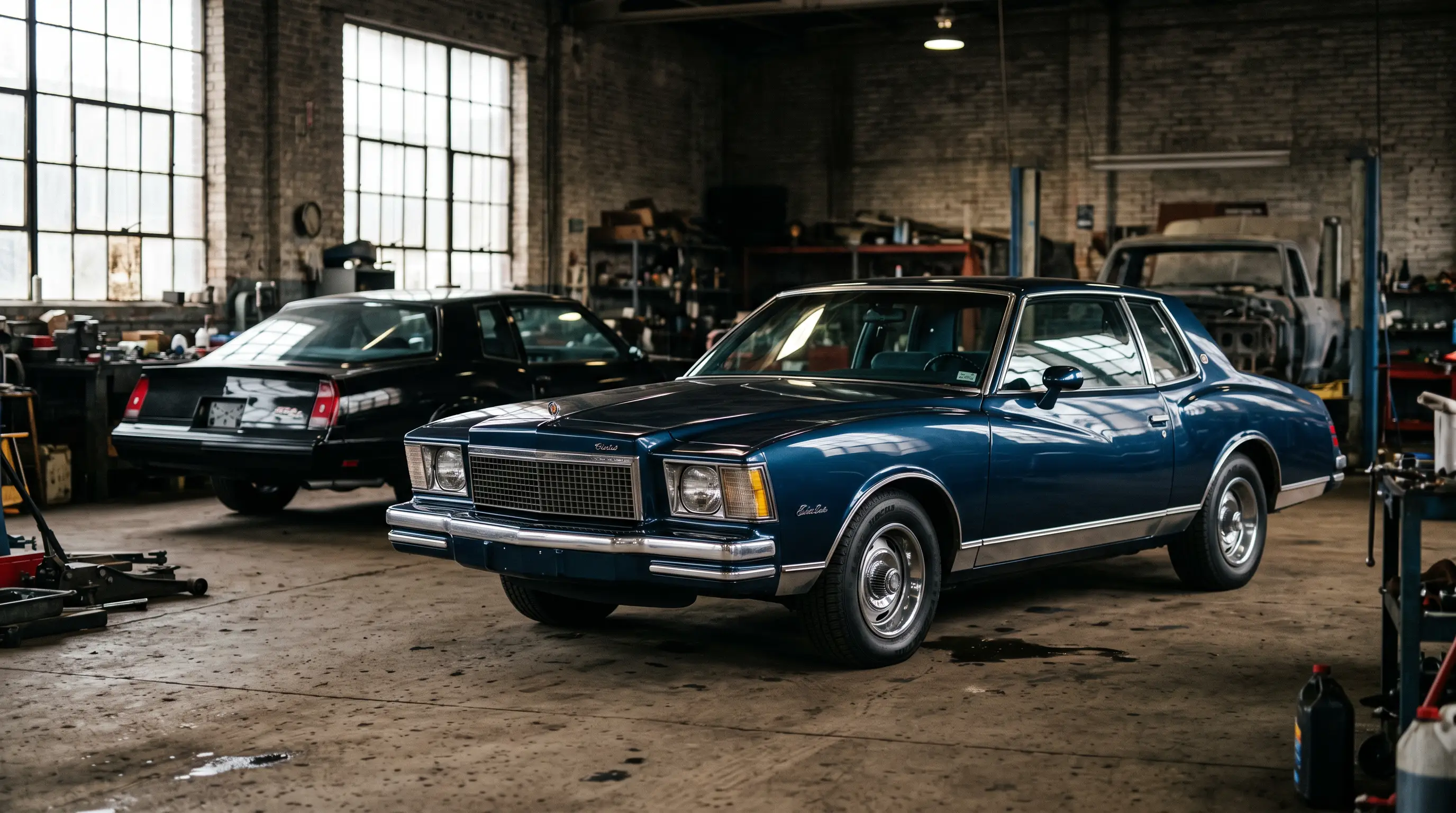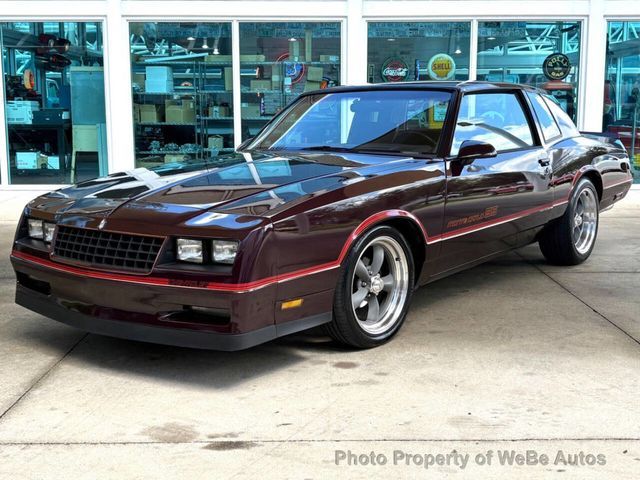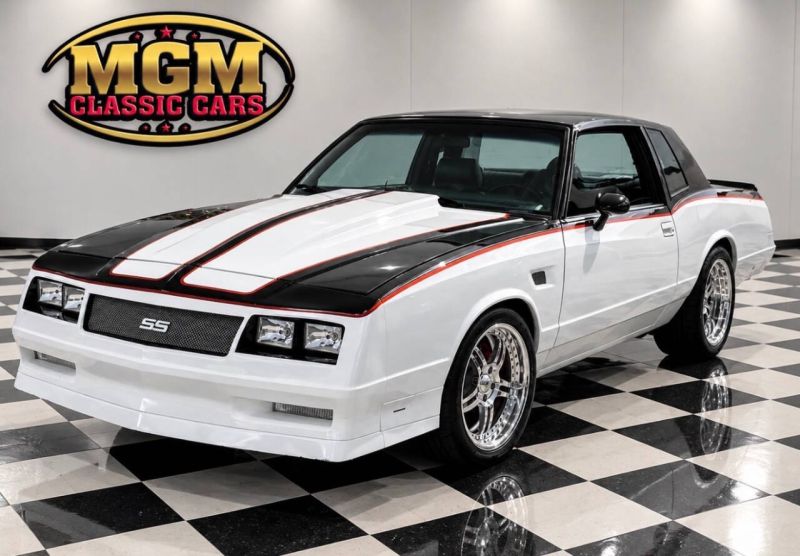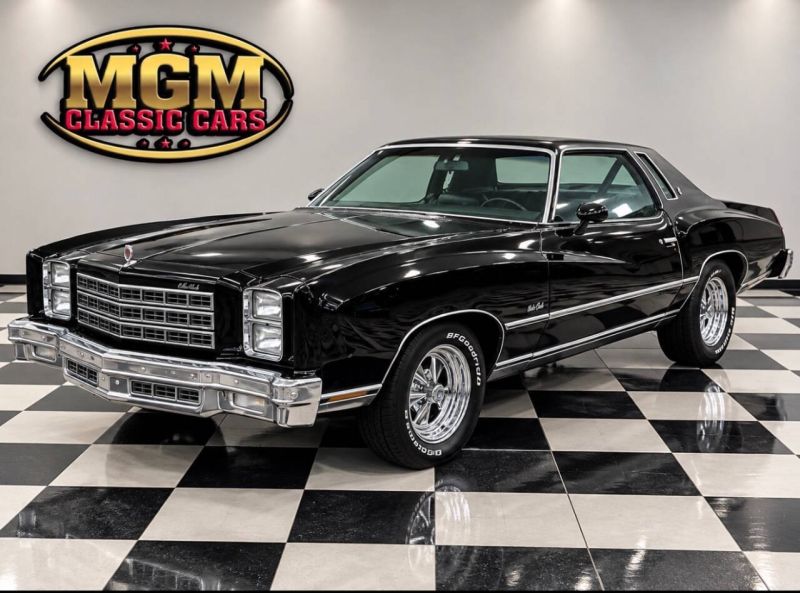
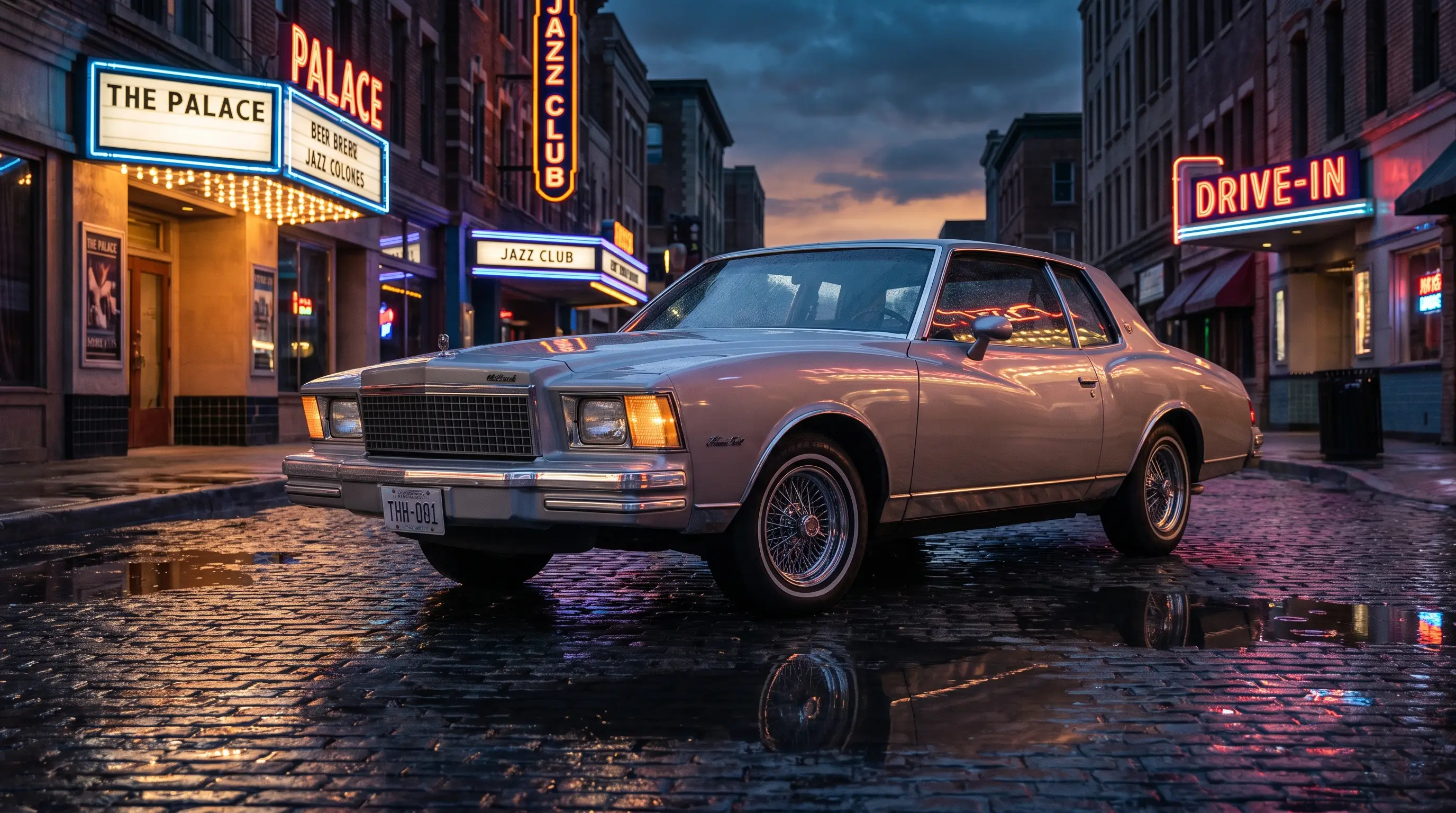
Everybody remembers the big first-generation Monte Carlos and the NASCAR SS cars of the 1980s. The 1978 monte carlo gets skipped over, and that is a shame, because it might be the smartest car Chevrolet built in that whole run. It got smaller, it got lighter, and it kept right on selling like nothing had changed. That is a lot harder to pull off than it sounds, and the folks who owned one will tell you the same.
Downsizing scared a lot of people in the late 1970s. Buyers had spent a decade being told bigger was better. Then the gas lines happened, Washington started writing fuel rules, and suddenly the big cruisers looked like a liability. Chevrolet had to shrink the Monte Carlo without wrecking what made people want one. They mostly nailed it.
Smaller car, same idea
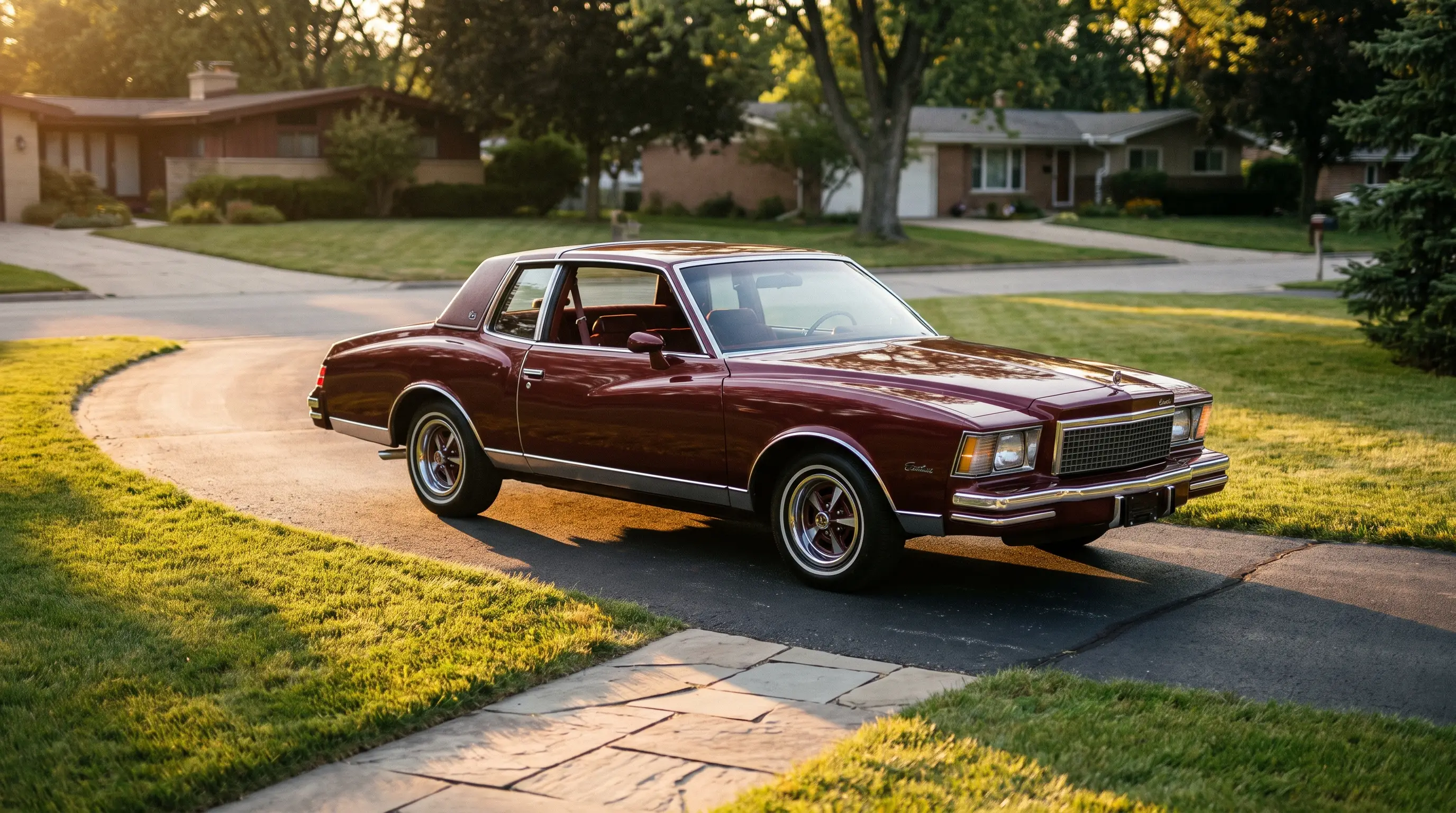
For 1978 the Monte Carlo moved onto the new, trimmer A-body platform. The wheelbase dropped to 108.1 inches, and the car shed a serious amount of weight compared to the bloated 1977 Colonnade version it replaced. We are talking 700 to 800 pounds gone, and you could feel every bit of it from behind the wheel. The old car drove like a sofa on casters. The new one actually turned and stopped when you asked it to.
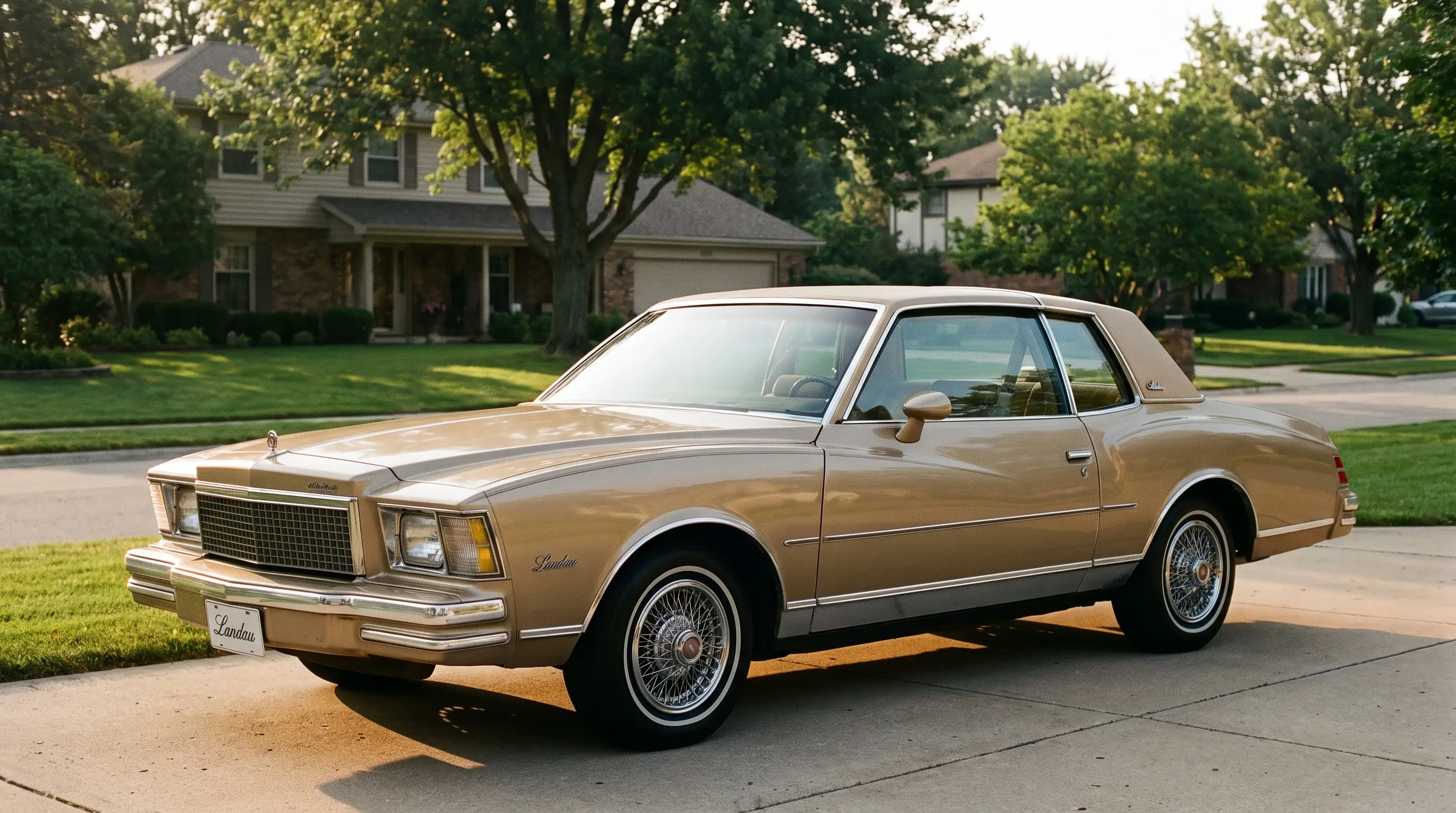
Here is the part that mattered to buyers though. Chevrolet kept the look. The long hood, the formal roof, the personal-luxury flavor all survived the diet. The 1978 car was unmistakably a Monte Carlo. It just did not need its own zip code to park anymore. That balance between honoring the nameplate and modernizing the package is the whole story, and if you want the full arc our chevrolet monte carlo retrospective walks through every generation in order. You can dig into our chevrolet monte carlo retrospective when you have time.
What sat under the hood
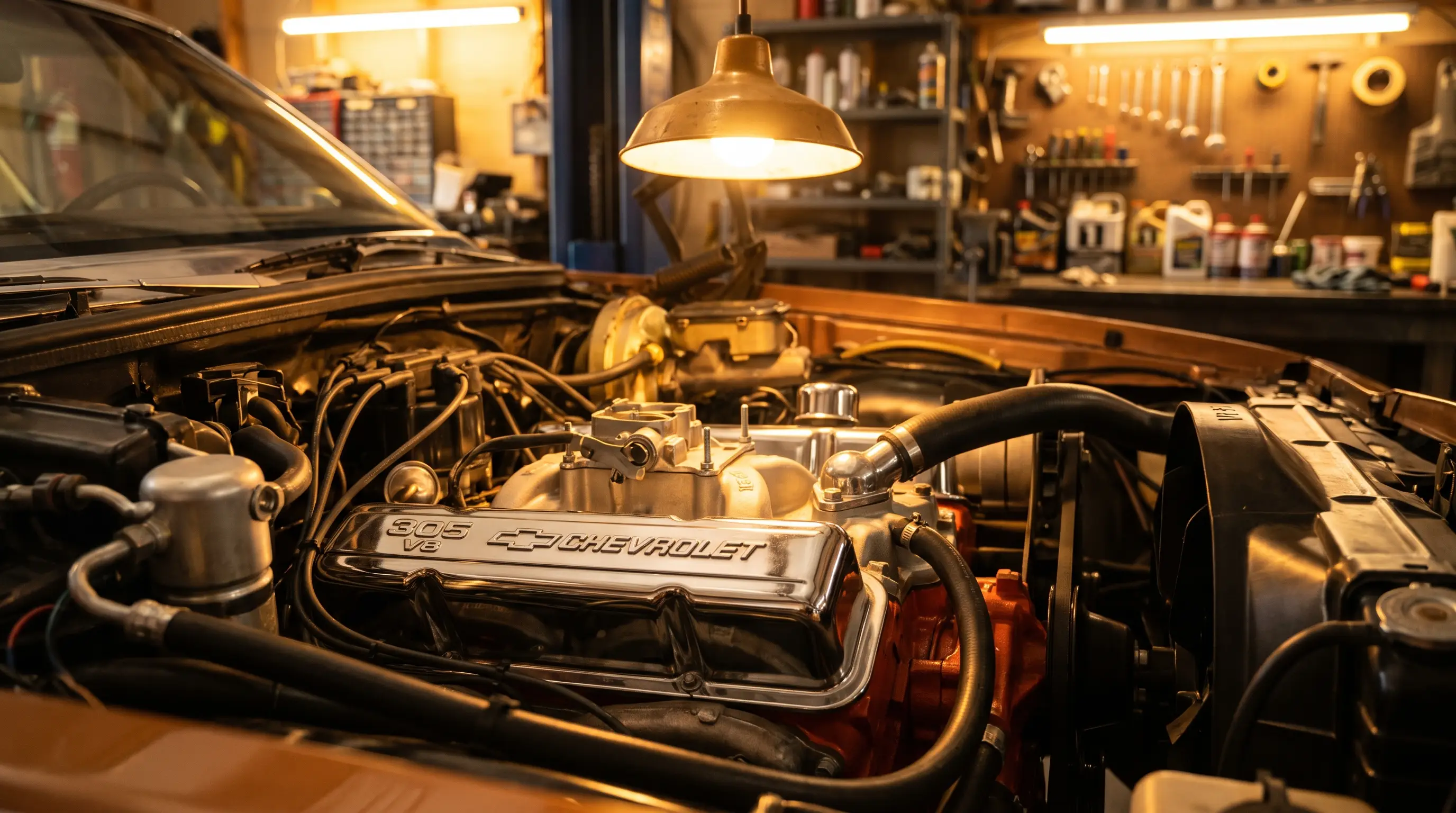
This is where the downsized cars get honest about the era. The muscle was long gone by 1978, and nobody was pretending otherwise. The engine lineup was built for economy and durability, not stoplight glory. A V6 became the base engine, which would have been unthinkable on a 1970 car, and the V8 options were modest small-blocks tuned for smooth running and decent mileage rather than power.
The 305 was the V8 most folks wanted, and it was a good, dependable motor that would run forever if you changed the oil. There was a 267 V8 for a spell too, which was about as exciting as it sounds, and a 231 V6 borrowed from the corporate parts shelf for buyers who cared most about the pump. None of these were fast. All of them were the kind of engine a mechanic could keep alive with basic hand tools and a Saturday morning, which counts for a lot when a car has to survive forty-plus years.
| Attribute | 1978 Detail |
|---|---|
| Wheelbase | 108.1 inches |
| Platform | Downsized A-body |
| Base engine | 231 V6 |
| Popular V8 | 305 small-block |
| Priority | Economy and durability |
| Look | Long hood, formal roof retained |
The sales that proved the plan worked
Now the payoff. You would think shrinking a beloved car and pulling the big engines would send buyers running. It did the opposite. The 1978 Monte Carlo sold in huge numbers, right up there with its bigger predecessors, and it stayed a strong seller through the downsized years. Chevrolet moved well over 300,000 of them in that first downsized season, north of 350,000 by some counts, which is the kind of figure that ends internal arguments in a hurry.
What that tells you is that people were never buying the Monte Carlo for the big-block. They were buying it for the style, the comfort, and the badge on the fender. Take away the weight and the thirst, keep the look and the feel, and the customers still showed up with checkbooks open. Chevrolet learned that lesson here and it shaped everything the division did with personal-luxury cars into the 1980s.
The dealers noticed something else too. The downsized car was easier to sell to a wider range of buyers. Older customers who found the earlier land yachts a handful to park suddenly had a Monte Carlo that fit their garage and their comfort zone. Younger buyers liked that it cost less to run. The car had quietly broadened its own audience by getting smaller, which is the opposite of what everyone feared would happen.
Fuel economy did a lot of that work. A lighter car with a V6 or a small V8 sipped where the old big-blocks had guzzled, and in an era of rising pump prices that mattered at the moment of sale. Buyers who were nervous about running costs could look at the downsized Monte Carlo and see a car they could actually afford to drive every day. Chevrolet had turned a regulatory headache into a selling point, and the showroom traffic reflected it right away.
The car that set up the SS comeback
None of the 1980s glory happens without this generation. The downsized platform, refined over a few model years and eventually landing as the rear-drive G-body, is the exact car that later wore the reborn SS badge and went NASCAR racing. The bones Chevrolet laid down in 1978 became the foundation for the aero-nosed SS coupes that carried Dale Earnhardt and made the nameplate famous all over again.
So when somebody tells you the downsized cars were the boring chapter, remind them that boring chapter is what kept the Monte Carlo alive long enough to have a second act. A car that died in 1977 never becomes a NASCAR legend in 1986. The unglamorous work of making a smaller car people still wanted is what bought the nameplate its future.
"People love to run down the downsized cars, but I have wrenched on plenty of them, and here is the truth. They are simple, they are tough, and they do exactly what a Monte Carlo was always supposed to do. Sometimes smart beats fast."
- Mike Sullivan
Why downsizing scared everybody
It is hard to appreciate now just how big a gamble downsizing was. For most of the 1960s and into the 1970s, American buyers had been trained to equate size with success. A bigger car meant you had arrived. Then two fuel crises and a wave of federal economy standards turned that logic upside down almost overnight, and Detroit had to figure out how to sell smaller cars to people who still wanted to feel important.
Chevrolet went first with its full-size cars in 1977 and got it right, which gave the division the confidence to shrink the Monte Carlo the following year. But there was real fear in the building. Nobody knew whether the personal-luxury buyer, who was arguably the most image-conscious customer of all, would accept a smaller coupe. The whole appeal of the car was that it made an ordinary buyer feel like a big shot. Take away the size and you risked taking away the entire point.
The engineers solved it with proportion. They kept the long hood relative to the body, kept the formal roof, and kept the interior feeling plush, so the car still delivered the theater even though the footprint had shrunk. A buyer sliding behind the wheel got the same sense of occasion. The magic trick was making a smaller car feel like it had given up nothing, and the sales numbers say the trick worked.
What is easy to miss is how quickly the ground shifted. A car conceived when gas was cheap had to survive in a world where it was not, and the downsized Monte Carlo made that jump without losing its audience. Plenty of nameplates did not survive the transition. This one came out the other side stronger, which is a real engineering and marketing achievement that rarely gets the credit it earned.
Living with a downsized Monte Carlo
From an ownership standpoint, these are some of the most sensible classic Chevrolets you can park in a garage. The mechanicals are shared across a mountain of GM cars, which means the common parts are cheap and easy to come by. The engines are low-stress and forgiving. There is nothing exotic to break and nothing that needs a specialist to sort out. For a first classic, that peace of mind is worth real money.
The cars are also comfortable in a way the earlier land yachts were not, because the downsizing actually improved how they drove without stripping away the plush ride. You get the personal-luxury feel in a package you can thread through a modern parking lot. That combination has kept a loyal following even as the flashier versions grabbed the headlines and the auction attention.
The other thing that keeps these cars on the road is how many were built. High production back in the day means decent survivor numbers now, and that in turn means you are not fighting a whole crowd for the last good example the way you would with a rare big-block. You can afford to be picky. Wait for a clean, honest car with a documented history instead of settling for a project, because with these downsized coupes the supply is on your side. Patience pays off more than a fat wallet here.
These downsized coupes share plenty of DNA with the earlier first-generation cars, and if you want to see where the platform came from, a related story on the peak years of the original big-block cars fills in the other end of the timeline. Read a related story to understand what Chevrolet was moving away from when it downsized.
What to know before you buy one
If a downsized Monte Carlo is calling your name, the good news is you do not need deep pockets to get into a solid one. These cars still represent honest value compared to the first-generation big-blocks and the collectible SS coupes. That makes them a smart pick for someone who wants a real classic to drive rather than a trailer queen to stare at.
The usual rust rules apply, and you want to check the lower body and floors like you would on any car from this era. Mechanically there is little to fear. When you are ready to shop, take a look at the Monte Carlos for sale now and you will see the downsized cars often carry the friendliest price of the whole family. For a driver you can actually enjoy without a second mortgage, that is a hard combination to beat, so browse the Monte Carlos for sale now and see what turns up.
Sources and notes
- Chevrolet Monte Carlo - Wikipedia
- A New Dimension in Luxury: The 1978 Chevrolet Monte Carlo - Mac's Motor City Garage
- 1978 Chevrolet Monte Carlo Landau: Downsized Decadence - Hagerty
- Disco-Era Darling: The Chevrolet Monte Carlo - Ate Up With Motor
- 1978 Monte Carlo Parts and Restoration Specifications - SS396.com
- 1978-1980 Chevrolet Monte Carlo Buyer's Guide - Motogallery