Walk any cruise night in America and you will find them parked in the second row, a little apart from the loud crowd around the big-block Chevelles and the tunnel-ram Novas. Long hood, formal roof, a stance that says the owner has nothing to prove to the guy revving in the next lane. The Chevrolet Monte Carlo was never the fastest thing Chevrolet built, and its people were never trying to win that argument. It was the car you bought when you wanted the muscle underneath and the manners on top, a two-door that could idle up to the country club or sit low over a set of wire wheels in East Los Angeles and look right in both places. That range is the whole story, and it runs from the 1970 debut through the last rear-drive coupe in 1988.
To understand why the Monte Carlo mattered, you have to remember what Chevrolet was in 1969. It sold more cars than anyone, and it had a performance image built on the Camaro, the Chevelle SS, and the Corvette. What it did not have was an answer to the car Pontiac had just handed the market: the Grand Prix. This is the story of how Chevrolet built that answer, sold it by the hundreds of thousands, kept it alive through the leanest years the American two-door ever faced, and then let it go out on a high note with a fastback nobody at the division had planned on building.
The car Chevrolet built to catch a Pontiac
The Monte Carlo did not arrive out of nowhere. It arrived because a younger division under the same roof beat Chevrolet to a good idea. For 1969 Pontiac shrank its Grand Prix onto the intermediate A-body, gave it a long hood and a personal-luxury attitude, and sold far more of them than anyone expected. John DeLorean ran Pontiac then, and the Grand Prix was his read on where the buyer was going: away from raw muscle and toward a coupe that looked expensive without costing what a full-size Cadillac did.
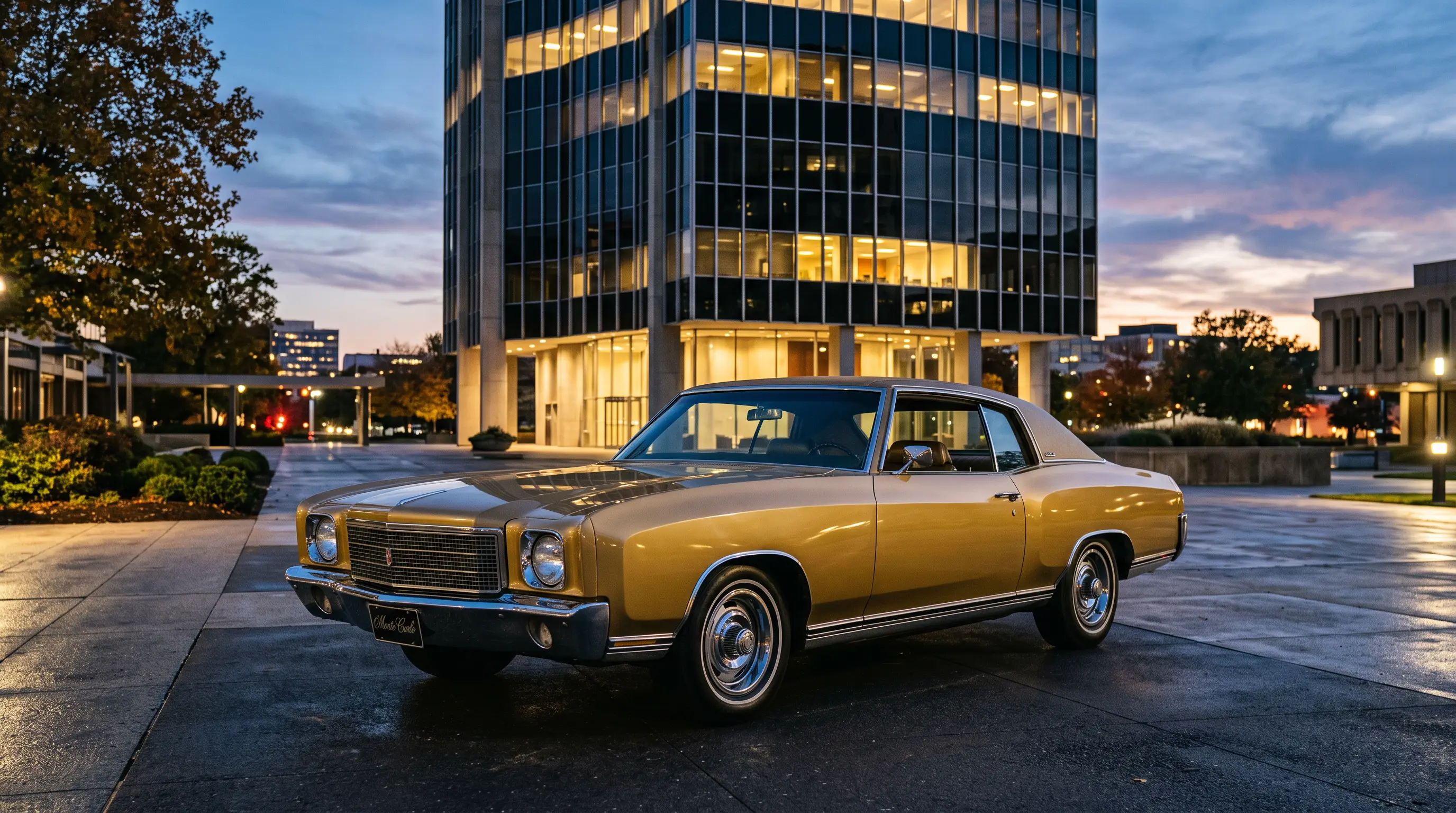
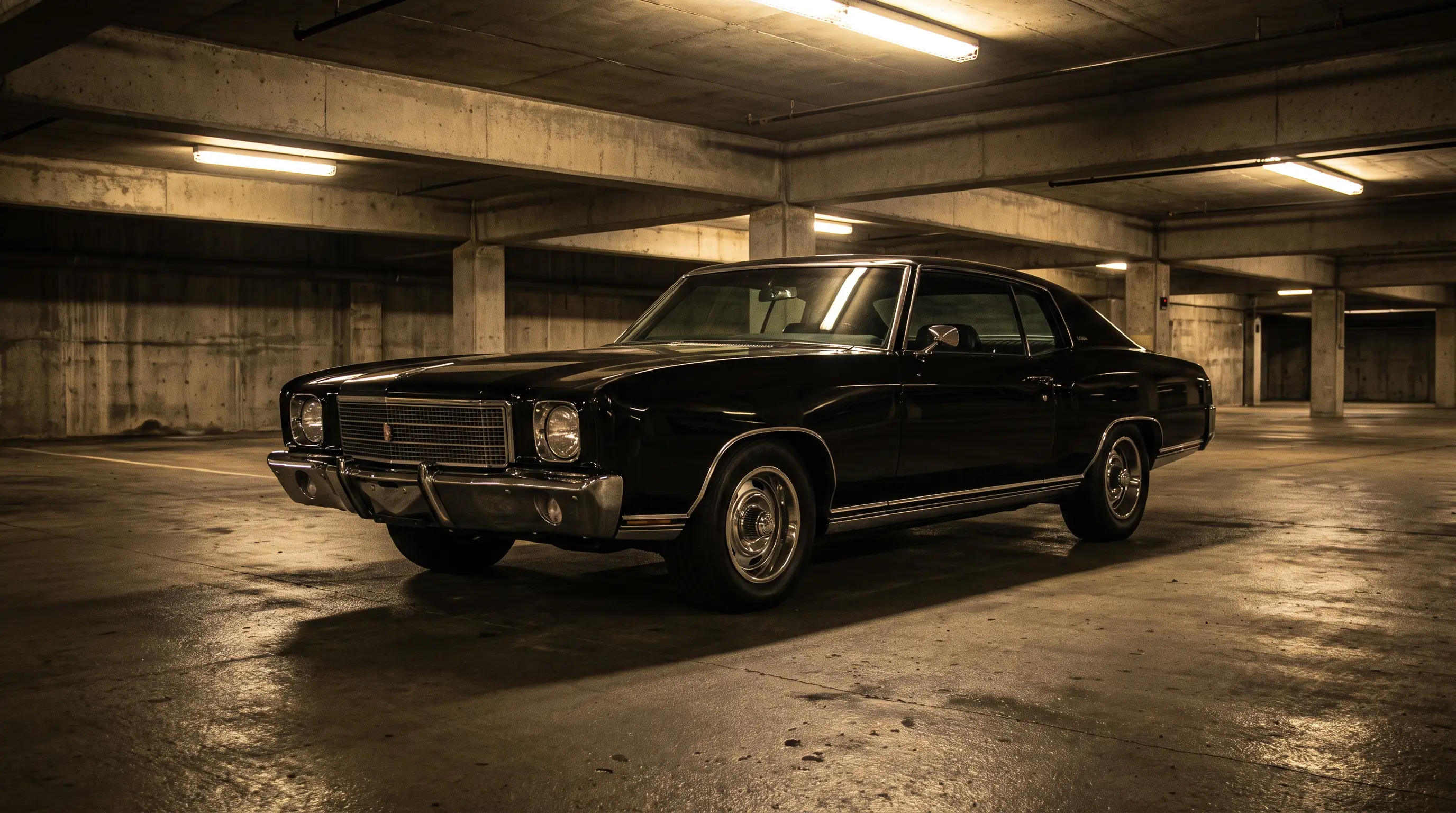
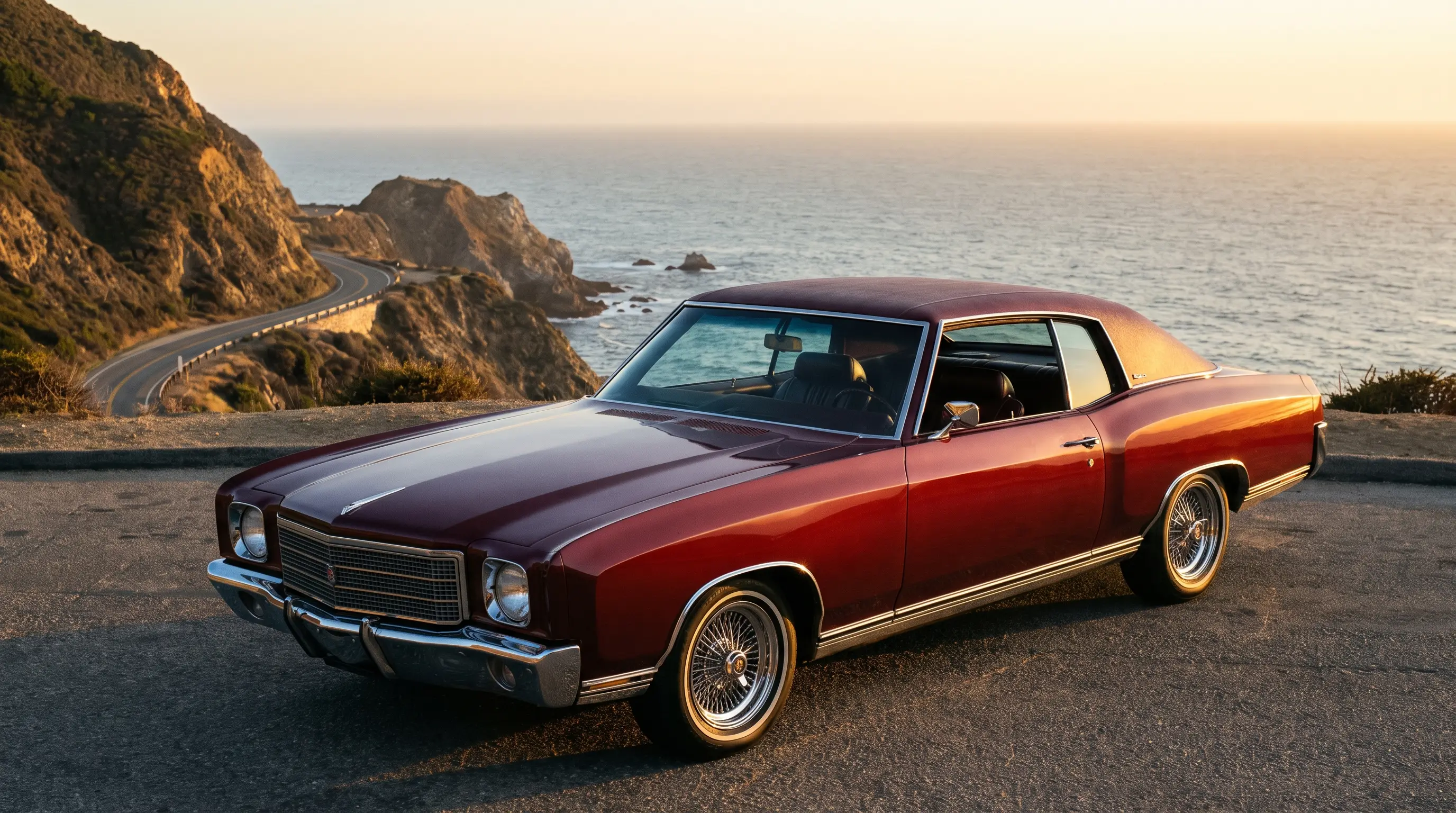
Chevrolet had the parts to answer within a year. Its general manager, Elliott Estes, had come up through the same GM performance culture, and the division took the Chevelle chassis, stretched a formal two-door body over it, and called it the Monte Carlo for 1970. It rode on a 116-inch wheelbase, longer than the Chevelle coupe, most of that length living in a hood that ran nearly six feet. The name borrowed the glamour of the Riviera principality, and the pitch was simple. This was a Chevrolet you did not have to apologize for parking next to something with a fancier badge.
"The Monte Carlo is the car that proves Chevrolet understood its own buyers better than the enthusiast press did. Everybody wanted to talk about horsepower. Chevrolet noticed that most people wanted to feel like they had arrived, and they built the coupe for exactly that feeling."
- Patrick Walsh
What made the first Monte Carlo work was that Chevrolet did not cheap out on the idea. The base engine was a small-block V8, the ride was tuned soft in front with a beefier setup than the Chevelle underneath, and the interior traded the SS-car austerity for wood-grain trim and a wraparound dash. It was luxury on a Chevrolet budget, and the buyer showed up. Roughly 145,000 of them did in that first year, a strong number for a coupe nobody had heard of twelve months earlier.
The first generation and the one that got away
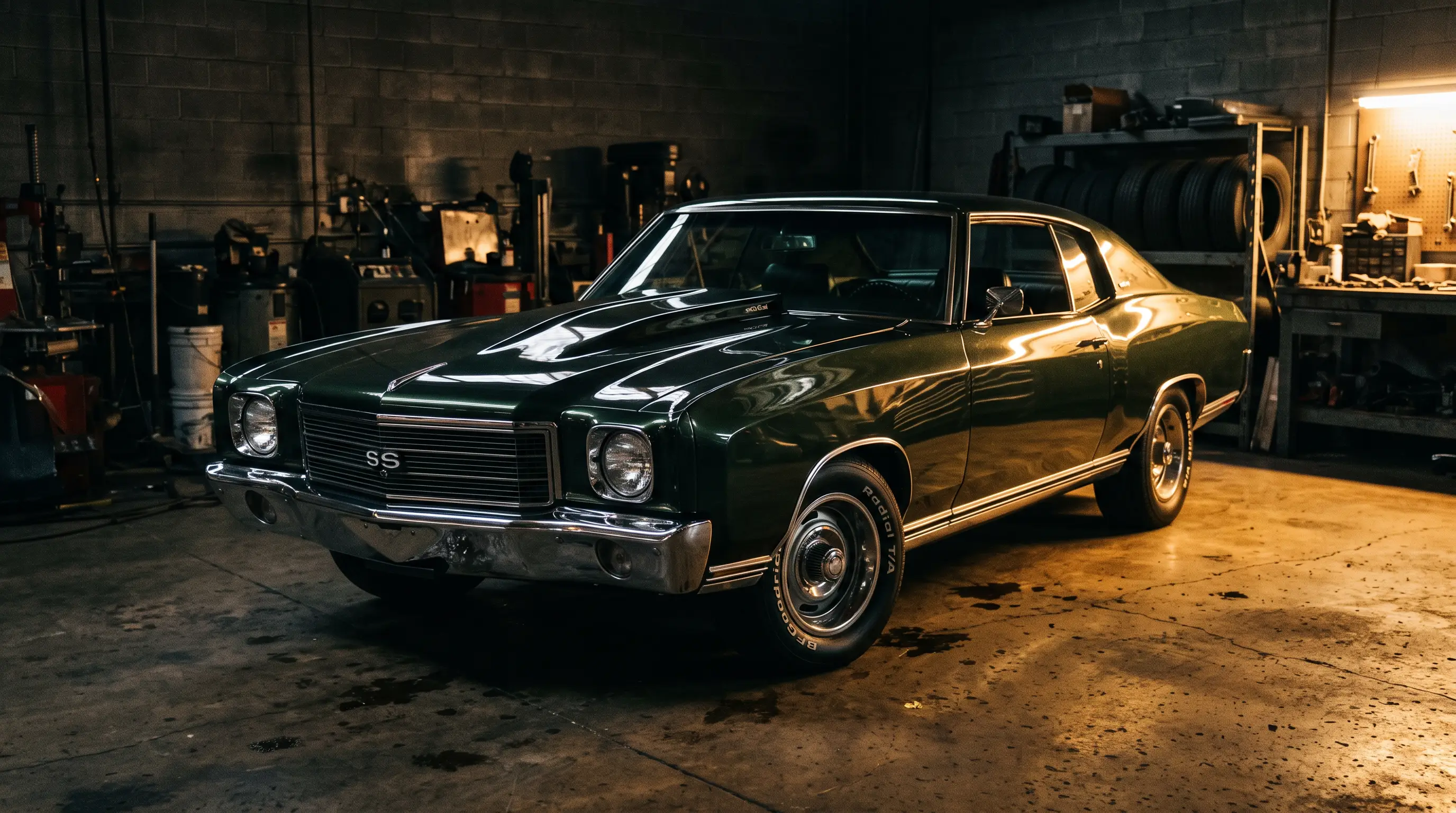
For the people who care about performance, the 1970 to 1972 cars hold the only true muscle chapter in the Monte Carlo book, and it is built around one option. Chevrolet offered the SS 454, a package that dropped the LS5 454 cubic inch big-block into the personal-luxury coupe along with a heavier-duty suspension and automatic-leveling rear shocks. The engine was rated at 360 horsepower gross in 1970, and the whole thing was disguised so well that only a small badge and the exhaust note gave it away.
That disguise is exactly why the SS 454 is now the collector prize of the entire run. Chevrolet built very few of them, 3,823 for 1970, because the buyer who wanted a 454 usually wanted it in a Chevelle where everyone could see it. The Monte Carlo SS was a quieter kind of muscle, the executive who could smoke a Chevelle at the light and then drive home in silence. The option lasted only into 1971 before it was gone, a casualty of the same insurance and emissions pressure that was strangling every big-block in the country.
The rest of the first-generation range was where the volume lived. Small-block V8s, an available big-block below the SS spec, and a long list of comfort options moved the car by the hundred thousand. Styling was clean and restrained, with a subtle bulge in the hood and body sides that GM stylists liked to call the fuselage look. These are the Monte Carlos that enthusiasts often overlook and that reward a second look today, because they carry the original design intent before the car grew heavier and more ornamented.
| Generation | Years | Platform | Signature |
|---|---|---|---|
| First generation | 1970-1972 | A-body, 116-inch wheelbase | SS 454 big-block option |
| Colonnade | 1973-1977 | A-body, restyled | Opera windows, sales peak |
| Downsized | 1978-1980 | A-body, shorter and lighter | V6 base, lighter weight |
| G-body | 1981-1988 | G-body rear-drive | SS return, Aerocoupe |
The Colonnade years, when the Monte Carlo owned the segment
If the first generation established the Monte Carlo, the 1973 redesign made it a phenomenon. GM restyled its entire intermediate line that year into what it called Colonnade hardtops, with fixed door glass frames, thicker roof pillars for the coming rollover rules, and a heavier, more sculpted body. On most of the GM lineup the Colonnade era is remembered as the moment the cars got fat and slow. On the Monte Carlo it was the moment the design finally matched the ambition.
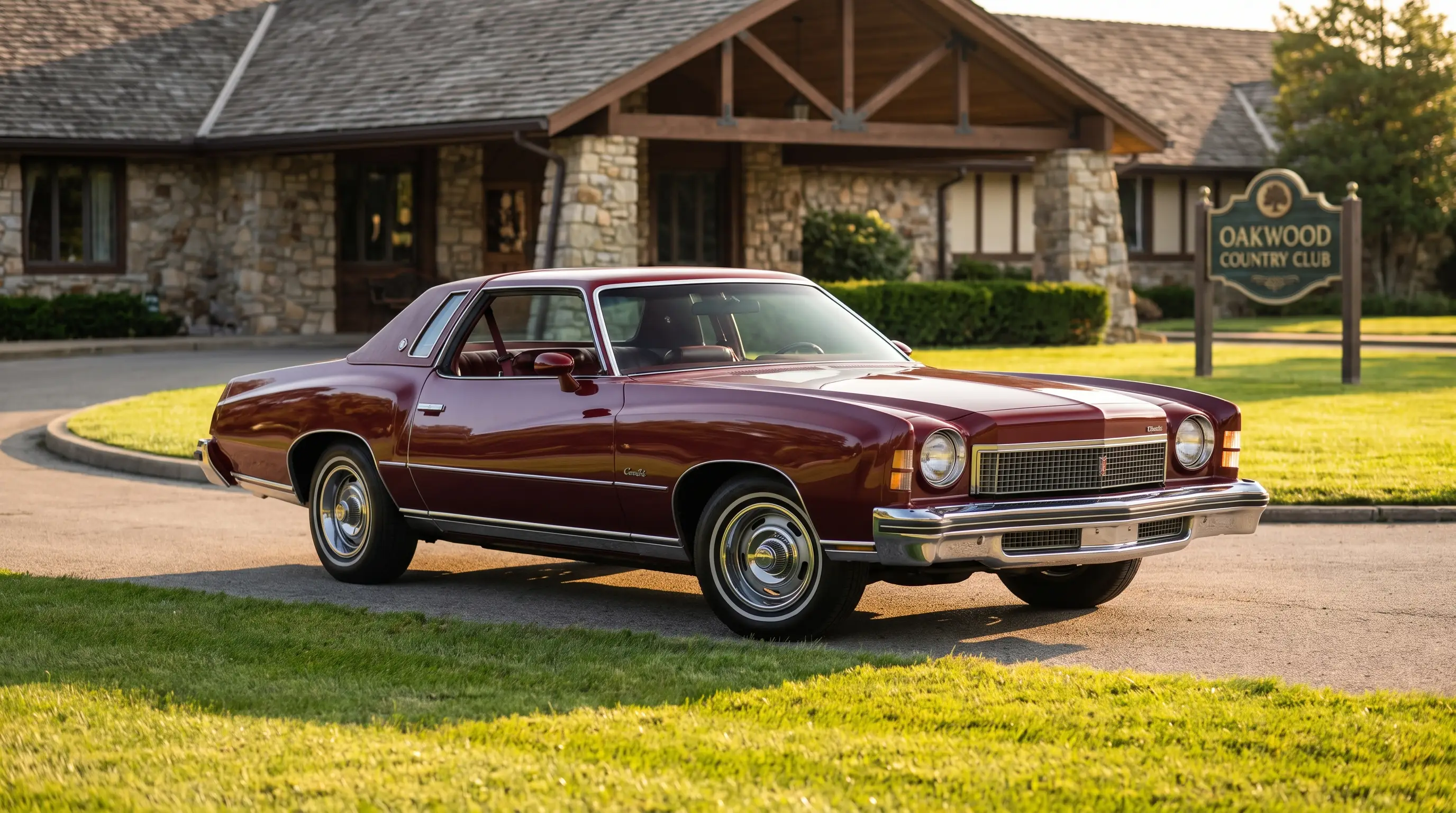
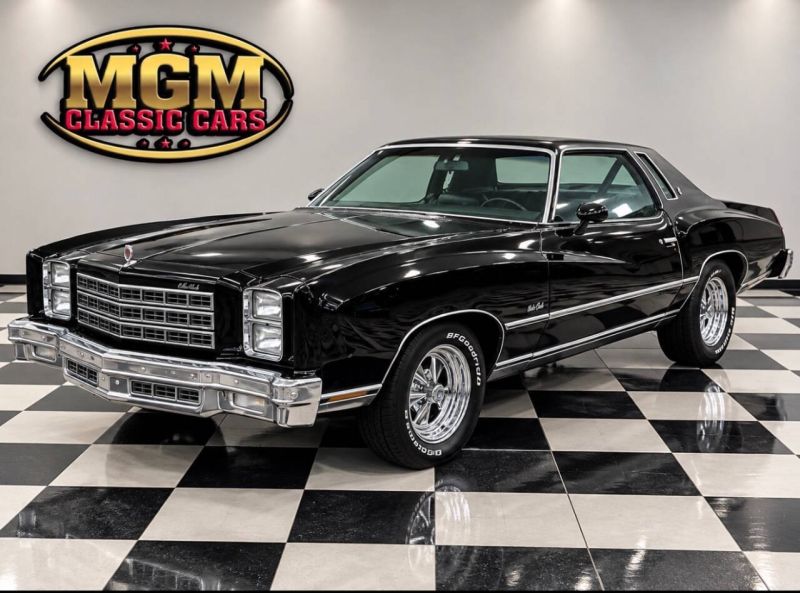
The 1973 car went full personal luxury. It had swooping fenders, a formal notchback roof with small opera windows behind the doors, and a level of visual drama that made the earlier car look plain. Buyers loved it. This generation is where Monte Carlo sales exploded, cresting past 411,000 units in the 1977 model year alone and turning the coupe into one of the best-selling cars in the country. The Landau option, with its padded vinyl rear roof and pinstripe accents, became the look that defined the decade for a whole class of American two-doors.
The performance was gone by any honest measure. Emissions controls, unleaded-fuel compression drops, and the switch to net horsepower ratings left the strongest engines making numbers that would embarrass a modern economy car. Nobody buying a 1975 Monte Carlo cared. They were buying the roofline, the ride, and the feeling of piloting something long and important down the interstate. The Colonnade Monte Carlo is the purest expression of what the nameplate was actually for, and it sold in numbers the muscle cars never touched.
"You can sneer at a 1976 Monte Carlo until you drive one on a two-lane at night with the windows up and the radio low. Then you understand it. This car was not built to beat anyone. It was built to make an ordinary Tuesday feel like you owned the road, and at that job it has never been bettered."
- Patrick Walsh
Downsizing and the survival of the coupe
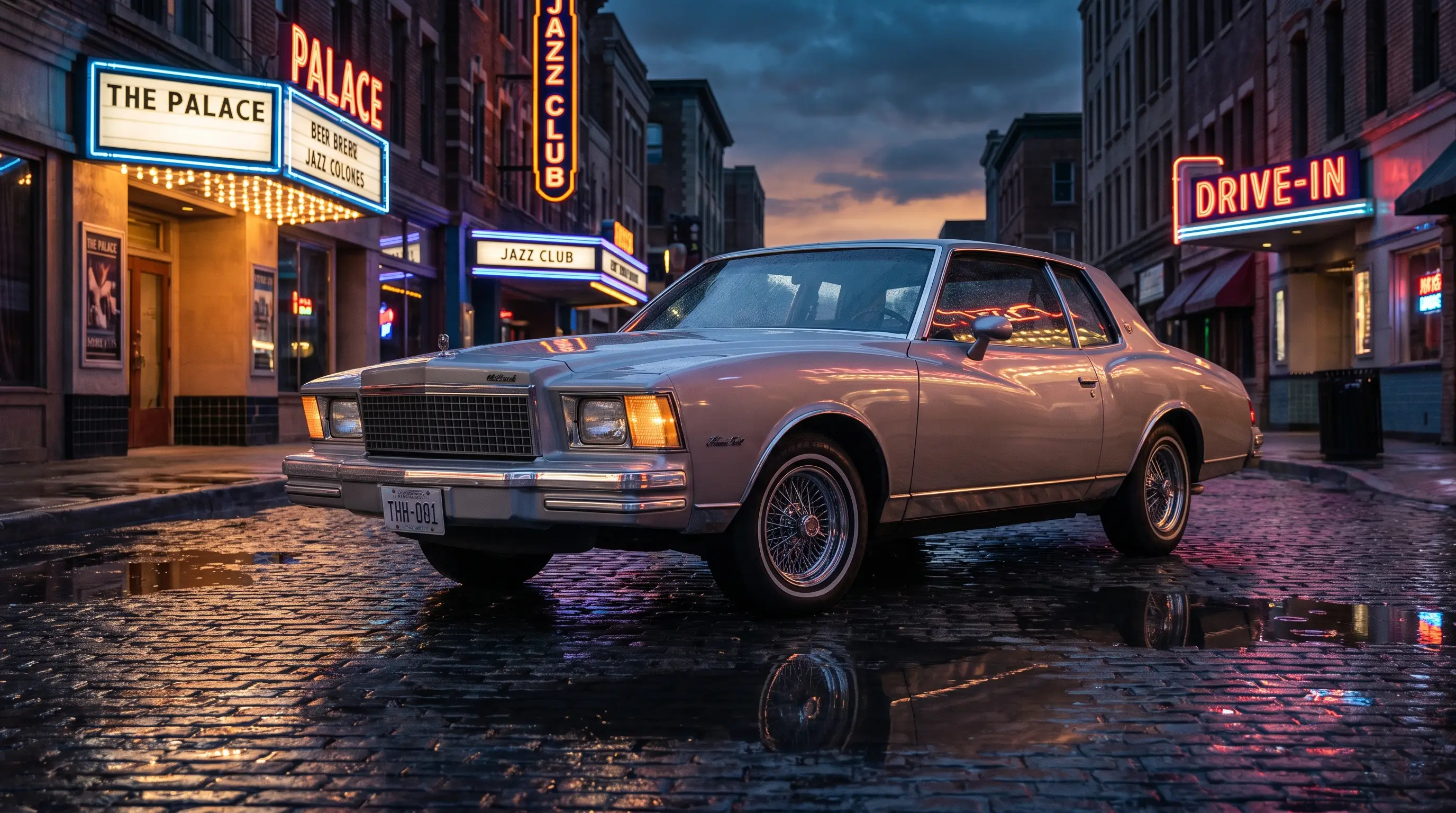
Then came the reckoning. The 1973 oil embargo and the fuel crisis that followed made the long-hood land yacht look like a relic overnight, and GM responded with the most aggressive corporate downsizing in its history. For 1978 the Monte Carlo shrank. It lost close to 800 pounds and more than a foot of length, moving to a tighter A-body that gave up the acreage of hood for a boxier, more upright shape.
The base engine was now a V6 rather than a V8, a change that would have been unthinkable a few years earlier, and it tells you exactly how much the world had turned. Purists mourned the lost presence. The market shrugged and kept buying, because the smaller car was still recognizably a Monte Carlo, still had the formal roof and the plush interior, and now got real fuel economy on top. These 1978 to 1980 cars are the least celebrated of the run, the awkward middle child between the excess of the Colonnade years and the comeback that followed. They kept the nameplate alive through a stretch that killed off plenty of its rivals, and that alone earns them a place in the story.
The styling settled down and grew crisper as the years passed, and the front-end treatments changed almost annually as Chevrolet chased the right face for a smaller car. What did not change was the mission. Even shrunken and running a six, the Monte Carlo was still the affordable personal-luxury coupe, still the car for the buyer who wanted a little more style than a sedan and a little more comfort than a sport coupe.
The G-body and the return of the SS
The car most people picture when they hear the name is the last one, the 1981 to 1988 G-body. GM re-badged the downsized rear-drive platform as the G-body in 1982, sharpened the Monte Carlo's lines, and set the stage for a comeback nobody at the division had fully planned. Because in 1983 the SS came back, and it came back for one reason: NASCAR.
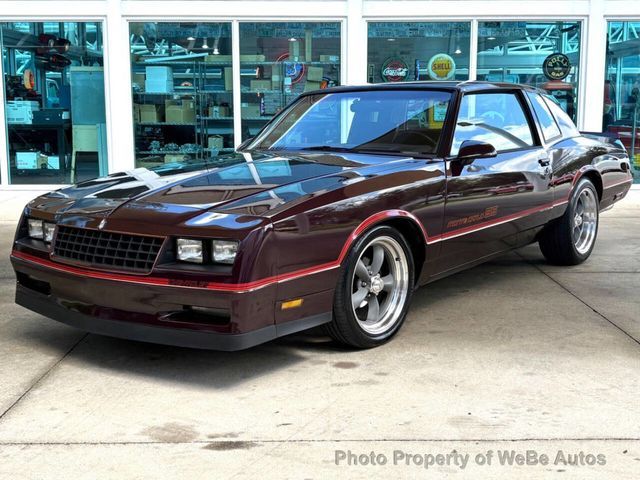
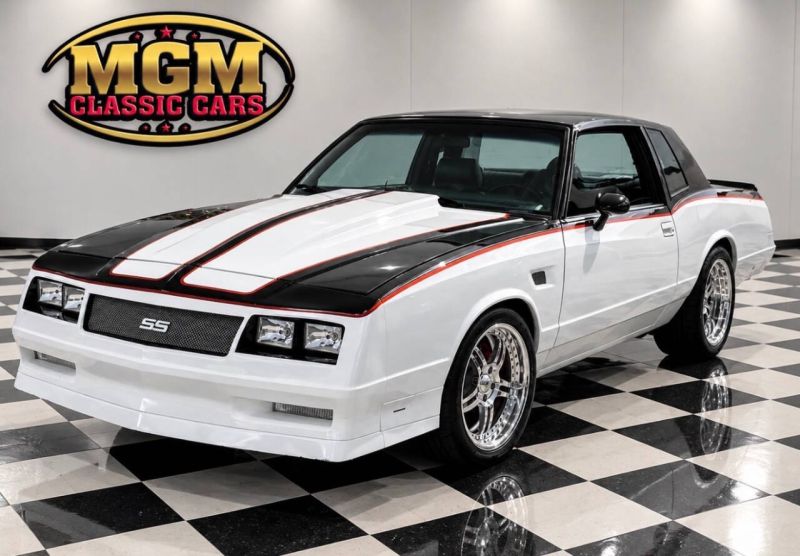
The 1983 Monte Carlo SS was built to make the car slippery enough to win on the superspeedways, and the street version carried a droop-nose front end, a small rear spoiler, and the L69 High Output 305 cubic inch small-block rated at 175 horsepower. By the standards of 1970 that was nothing. By the standards of 1983, in a country still climbing out of the malaise era, it was a genuine performance car with a genuine performance heritage, and it looked the part. The SS wore its aero front end and its blackout trim like a badge of intent, and it put the Monte Carlo back on the enthusiast map for the first time in a decade.
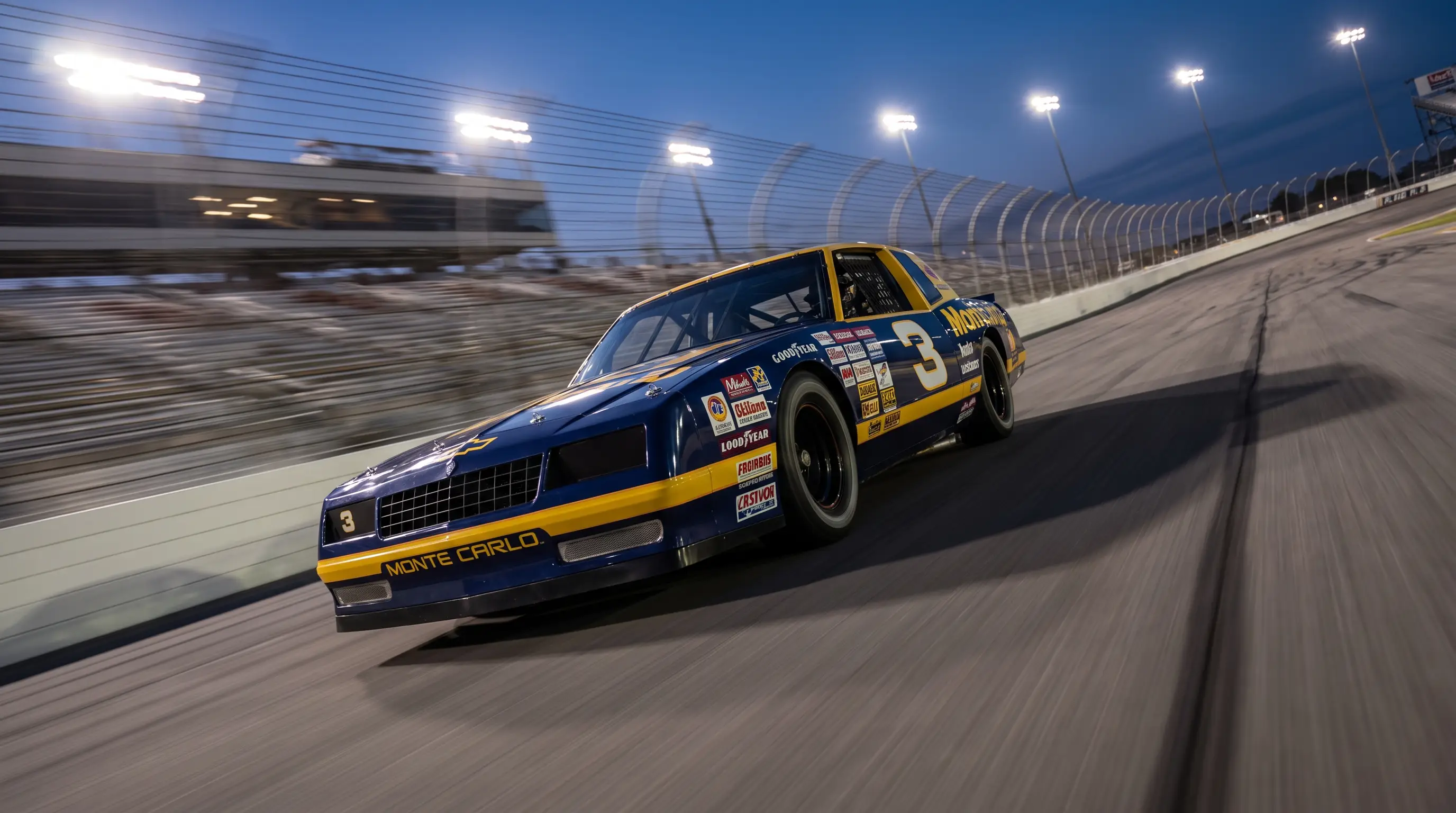
What sealed the G-body Monte Carlo into American memory was the man who drove it. Dale Earnhardt won races and championships in a Monte Carlo SS through the mid-1980s, and every Sunday broadcast put the shape in front of millions of fans who then walked into Chevrolet dealers wanting the closest thing they could buy. The connection between the showroom SS and the number 3 car on the track was the strongest link between racing and retail the nameplate ever had, and it is a big part of why these cars command the following they do now.
Chevrolet leaned into the theme as the decade went on. The SS gained an available bucket-seat interior with a console, blackout trim around the grille and taillights, and a set of ground-effects touches that made the car look lower than it was. None of it added much power, and that was never the point. The G-body SS was styling and attitude backed by a real racing story, and for the buyer of 1985 or 1986 that combination beat a spec sheet. These were the years when a Chevrolet salesman could point at the television on Sunday and then at the car on the showroom floor and mean it, and plenty of buyers took him up on the offer. The result is that the G-body SS is the Monte Carlo most people remember, the one that bridged the personal-luxury past and the muscle-car revival that would follow in the decade after it left.
The Aerocoupe, a fastback born on the banking
The single strangest and most collectible Monte Carlo came at the very end, and it exists purely because of the arms race on the NASCAR superspeedways. Ford had brought out the aerodynamic Thunderbird, and the notchback Monte Carlo SS was giving up straight-line speed to it at Daytona and Talladega. The rules said Chevrolet could run a more slippery body on the track only if it sold a version of it to the public. So Chevrolet did.
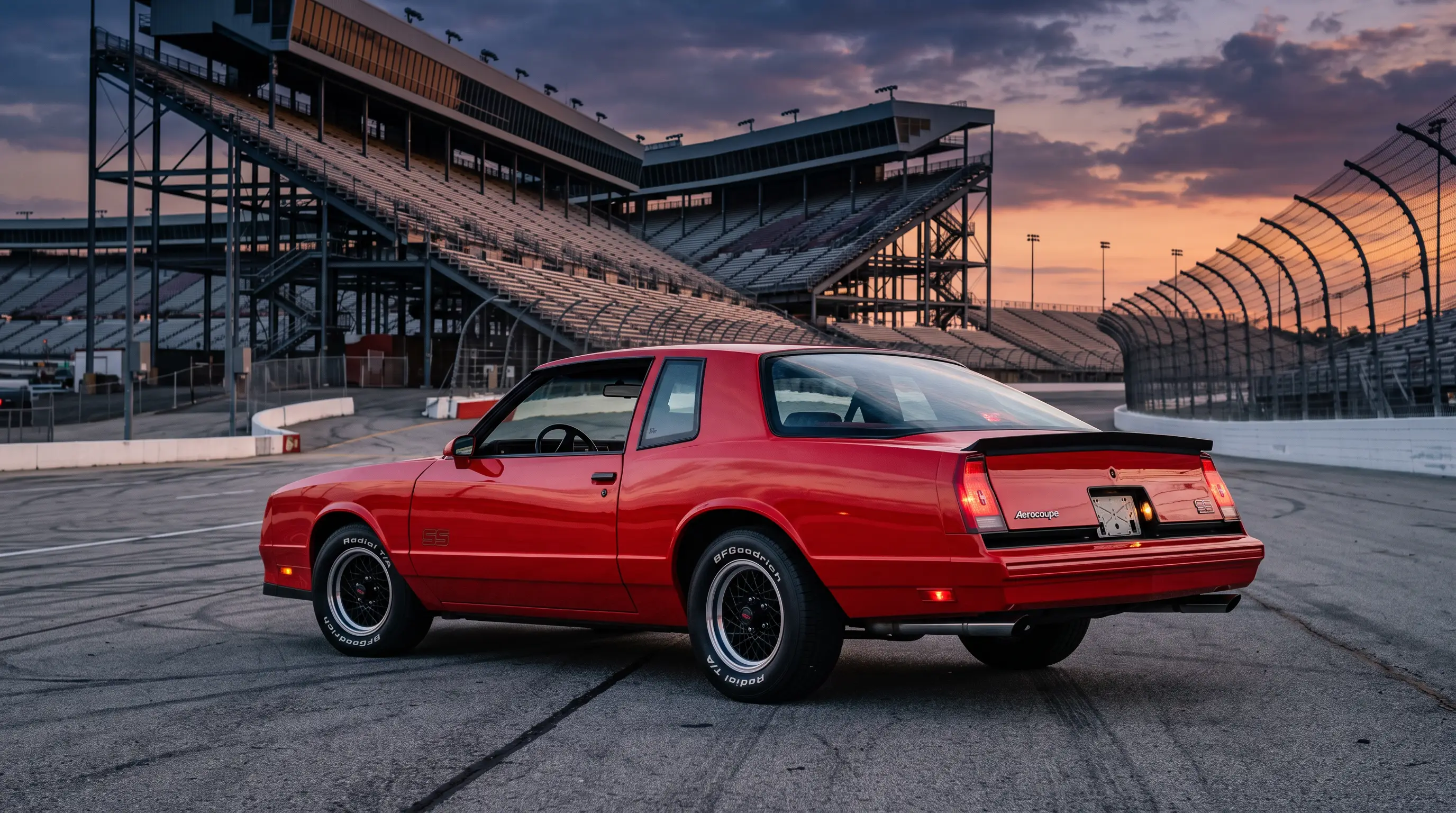
The result was the Monte Carlo SS Aerocoupe, built for 1986 and 1987, with a dramatically sloped compound-curve rear window that replaced the formal notchback glass and turned the trunk lid into a stubby little deck. It looked like nothing else Chevrolet sold. It was a homologation special in the truest sense, built in just enough numbers to satisfy the sanctioning body, and the production figures are tiny by Monte Carlo standards, 200 cars for 1986 and 6,052 for 1987. The Aerocoupe is the rarest regular-production Monte Carlo of the modern era and the one that turns heads at any show precisely because so few people have ever seen one in the metal.
The rear-drive Monte Carlo ended in 1988. Chevrolet retired the nameplate for a few years, and when it returned in the mid-1990s it was a front-wheel-drive car on a completely different platform, a different animal that lives outside this story. The classic Monte Carlo, the one collectors chase and clubs celebrate, is the rear-drive run that closed with the Aerocoupe.
Colors, customs, and a second life on the boulevard
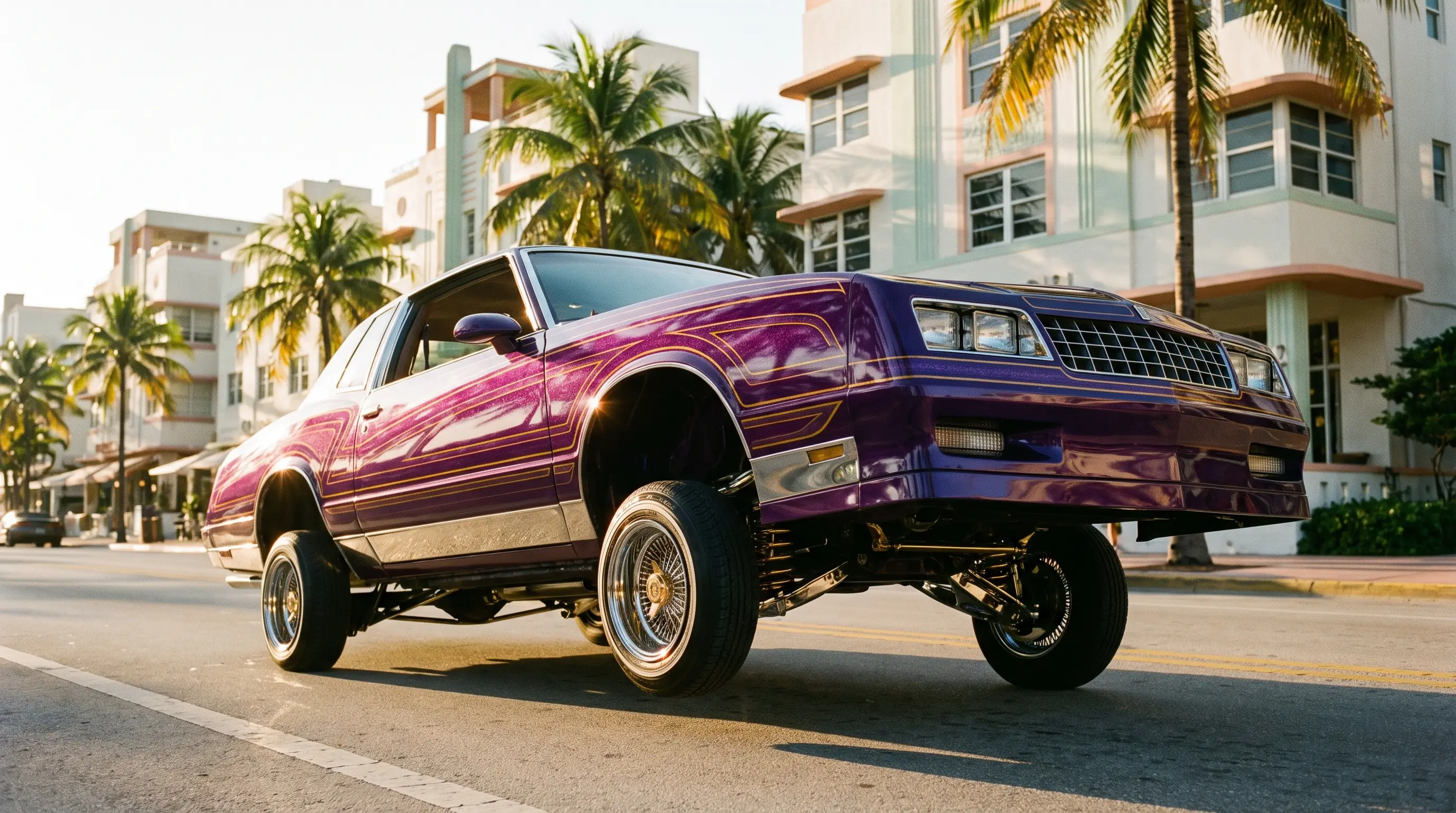
No account of the Monte Carlo is complete without the culture that grew up around it, because this is a car that meant very different things to very different people. To the suburban buyer it was the tasteful coupe in the driveway. To the lowrider builders of Southern California and the Southwest, the Monte Carlo, especially the G-body, became a canvas. The long formal roof and the flat body sides took candy paint and murals beautifully, the frame took hydraulics without complaint, and the car sat right on a set of wire wheels with narrow whitewalls. Cruise any lowrider gathering and the Monte Carlo is everywhere, an icon of that world as much as the Chevrolet Impala it shared a showroom floor with a generation earlier.
That double life is the Monte Carlo's secret. It is one of the few American cars equally at home in a country-club parking lot and a boulevard show-and-shine, respected by the personal-luxury crowd and beloved by the custom scene. The G-body cars in particular have become cultural shorthand, showing up in music videos and films whenever the shot needs a specific kind of American cool. Few cars that started life as a comfortable commuter coupe ended up meaning this much to this many different communities.
Collectibility, and where the classic Monte Carlo stands now
For years the Monte Carlo sat in the shadow of the flashier Chevrolets, and that is exactly why it still represents value. The 1970 and 1971 SS 454 cars are the blue-chip exception, genuinely rare big-block muscle in a subtle wrapper, and they trade accordingly when a documented example surfaces. Everything else has spent decades as an affordable classic, which means clean survivors exist and prices have not yet run away from an ordinary buyer.
The G-body SS and the Aerocoupe are the fastest movers now, carried by the Earnhardt connection and by a generation of buyers who grew up watching those cars win on Sunday. The Colonnade cars are the sleeper of the market, huge presence and real 1970s character for the price of a used economy car, and the downsized cars sit below even those. Across the whole run the appeal is the same one Chevrolet identified in 1970. This is a lot of style and comfort for the money, in a shape that people recognize and respond to. If you want to see what the range looks like today and how the different generations are trading, it is worth browsing the classic classic Chevrolet Monte Carlo for sale to compare a subtle first-generation coupe against a full-dress Colonnade car or a G-body SS.
The lesson of the Monte Carlo is that a car does not have to be the quickest or the rarest to matter. It has to know what it is. From the 1970 coupe built to catch a Pontiac to the fastback Aerocoupe built to catch a Thunderbird, the Monte Carlo always knew. It was the personal-luxury Chevrolet, the one that let an ordinary buyer feel like the road belonged to them, and it did that job for eighteen years across four very different chapters. That is a longer and stranger run than most muscle cars ever managed, and it is why the long hood in the second row at the cruise night still turns heads long after the loud crowd has driven home.