
Chevrolet's corporate position on the 427 Nova was simple: don't build it. The X-body platform was short, light, and never engineered around a big-block's weight over the front axle, and the safety and insurance implications of putting one there worried people well above the level of a Norwood assembly line supervisor. The nova 427 exists anyway, and the story of how it got built despite that policy is the reason these cars trade at the multiples they do today.
Car Features
6 min read
The 427 Chevy Didn't Want in the Nova
Chevrolet's own engineers didn't want a 427 in the light, short-wheelbase Nova. A special order code got it built anyway, and that origin story is exactly why documented cars trade at a premium today.
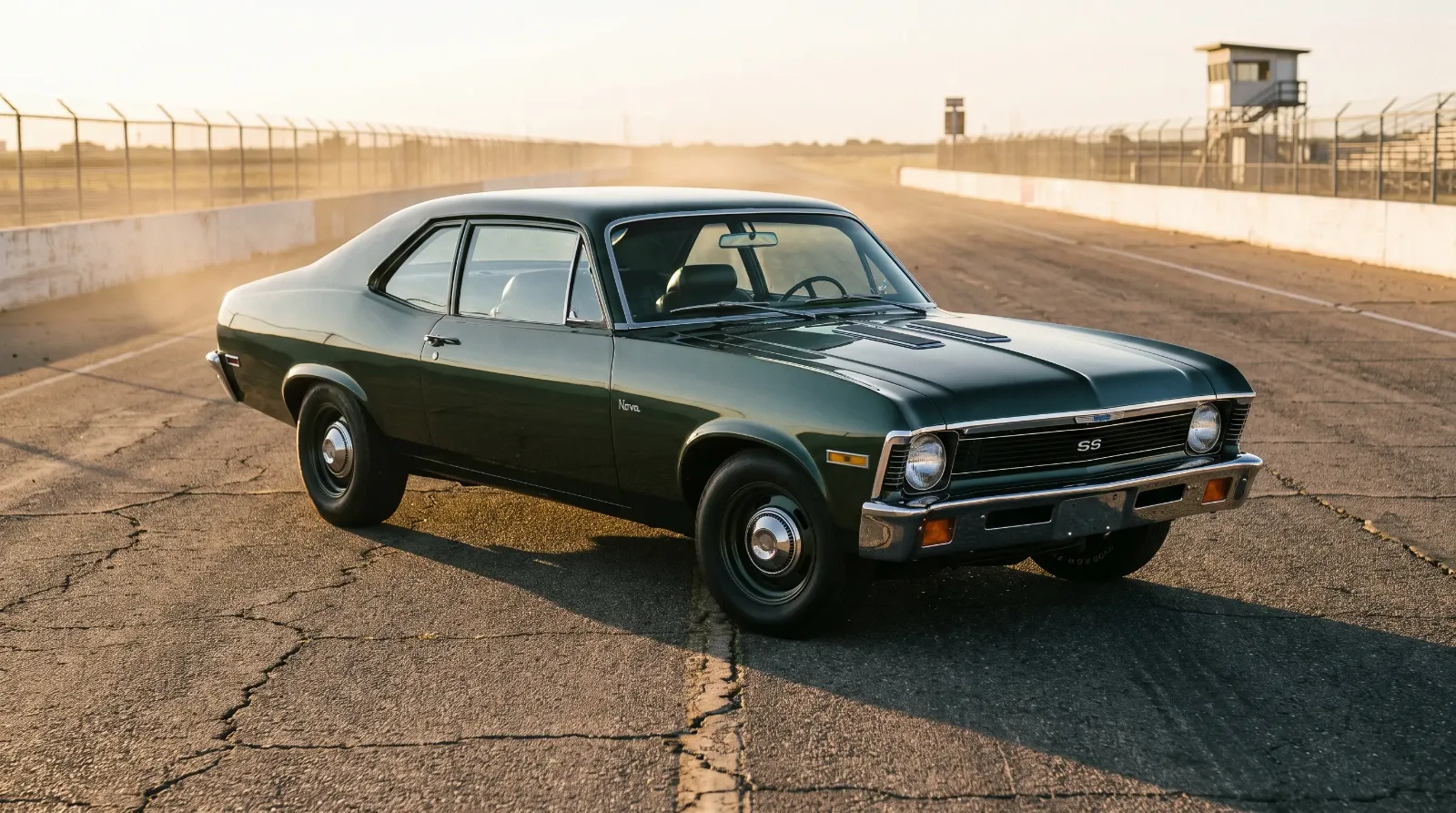
Why Chevrolet didn't want a big-block Nova
The compact Nova was never supposed to be a big-block car. Chevrolet's own engineering position through most of the 1960s held that a 427 in a car this light and this short in wheelbase created handling and braking problems the factory did not want to warranty, and insurance actuaries were already circling small-block muscle compacts before anyone tried stuffing a 427 under the hood. Internal policy kept the big-block out of regular production Nova order sheets for exactly that reason. That is corporate risk management, not an engineering limitation. The engine bay physically accepted the 427. The paperwork did not.
The same concern shaped Chevrolet's approach across its entire compact and intermediate lineup in this period, not just the Nova. Corporate management watched what happened when insurers started pricing muscle cars as a distinct risk category, and a light X-body with a 427 under the hood was exactly the kind of car that category was built to price against. Regular-production order sheets reflected that caution directly. A buyer walking into a Chevrolet dealership in 1969 asking for a factory 427 Nova off the standard form simply could not check that box, no matter how much they wanted to.
How the loophole opened anyway
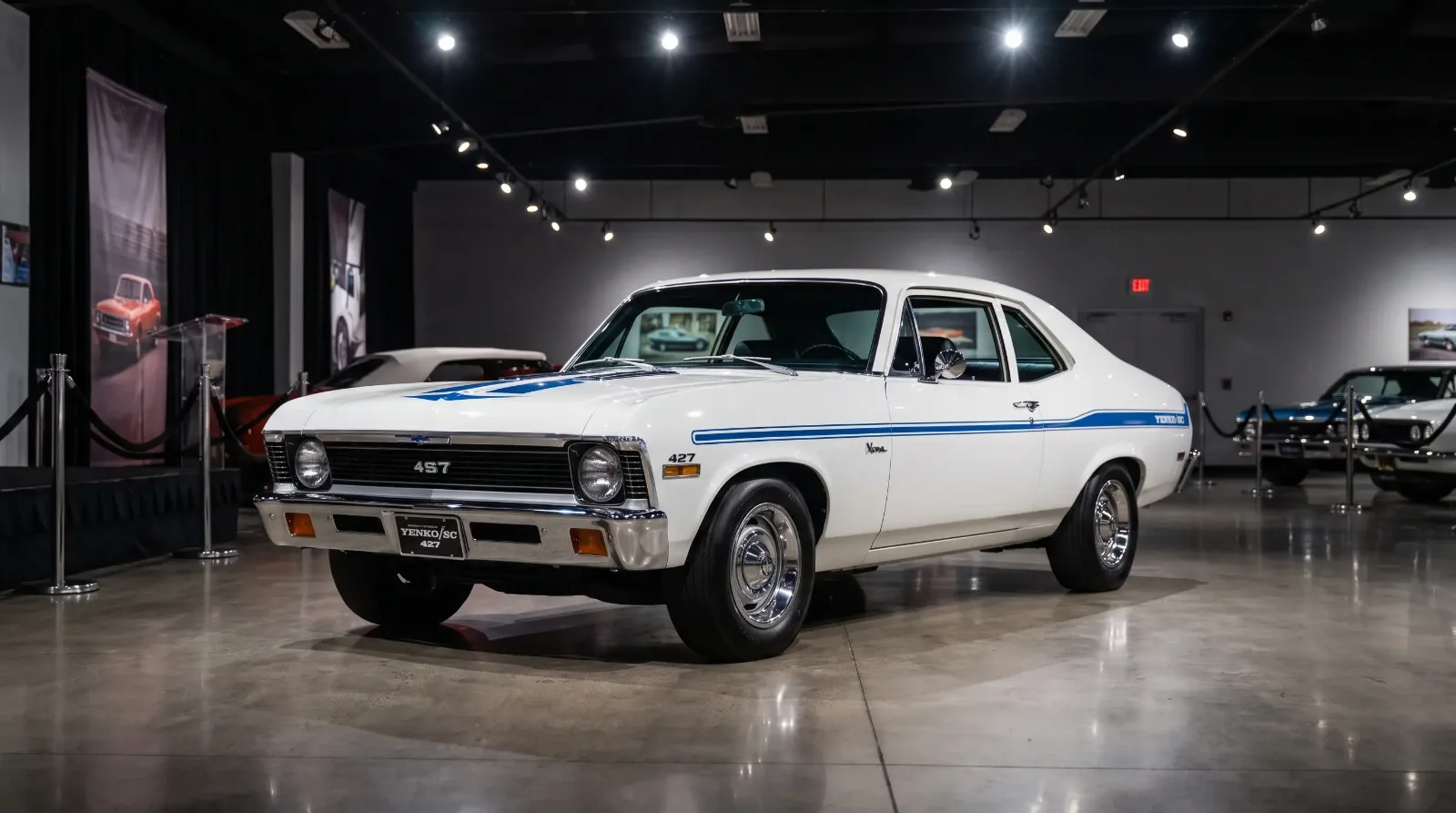
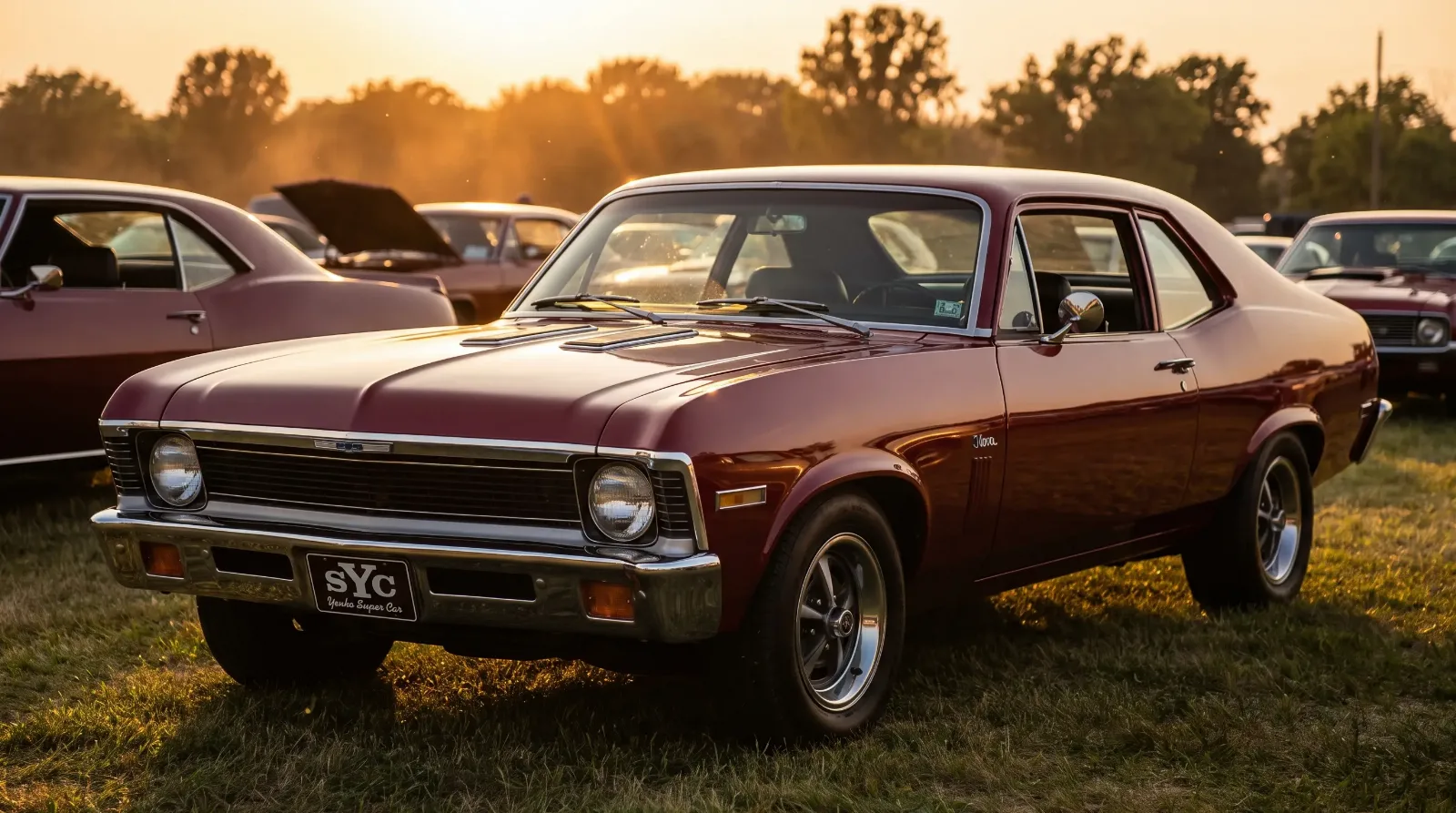
Central Office Production Order 9737 got around the restriction the way most COPO cars did: it was written as a special fleet order rather than a regular-production option, which kept it off the standard order form regular dealers used and out of the normal approval chain. Dealers who knew the code, chiefly Don Yenko, could order Novas built at Norwood, Ohio with the L72 427 installed on the line at the factory. That is the detail that separates these cars from the dealer-conversion Novas that came later, which grew out of the 427 super Novas once the factory program closed. A genuine COPO 9737 car left the assembly line with the big-block already in place, invoiced through the same order code as the engine.
What the numbers actually say
The L72 427 in these cars carried a factory gross rating of 425 hp at 5,600 rpm, backed almost exclusively by a close-ratio Muncie four-speed, with heavy-duty suspension and brake components bundled into the same order. At least one automatic-equipped example is documented, but the vast majority of surviving cars are four-speed. Production numbers are where the data gets thin. The Yenko Sportscar Club and the COPO Connection registry put the total at roughly 37 to 38 cars, a figure that is one of the most argued in the muscle car world, with slightly different counts depending on the source and no single factory document settling it definitively. That uncertainty is not a footnote. It is the entire reason documentation drives value on these cars more than it does on almost anything else from the era.
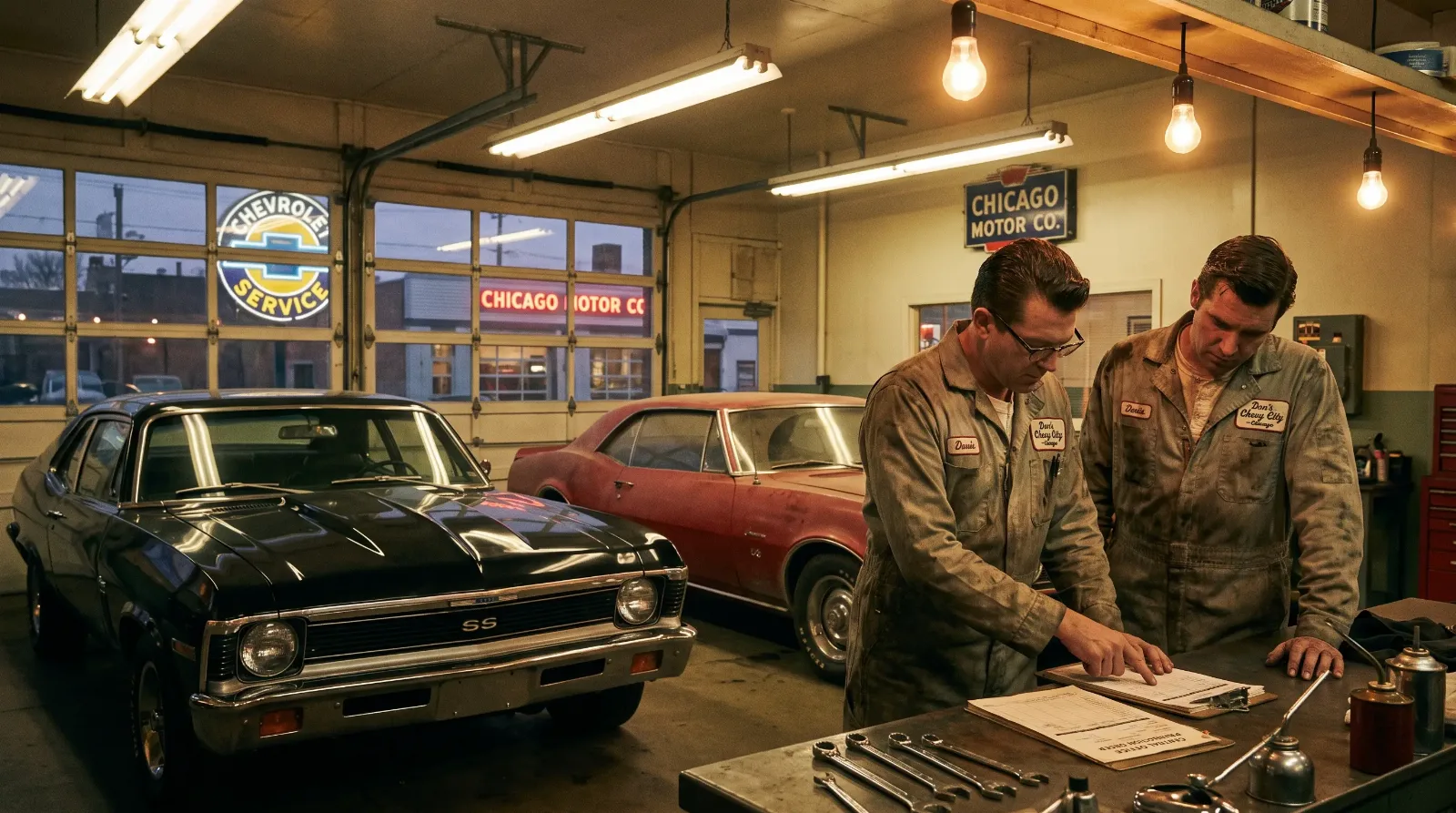
Compare that to the Camaro's COPO 9561 program, which is far better documented in period Chevrolet records and has a production count that most serious researchers now treat as settled. The Nova's COPO 9737 order never generated the same volume of paper trail, partly because fewer were built and partly because the Nova simply did not carry the same marketing attention the Camaro did in period. Fewer magazine road tests, fewer factory photos, fewer dealer promotional materials. That gap in period coverage is exactly why modern buyers lean so heavily on whatever original invoice or cowl tag documentation happens to have survived with an individual car.
| Spec | 1969 COPO 9737 Nova |
|---|---|
| Engine | L72 427 cu in V8 |
| Factory rating | 425 hp at 5,600 rpm (gross) |
| Transmission | Muncie M21 4-speed (close ratio); at least one automatic-equipped car documented |
| Order path | Central Office Production Order, not standard RPO sheet |
| Documented production | Roughly 37-38 cars, low volume, estimates vary slightly across sources |
What these cars trade for now
Documented COPO 9737 Novas sit near the top of the Nova market by a wide margin, and the spread between a car with a build sheet and one without is the single biggest value driver I track in this segment. Undocumented big-block Nova conversions, however well built, price against the standard Nova SS market rather than against the COPO tier, and buyers who confuse the two categories end up overpaying for a car that will never appraise where they think it should.
That confusion runs in both directions. I have seen genuinely documented COPO cars underpriced because a seller did not know what paperwork they were sitting on, and I have seen well-built conversions overpriced because a buyer assumed any Nova with a 427 under the hood carried COPO-level rarity. Neither mistake is really about the car. Both come down to whether anyone in the transaction actually understood what the documentation trail was supposed to look like before money changed hands.
"The 1970 Chevelle SS454 market has done something interesting over the past eighteen months. LS6 cars with documented build sheets have held firm. The LS5 cars, though, are softer than I expected, and that same documentation gap is exactly what separates a real COPO Nova from a very good story."
David Mercer
Verdict
The nova 427 is a genuine anomaly in Chevrolet's own product planning, a car the corporation actively did not want to build and built anyway through a side door in the ordering system. That origin story is what makes documented examples so valuable and undocumented ones so risky to buy at a premium. If you are shopping this segment, budget the time to verify before you budget the money to buy. For the dealer-built cars that carried the torch after the factory program ended, the next story in this set covers the shops that kept building big-block Novas once Norwood stopped.
Sources and notes
- Here Is The Rarest Chevy Nova Ever Produced, HotCars
- 1969 Yenko Nova S/C, Supercars.net
- 1969 Yenko 427 Novas, The Supercar Registry
- Rare Rides: The 1969 Yenko Nova S/C 427, Street Muscle Mag
- Chevrolet L72, Wikipedia
- 1969 Chevrolet Yenko Nova With Matching L72 Engine Sells for Record Price, ClassicMoto
Related Reading
Have a
Chevrolet Nova
for Sale?
Reach thousands of serious classic car collectors across the US.
Sell It Here →
Are You a Classic Car Dealer?
List your full inventory and connect with targeted classic car buyers.
Join as a Dealer →

About the author
David Mercer
Classic car market analyst with two decades of experience tracking collector car valuations, auction results, and investment trends.
Related Listings - Chevrolet Nova
Comments
Be the first to comment on this article.