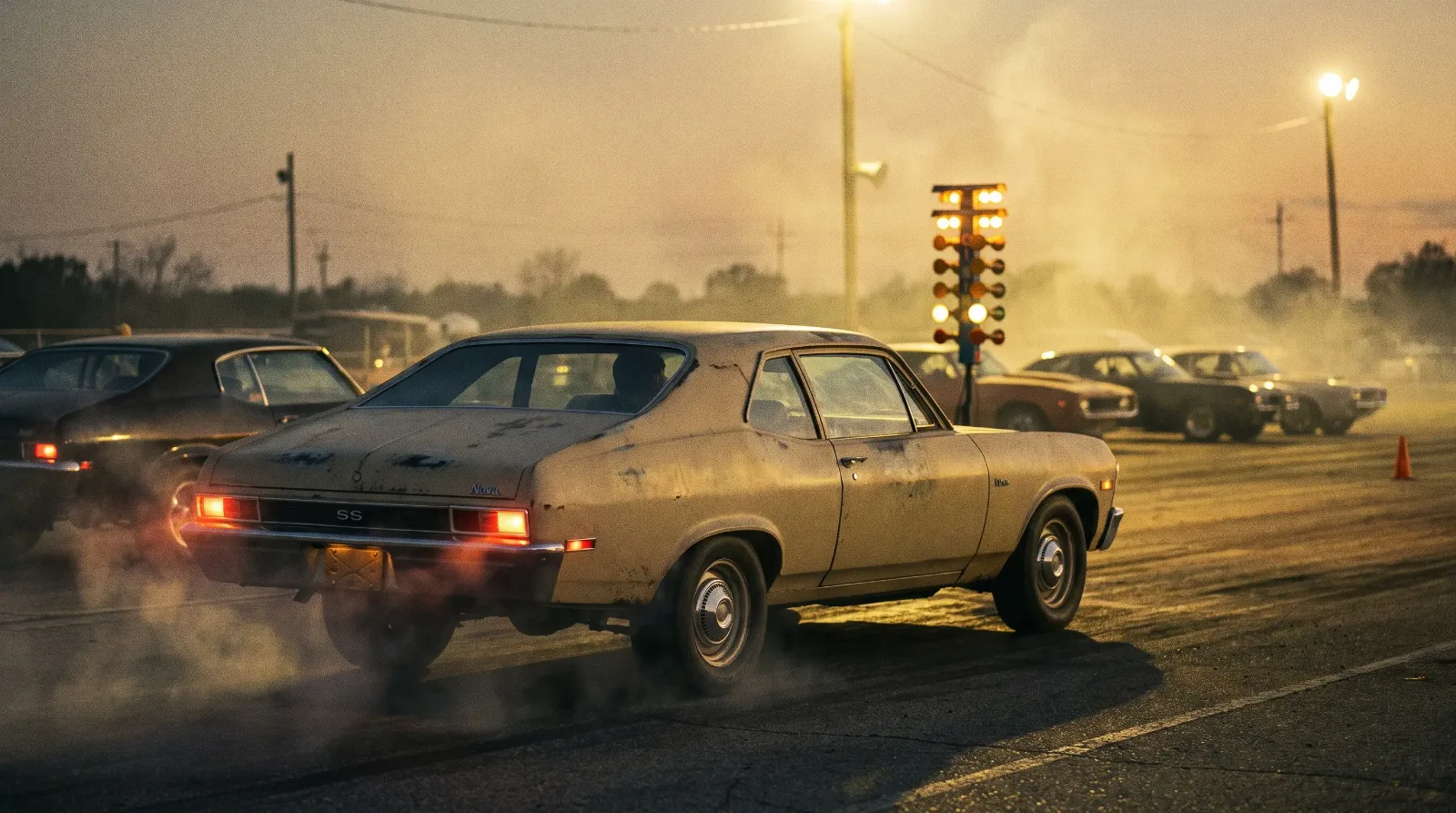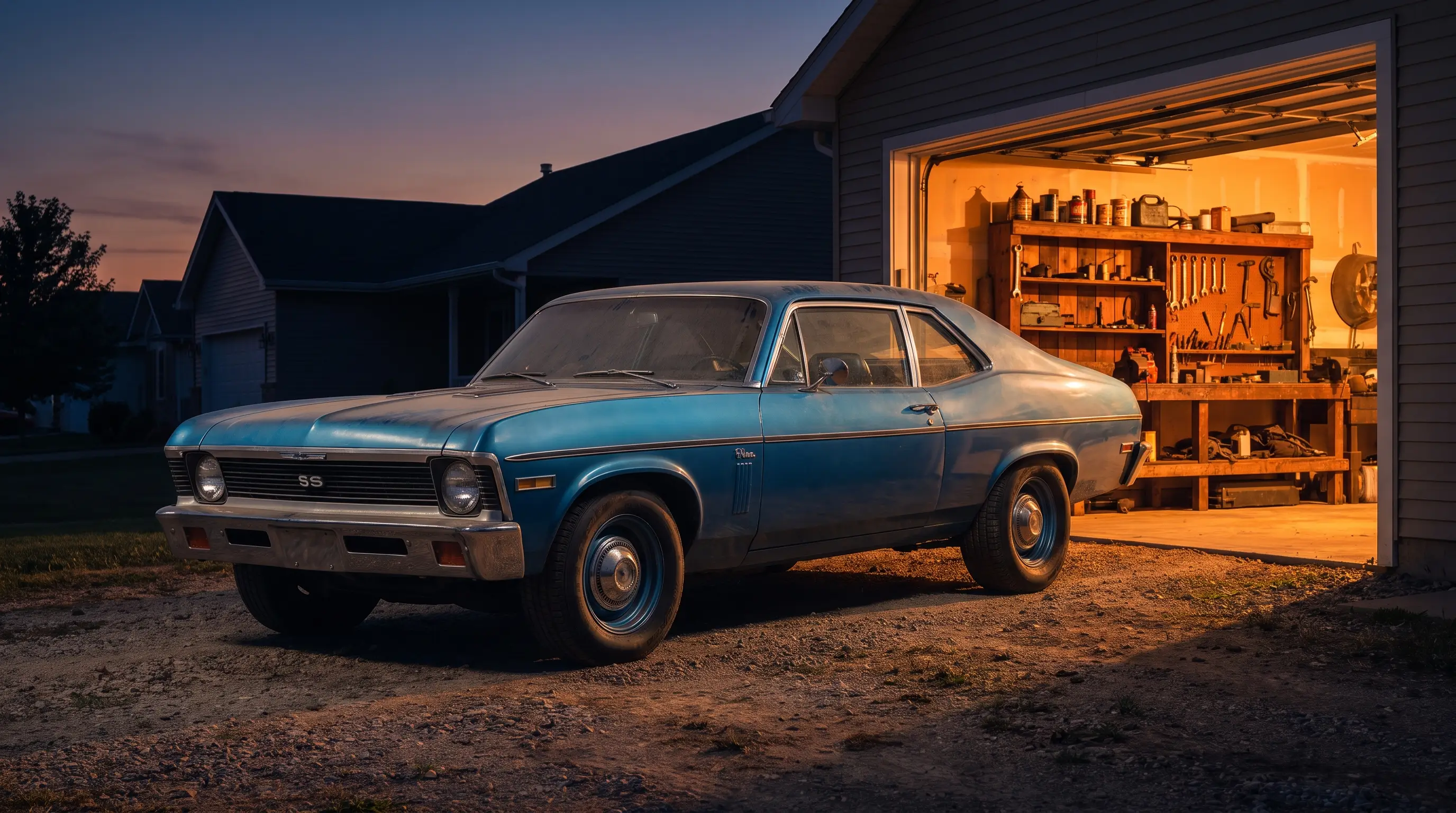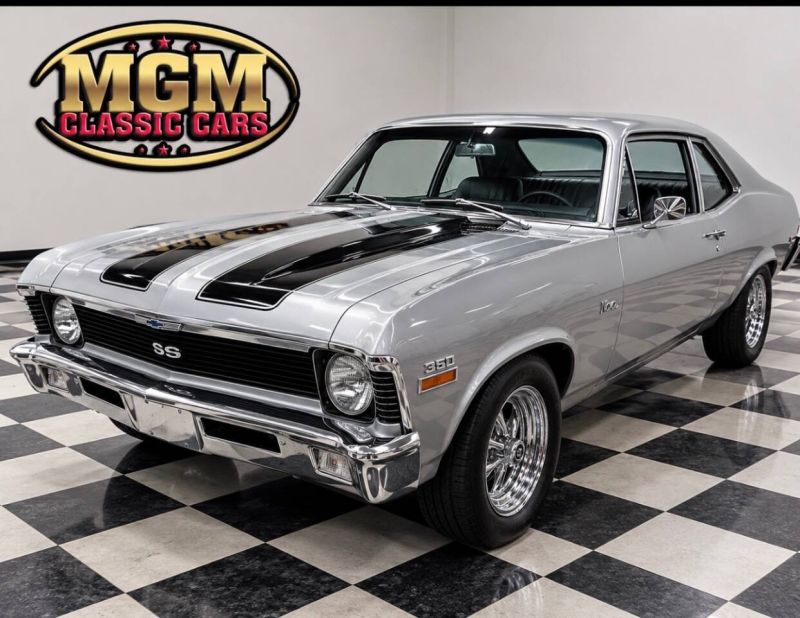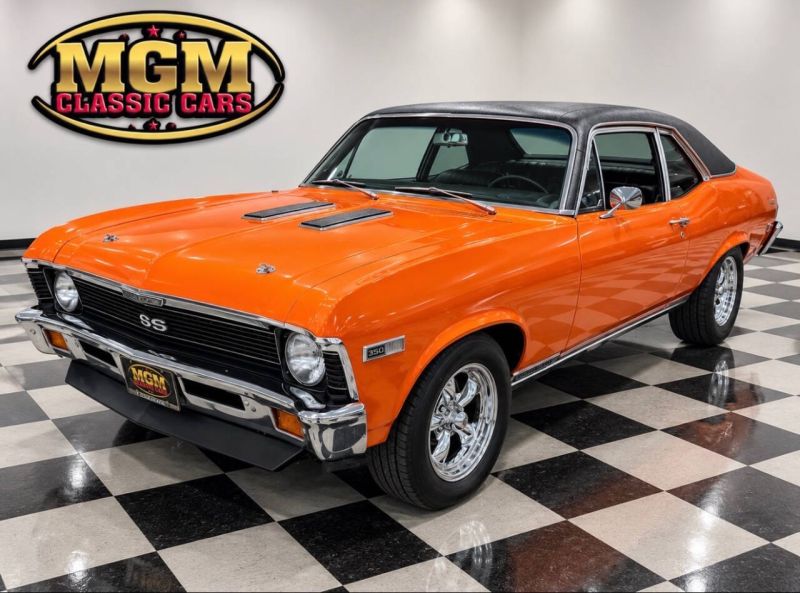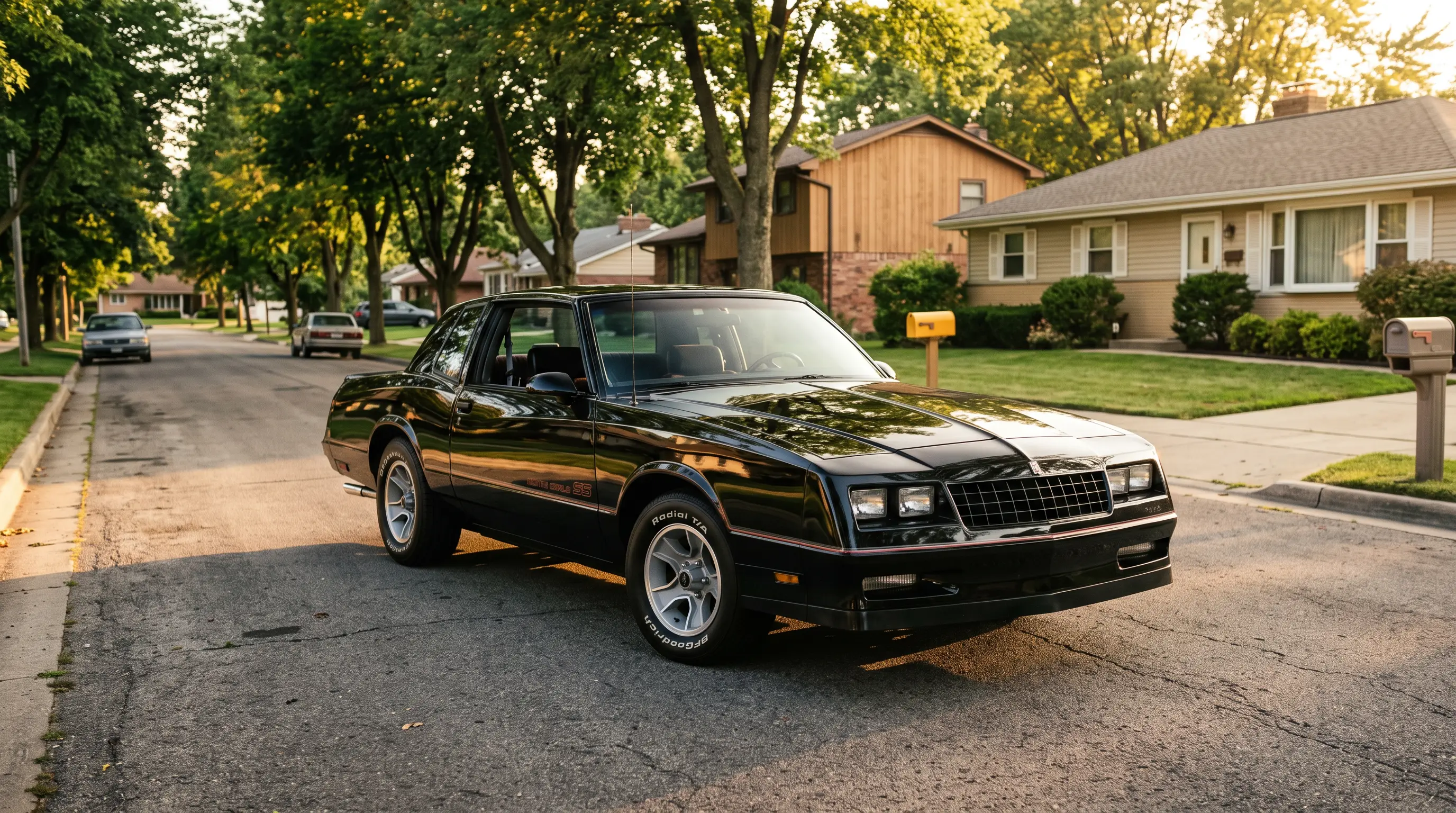
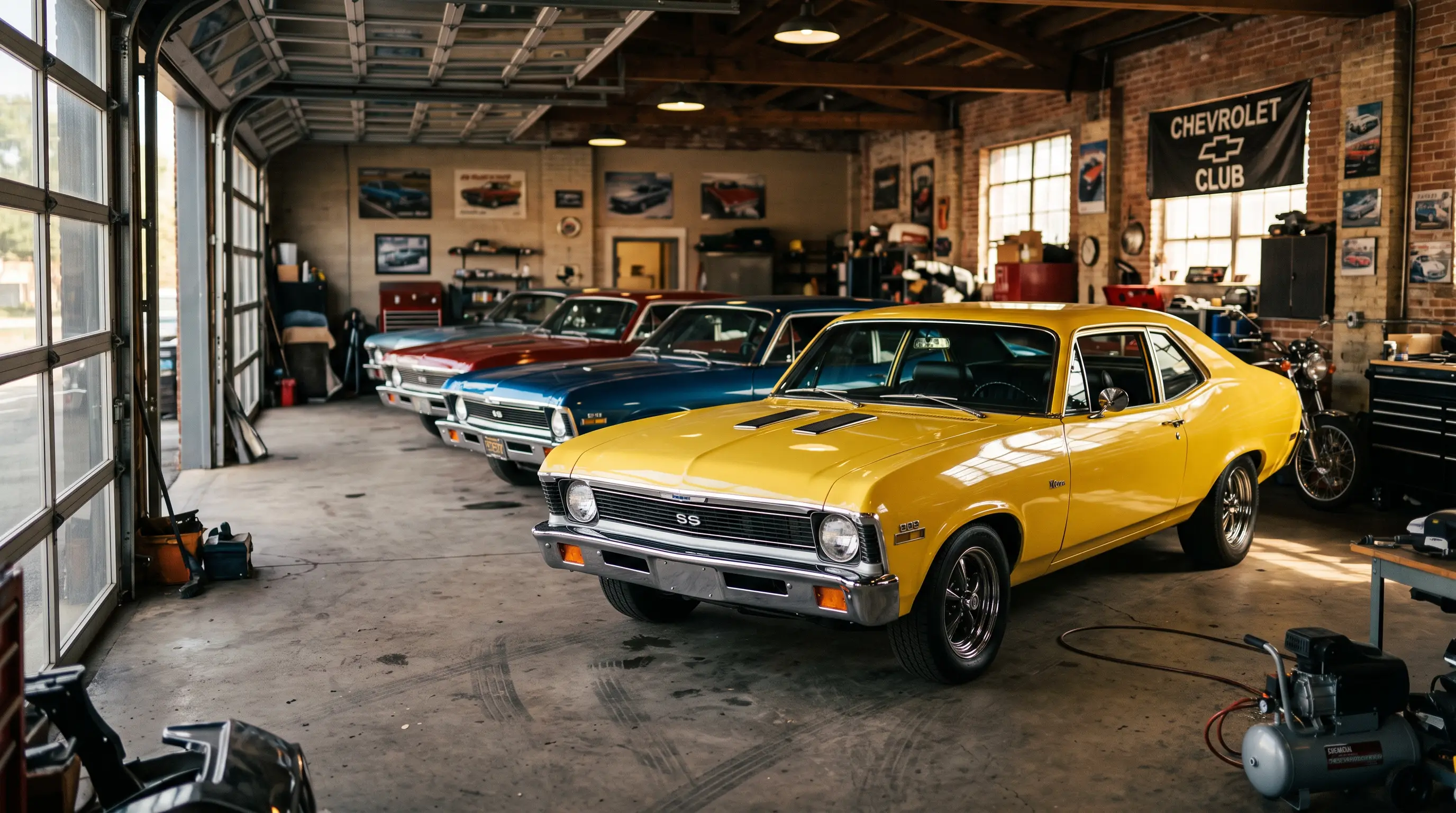
Ruth still remembers the first meeting she brought her late husband's 1966 Nova to, three months after the funeral, when she wasn't sure she wanted to keep the car at all. Someone in the parking lot recognized the two-tone paint before she'd even opened the door, walked over, and asked about the man who'd owned it, not the car. That's the kind of welcome a chevy nova club tends to offer, and it's why so many owners describe these gatherings as something closer to family than hobby.
The Nova has never had the glamour of the Camaro or the muscle-car mythology of the Chevelle, and maybe that's exactly why its owners built something quieter and more durable around it. There's less posturing in a Nova club meeting. There's more people who actually know how to fix the car sitting next to them.
How these clubs actually formed
Regional Nova clubs started popping up in the 1970s and 1980s, mostly organized by owners who found themselves outnumbered at bigger Chevrolet shows dominated by Camaros and Corvettes. Rather than compete for attention at events built around flashier metal, they carved out their own space. Some of these early clubs were built around a single dealership's old customer base. Others grew out of drag strip crowds who'd raced Novas against each other for years before anyone thought to formalize the relationship into a club with dues and a newsletter.
What held those early groups together wasn't prestige. It was practical knowledge. A Nova owner in 1978 trying to source a correct trim piece or troubleshoot a wiring gremlin needed someone who'd already solved that exact problem, and clubs became the place where that knowledge got passed hand to hand, years before anyone could search for an answer online.
What a modern club actually offers
Today's chevy nova club looks different in some ways and identical in the ones that matter. Most active clubs run a mix of in-person cruise nights, judged shows, and increasingly detailed online forums where members post build questions, VIN decoding requests, and photos of barn finds they're trying to talk themselves into buying. The technical knowledge base built up over decades means a new owner asking a basic question today gets an answer informed by someone who's already made every mistake available to make.
There's also a social architecture to these clubs that goes beyond the cars themselves. Regional chapters organize road trips, charity cruises, and joint shows with other Chevrolet clubs. Some of the larger national organizations maintain registries tracking known original Novas by VIN, which has become genuinely valuable for buyers trying to verify a car's history before they commit real money to it.
Dues at most regional clubs stay modest, often less than the cost of a single tank of gas for a big-block Nova, and that low barrier to entry is deliberate. Club organizers I've talked with are usually more interested in keeping the community accessible than in running a profitable operation. Newsletters, whether printed or digital, still circulate technical bulletins, parts sourcing tips, and event calendars the way they did decades ago, just with better photos now.
The people who keep it running
Every club I've spent time around has one or two people who function as the institutional memory of the whole organization. They're not always the club president. Often they're the retired guy who's owned four Novas since 1975 and can tell you, from memory, which model years had the weak spot in the floor pan and which parts supplier reliably ships the wrong bushing. That knowledge doesn't transfer through a website. It transfers through conversation, at a folding table, over coffee that's gone cold twice already.
This is where the community aspect connects to the culture chapter of the Nova's broader story, since the clubs themselves are as much a part of that culture as any specific engine option or body style. The people who show up month after month, decade after decade, are the reason the Nova's reputation as a friendly, approachable classic has held up as well as it has.
New members often mention the same thing when they describe their first meeting. Nobody asked what the car was worth. Somebody asked what needed fixing, and three people had an opinion within the first ten minutes. That kind of immediate, unglamorous helpfulness is rare in a hobby that can otherwise feel gatekept, and it's a large part of why Nova ownership tends to turn into Nova club membership within the first year or two.
"She didn't bring the Nova to the meeting looking for a buyer. She brought it looking for someone who'd remember him. That's what these clubs are actually for."
— Nora Beckett
Finding your own club and your own Nova
If you're new to the Nova world, finding a local or regional club is usually as simple as searching for your state name alongside the model, though the strongest connections still tend to form at an actual show rather than through a forum post. Most clubs welcome newcomers who show up without a finished car, since half the value of membership is figuring out what to buy and what to avoid before you commit.
For readers weighing whether the Nova is worth that kind of commitment in the first place, another angle on the model's history rounds out some of the lesser-known details that make these cars worth the community investment. And for the full arc of how the Nova earned its reputation as one of Chevrolet's most quietly beloved models, the Classic Cars Arena Nova guide covers the ground a single club meeting never could.
If Ruth's story left you wanting one of your own, there's a running list of classic Chevy Novas for sale covering everything from rough project cars to well-sorted survivors, the kind of starting point that eventually leads a lot of owners straight to their nearest club meeting anyway.
Why the community outlasts the market
Markets rise and fall. Auction prices climb for a few years and soften the next. What doesn't change, at least not in the clubs I've spent time in, is the willingness of a stranger to walk across a parking lot and ask about the person behind the car instead of the car itself. Ruth kept the Nova. She's been to every meeting since.