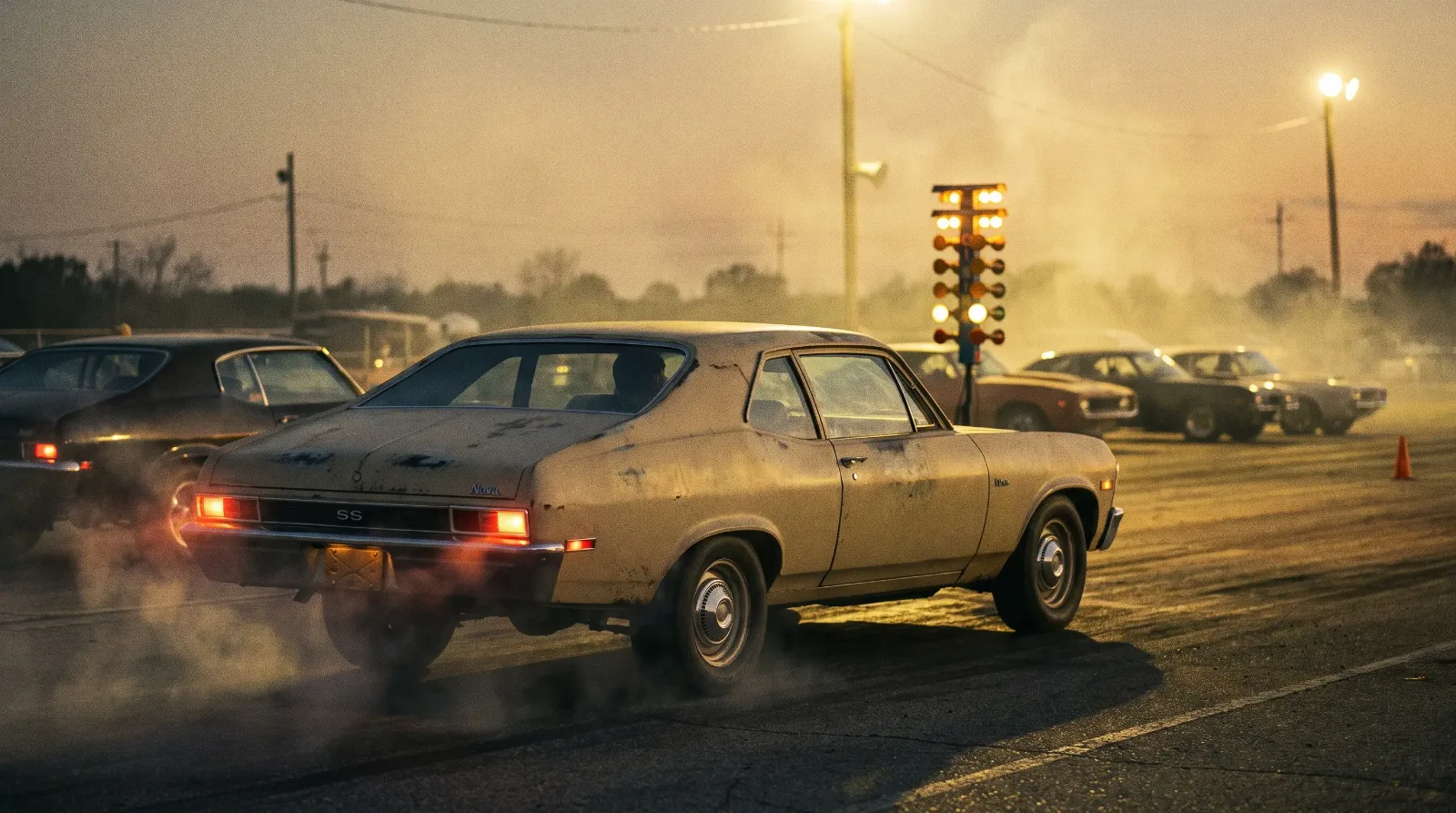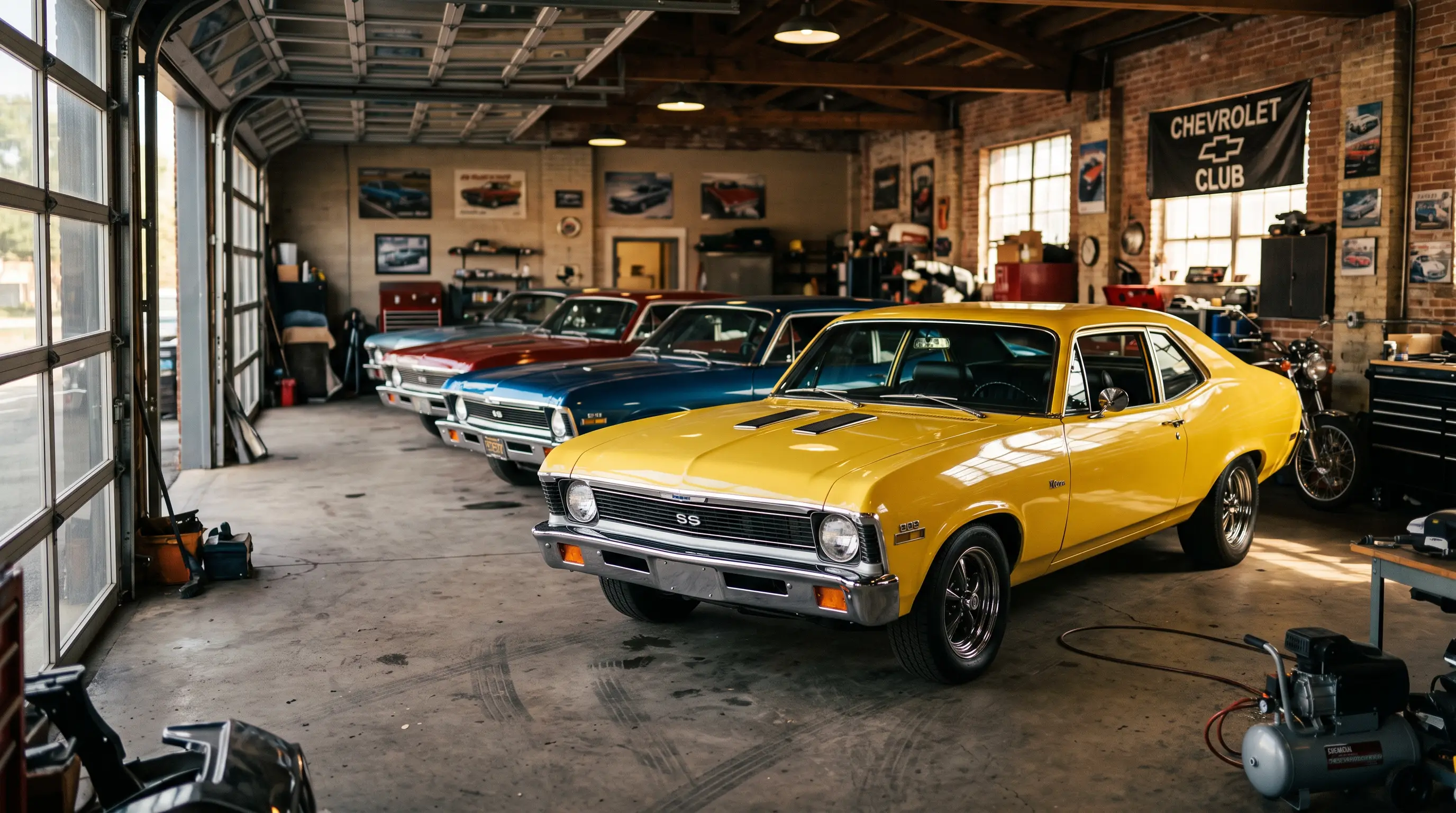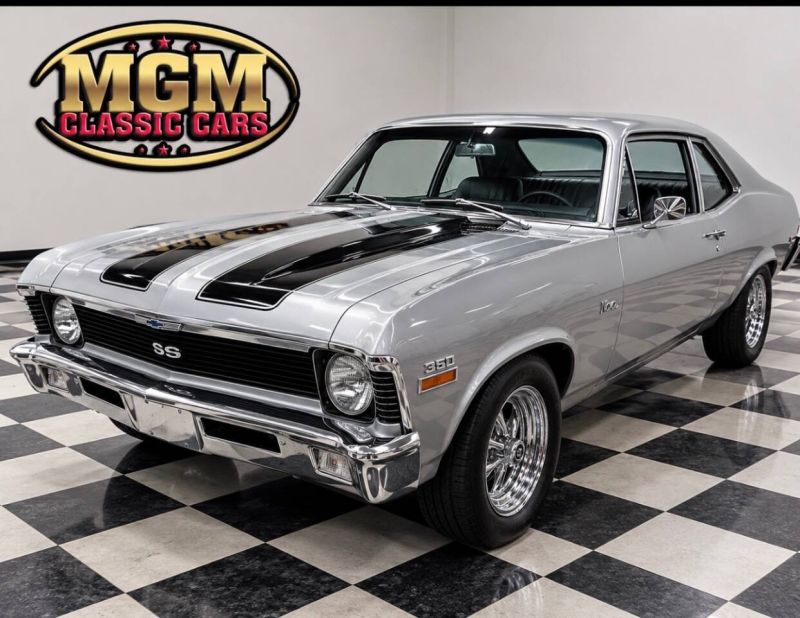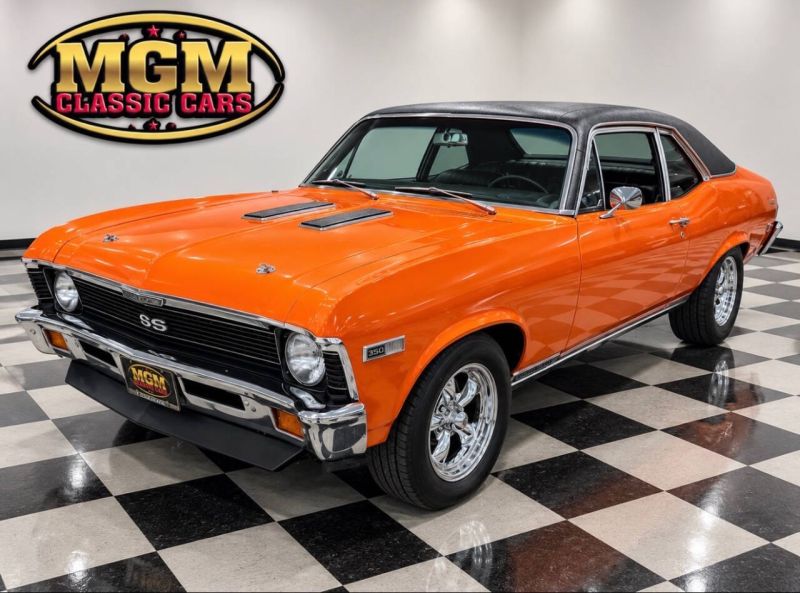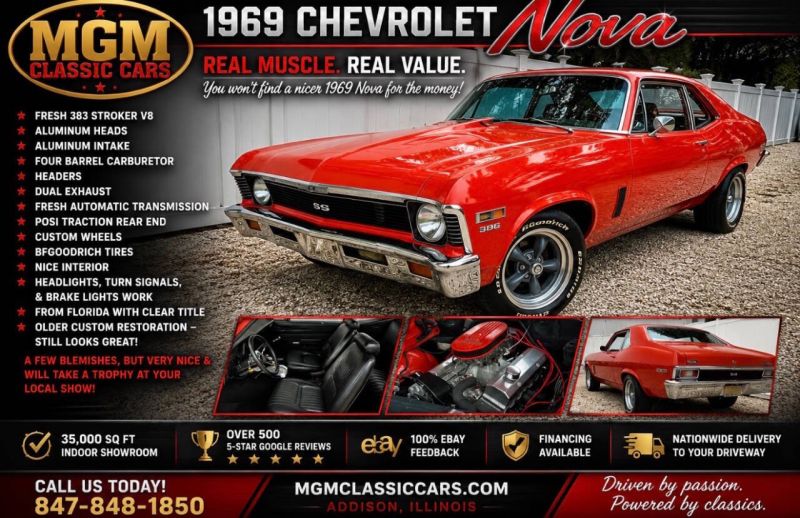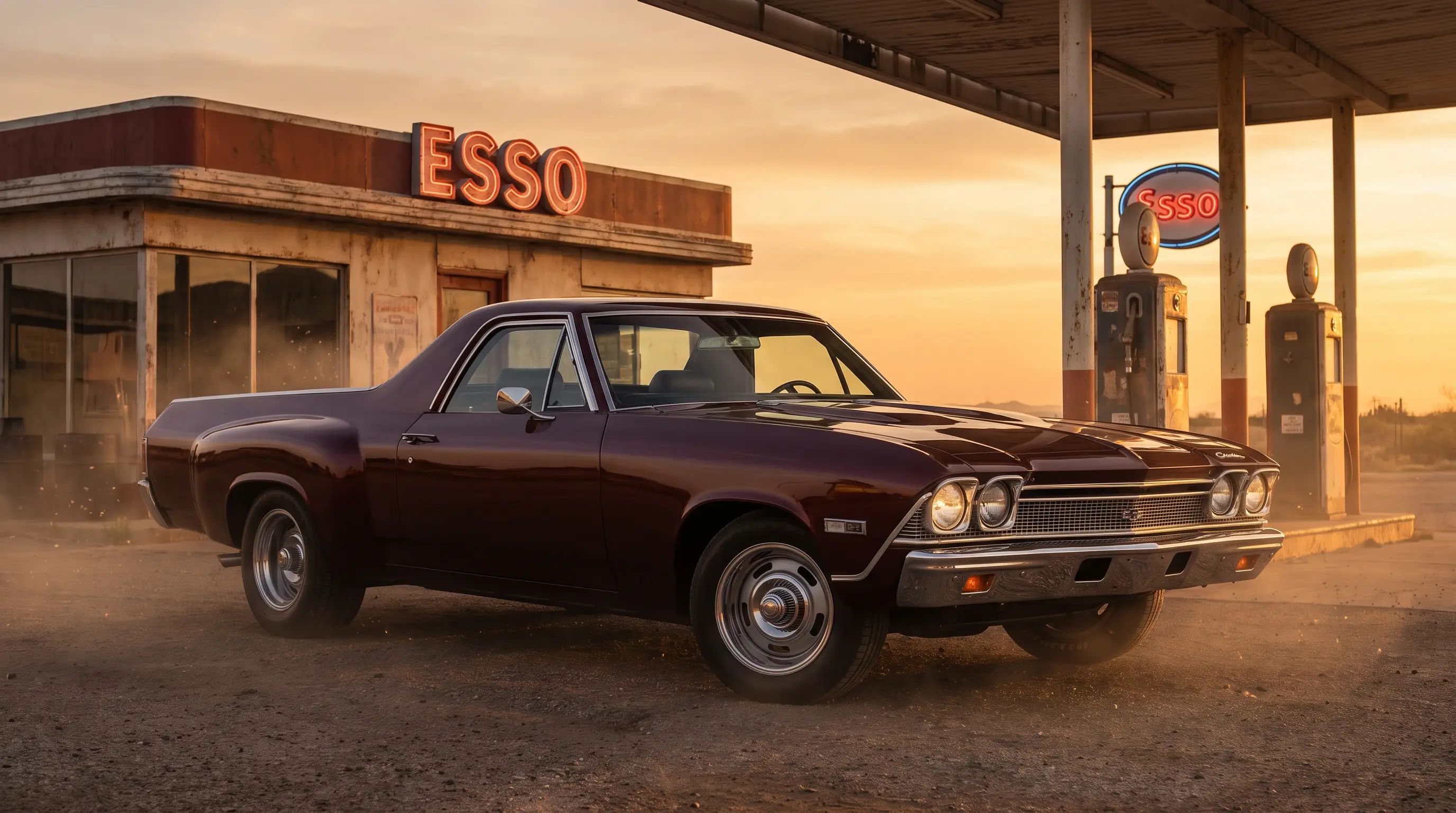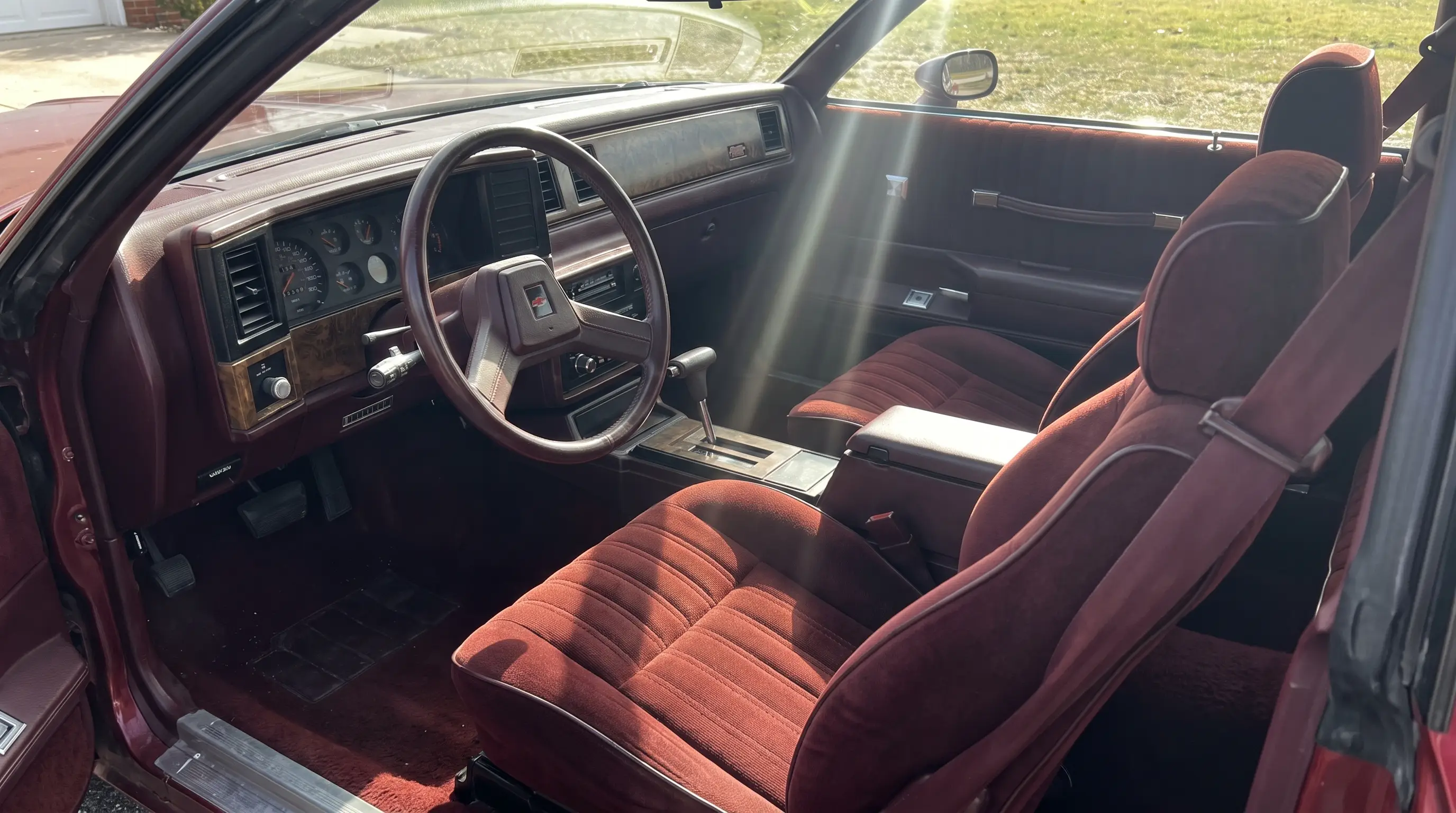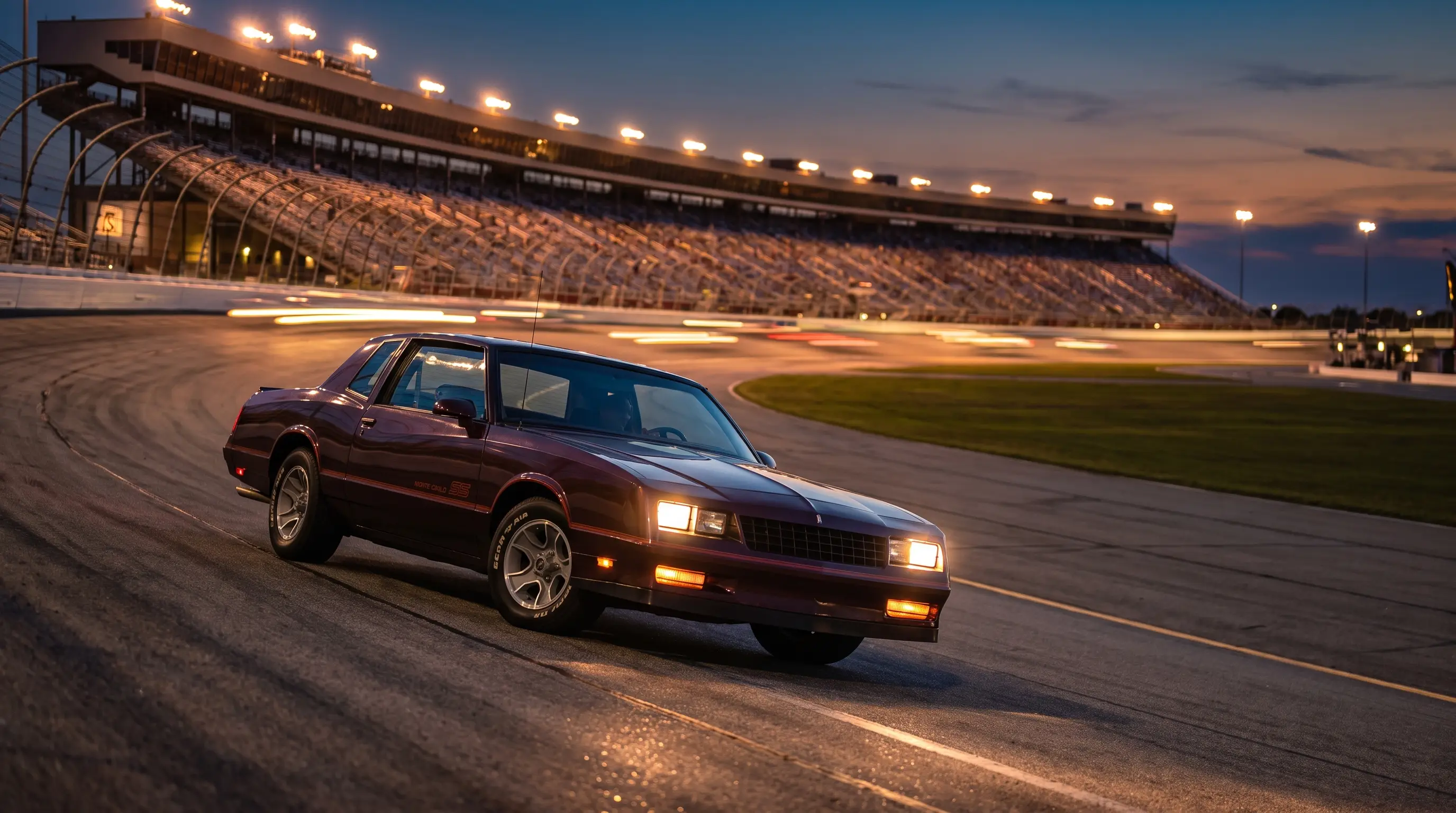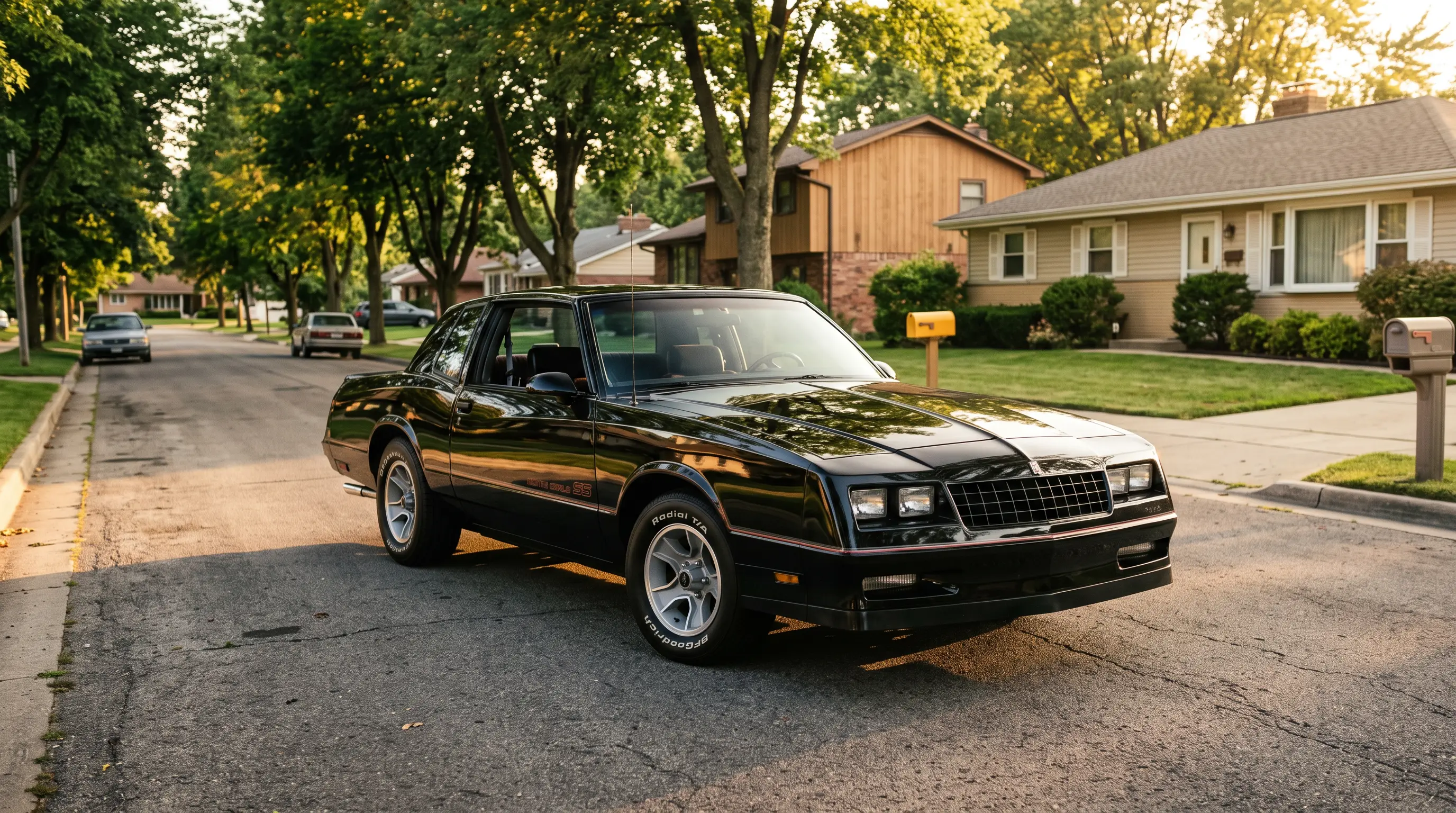

A friend of mine spent three years cross-shopping a 1970 Chevelle SS and a 1970 Nova SS before he finally pulled the trigger, and the conversation he kept having with himself is one I've heard from a dozen other buyers since. Both cars came out of the same Chevrolet playbook that year, both could be had with serious big-block power, and both wear the bowtie with equal pride. But the nova value comparison against its bigger sibling isn't close in one important way, and it's worth laying out plainly before you write a check for either one.
The sticker shock gap
Walk into any major auction today and a documented 1970 Chevelle SS454 with the LS6 option will draw bids that push well past six figures for a top-condition example. A comparable 1970 Nova SS 396, even one with correct numbers and solid documentation, typically settles in a fraction of that range. That gap has been consistent for years and shows no sign of closing, which tells you something important about where the market's attention actually sits.
The Chevelle carries the brand recognition. It's the car that shows up in movies, in magazine retrospectives, in the collective memory of anyone who grew up around muscle cars in the late sixties and early seventies. The Nova, despite offering nearly identical mechanical thrills in a smaller, lighter package, never carried that same cultural weight. It was the practical car, the one people bought because it was cheaper to insure, and that reputation has stuck around long after the insurance rates stopped mattering.
| Factor | 1970 Chevelle SS396 | 1970 Nova SS 396 |
|---|---|---|
| Curb weight (approx.) | ~3,800 lbs | ~3,300 lbs |
| Wheelbase | 112 in | 111 in |
| Typical driver-quality asking price | Roughly $40,000-55,000 (Hagerty's condition #3 guide value sits around $46,000) | Roughly $25,000-40,000 |
| Concours-level asking price | Commonly $80,000-100,000 for a documented, numbers-matching car | Commonly $60,000-90,000, with the rare fully documented example reaching $275,000 at auction |
What you actually get for the difference
Here's where the comparison gets interesting instead of just discouraging for Nova fans. The Nova is a lighter car riding on a shorter wheelbase, which means the same big-block that feels strong in a Chevelle feels genuinely quick in a Nova. Drag racers figured this out decades ago, and the power-to-weight advantage hasn't gone anywhere. Dollar for dollar, a Nova SS 396 delivers a similar straight-line experience to a Chevelle SS396 for meaningfully less money, and in some configurations it's quicker in a straight line simply because there's less car to move.
What you give up is presence. The Chevelle is a bigger, more substantial-looking car, with more real estate for the SS styling cues to work their magic. Parked next to each other, most people's eyes go to the Chevelle first. If curb appeal and resale liquidity matter more to you than outright value, that's a real consideration, not a minor one.
Parts availability tilts toward the Chevelle too, mostly because of production volume and the sheer size of the aftermarket built around it over fifty years. Nova parts are available and the reproduction market has improved considerably, but a Chevelle owner will generally find sourcing trim and body panels a little easier.
Insurance and ownership costs follow the same pattern as the purchase price. A Nova SS carries a lower agreed value on most classic car policies simply because it's worth less on paper, which means lower premiums and lower risk if something goes wrong at a show or on the road. For an owner who wants to actually drive the car rather than trailer it to events, that difference in day-to-day cost adds up over years of ownership in a way the sticker price alone doesn't capture.
Where the smart money is actually looking
Anyone who's spent time around this hobby the way I have has watched values ebb and flow across different corners of the muscle car world, and the Nova occupies an interesting position right now. Buyers priced out of the Chevelle market by rising auction results have started looking sideways at the Nova as a way into the same era, the same big-block experience, at a price that still leaves room to enjoy the car instead of insuring it like a museum piece.
That shift shows up in conversation more than in headline auction numbers so far, which is exactly the kind of early-stage movement worth paying attention to. The cars that get discovered by buyers priced out of something more expensive tend to see gradual appreciation over years, not a single dramatic spike. If that pattern holds for the Nova the way it has for other formerly overlooked models, today's value gap won't stay this wide forever.
Documentation matters more than ever if that appreciation is going to materialize. A Nova SS with a verified build sheet, correct casting numbers, and a clean ownership history is going to be the car that leads any upward move in this segment, the same way it worked for Chevelle values a generation ago. Undocumented cars, even ones with the right badges and the right engine bay, will likely lag behind, since buyers paying real money for a Nova want the same paper trail they'd demand from a Chevelle at a similar price point.
"Everybody wants the Chevelle until they drive a Nova with the same motor in it. Then they start wondering why they paid double for the badge."
— Patrick Walsh
Making the actual decision
If you're trying to decide between the two, the honest answer depends on what you actually want out of ownership. Buyers chasing investment-grade appreciation and maximum resale liquidity are still better served by a documented Chevelle, because that's where the collector money concentrates and where the auction results keep climbing. Buyers who want the driving experience, the big-block rumble, and a genuinely engaging classic without stretching their budget to the breaking point are increasingly finding that a Nova gets them there for considerably less.
It's worth reading the Nova culture story before you decide, since a lot of what makes the Nova appealing has nothing to do with dollars and everything to do with the community that's built up around it. There's another angle worth considering too, in how that community has shaped what these cars are worth to the people who actually own them, separate from what an auction house says.
For the complete picture on how the Nova got from economy compact to genuine performance contender, the full Nova story traces that path year by year. And if the value case has you leaning toward a Nova of your own, there's a healthy selection of classic Chevy Novas for sale spanning project cars through documented originals, at prices that still make sense against what the Chevelle market is asking.
The bottom line
The nova value comparison against the Chevelle isn't really about which car is better. It's about which car rewards you for the money you actually have to spend. Right now, that math still favors the Nova, and buyers who've done their homework are starting to notice.