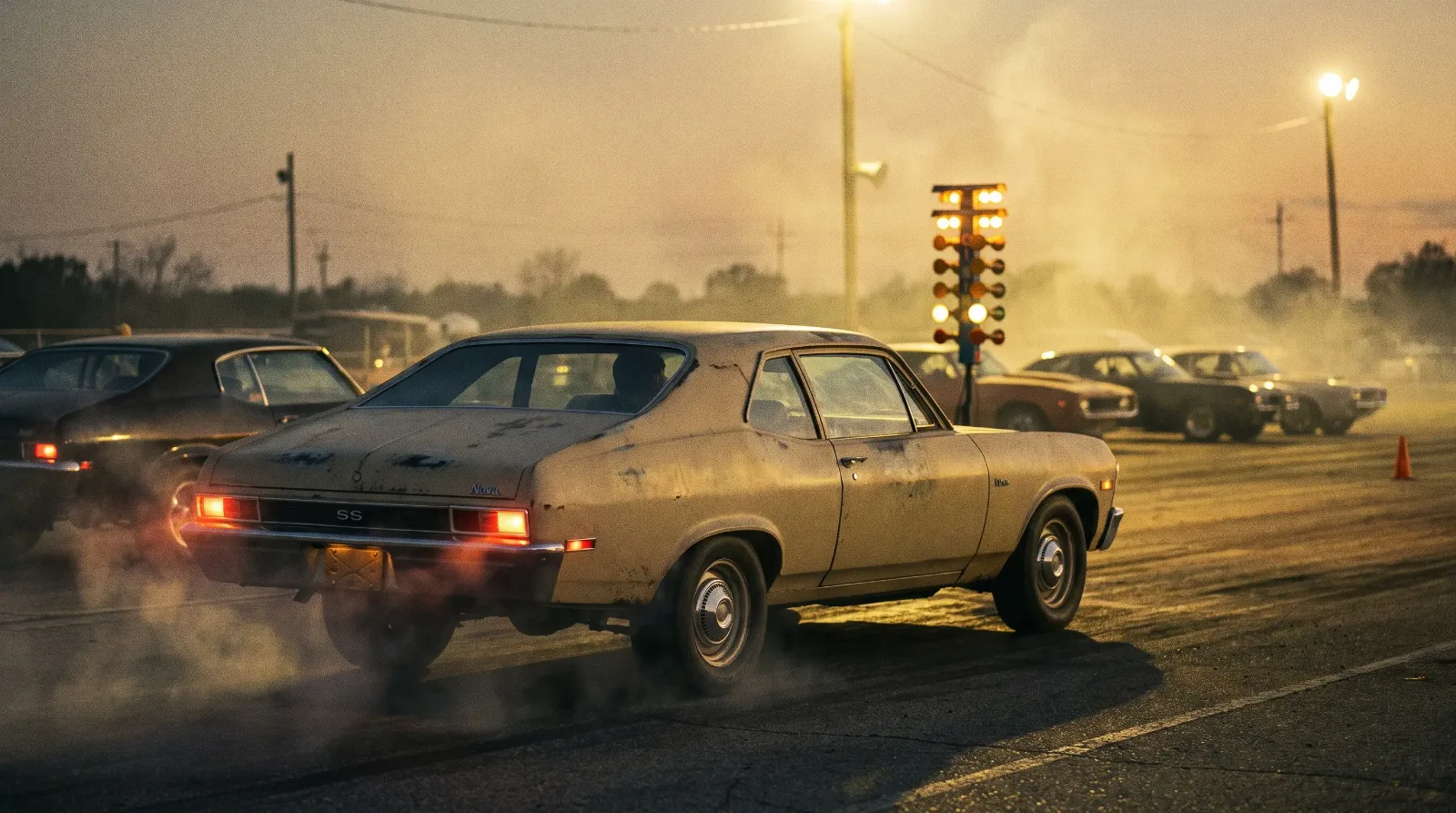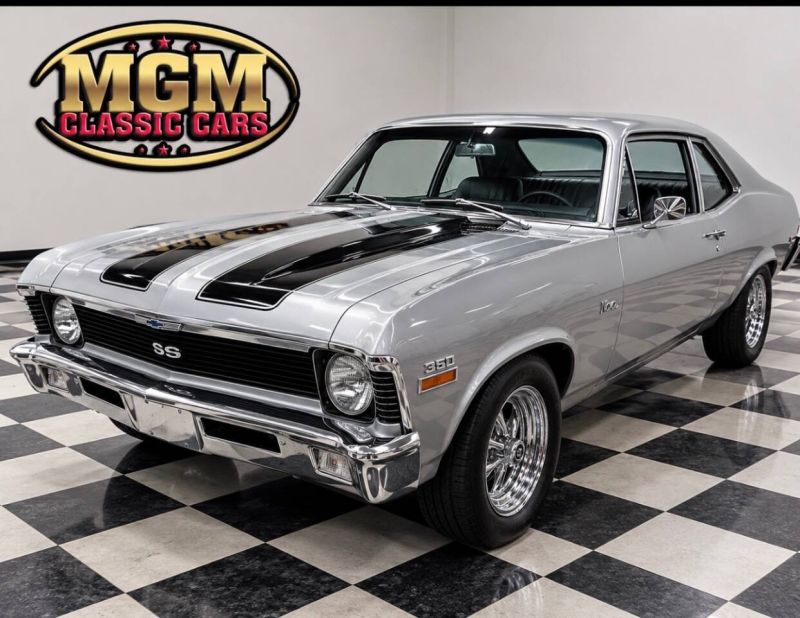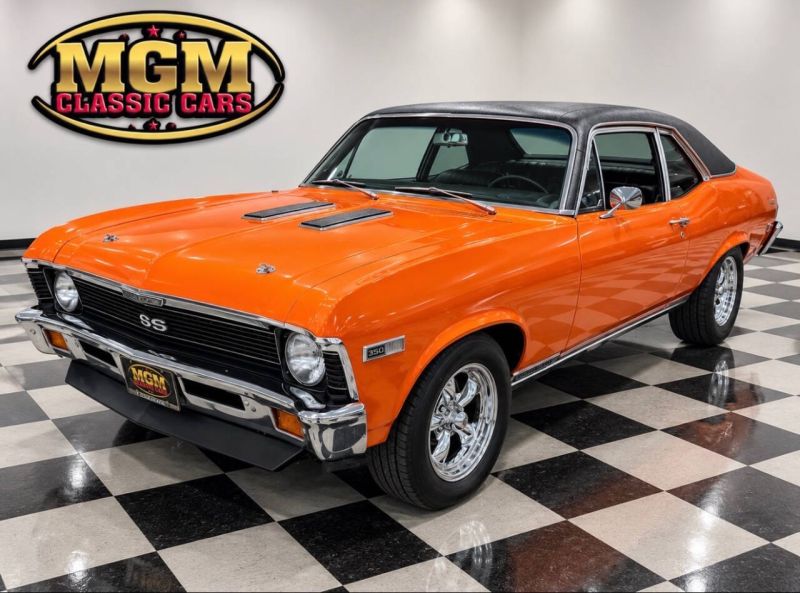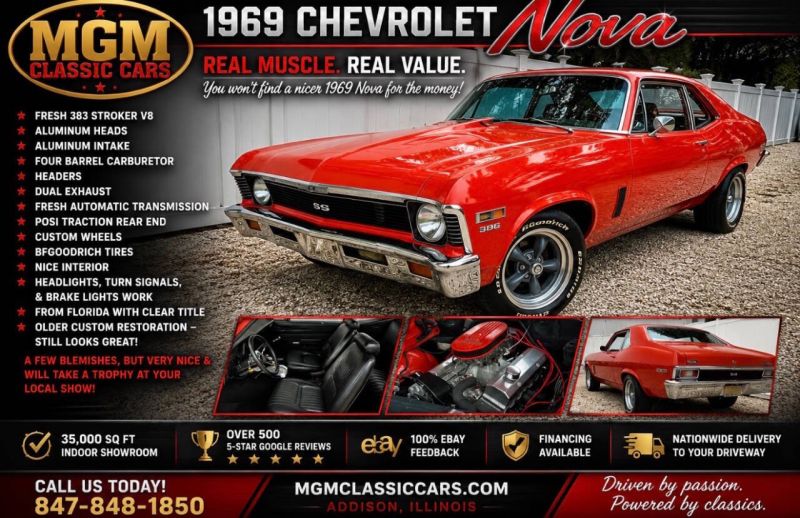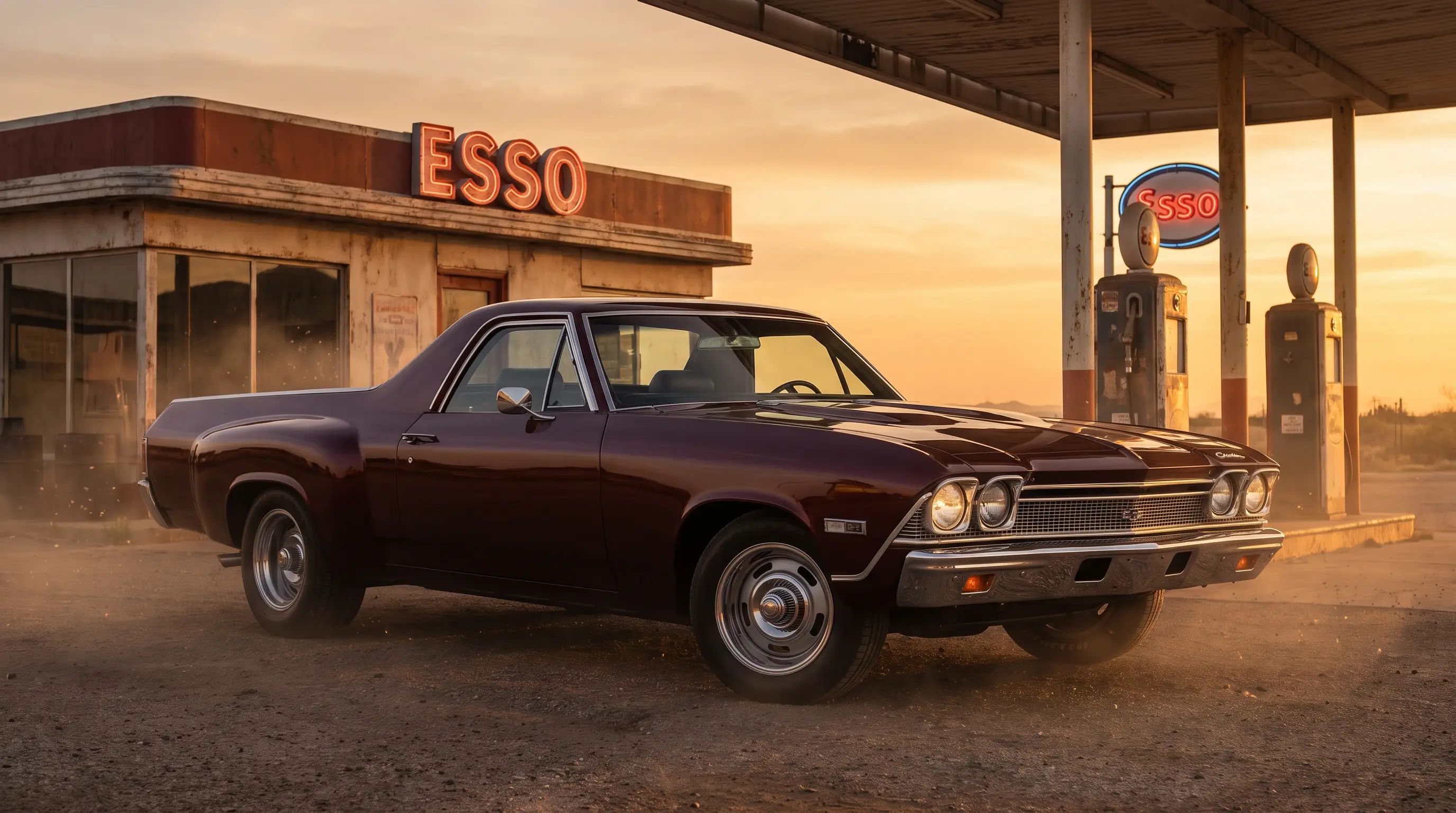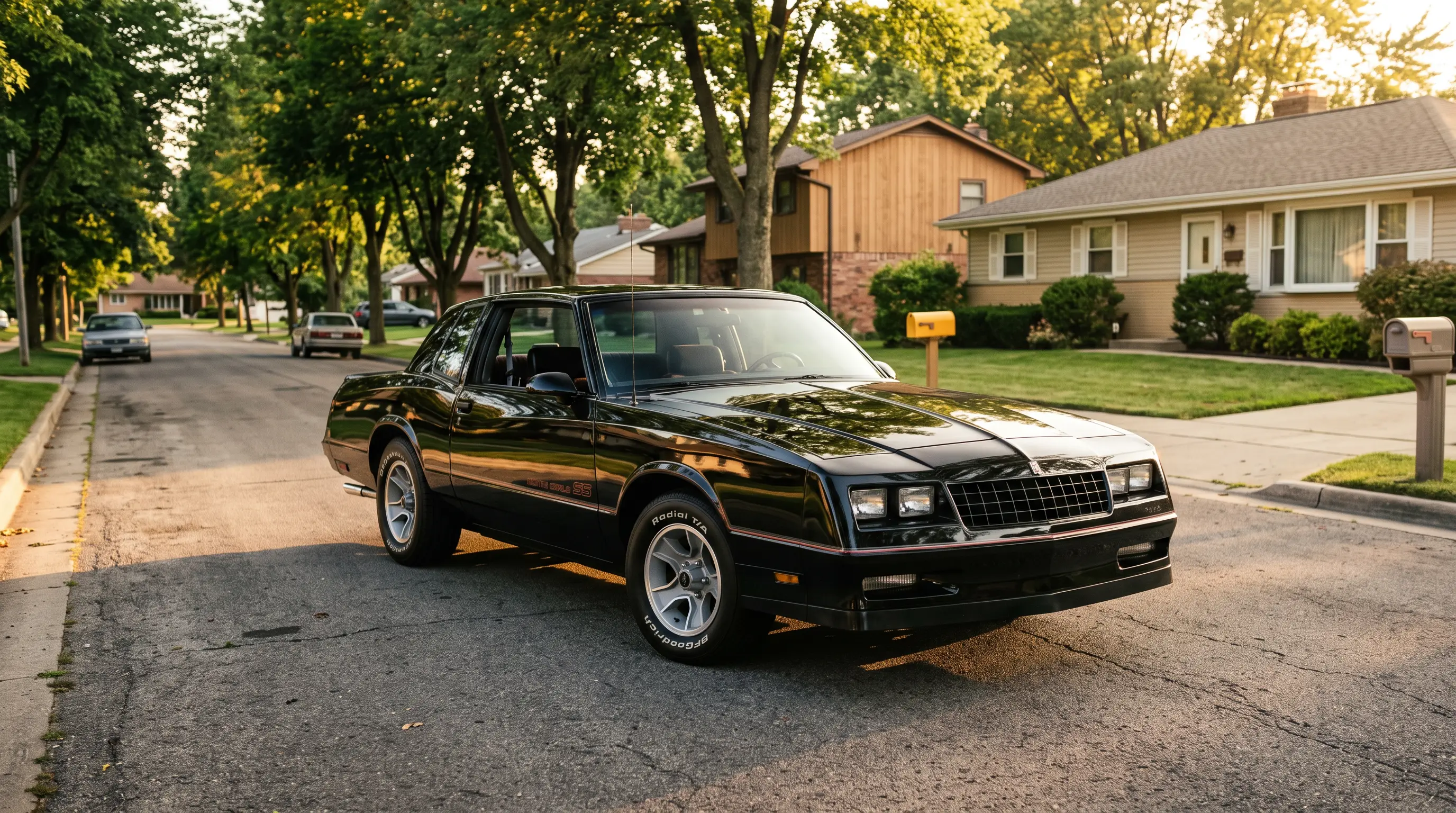
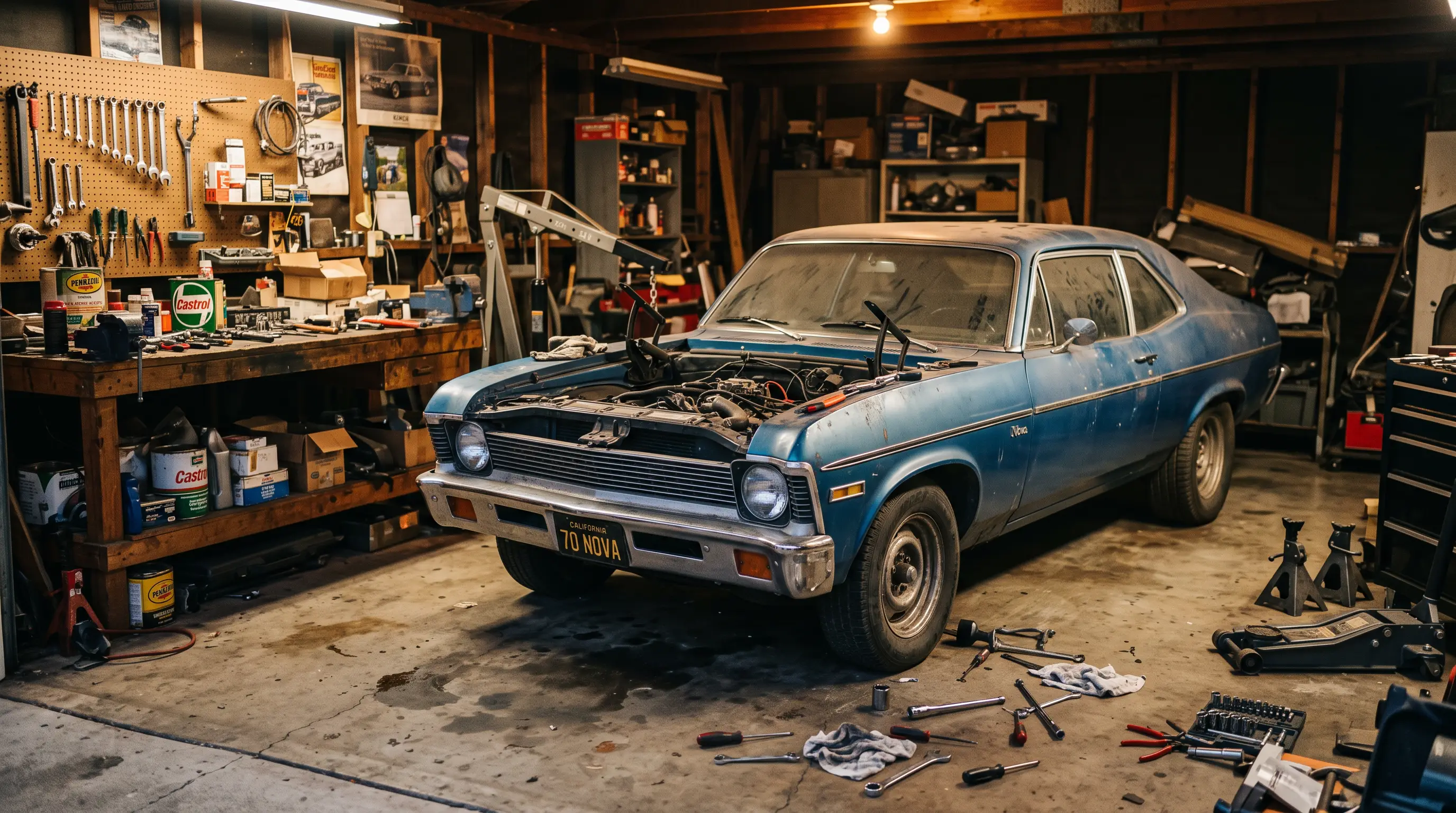
The kid who buys his first muscle car project almost never buys the one he actually wanted. He wanted the Chevelle his uncle had, or the Camaro from the poster on his bedroom wall. What he can actually afford, and what his dad will actually let him park in the driveway, tends to be something more forgiving. For three generations of first-time builders, that forgiving car has been the Chevy Nova, and there is a real reason the pattern has held up since the 1960s and shows no sign of breaking now.
Why this car keeps ending up as somebody's first build
The Nova was designed and priced from the start as Chevrolet's accessible compact, and that accessibility never fully went away even as the car's collector reputation improved. Parts availability is the biggest reason it still works as a first muscle car project today. Because Chevrolet shared so much drivetrain and suspension architecture across the Nova, the Chevelle, and the Camaro, a huge share of the mechanical parts a first-time builder needs, engines, transmissions, rear ends, brake components, are either directly interchangeable or a bolt-on swap away. That means a beginner is not stuck hunting for unicorn parts through his first winter of ownership. He is shopping the same well-stocked catalogs that supply three other platforms.
The body is simple by design too. Nova sheet metal is straightforward compared to more complex unibody designs from the same era, which matters enormously to someone doing rust repair or panel replacement for the first time in his life. A first project is where a young builder makes his worst mistakes, and the Nova is forgiving enough that most of those mistakes are fixable rather than fatal.
What a realistic first build actually costs
The honest answer disappoints people who came in expecting a five-hundred-dollar barn find that becomes a show car for two thousand more. A driveable, needs-work Nova with a solid floor and a running drivetrain typically runs somewhere in the seven to fifteen thousand dollar range depending on region and condition, and that is before a single dollar goes into the build itself. A realistic first-year budget for paint, interior basics, and mechanical sorting adds several thousand more on top, even for a builder doing most of the labor himself.
That number matters because the single biggest mistake first-time buyers make is buying the cheapest car they can find and assuming labor will make up the difference. A rough Nova with serious frame rust or a missing title is not a bargain. It is a project that will consume two years and every free weekend before it is even drivable, and plenty of first builds die exactly that way, half-finished in a garage, sold off in pieces to whoever needs the parts.
Setting a build plan that actually survives contact with reality
The builders who finish their first Nova almost always did one thing the ones who quit did not: they wrote down a plan before they touched a wrench. Not a fantasy list of every part they wanted, but an honest order of operations. Structural work first, no exceptions, because paint and chrome mean nothing bolted to a car with a rotted frame rail. Mechanical reliability second, so the car can actually be driven and enjoyed while the cosmetic work waits. Everything else comes last, including the parts that feel the most exciting to buy.
That discipline is harder than it sounds for a first-timer, because the instinct is to chase the fun stuff, the intake, the wheels, the stereo, before the boring stuff is actually finished. A plan written down and taped to the garage wall does more to get a first Nova across the finish line than any single tool in the box.
🔧 Inspection Priorities
- Frame rails and floor pans. Surface rust is cosmetic. Rust that has eaten through structural steel turns a first project into a frame-off restoration a beginner has no business attempting.
- Title status. A car without a clean title can sit unregisterable for months while paperwork gets sorted, which kills momentum fast for a first-timer who needs to see progress to stay motivated.
- Drivetrain completeness. A Nova missing its original engine and transmission is not automatically a bad buy, but know that going in, because sourcing a period-correct replacement adds real cost.
What the Nova actually teaches a first-time builder
The mechanical simplicity of the platform is a teaching tool as much as a convenience. A first-timer working on a Nova is learning on a car where problems tend to have straightforward causes and straightforward fixes, rather than the layered complexity of a more advanced or unusual platform. That matters because the goal of a first project is rarely the finished car itself. It is the mechanic that project produces by the time it is done. Plenty of guys who went on to build genuinely serious cars later in life will tell you the education started on a rough Nova bought for a few thousand dollars and finished over two winters in a cold garage.
There is also something the spec sheet cannot capture, which is what it means to have picked the unglamorous car on purpose. A first builder who chooses a Nova over a car with a flashier badge is usually making a practical call rather than a compromise, and that instinct tends to serve people well for the rest of their time in this hobby. The Nova culture story covers why that unglamorous reputation became the car's biggest strength rather than its weakness.
"Every builder I've ever talked to who started on a Nova tells the same story eventually. It wasn't the car they wanted. It was the car that taught them everything before they were ready to build the car they wanted."
— Patrick Walsh
If the appeal here is less about restoration and more about building something sneaky-fast under plain sheet metal, another angle on this same platform covers exactly that build philosophy, and it is arguably the truest expression of what made the Nova a favorite first project in the first place.