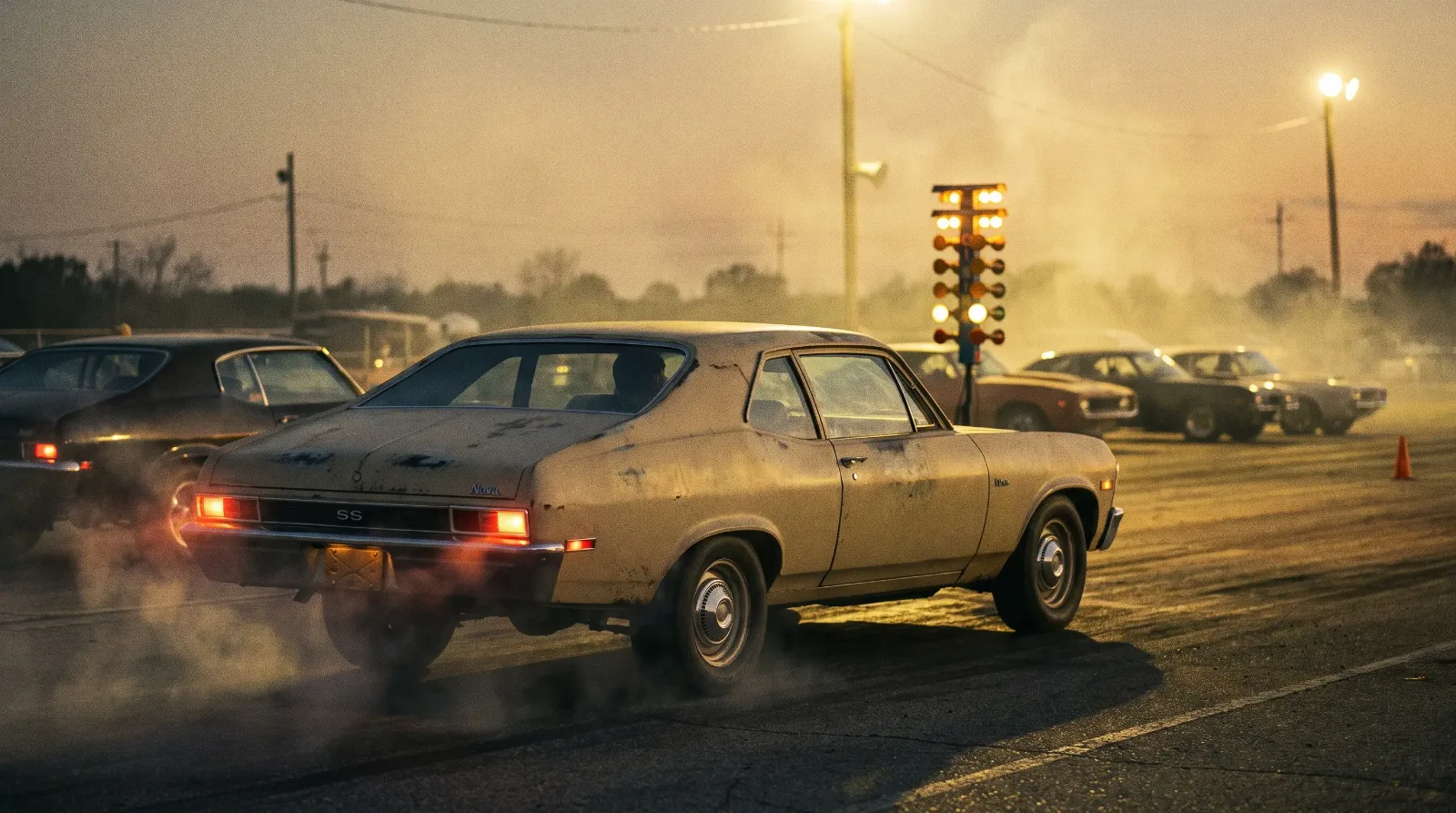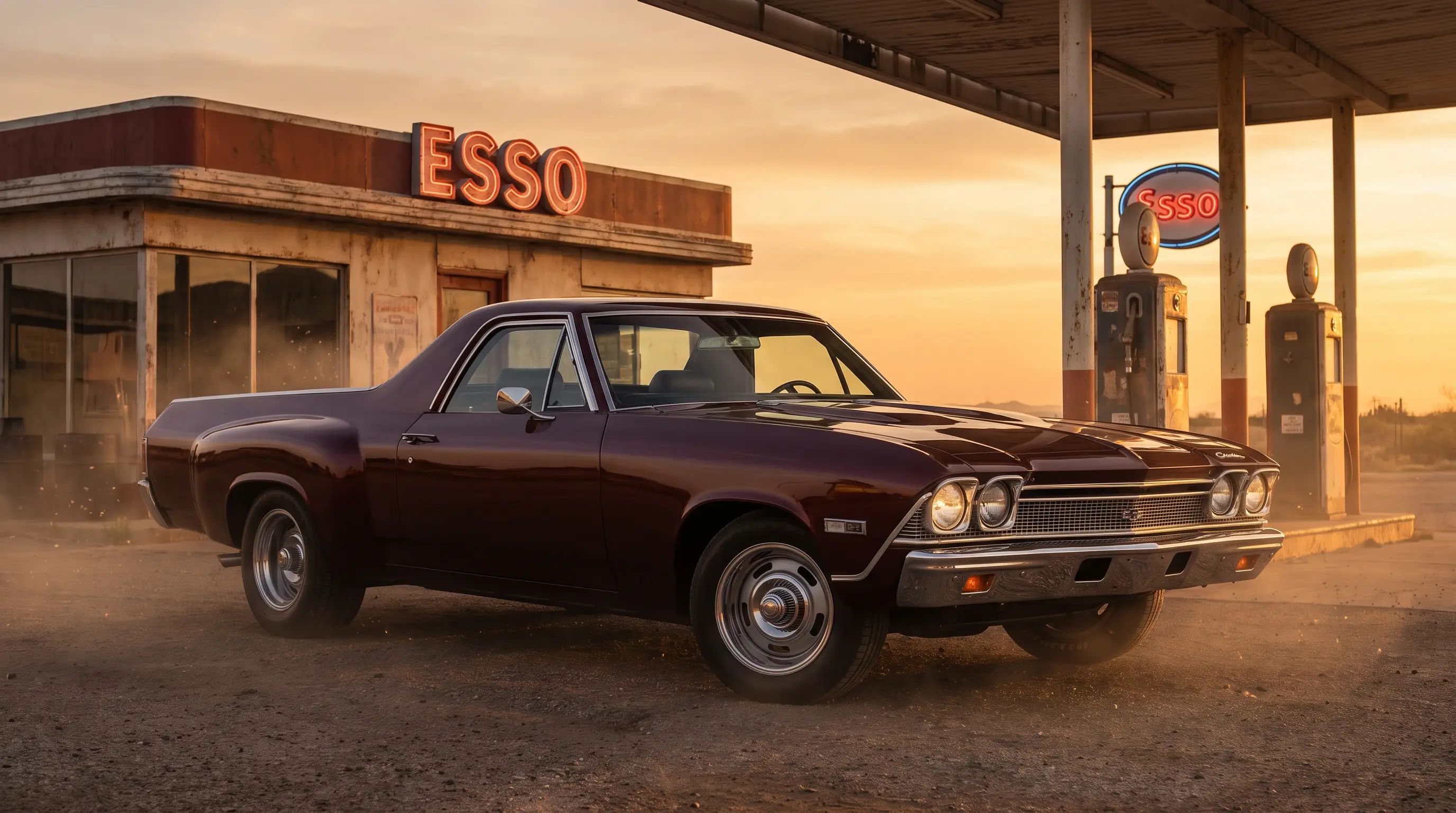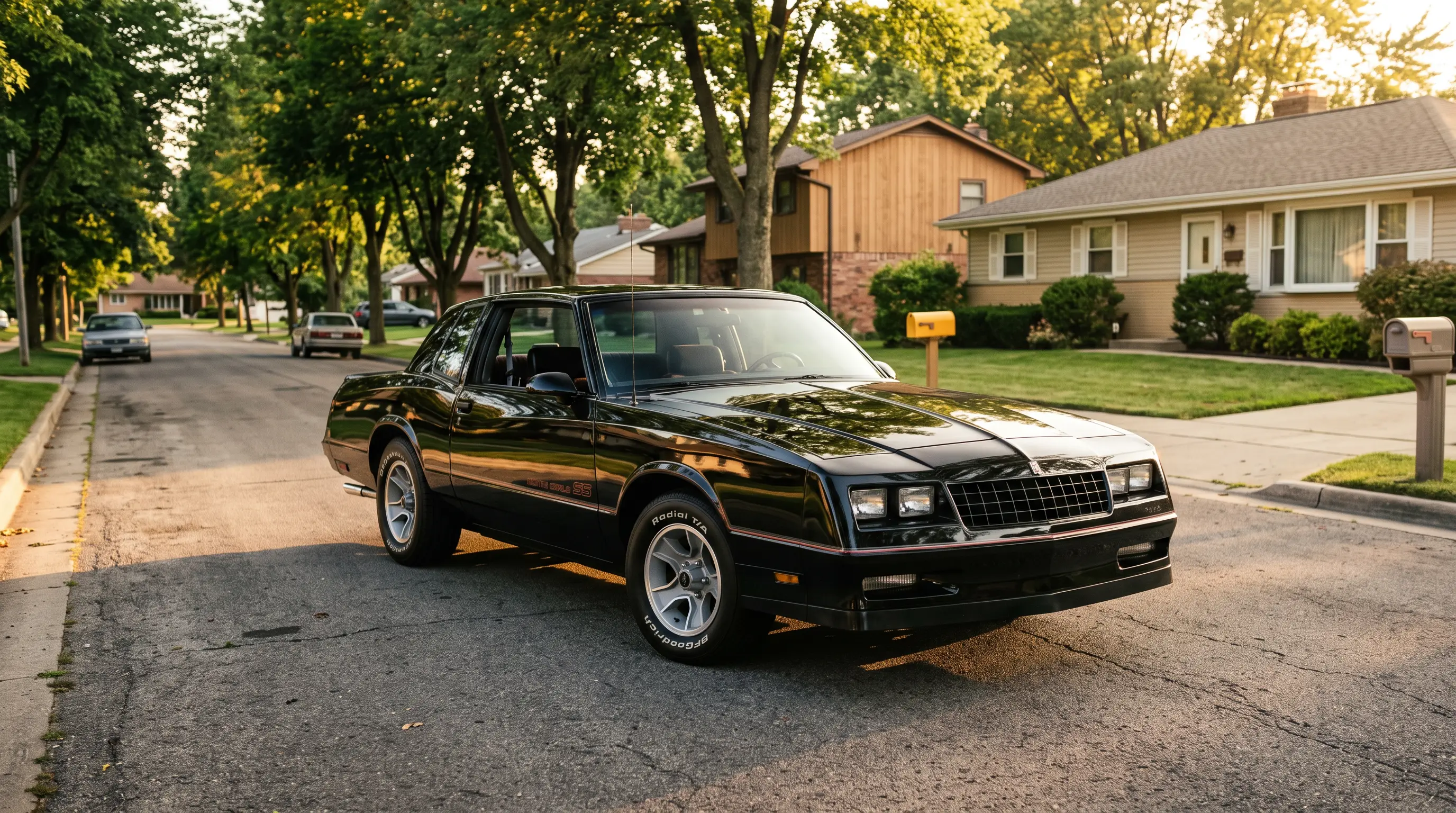

The guy who taught me what a sleeper actually is didn't own a Camaro or a Chevelle. He had a 1968 Chevy Nova, primer gray on one fender, hubcaps missing on two wheels, parked at the far end of a Nashville cruise-in like it was embarrassed to be there. Then he lined up against a stock 5.0 Mustang at a stoplight two blocks over and the Nova walked away like the Mustang was towing something. That's sleeper Nova culture in one sentence. The car that looks like nothing and runs like something.
Nobody built a Nova to be looked at. That's the whole point, and it's why the culture around these cars has stayed so stubbornly alive while flashier muscle cars got restored into museum pieces. A Nova rewards the owner who wants to go fast and doesn't care who notices.
Where the sleeper reputation actually started
Chevrolet never marketed the Nova as a performance car in the way it pushed the Camaro or the Chevelle SS. It was the compact, the economy car, the one your aunt drove to the grocery store. Which is exactly why, starting in 1968, factory big-block options on a car that small caught everyone off guard. Drop a 396 into a body shell built for a inline-six and you've got a power-to-weight ratio that embarrasses cars costing twice as much.
Drag racers figured this out almost immediately. The Nova's shorter wheelbase and lighter unibody made it a natural for the strip, and by the early 1970s it had a real presence in NHRA Stock and Super Stock classes, mostly ignored by anyone who wasn't already paying attention to quarter-mile times instead of magazine covers. That's the foundation the whole sleeper identity sits on. Not a marketing campaign. A pattern that racers noticed before anyone at Chevrolet bothered to advertise it.
What makes a Nova sleeper build today
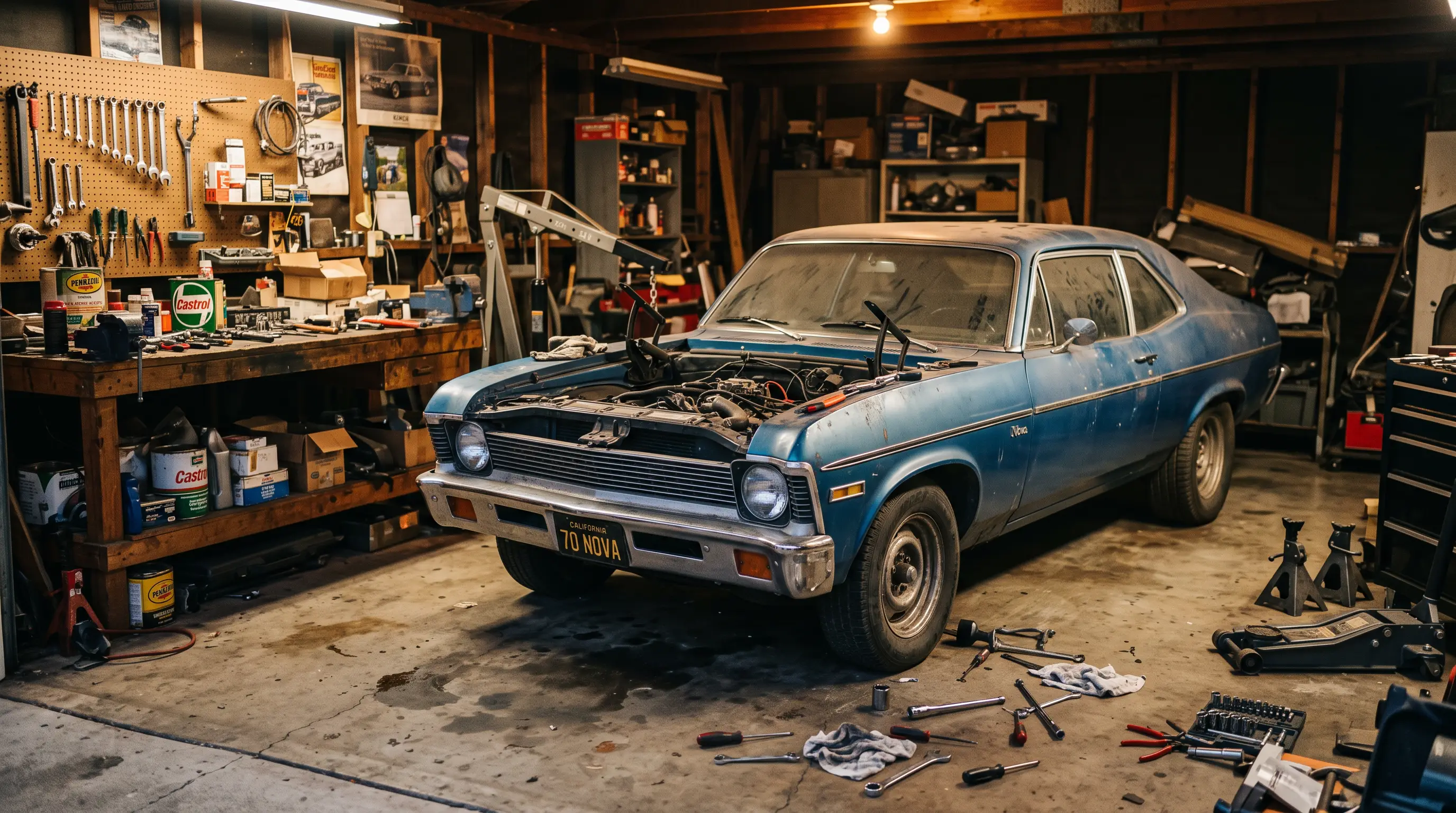
Modern sleeper culture runs on the same principle it always has: invest in what's under the hood and the trunk, not what's visible from the sidewalk. A serious Nova sleeper build today usually starts with a body that's kept its factory paint, or at least factory-adjacent paint, sometimes with real patina left alone on purpose. Steel wheels or plain-Jane Rally wheels are common, not the deep-dish aftermarket stuff that announces intent from a hundred feet away.
Underneath, it's a different story entirely. LS swaps have become the default path for builders who want reliable, serious power without chasing increasingly scarce and expensive original big-block parts. A well-sorted LS3 or LS7 in a Nova, paired with a modern overdrive transmission, turns a two-thousand-pound-lighter-than-you'd-expect car into something that can run with cars costing five times as much. The trick is keeping the exterior boring enough that nobody at the light knows what they're up against.
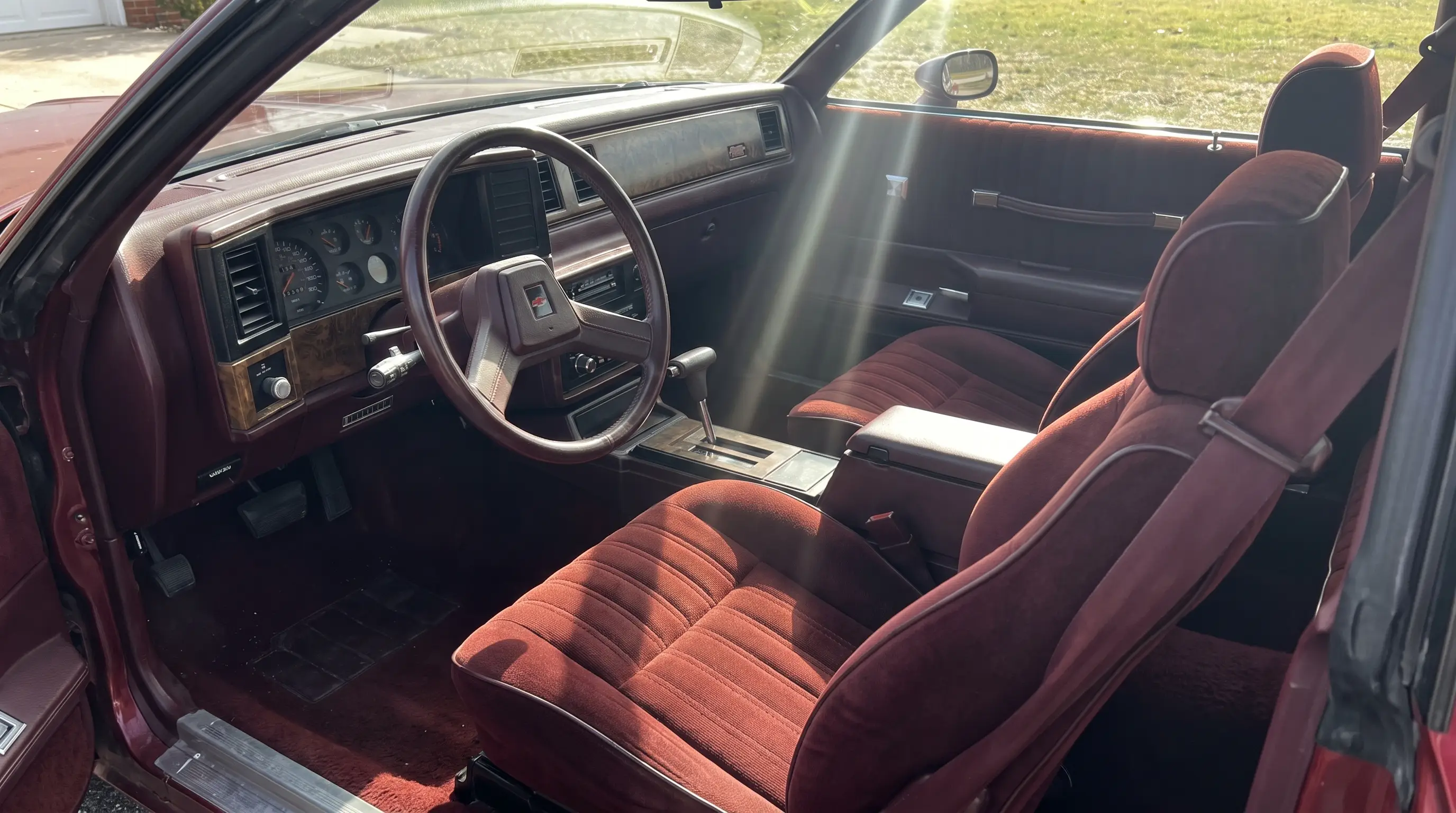
Interior work follows the same logic. Some sleeper builders keep the factory bench seat and the factory dash, adding only what a gauge cluster upgrade requires to keep an eye on oil pressure and coolant temp under real load. Others go further underneath the skin, with a full cage hidden under stock-looking upholstery. Either way, the rule holds: nothing on the outside should tip your hand.
The build philosophy in three parts
- Exterior restraint. Factory colors, factory trim, no scoops or spoilers that announce the car's intentions.
- Mechanical investment. The money goes into the engine, transmission, and suspension, not the paint booth.
- Documentation discipline. Serious builders still keep records of what's actually under there, for insurance and for resale, even if the car looks like it's worth nothing at a glance.
The community that keeps this alive
What surprised me most, talking to Nova owners at shows from Tennessee to Ohio, is how little ego is involved. Sleeper culture doesn't reward the loudest car in the parking lot. It rewards the guy who quietly wins the roll race and doesn't say much about it afterward. That temperament attracts a specific kind of owner, usually someone who came up wrenching on their own cars rather than writing checks for someone else to do it.
Online forums and regional clubs trade build sheets, dyno numbers, and cautionary tales about parts that didn't hold up the way the catalog promised. There's a real overlap here with the culture chapter of the Nova's broader story, where the car's blue-collar roots explain a lot about why this specific kind of understated performance culture took hold around it rather than around something flashier.
If you want to understand how the Nova stacks up against its more famous stablemate on pure dollar-for-performance terms, a related deep-dive lays out exactly where the value gap sits between a Nova build and a comparable Chevelle project.
"The Nova crowd never needed anybody's approval. They built the fastest car in the parking lot and let the Camaro guys figure it out the hard way."
— Patrick Walsh
Buying into the culture, not just the car
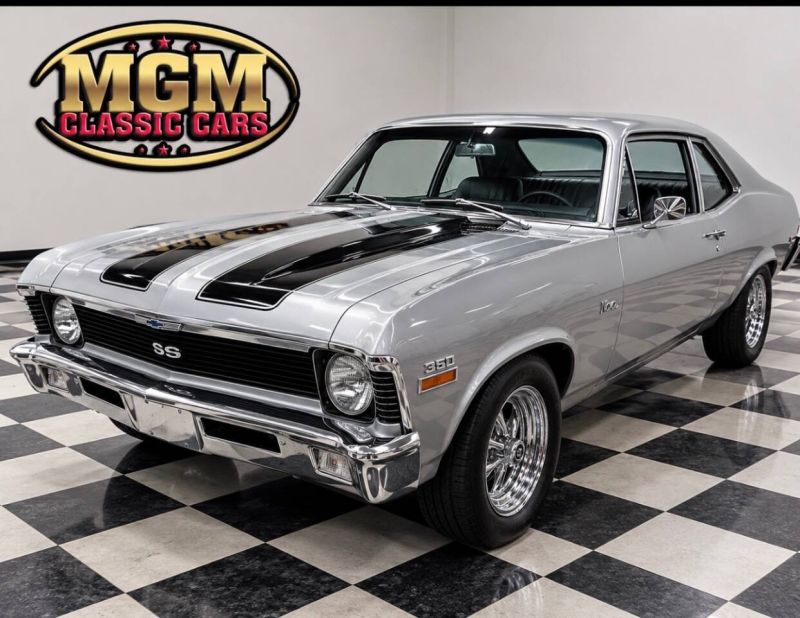
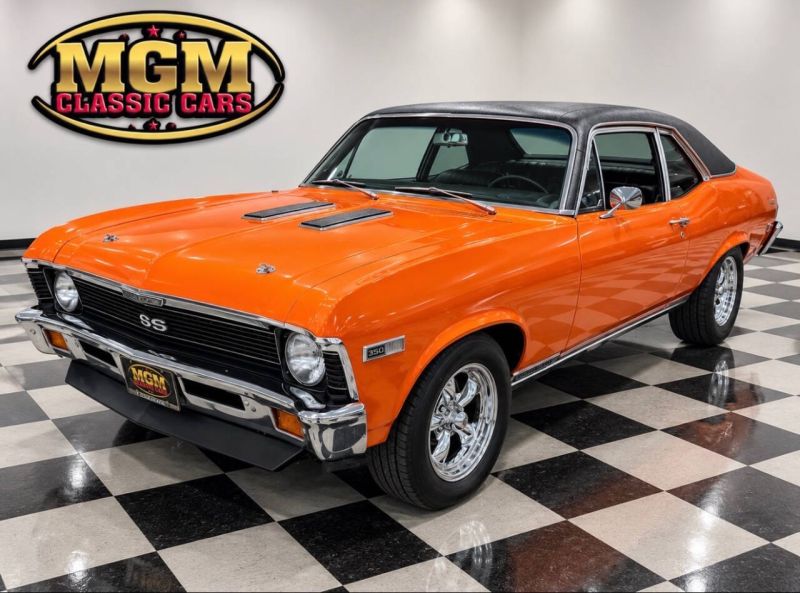
If you're shopping for a Nova with sleeper intentions, the search looks different than shopping for a numbers-matching restoration. You're not chasing the highest-optioned original SS. You're looking for a solid, rust-free shell with good bones, because that's the canvas the culture actually cares about. A rough original engine is less of a dealbreaker here than it would be for a concours buyer, since most sleeper builds are getting an engine swap anyway.
What matters more is the floor pans, the frame rails, and the trunk floor, since a car with hidden rust problems will cost you more in repair than the engine swap itself. Buyers serious about this path spend time under the car with a flashlight before they spend a dollar on the parts list. For a broader look at how the Nova got here and where its story fits in Chevrolet history, our Nova retrospective covers the full arc from economy car to cult favorite.
There's no shortage of starting points either. A search through classic Chevy Novas for sale turns up project cars at every price point, from rust-free survivors ready for a drivetrain swap to rougher shells that need real structural work before anything else happens. The sleeper Nova culture isn't about finding a perfect car. It's about finding the right foundation and letting the work underneath do the talking.
Why it hasn't faded
Muscle car trends come and go with the market, but the sleeper Nova has stayed relevant because the idea behind it never really depends on nostalgia. It's a philosophy about restraint and substance over spectacle, and that philosophy translates just as well to an LS-swapped Nova today as it did to a 396 Nova quietly humiliating a Corvette at a stoplight in 1970. The car changes generation to generation. The attitude behind it hasn't moved an inch.