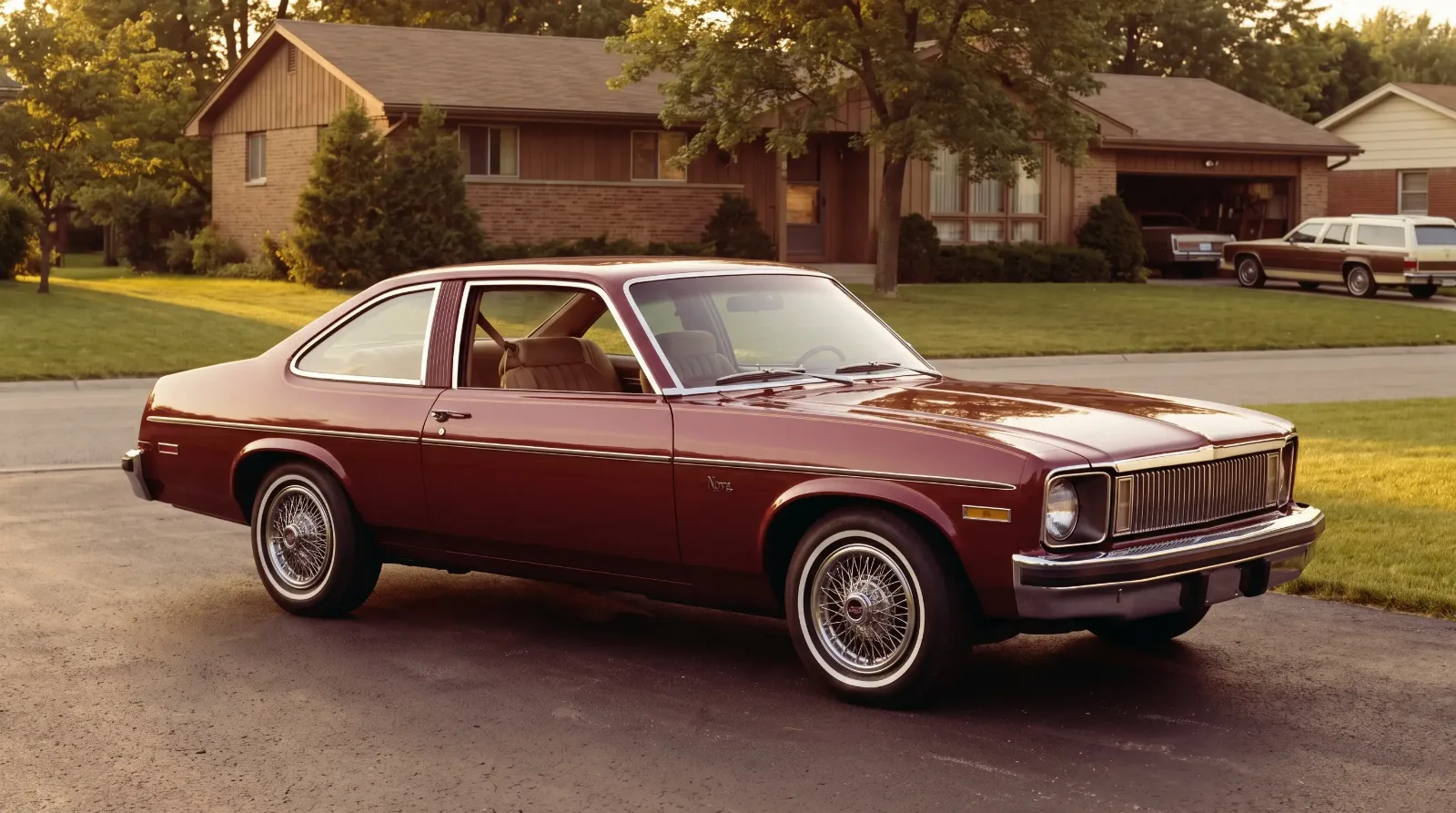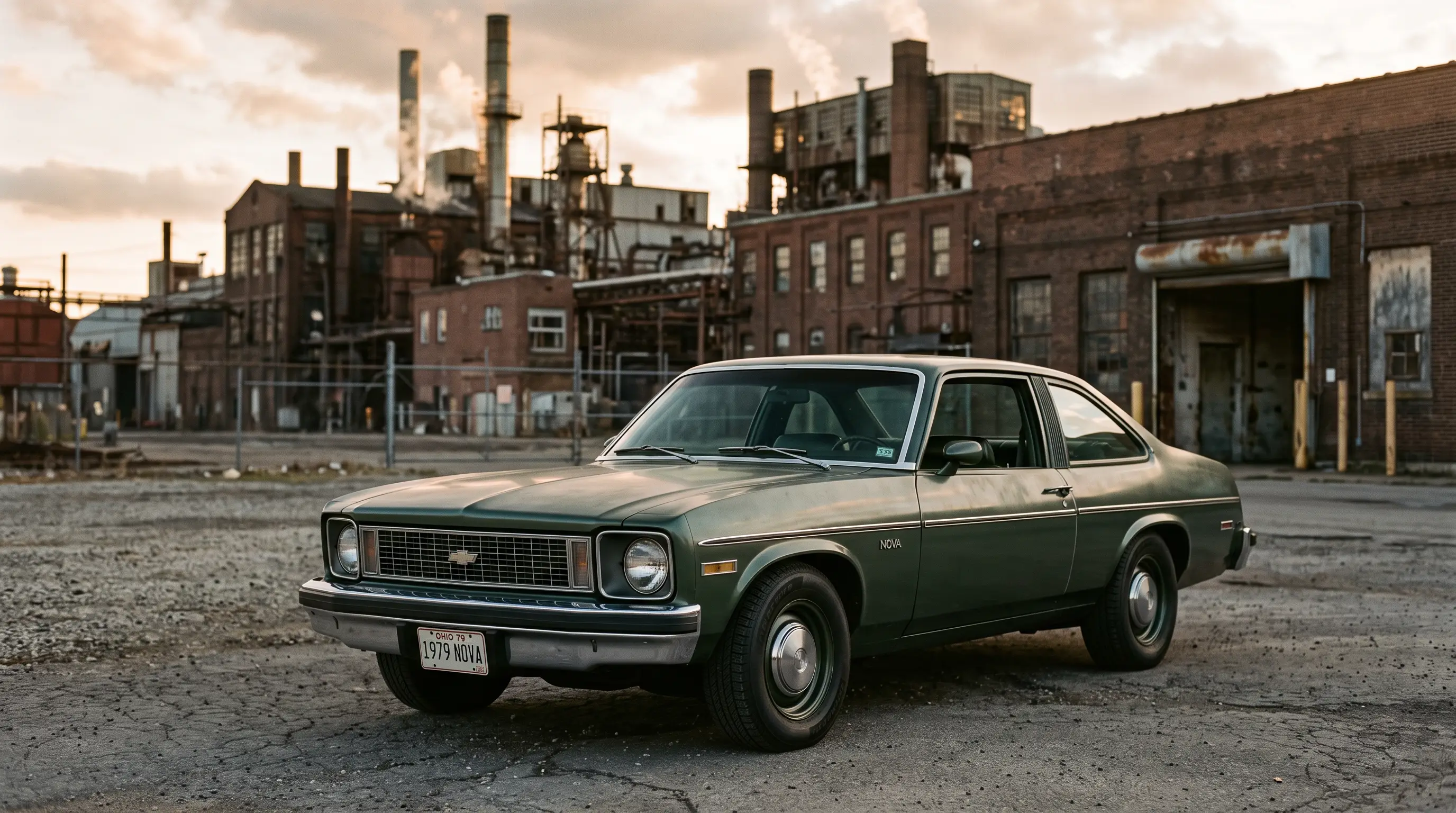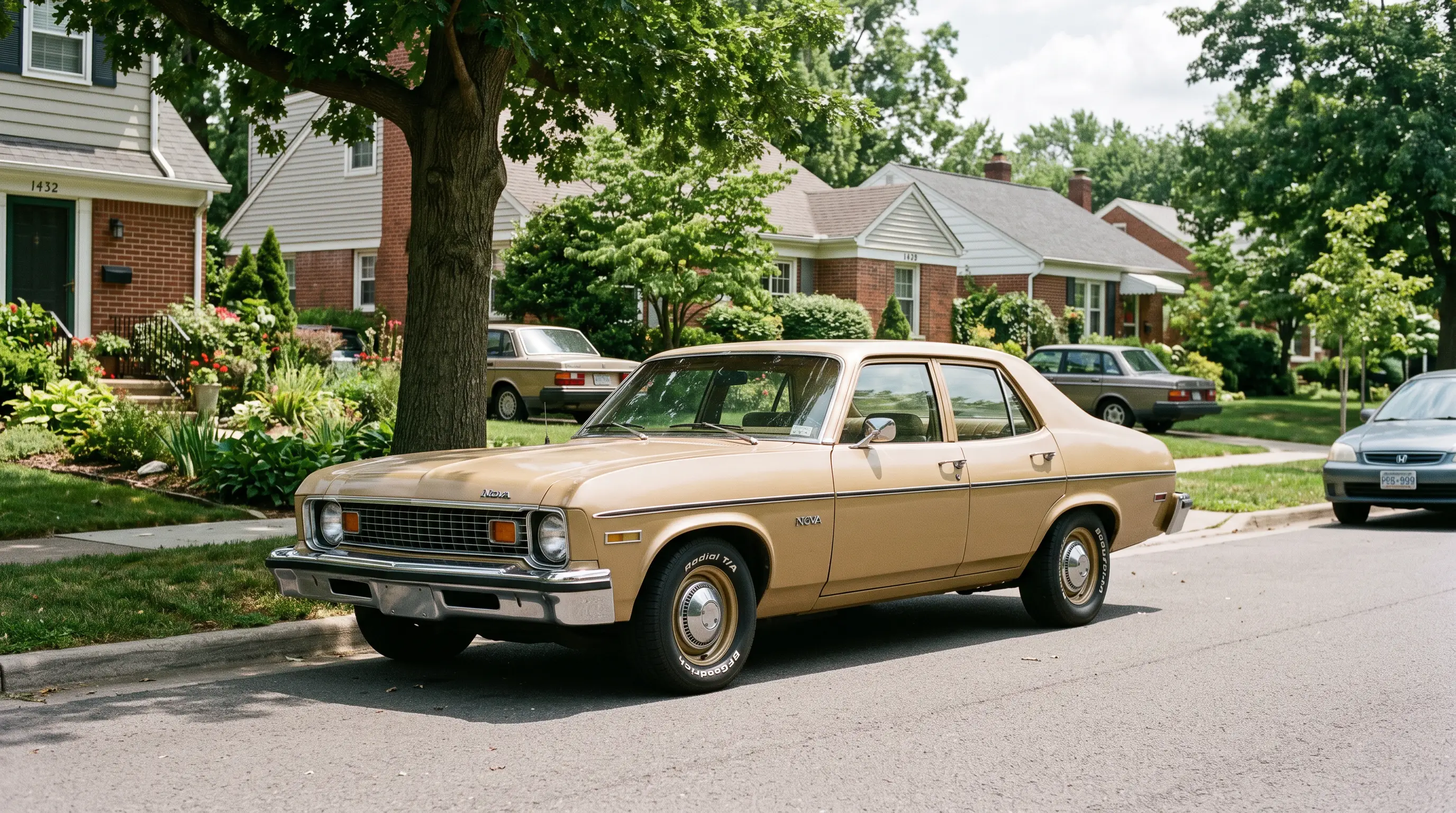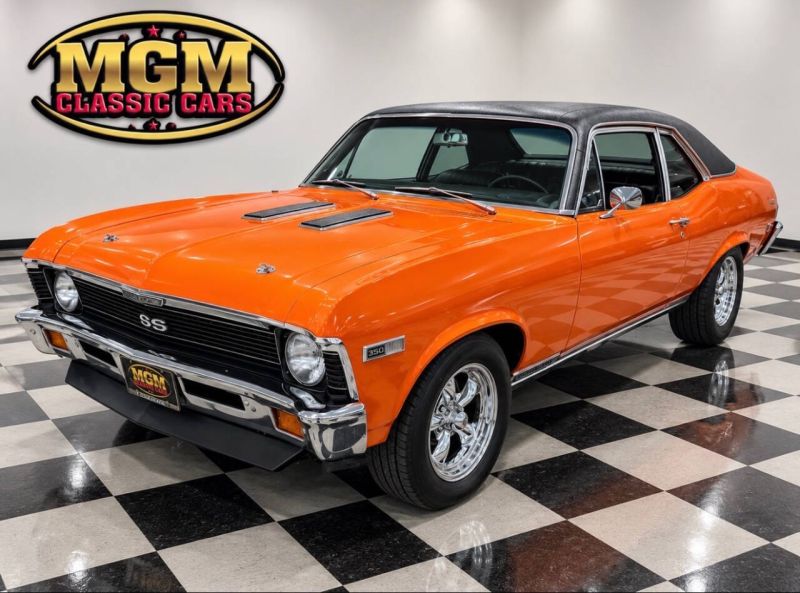
Ask a Nova club regular what color their car is and you rarely get a one-word answer. You get a story: the dealer order sheet somebody's uncle kept in a shoebox, the repaint that "isn't quite right" next to an original fender, the argument that started at a swap meet over whether a certain green was ever offered with a white vinyl top. Colors and trim on the fourth-gen Nova turn out to be one of those subjects where the paperwork settles more arguments than the memory does.
The 1975 through 1979 Nova came out of a Chevrolet studio that had learned a few lessons from the compact wars of the early seventies. The body was cleaner, the greenhouse bigger, and the trim strategy more deliberate than the outgoing generation. Buyers picked a body style, then a trim level, then a color, and the combination of those three choices is what club judges and appraisers spend their weekends sorting out.
Three trim levels, three different cars
Base Nova was the fleet-friendly end of the lineup: rubber floor mats standard in some years, bench seat, minimal brightwork. Nova Custom stepped things up with additional exterior trim, upgraded upholstery choices, and a dash treatment that felt less like a delivery van. At the top sat the luxury trim Chevrolet launched for 1975 as the LN (Luxury Nova) and renamed Concours for 1976-77, the trim level aimed at buyers who wanted compact-car practicality without compact-car cheapness, with woodgrain framing the instrument cluster and steering wheel, an upright hood ornament, extra sound insulation, and its own set of exterior brightwork and badges. Chevrolet retired the standalone Concours nameplate after 1977, folding much of its trim into the Custom line for 1978-79.
The trim level mattered more to color availability than most buyers realized at the time. Certain interior colors and vinyl top options were tied to specific trims, and dealers ordering fleet-spec base cars rarely bothered with the brighter exterior colors that Concours buyers gravitated toward. That is part of why a well-optioned Concours in an unusual color turns up at shows more often than a base Nova in the same shade. The base cars in bold colors existed. Fewer of them survived being worked to death.
What actually came off the Norwood and Willow Run lines
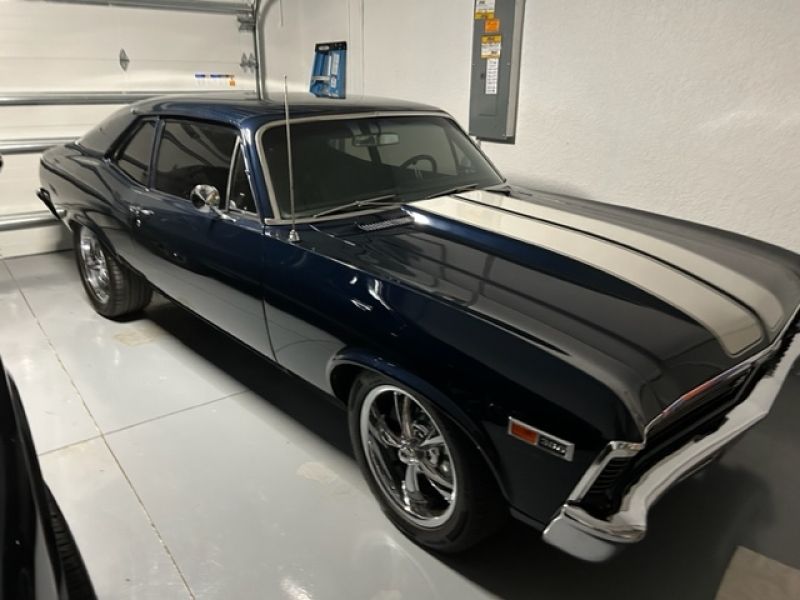
Chevrolet's mid-decade compact palette leaned on the same broad families it used across the lineup: creams and whites, a spread of greens from muted to bright, a handful of reds and maroons, blues that ranged from pale to something closer to navy, and the inevitable browns and tans that dominated American showrooms in this era. Two-tone paint and vinyl roof combinations added another layer of variation on top of the base color codes.
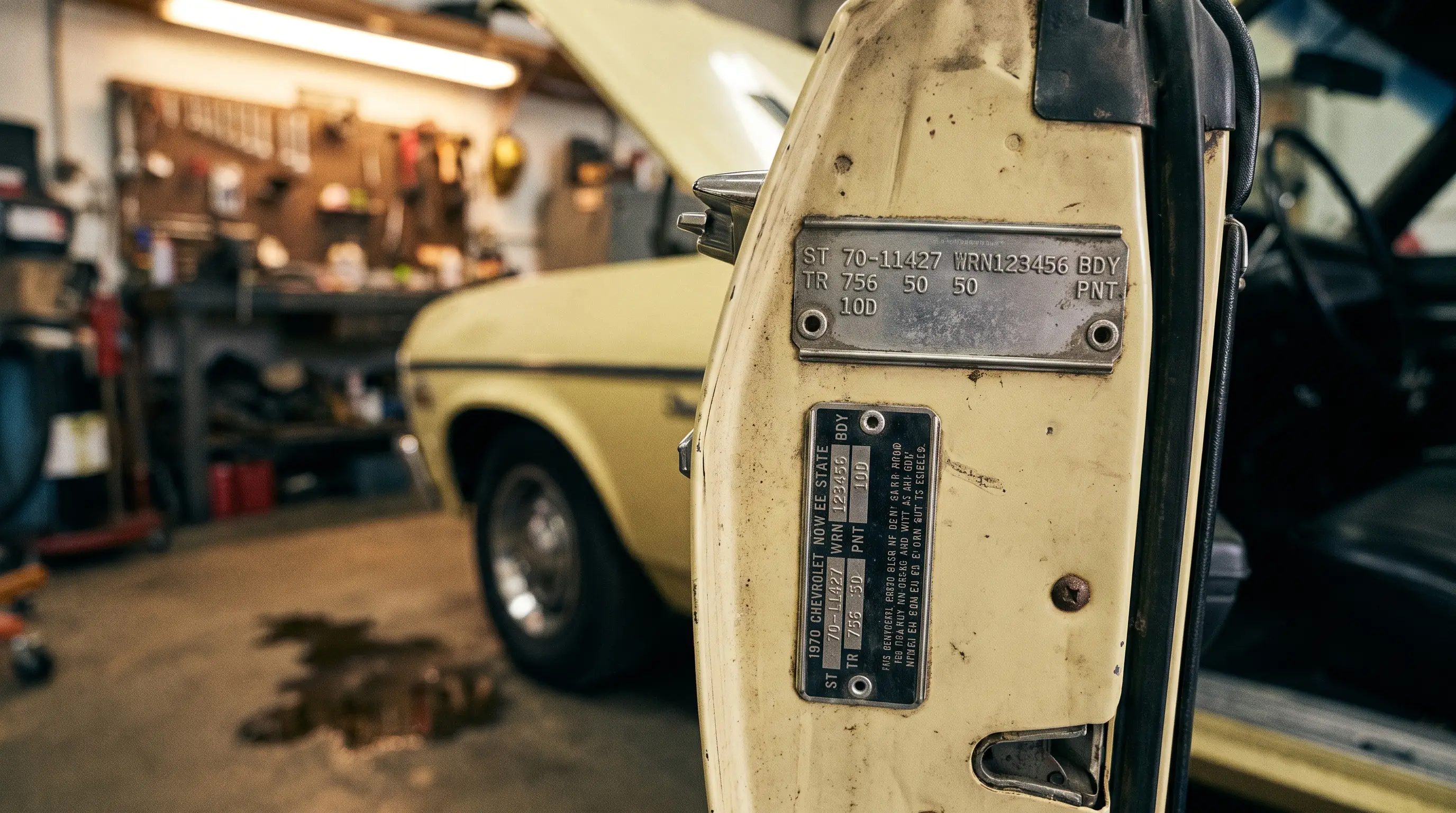
What gets lost in casual conversation is how much these colors shifted year to year. A shade offered in 1975 might be gone by 1977, replaced by something with a similar name but a different formula. Anyone restoring a car to factory-correct color needs the build sheet or cowl tag, not a guess based on what "looks about right" from a paint chip book. I have watched more than one otherwise solid restoration get docked at judging because the resto shop matched the color to the eye instead of the code.
Why the paperwork wins every argument
Every Nova club has at least one member who settles color disputes for the room, and it is never the loudest voice at the table. It's the person who asks for the cowl tag code before offering an opinion. I've sat through enough of these conversations to know how they end. Somebody swears a color was never offered on a certain trim, somebody else produces a decoded tag proving otherwise, and the room quiets down. That is not a knock on memory. Forty-some years is a long time, and paint fades, and photographs from period brochures don't always match what actually left the assembly line.
"Everybody at the club had a theory about that color combination until somebody pulled the cowl tag, and just like that, the bench-racing was over."
— Wayne Coburn
This is also why documentation matters more for Nova values than people expect from what was, in period, a bread-and-butter compact. A correctly optioned, correctly colored Concours with paperwork to back up the combination draws real interest from buyers who have been burned before by a car that looked right and wasn't. For a deeper look at how the fourth-gen Nova performed with buyers who weren't chasing color codes at all, a related deep-dive covers the sales side of the story, and our Classic Cars Arena feature traces the model's full run from its first generation onward.
Buying one today
If a particular color and trim combination matters to you, the cowl tag is not optional homework. It is the entire conversation. Cars showing up now with intact tags and a color that matches the code are worth a premium over otherwise identical examples missing that documentation, and that gap has only grown as more buyers get comfortable decoding the tags themselves. Anyone shopping the current field of classic Chevy Novas for sale should ask for tag photos before a color claim gets taken at face value, whether the seller is asking top dollar or offering what looks like a bargain.
None of this makes the fourth-gen Nova a glamour car in the way some of its contemporaries were marketed. It makes it a car where the details reward the buyer willing to check them, and that is exactly the kind of car that holds its story straight for another forty years.
Sources and notes
- 1976-1977 Chevrolet Concours: Luxury for the Masses - Autopolis
- 1975 Chevrolet Nova LN: Favorite Car Ads - Consumer Guide
- Curbside Classic: 1977 Chevrolet Nova Concours
- 1977 Chevrolet Concours: "It's just a Nova!" - Hagerty Media
- 1975-1979 Chevrolet Nova Base (4th Gen) Buyer's Guide - Motogallery
- Chevrolet Chevy II / Nova - Wikipedia