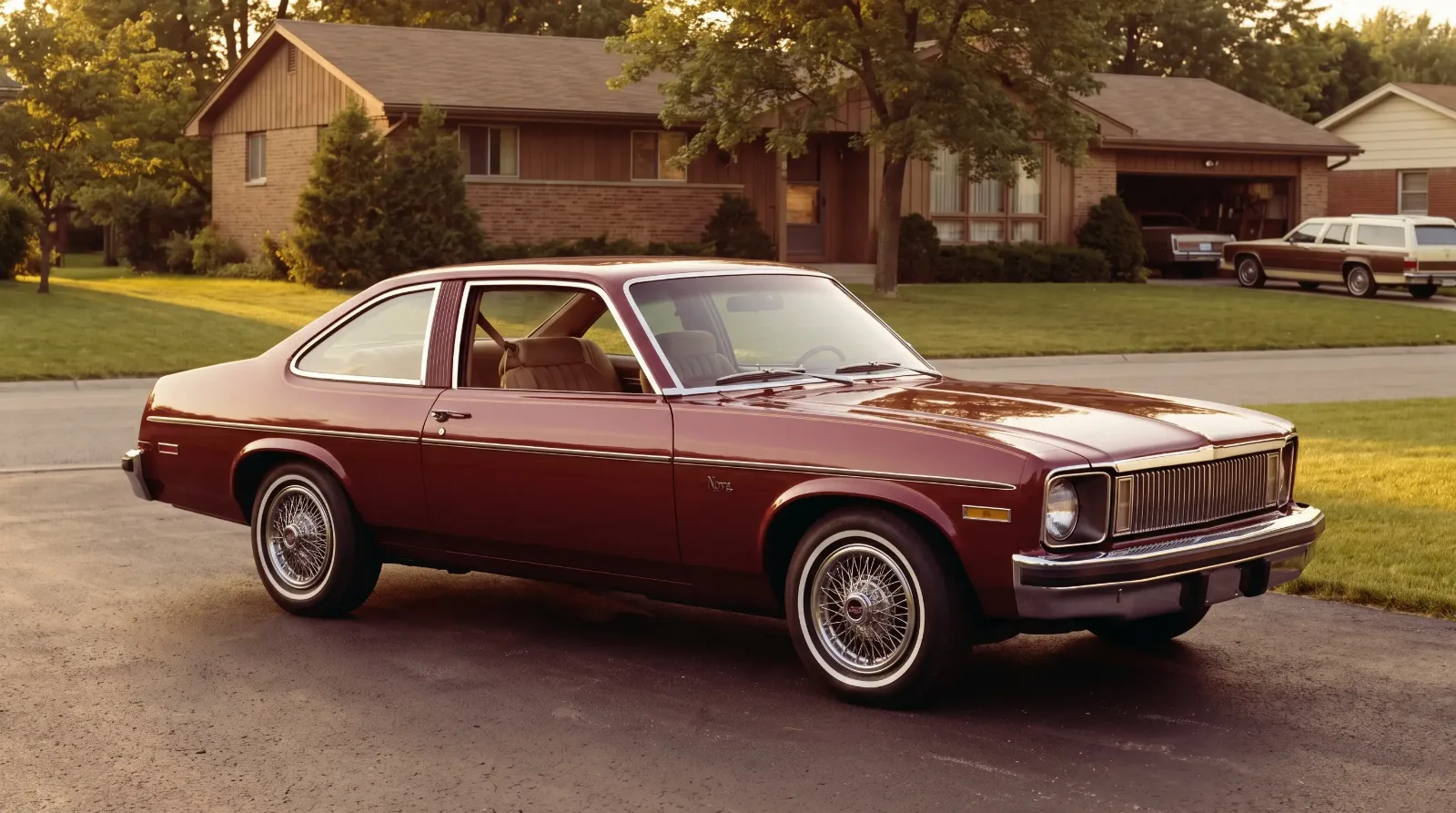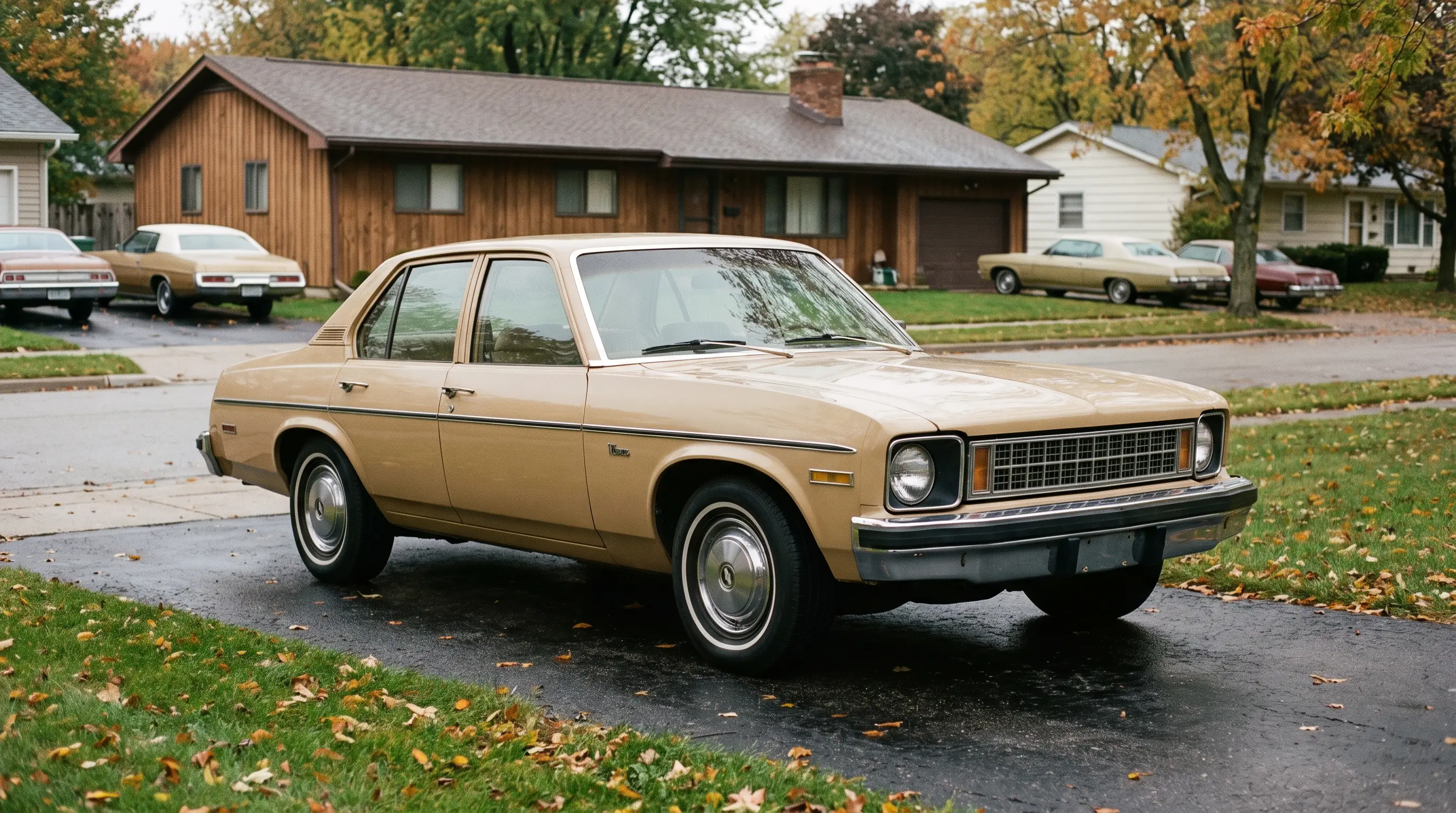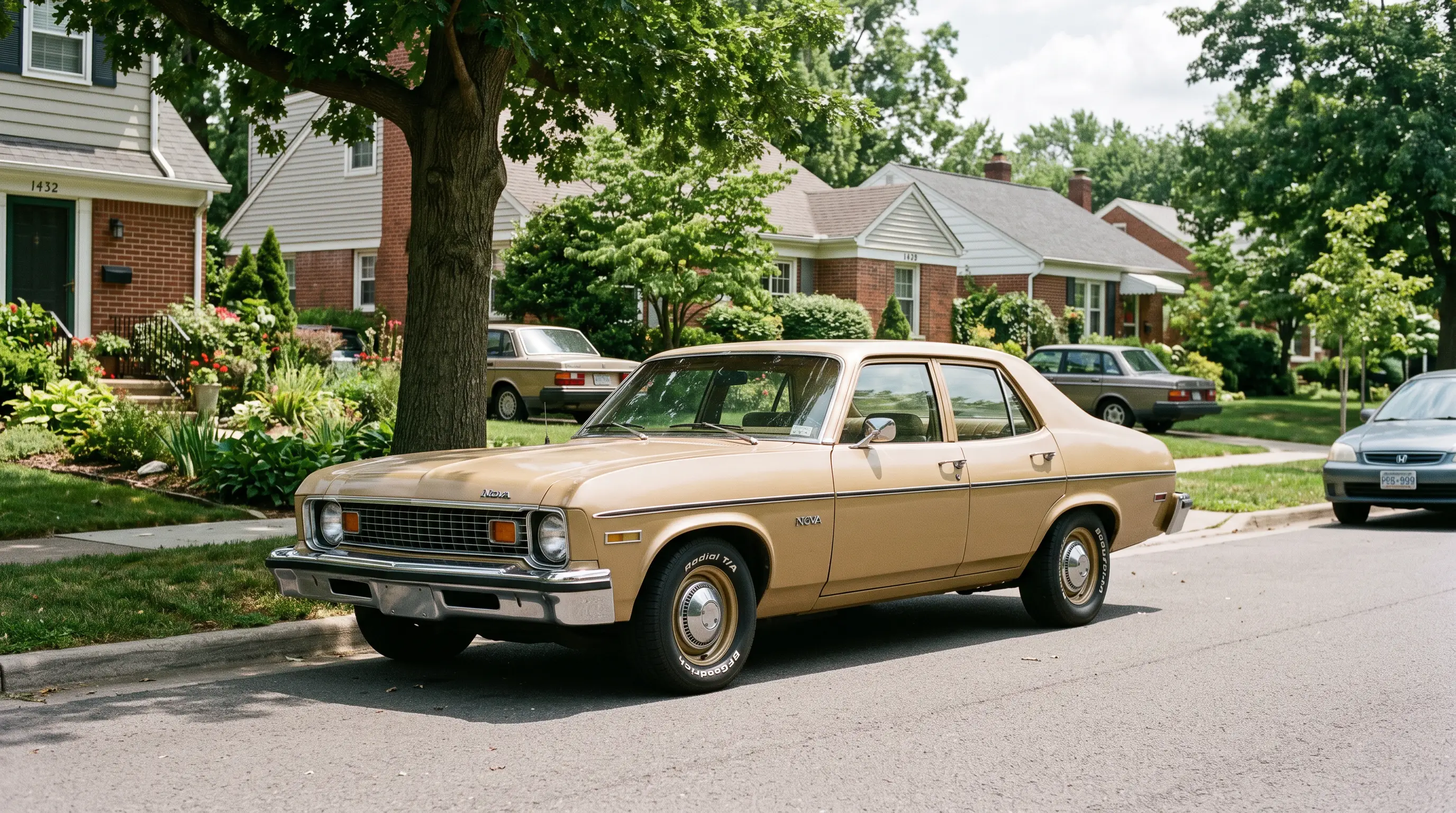
The Chevy Nova never got the magazine covers that the Camaro or the Corvette did in the 1970s, and the factory records explain why nobody at Chevrolet minded. This was not a car built to sell magazines. It was built to sell in volume, quietly, to buyers who wanted a compact that behaved like a scaled-down full-size Chevrolet, and by that measure the 1970s Nova did exactly what it was supposed to do.
A compact built to out-survive a fad
Chevrolet's compact strategy in the early seventies was shaped by a real problem: the Vega, GM's answer to import competition, was struggling with reliability issues that were becoming public knowledge by mid-decade, engine problems serious enough that a series of recalls and eventually a congressional inquiry followed. The Nova, riding on a simpler, more conventional platform with a proven small-block V8 option, did not carry that baggage. It was mechanically unglamorous in the best way. Buyers cross-shopping the Nova against the era's other domestic compacts, cars like the Ford Maverick, AMC Hornet, and the Plymouth Valiant and Dodge Dart twins, found a car that started reliably, held its resale value better than expected, and did not require an owner to learn new maintenance habits.
That reliability mattered more than styling in a decade when fuel prices spiked twice and buyers were newly nervous about anything unproven. The Nova's body-on-frame-adjacent construction and carryover drivetrains from the full-size Chevrolet parts bin meant a service department anywhere in the country could work on one without special training. That is not a detail that shows up in a brochure, but it shows up in the sales figures.
What the production numbers actually show
Chevrolet's compact segment sales climbed through the middle of the decade as buyers shifted away from full-size cars in response to fuel costs, and the Nova took a meaningful share of that shift. Annual production tells the story plainly: roughly 273,000 cars in 1975, climbing to 334,728 in 1976 and peaking at 365,264 in 1977, before slipping to 288,109 in 1978, the only Chevrolet series to show a decline that year, and dropping to under 100,000 in the abbreviated final 1979 model year as the rear-wheel-drive platform wound down ahead of the front-wheel-drive Citation. Through most of that span the Nova ranked among Chevrolet's stronger-selling nameplates, a period when GM needed volume sellers more than it needed halo cars.
The redesign that arrived partway through this run, covered in more detail in the 1970s Nova story, kept the formula intact rather than reinventing it. Chevrolet's product planners understood they had a car that was working and resisted the urge to chase trends that were sinking other compacts of the era.
| Factor | Why it mattered to 1970s buyers |
|---|---|
| Proven small-block V8 option | Familiar service and parts availability nationwide |
| Conventional construction | Avoided the reliability concerns tied to the Vega |
| Compact footprint | Matched shifting demand after fuel price increases |
| Minimal year-to-year reinvention | Kept dealer and owner confidence steady through the decade |
The quiet part: what the factory never advertised
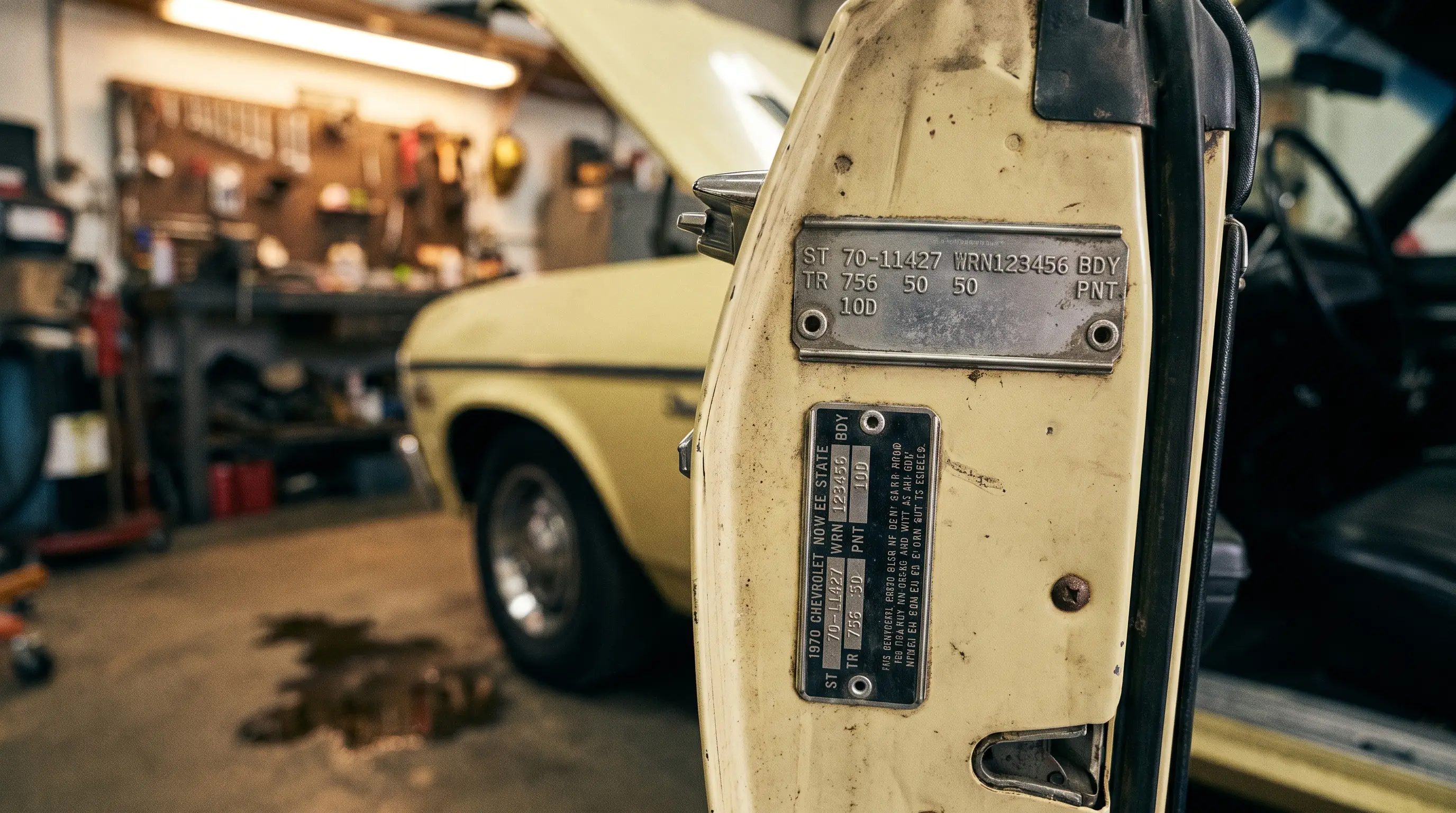
Factory build records from this era are less complete than collectors would like, but what survives tells a consistent story: dealers ordered Novas in high volumes with straightforward, low-drama option combinations. Air conditioning, automatic transmissions, and the small-block V8 were common pairings. Buyers were not chasing performance packages in these years the way they had in the late 1960s. They were buying dependable transportation with a badge they already trusted, and Chevrolet's order banks reflect that shift plainly.
"The tank sticker and the build sheet don't lie, and in this case they tell a boring story on purpose. Boring was the point. Boring is what sold."
— Tom Ramirez
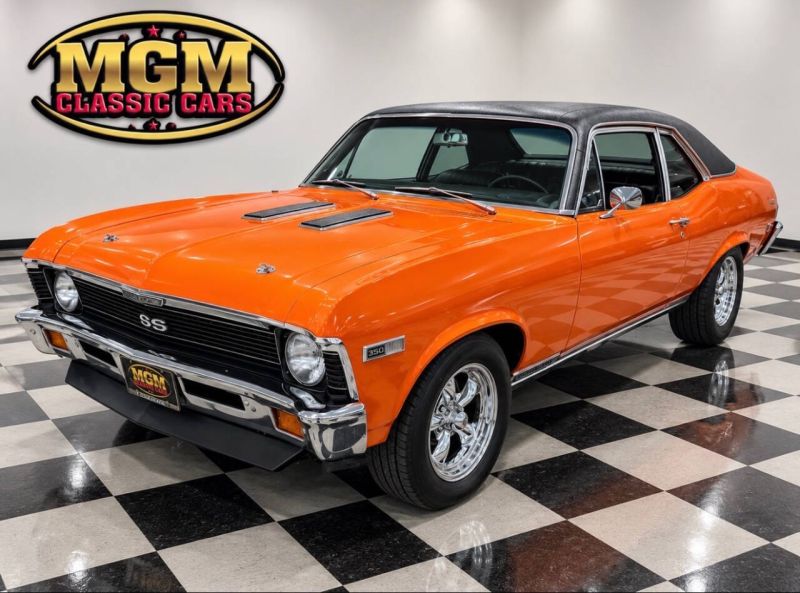
This is also where the Nova's reputation gets misunderstood by people who only know it from the performance-oriented earlier generations. The 1970s cars were not chasing the SS crowd. They were doing something arguably harder: staying profitable and dependable in a segment where several competitors were failing in public. On that mid-decade redesign, a related deep-dive covers how Chevrolet protected that reputation through a full model change without spooking the buyers who had come to rely on the car.
Who was actually buying these
The customer profile for a mid-1970s Nova was rarely the same person shopping a Camaro on the same showroom floor. Fleet buyers, second-car households, and empty-nesters downsizing from a full-size Impala or Caprice made up a large share of the order bank. These were buyers who wanted a Chevrolet badge, Chevrolet parts availability, and a Chevrolet dealer network behind them, without the payment or the fuel bill that came with the bigger cars they were trading in. The Nova's job was to keep those customers inside the Chevrolet family during a decade when it would have been easy to lose them to an import or a rival domestic compact.
That customer base also explains why so many surviving 1970s Novas show low-key, practical option combinations rather than showy ones. A buyer replacing a full-size sedan wanted air conditioning and an automatic far more than a tachometer or a sport steering wheel. Factory order patterns from the period back this up consistently: the option codes that recur most often are the comfort and convenience items, not the performance ones. That pattern is not glamorous, but it is exactly what a factory historian looks for when trying to understand who a car was actually built for, as opposed to who a brochure was aimed at.
Why this matters to today's collector
Collectors sometimes overlook the 1970s Nova because it lacks the performance credentials of earlier Chevy IIs and Novas. That overlook is a mistake if the goal is a documented, honest survivor. Cars that were bought to be reliable and were maintained by owners who expected reliability tend to survive in better original condition than cars bought to be driven hard. The factory paperwork on these cars, when it survives, tells a story of a company that understood exactly what its customers needed in a difficult decade and built to that need without excess.
The sales numbers were never going to make headlines next to the Camaro's. They did not need to. Volume, reliability, and dealer confidence built a decade-long success story that the enthusiast press mostly missed at the time and still underrates now.