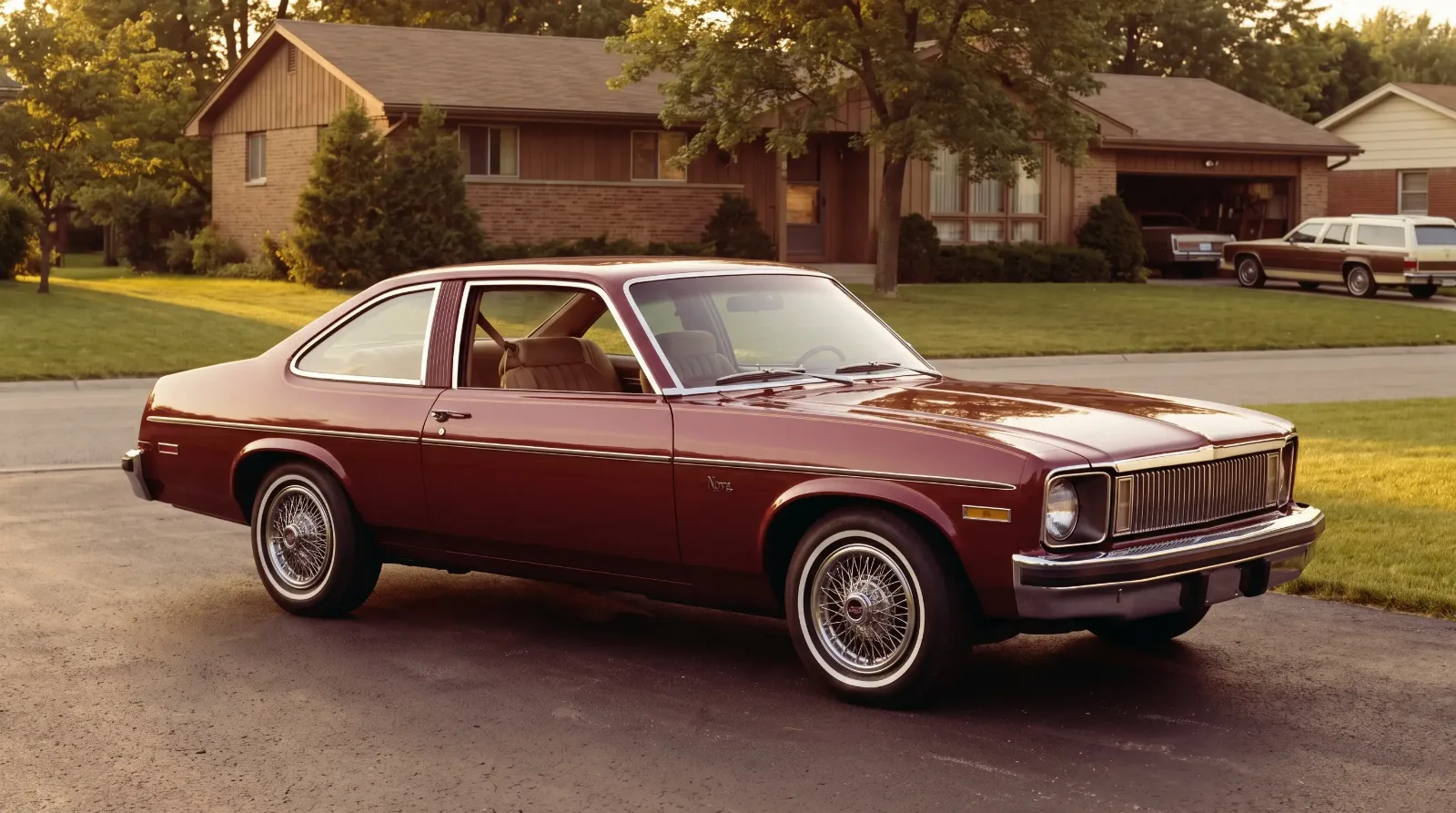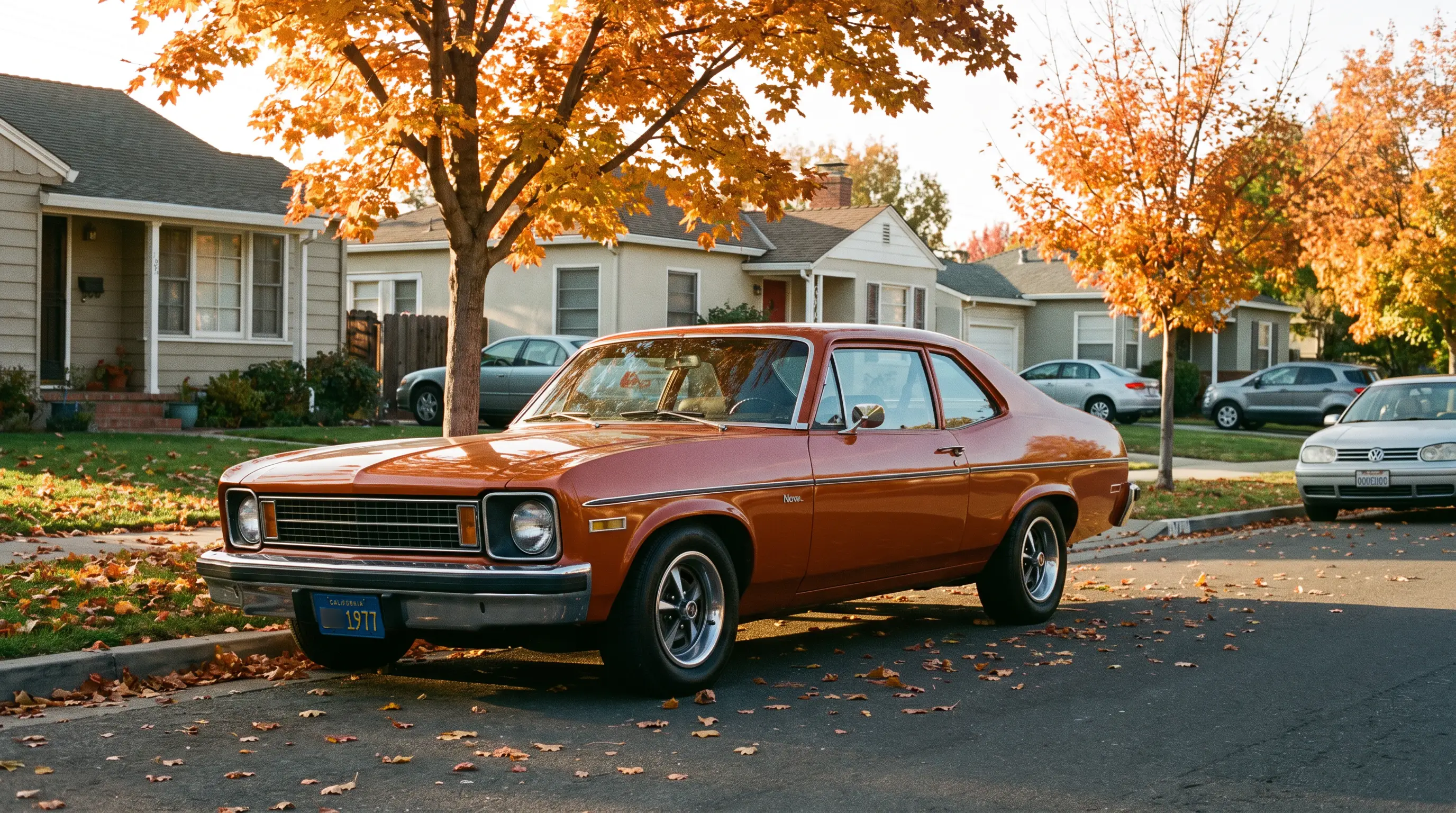
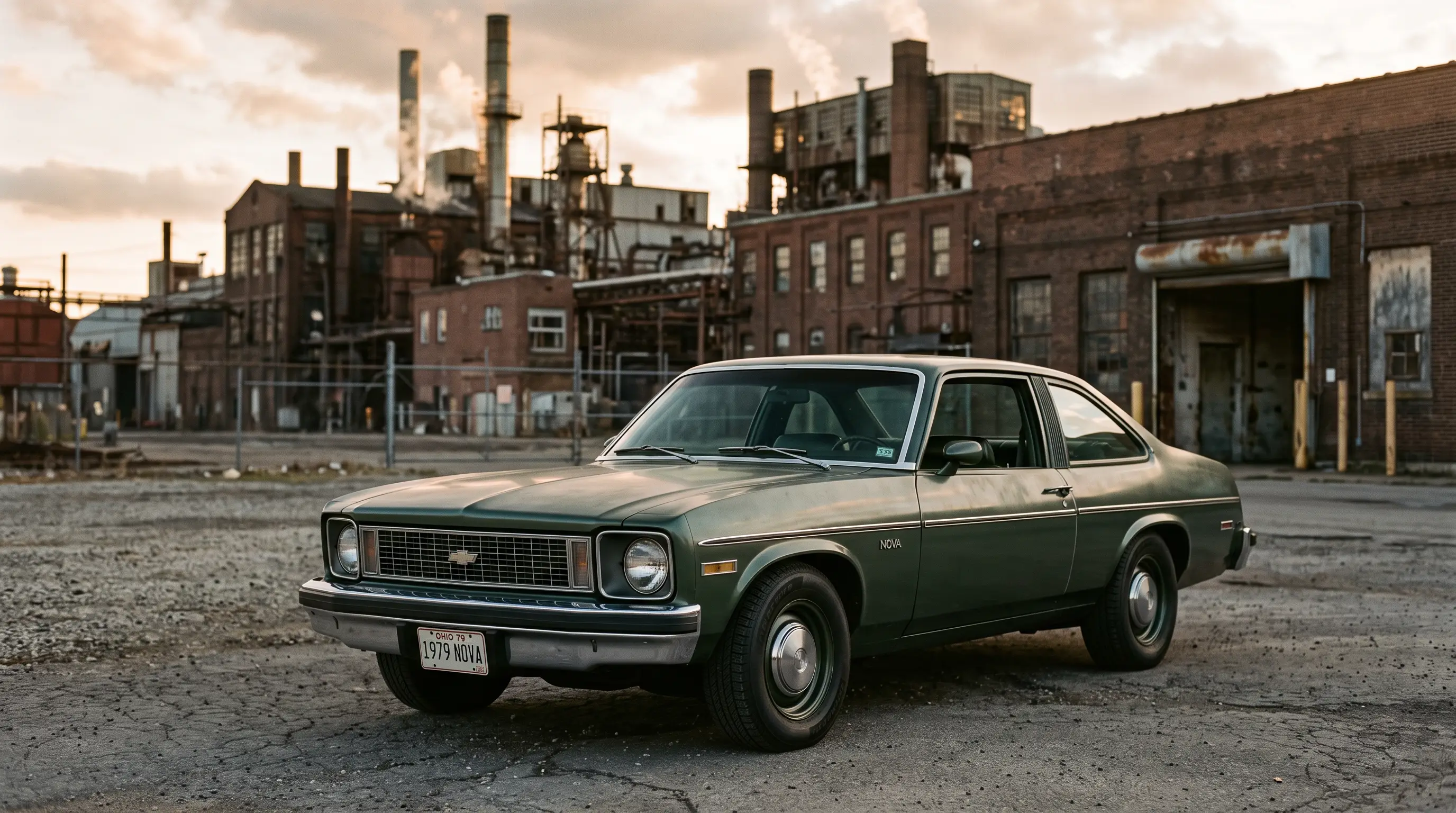
There's a fellow who shows his 1979 Nova every year at the same regional meet, and every year somebody new asks him the same question. Is that the last one? He always answers the same way too, patient as ever: yes, and here's why it matters more than people think. The 1979 model year closed out rear-wheel drive for the Nova nameplate, and what replaced it the following year, the Chevrolet Citation, was a completely different animal built on a front-wheel-drive architecture. That's not a minor footnote. That's the end of an entire engineering lineage.
The Nova name had carried rear-wheel drive Chevrolets since 1962. Four generations, roughly seventeen years, and then it stopped. Understanding why takes you straight into the fuel crisis, federal fuel economy mandates, and a Chevrolet product plan that was about to change more than any single model redesign in the company's history.
Why 1979 was the end of the line
By the late 1970s, GM was under real pressure to hit Corporate Average Fuel Economy targets, and the compact segment was where that pressure landed hardest. Front-wheel drive offered real packaging and efficiency advantages over the traditional rear-wheel-drive layout the Nova had used since its introduction, and GM's engineers were already deep into developing the X-body's replacement architecture that would become the Citation, the Skylark, the Phoenix, and the Omega for 1980. The decision wasn't really about the Nova failing in the marketplace. The car was still selling well by the standards of a shortened model year, with roughly 94,700 Novas built for 1979 even though regular production had already wrapped in December 1978, with only a limited special-order run continuing into the following spring. It was about GM committing corporate resources to a front-wheel-drive future, and the Nova nameplate simply didn't carry over into that next chapter.
That timing puts the 1979 Nova in an interesting position. It wasn't a car built with an eye toward being collectible or historically significant. It was a mature, well-sorted platform in its final production year, built by a workforce that had five years of experience with the fourth generation's tooling and no major changes left to work through. Cars built at the tail end of a long production run are often the most dialed in mechanically, and the 1979 Nova fits that pattern.
What made the last cars different
| Detail | 1979 Nova |
|---|---|
| Final model year | Last year of Nova nameplate on rear-wheel-drive X-body |
| Replacement | 1980 Chevrolet Citation, front-wheel drive |
| Body styles | Coupe, sedan, hatchback carried through to the end |
| Trim levels | Concours remained the top trim through the final year |
Nothing dramatic changed on the 1979 Nova compared to the cars built a year or two earlier. That's actually the point. Chevrolet wasn't sending the Nova out with a special edition or a farewell package the way some manufacturers do when they know a nameplate is ending. The last rear-drive Nova rolled off the line as a normal production car, which means the people who bought new Novas that year had no idea they were buying the end of an era. Most of them found out later, the way that fellow at the swap meet found out, one curious question at a time.
The transition to front-wheel drive
The Citation that replaced the Nova for 1980 represented one of the biggest engineering shifts in Chevrolet's compact lineup to that point. Front-wheel drive changed the packaging entirely: more interior room for a given footprint, different weight distribution, different service procedures for anyone used to working on a traditional rear-wheel-drive compact. For buyers and mechanics who'd grown up with the Nova's layout, the Citation was a genuinely new kind of car wearing a familiar Chevrolet badge, and that transition period is part of why the last rear-drive Novas hold a particular kind of significance now. They represent the final chapter of a mechanical layout that had defined the nameplate from day one.
"Ask anybody who owned a 1980 Citation next to a 1979 Nova and they'll tell you it barely felt like the same company built both cars. That's how big the shift to front-wheel drive really was."
— Wayne Coburn
What set the final years apart mechanically
The 1978 and 1979 model years benefited from small, cumulative refinements that never got their own headline but added up over the platform's life. Emissions calibrations had matured past the rougher early efforts of the mid-1970s, drivetrain reliability had been sorted through years of warranty feedback, and assembly quality on a platform this far into its production run tends to be more consistent than it was during the 1975 launch year, when new tooling and new processes were still being worked out. None of that shows up in a spec sheet. It shows up when you actually drive one and compare it to an early Gen4 car.
The Concours trim, still the top of the range in these final years, carried the same padded interior treatment and extra sound deadening it had offered since 1975, and by 1979 the assembly line had years of practice putting that trim package together correctly. For a buyer weighing a final-year car against an earlier one, that maturity is a real, if quiet, argument in favor of the last cars off the line, separate entirely from any "last of its kind" sentiment.
Why collectors are starting to notice
Last-of-the-run cars have a way of catching collector attention once enough time passes for the significance to sink in. The final rear-drive Nova isn't rare in the sense of low production numbers, but it's meaningful in the sense of marking a genuine engineering endpoint, and that kind of story tends to matter more to buyers over time, not less. A documented 1979 example, particularly a well-kept Concours car, carries a story that a 1976 or 1977 model simply doesn't have attached to it.
For the fuller picture of what this generation offered before it ended, the late Nova story walks through the 1975 redesign that set up these final years. If you want to go further into specific details from this era, a related deep-dive is worth a look, and for the complete arc of the nameplate from its earliest days, how the Nova legend began covers the ground this article doesn't have room for.
Finding one today
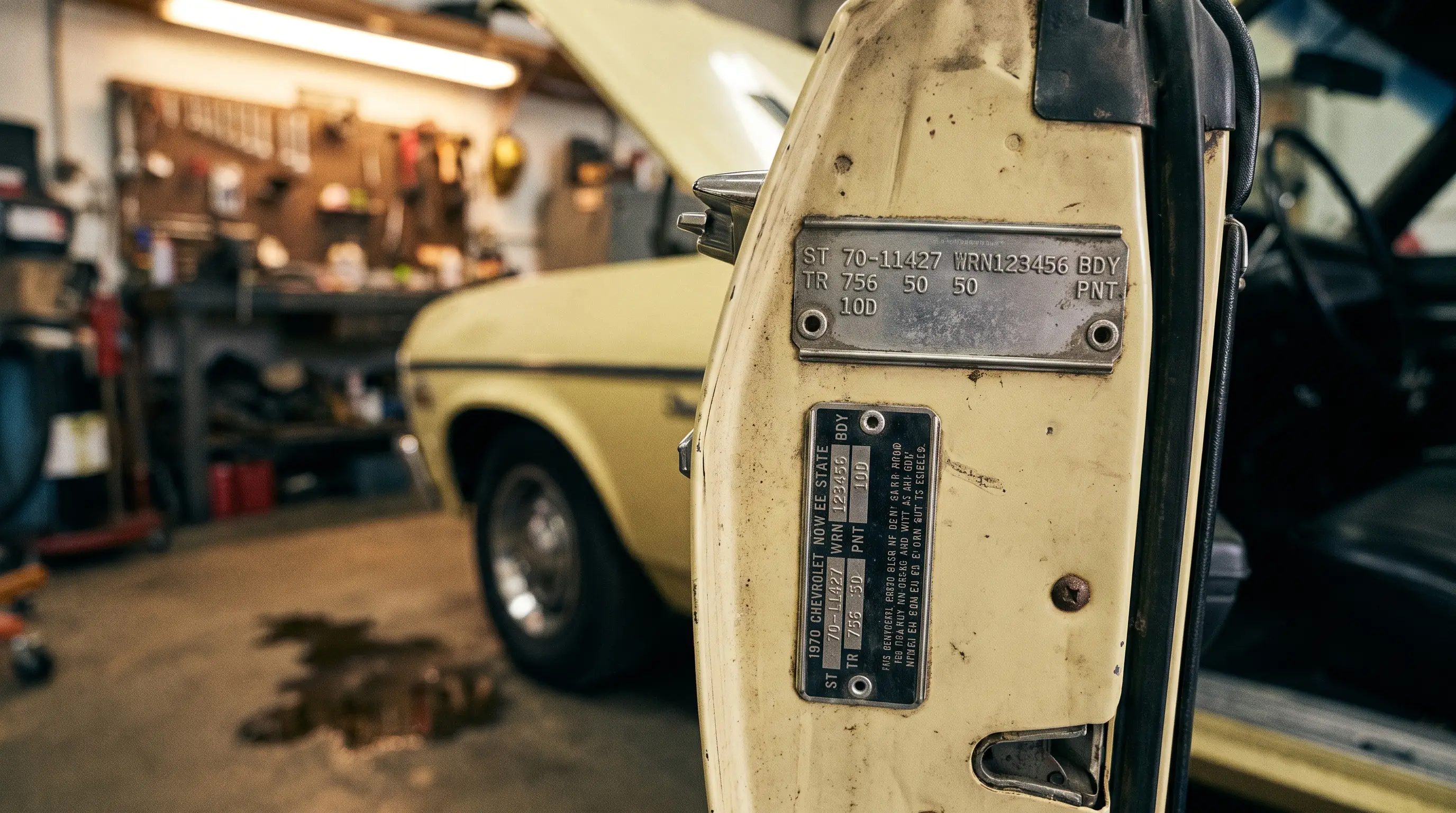
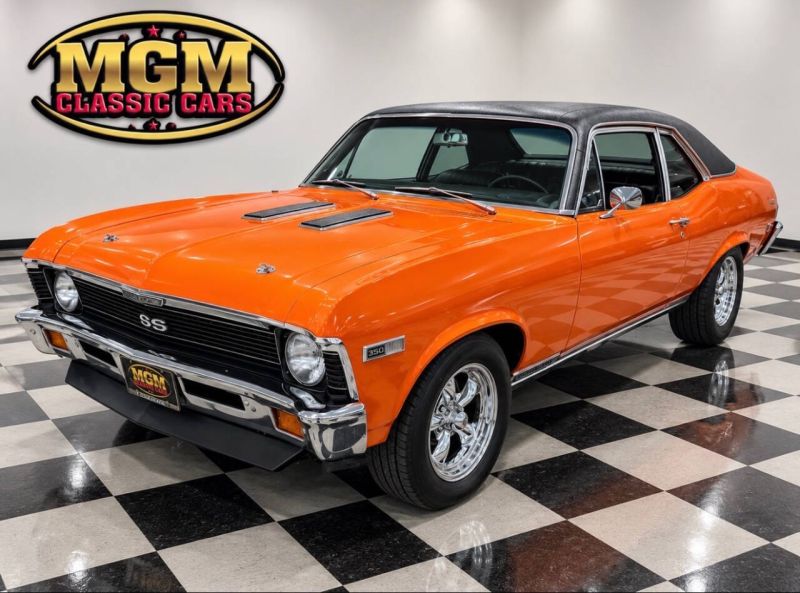
If the last rear-drive Nova has you thinking about ownership, the market for these cars is still forgiving compared to almost any other Chevrolet from the era. Condition and documentation matter more than exact model year within this final run, so a clean, well-maintained 1978 example is often a smarter buy than a rough 1979 car traded purely on the "last year" story. That said, for buyers who specifically want the final chapter of rear-wheel-drive Nova history, nothing else quite fills that role. Start your search among classic Chevy Novas for sale and pay close attention to the build sheet before you commit. The last one off the line deserves the same scrutiny as any other.