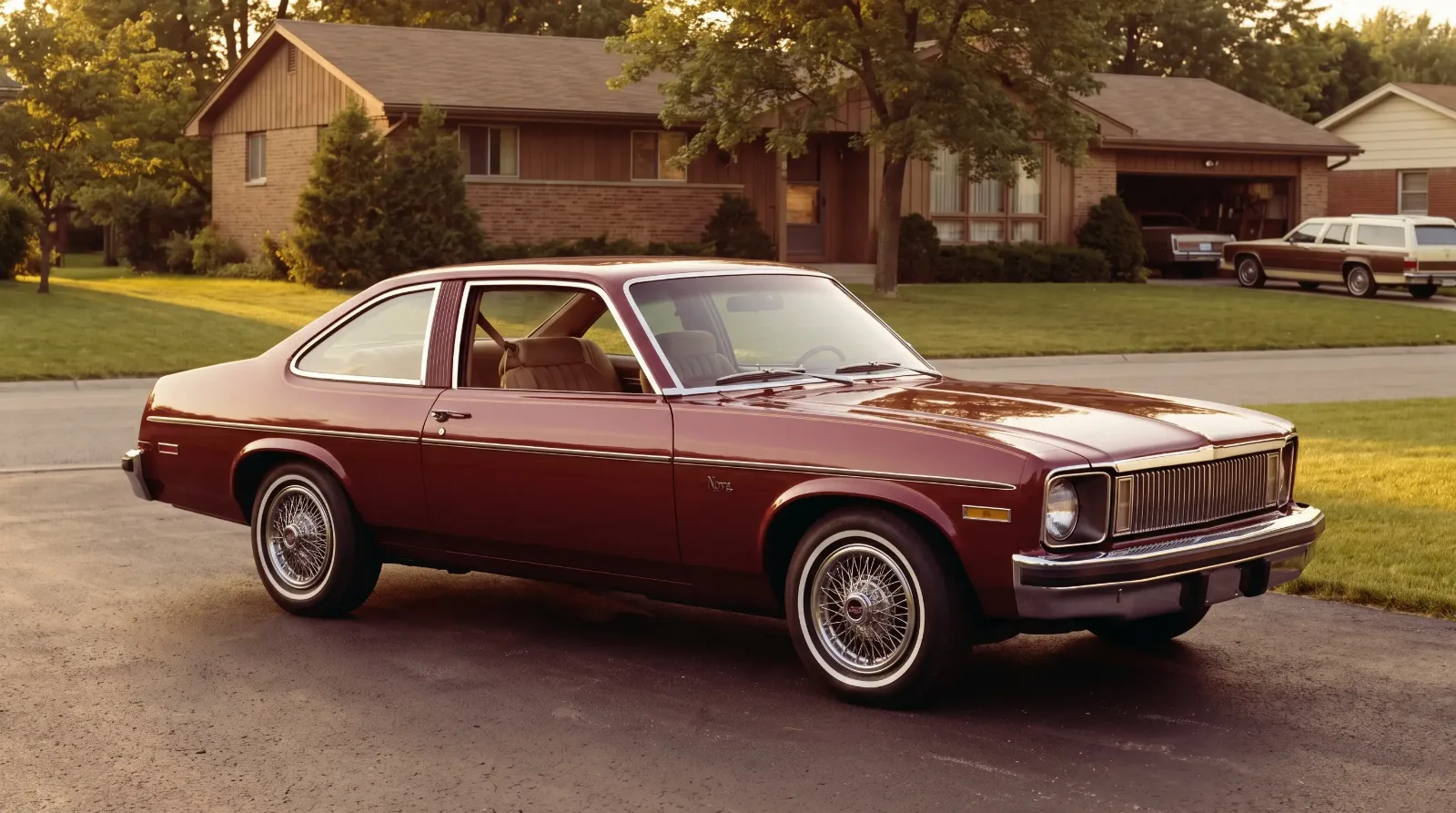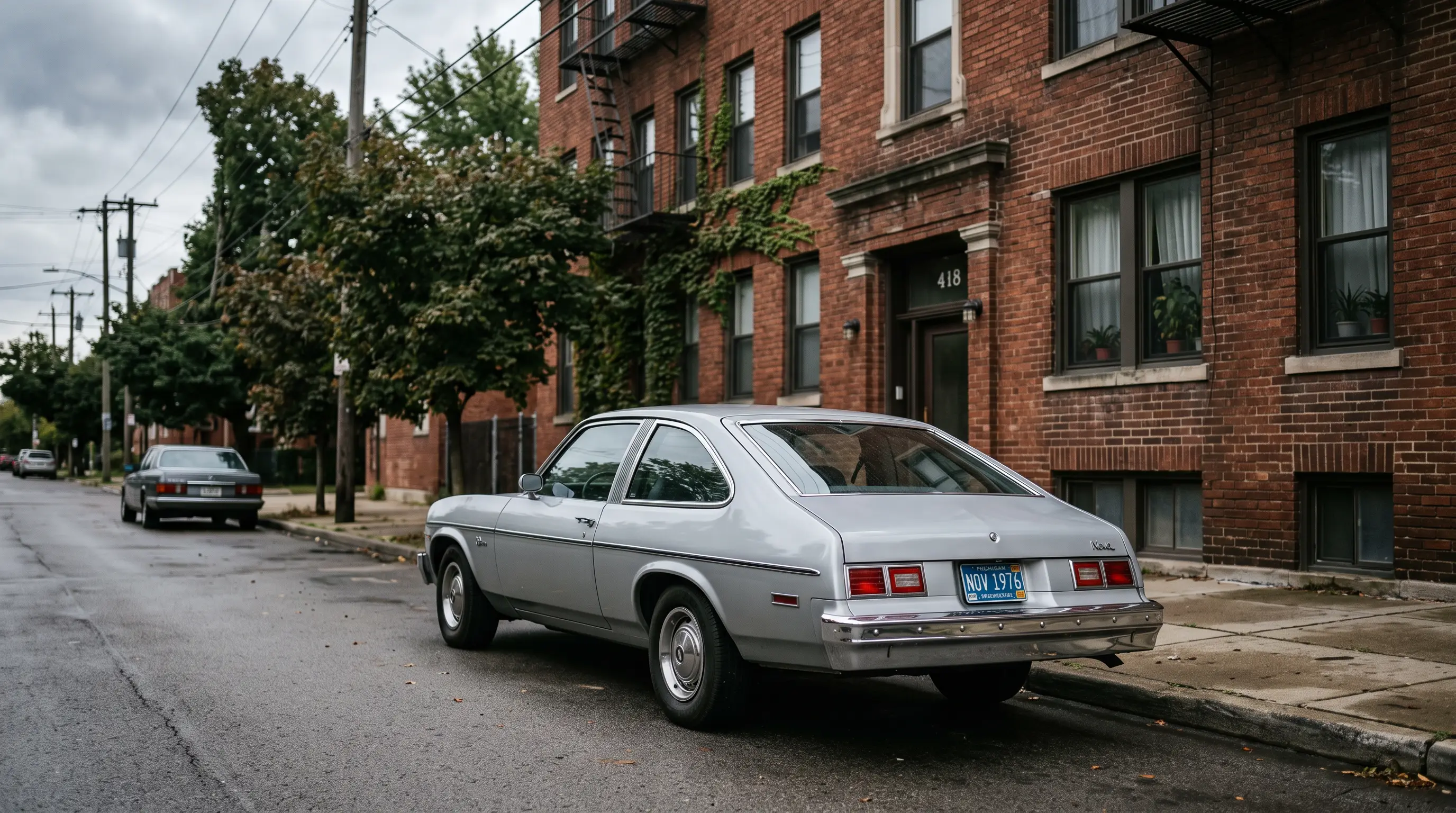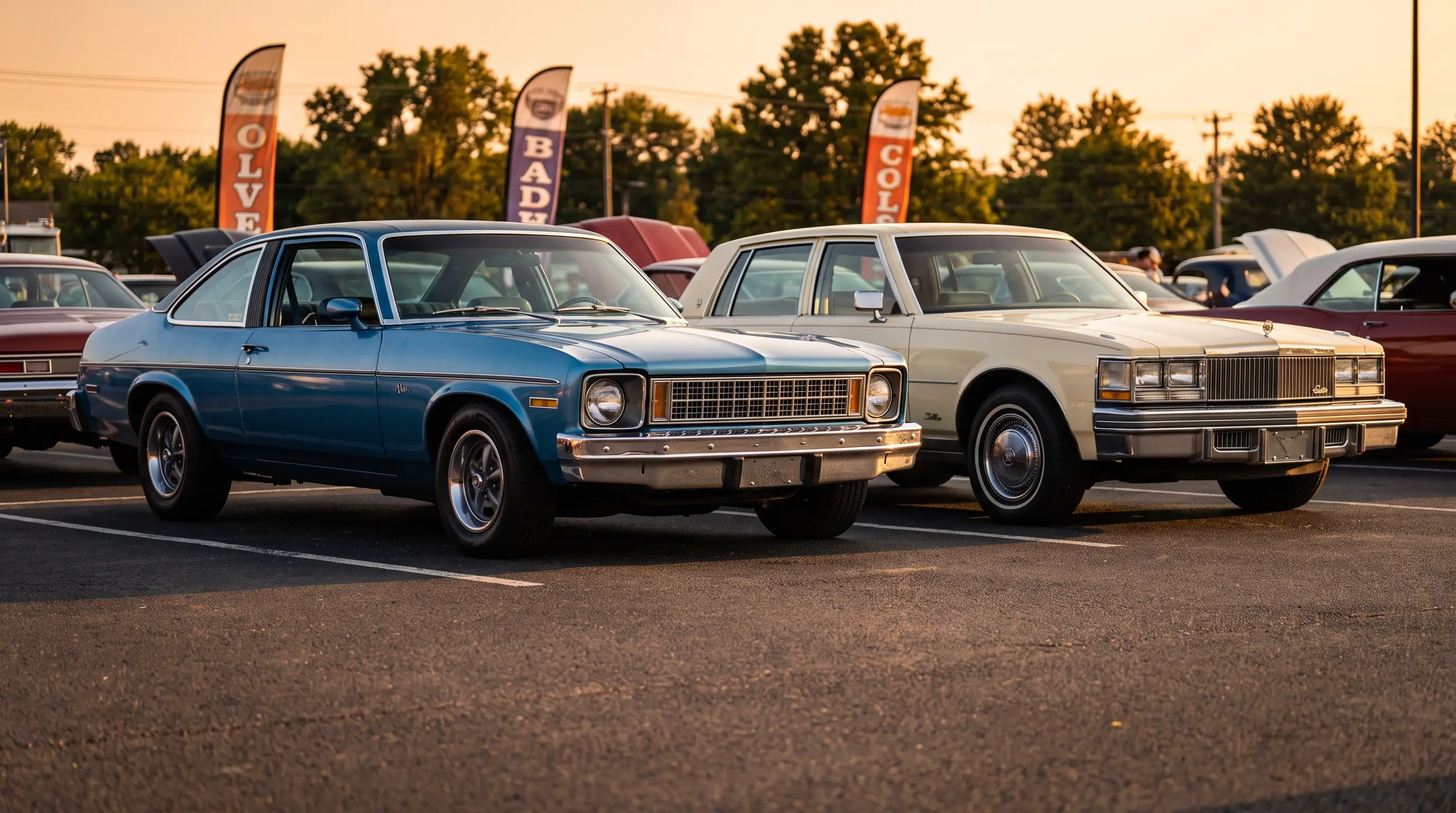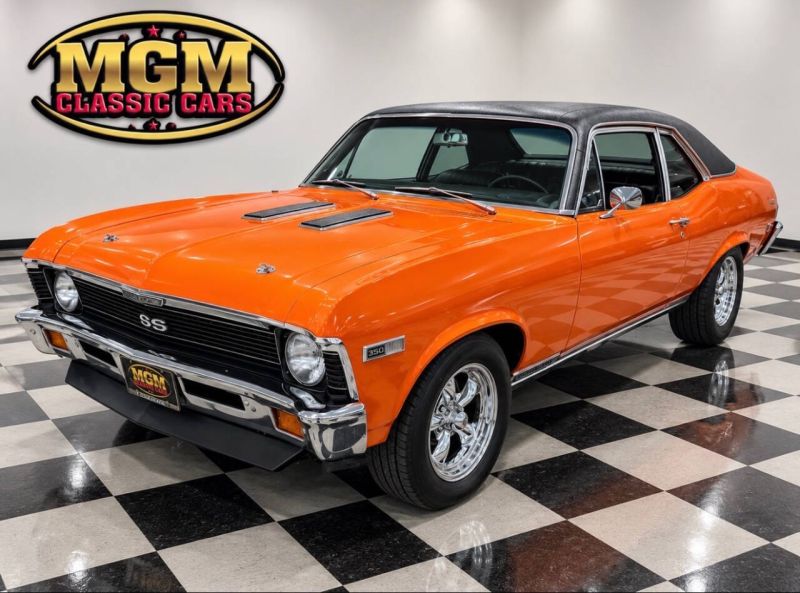
The fourth generation Nova gets dismissed before anyone actually looks at the build sheet. Ask a parking lot full of Chevelle and Camaro owners about the 1975 to 1979 Nova and most will call it a rental-car special, a Concours trim slapped on a compact nobody wanted. The factory paperwork tells a different story. This was the best-built Nova Chevrolet ever put on a showroom floor, and the fourth generation Nova is underrated precisely because the reasons it worked were quiet ones: stiffer unibody engineering, a broader range of drivetrains, and a production run that outsold nearly everything Chevrolet built in the compact class through the back half of the 1970s.
I have spent a lot of years pulling factory records for cars people assume are simple. The 1975 redesign is one of the more interesting files in the Nova story because it was not a facelift. It was a real re-engineering of the X-body platform, and the changes show up in places nobody photographs for a magazine cover.
What actually changed for 1975
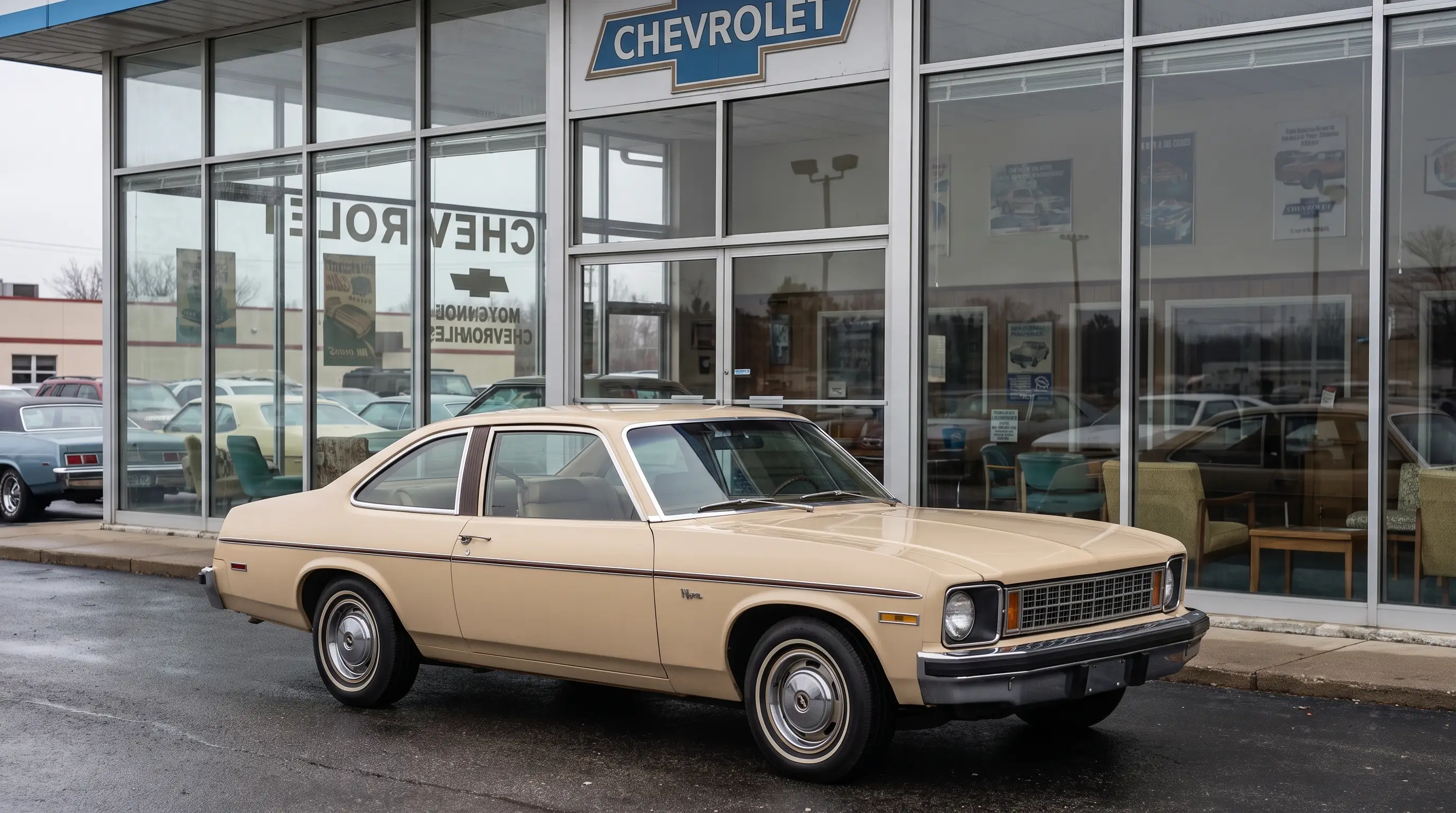
The third generation Nova, built from 1968 through 1974, had been stretched about as far as GM wanted to take that structure. For 1975, Chevrolet's engineers widened the greenhouse, revised the frame rails for better crash performance ahead of tightening federal standards, and gave the Nova a notchback roofline that borrowed styling cues from the Camaro and the Chevelle without pretending to be either. The hatchback body style, carried over from its 1973 debut on the previous generation and continued into this one, remained a genuine departure from the standard notchback. It gave Chevrolet a compact that could compete on cargo space against the imports that were starting to eat into the segment.
The upscale trim, introduced as LN for the 1975 model year and renamed Concours starting in 1976, mattered more than people give it credit for. It was not a badge job. Concours cars got a padded vinyl-look interior treatment, additional sound deadening, and trim levels of finish that the base Nova line simply did not offer. Chevrolet was positioning the Nova as something closer to a junior Malibu, and the sales figures back that decision up. Nova production through the late 1970s consistently outsold the Pontiac Ventura and Oldsmobile Omega built on the same X-body architecture, with only the Buick sibling coming close, which tells you Chevrolet's dealer network and badge recognition were doing real work even inside a shared-platform program.
The drivetrain spread nobody talks about
This is where the factory records get interesting. The fourth generation Nova offered a wider spread of engines than either of the two generations that came before it. The base inline six, a 250 cubic inch unit, remained the volume seller in fleet and economy-minded orders. Above that sat a 305 cubic inch V8, added partway through the run, that became the mainstream performance choice once the 350 was restricted in California and high-altitude markets for emissions reasons. The 350 V8 itself was available through most of the run, though output numbers moved year to year as GM chased emissions targets, roughly 145 to 170 net horsepower depending on carburetor and model year, and anyone quoting a single horsepower figure across the whole generation is oversimplifying.
| Engine | Displacement | Typical use |
|---|---|---|
| Inline six | 250 cu in | Base, fleet, economy orders |
| Small block V8 | 305 cu in | Mainstream performance, replaced 350 in restricted markets |
| Small block V8 | 350 cu in | Optional where emissions rules allowed |
What that spread tells you is that Chevrolet was not building one Nova. It was building a car that could be ordered as a stripped six-cylinder taxi replacement or a reasonably quick V8 coupe, and the fact that both configurations sold in real volume is the part the underrated argument keeps missing. A car this flexible does not survive five model years on styling alone.
Why the reputation lags the reality
Part of the problem is timing. This generation arrived right as the muscle car era was winding down, and it got compared unfavorably to cars it was never designed to be. Nobody expected a 1977 Nova to run like a 1969 Nova SS, and Chevrolet never advertised it that way. The Concours-trimmed cars were aimed at buyers who wanted a durable, well-finished compact, not a stoplight racer, and judged on that standard, the fourth generation Nova did exactly what it was built to do.
There is also a documentation problem. Third-generation Novas have a deep enthusiast following with active registries and a well-mapped option code history. The fourth generation never built that same infrastructure, partly because it was seen as a transitional car bridging the muscle era and the X-body future that became the Citation. Fewer people went digging through build sheets, so fewer people know what they actually got when the factory built one of these cars correctly.
"People bench-race the 1975 Nova against cars it was never competing with. Pull the build sheet on a well-optioned Concours coupe and you're looking at a car Chevrolet engineered carefully, not a car they phoned in."
— Tom Ramirez
Reading the factory record correctly
If you want to understand this generation, start with the build sheet, not the badge. Trim level tells you the interior and equipment package. Engine code tells you what actually sits under the hood, and that code matters more here than in almost any other Nova generation because the spread between a base six-cylinder sedan and a well-equipped 350-powered Concours coupe is enormous. Two cars wearing the same nameplate from the same model year can represent completely different ownership experiences, and that is not a flaw. It is exactly what Chevrolet intended when they widened the lineup in 1975.
Anyone tracing this generation alongside the platform's other chapters should also read the gen4 chapter for the fuller context of where this redesign sits in the Nova's overall run. From there, the next story in this set follows the X-body architecture into territory most Nova owners never expect, including a Cadillac that borrowed more from this platform than most people realize.
The verdict from the paperwork
The fourth generation Nova is underrated because it was built to be a solid, well-engineered compact rather than a headline car, and headline cars are what get remembered. The factory records show a platform that was reworked seriously for 1975, offered a genuinely useful range of drivetrains, and sold in numbers that prove Chevrolet read the market correctly. None of that shows up in a quick glance at a Concours badge. It shows up when you actually pull the file.