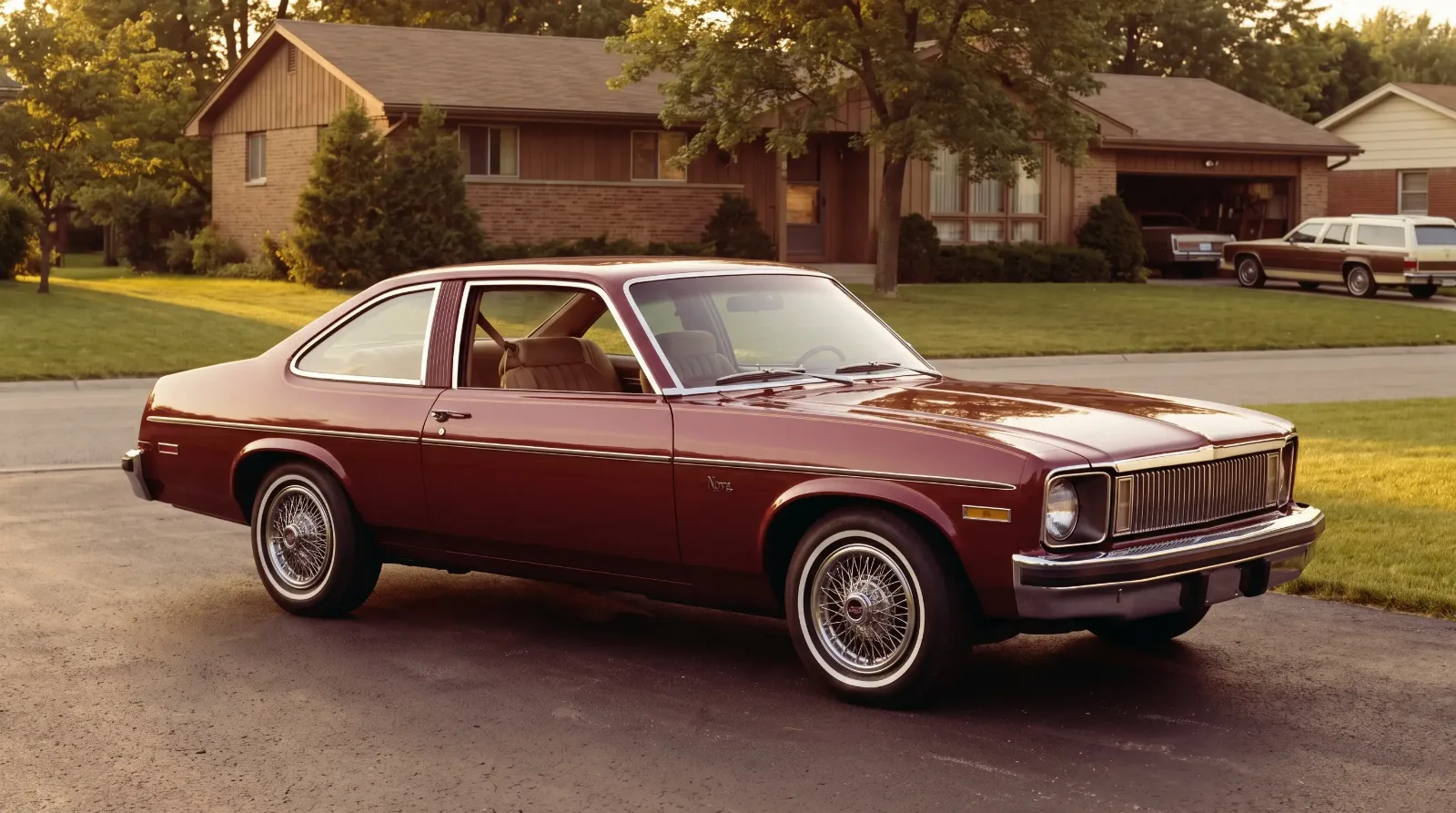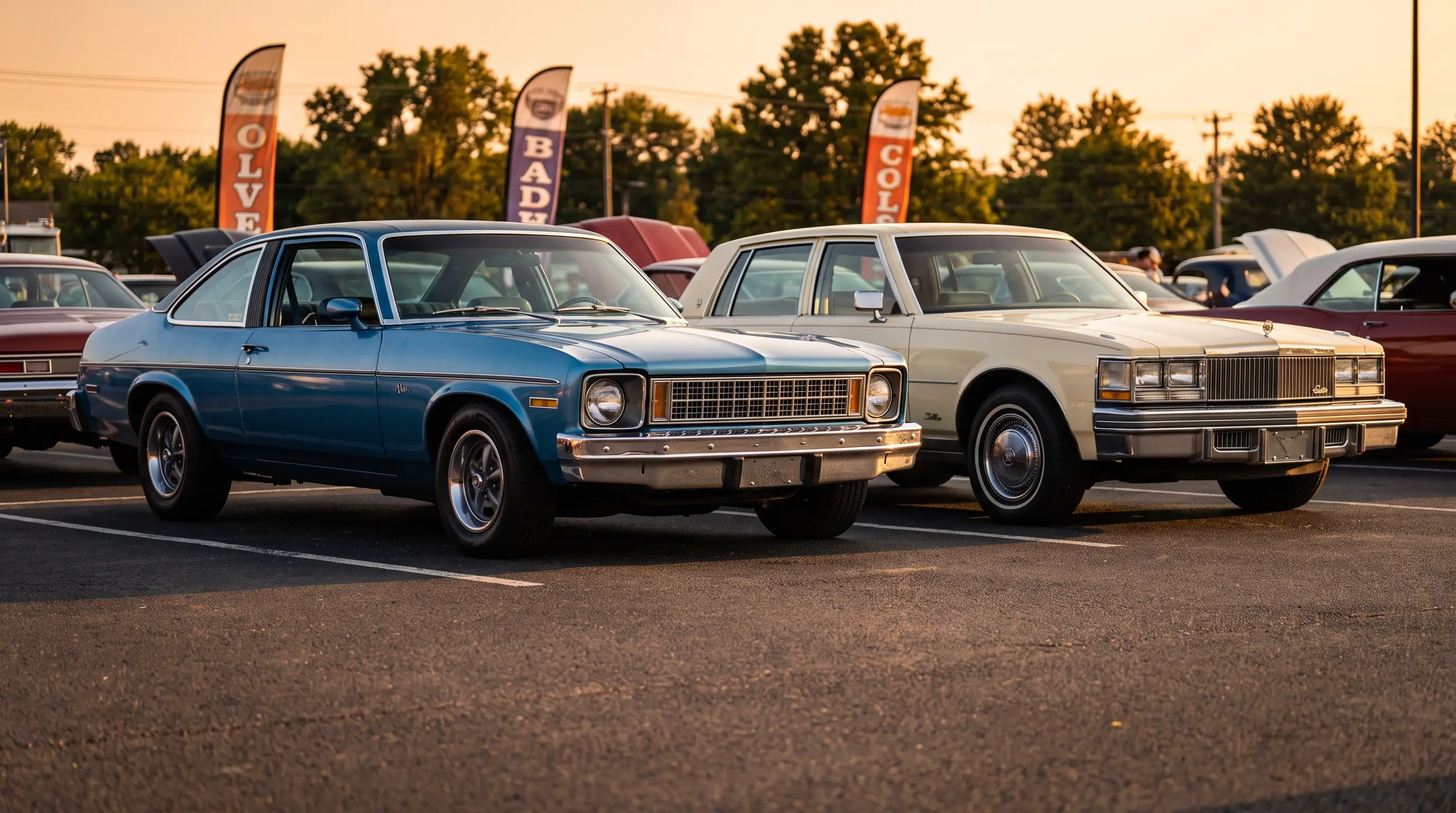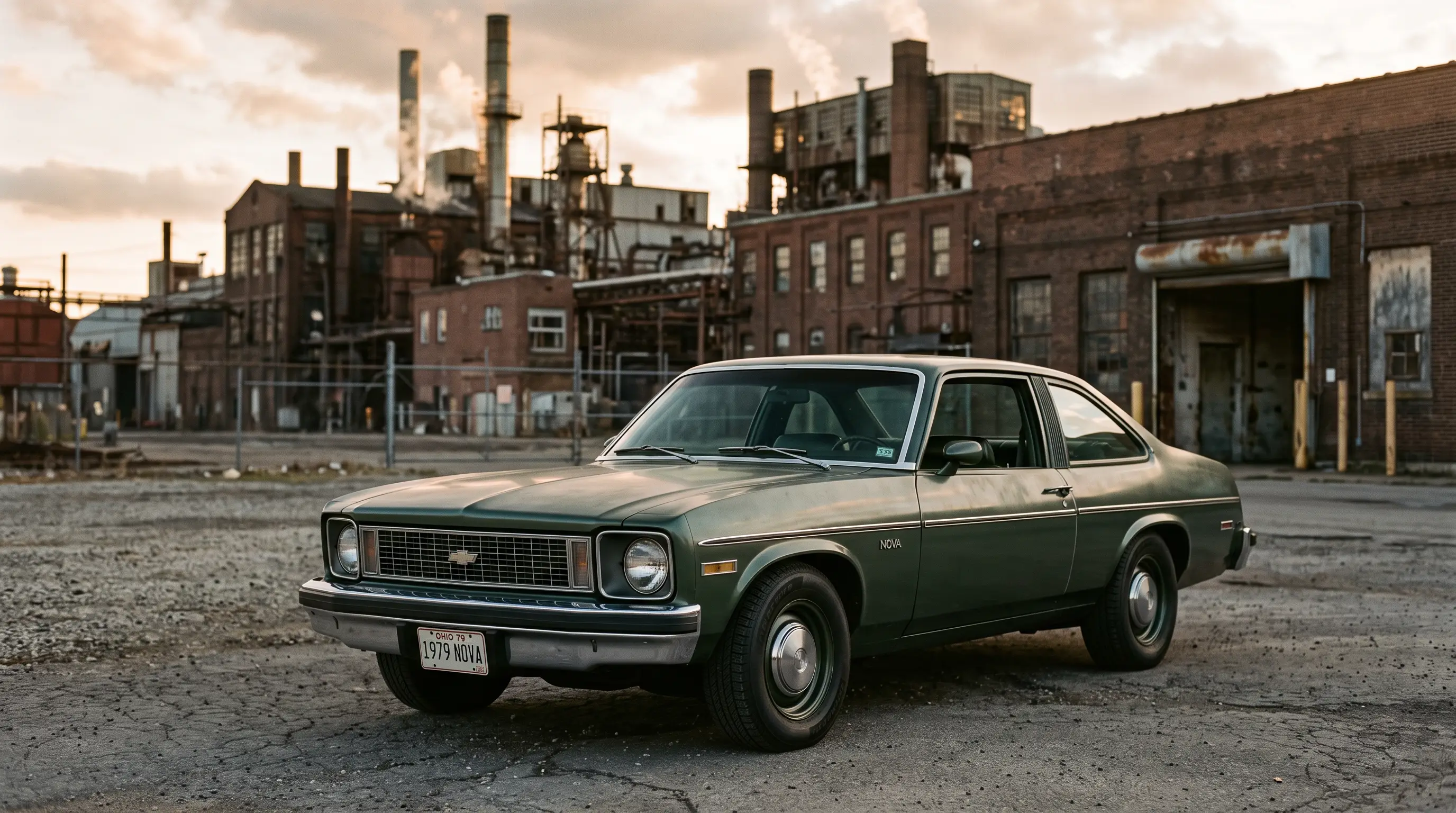
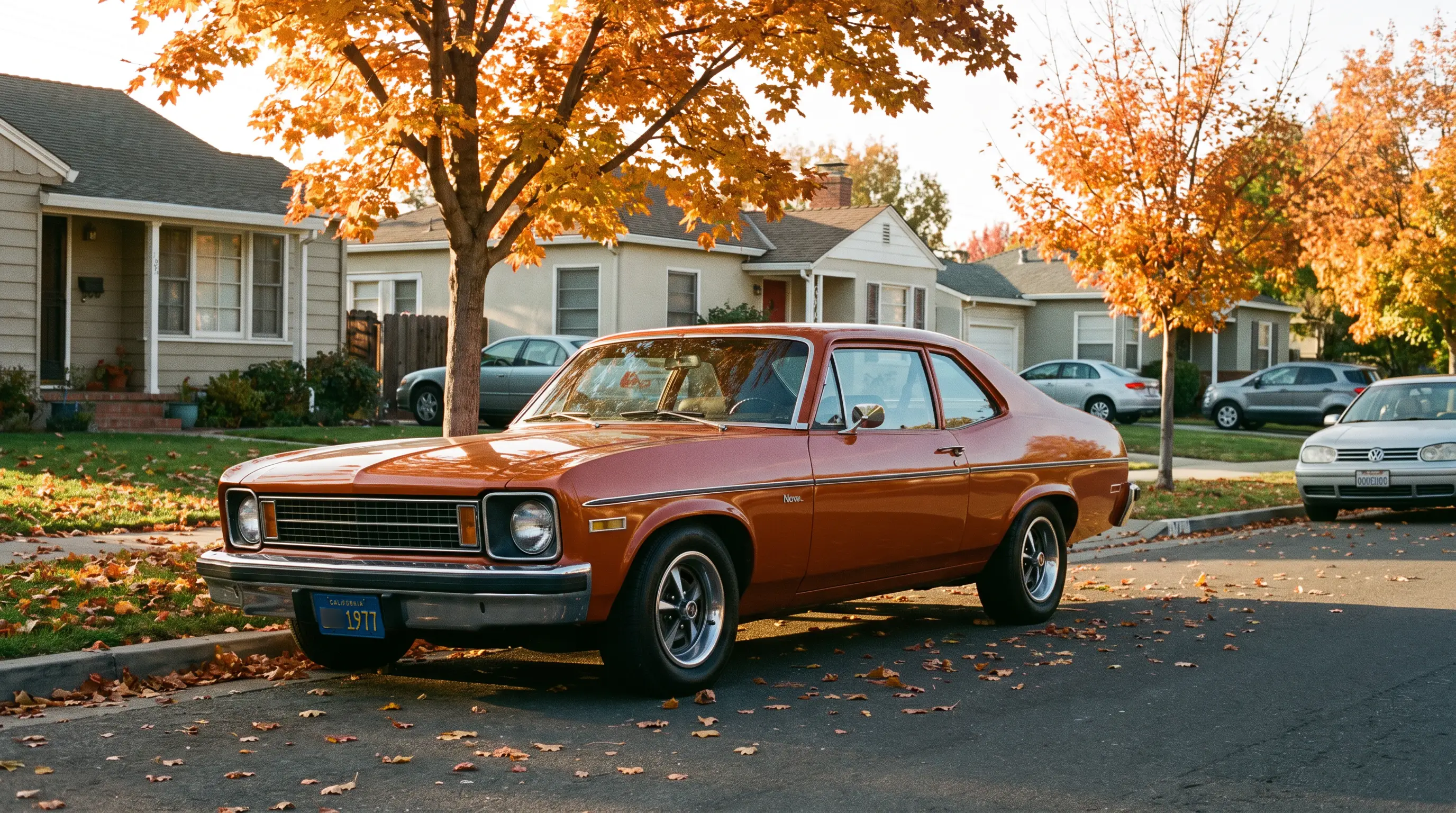
A guy at the Bowling Green swap meet showed me a receipt once, faded and folded so many times the creases were about to give out. He'd paid less for his 1977 Nova coupe than he'd paid for the tires currently on it. That's not a punchline. That's the actual state of the Gen4 Nova value proposition right now, and it's worth saying plainly before somebody convinces you these cars are getting expensive, because they mostly aren't.
The fourth generation Nova, built from 1975 through 1979, sits in a strange spot in the collector market. It's old enough to be a genuine classic, common enough that supply isn't a problem, and unglamorous enough that prices have stayed grounded while the muscle car generations ahead of it climbed into territory most people can't touch. For a buyer who wants a real 1970s Chevrolet without a six-figure number attached, that combination is close to ideal.
Why the money stayed reasonable
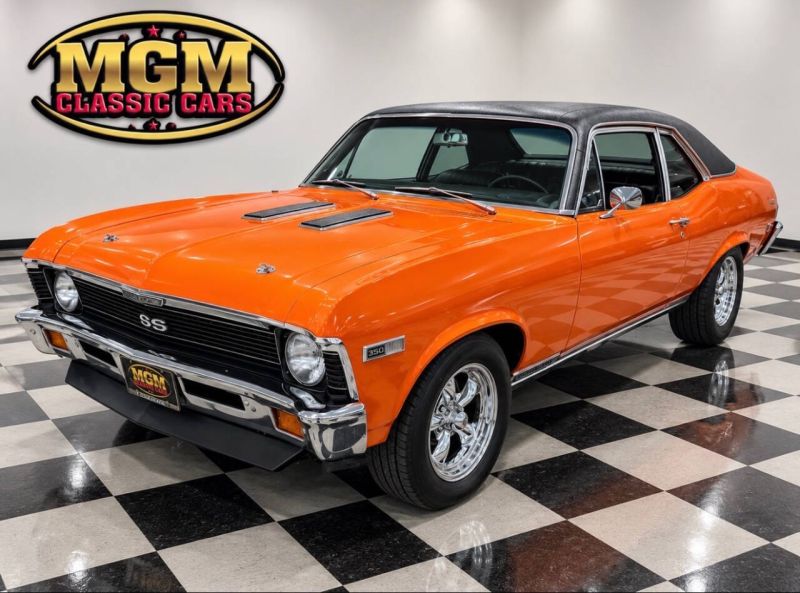
Everybody chasing the Nova SS from the late 1960s already bid those cars up years ago. The fourth generation cars never got that treatment, partly because they were never sold as performance machines and partly because the era they came from, the back half of the malaise years, doesn't carry the same nostalgia weight in the market. That's good news if you're buying rather than selling. A well-kept Concours coupe or a clean four-door sedan can still be found for a fraction of what a comparable third-generation Nova now commands.
Documentation helps here more than people expect. A car with its original build sheet, a clear ownership chain, and service records from a long-term owner will command a real premium over an undocumented example, even within this affordable segment. That's the pattern across every generation of collector car I've ever tracked, and the Gen4 Nova is no exception. The paperwork is what separates a fifteen-hundred-dollar driver from a car worth twice that.
What buyers should actually look for
Condition matters more than options on these cars, because nobody is paying a premium for a rare engine code in this segment yet. What moves the number is straightforward: rust in the trunk floor and rear quarters, a clean and complete interior, and an engine that runs the way the factory intended rather than one that's been patched together with parts-store substitutes. A six-cylinder sedan in excellent condition is a better buy than a V8 coupe that needs bodywork, because bodywork on these cars costs real money and panels are not as easy to source as they are for the more collected generations.
The honest downside
Because these cars stayed affordable, they also got neglected. Plenty of Gen4 Novas spent decades as cheap transportation before anyone thought of them as collectible, which means the surviving pool includes a lot of tired, modified, and rust-compromised examples alongside the good ones. Buyers need to look harder here than they would shopping a more collected generation, because the bad examples in this market are genuinely bad, not just cosmetically rough.
Parts support is the other honest limitation. Reproduction parts availability doesn't match what's out there for the third-generation Nova or the Camaro of the same era. Trim pieces, specific Concours interior components, and some body panels take real searching, and that adds friction if you're planning a full restoration rather than just keeping a solid driver on the road.
How to think about body style and trim
Body style matters for value in ways that surprise people who assume a coupe automatically beats a sedan. The hatchback, unique to this generation, has picked up a following among buyers who want something a little different from the usual coupe or sedan silhouette, and clean examples can command a modest premium over an otherwise comparable coupe. Sedans, meanwhile, stay the cheapest entry point across the board, mostly because collectors historically favored two-doors and that habit hasn't fully shaken loose yet. If your goal is simply the most car for the least money, a well-kept four-door Concours sedan is usually the smartest buy in this generation, even though it will never be the car that draws a crowd at a show.
Engine choice affects value less than you'd expect for a 1970s Chevrolet. The six-cylinder cars aren't penalized the way an inline six would be in the muscle car generations, because nobody bought a Gen4 Nova expecting a performance car in the first place. A well-sorted 305 or 350 V8 coupe will bring more money than a six-cylinder sedan, but the gap is modest, not the multiple-times difference you'd see comparing engine options on a 1969 Nova SS. That narrow spread is actually part of what makes this generation approachable. You're not priced out of the segment just because you want a V8.
Where the value is actually heading
I don't think this segment stays this cheap forever. Every generation of undervalued classic eventually gets discovered by buyers priced out of the segment above it, and the fourth generation Nova is a logical next step for anyone who's watched third-generation prices climb out of reach. Right now, though, that discovery hasn't fully happened, which means there's still a window for buyers who want real 1970s Chevrolet metal without competing against deep-pocketed bidders.
If you want the fuller context on this generation before you go shopping, the late Nova story covers what changed under the skin in 1975 and why it matters to a buyer today. For a look at where this generation sits at the end of the Nova's run, a companion piece walks through the final rear-drive cars before Chevrolet moved on. And if you want the whole arc from the very beginning, the complete Nova saga ties every generation together.
"I've seen grown men argue over a hundred dollars on a car that's still cheaper than a decent set of tires. That tells you everything about where this market actually sits."
— Wayne Coburn
The bottom line for buyers
The Gen4 Nova value story right now is simple: real 1970s Chevrolet engineering, affordable entry money, and a documentation-driven market where the paperwork matters more than the option list. If you're ready to actually go look, classic Chevy Novas for sale is the place to start, and the advice holds regardless of which body style or engine you end up choosing. Buy the documented car. Buy the straight body. The rest sorts itself out.