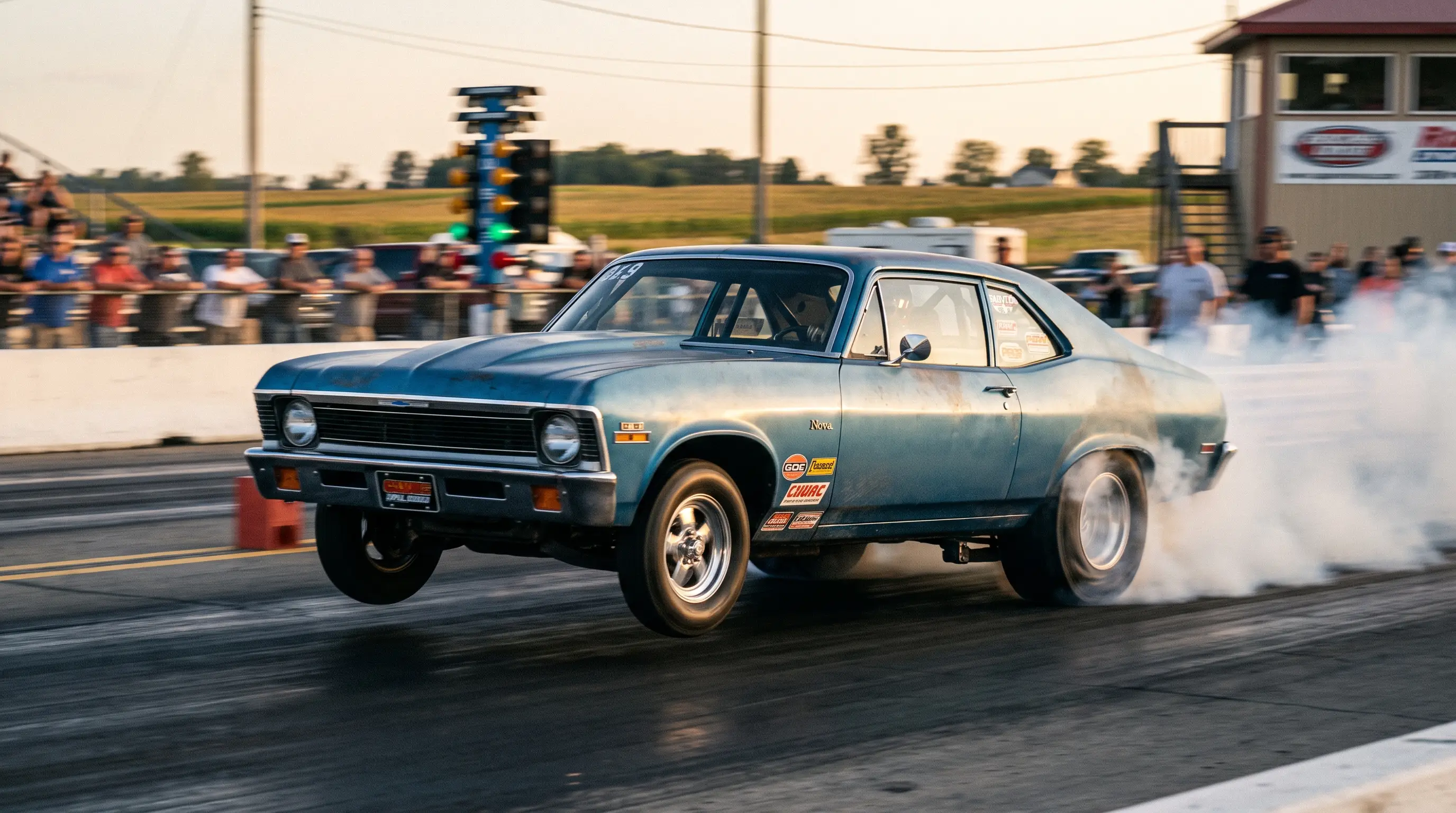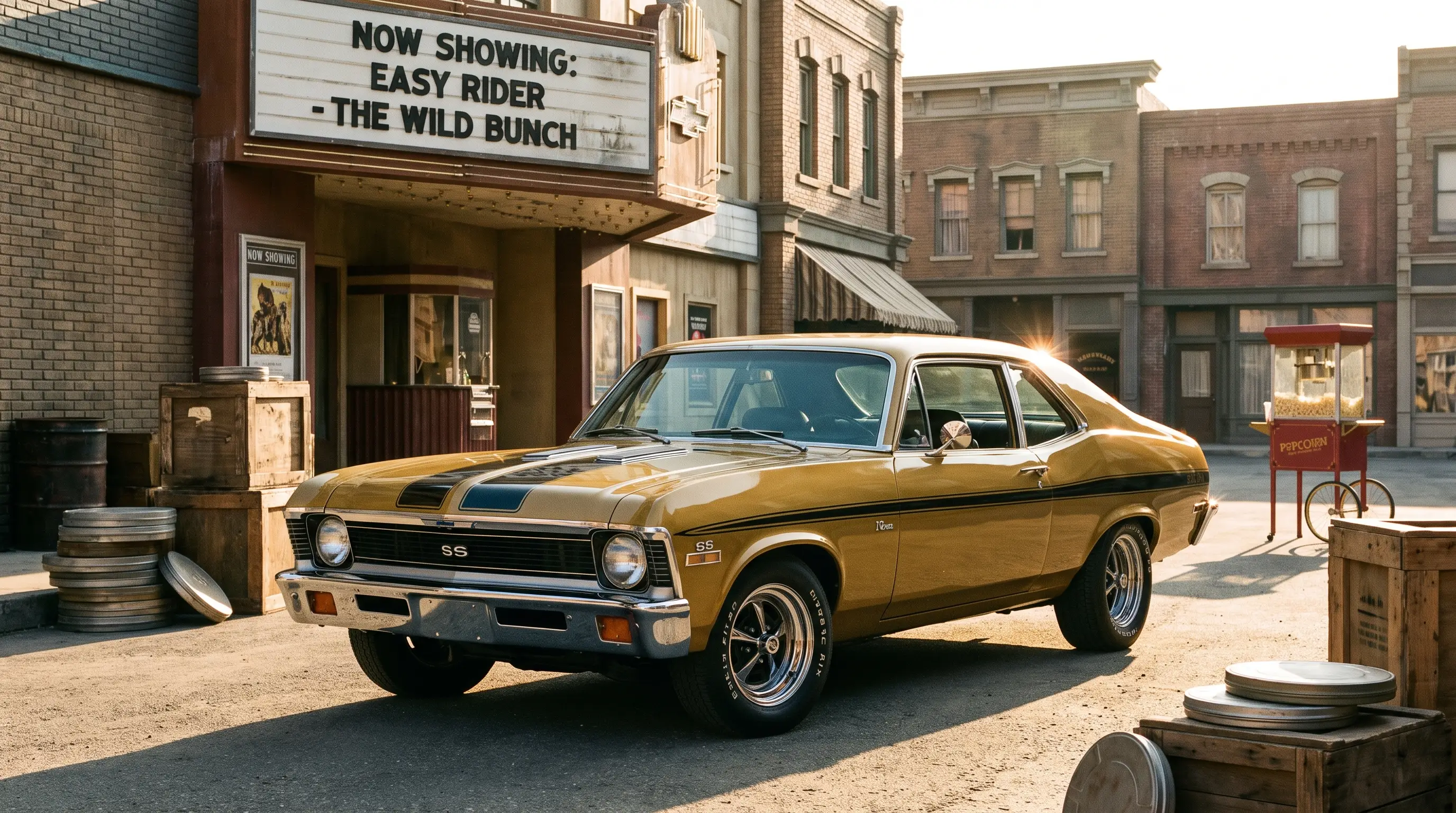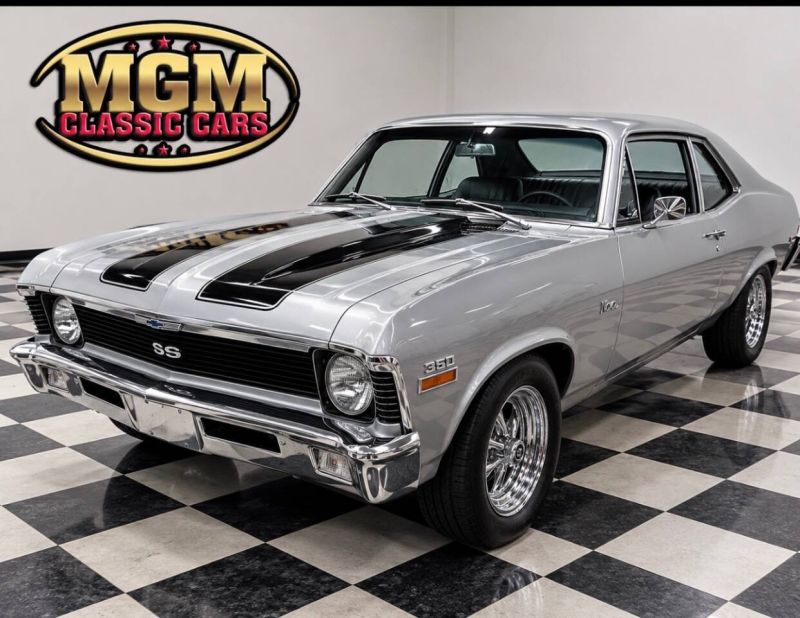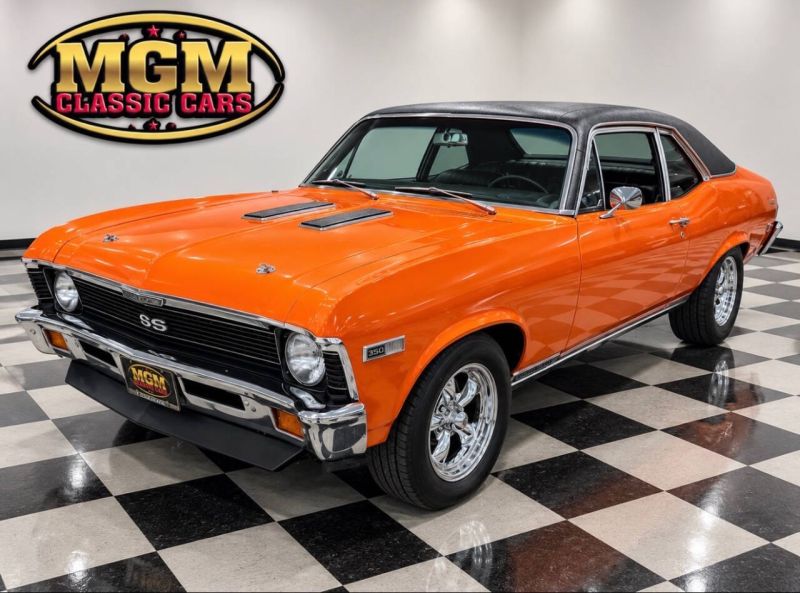
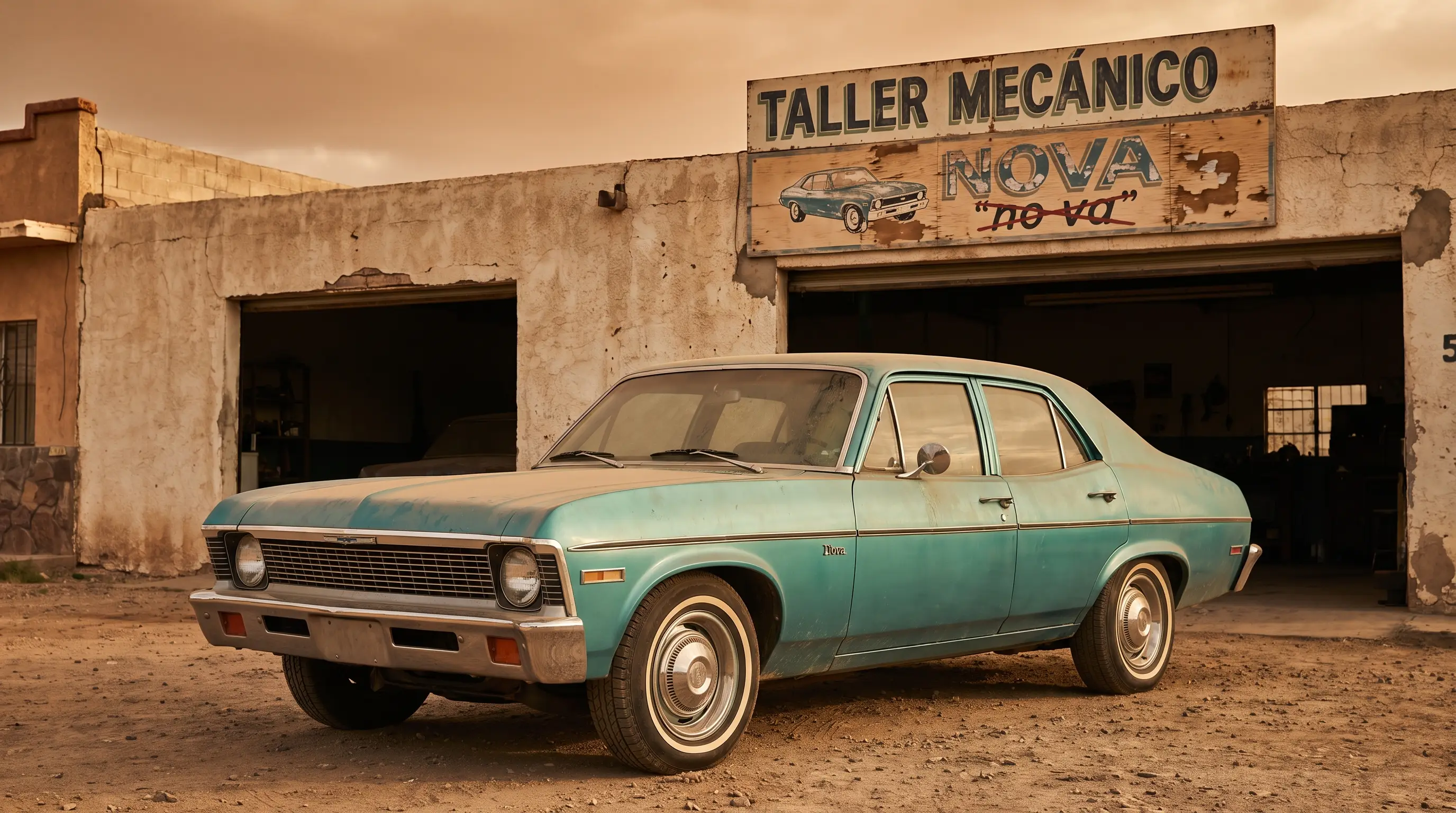
Somewhere at a car show or a business school lecture, someone will eventually tell you that Chevrolet's Nova bombed in Latin America because "no va" means "does not go" in Spanish, and that the name change to Corvette tanked sales across the region. It is one of the most repeated stories in automotive marketing folklore, cited for decades as proof that a single word choice can sink a car overseas. The nova no va myth is also, almost entirely, not true, and the real sales record tells a very different story about how the model actually performed south of the border.
Where the story actually came from
The myth traces back to marketing textbooks and business school case studies from the 1970s and 1980s, used as a cautionary tale about cultural tone-deafness in global branding. The problem is that nobody in these retellings ever produced actual sales figures showing the Nova underperforming in Spanish-speaking markets, and the linguistic premise itself does not hold up well once you look closely.
"Nova" and "no va" are not the same thing to a native Spanish speaker in casual conversation, in the same way that "carpet" does not sound like "car pet" to an English speaker just because the syllables overlap on paper. Chevrolet actually sold the Nova successfully in Mexico, Venezuela, and other Latin American markets throughout the model's run, under the same name, without the branding disaster the story implies.
Why the myth refused to die
Good stories survive because they are useful, not because they are accurate, and this one is enormously useful. It gives marketing professors a clean, memorable example to teach cultural awareness in branding, it fits neatly into a five-minute anecdote, and it plays into a broader assumption that big American companies are careless about how their products translate abroad. None of that requires the story to actually be true, and repetition across decades of lectures and articles did the rest.
The myth also survived because it is genuinely funny and a little embarrassing, which makes it stick in memory better than a correction ever will. Once a story like that gets into enough textbooks, undoing it takes far more effort than it took to spread in the first place.
What actually happened to Nova sales abroad
Chevrolet's international sales strategy for the Nova followed the same general pattern as its US strategy: distribution, dealer network strength, local assembly where it existed, and how the car competed on price against regional rivals. Where the Nova sold well, it sold well for the same reasons it sold well domestically, an affordable, reliable compact with parts support and a name recognized across the Chevrolet lineup. Where it sold less strongly, economic conditions and market-specific competition explain far more than a supposed language problem ever could.
This is worth remembering any time a marketing story sounds too tidy. A car's regional sales performance is shaped by currency conditions, import tariffs, dealer footprint, and local competition long before it is shaped by a coincidental homophone in another language.
General Motors also sold cars under the Chevrolet badge across Latin America for decades after the Nova left US production, which is not the behavior of a company that had been burned by a supposed naming disaster in that exact region. If the myth were true, it would have shown up as caution in later model naming for the same markets. Instead, GM kept using straightforward, unmodified Chevrolet nameplates across the region without the defensive renaming pattern the story implies should have followed.
"Every car culture needs its ghost stories, and the Nova got a good one. The trouble is the story was never really about the car. It was about how much people enjoy believing a big company can be that careless."
— Patrick Walsh
How to answer someone who repeats it anyway
You will still hear this story at car shows, from well-meaning family members, and occasionally from a marketing professor who has not updated the lecture slides in twenty years. The most useful response is not to argue linguistics on the spot. It is to point out the simple test any of these stories should pass before repeating them: where are the sales numbers. A brand failure caused by a translation problem should show up clearly in regional sales data, dealer records, or contemporary trade press coverage from the actual years in question. This one never has, because researchers who have gone looking for that evidence have not found it.
It also helps to remember that Chevrolet was hardly alone in facing skepticism about how names travel across languages, and most of those stories share the same pattern once someone checks the source. A memorable anecdote gets repeated by people who like the lesson it teaches, long after anyone bothers to verify whether the underlying claim survived contact with real records.
The real legend does not need the myth
Strip away the false marketing anecdote and the Nova still has plenty to offer as a story worth telling, from its small-block performance reputation to its Hollywood appearances to its long life as an affordable entry point into classic Chevrolet ownership. The name never needed rescuing, because it was never actually in trouble. If anything, the persistence of the "no va" myth is a small tribute to how recognizable and memorable the Nova name became across markets, which is a strange kind of compliment hiding inside a debunked story.
For more on how that reputation actually took shape, the Nova legend covers the full arc of the car's cultural staying power, and a related deep-dive looks at how the model kept showing up in film and television long after production ended. If the myth got you curious about the real car instead of the folklore, a look through classic Chevy Novas for sale is a better use of that curiosity than another retelling of a story that never happened.
Sources and notes
- Snopes: Did the Chevrolet Nova Fail to Sell in Spanish-Speaking Countries?
- Zinzin: Chevy Nova, the Legendary Naming Fail That Wasn't
- NPR: Letters, The Myth of the Chevy Nova
- Deseret News: Chevy Nova tale and other global marketing myths debunked
- MotorBiscuit: Fact or Myth, Chevy Nova 'No Go' Name Killed Sales in Latin America