
Paint is the first thing anybody notices on a Nova SS, and it's also one of the most misunderstood parts of buying one. Chevrolet ran a real color palette across these cars, not just the handful of shades people assume from magazine photos, and knowing which colors are correct for which year saves you from either overpaying for a "rare" color that was actually common, or walking away from a genuinely unusual car because you didn't recognize it. If you want the background on how the Nova SS earned its name, that's the right starting point. This one's about what color it came in, and why that still matters when you're standing in front of one with a checkbook.
Car Features
6 min read
Nova SS Colors and Paint Options
Chevrolet's factory paint codes are the only reliable way to confirm a Nova SS's original color, and reading them right can save you from an undisclosed repaint.
The color codes that actually shipped
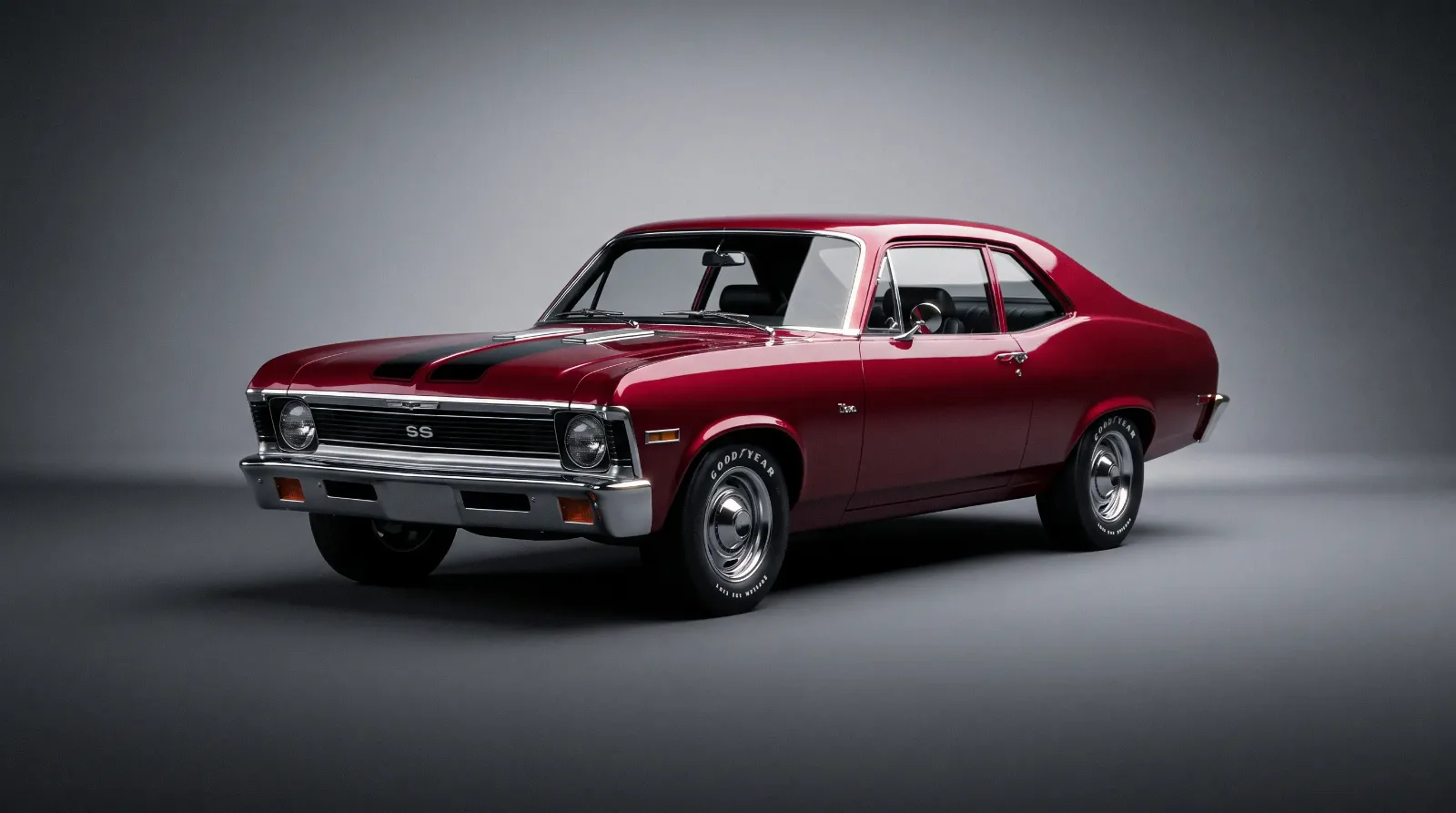
Every Nova SS left the factory with a two-digit paint code stamped on the cowl tag, and that code is the only reliable way to confirm a car's original color, because repaints happen constantly and memories of "it's always been this color" are worth nothing without documentation. Chevrolet's palette across the 1968 to 1972 Nova SS years included the usual muscle-car staples like Cortez Silver and Tuxedo Black alongside brighter options that came and went year to year. By 1972 alone the Nova lineup offered around fifteen factory colors, from Antique White and Pewter Silver to Placer Gold, Mohave Gold, Orange Flame, and Cranberry Red, each tied to its own two-digit cowl tag code. Some colors ran for a single model year before being dropped, which is part of why certain color and trim combinations show up so rarely at shows today. It's not always that fewer cars were built. Sometimes it's that a shade only existed on the order sheet for twelve months before Chevrolet moved on to something else.
The cowl tag doesn't lie the way a seller's memory can. Learn to read it before you trust a verbal color claim on any car you're seriously considering.
Common colors versus the ones that actually turn heads
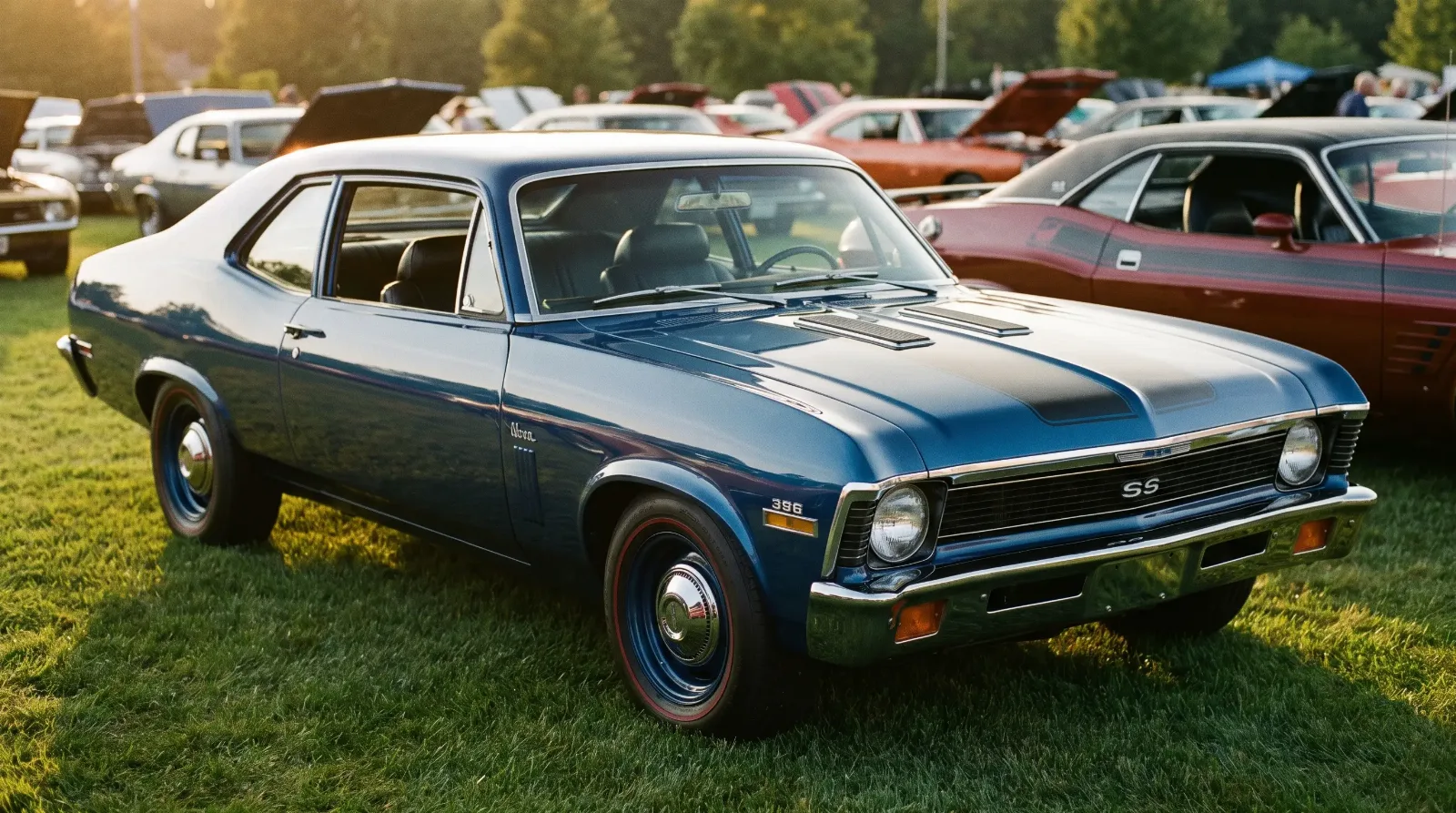
Certain colors on the Nova SS show up constantly at shows and swap meets. Others are genuinely uncommon, and the difference matters for both authenticity checks and, frankly, resale value. Bright, saturated colors from the early 1970s tend to draw the most attention now, partly because they photograph well and partly because fewer were ordered compared to the safer, more conservative shades that dominated actual sales volume. That creates a situation worth understanding: a Nova SS in a rare factory color is a more interesting car to collectors today than it was to the original buyer in the showroom, where color choice was mostly about personal taste and resale caution rather than future rarity.
None of that means a common color makes for a lesser car mechanically. It just means buyers should expect to pay a premium for a documented rare color and shouldn't assume a common one is somehow less authentic just because it's less exciting to look at.
Two-tone stripes and how they complicate the picture
The SS stripe packages add another layer to the color question, because a stripe kit was often a separate option from the body color itself, and the two don't always get matched correctly during a repaint. A car repainted its original body color but fitted with a reproduction stripe kit in a slightly wrong shade or width is common enough that it's worth checking the stripe against reference photos for that specific model year, not just assuming the body paint code covers everything. Stripe width and placement changed across the run too, so a 1970 stripe kit applied to a 1968 body, or the reverse, is a mismatch that a careful buyer should be able to spot with a decent reference photo in hand.
This matters more than it sounds like it should, because a lot of restorers treat the stripe as an afterthought once the body color is sorted, and that's exactly the kind of detail that separates a documented, correctly restored car from one that just looks the part at a glance.
Spotting a repaint before you buy
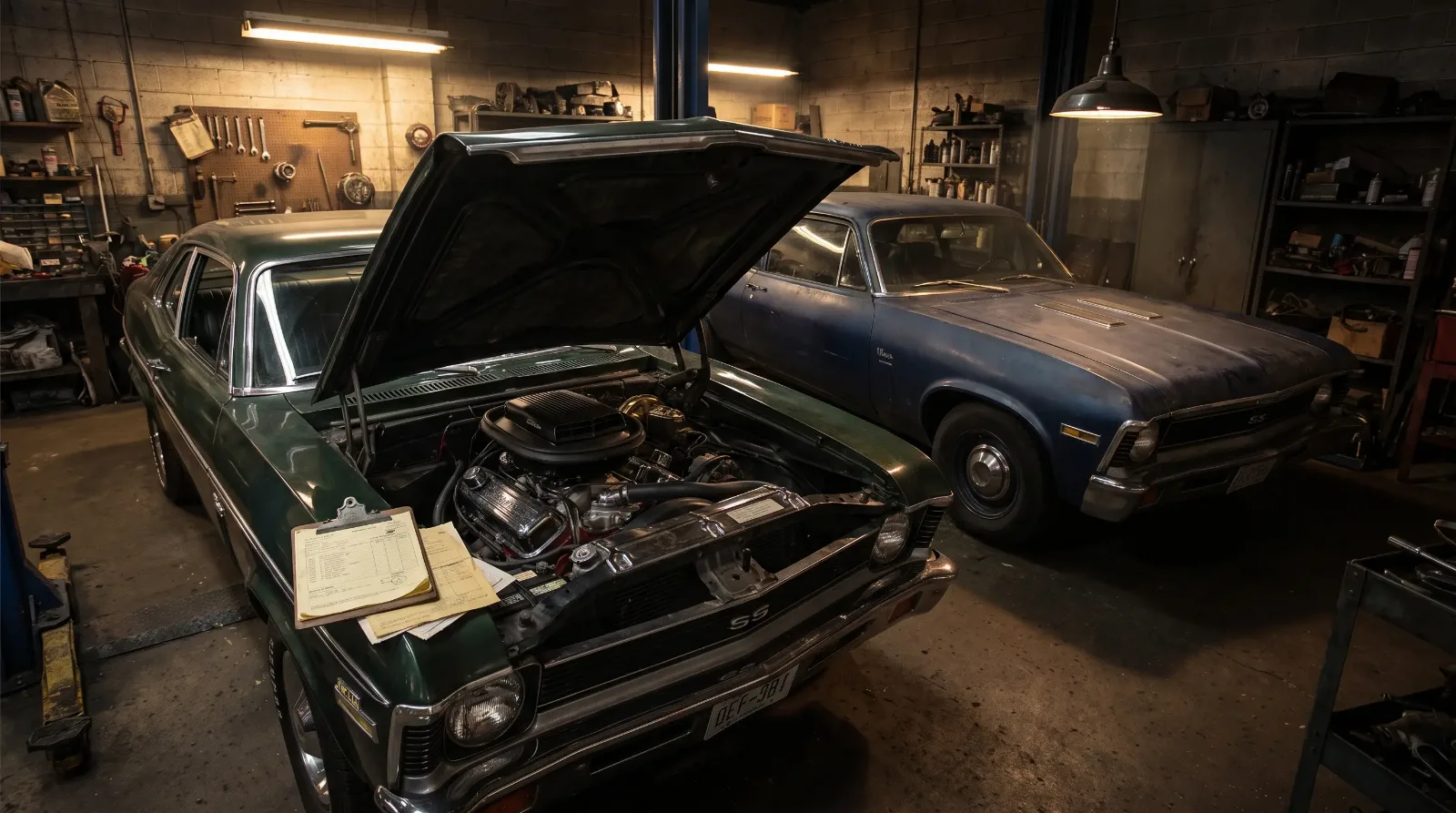
A repaint isn't automatically a dealbreaker, but an undisclosed one is a problem, because it usually means you're buying a car with a story the seller either doesn't know or isn't telling. The tells are consistent across most repaints regardless of how good the bodywork underneath is. Check inside the door jambs, under the trunk lid, and behind the bumper brackets, all places a full repaint job typically misses because they're time-consuming to mask properly. If the color under the trunk lid doesn't match the exterior, you've found your answer. Overspray on rubber weatherstripping, wiring harnesses, or undercarriage components is another giveaway that somebody sprayed the car without a full teardown.
Orange peel texture that's inconsistent across panels is a simpler tell. Factory paint from this era had a particular, relatively even texture across the whole body because it was applied on a production line under controlled conditions. A repaint done in a home garage or a rushed shop job often shows texture differences between panels, especially where the painter had to work around trim pieces or reach awkward angles.
"I always tell people to check under the trunk lid before they check anything else. Paint shops mask what shows. They don't always bother with what doesn't. If the color in there doesn't match the fenders, you're not looking at an original paint job, and now you need to ask what else got glossed over."
Mike Sullivan
A few practical checks before you commit
Color is a fun place to start a conversation about a Nova SS, but it's rarely the deciding factor in whether a car is worth buying. It's a useful cross-check against the paperwork, and a useful early warning sign if something doesn't add up. For a look at how these same verification habits apply to badges, hardware, and other authenticity markers, a related deep-dive walks through the broader question of telling a real SS from a re-badged clone. And if you want the fuller picture of where this car sits in Chevrolet's lineup, Chevrolet's Nova history covers the ground this piece doesn't.
Sources and notes
Related Reading
Have a
Chevrolet Nova
for Sale?
Reach thousands of serious classic car collectors across the US.
Sell It Here →
Are You a Classic Car Dealer?
List your full inventory and connect with targeted classic car buyers.
Join as a Dealer →

About the author
Mike Sullivan
Detroit-area muscle car enthusiast and restoration specialist with three decades of hands-on experience working on American iron.
Related Listings - Chevrolet Nova




Comments
Be the first to comment on this article.