
I get some version of the question "what is a nova ss" almost every week from somebody standing in a driveway looking at a car with SS emblems on it. The honest answer disappoints most people. The Nova SS was never a separate model with its own serial number sequence. It was an option package Chevrolet sold on top of an ordinary Chevy II or Nova, and depending on the year, that package meant almost nothing mechanically or it meant a genuine big-block sitting over the front wheels. Both of those cars wear the same three letters. That is where buyers get into trouble.
Car Features
7 min read
What "Nova SS" Really Means
The Nova SS badge meant a trim package on some cars and a genuine big-block on others. Here is how to tell which one you are actually looking at.
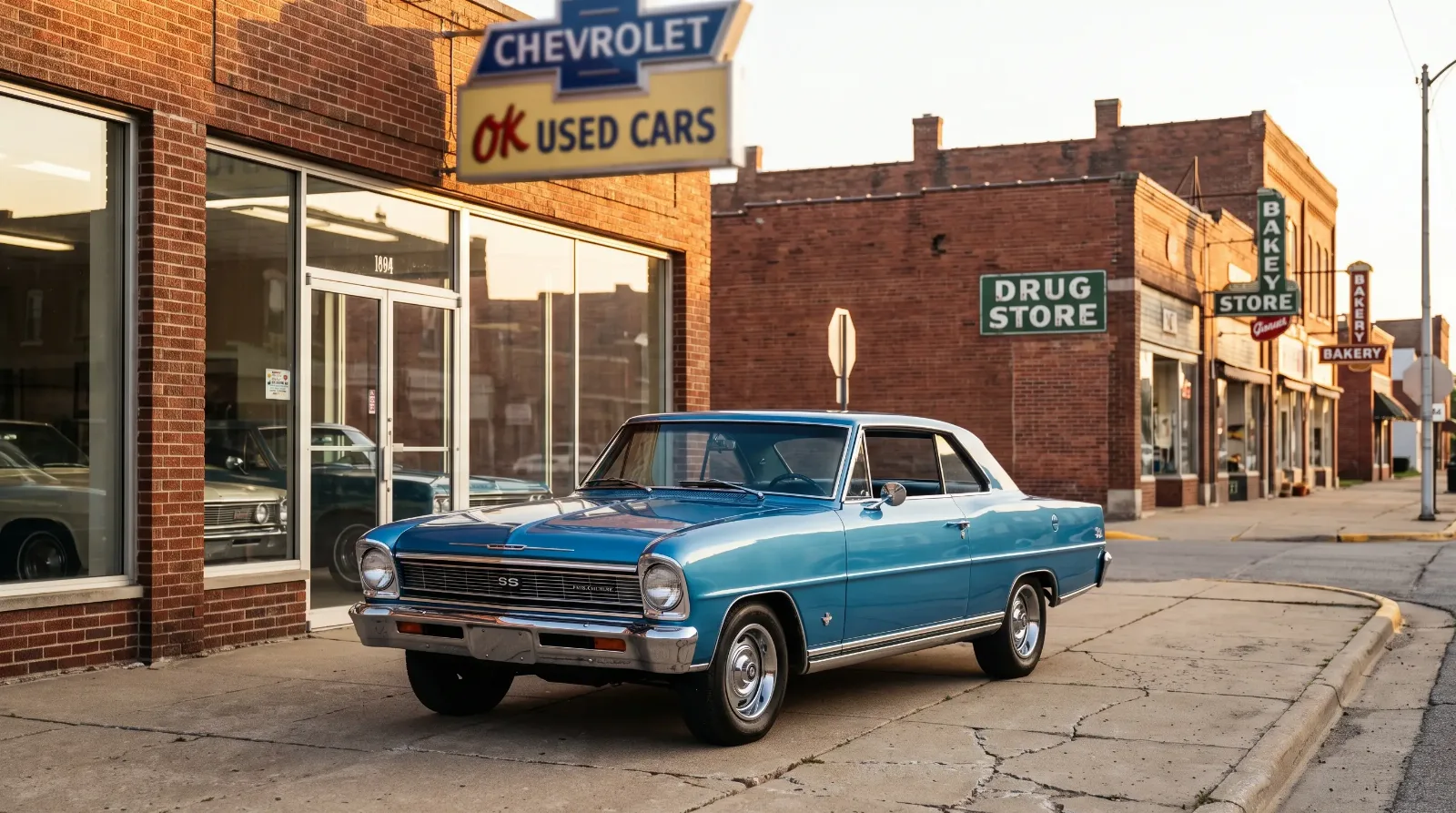
Understanding what the badge actually bought you in a given year is the difference between paying a fair price and getting taken. So let's get into it properly, year by year, instead of treating "SS" like it describes one car.
SS was a checkbox on an order form, not a different car
When Chevrolet built a Chevy II or Nova at the factory, the SS package was an option code added to a build sheet, the same way you might add power steering or a radio. The car came down the same line as every other Chevy II. Nothing about the VIN identifies it as an SS, and nothing about the body shell is unique to the package in most years. That single fact explains almost every fraud story you will hear about this car. If you want the long version of how the badge and the model grew up together, the SS chapter covers the whole arc from a trim option to a genuine muscle car.
Because it was just an option, a dealer or a private owner could order the badges, the wheel covers, and the interior trim on a plain six-cylinder car and never touch the drivetrain. Nothing stopped it. That is not a scandal, that is just how factory ordering worked, and it means the badge alone tells you very little.
What you actually got for the money changed by year
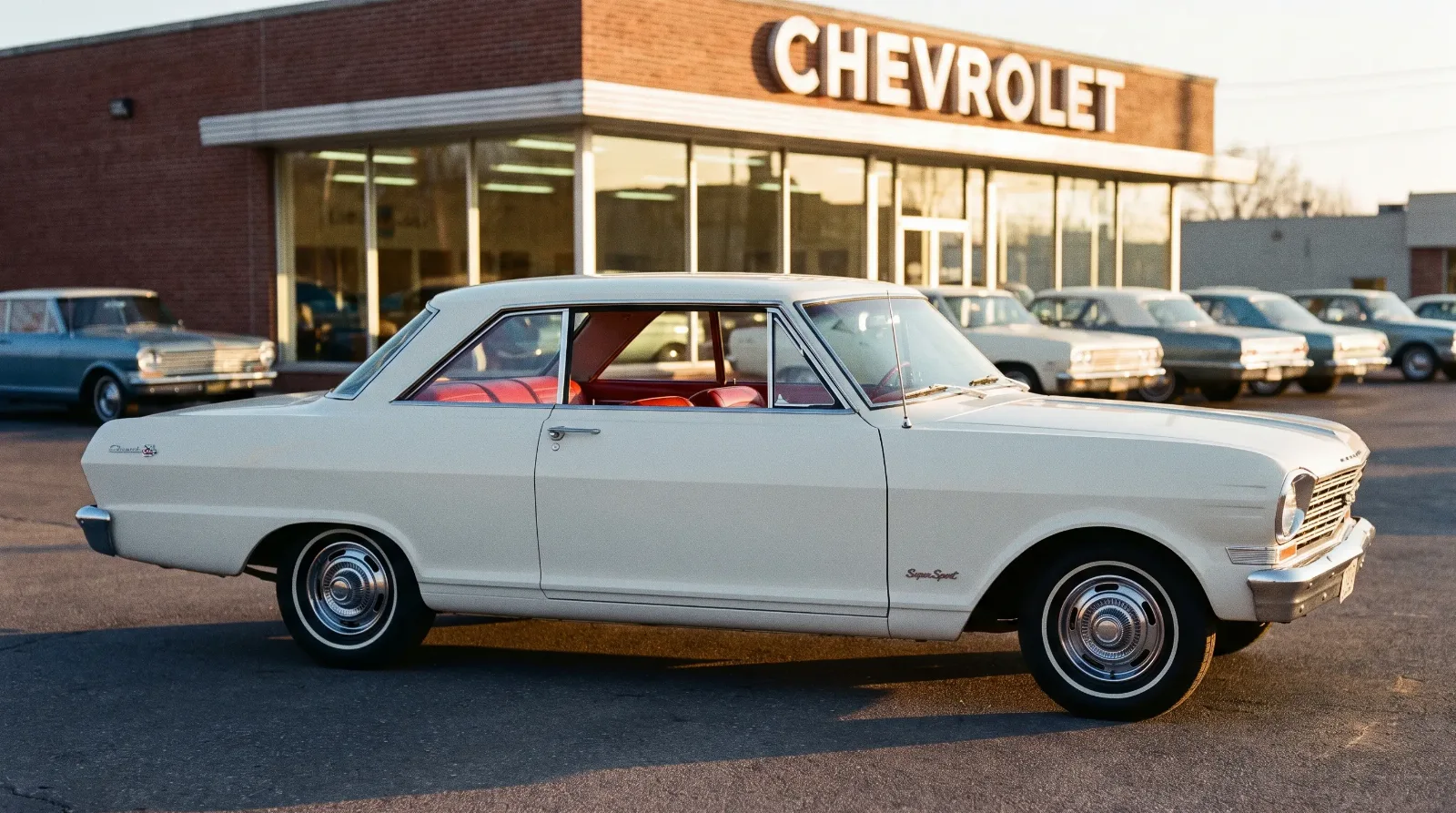
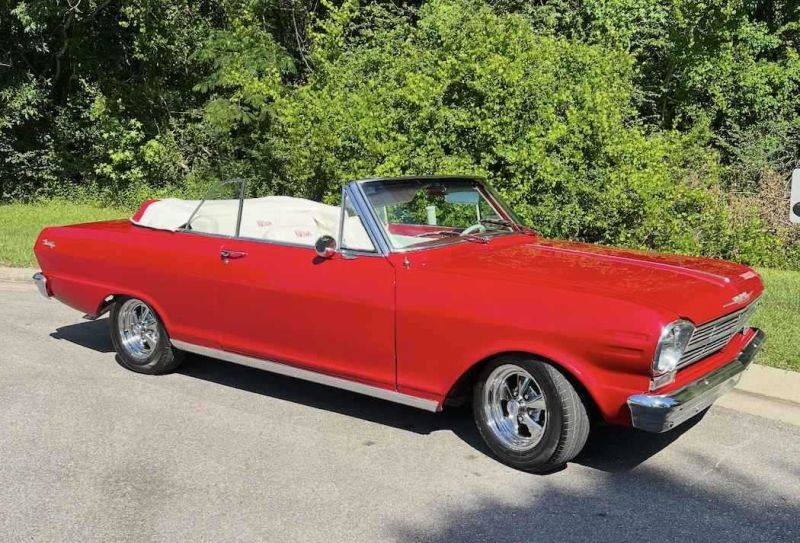
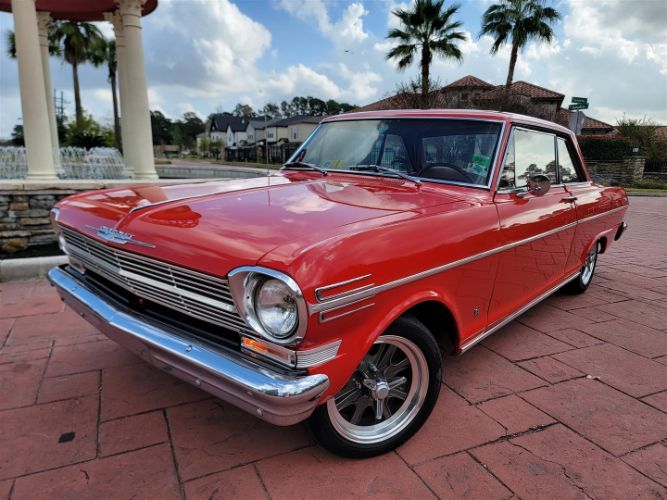
In 1963, the first year for the package, SS mostly bought you appearance and interior upgrades. Special wheel covers, bright trim, an engine-turned dash panel, a three-spoke wheel, and bucket seats with a console if you ordered the floor shift. You could put that package on a car running the base six-cylinder engine and Chevrolet would happily sell it to you. It looked sportier than a base Chevy II. It did not necessarily go any faster.
By the mid-1960s the SS package started to mean something under the hood too, once a genuinely quick small-block became available in the car. Later still, the redesigned body opened the door to a real big-block option, and that is the point where "Nova SS" stopped being a costume and started being a threat at a stoplight. The badge on the deck lid looked identical the whole time. The car behind it did not.
Engines sold under the SS name
This is the part buyers actually need memorized, because it is what separates a mild car from a serious one.
| Era | What SS bought you | Typical engine | What it means for a buyer |
|---|---|---|---|
| 1963 to 1964 | Trim and interior package | Six or base small-block V8 | Attractive but not a performance car |
| 1965 to 1966 | Trim plus access to the hot small-block | L79 327, 350 hp | A genuinely quick, light car |
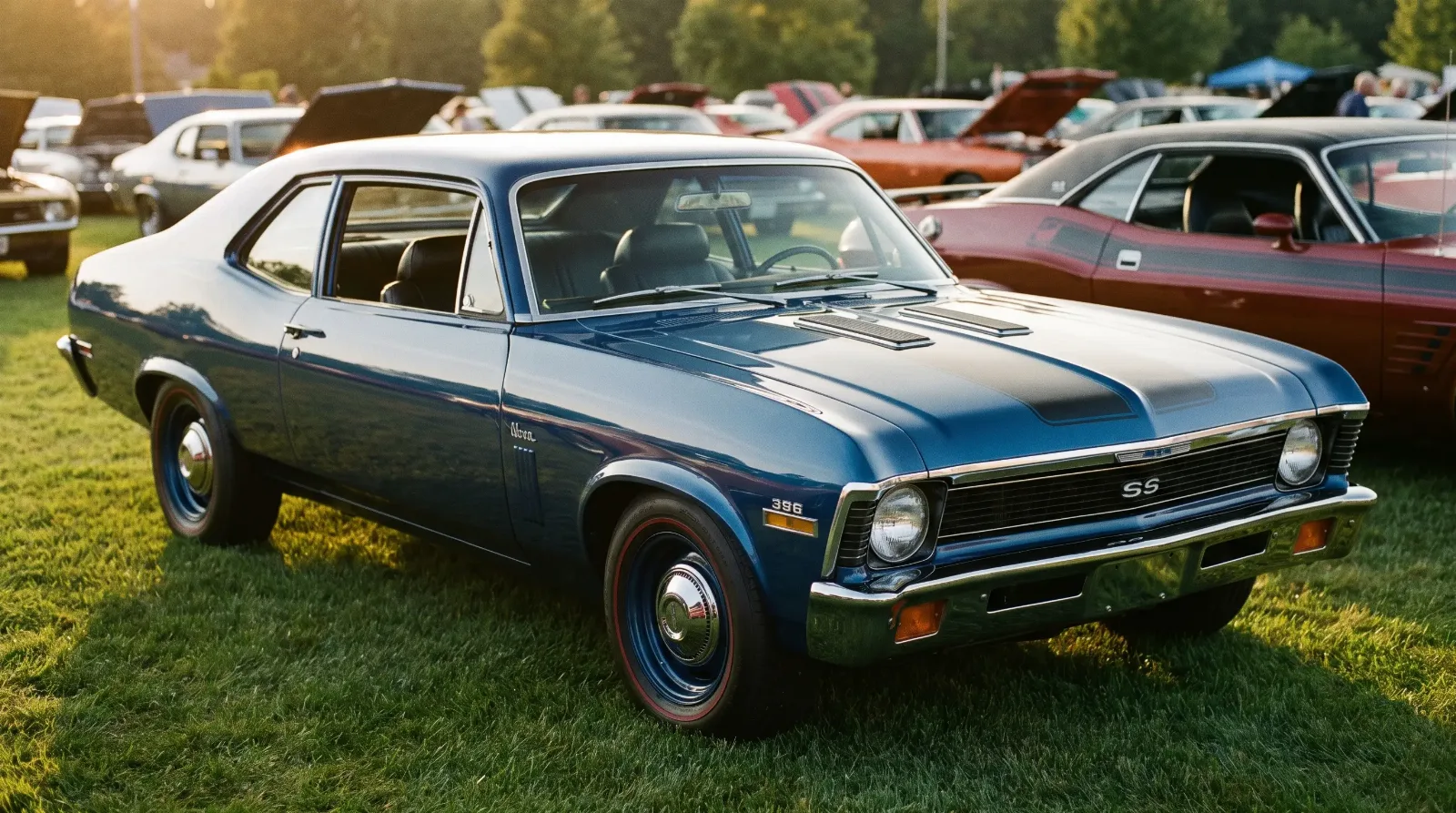
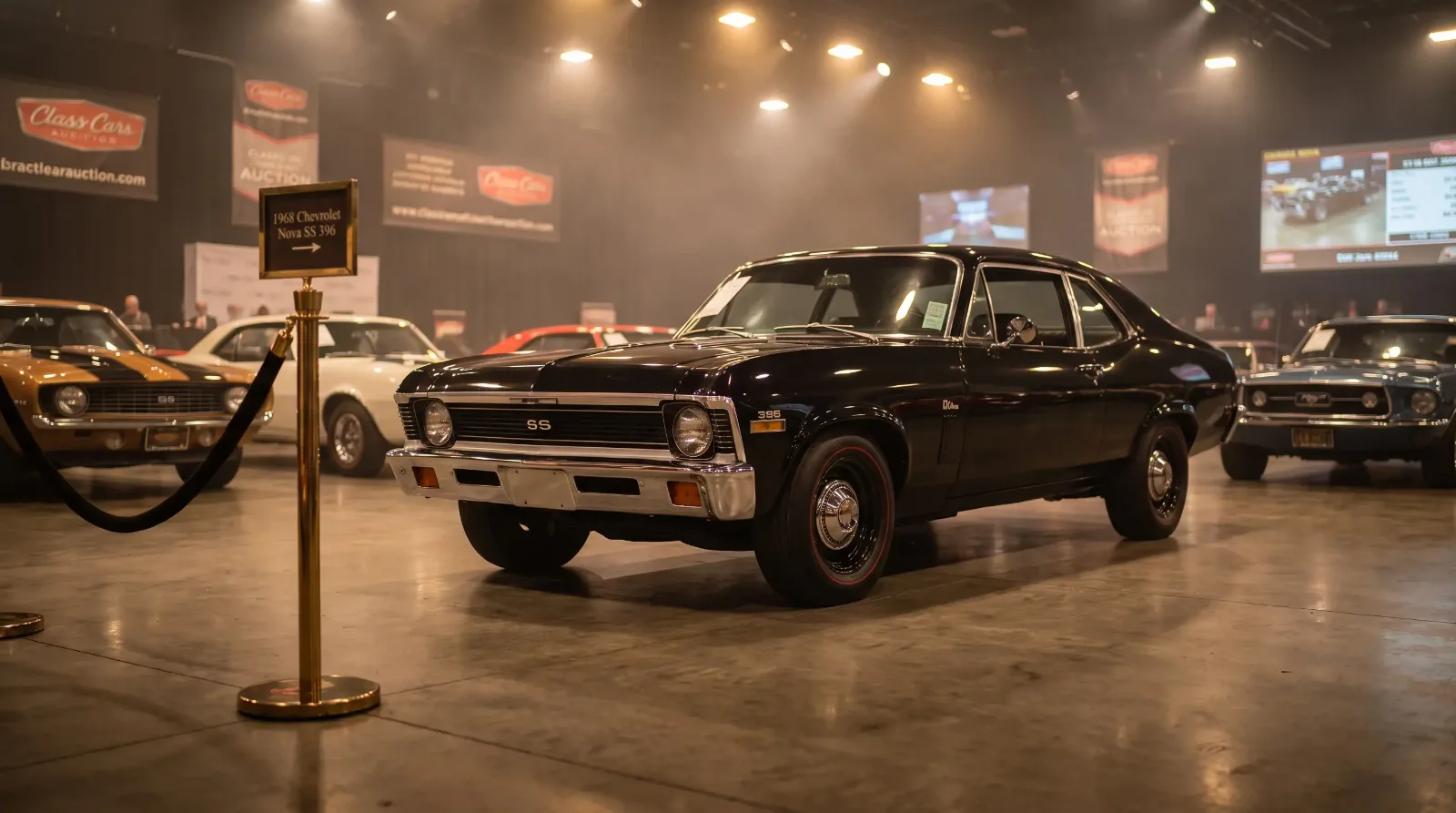
| 1968 to 1969 | Trim plus access to a real big-block | 396, 350 to 375 hp | A small car with a heavyweight's punch |
Notice the pattern. The badge stayed the same size on the trunk lid the entire time while the car underneath it went from mild to genuinely dangerous. That is exactly why you cannot price an "SS" off the emblem alone.
Why the title and the badges don't settle the argument
I have had sellers point at a title that says "Nova SS" like that closes the discussion. It does not. Most state titles just repeat whatever the previous owner or the DMV clerk typed in, and that gets copied forward decade after decade regardless of what is actually bolted to the frame. A title says nothing about which engine came from the factory, whether the SS trim was ordered new or added later, or whether the drivetrain has been swapped since.
What actually proves anything is paperwork tied to the specific car: a factory build sheet, a Protect-O-Plate, dealer invoice, or casting numbers and date codes on the block and heads that line up with the car's build date. The cowl tag helps but it is not the whole answer by itself. None of that is complicated to check. It just takes five extra minutes that a lot of buyers skip because they are excited about the car.
How to verify a real SS before you hand over money
Treat every SS car the same way regardless of what the seller tells you on the phone. Ask for documentation before you talk price, not after. Compare casting numbers and date codes on the engine to the car's actual build date, since a later date means a swap happened somewhere along the way. Walk the car for rust in the floors, trunk pan, and lower quarters before you even ask about the drivetrain, because a rotten shell with a correct engine is still a rotten shell. And do not let anyone rush you. A real SS with real paperwork is not going anywhere while you check it out properly.
None of this means the badge is worthless. A documented SS from the right year, with the right engine and the paper to prove it, is a genuinely desirable car and worth paying for. The point is simply that "SS" describes an option, not a fixed set of facts, and the only way to know what you are actually buying is to check the car in front of you rather than the letters on it.
"Three letters on a trunk lid have meant everything from a dress-up package to a real big-block over the years. Check the car, not the badge, and you won't get burned."
Mike Sullivan
If you want to see how this all started, the next story in this set walks through the first-year car in detail, and if you want the bigger picture of the nameplate itself, it helps to know how the Nova legend began before you go shopping for any year of SS.
Sources and notes
Related Reading
Have a
Chevrolet Nova
for Sale?
Reach thousands of serious classic car collectors across the US.
Sell It Here →
Are You a Classic Car Dealer?
List your full inventory and connect with targeted classic car buyers.
Join as a Dealer →
#classic chevrolet
#muscle car buying guide
#sleeper cars
#nova ss
#what is a nova ss
#chevy ii nova
#nova ss package

About the author
Mike Sullivan
Detroit-area muscle car enthusiast and restoration specialist with three decades of hands-on experience working on American iron.
Related Listings - Chevrolet Nova




Comments
Be the first to comment on this article.