
Every few months somebody asks me which Nova SS to buy if they actually want it to be worth something down the road. Fair question, and it's more complicated than "get the biggest engine." The most valuable Nova SS models aren't just about cubic inches. Documentation, rarity, and which dealer or engineer put their name on the build all matter as much as the horsepower rating stamped on the fender.
Car Features
7 min read
Most Valuable Nova SS Models
Horsepower alone doesn't set Nova SS values. Here is what actually separates a top-tier collector car from an expensive small-block wearing the right decals.
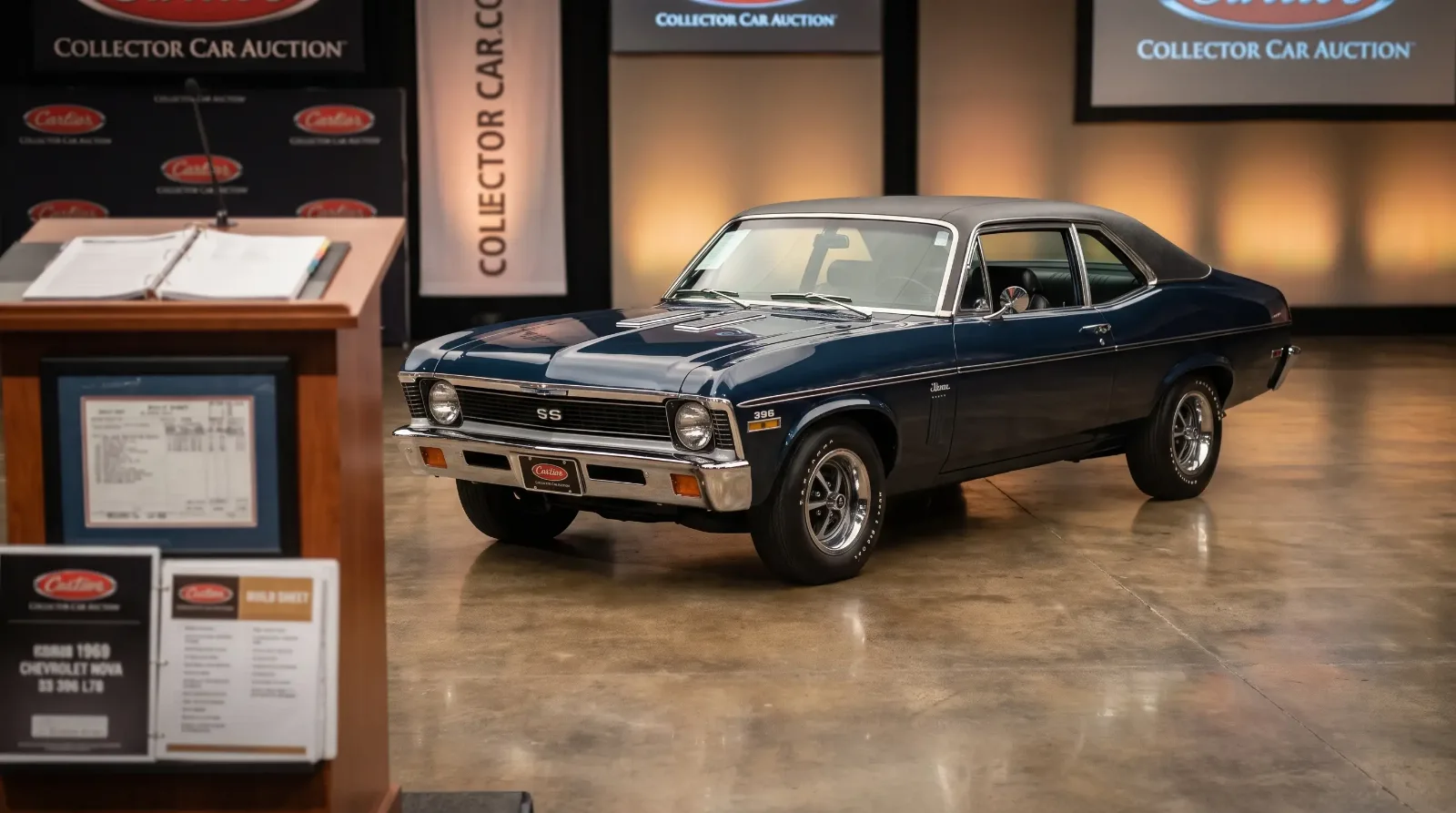
I've watched plain-looking Novas sell for real money because the paperwork checked out, and I've watched gorgeous restorations sit unsold because nobody could prove the numbers matched. Here's what actually drives value in this market, based on what I've seen cross auction blocks and what's come through my own shop over the years.
L78 396 cars sit at the top
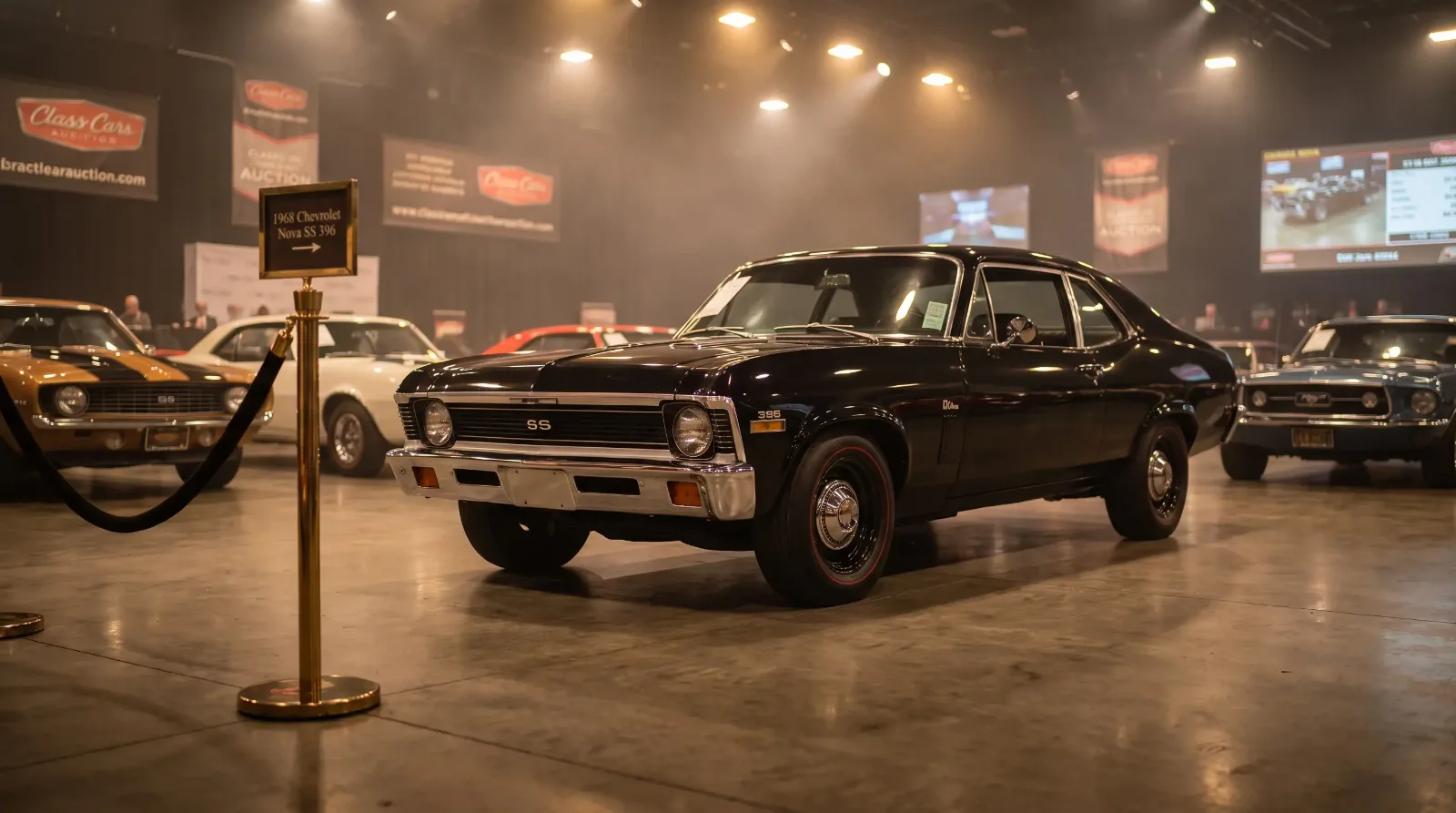
The 1968-1970 Nova SS with the L78 396, rated at 375 horsepower, is the car most collectors are chasing. It's a factory big-block in a lightweight body, and Chevrolet didn't build many of them relative to the small-block SS cars that dominated production. A documented, numbers-matching L78 with the factory build sheet or a verified cowl tag can bring several times what an equivalent small-block SS commands, and the gap has only widened as buyers get more particular about paperwork. What separates a genuinely valuable L78 from an expensive small-block wearing the right decals is the trim tag and the engine casting date lining up with the VIN. I tell every buyer the same thing: don't pay big-block money until somebody who knows what they're looking at has been under the hood and under the car.
COPO and dealer-built cars command a different tier entirely
Above the L78 sits a smaller, stranger category: cars built through special order programs and performance-minded dealers rather than the standard factory options list. These cars were built in tiny numbers, from as few as 50 units (the COPO 9738 cars Fred Gibb ordered in 1968) up to around 175 units (the 1970 Yenko Deuce), and they carry documentation trails that go beyond the standard cowl tag, often including dealer invoices or factory order paperwork. When one of these comes up for sale with a clean provenance chain, it's not competing with regular SS cars at all. It's in its own market.
Early cars are the sleeper category
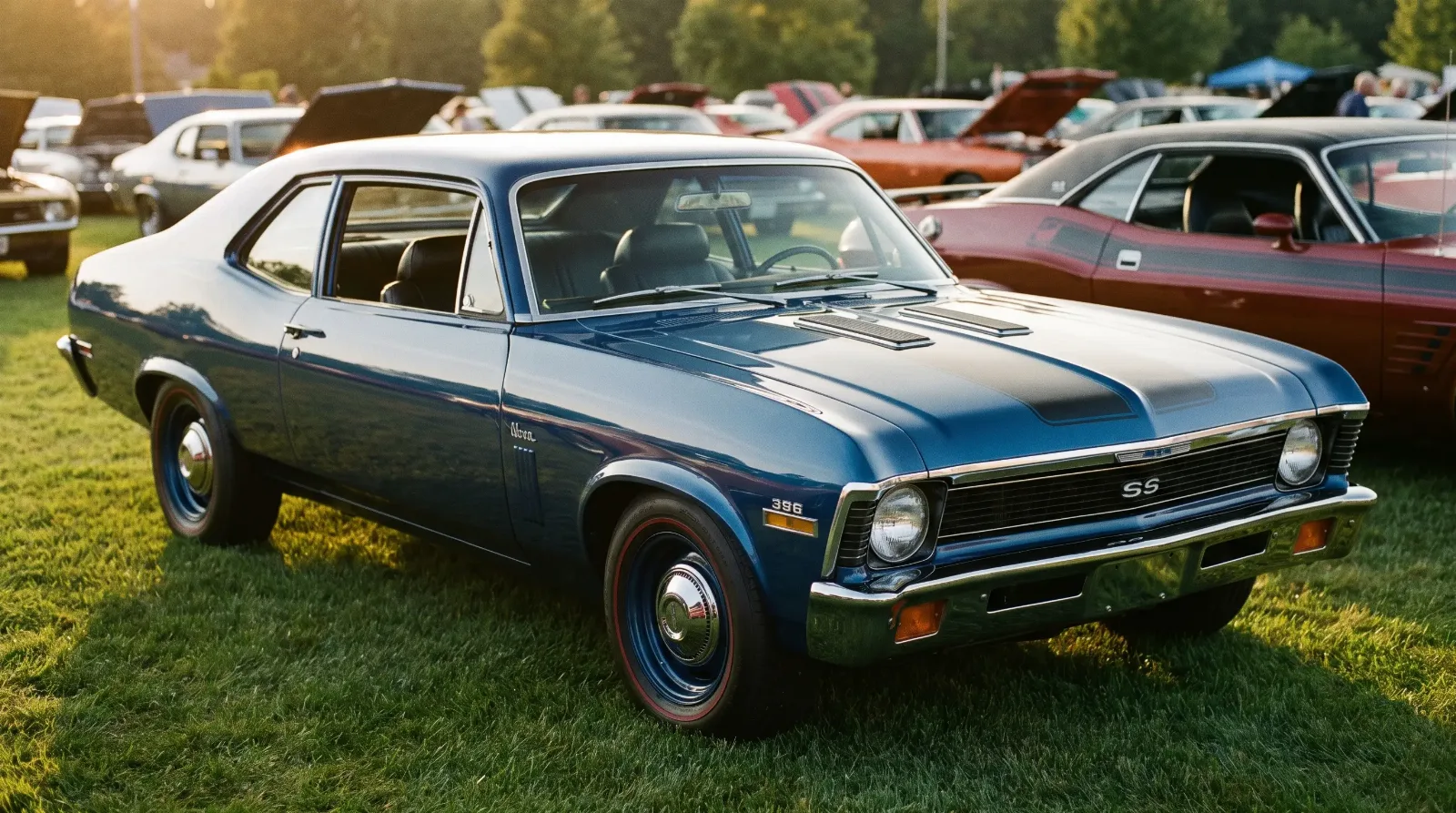
Here's where I'll get some pushback: the 1963-1965 Nova SS cars are undervalued relative to how few clean survivors are left. Nobody was preserving six-cylinder or small-block Chevy IIs in 1975. They were used cars, driven hard, and scrapped when the rust caught up. A genuinely original, unmolested 1964 or 1965 SS in good condition is rarer in absolute numbers than people assume, even though the market hasn't caught up on price yet. If you're buying for love of the car rather than pure investment upside, this is where the value-per-dollar is strongest right now.
Restoration cost plays into this too. A small-block or six-cylinder early SS is cheaper to bring back to a driver-quality car than a documented big-block, simply because you're not chasing rare casting numbers or period-correct big-block accessories. That lower entry cost, combined with genuine scarcity, is exactly the kind of gap that tends to close once more buyers notice it. I'd rather put a client into a clean 1965 SS at a fair price than watch them overpay for a questionable big-block with a story attached.
The last two years of factory big-block Nova SS production get skipped over by a lot of buyers chasing the higher horsepower numbers of 1968-1970, and that's a mistake if value-per-dollar is the goal. The 1971 and 1972 cars carry the same 396/402 hardware, lower compression ratios aside, and they're currently priced well under their earlier siblings for reasons that have more to do with a number on a spec sheet than the actual driving experience. As the earlier cars keep climbing, I expect this gap to narrow, and buyers who get in now are effectively buying tomorrow's L78 pricing at today's discount.
| Category | What drives the price | Where the market sits today |
|---|---|---|
| L78 396 (1968-70) | Documented numbers-matching big-block | Top tier, strong and steady demand |
| Dealer-built specials | Extreme rarity, paper trail beyond the cowl tag | Its own market, sells fast when verified |
| 1971-72 big-block SS | Lower compression, same displacement | Undervalued next to 1968-70 twins |
| 1963-65 early SS | Survivor scarcity, low restoration cost | Sleeper category, room to grow |
What actually kills value
The single fastest way to tank a Nova SS's value is a mismatched or reproduction trim tag with no paperwork to back it up. I've seen beautifully restored cars get passed over at auction because a buyer's inspector flagged the tag as a reproduction, even when the seller swore the engine was original. Rust repair done with the wrong gauge metal is the second killer, especially in the floor pans and trunk drop-offs, because it shows up under a lift inspection even when it's invisible from the outside.
If you want to protect value rather than just chase it, buy the best documented car you can afford rather than the flashiest color combination. A plain white L78 with a stack of paperwork will outsell a triple-black restomod with a story every time a serious buyer is looking. For the full context on how these models fit together across the Nova SS's production run, the Nova SS story covers the broader picture these specific values sit inside.
"People get hung up on horsepower numbers when they should be asking for the paper trail first. A documented 350 will outsell an undocumented 396 every single time a real buyer is writing the check."
Mike Sullivan
Buying with resale in mind
If long-term value matters to you, put your money into originality and documentation before you put it into cosmetics. A numbers-matching drivetrain, a legible cowl tag, and a build sheet or window sticker will do more for resale than a fresh paint job ever will. And if the budget doesn't stretch to an L78, don't overlook the early cars. They're honest, they're getting harder to find in good shape, and the market hasn't fully priced that scarcity in yet. To see how these value tiers connect to the bigger story of why the SS became the car it did, the next story in this set picks up exactly where this one leaves off.
Sources and notes
- GM Authority: 1970 Yenko Deuce Nova production details
- Street Muscle: Rare Rides, the 1968 COPO Nova SS 396
- Hagerty Valuation Tools: 1970 Chevrolet Nova Yenko Deuce
- Steve's Nova Site: A-body vs X-body platform differences
- Chevy Hardcore: Swapping in a big-block, Nova vs Chevelle
- Yenko.net Supercar Registry: Gibb 1968 COPO Nova
Related Reading
Have a
Chevrolet Nova
for Sale?
Reach thousands of serious classic car collectors across the US.
Sell It Here →
Are You a Classic Car Dealer?
List your full inventory and connect with targeted classic car buyers.
Join as a Dealer →

About the author
Mike Sullivan
Detroit-area muscle car enthusiast and restoration specialist with three decades of hands-on experience working on American iron.
Related Listings - Chevrolet Nova
Comments
Be the first to comment on this article.