
I remember when GTO owners found each other the old way, by pulling into the same gas station on a Friday night and recognizing the sound of a Tri-Power idle before you even saw the car. There was no internet, no forums, no way to look up who else in three counties owned one of these things. You just knew, because the same dozen guys showed up at the same drive-in every weekend, and eventually somebody suggested they make it official.
Car Features
7 min read
The GTO Clubs and Community That Kept the Goat Alive
From gas station meetups to national registries, GTO clubs quietly preserved the documentation and parts knowledge factories never bothered to.
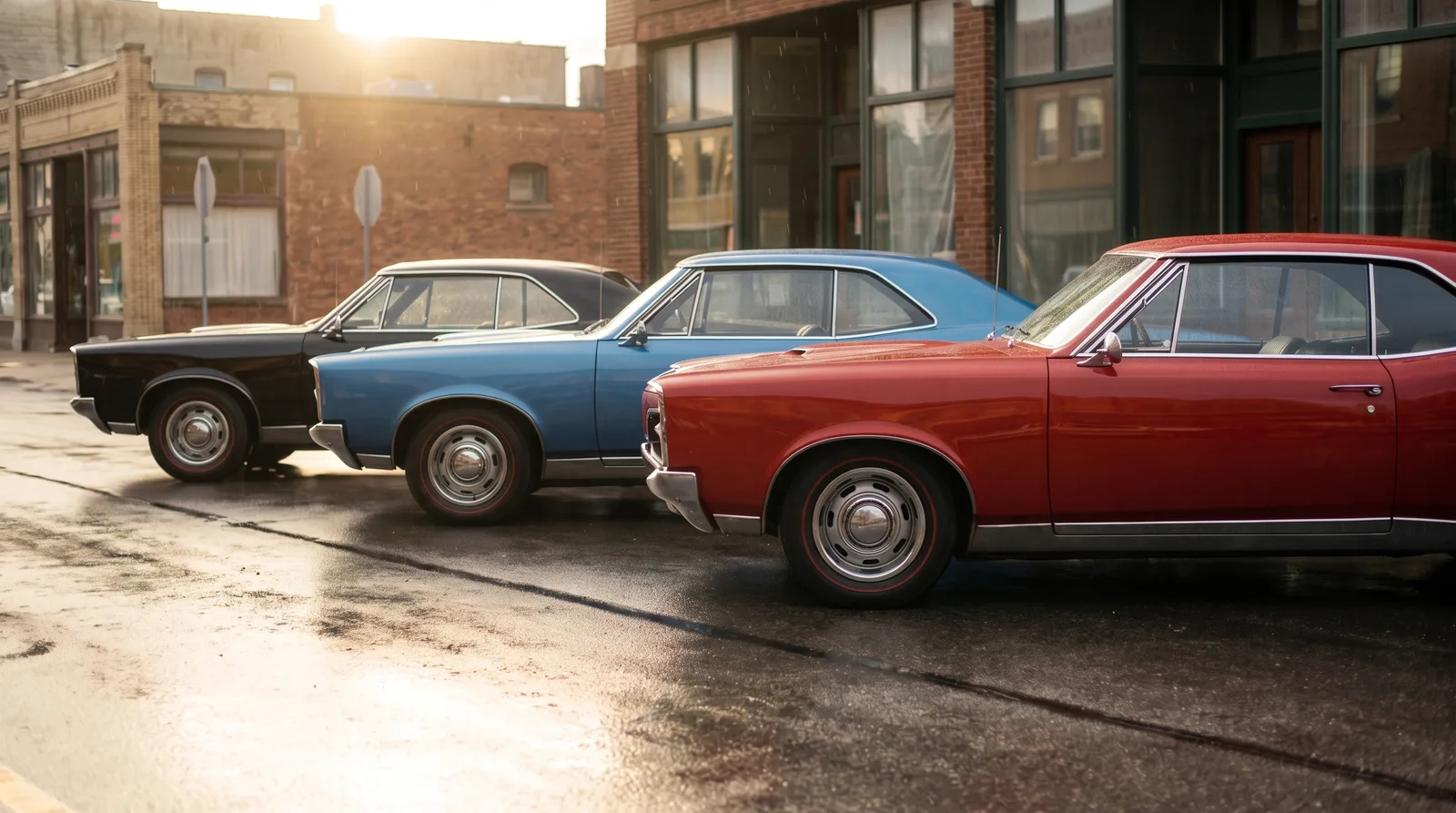
That's basically how most of the early GTO clubs got started. Not from some marketing plan, not from Pontiac itself sending down instructions, just a handful of owners in the Midwest and elsewhere deciding the informal thing they already had should have a name and maybe some dues to cover a newsletter.
From parking lot to national organization
The Pontiac-Oakland Club International got going in the early 1970s, and it wasn't specifically a GTO club at first, it covered the whole Pontiac lineup going back to the Oakland brand GM folded into Pontiac decades earlier. But GTO owners made up a huge chunk of the membership almost immediately, because by the time the club formed, the GTO already had the biggest built-in fan base of anything Pontiac had ever made. A few years later, dedicated GTO organizations split off to focus specifically on the Goat, giving owners a place to trade parts leads and argue about which model year actually deserves the crown, an argument that never really ends and honestly shouldn't.
What these clubs did that no dealership or factory program ever could was keep the knowledge alive after Pontiac stopped supporting these cars directly. When you needed to know which exact Tri-Power carburetor linkage part fit your specific '65, you didn't call Pontiac, you called a guy in the club who'd rebuilt six of them and knew the casting numbers by heart. That kind of tribal knowledge doesn't survive in a corporate parts department. It survives in a club newsletter and a phone tree.
What the clubs actually preserved
Documentation is the unglamorous part of this story that matters most. Club members spent decades cross-referencing build sheets, tracking down original window stickers, and building the kind of registry data that later became essential for verifying whether a car claiming to be a real Judge or a real 1970 455-powered GTO actually was one. Without that grassroots documentation work, a lot of fraudulent or misrepresented cars would have slipped through undetected for years.
| Organization type | Primary role | Started |
|---|---|---|
| Pontiac-Oakland Club International | All-Pontiac fellowship and history | Early 1970s |
| Dedicated GTO clubs and registries | Model-specific documentation, parts network | Mid-to-late 1970s onward |
| Regional chapters | Local car shows, cruise nights, mentorship | Ongoing, varies by state |
If you're new to all this and want the grounding before you dive into club culture, it helps to understand the GTO name and myths first, since half of what club old-timers argue about at every meeting traces straight back to those original naming decisions from 1964.
Cruise nights and the social side
I've been to more cruise nights than I can count, and the GTO crowd has a specific personality that's different from, say, the Corvette guys or the Mopar crowd. There's less ego about it, more storytelling. Somebody's always got a car they bought for a few hundred bucks out of a barn in 1979 and they'll tell you the whole saga if you ask, and honestly even if you don't ask. That culture of sharing the story along with the car is what club life is really about. The parts and the documentation matter, sure, but the reason people keep showing up decade after decade is the community itself.
"You want to know why these cars are still on the road fifty, sixty years later? It ain't luck. It's some guy in a club newsletter who tracked down the right carb kit in 1987 and mailed a photocopy of the instructions to forty other owners because that's just what you did back then."
Gary Nowak
The mentorship nobody talks about enough
The part of club culture that doesn't get written about much is the mentorship, the older guy who takes a kid under his wing because the kid showed up to a cruise night in a rough GTO he clearly couldn't afford to finish alone. I've watched it happen more times than I can count, some retired machinist spending a Saturday afternoon teaching a twenty-two-year-old how to properly set valve lash instead of just doing it for him, because that's how the knowledge stays alive instead of walking out the door when the old-timers pass on.
That kind of hands-on teaching doesn't happen in a forum thread, not really. You can post a torque spec online easy enough, but you can't post the feel of a bolt that's about to strip, or the sound an engine makes right before something lets go. Clubs that still hold in-person meets, actual garage nights where people bring tools and problems instead of just showing up for coffee and bench racing, are doing something the internet can't replace no matter how good the photos get. A lot of the younger owners keeping these cars on the road today learned everything they know from exactly this kind of unglamorous, unpaid mentorship, and that's a debt the hobby as a whole owes to people who never asked for credit.
Where the community stands today
The clubs have moved online now, mostly, with forums and social media groups doing a lot of what the newsletters used to do, faster and with better photos. But the spirit hasn't changed much. Somebody still posts a question about a weird noise their '67 is making, and within an hour three people with decades of experience have chimed in with the actual answer, not a guess pulled off a general search. That kind of specific, hard-won knowledge is exactly what those early parking lot meetups were building toward without ever quite realizing it.
Some of the regional chapters still hold to the old rhythms, too, even with everything else gone digital. There's a chapter not far from where I grew up that still does a paper newsletter, mailed out quarterly, because enough of the longtime members said they'd rather hold something in their hands than scroll through another web page. It's a small thing, and plenty of younger members probably think it's a little stubborn, but that stubbornness is exactly the same instinct that started this whole community in the first place, people who cared enough about a specific car to make the extra effort other folks wouldn't bother with.
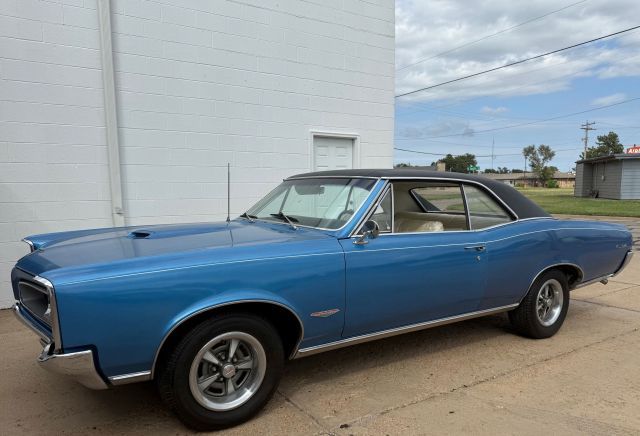
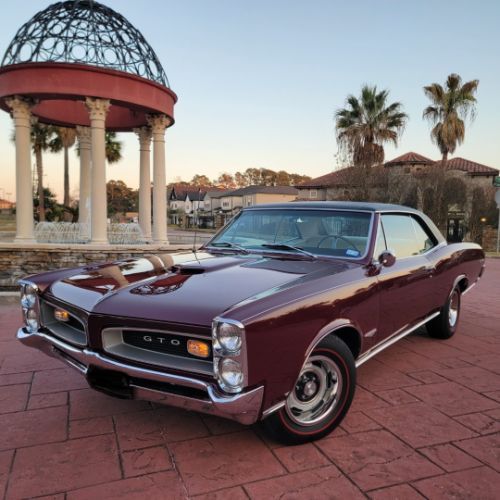
What started as a handful of guys recognizing an engine note across a gas station lot turned into the reason these cars survive in numbers as healthy as they do. Every restored GTO on the road today owes something to a club member who kept a part, wrote down a spec, or mentored a new owner through their first rebuild. That's not nostalgia talking. That's just how this hobby actually works, and it's worth remembering next time a shiny 1966 pulls up next to you at a light. For the advertising that first sold this car to America, read on.
Sources and notes
Related Reading

About the author
Gary Nowak
Lifelong Midwest rodder who has been building and driving traditional pre-war hot rods since the 1970s.
Related Listings - Pontiac GTO

Comments
Be the first to comment on this article.