
The Porsche 924 started life as somebody else's homework assignment. Volkswagen wanted a front-engine sports coupe to replace the 914, handed the job to Porsche's engineering division to design, and planned to build it themselves using an Audi engine already sitting on the shelf. Then VW got cold feet, and Porsche ended up selling the car under its own badge with the Audi engine still in it. That is the short version, and it explains almost every quirk buyers argue about on this car forty years later.
Car Features
6 min read
Why the 924 Was Almost an Audi
The Porsche 924 began as a Volkswagen project with an Audi engine. Here is why Porsche kept that engine and made the chassis do the rest of the work.
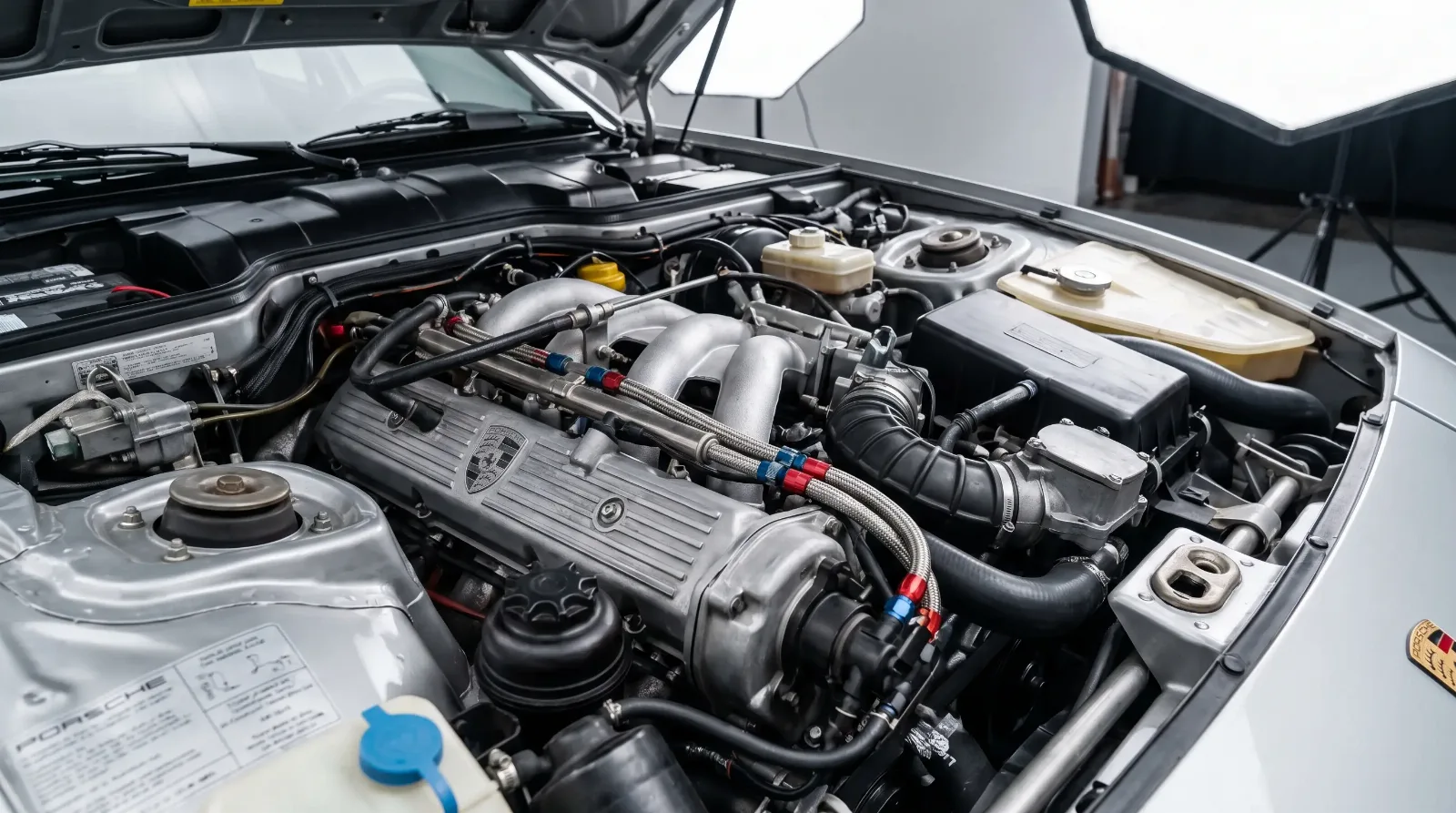
Here is the number that matters: the 924's 2.0-liter inline-four is not a Porsche design. It is a development of the engine used in the Audi 100, built at Audi's Neckarsulm plant, the same building that later became a Porsche factory in its own right. Porsche's people modified the head and induction to suit a sports car application, but the block architecture, the bore centers, the basic layout, all Audi. Call it a badge-engineering story if you want. I call it a smart use of somebody else's tooling budget.
The VW project that never shipped
In the early 1970s Volkswagen was juggling multiple platforms and needed a modern coupe to sit above the Scirocco. Internally this was project EA425. VW commissioned Porsche, already a contract engineering shop for hire on top of building its own cars, to design the whole thing: chassis, body, suspension geometry, the works. The plan was a Volkswagen-Audi group product, built at the Neckarsulm plant with Audi running the assembly line.
Then the 1973 oil crisis hit, VW's sales forecasts got gutted, and the accountants killed the project rather than commit capital to a low-volume sports coupe nobody could be sure would sell. Porsche had already done the engineering work and had a factory-shaped hole to fill after the 914 partnership with VW was winding down. So Porsche bought the rights to its own design back, kept the Neckarsulm assembly arrangement, and launched the car in late 1975 for the 1976 model year as the 924. Same body, same platform, new badge on the nose.
Why the engine stayed Audi
This is where people get confused and start calling the 924 a "fake Porsche." The engine is a 2.0-liter single-overhead-cam inline-four, and its lineage traces to the Audi 100's engine family rather than anything out of Zuffenhausen. Porsche kept it because the alternative was designing a new four-cylinder from scratch for a car that was already over budget and behind schedule, and because the Audi unit, once retuned, did the job the car needed: reasonable power, decent economy, low enough in the nose to preserve the front-to-rear weight balance the chassis was built around.
European-spec cars made around 110 horsepower (125 PS) at launch. US-spec cars, saddled with emissions equipment and a lower compression ratio, made less, around 95 horsepower, improved to 110 hp in mid-1977 once a catalytic converter and higher compression arrived. Neither number sounds exciting today. That is not the point. The point is a 50/50-ish weight split (Porsche's own transaxle layout put the gearbox at the rear, working with whatever engine sat up front) turned a modest engine into a genuinely composed chassis, and that chassis is what people actually bought the car for.
The transaxle logic, explained without the marketing
Porsche put the transmission at the rear axle instead of bolting it straight to the engine. That is the whole trick behind the 924's handling reputation, and it has nothing to do with the Audi engine's origin story. Front engine, rear transaxle, driveshaft running through a torque tube connecting the two. The result is close to ideal front-rear weight distribution for a front-engine car, which is unusual, because most front-engine coupes of the era were nose-heavy and drove like it.
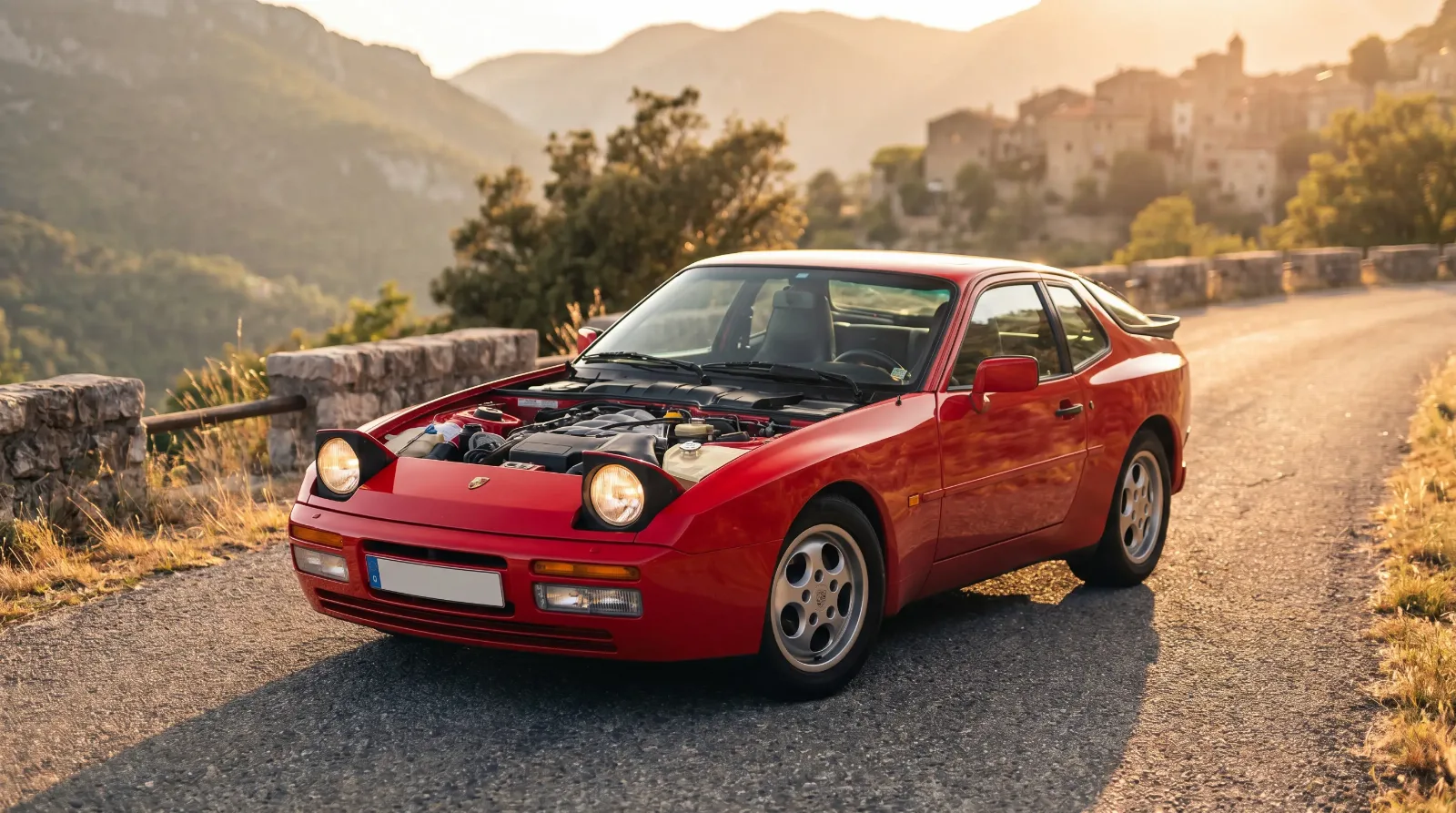
This layout is the same basic architecture Porsche carried into the 944 story, where a Porsche-designed engine finally replaced the Audi unit and the whole package matured into something with real performance credentials. The 924 was the test mule that proved the layout worked before Porsche committed a purpose-built engine to it.
| Spec | 1976 Porsche 924 (Euro) |
|---|---|
| Engine | 2.0L SOHC inline-four, Audi-derived block |
| Power | ~110 hp (125 PS) |
| Layout | Front engine, rear transaxle |
| Weight distribution | Near 50/50 front-rear |
| Assembly plant | Audi, Neckarsulm |
Why the origin story still matters to buyers today
Knowing the 924 is an Audi-VW project Porsche adopted changes how you should shop for one. Parts commonality with Audi engines of the era is a real thing, which helps on availability for certain components, but it also means the timing belt service intervals and the water pump behind that belt need the same discipline any interference engine demands, regardless of badge. Skip a belt service on the assumption "it's just an economy engine" and you will learn an expensive lesson.
The other practical point: because the 924 was never meant to be a flagship, Porsche did not over-engineer it the way it did the 911. That is not an insult. It means values have stayed more approachable, and a well-kept 924 remains one of the few ways into a real transaxle Porsche without flagship money attached.
"People want the 924 to be either a real Porsche or a fake one. It's neither. It's a VW project Porsche finished on its own terms, with an Audi engine that did exactly what it needed to do. The chassis is the actual story."
Dan Reeves
The bottom line on the badge argument
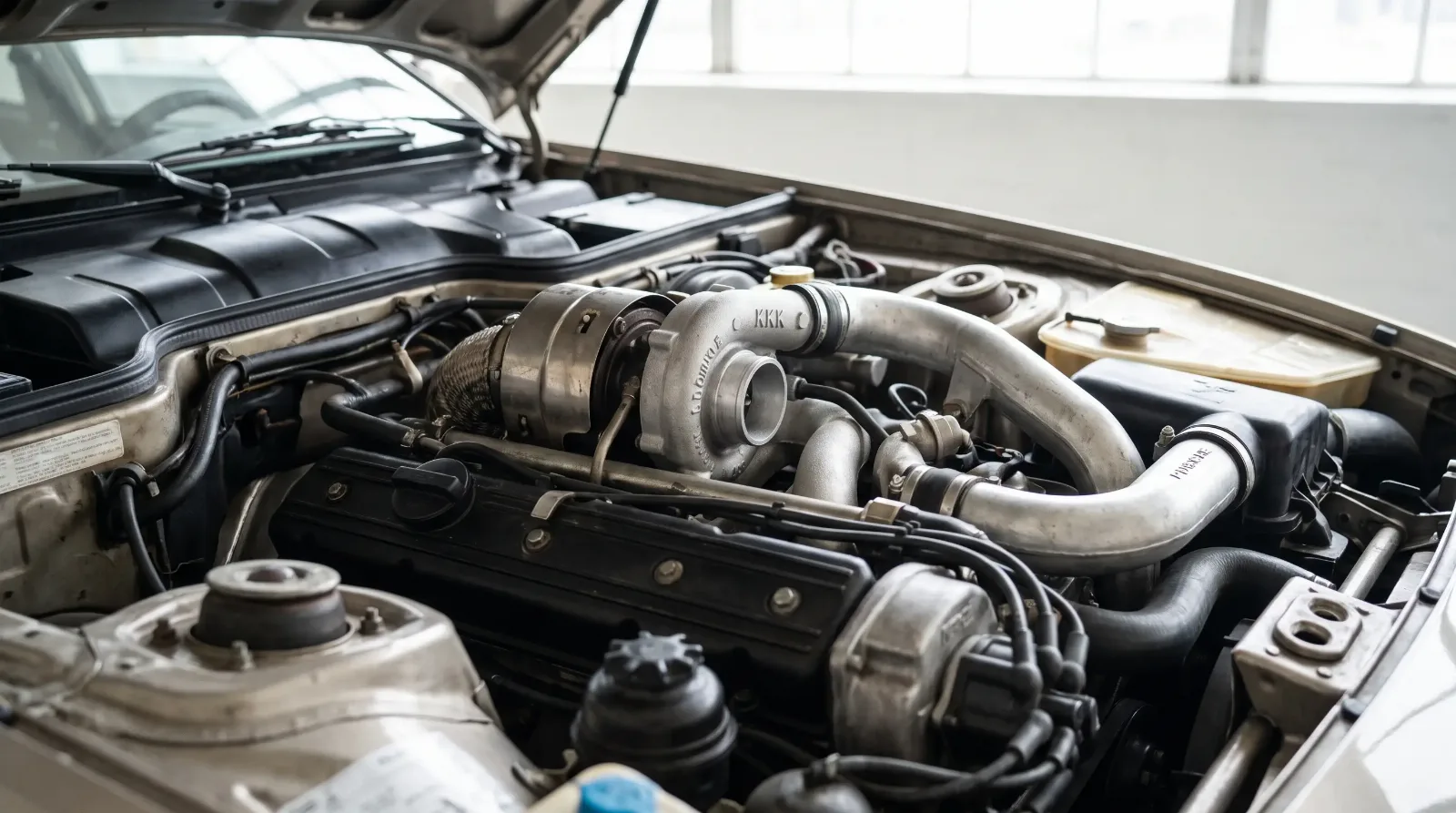
The 924 did not become a real sports car despite the Audi engine. It became one because Porsche's engineers designed a chassis good enough to make a modest, unglamorous four-cylinder feel purposeful. That is a harder trick than dropping in a bespoke engine and calling it a day. If you want the full arc of where that transaxle layout went once Porsche's own engine arrived, there is more from this chapter worth reading, covering how Porsche fixed the power deficit without touching the formula that made the 924 work in the first place.
Sources and notes
Related Reading
Have a
Porsche
for Sale?
Reach thousands of serious classic car collectors across the US.
Sell It Here →
Are You a Classic Car Dealer?
List your full inventory and connect with targeted classic car buyers.
Join as a Dealer →

About the author
Dan Reeves
Performance engine builder from North Carolina's motorsports corridor, focused on swaps, forced induction and making real, repeatable power.
Related Listings - Porsche




Comments
Be the first to comment on this article.