
The Porsche 944 was the car the purists were supposed to hate. Front engine, water-cooled, four cylinders, a transaxle in the back. None of that was the recipe a 911 buyer wanted in 1982. And yet the 944 outsold the 911 for years, balanced better than anything wearing the crest, and today it is the cheapest way into a genuinely good driving Porsche. The numbers were always on its side. It just took the market forty years to read them.
Car Features
9 min read
Porsche 944 & the Transaxle Heretics (924·944·968)
The Porsche 944 handled better than the 911, the 951 Turbo matched its pace for half the money, and the market took forty years to notice.
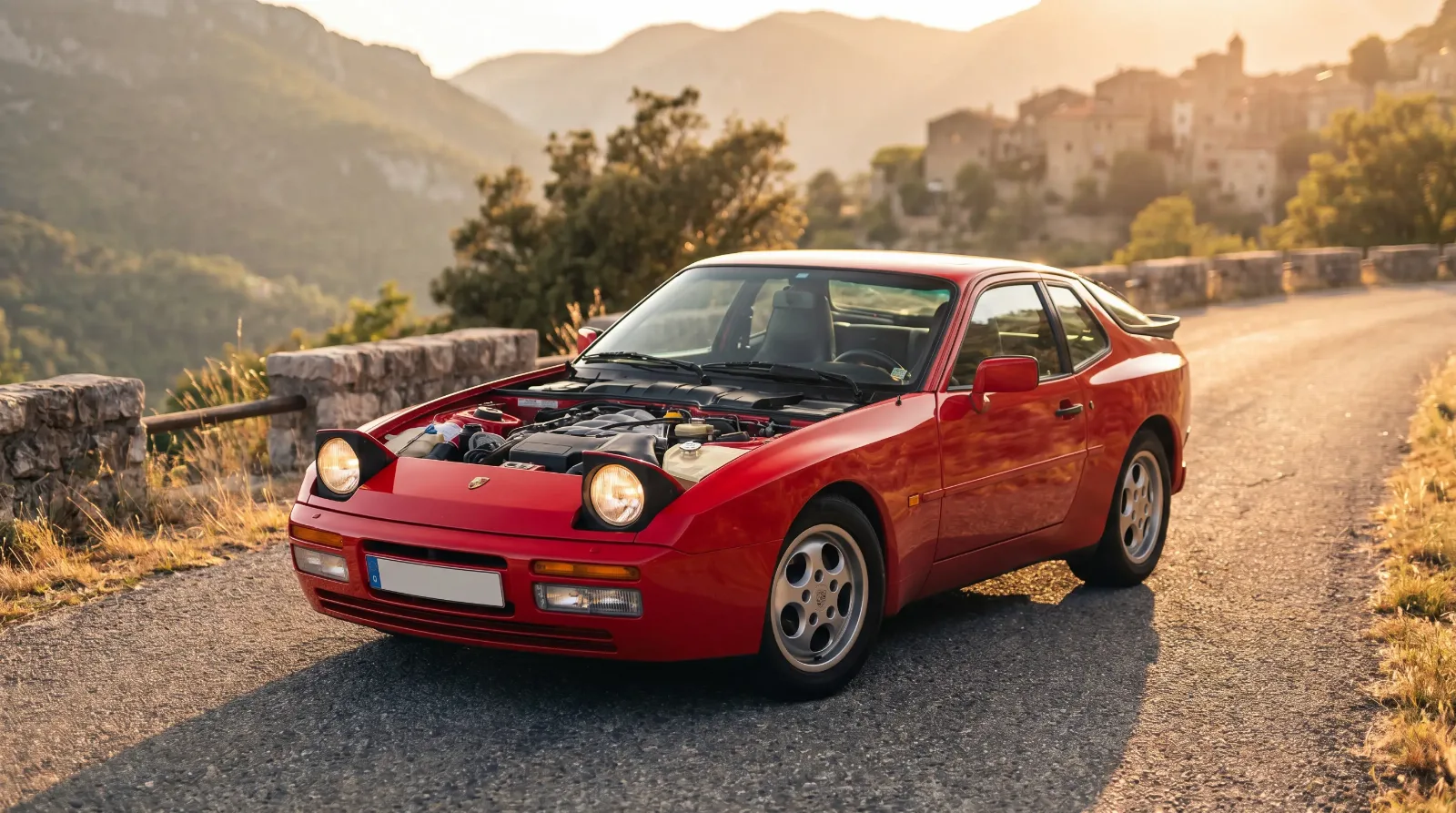
This is the story of the transaxle heretics: the 924, the 944, and the 968. Three cars, one architecture, and a two-decade argument about what a Porsche is allowed to be. If you want the older chapter first, here is how Porsche's legend began with the rear-engine cars that made the transaxle line look like blasphemy.
The 924 started as an Audi that Porsche bought back
The 924 was not supposed to be a Porsche at all. It began as project EA425, a sports car Porsche developed for Volkswagen. VW got cold feet during the mid-1970s oil crisis and killed it. Porsche bought the design back and sold it under its own name from 1976.
The engine tells you everything about the compromise. It was a 2.0-litre four making 95 hp in US-spec cars (125 PS/123 hp DIN in Europe), and it was an Audi/VW unit, not a Porsche one. Purists sneered. The van-derived block became the standing joke. But the layout underneath was serious: the engine sat up front, the transmission sat at the rear axle, and a torque tube connected them. That transaxle put weight where it belonged. The 924 handled better than its power deserved.
The problem was the power. Zero to sixty took around 10 seconds in US-spec cars, which was slow even in 1976. Porsche knew it. The fix was already coming, and it would not borrow an engine from anyone.
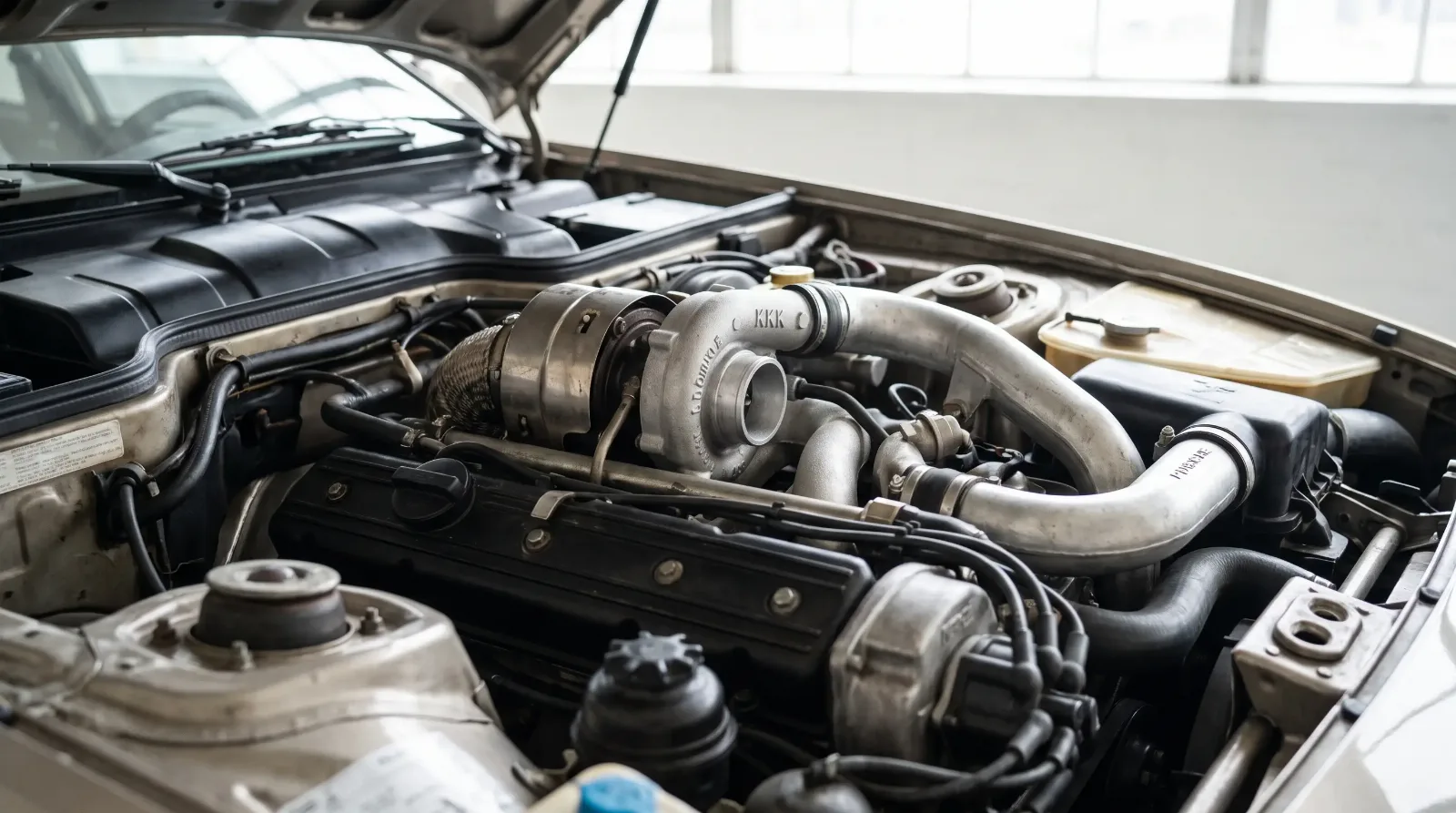
There was one hot 924 worth noting. The 924 Turbo arrived in 1979 with a turbocharged version of the same block, making about 170 hp in European trim (143 hp in US spec) and cutting the sprint to sixty to around 6.9 seconds in Europe. It cost real money and sold in small numbers, but it proved the chassis could handle far more than the base car ever fed it. The lesson stuck. Every good idea in the 924 Turbo showed up again, done properly, in the car that followed.
The 944 came of age with its own engine
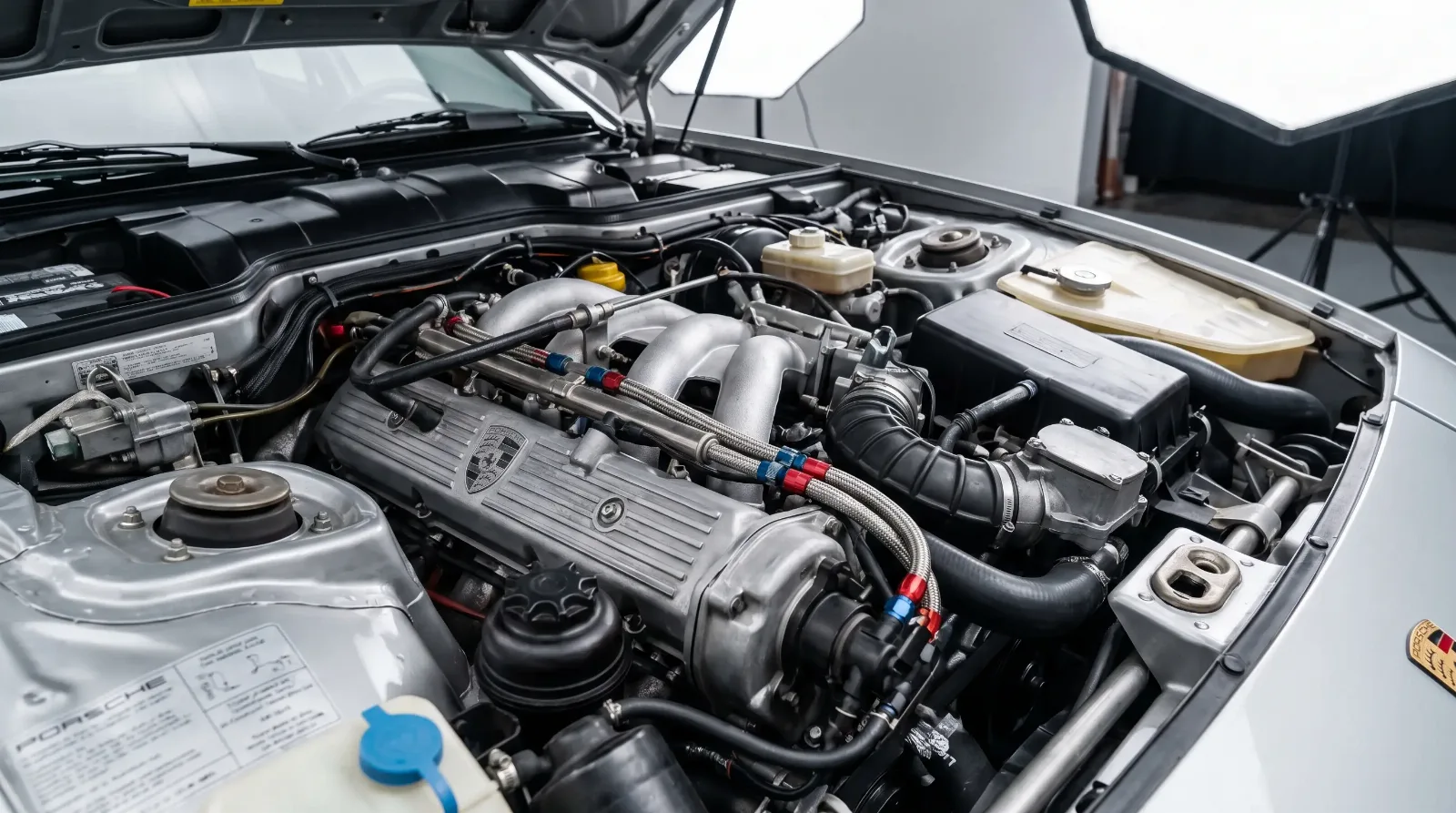
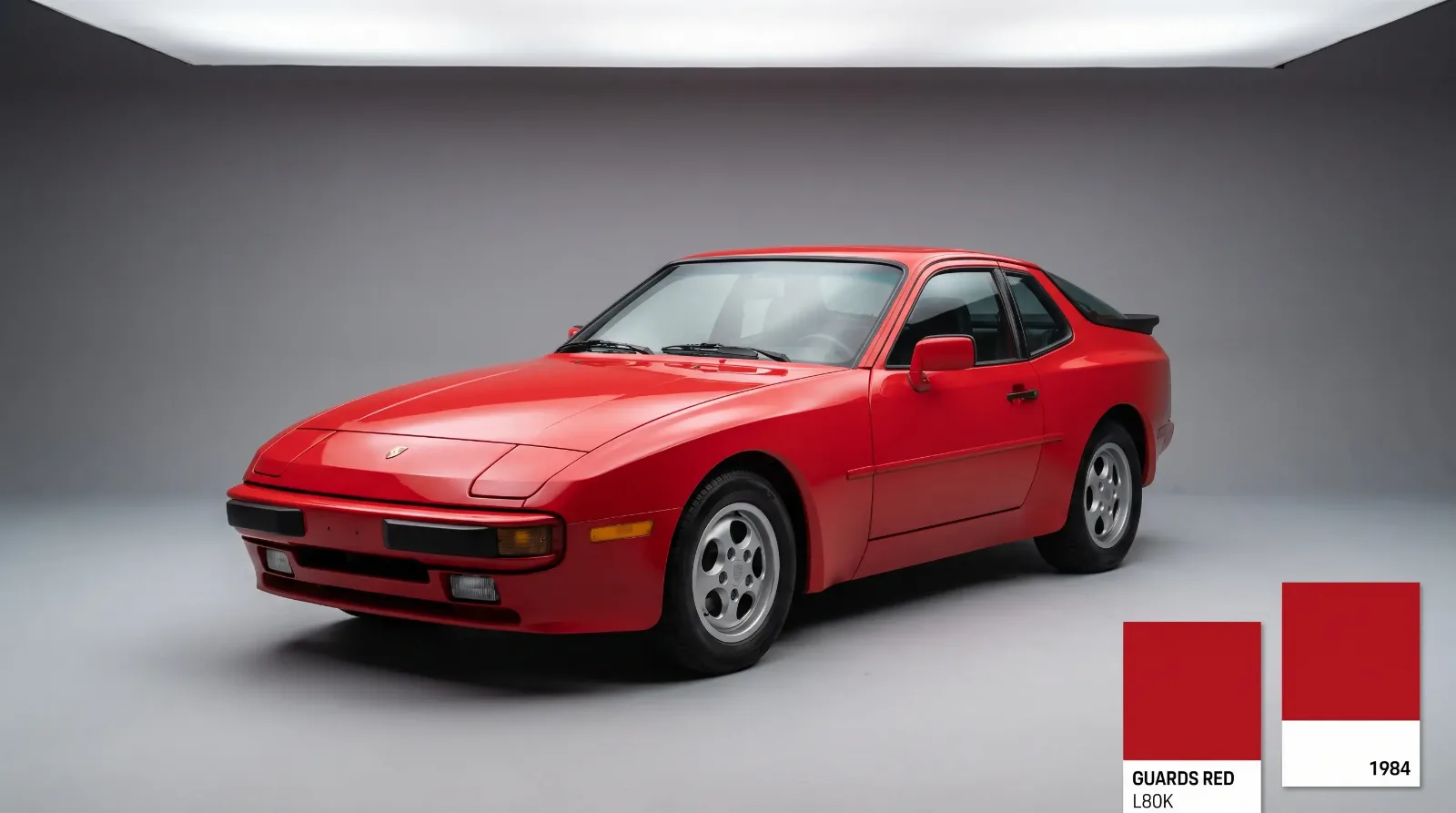
The 944 arrived in 1982 and solved the 924's one real weakness. Porsche took half of the 928's V8 and built a 2.5-litre inline four. This was a Porsche engine, designed in Stuttgart, and it changed the whole conversation.
Output was 163 hp in the early cars, and the balance shafts (licensed from Mitsubishi) killed the vibration that plagues most big fours. Zero to sixty dropped to about 8.3 seconds. Weight distribution sat close to 50/50 thanks to the rear transaxle. Car magazines that had mocked the 924 started running the 944 in comparison tests against the 911, and it held its own on a road course.
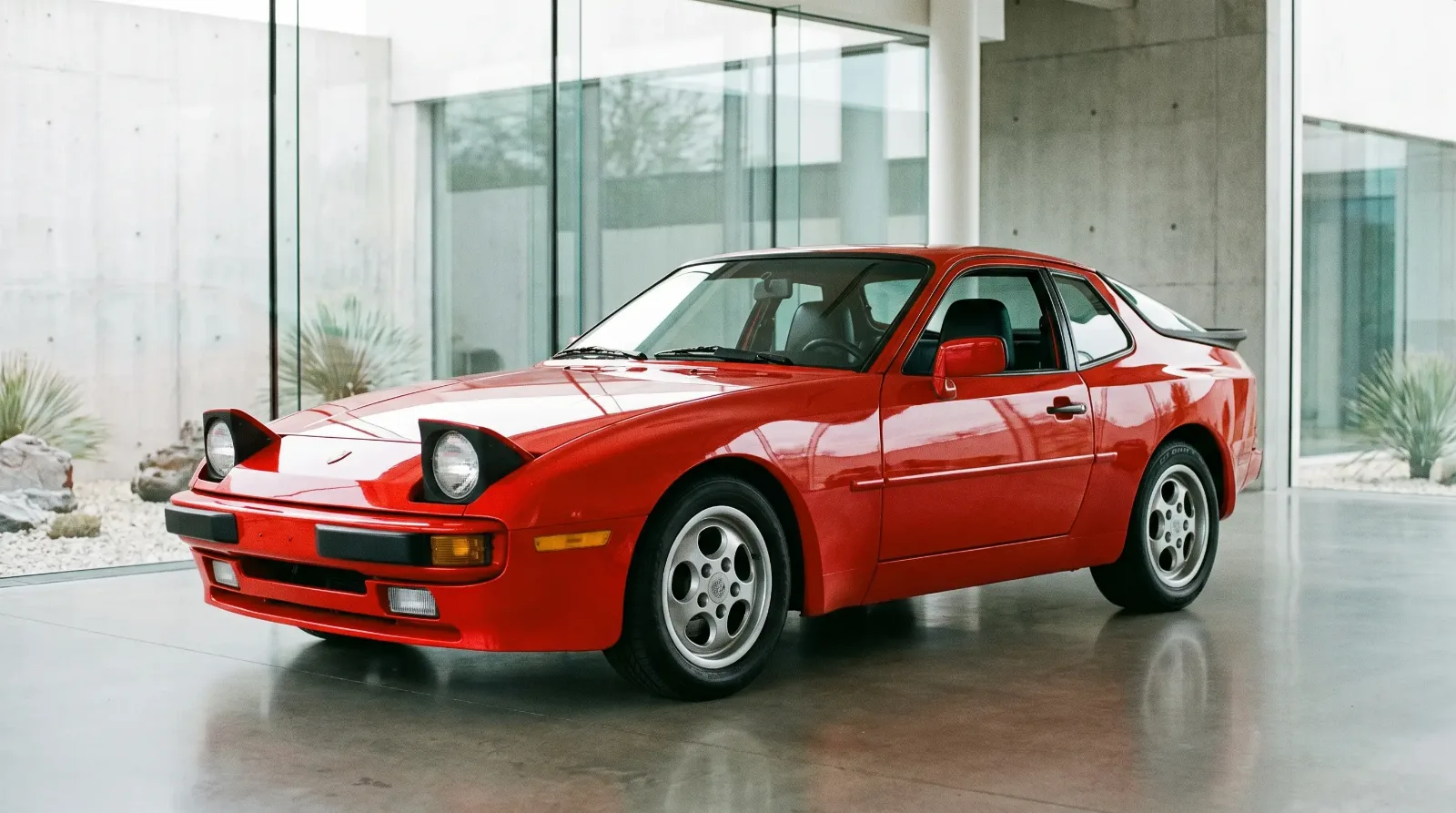
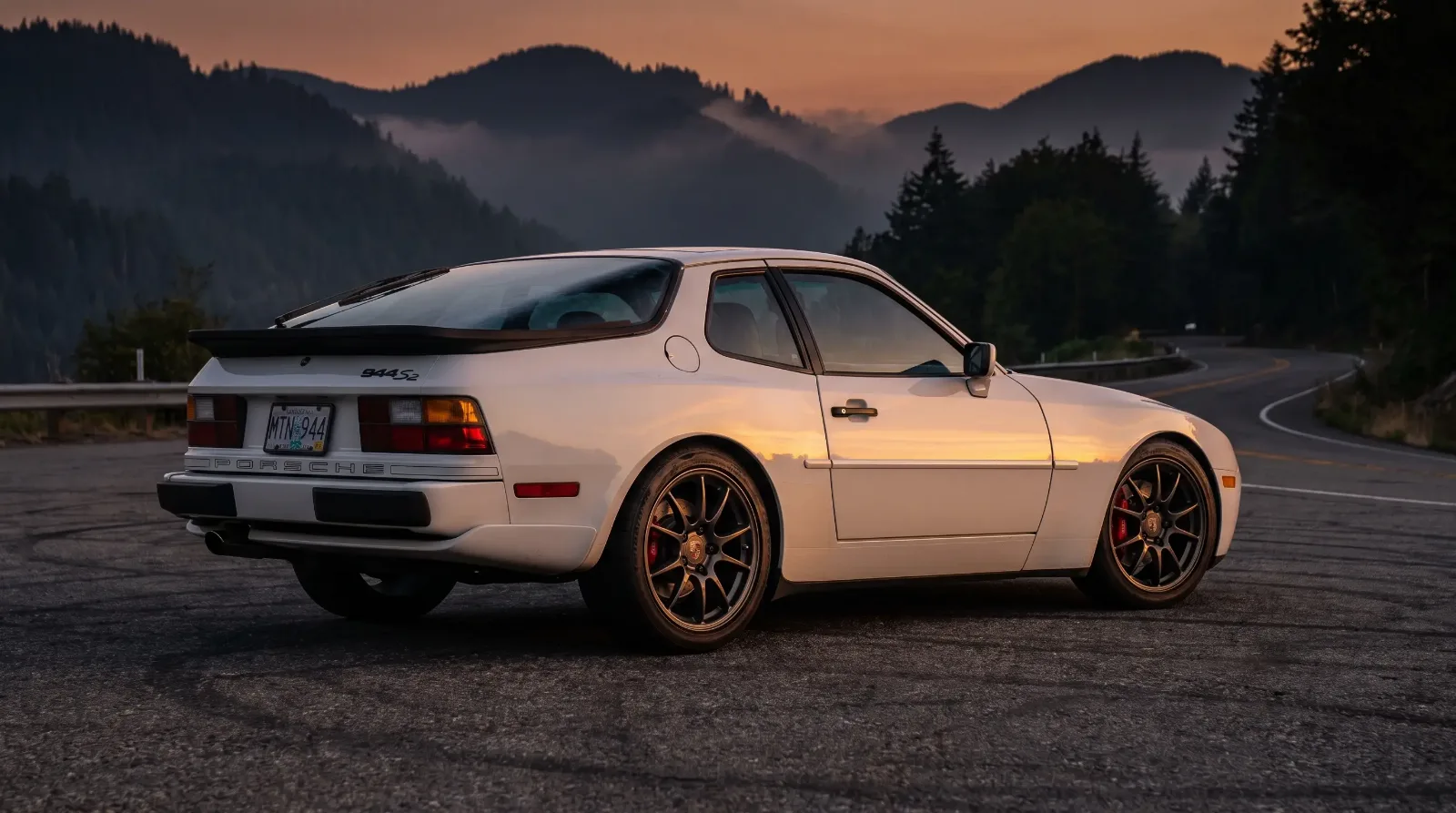
The 944 got wider fenders, a proper interior, and steady development through the decade. The 1985 revision, often called the 944 "S" family upgrade path, brought a new dashboard and better electronics. In 1987 the 944S added a 16-valve head for 190 hp. In 1989 the 944 S2 stretched the engine to 3.0 litres, the largest production four-cylinder of its era, making 211 hp.
This is the car that funded Porsche through the 1980s. The 944 outsold the 911 in several markets and kept the lights on while the rear-engine line worked through its own troubles. If you want a driver's Porsche without 911 money, this is still the answer. There is a healthy market of classic Porsche 944 for sale, and the cheap ones are cheap for reasons you can inspect.
| Model | Years | Engine | Power | 0-60 mph |
|---|---|---|---|---|
| 924 | 1976-1988 | 2.0L I4 | 95-125 hp | ~10.0 s |
| 944 | 1982-1989 | 2.5L I4 | 163 hp | ~8.3 s |
| 944 Turbo (951) | 1985-1991 | 2.5L turbo I4 | 217 hp | ~5.9 s |
| 944 S2 | 1989-1991 | 3.0L I4 | 211 hp | ~6.5 s |
| 968 | 1992-1995 | 3.0L I4 | 236 hp | ~6.1 s |
The 951 Turbo was the one that scared people
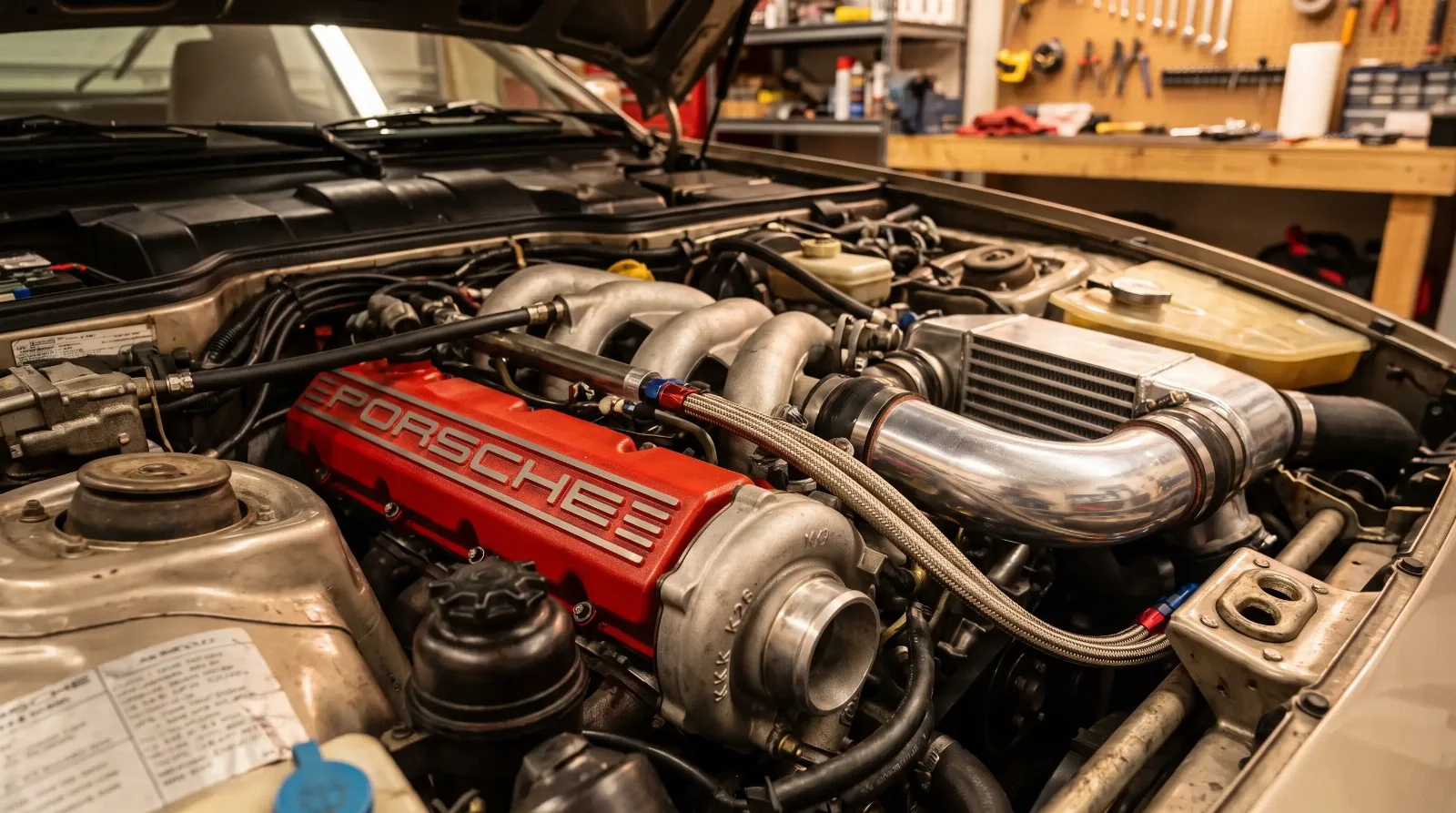
The 944 Turbo, internally the 951, is where the family stopped apologizing. It arrived in 1985 with 217 hp from a turbocharged 2.5-litre four. Zero to sixty took about 5.9 seconds. That put it within reach of the contemporary 911 Carrera, from a car half the purists refused to take seriously.
The engineering was ahead of its price. The 951 used a ceramic-port exhaust design to keep heat in the turbo, and later cars ran an intercooler that made the power delivery honest. The 1988 Turbo S bumped output to 247 hp (250 PS) and added the bigger brakes and stiffer suspension that the standard car deserved from the start. For 1989 that spec became the base Turbo.
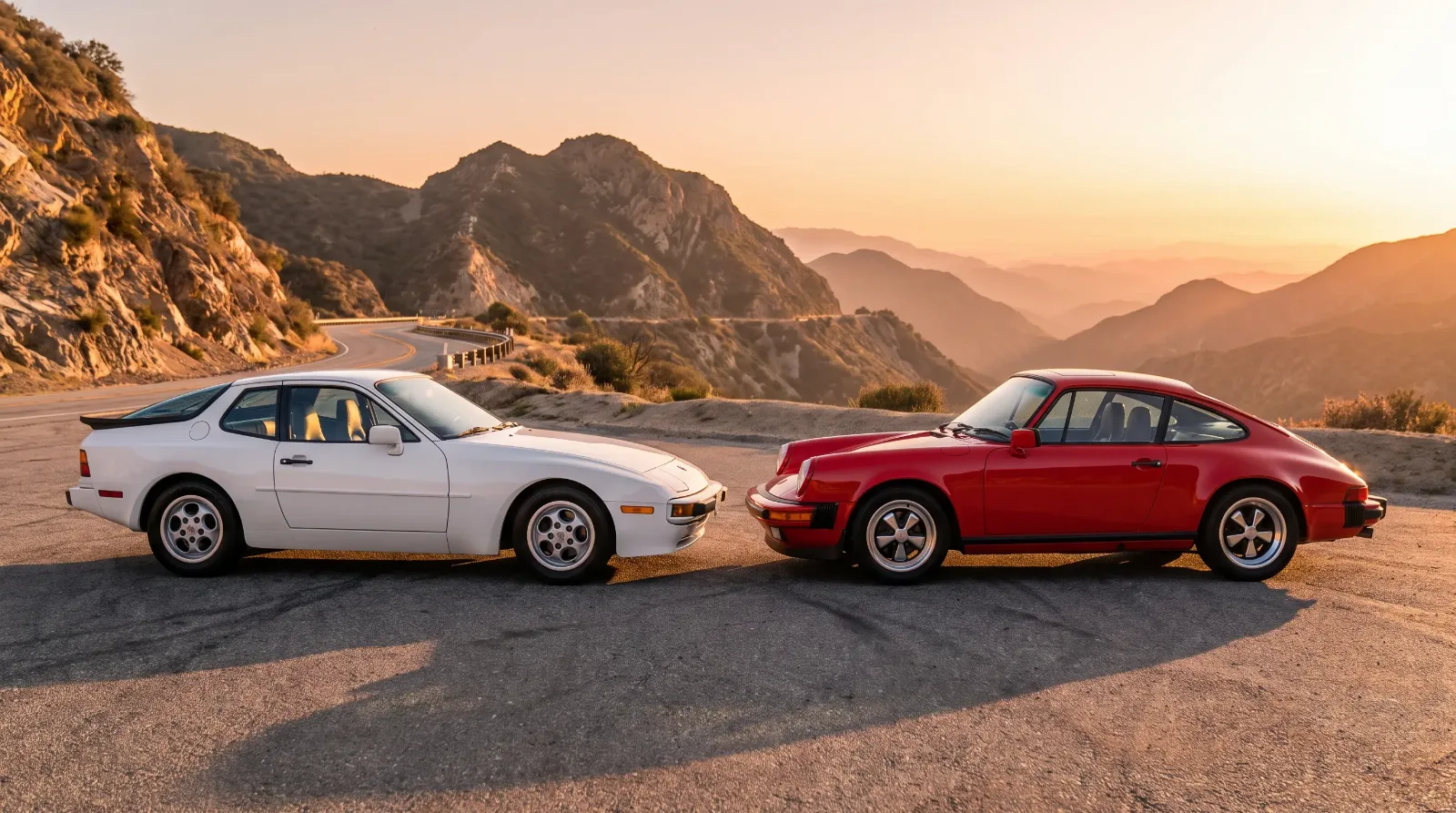
What the numbers do not show is the balance. A 911 of the period would bite if you lifted mid-corner. The 951 stayed planted. It had the traction of a rear transaxle, the grip of a wide body, and enough boost to embarrass cars that cost more. Track-day regulars figured this out decades before the collector market did.
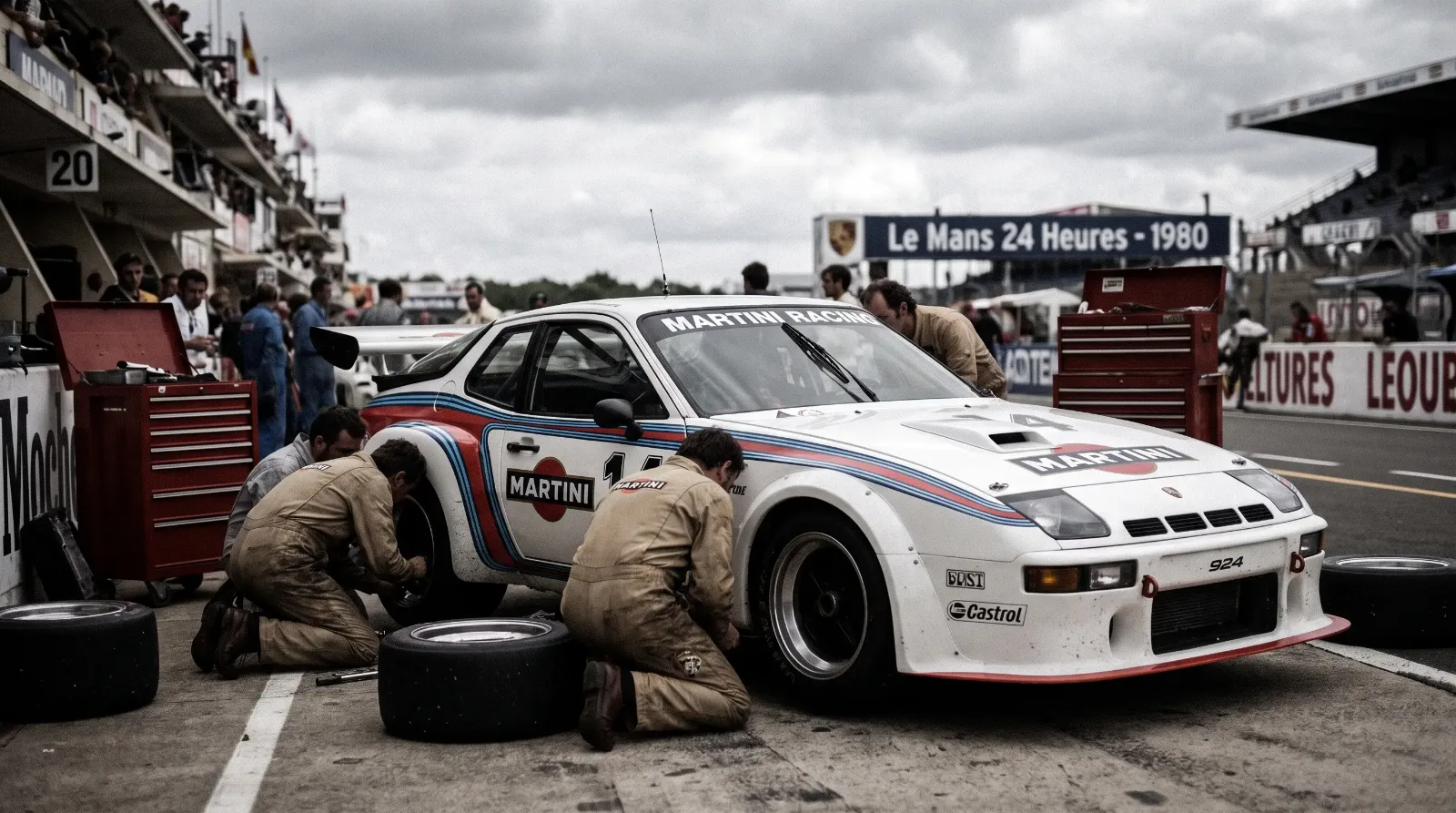
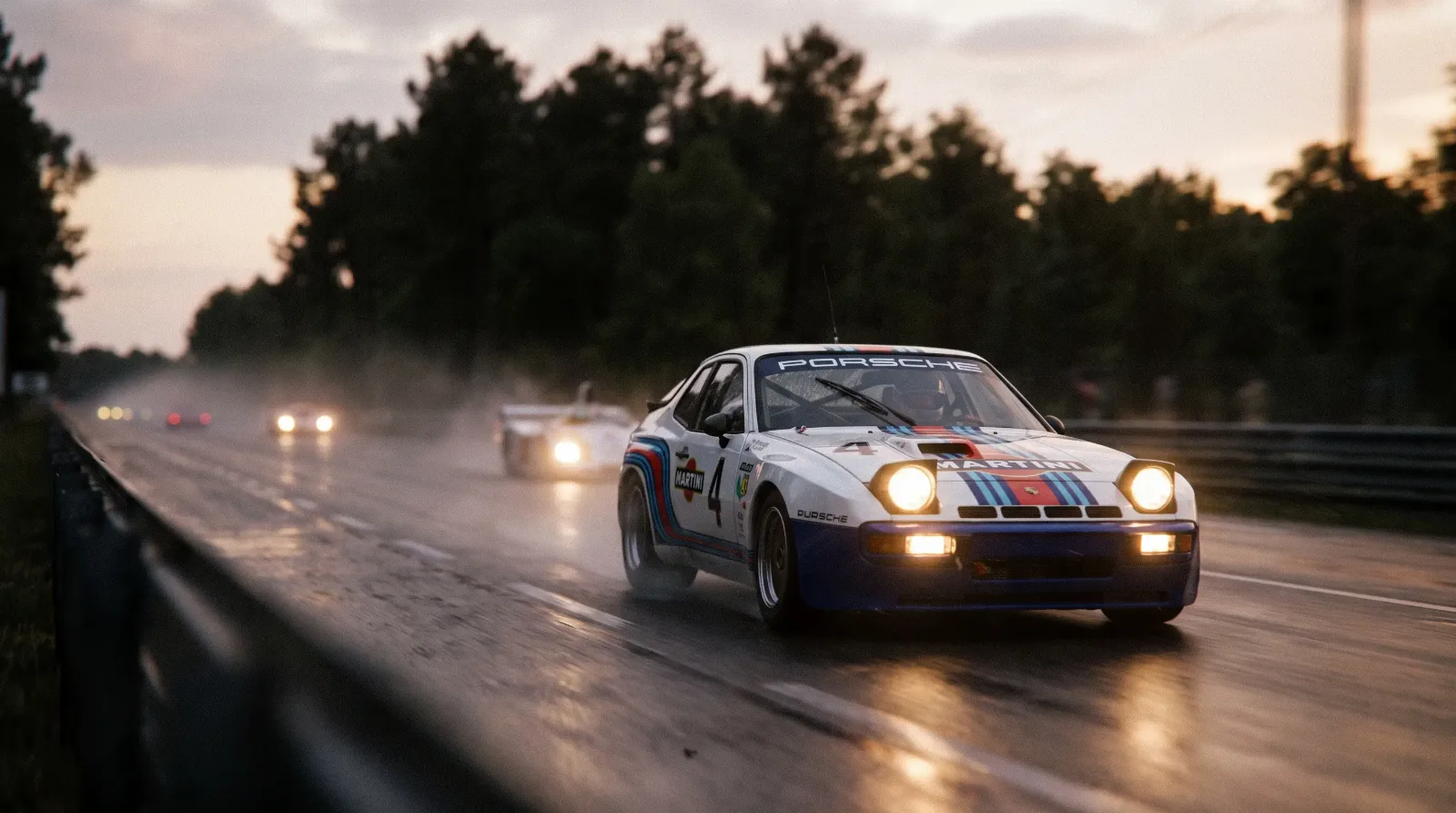
Porsche also raced the platform, which validated the road cars. The 944 Turbo Cup was a one-make series that ran near-showroom cars hard, and the lessons fed back into production. The brakes, the cooling, and the suspension tuning on the later street Turbos owed a debt to that racing. This was never a boulevard car dressed up with a spoiler. The boost figures matched what the chassis could actually use.
"People quote the 911 numbers and forget the 951 got there for half the money and kept all four wheels doing their job. The stopwatch never cared which end the engine lived in."
Dan Reeves
The 968 was the last word, and almost nobody bought it
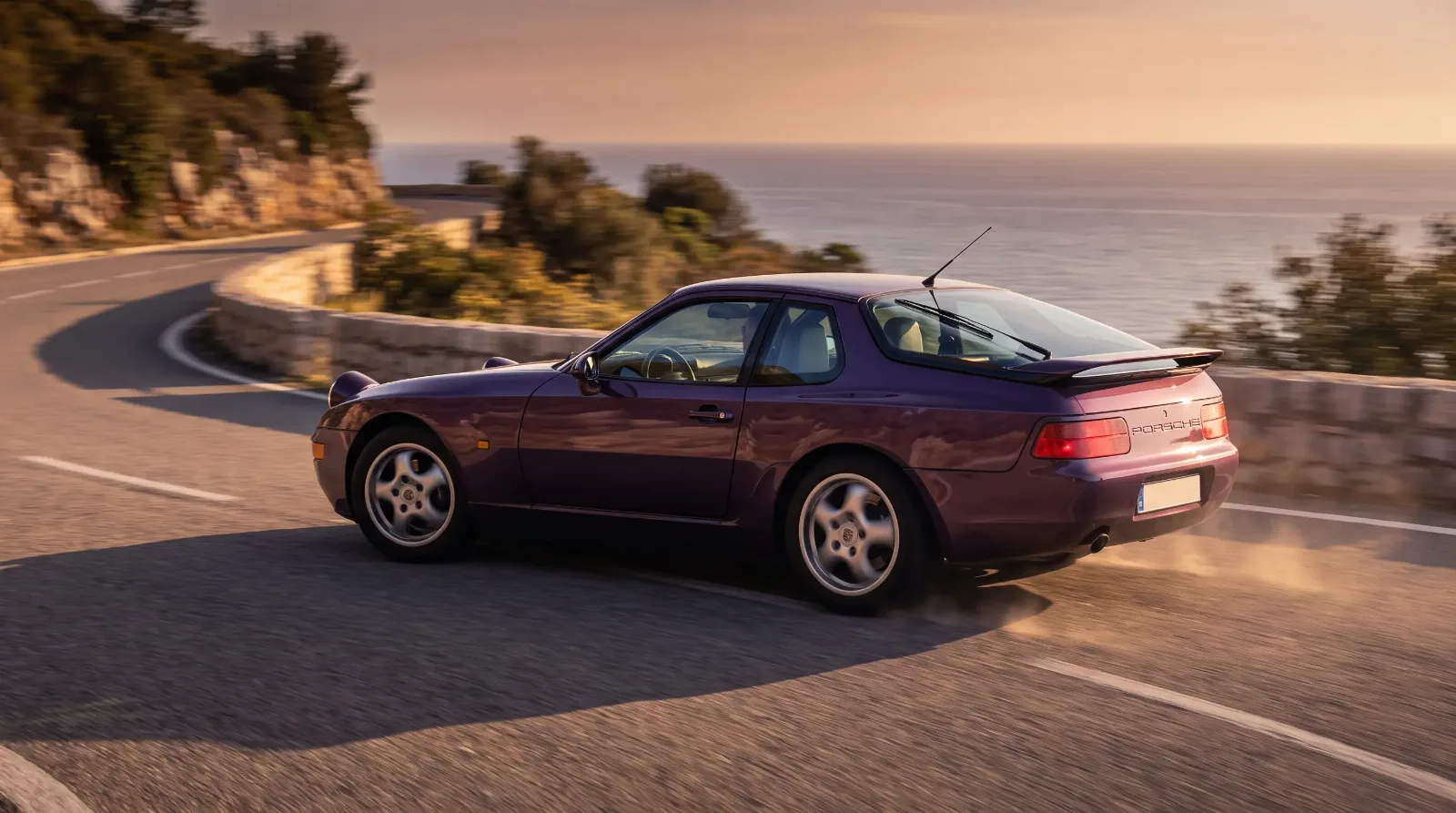
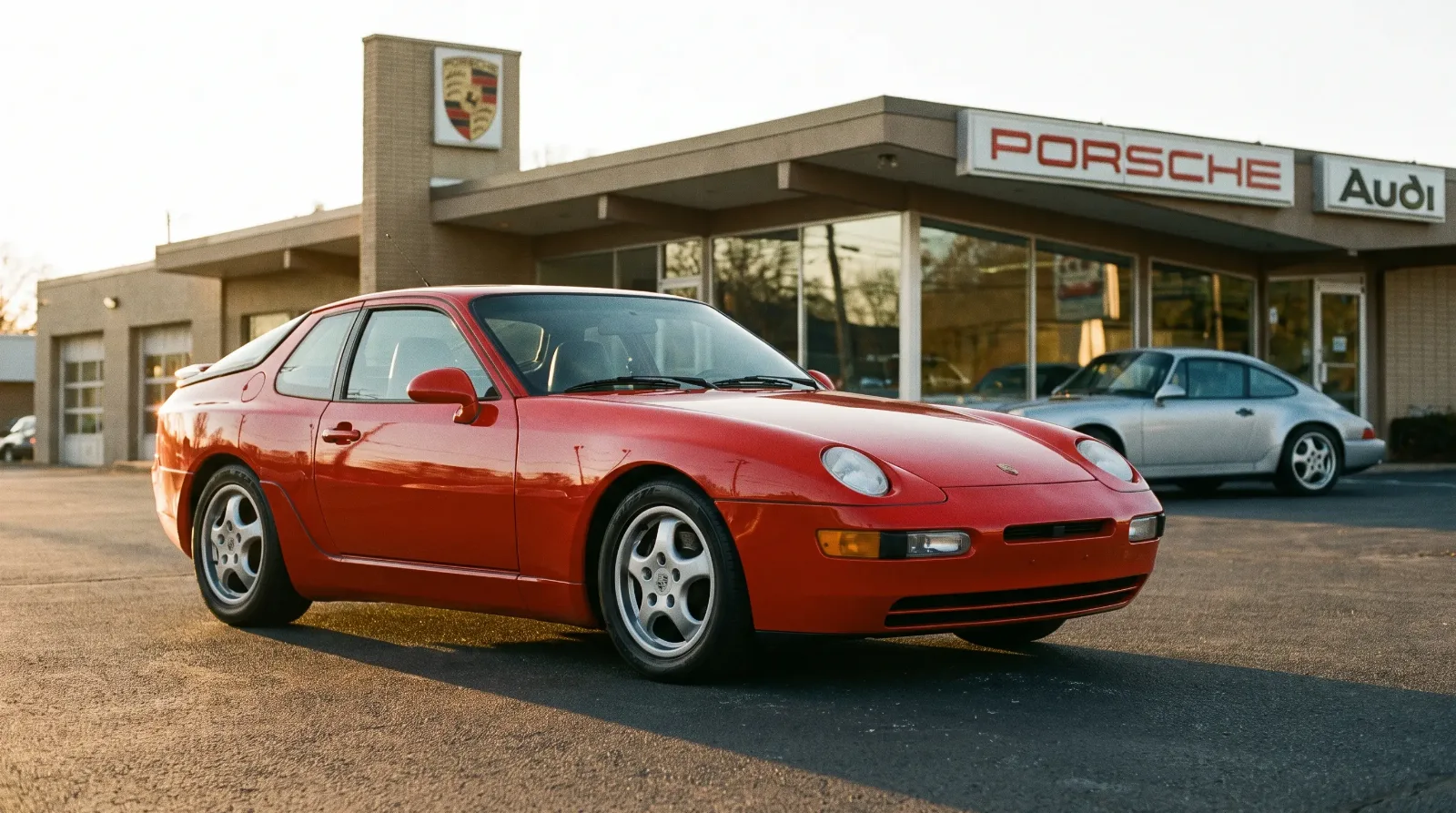
The 968 arrived in 1992 as the final evolution. Porsche claimed around 80 percent of the parts were new, though the shape and the transaxle bones came straight from the 944. The 3.0-litre four now made 236 hp thanks to VarioCam, Porsche's first variable valve timing system.
Zero to sixty took about 6.1 seconds in the standard car. The six-speed manual was excellent. The pop-up headlights and 928-style nose gave it a cleaner face. On paper it was the best transaxle car Porsche ever built.
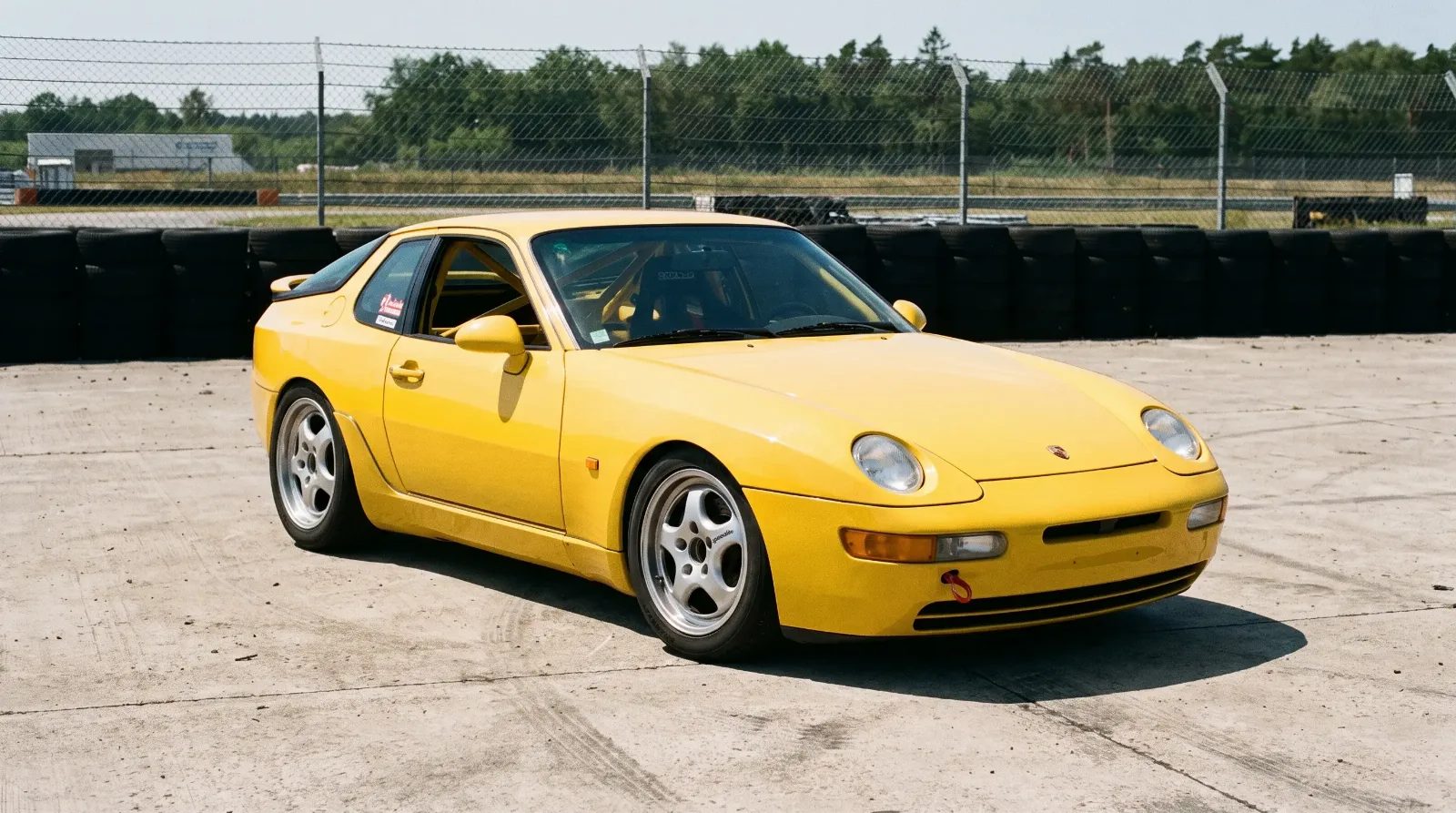
It sold badly. The price had climbed close to 911 territory, and by 1992 a buyer with that budget wanted the badge and the flat six. Total 968 production was roughly 12,780 units across four years, a fraction of what the 944 moved in its best single year. The rare Club Sport version stripped the weight and stiffened the chassis, and those are the ones collectors chase now.
The 968 ended the front-engine four-cylinder line in 1995. Porsche would not return to a front-engine layout until the Cayenne, and never again with a four in this form. The story then moved back to the rear-engine and mid-engine cars, which is the next part of the story.
Why the family was undervalued for so long
For thirty years the transaxle cars were the cheap Porsches, and the reasons were mostly snobbery. The 924's borrowed engine tainted the whole line by association. The four-cylinder note did not thrill people raised on the flat six. And the 911 sucked up all the collector oxygen.
The neglect had a practical cost. Cheap cars get deferred maintenance, and the transaxle line has one item that punishes that: the timing belt. On the 944 and 968, a snapped belt bends valves. Plenty of good cars got scrapped over a service most owners skipped because the car was worth less than the repair. That thinned the herd and hid the quality.
The market has since corrected. Clean 944 Turbos and 968 Club Sports trade for real money now, and even a solid base 944 is no longer pocket change. The values still lag the 911 by a wide margin, which is exactly why the driving-per-dollar math favors these cars. You get Porsche engineering, near-perfect balance, and a chassis that flatters an average driver, for a fraction of the rear-engine tax.
The verdict the numbers always supported
The transaxle heretics were right the whole time. The 944 handled better than a period 911 in most measurable ways. The 951 Turbo matched Carrera pace for half the outlay. The 968 was the most complete of the lot. The market punished them for the engine layout and the four-cylinder note, not for anything a stopwatch or a skidpad would tell you.
Buy on condition, budget for the belt, and ignore the badge snobs. The 944 and its relatives were the smart-money Porsche when they were new, and the math still holds. The only thing that has changed is that the rest of the world finally started counting.
Sources and notes
Related Reading
Article
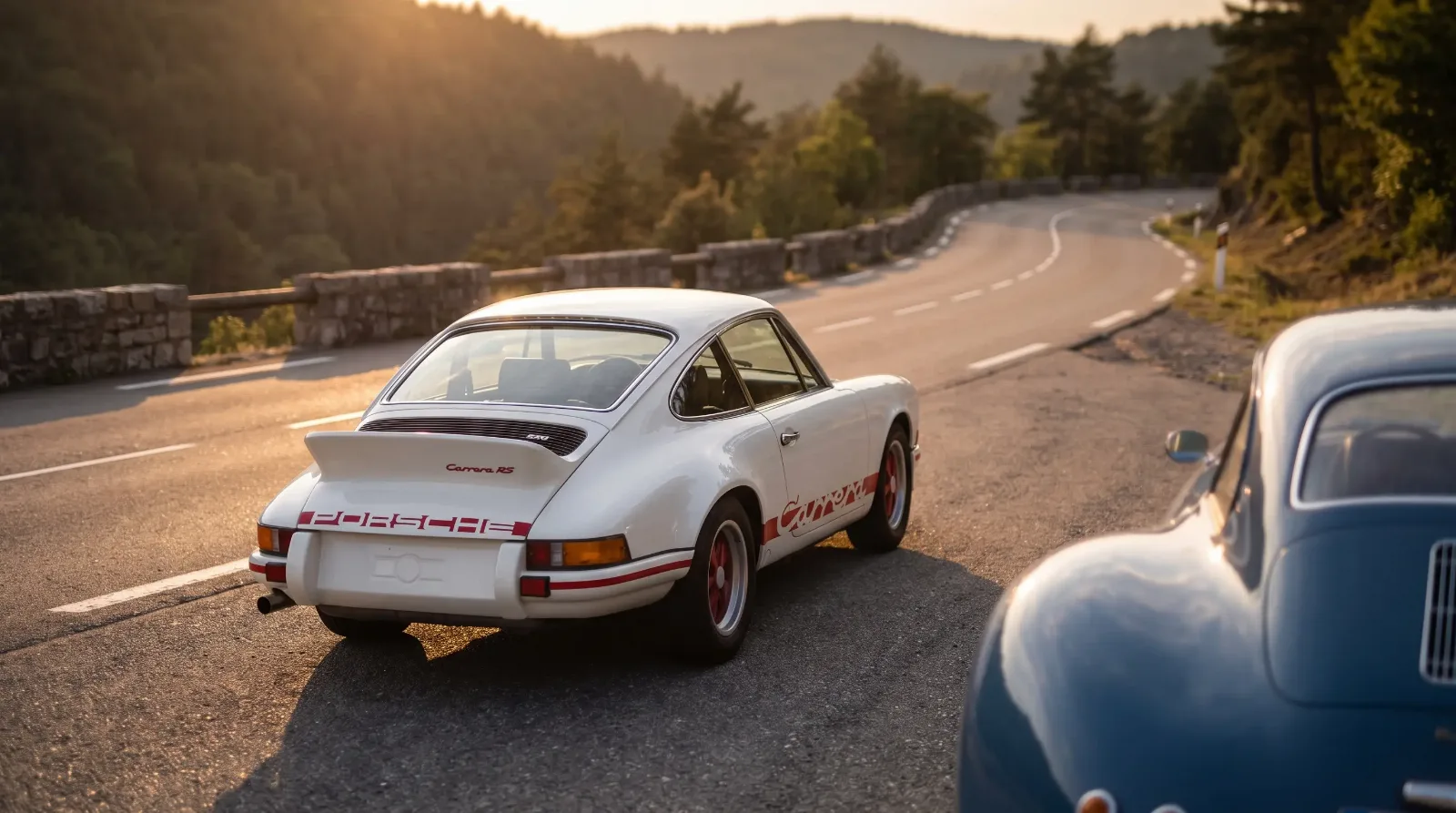
The Classic Porsche Story: From 356 to the Air-Cooled Icons
Article
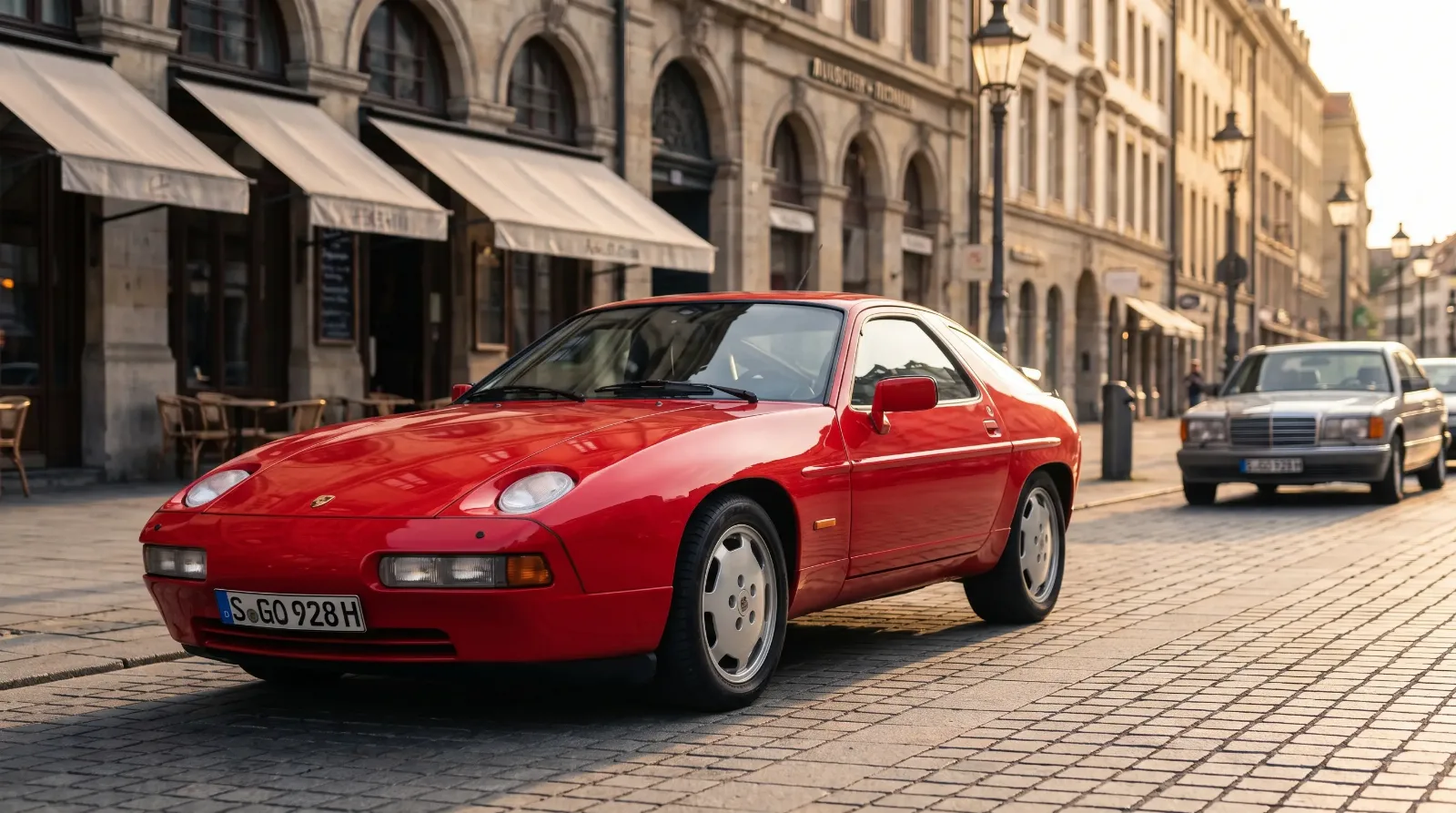
Porsche 928: The V8 GT Built to Kill the 911
Article
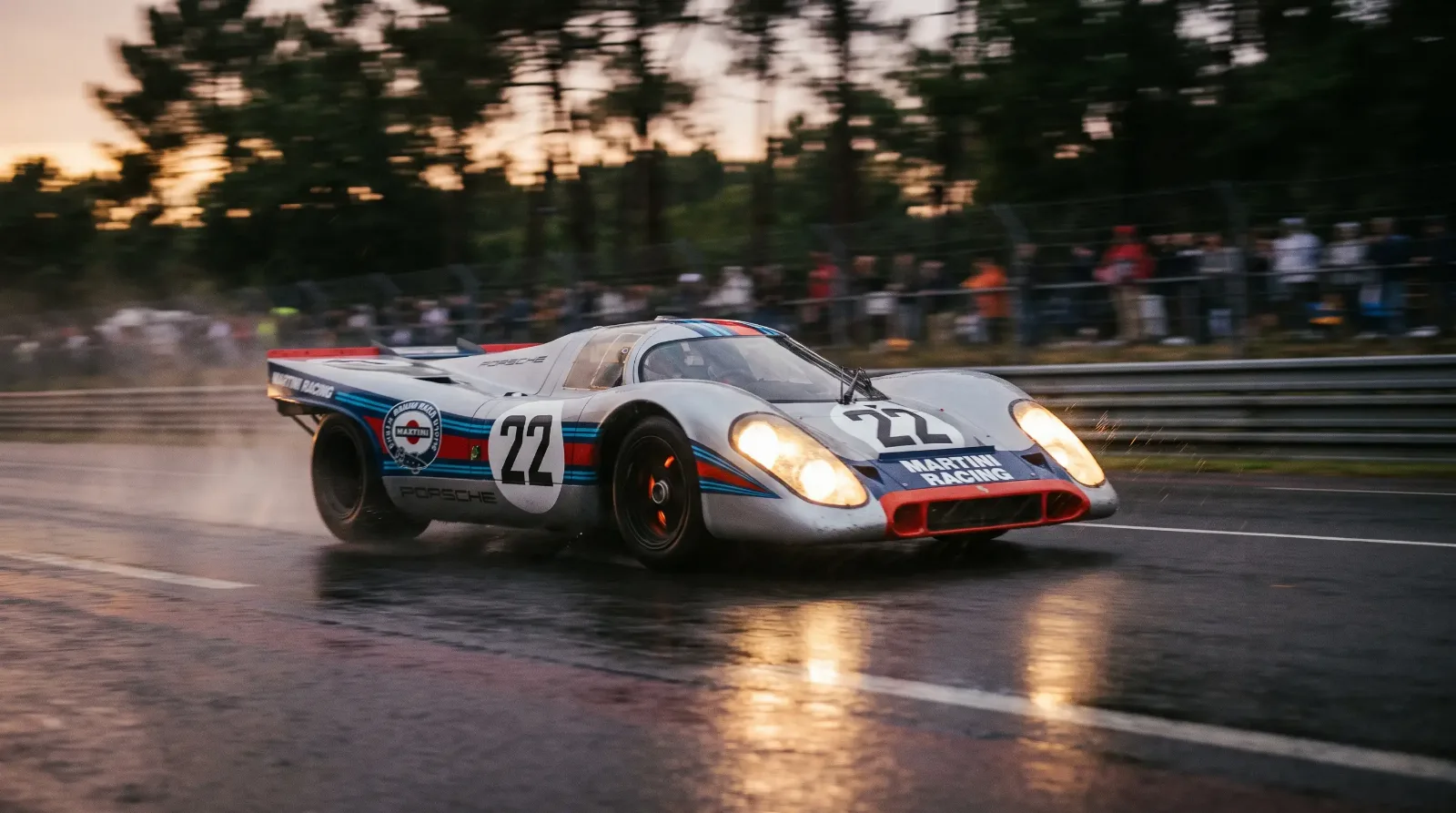
Porsche's Racing Legend: 917, 935 & the Le Mans Years
Article
Why the 924 Was Almost an Audi
Article
The 924 Turbo: Porsche Fixes Its Own Car
Article
The 924 Carrera GT: Homologation Hero
Article
The 944: The Transaxle Car Comes of Age
Article
The 944 Turbo (951): The Giant-Killer
Article
The 944 S2: The Naturally-Aspirated Peak
Article
The 968: The Transaxle Finale
Article
The 968 Clubsport: Stripped for the Track
Article
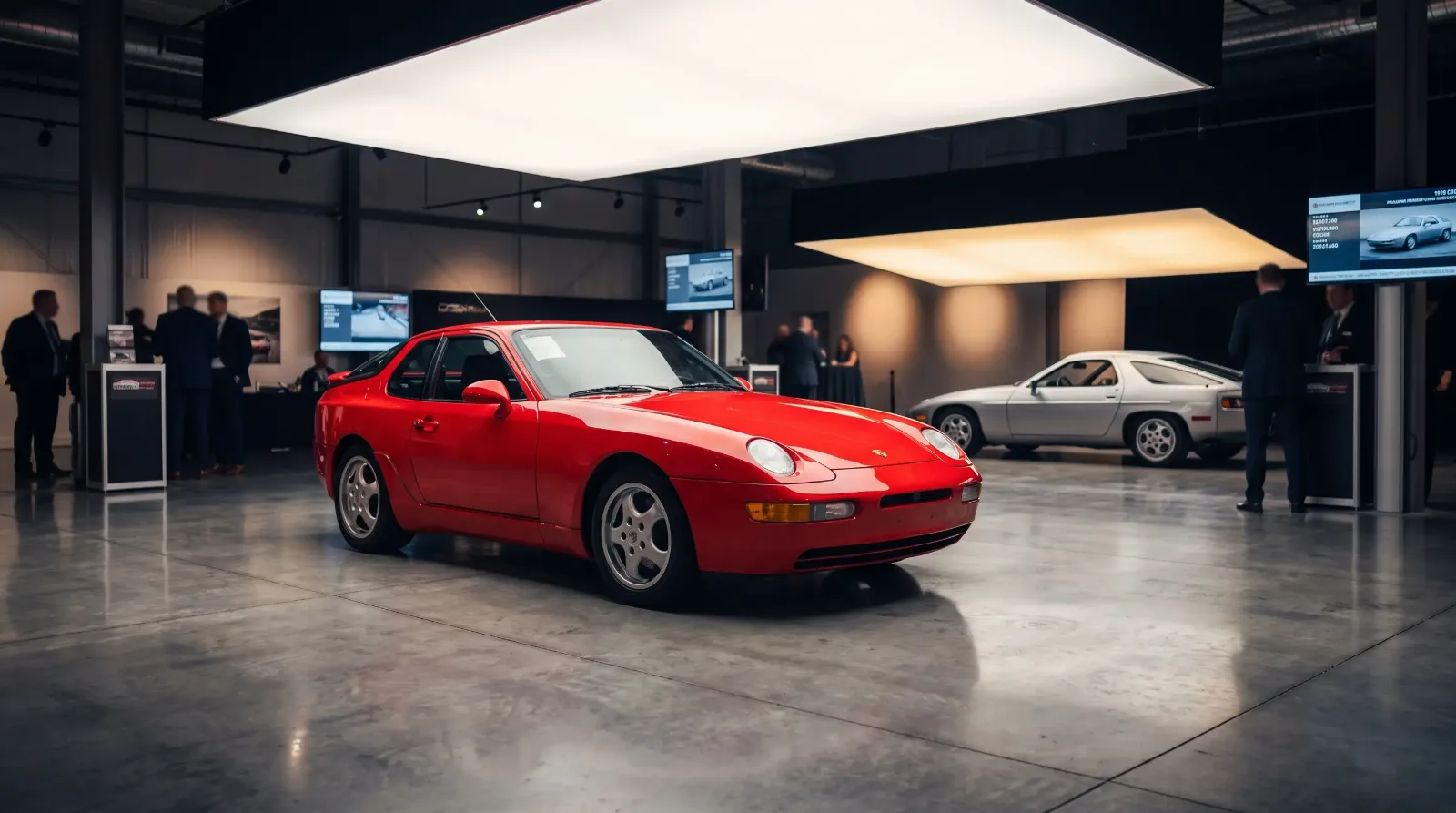
Why Transaxle Porsches Were Long Undervalued
Article
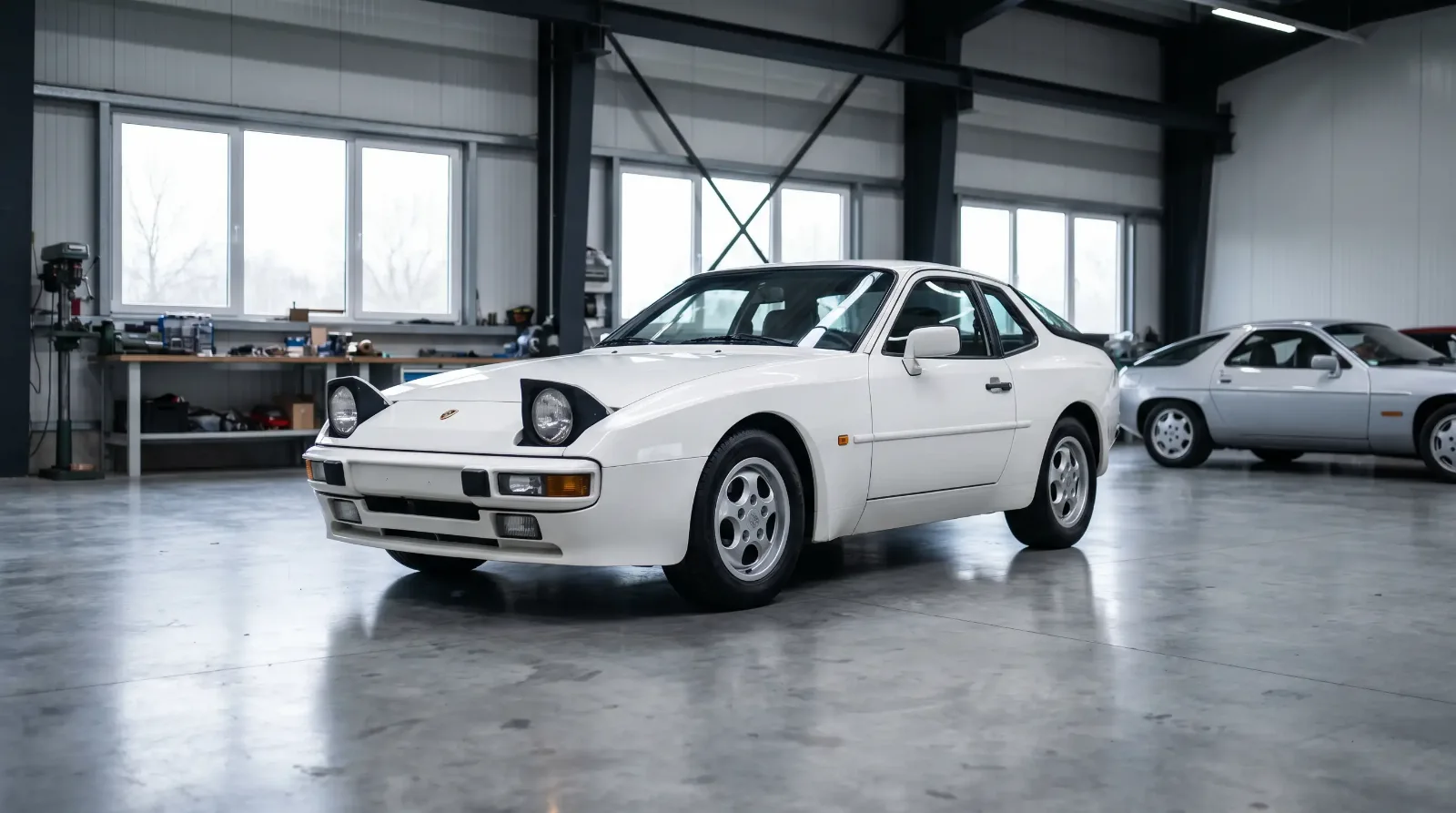
The Front-Engine Family Tree (924 to 968)
Article
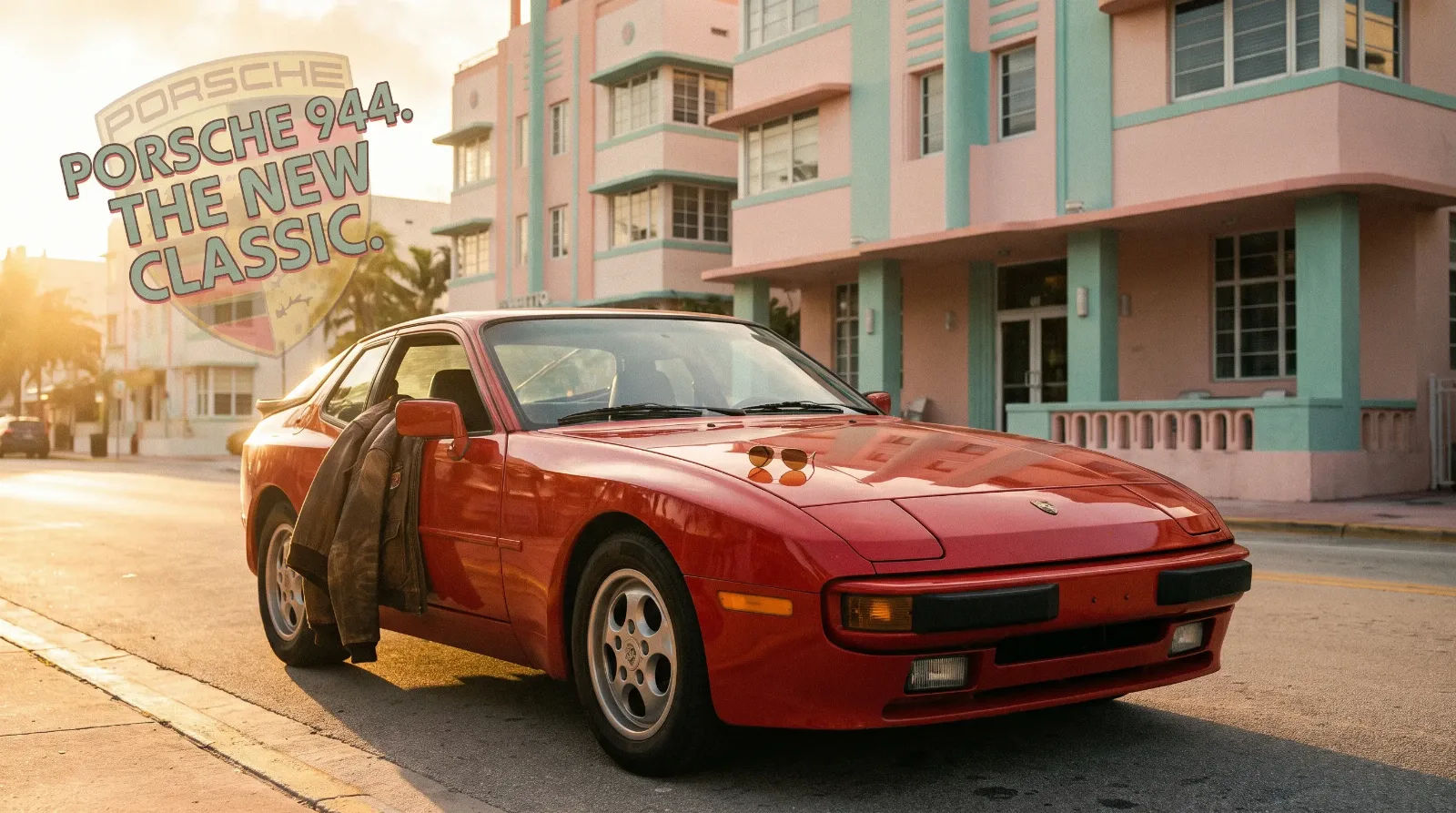
The Porsche 944 in 1980s Pop Culture
Article
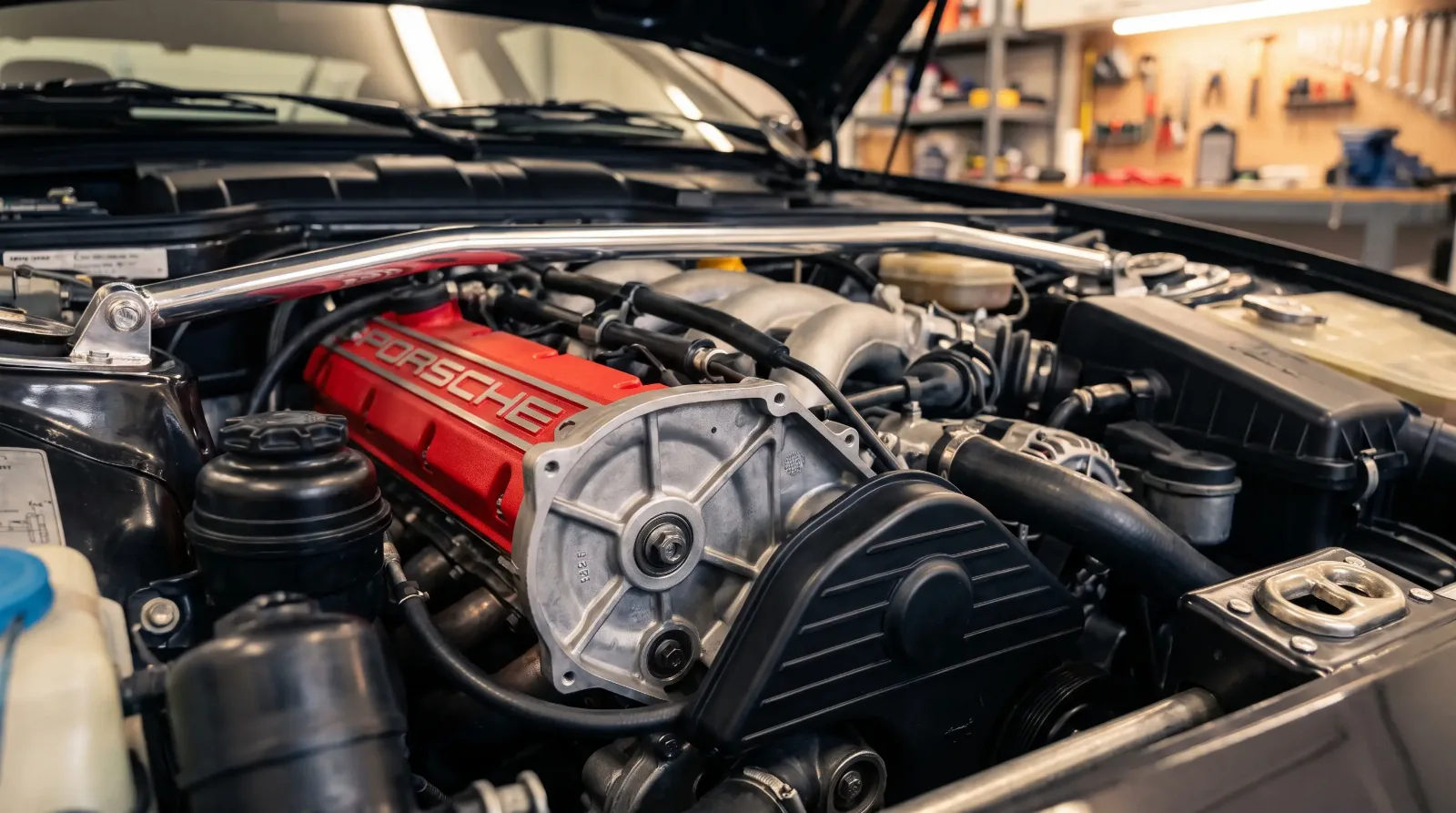
Engineering the Balance-Shaft Four
Article
Guards Red & the 1980s Porsche Aesthetic
Article
The 924/944 Racing Legacy
Article
Why the 968 Was Doomed From the Start
Article
Transaxle Cars vs the 911 Snobbery
Have a
Porsche
for Sale?
Reach thousands of serious classic car collectors across the US.
Sell It Here →
Are You a Classic Car Dealer?
List your full inventory and connect with targeted classic car buyers.
Join as a Dealer →

About the author
Dan Reeves
Performance engine builder from North Carolina's motorsports corridor, focused on swaps, forced induction and making real, repeatable power.
Related Listings - Porsche




Comments
Be the first to comment on this article.