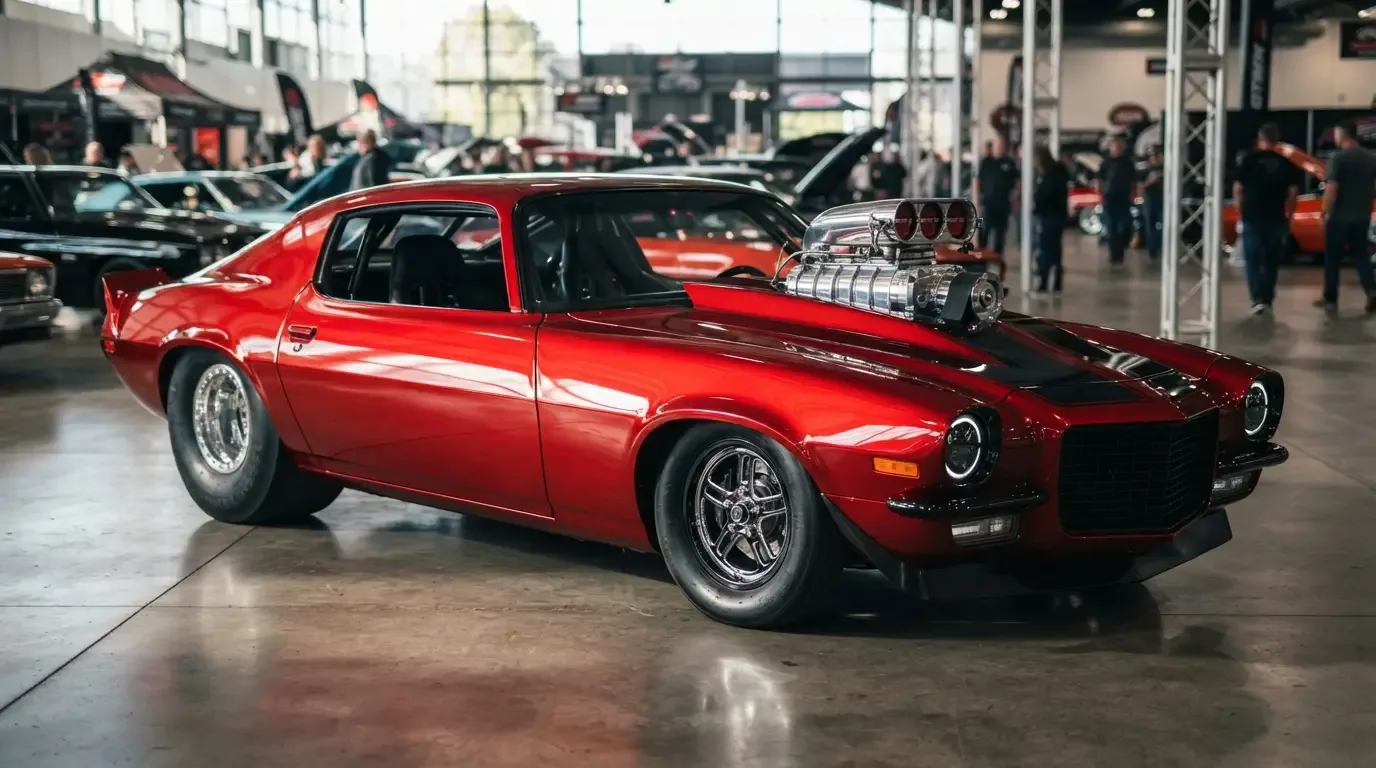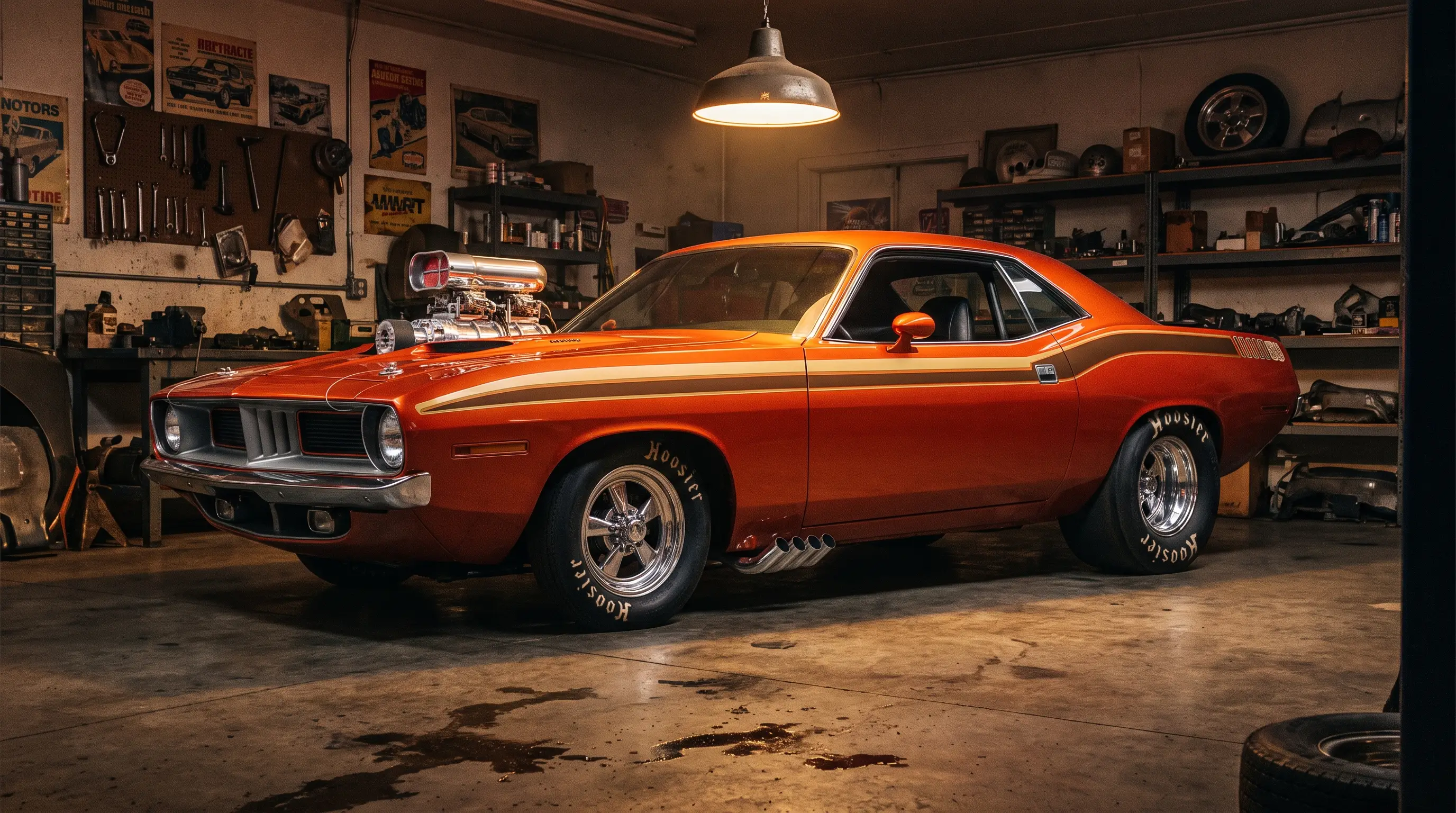
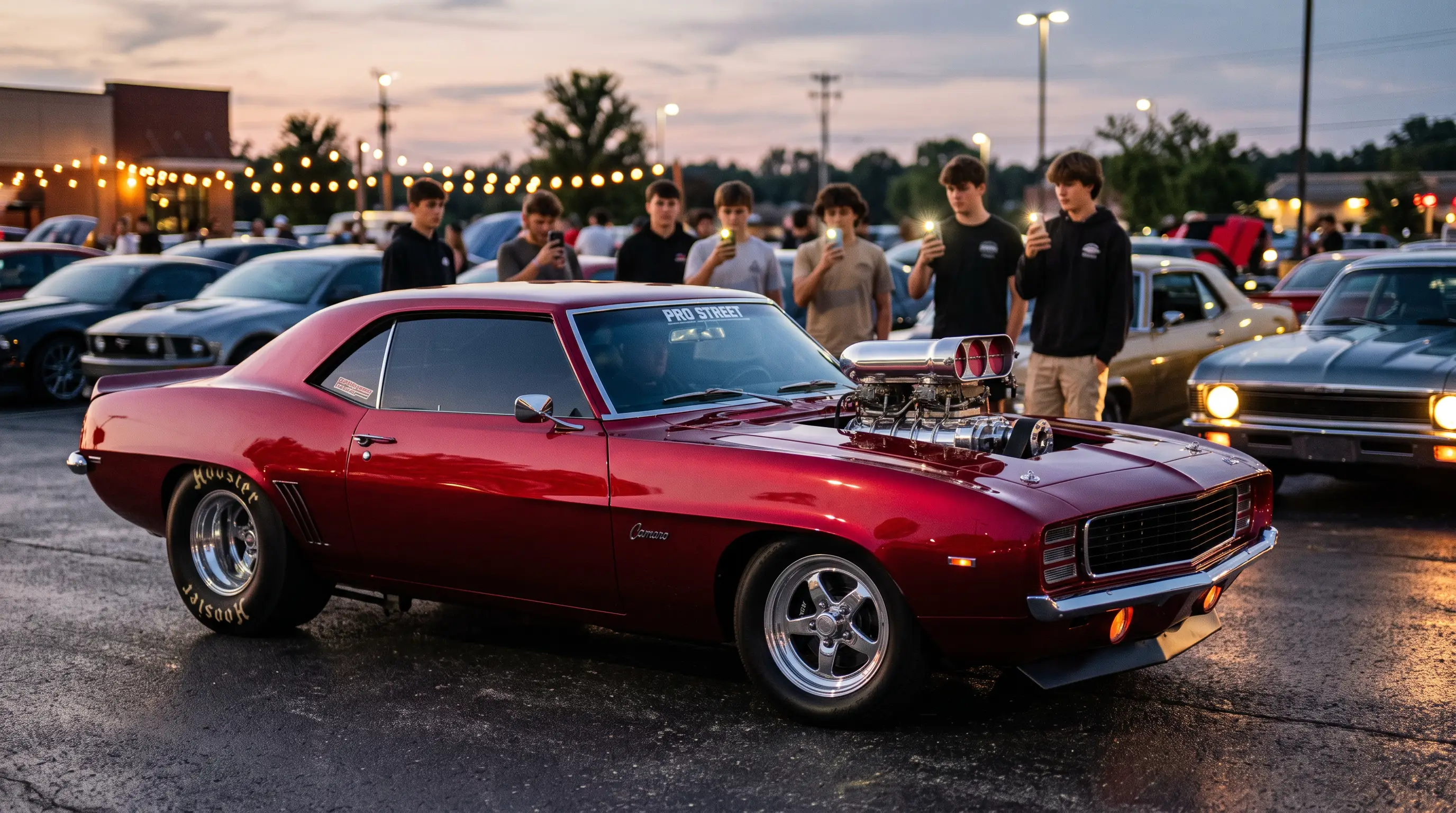
A guy backs a tubbed 1969 Camaro off a trailer at a Cars and Coffee in suburban Ohio, and within ten minutes there are forty phones pointed at the rear tires. That reaction, repeated at shows from Bakersfield to Charlotte, is the clearest evidence of the pro street comeback that has been building since roughly 2018. The car is not new. The style is not new. What changed is who is paying attention, and how fast that attention travels.
Why the style never actually left
Pro Street cars, the tubbed, big-tired, gutted-interior muscle cars and hot rods that defined magazine covers in the 1980s, went quiet in the mainstream car culture through the 2000s. Track-focused builders chased Pro Mod numbers, street builders leaned toward pro touring with big brakes and independent suspension, and the exaggerated stance of a Pro Street car started to look like a period piece rather than a current trend. But the cars themselves never disappeared. Regional clubs kept building them, swap meets kept moving ladder bars and narrowed rear ends, and a stubborn core of builders in the Midwest and South treated tubbing a frame as a rite of passage rather than a fashion choice. That persistence is why the current revival has real cars to draw from instead of starting from zero.
The platforms driving renewed interest
Instagram and YouTube changed the audience for this style faster than any magazine ever could. A well shot reel of a small block firing up under a fiberglass tilt front end, cut against slow motion footage of eight inch slicks unloading off the line, performs well with an algorithm built to reward motion, sound, and contrast. Builders who would have once relied on a regional car show to get noticed now post a build thread that reaches people who were not born when the style peaked. Younger viewers are discovering Pro Street the way earlier generations discovered muscle cars through reruns, except the discovery happens in a nine second clip instead of a Saturday afternoon.
What today's builders are doing differently
The cars coming out of home garages now are not carbon copies of the 1987 versions. Builders have access to EFI systems that make a tubbed big block start on a cold morning without three pumps of the throttle, aftermarket four link kits that bolt in rather than requiring a fabricator, and a used parts market flush with take off nine inch rear ends from decades of restomod builds. The result is a car that looks like it rolled straight out of a 1989 magazine spread but drives, in the words of more than one builder, like something you could actually take to work. That drivability is a major reason the style has found a second life instead of staying a nostalgia act. For anyone who wants the full arc of how the look developed in the first place, our pro street revival history lays out the decades in order.
Money, patience, and the parts hunt
Building a proper Pro Street car in the 2020s is not cheap, and it is not fast. Tubbing a frame rail correctly, narrowing a rear end, and building a front clip that clears a set of slicks takes real fabrication skill, and that labor costs money whether you pay a shop or spend your own weekends learning to weld. Donor cars have also gotten more expensive. A rough 1968 to 1972 GM A-body that would have been considered a parts car fifteen years ago now sells for real money because builders on both sides of the pro street and pro touring camps want the same sheet metal. That scarcity has pushed some builders toward less obvious platforms, including Mopar A-bodies and even full size cars that were previously ignored.
"Nobody's building these cars to flip them in a year. You put a tub in a car because you want to live with the result for a decade, and that patience is exactly what got lost during the years everyone chased pro touring instead."
- Patrick Walsh
Where the community goes from here
Event organizers have noticed the shift. Street machine shows that had trimmed their Pro Street classes down to a handful of entries a decade ago are now seeing full fields again, and several regional promoters have added dedicated Pro Street judging back into their programs after years of folding it into a general muscle car category. There is also a generational handoff happening in real time, with builders in their twenties and thirties learning tubbing and narrowing techniques from mentors who built cars during the original era. That knowledge transfer matters, because the fabrication skills involved are not the kind you pick up from a YouTube tutorial alone. If you want to see how a related corner of the scene is evolving, a related story covers builders who are keeping the retro look intentionally period correct rather than blending it with modern parts.
The comeback is not universal nostalgia. It is a specific, identifiable style with rules that builders still argue about at car shows, from how narrow a rear end needs to be to whether a car with a modern LS engine can still be called truly Pro Street. Those arguments are, in their own way, proof that the style matters again. A trend nobody cares about does not generate debate. For anyone who has been watching the reels and wondering whether it is worth chasing a project of their own, there has rarely been a better time to look, with Pro Street cars for sale now spanning everything from unfinished projects to fully sorted show cars.
What to watch for if you are buying into the trend
Anyone shopping the current market should expect wide variation in build quality. The renewed interest has pulled in builders with real fabrication chops alongside people bolting together a look without the structural work to back it up. A frame that has been properly tubbed and reinforced will have consistent weld quality, boxed sections where the tubs meet the floor, and documentation of who did the work. A frame that was tubbed poorly can hide real safety issues under fresh paint. That is true whether the car was built in 1988 or last winter. The comeback has brought more cars to market, but it has not changed the fundamentals of what makes one worth buying.
There is also a practical side to the current wave that gets less attention than the social media clips. Insurance companies now write policies for modified street cars with far more flexibility than they did twenty years ago, which has made it easier for a builder to justify the investment in a full frame off project. Parts suppliers who once treated Pro Street as a dead category have brought reproduction tub kits and narrowed housings back into regular production instead of leaving buyers to hunt for used take offs. None of that shows up in a nine second video, but it is the infrastructure that turns a passing trend into a durable one. The cars getting attention today are, in a real sense, easier to build correctly than the ones that started the whole movement in the first place.