
The future of Pro Street is already visible if you know where to look. Ask ten Pro Street builders where the style is headed and you will get ten different answers, but walk any major show floor in 2026 and a pattern emerges anyway. The tubbed rear end and the aggressive stance that defined Pro Street in the 1980s are still there, but the drivetrains underneath, and the people building them, look less and less like the movement's founding generation.
Car Features
7 min read
The Future of the Pro Street Aesthetic
A new generation of builders is pulling the future of pro street in two directions at once, period-correct purism and modern drivetrain swaps, without losing the look that defines the style.
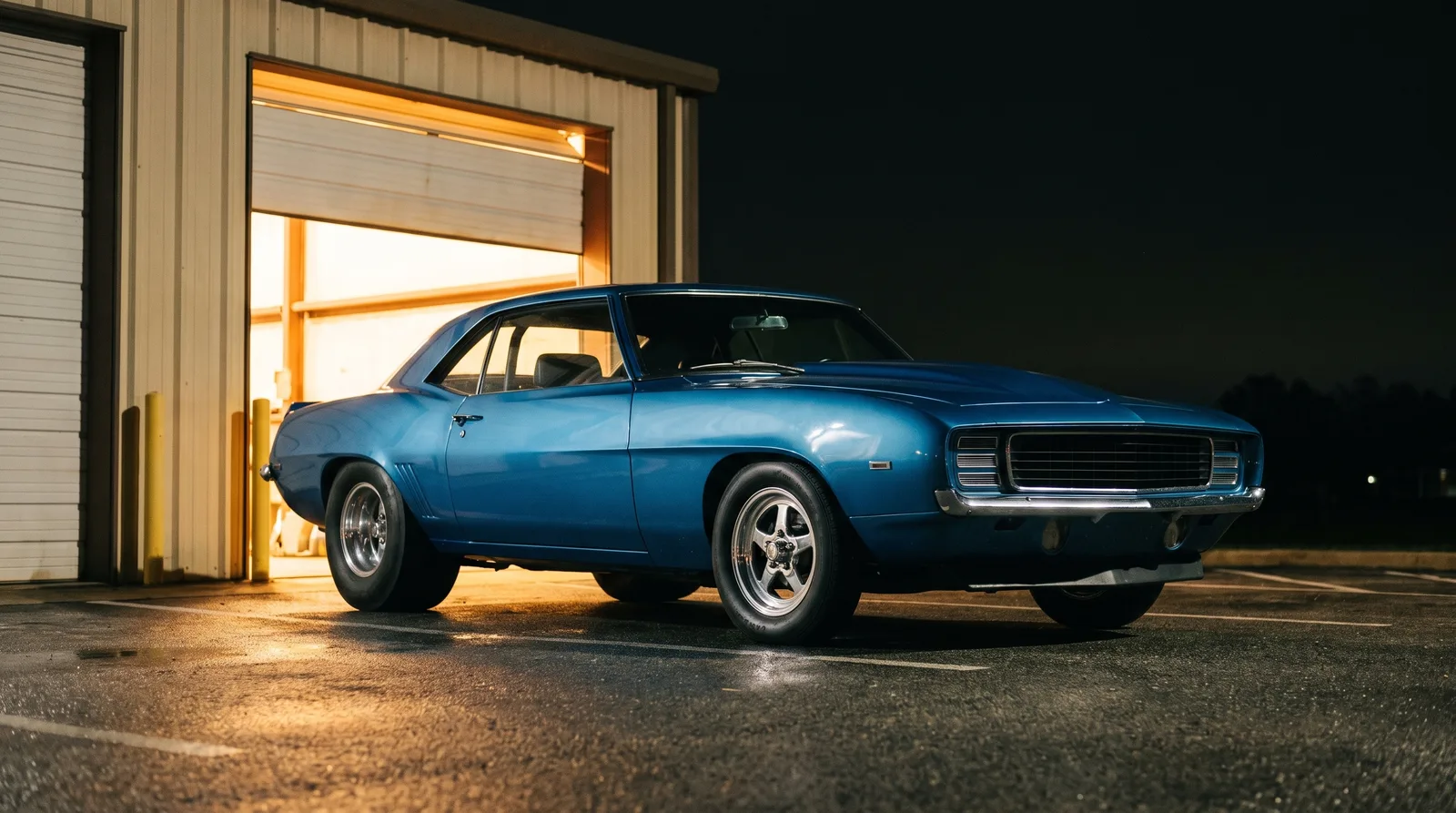
A style that keeps finding new builders
Pro Street never fully died, but it did shrink through the 2000s as tastes shifted toward Pro Touring and restomod builds that prioritized handling over straight-line drama. What has happened since is less a rebirth than a rediscovery. Younger builders, many of them introduced to the style through old magazine archives and social media rather than firsthand memory of the 1980s, are approaching Pro Street with fresh eyes and modern fabrication tools.
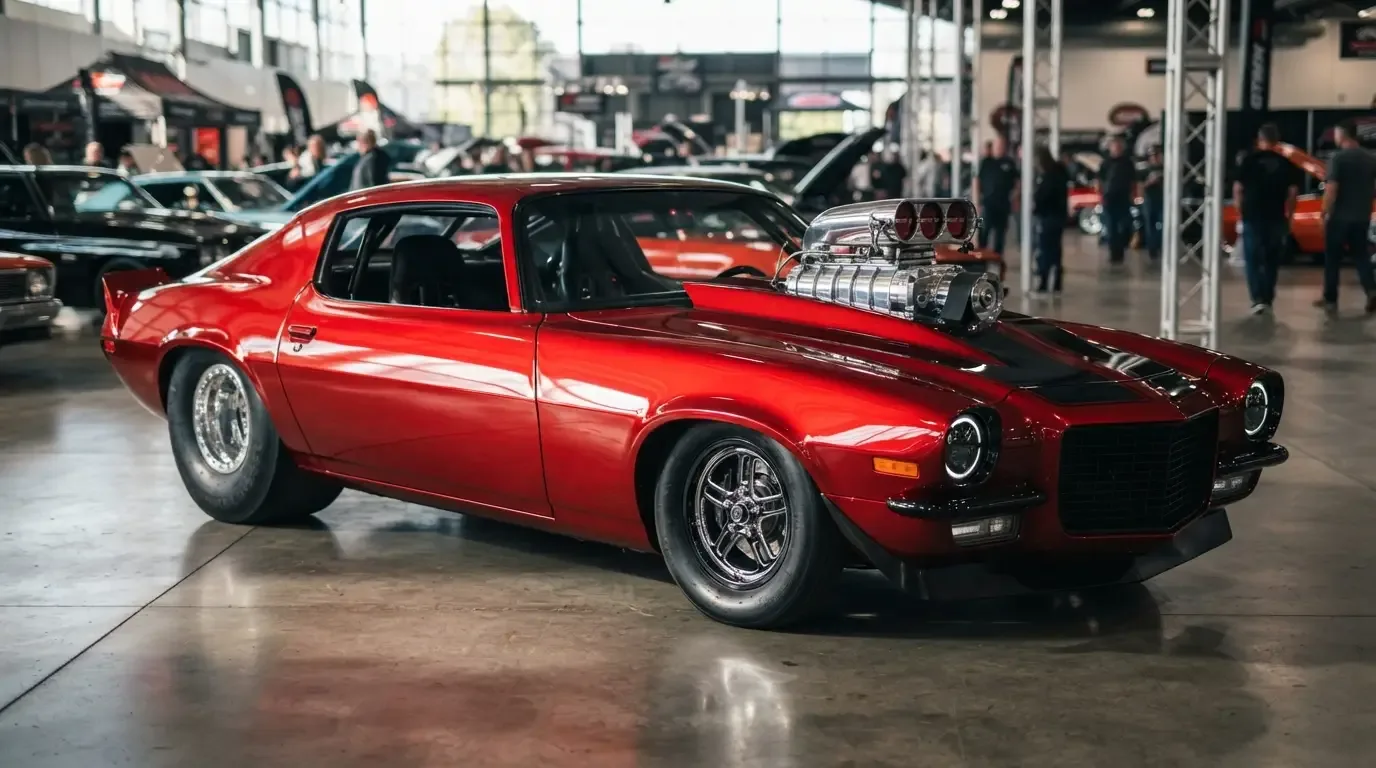
That generational handoff matters because it changes what gets built. A builder in their twenties working on a tubbed Nova today has access to computer-aided chassis design, mandrel bending equipment, and forced induction options that simply did not exist when the style was born. The look stays recognizable. The engineering behind it keeps advancing.
Where the drivetrain debate is headed
The loudest disagreement inside the community right now is about what belongs under the hood. Traditionalists argue a real Pro Street car needs a carbureted small block or big block Chevy, Ford, or Mopar, the same recipe that built the movement's reputation. A growing contingent of builders disagrees, swapping in modern LS and Coyote platforms, or in some cases full electronic fuel injection on a period-style engine, for the reliability and power density modern parts offer.
Neither camp is winning outright, and that tension is probably healthy for the style's long-term survival. A hobby that refuses any evolution risks becoming a museum piece, restricted to an ever-shrinking pool of period-correct parts and builders who remember how to use them. A hobby that abandons its roots entirely risks losing the identity that made it recognizable in the first place. Pro Street's future likely holds both camps side by side, the way it already does at most major shows.
The role of events in shaping what comes next
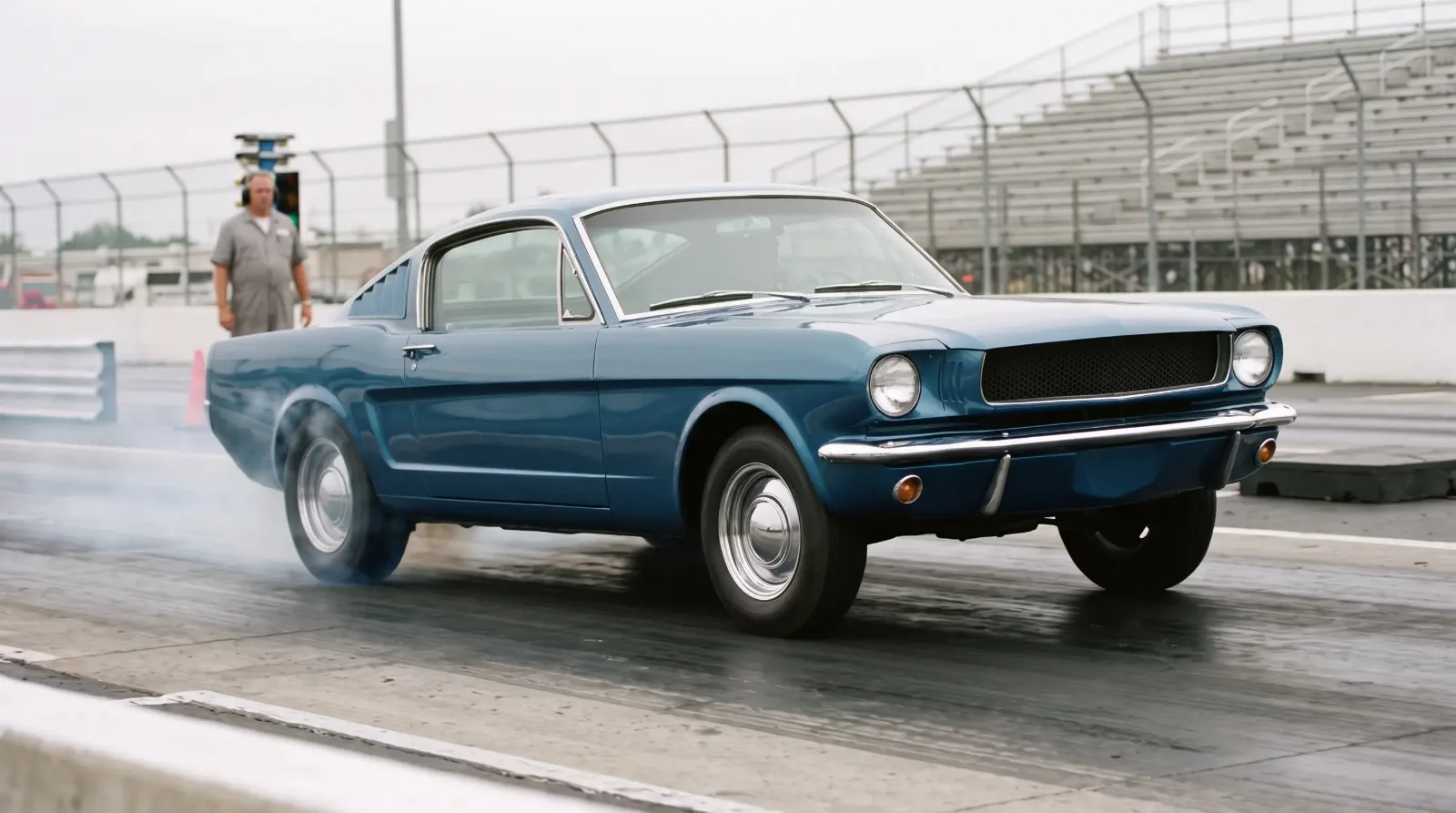
Street-driven events have done more to steer the style's future than any single trend piece could. A car built purely for a static show stand can chase almost any aesthetic without consequence, but a car that has to survive a week of highway miles and daily quarter-mile passes has to balance style against function. That discipline is pulling Pro Street back toward its original ethos even as the parts underneath modernize.
"I talk to twenty-two-year-olds building tubbed Camaros who have never seen an actual 1987 Pro Street magazine cover in print, only scanned copies online, and they still get the proportions right. That tells me the look has a life of its own now, separate from the era that created it."
- Patrick Walsh
Where the culture connects back to its history
None of this evolution happens in a vacuum. Every builder pushing the style forward is, whether they realize it or not, working within a framework laid down decades ago. Readers curious about how the movement got from its late-1970s origins to where it stands today can trace the full arc in pro street revival history, which covers the decline and resurgence that set up the current moment.
The current wave of interest also connects to specific comeback stories from the past few years, as builders and collectors alike rediscovered what made these cars compelling in the first place. For readers who want to see how that renewed attention took shape more recently, a related story covers the current decade's role in the style's resurgence in more detail.
What the next decade likely looks like
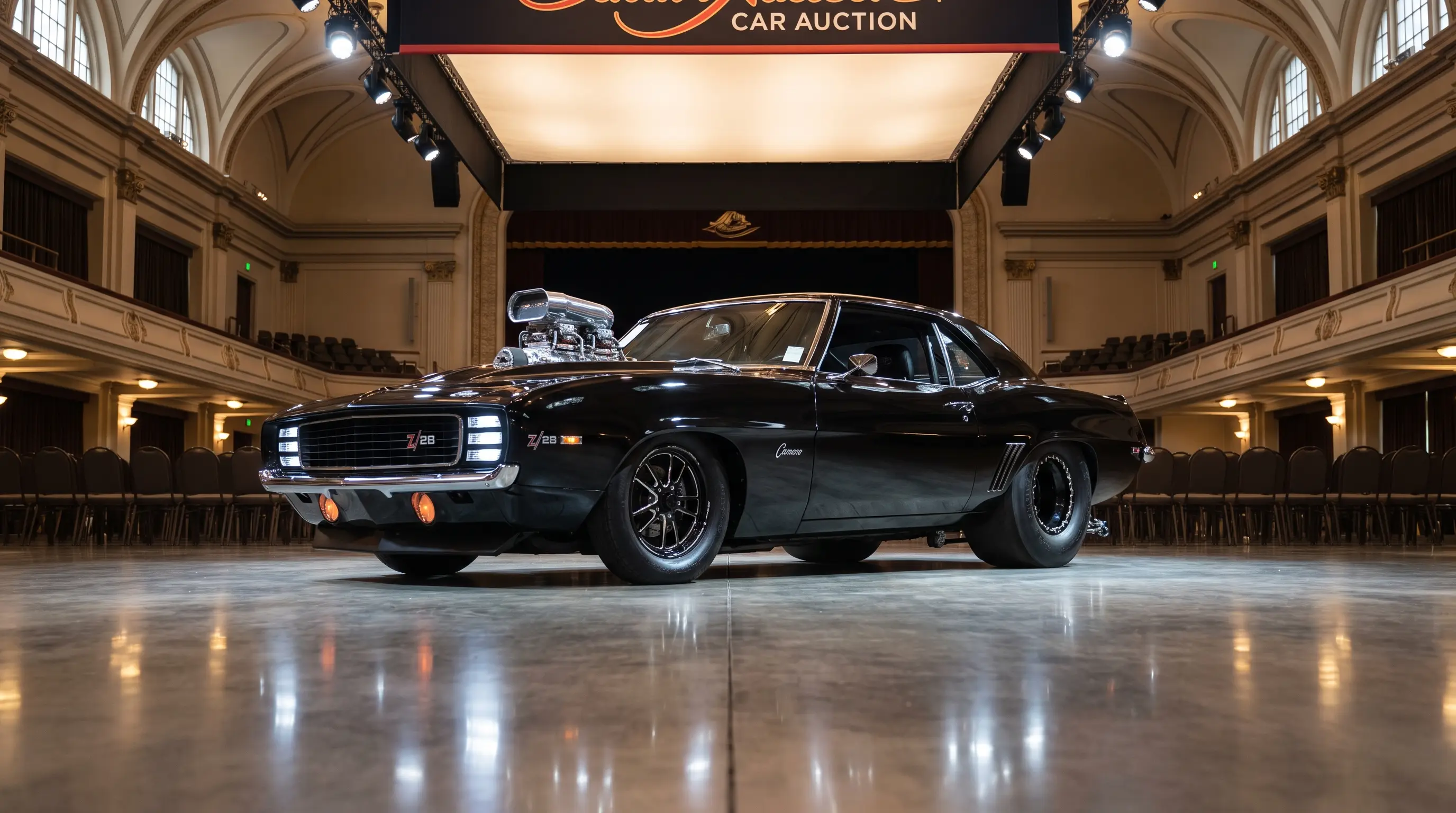
Expect the split between period-correct builds and modernized interpretations to continue, with neither side disappearing. Expect electric and hybrid experiments to show up at the margins, the way they have in nearly every other corner of the hot rod world, without displacing the internal combustion builds that still define the category for most enthusiasts. And expect prices for genuinely documented, period-correct examples to keep climbing as that supply shrinks relative to demand from a growing collector base.
What seems unlikely to change is the core visual language, the tubs, the stance, the drag radial or slick sitting under a fender that was never meant to cover something that wide. That look has outlasted several predicted expiration dates already, and there is little reason to think the next decade will be the one that finally retires it.
For anyone who wants to be part of that next chapter rather than just read about it, there are Pro Street cars for sale now spanning both camps, from untouched period builds to modernized interpretations carrying the same attitude into a new decade.
Social media's outsized influence on a niche hobby
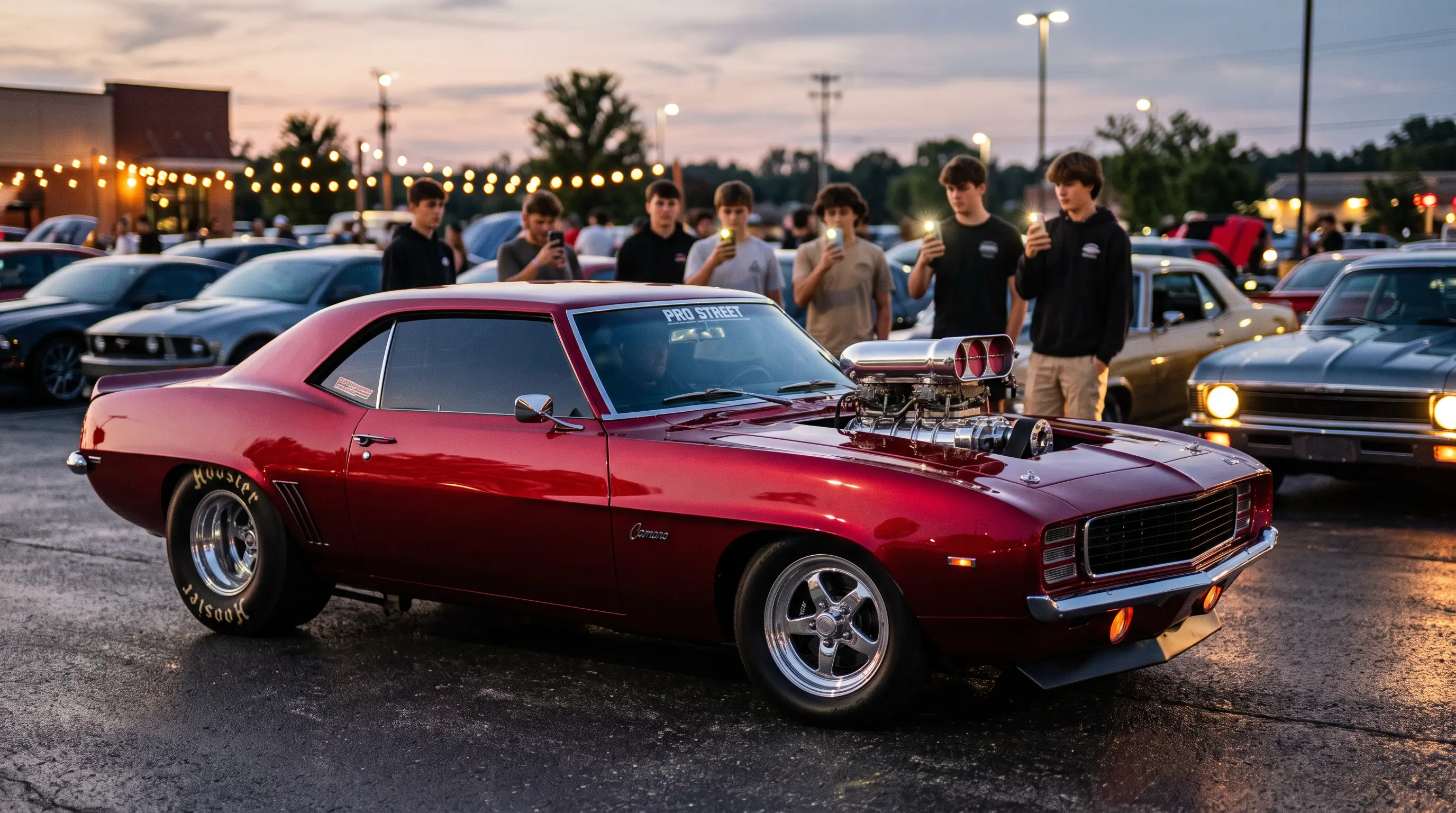
It is hard to overstate how much video content has reshaped who discovers Pro Street in the first place. A well-shot clip of a tubbed Chevelle launching hard off the line can reach an audience in a weekend that a print magazine feature from the 1980s took years to build. That reach cuts both ways. It has introduced the style to people who might never have found it otherwise, but it has also flattened some of the nuance that used to separate a careful, period-correct build from a car chasing likes with a look that only holds up in a fifteen-second clip.
Builders who take the long view tend to treat social attention as a nice byproduct rather than the goal. The cars that hold their value and their reputation over time are still the ones built to a standard that survives close inspection in person, not just a phone screen. That has not changed, even as the platform for discovering these cars has shifted entirely.
What is genuinely new is how fast information moves between builders now. A fabrication technique that once spread by word of mouth at a regional show can now circulate nationally within days, which has quietly raised the average build quality across the hobby even as debates about drivetrain choice and period correctness continue without resolution. That combination, wider reach and faster knowledge transfer, is probably the biggest structural change shaping where Pro Street goes from here, more than any single trend in parts or style.
Sources and notes
Related Reading
Have a
Classic Car
for Sale?
Reach thousands of serious classic car collectors across the US.
Sell It Here →
Are You a Classic Car Dealer?
List your full inventory and connect with targeted classic car buyers.
Join as a Dealer →

About the author
Patrick Walsh
Automotive journalist covering classic car shows, events, and the enthusiast community across North America.
Comments
Be the first to comment on this article.