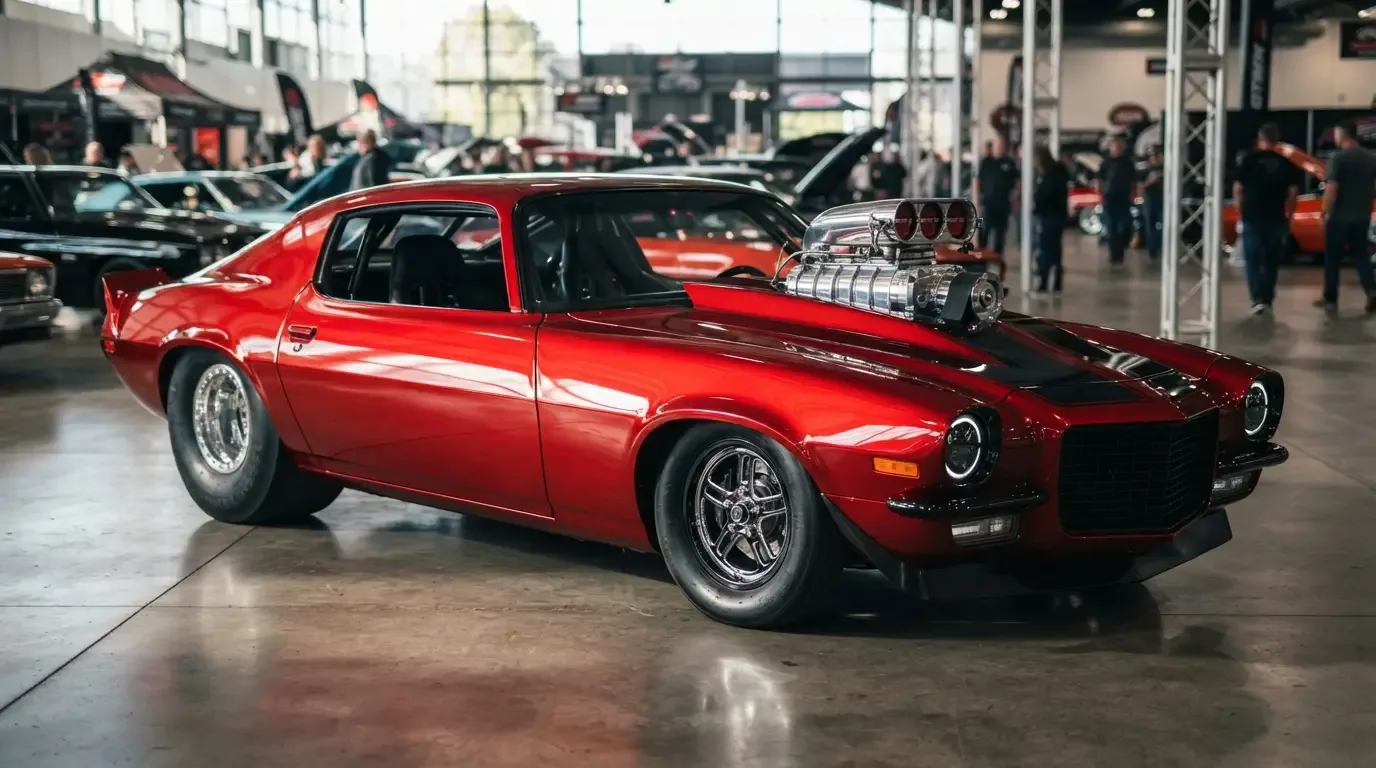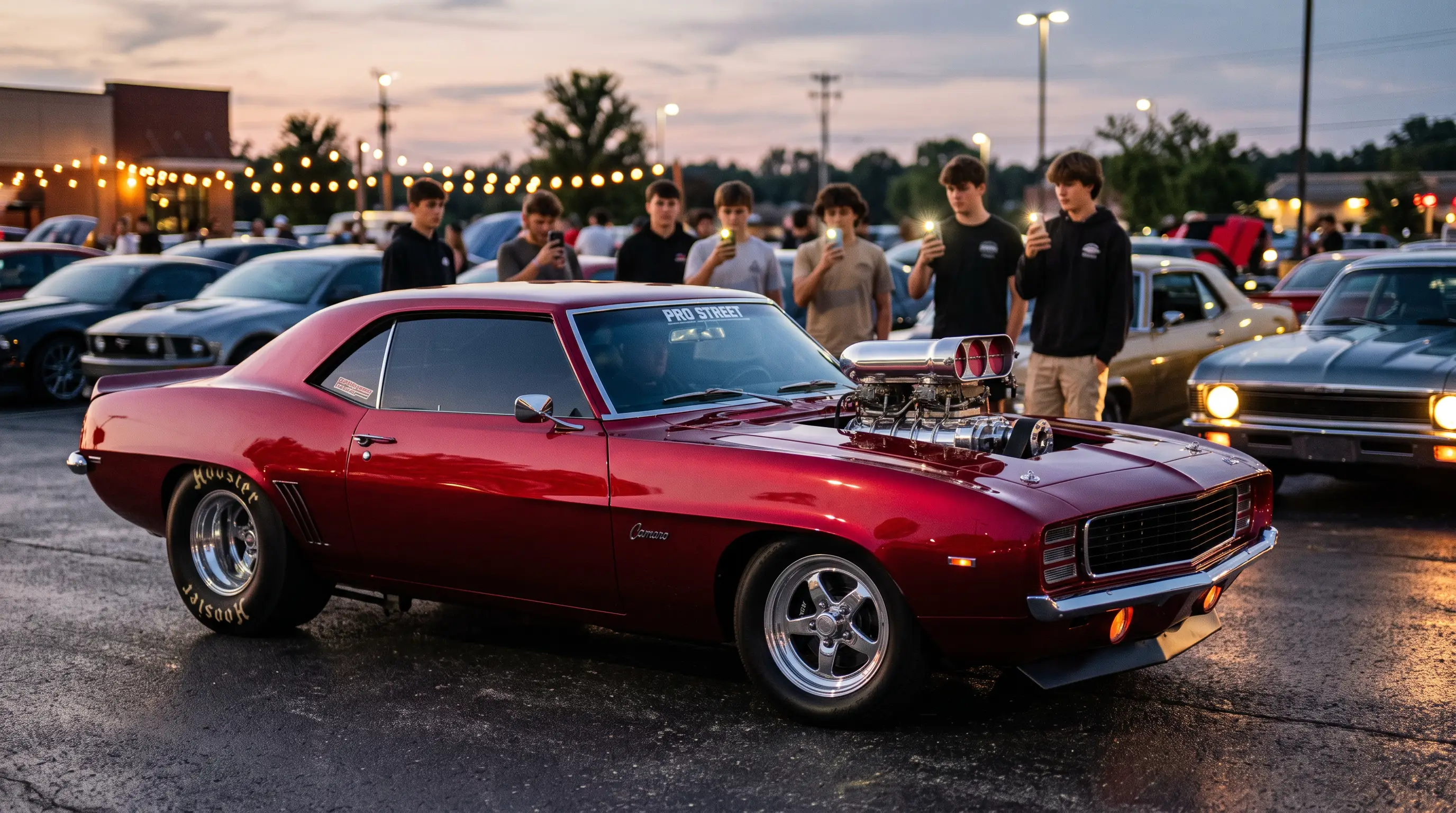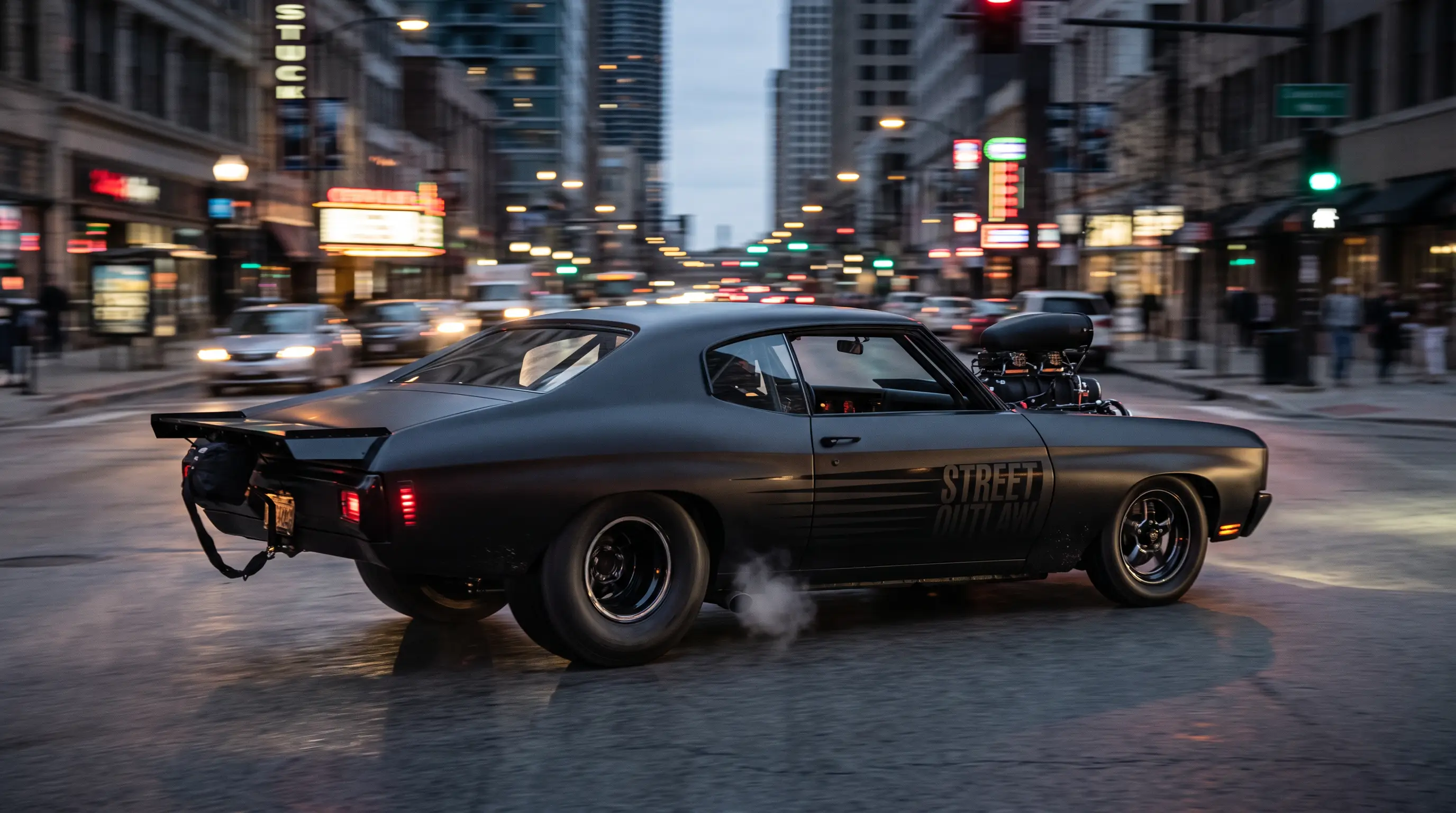
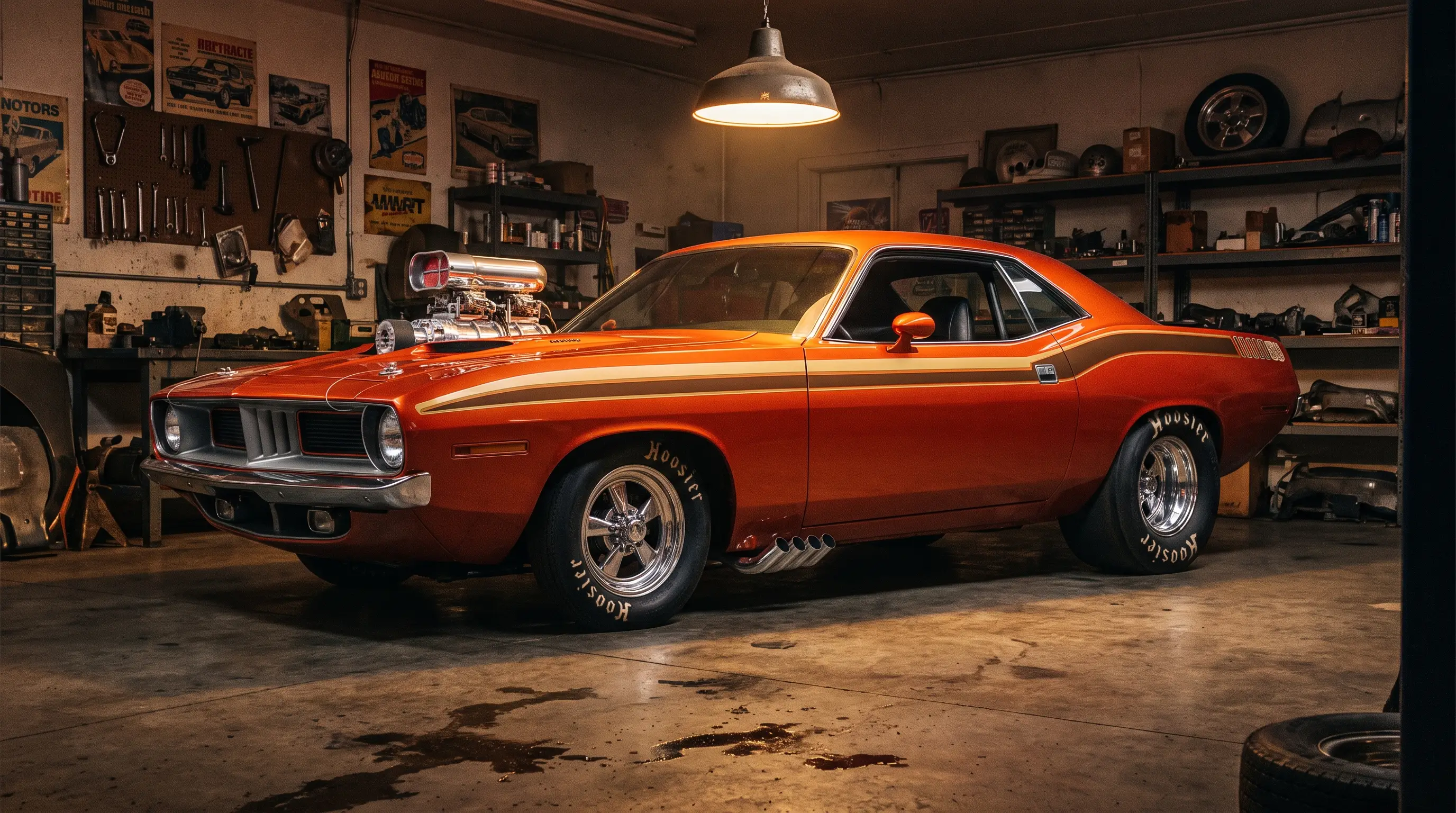
There's a guy at every swap meet in the Midwest who still wears his 1988 Street Machine Nationals shirt, faded to nearly white, and he'll tell you the same thing every time you ask about the retro pro street cars showing up at shows again: "About time." He watched the style get built, watched it get pushed aside for cleaner pro touring cars, and now he's watching a younger crowd build it back the way he remembers it, right down to the paint schemes.
What "retro correct" actually means
Not every tubbed muscle car built today counts as retro in the eyes of the people who lived through the original era. A retro build, as the term gets used at shows and in club circles, means matching the period as closely as possible, not just the tubbed rear end and the small front tires, but the whole package. That means carbureted engines instead of EFI in a lot of cases, bias toward the paint and graphics language of the 1980s, interior treatments that lean toward gutted simplicity rather than modern billet trim, and wheel and tire combinations that echo what was actually available at the time rather than what looks best in a photo today. Builders chasing this look are essentially doing historical recreation with a welder and a paint gun.
Why the look is so specific
Pro Street cars from the golden era shared a visual language that came directly from Pro Stock drag racing, tucked in front tires, a dramatic rake toward the rear, tubbed wheel wells stuffed with the biggest slicks that would fit, and often a wild graphics package borrowed straight from the drag strip. Getting that look right today requires understanding proportions that were dictated by real engineering constraints, not just aesthetic choice. A rear tub that is too wide or too narrow throws off the whole stance of the car, and builders who grew up studying magazine photos of the originals are often the pickiest judges of whether a new build gets it right.
Where these cars come from now
Some retro cars are genuine survivors, built during the original era and preserved or restored to their original spec. Those are increasingly rare and increasingly valuable, since most Pro Street cars from the 1980s and 1990s were driven hard, modified repeatedly, or eventually converted to other styles as trends shifted. Far more common today is the fresh build using a period correct donor car and period style parts, sometimes assembled from a stash of new old stock components a builder has been collecting for years. There's a real satisfaction in tracking down a set of unused vintage wheels or a correct year decal set, and that hunt is part of what draws people into the retro side of the hobby rather than the more freewheeling pro street revival happening elsewhere in the scene, which you can read about in our complete history of how the style developed and came back.
The club scene keeps the standard honest
Regional clubs devoted to Pro Street and street machine culture have become the unofficial keepers of what counts as authentic. Members who built or wrenched on these cars during the original run serve as informal judges at local shows, and their opinions carry weight precisely because they remember what these cars looked like when they rolled out of home garages the first time, not just what looks good in a modern photo. That institutional memory matters. A young builder chasing the retro look without guidance can end up with a car that has the right individual parts but the wrong overall proportions, and the difference is obvious to anyone who was there.
"You can buy every part that was ever offered for these cars and still get the stance wrong if you don't understand why the original builders made the choices they did. That's why the old guys at the shows still matter."
- Wayne Coburn
Tips for spotting a genuinely period correct build
The retro corner of the Pro Street world isn't the loudest part of the current revival, and it doesn't chase the same social media numbers as the LS swapped, EFI equipped builds getting attention elsewhere. But it's arguably the most demanding version of the hobby, because there's a specific, arguable, defendable standard to hit, and the people checking your work were there the first time around. For anyone drawn to that discipline, patience is the first requirement. The parts hunt alone can take years, and getting the proportions right takes study most builders don't expect going in. If the search for a project has you looking at what's actually available, you can find a classic Pro Street car in everything from unfinished shells to cars already carrying period correct parts.
What keeps this niche alive isn't nostalgia alone. It's the fact that getting it right is genuinely hard, and hard things attract people who want to prove they can do them. That's as true now as it was when the originals were built.
The market for genuine survivors
Original, unmolested Pro Street cars from the golden era are getting harder to find every year, and prices reflect that scarcity. A survivor with documented history, original tub work, and a paper trail showing who built it and when commands a real premium over a fresh recreation, even when the recreation is arguably better built. Part of that comes down to provenance. A car that actually ran at a specific event, or was featured in a specific magazine spread, carries a story that no amount of skilled fabrication can replicate. Buyers chasing that kind of history need to do real homework, cross referencing chassis details against old photos and event records rather than taking a seller's word for it. The retro segment of this hobby rewards patience on both ends, whether you're building a recreation from scratch or hunting down the genuine article.
| Retro build element | Period correct detail |
|---|---|
| Front tires | Narrow, tucked in, often skinnier than stock width |
| Rear tub width | Matched to slick size available at the time, not maximum modern width |
| Front clip material | Fiberglass or composite for weight savings |
| Graphics style | Airbrushed flames, geometric stripes, drag strip inspired lettering |
| Drivetrain | Carbureted engine, period correct transmission |