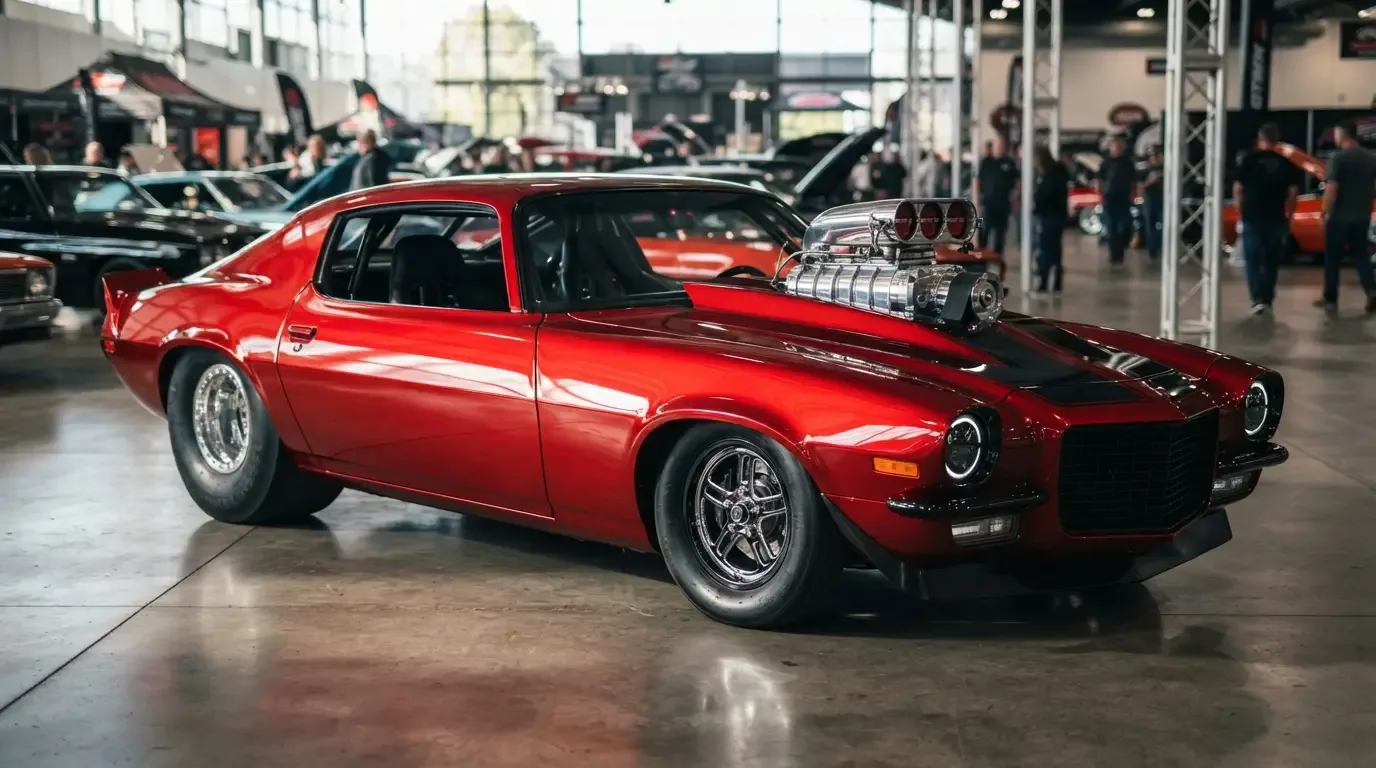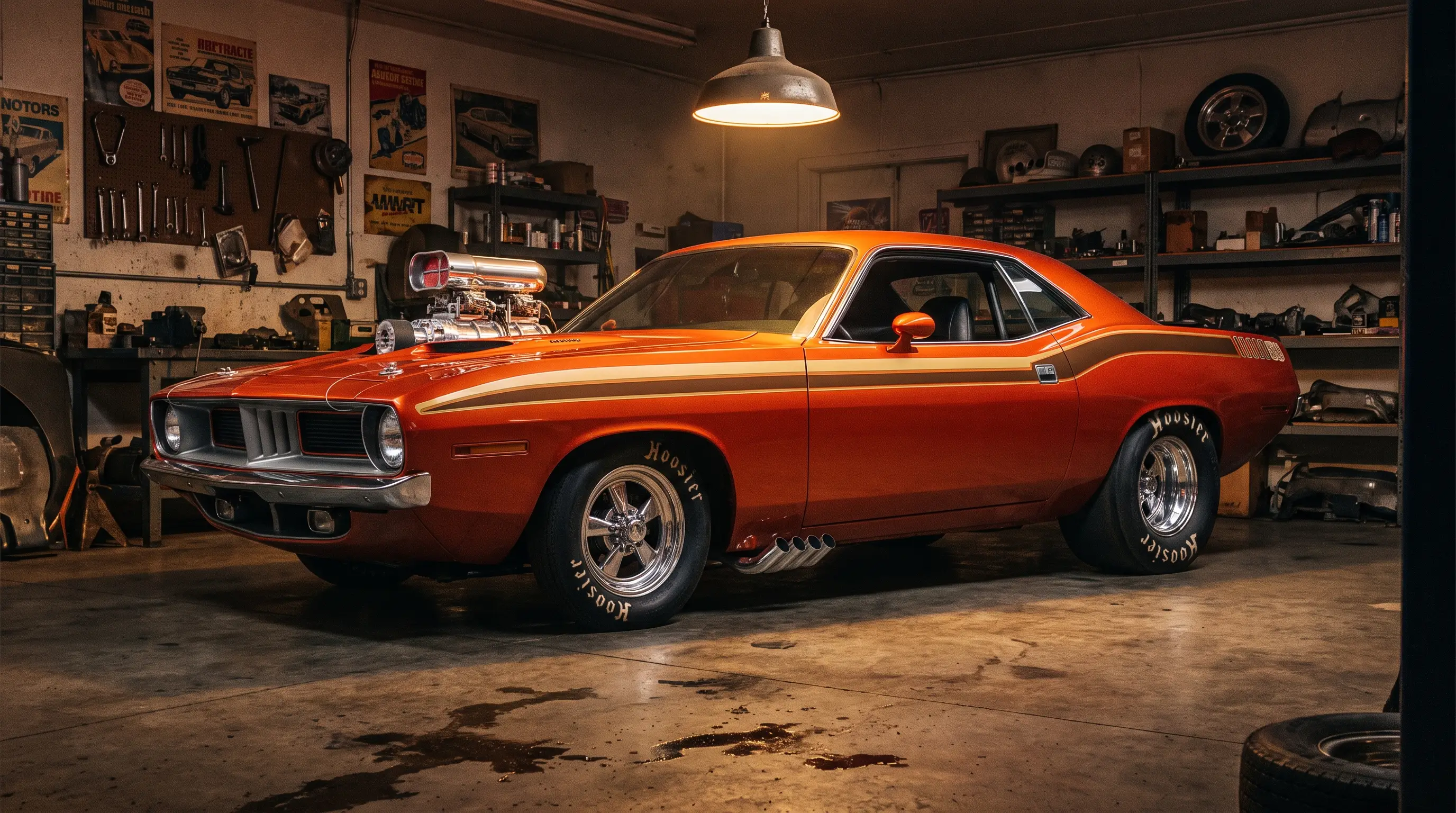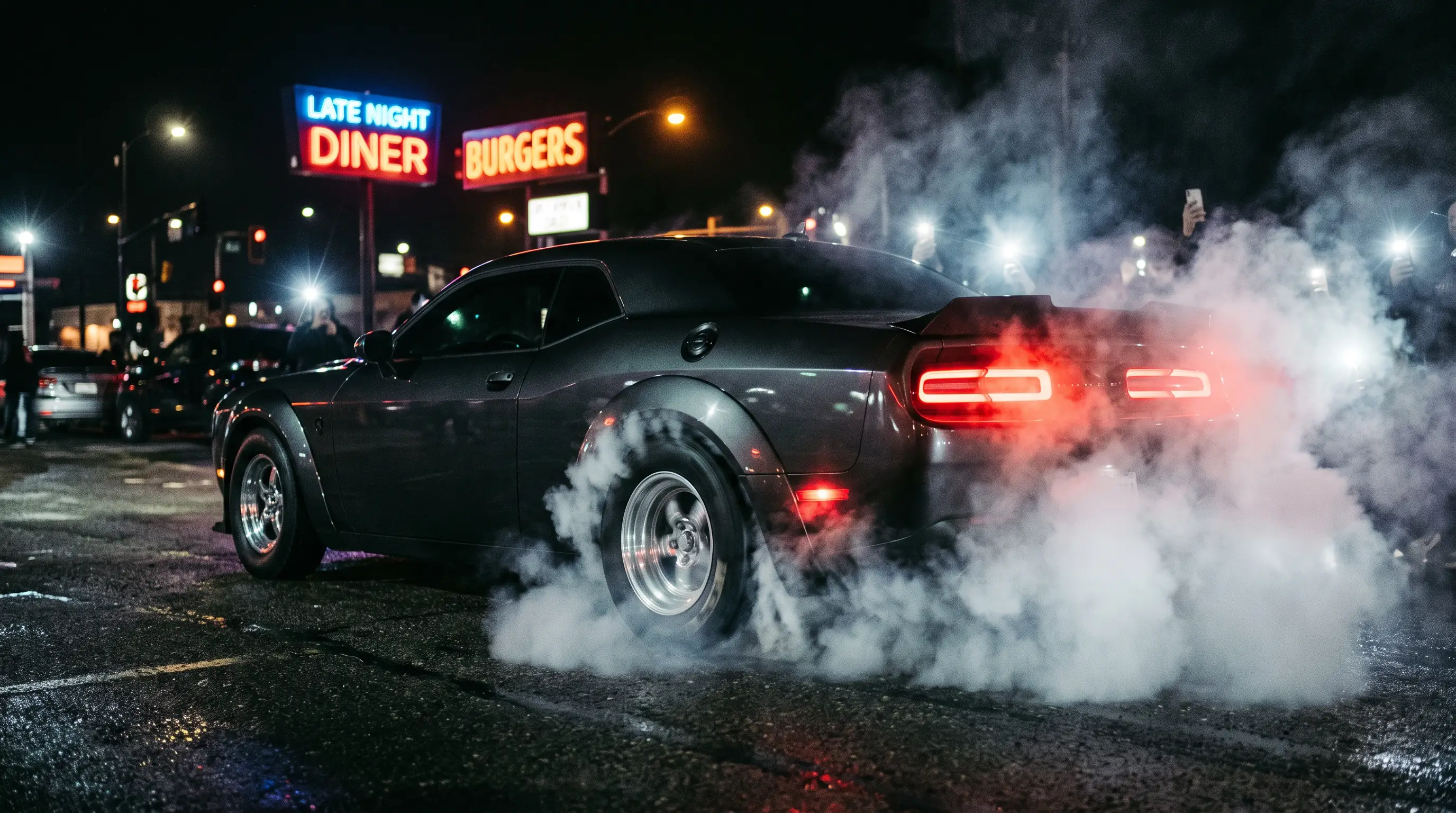
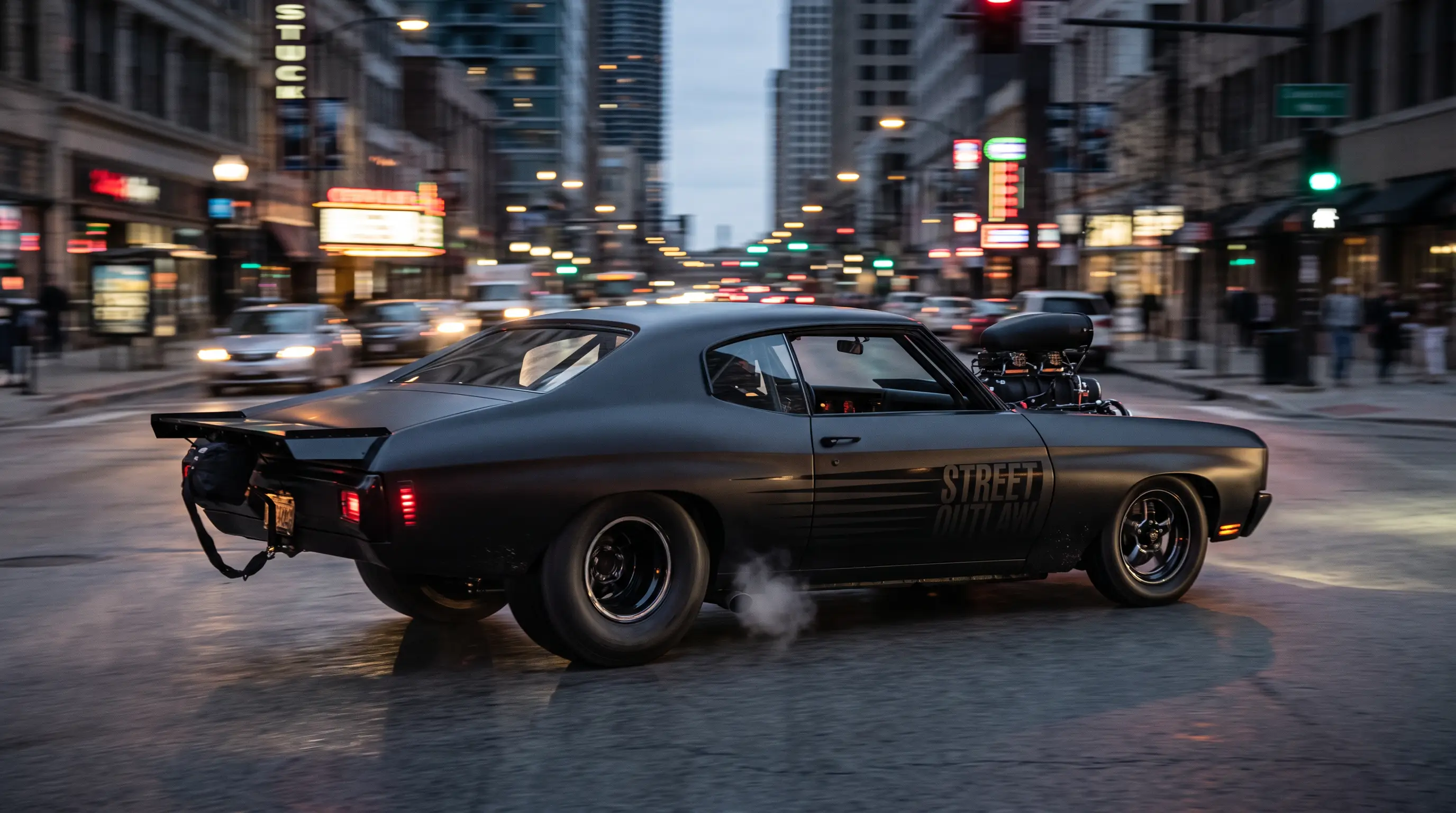
I've had guys tell me their Pro Street car needs a push start and a warm afternoon before it'll idle right, like that's a feature instead of a problem. Modern pro street builds don't have to work that way anymore, and the ones that don't are the reason this style has real staying power instead of being a trailer queen act. You can build a tubbed, big tired muscle car today that starts on the first crank in January and doesn't overheat sitting in a parking lot at a show.
The old reputation and where it came from
Original Pro Street builds earned a reputation for being difficult to live with, and honestly, a lot of that reputation was deserved. Big carburetors tuned for wide open throttle performance idled rough and ran rich at low speed. Manual chokes needed constant attention. Radiators sized for a car with a stock nose often struggled once a builder swapped in a bigger front clip or removed factory cooling ducting to save weight. None of that was a mystery to the guys building them at the time, it was just accepted as the cost of the look. You wanted the stance and the tire, you dealt with the starting ritual.
What actually changed the equation
Electronic fuel injection is the single biggest reason modern builds drive better than the originals. A tuned EFI system compensates for cold starts, altitude changes, and temperature swings automatically, in ways a carburetor simply can't without constant adjustment. Add in modern ignition systems with better spark energy, aluminum radiators that flow more heat out of a smaller package than the old copper and brass units, and overdrive transmissions that drop cruising RPM on the highway, and you end up with a car that looks identical to a 1988 build but behaves nothing like one on the road. A lot of that groundwork traces back to the broader shift the whole scene has gone through, which our read the background piece covers in more detail.
Suspension and steering have quietly improved too
The other half of drivability that doesn't get talked about as much is handling. Original Pro Street cars, with their narrow front tires and rear heavy weight bias, were notoriously twitchy at speed and required real skill to keep pointed straight, especially under hard acceleration. Modern builders have access to better front suspension geometry, improved steering boxes or rack conversions, and tire compounds that grip better even at the narrow widths the style calls for up front. None of this changes the visual proportions that define the look, but it changes how confident a driver feels putting real miles on the car instead of trailering it everywhere.
"A car that only runs right for the twenty minutes it's on the show field isn't a driver, it's a prop. The whole point of building it right is that you can leave the trailer at home."
- Mike Sullivan
What builders are prioritizing now
Talk to builders working on modern pro street builds today and cooling comes up constantly, more than horsepower, more than paint, more than wheel choice. A tubbed rear end and a big block up front generate real heat, and a car that overheats in stop and go traffic isn't going to get driven regardless of how good it looks parked. Dual electric fans, properly sized radiators, and attention to underhood airflow have become standard considerations rather than afterthoughts. Interior comfort has also crept back in. The original era favored gutted interiors for weight savings and drag strip authenticity, but a lot of current builders are adding back sound deadening, better seats, and functional air conditioning because they actually intend to drive the car on a hot day rather than just display it.
There's also a practical crossover happening with builds getting attention on social media, where the visual drama of a burnout or a tire shaking pass gets the views, but the comments section is full of people asking whether the car is actually driven on the street. Builders have noticed, and a growing number are documenting road trips and daily errands in their tubbed cars specifically to prove the point. If you want to see how that online attention has shaped the current wave, worth a look too is a good next stop covering how platforms changed who's paying attention to this style.
What to check before you buy a "driver" build
Not every car advertised as street driven actually gets driven regularly, and the difference matters if you're shopping. A genuinely sorted driver will show wear consistent with real use, current registration and inspection history where applicable, and a cooling system that's been upgraded rather than left original. A car that's been sitting will often have fuel system issues even with EFI, since ethanol blended gasoline degrades in a tank over time regardless of how the engine is fed. Ask directly when the car was last driven any real distance, and don't take a clean engine bay as proof of anything beyond a recent detail.
If the appeal of a tubbed, big tired build that you can actually put miles on has you shopping, there's more available now than there has been in years, with options to shop classic Pro Street car listings ranging from fresh EFI conversions to cars still running their original carbureted setups for buyers chasing a different kind of authenticity.
Where the drivability trend is headed
The next wave of modern pro street builds is leaning even further into daily usability without losing the exaggerated stance that defines the style. Builders are experimenting with adjustable air suspension on the front end that can raise ground clearance for driveways and speed bumps, then drop back to the aggressive rake for a show or a photo. Climate control systems that fit under a tubbed transmission tunnel have gotten smaller and more efficient, and modern sound insulation materials weigh a fraction of what older solutions did, meaning a builder doesn't have to sacrifice comfort to keep the car light. None of this changes the basic formula that made the style recognizable in the first place, a tucked front end, a wide rear stance, and a drivetrain built for straight line performance. What's changed is that a car built to those proportions no longer has to be miserable to actually own. That shift is arguably the single biggest reason the current interest in the style has staying power instead of fading the way earlier revival attempts did.