
Ram Air III and Ram Air IV get lumped together constantly, mostly because they share a name, a displacement, and a production window. That's a mistake. These are two genuinely different engines built for two different purposes, and mixing them up in a conversation about buying or valuing a GTO is the kind of error that costs real money. Here's what actually separates them, in plain terms.
Car Features
7 min read
Ram Air III vs Ram Air IV: What Actually Differs
Same displacement, same era, very different engines. Here's how to tell a Ram Air III from a Ram Air IV, and why the gap matters to your wallet.
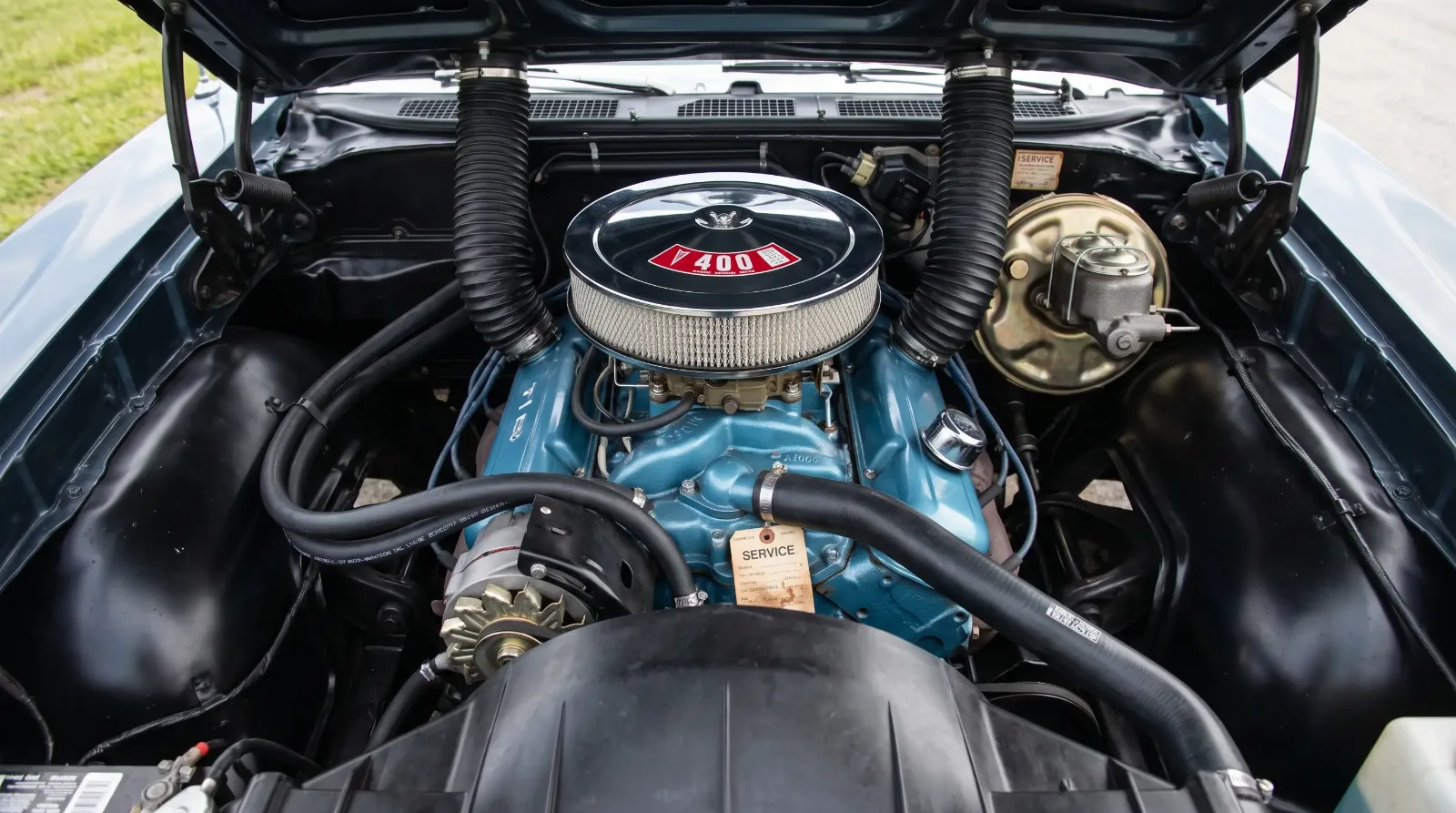
What "Ram Air" actually means
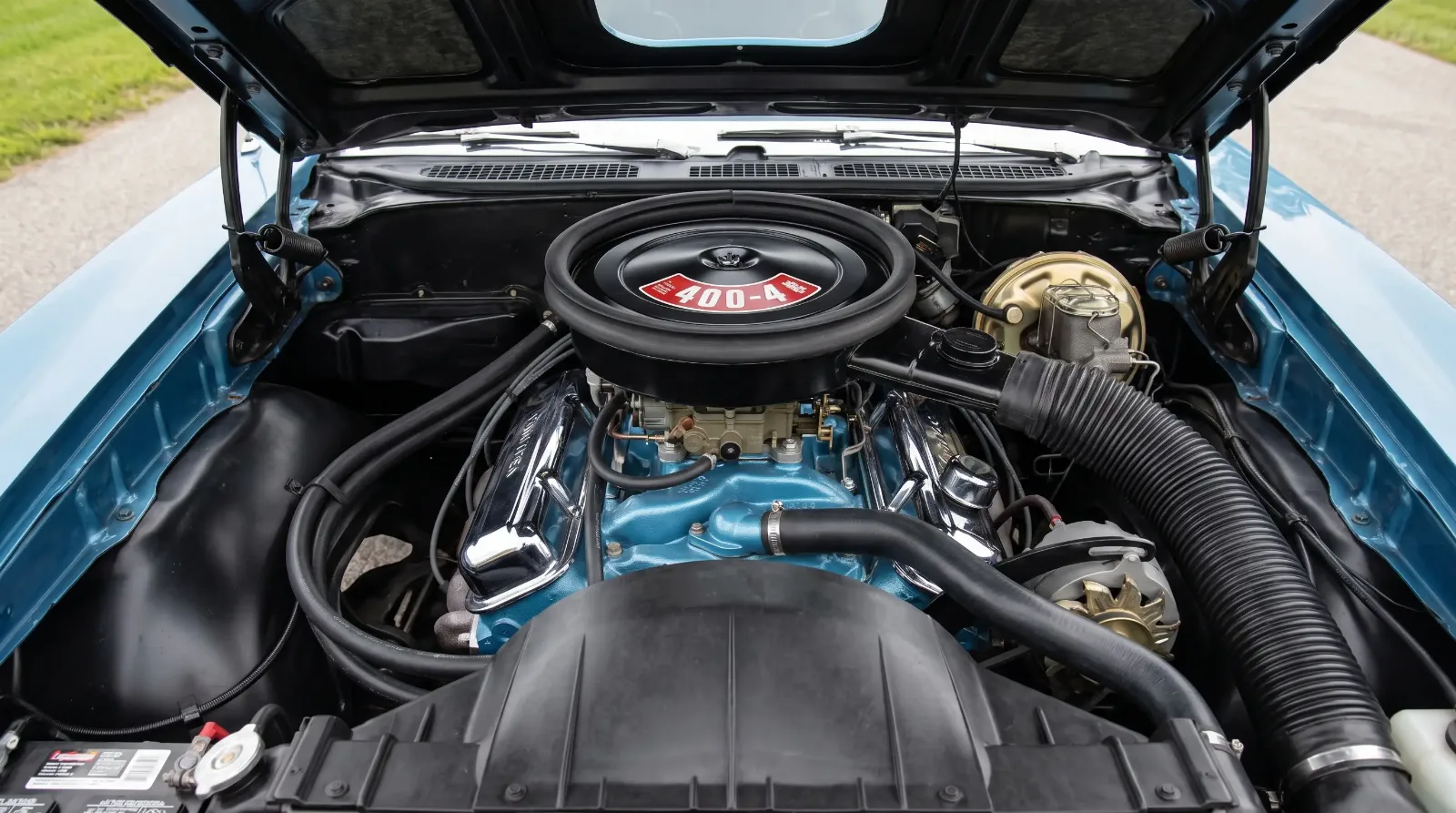
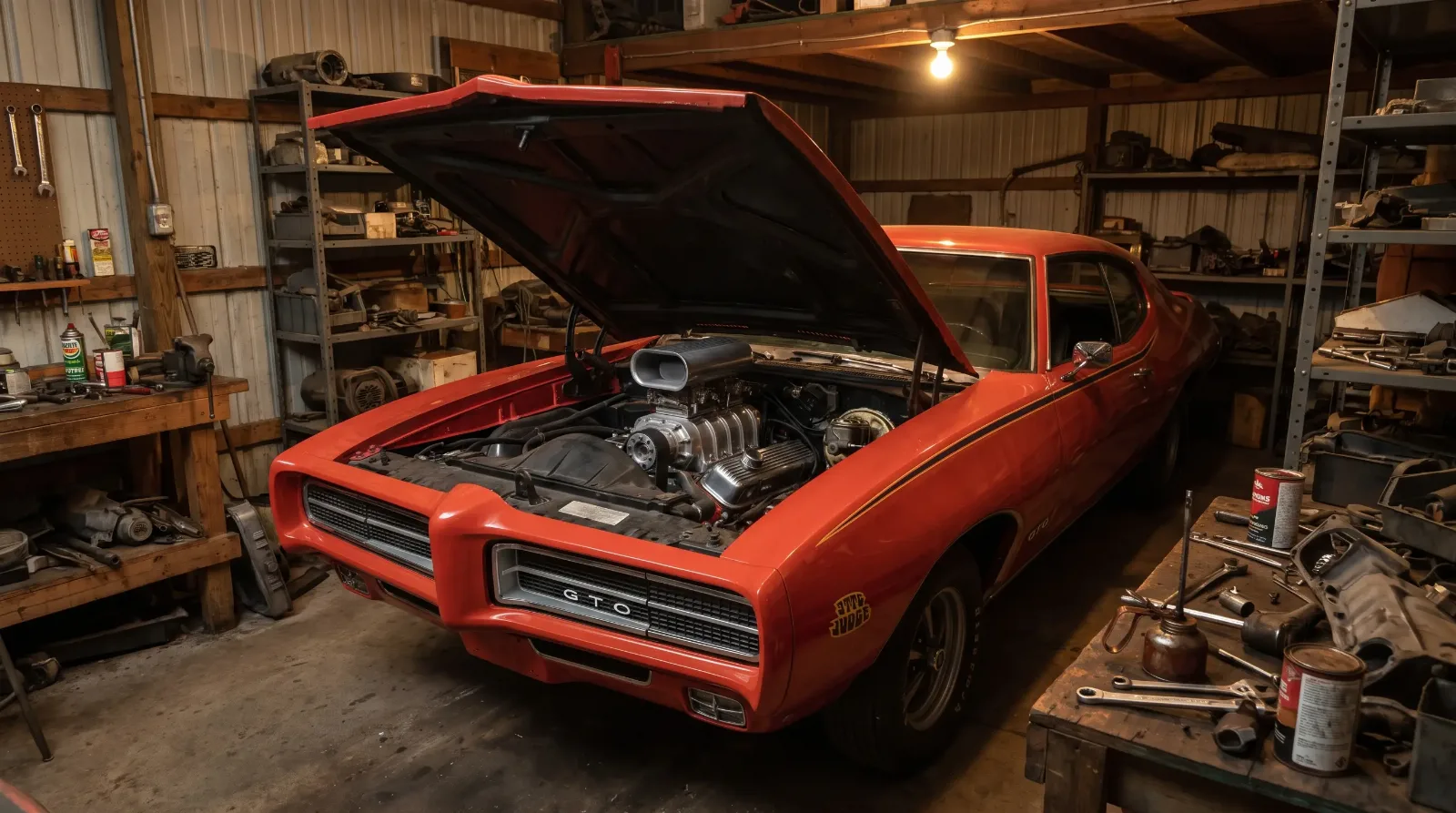
Before getting into the differences, it's worth being clear about what Ram Air is in the first place. It's a functional cold-air induction system, hood-mounted scoops feeding outside air directly to the carburetor instead of pulling warm air from the engine bay. Cooler, denser air makes more power, and Pontiac built the hardware, including a foam gasket that sealed the air cleaner to the underside of the hood, to actually deliver on that promise rather than just look the part. Both Ram Air III and Ram Air IV used this basic induction approach. Where they diverge is everything underneath it.
Ram Air III: the more common performance option
Ram Air III was the more widely ordered of the two, built on the 400-cubic-inch block shared with GTO's GTO powertrains lineup at large. It used a cast-iron intake manifold, a specific camshaft profile tuned for a broad, usable powerband, and cylinder heads with D-port exhaust ports, a detail that matters a lot to engine identification and a lot less to actual performance than enthusiasts sometimes assume. Rated output sat at 366 gross horsepower and 445 lb-ft of torque, and the engine was reasonably tractable for daily driving, if a genuinely quick muscle car engine can ever be called tame.
Ram Air IV: the serious hardware
Ram Air IV was a different animal, and it was ordered far less often, which is a big part of why it commands such a premium today. It used an aluminum intake manifold instead of cast iron, the more aggressive "041" camshaft (308/320 degrees duration, .469/.469-inch lift, stepped up further by 1.65:1 rocker arms in place of the standard 1.55:1 units), larger valves, and cylinder heads with round exhaust ports that flowed roughly 10 percent better than the D-port heads on the Ram Air III. Rated output climbed to 370 gross horsepower and 445 lb-ft, which understates the real gap between the two engines. Ram Air IV was built to rev harder and breathe better at high rpm, at some cost to low-end civility.
| Feature | Ram Air III | Ram Air IV |
|---|---|---|
| Intake manifold | Cast iron | Aluminum |
| Camshaft | Moderate duration/lift | Aggressive, high-rpm biased |
| Rated horsepower | 366 hp gross | 370 hp gross |
| Exhaust port shape | D-port | Round-port |
| Production volume | Much higher | Comparatively rare |
| Street manners | More tractable | Wants to be revved |
That horsepower gap looks small on paper, and that's the trap. Pontiac's official ratings from this era were conservative and inconsistent across the board, and the real-world difference between a well-tuned Ram Air III and a well-tuned Ram Air IV, especially above 4,500 rpm, is bigger than 4 horsepower would suggest. Rated numbers were as much a function of insurance-conscious marketing as they were dyno results.
Why the confusion happens so often
Part of the problem is that both engines can wear similar external badging and hood graphics, and both breathe through the same style of functional hood scoops. A car with Ram Air III badging and an incorrect engine swapped in, intentionally or not over fifty-plus years of ownership, is not a rare find in this hobby. The only reliable way to know which engine sits under a given hood is checking casting numbers on the block and heads against documentation, not trusting the badge or the seller's word alone.
"I've seen Ram Air III cars sold as Ram Air IV more times than I can count, sometimes by accident, sometimes not. The engine doesn't lie even when the paperwork does. Pull the casting numbers before you pull out your wallet."
Dan Reeves
The cylinder head question, in plain terms
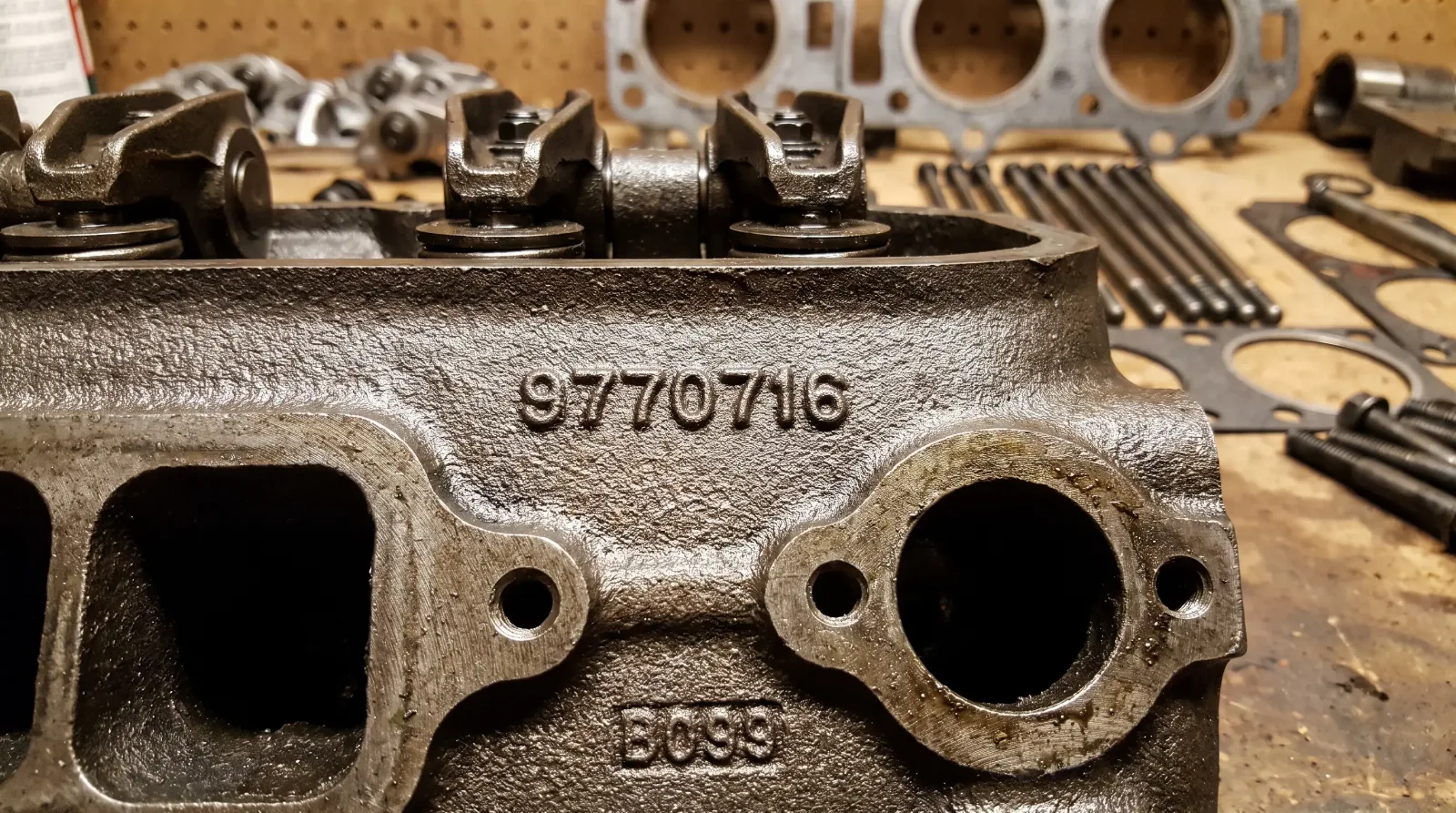
A lot of the online arguments about Ram Air III versus Ram Air IV come down to cylinder head casting numbers, and it's worth cutting through the jargon. Ram Air III kept the D-port exhaust design used on the base 400, while Ram Air IV switched to round-port heads (commonly identified by their 722 or 614 castings) that Pontiac introduced to flow roughly 10 percent better on the exhaust side. The distinction isn't just port shape, either. Intake-side work, valve sizing, and how much the heads were massaged for airflow at high rpm all separate the two, and Ram Air IV heads received more attention here, attention that's expensive to replicate in a restoration if the original heads are missing or damaged.
This is exactly why casting number verification matters more than badge-spotting. A numbers-matching Ram Air IV block paired with incorrect heads, whether by an honest parts swap decades ago or a less honest recent sale, is not the same car a buyer thinks they're getting, and the difference in value can run into the tens of thousands of dollars. Reputable clubs and registries maintain casting number references specifically because this confusion is so common and so costly.
Transmission and rear-end pairings worth knowing
Neither Ram Air III nor Ram Air IV was offered with every available transmission and rear gear combination, and the pairings that were offered tell you something about how Pontiac positioned each engine. Ram Air IV cars leaned toward closer-ratio four-speed manuals and numerically higher rear gears, the kind of drivetrain choices that favor a car built to be driven hard and revved out rather than cruised gently. That's consistent with everything else about how the engine was engineered, and it's another data point worth checking when a car's documentation is in question. A Ram Air IV car with an automatic and a tall highway gear isn't impossible, but it's less common, and it's worth asking why.
What this means for a buyer
If the goal is a genuinely enjoyable street driver, Ram Air III is arguably the more livable engine day to day, and it's more affordable both to buy the car and to source parts for. If the goal is owning one of the most performance-focused engines Pontiac ever put in a GTO, and the budget supports the premium that comes with real rarity, Ram Air IV is the target, but it demands more diligence during the buying process and more careful maintenance afterward given how few good rebuilders truly understand its specific tune.
For anyone who wants to go even deeper into what makes the Ram Air IV specifically worth the extra attention, and what separates a correct restoration from a well-intentioned guess, read on for a full breakdown of this engine on its own terms.
Either way, the lesson holds for both engines: buy the documentation as much as the car. A clean-looking Ram Air badge on a hood scoop tells you what someone wants you to believe. Casting numbers, build sheets, and a mechanic who knows what to look for tell you what's actually true.
Sources and notes
Related Reading
Have a
Pontiac GTO
for Sale?
Reach thousands of serious classic car collectors across the US.
Sell It Here →
Are You a Classic Car Dealer?
List your full inventory and connect with targeted classic car buyers.
Join as a Dealer →

About the author
Dan Reeves
Performance engine builder from North Carolina's motorsports corridor, focused on swaps, forced induction and making real, repeatable power.
Related Listings - Pontiac GTO




Comments (1)
M
Mike Ferrano
2 months ago
Talked to three different sellers last month. The one who volunteered his service records without being asked was the one I bought from.