
The early 1940s produced a strange, narrow band of cars, built for barely a year or two before civilian production stopped entirely for the war effort. That short window means genuine scarcity, not the marketing kind of scarcity you see thrown around at auction, but the real thing: a small original production run followed by decades of attrition. Some of what survives from 1940 through early 1942 is worth serious money. Some of it is just old and uncommon, which is a different thing entirely, and I want to be clear about the distinction before you start chasing anything.
Car Features
6 min read
The Rare Early-1940s Cars Worth Chasing
Wartime production froze in 1942, leaving a narrow band of genuinely scarce cars. An appraiser separates real value from scarcity hype.
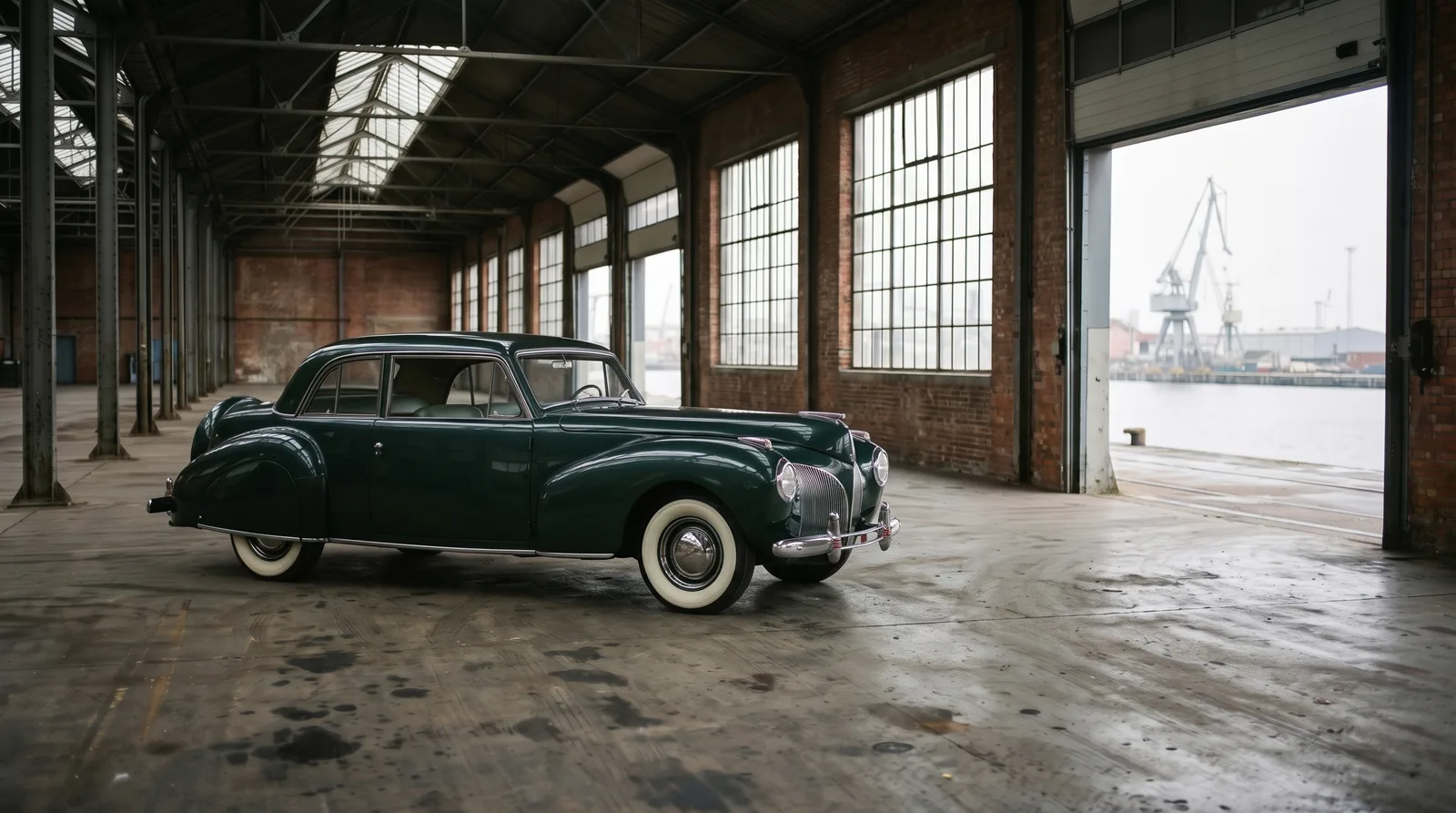
My job is putting honest numbers on cars, and early-1940s production is one of the trickier areas to do that in, precisely because scarcity alone does not create value. Documentation, condition, and buyer demand still have to line up. For the fuller decade context, our deep dive on rare 1940s cars is worth reading alongside this piece.
Why production stopped so abruptly
Civilian automobile manufacturing in the United States halted in early 1942 as factories converted entirely to war production, tanks, aircraft engines, and ordnance rather than passenger cars. That freeze lasted until 1945, meaning any car built in the 1940, 1941, or very early 1942 model years represents a genuinely compressed production window compared to a normal model run that might last several years.
The practical result is that far fewer of these cars were built than a typical prewar model year, and far fewer still survived the decades since, given that many were driven hard through gas rationing and a wartime economy that discouraged replacement. What is left is a real scarcity, though scarcity by itself is only the starting point for a valuation, not the conclusion.
What actually commands a premium
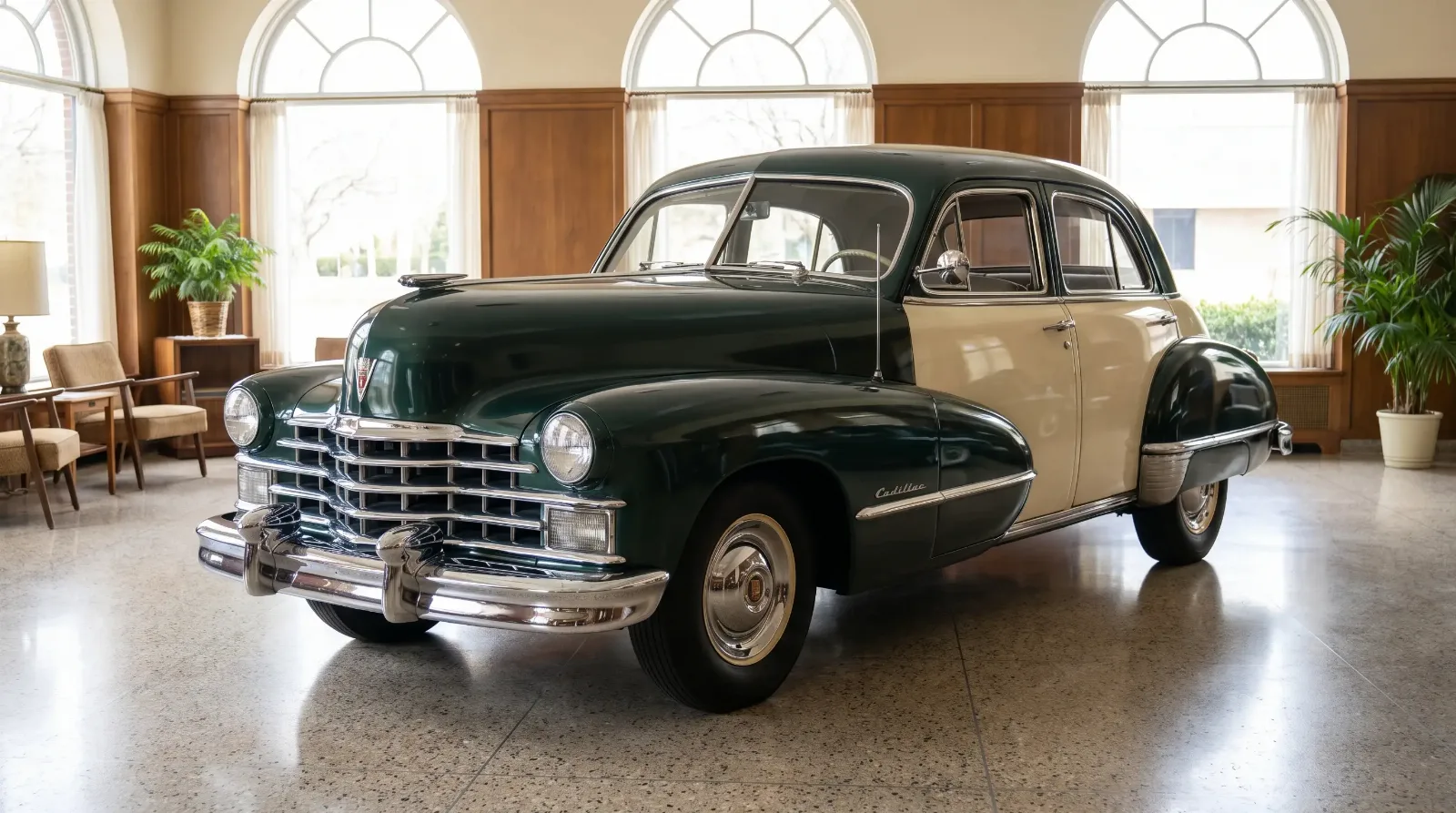
The last of the true luxury prewar cars carry the strongest interest. A well-documented 1941 Packard, Cadillac, or Lincoln, built right at the edge of the production freeze, represents both a specific historical moment and genuinely low surviving numbers. These cars trade at a premium over comparable models from a couple of years earlier, largely on the strength of that final-year story combined with documented rarity.
Special editions and limited trims from this window carry weight too, when the paperwork backs up the claim. A car marketed at the time as a special or limited model, with factory records to confirm the run size, is worth chasing. A car simply described that way by a seller decades later, with nothing to back it up, is a much weaker proposition, and I see that gap trip up buyers more than almost anything else in this category.
| Category | What drives the premium | Risk to watch |
|---|---|---|
| Final prewar luxury models (1941-42) | Documented low production, historical end-of-era timing | Confirm actual build date, not just model year |
| Factory special editions | Confirmed limited run in factory records | Seller claims without documentation |
| Early-1942 civilian production | Extremely compressed final production run | Very few genuine survivors, high fraud risk |
Where the traps are
Age alone is not rarity, and rarity alone is not value. A common 1940 sedan in ordinary trim, with nothing distinguishing it beyond its model year, is not automatically worth more than a better-documented, more desirable car from a slightly later, higher-production year. I have appraised plenty of "rare" cars that turned out to be simply old and unremarkable, and the seller's disappointment when the number comes in lower than expected is one of the harder parts of this job.
Documentation on cars this old is genuinely difficult to come by. Factory records from small early-1940s production runs were not always well preserved, and decades of ownership since have often erased whatever paper trail once existed. That makes verified provenance disproportionately valuable when you do find it, since its absence is so common across this category.
"Scarcity gets a car in the door. It does not get it a number. I have turned down clients who wanted me to write up a 'rare' car as something special when all I could verify was that it was old and uncommon, not that anyone besides the seller thought it was worth chasing."
Marcus Feld
A case that illustrates the whole problem
I appraised a car a few years back, a 1941 sedan the owner had inherited and believed to be one of a small run of factory specials, based on a story passed down through the family rather than anything written. There was no factory correspondence, no dealer invoice naming the trim, nothing beyond a compelling family account. I valued the car as a well-kept, ordinary 1941 example, not as the special edition the family believed it to be, and the number came in well below what they had hoped.
That case is not unusual. Family stories about a car's origin are often sincere and often wrong in some detail, sometimes because the original context got simplified over decades of retelling, sometimes because a dealer's sales pitch at the time of purchase got remembered as fact. I do not dismiss oral history outright, since it occasionally points toward documentation that does exist and simply has not been located yet. But I will not write a valuation around a story alone, and neither should a serious buyer.
How to evaluate one honestly
Start with the build date, not the model year. A car built in the first weeks of a model year and one built near the production halt can carry meaningfully different stories even under the same nameplate. Then look for anything that confirms special status beyond a seller's word, factory correspondence, period advertising that names the specific car or trim, dealer invoices, anything documentary.
Finally, weigh liquidity honestly. A genuinely rare car with real documentation might still have a thin buyer pool, since few collectors specialize narrowly enough to chase a single obscure trim level. That thinness affects how quickly you could sell and at what discount to a theoretical top price, and it belongs in the conversation before you buy, not after.
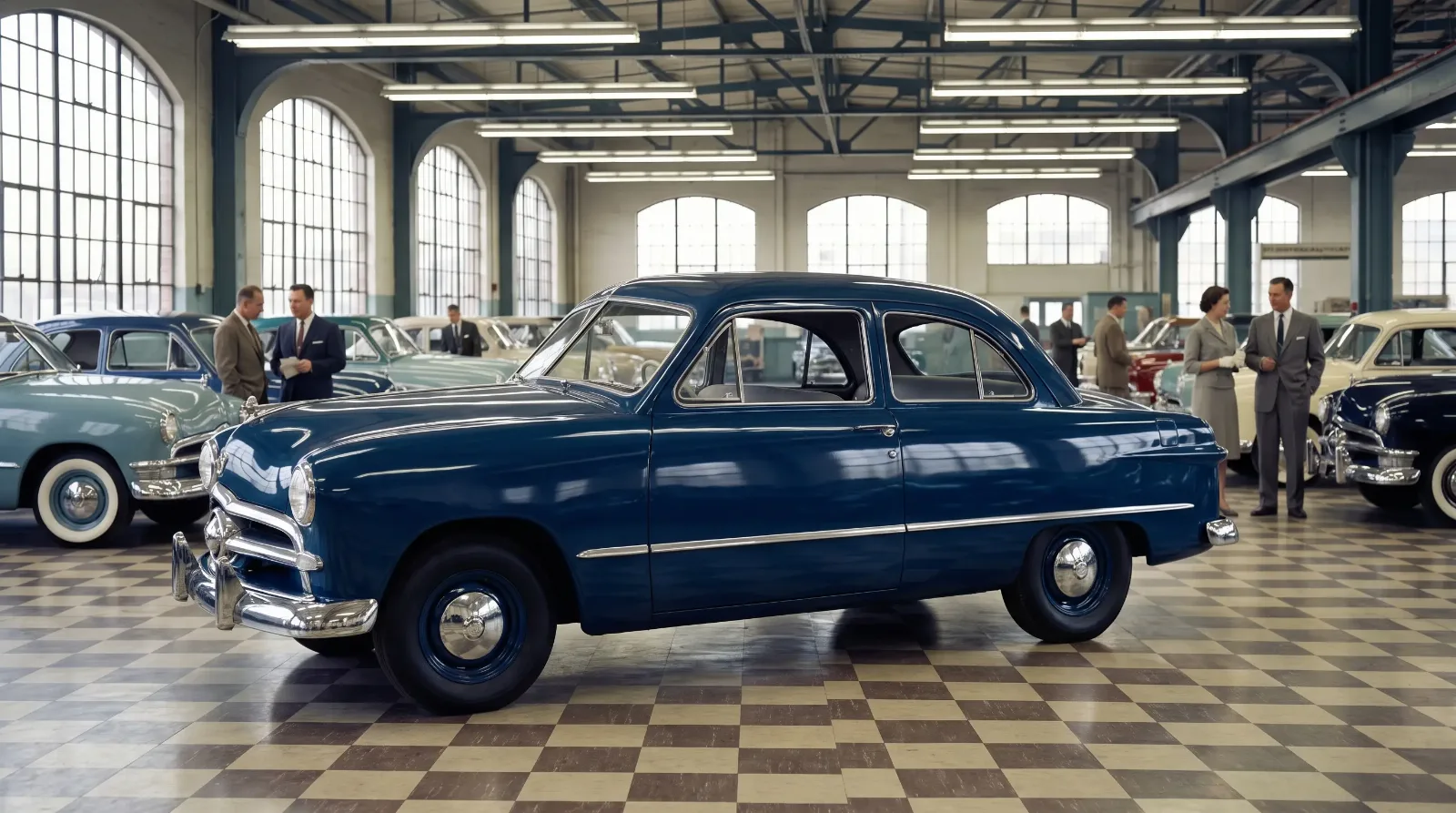
The story of what came right after this frozen window is its own chapter, one where design took a genuine leap forward once production resumed. Read on for how 1949 reshaped the American car.
Sources and notes
Related Reading
Have a
Classic Car
for Sale?
Reach thousands of serious classic car collectors across the US.
Sell It Here →
Selling a classic? Here's how: the best sites to sell a classic car
Are You a Classic Car Dealer?
List your full inventory and connect with targeted classic car buyers.
Join as a Dealer →

About the author
Marcus Feld
Accredited collector-car appraiser who reads the market through hammer prices, condition tiers and risk.




Comments (1)
L
Linda Kowalski
1 month ago
The section on common mechanical failures is more useful than most buying guides. That's the information that's hard to find anywhere else.