Production records tell a clear story about 1949, and it is not one that requires much interpretation. By that model year, every American manufacturer had finally cleared the backlog of warmed-over prewar designs and released cars engineered from a clean sheet for the postwar market. That is a specific, documentable fact, not a romantic notion applied retroactively. The industry's design language genuinely changed within that single year, and the factory records and press materials from the period back that up.
I work from primary sources when I can, production figures, factory bulletins, period road tests, rather than the folklore that accumulates around any well-known automotive story. What follows is what those sources actually show about why 1949 marked a real turning point. For the broader decade this fits into, more on 1949 car design history covers that ground.
Why the postwar lag existed in the first place
Civilian car production halted in early 1942 as factories converted to war manufacturing. When production resumed in 1945 and 1946, manufacturers did not have time or capacity to develop entirely new models, so the immediate postwar cars were, with few exceptions, updated versions of 1942 designs, sometimes with only minor trim changes. That is documented in period trade press coverage and in the manufacturers' own model-year announcements, which openly described these as continuation models rather than new designs.
Studebaker broke from this pattern earliest, releasing a genuinely new design for the 1947 model year, ahead of its competitors. That head start is well documented and gave Studebaker real market attention for a couple of years. But the broader industry, General Motors, Ford, and Chrysler in particular, needed until 1948 and, in full force, 1949 to bring truly clean-sheet postwar designs to market across their full lineups.
What actually changed in the 1949 designs
The engineering and styling shifts were not cosmetic tweaks. Ponton-style bodies, where the fenders integrate fully into the main body rather than standing as separate, bolted-on shapes, became the norm rather than the exception. That single change altered the visual proportion of the American car and is well documented in the design records and patent filings of the period.
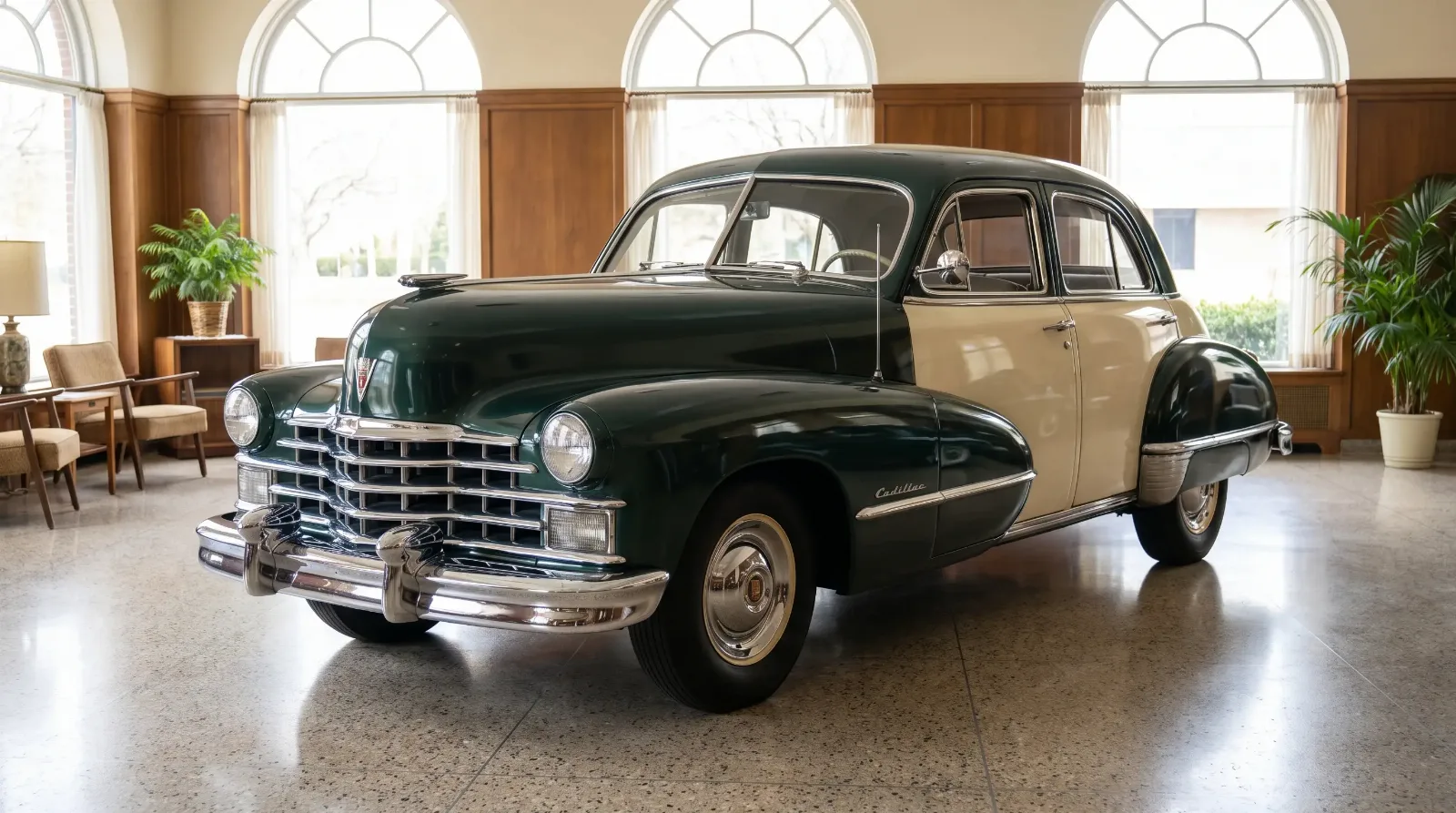
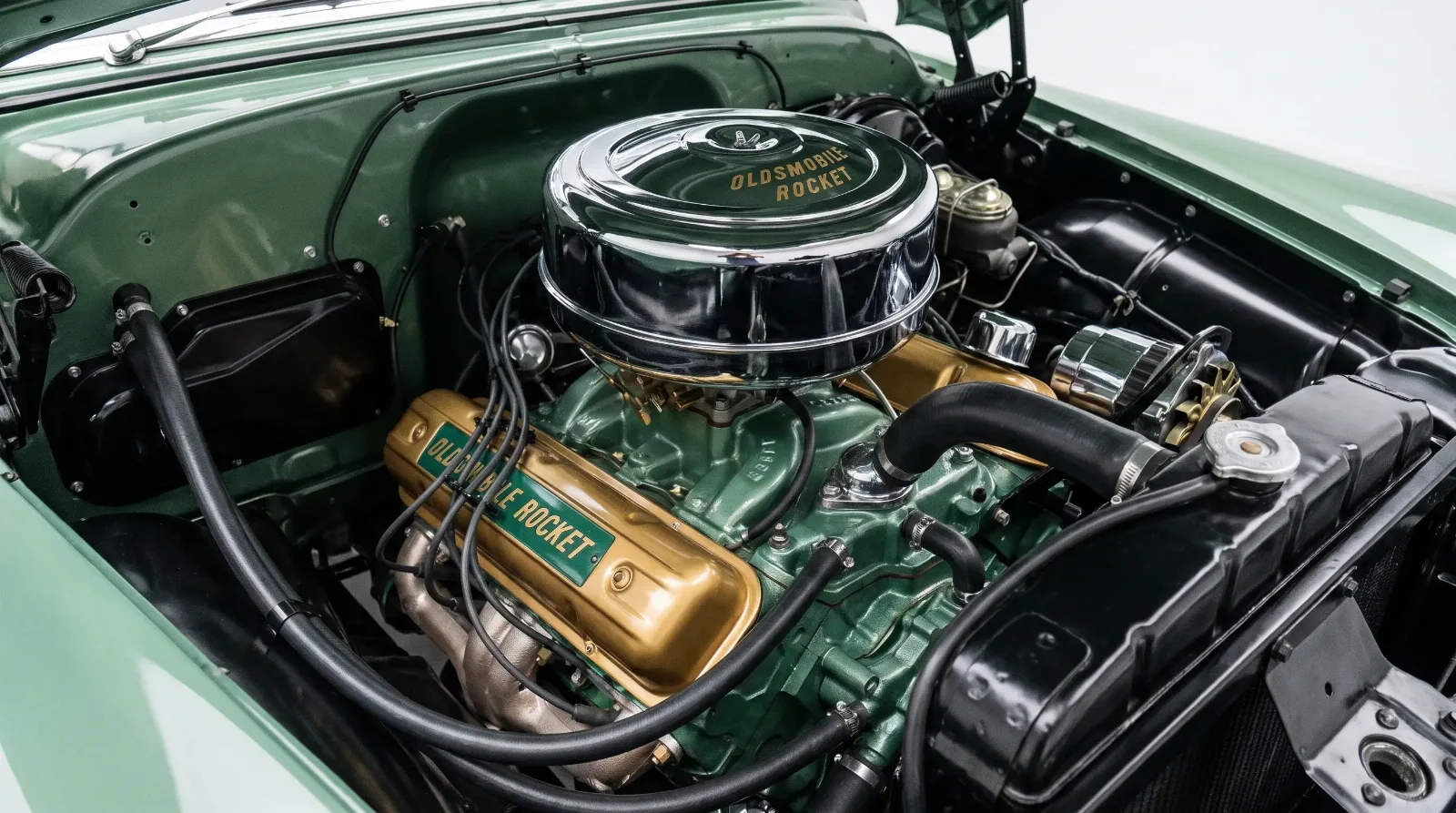
Oldsmobile and Cadillac introduced overhead-valve V8 engines for the 1949 model year, a genuine engineering advance over the flathead designs that had dominated for decades. Factory specification sheets from the period confirm the horsepower and compression gains these overhead-valve engines delivered over their flathead predecessors, and those gains were substantial enough that flathead designs began a steady retreat across the industry in the years that followed.
| Manufacturer | 1949 milestone | Documented significance |
|---|---|---|
| Cadillac | Overhead-valve V8 introduced | Factory specs confirm power and efficiency gains over flathead designs |
| Oldsmobile | Rocket V8 engine, ponton body | Shared new-generation OHV V8 platform with Cadillac |
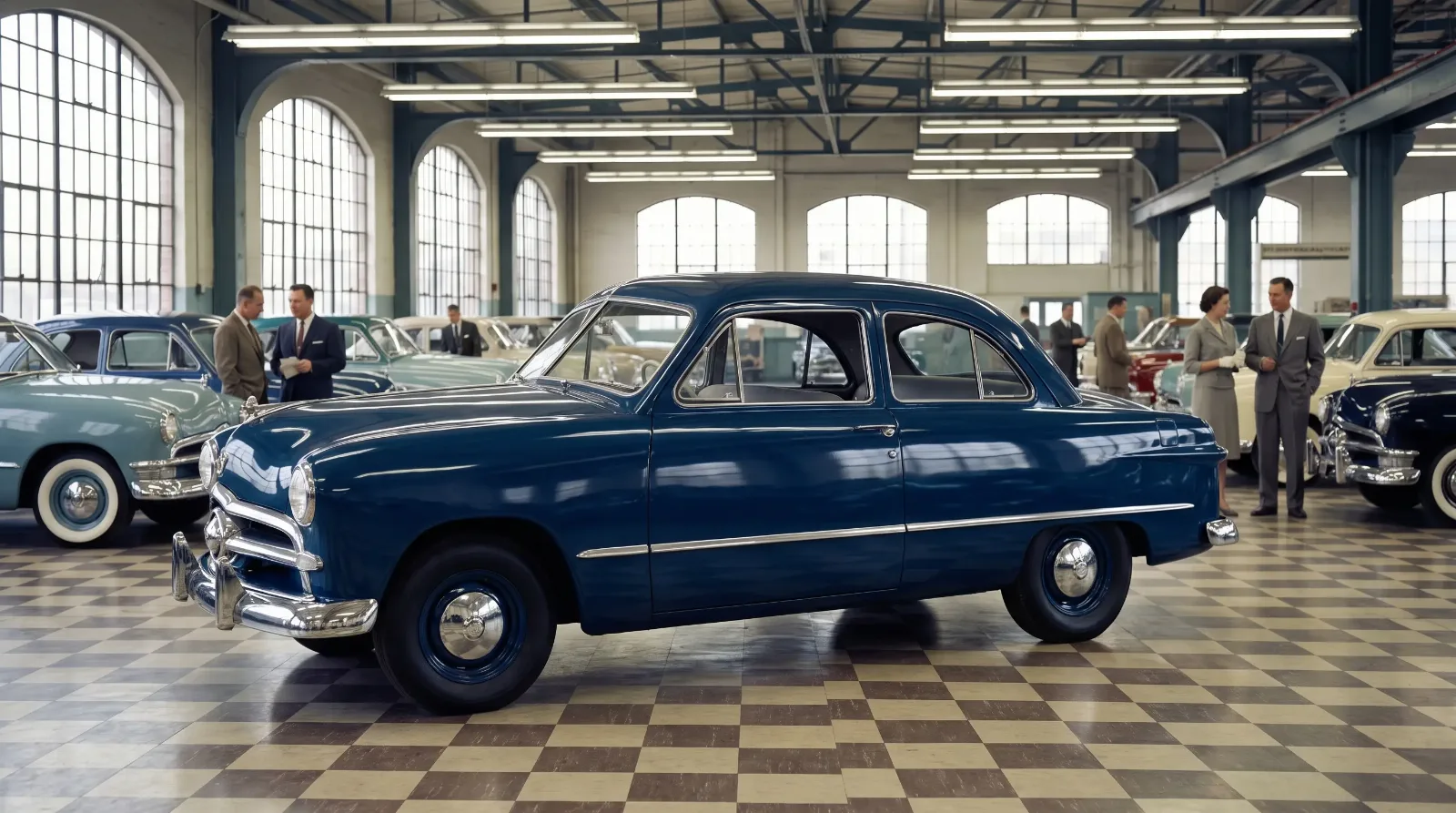
| Ford | Fully redesigned "Shoebox" Ford | Complete break from prewar-derived styling across full lineup |
| Studebaker | Continued its 1947 design lead | Earliest postwar clean-sheet design in the industry |
The overhead-valve V8 story, corrected
A myth worth gently correcting: the overhead-valve V8 is sometimes credited as a single dramatic invention that appeared out of nowhere in 1949. The factory record shows something more incremental. Engineers at General Motors had been developing overhead-valve architecture for years before it reached production, and the 1949 introduction represented the culmination of that development program rather than a sudden breakthrough. The timing coincided with the broader postwar redesign wave, which is why the two get remembered together, but they were separate engineering threads that happened to converge.
"I go back to the factory bulletins whenever I can, because the popular version of a story and the documented version often diverge in small but real ways. The 1949 overhead-valve V8 was years in development, not an overnight leap, and the factory paper trail says so plainly if you read it."
— Tom Ramirez
What the sales figures confirm
Sales records from the 1949 model year support the design historians' reading of this moment, not just anecdotally but in the numbers themselves. Manufacturers that brought fully redesigned cars to market that year saw meaningful sales gains over competitors still selling more conservative, less thoroughly updated designs, a pattern well documented in period trade publications tracking model-year performance across the industry.
Ford's redesigned 1949 lineup is a clear example. The company had struggled somewhat in the immediate postwar years relative to General Motors, still working through updated versions of older designs, and the fully new 1949 models coincided with a documented recovery in Ford's market position. Correlation is not automatically causation, and other factors were certainly in play, but the trade press coverage at the time drew a direct line between the design overhaul and the sales response, and that contemporary read is worth taking seriously rather than dismissing as hindsight.
Why 1949 gets remembered as the dividing line
What makes 1949 significant is not any single innovation in isolation. It is the concentration of changes arriving in the same model year across nearly every major manufacturer at once, ponton bodies, overhead-valve V8 engines, and styling language that would define the following decade, rather than echo the one before it. That concentration is what the production records actually show, and it is why automotive historians treat 1949 as a genuine dividing line rather than an arbitrary one.
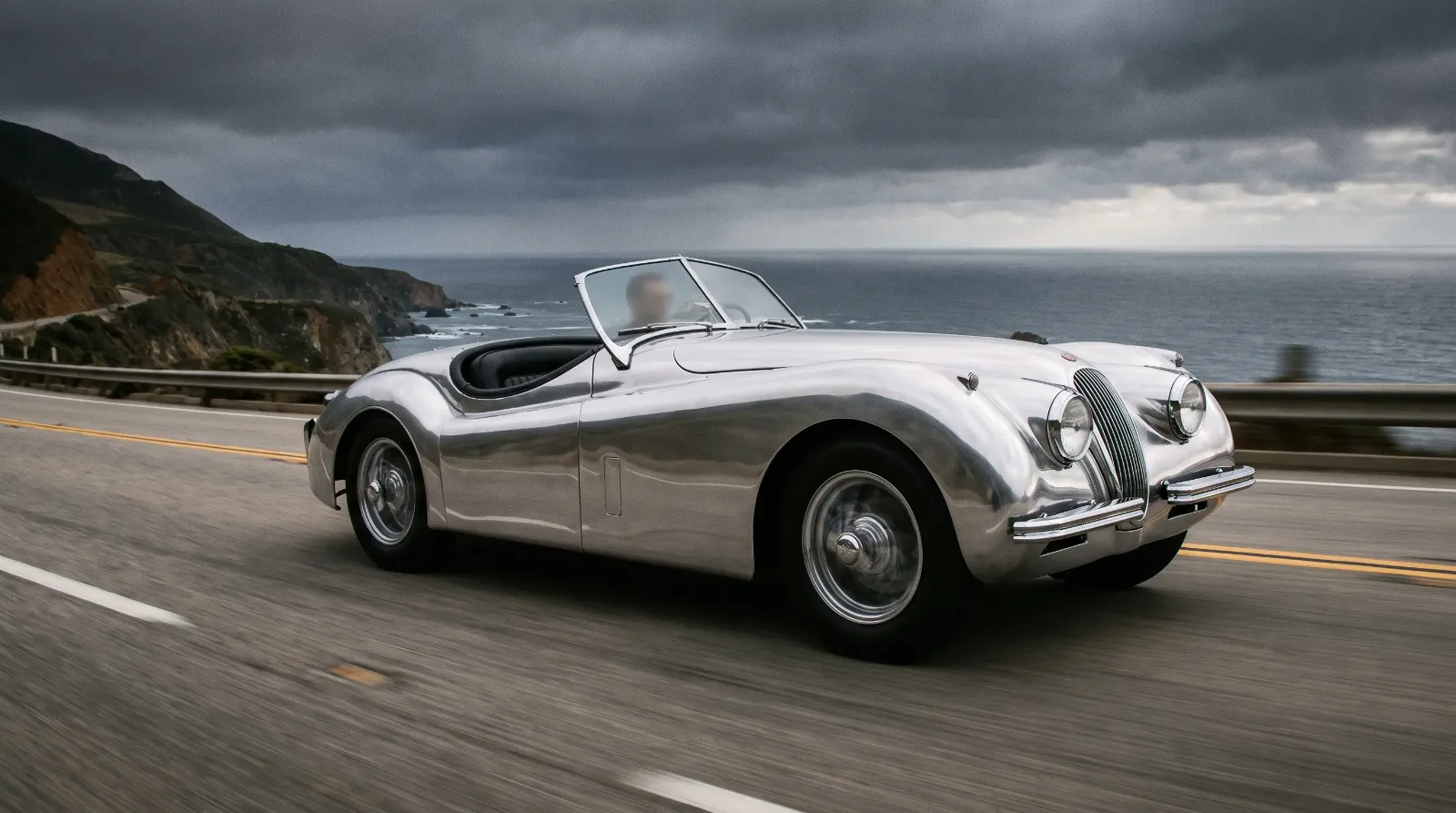
Buyers standing in a 1949 showroom were looking at cars that, for the first time since before the war, had nothing prewar about them, not the sheet metal, not the engineering underneath it, not the proportions. The full arc of what preceded this moment is worth understanding on its own terms, and the full pre-war story covers that ground in depth. For the international side of what happened once postwar production found its footing, keep reading for how European sports cars found their way into the American market in these same years.