Not every modification hurts value, and not every original component helps it. That is a more nuanced statement than the collector hobby's usual originality-first orthodoxy suggests, and the auction data backs up the nuance. What matters is which modifications, to which parts of the car, and whether the buyer pool for that specific model actually cares.
The modifications that consistently reduce value
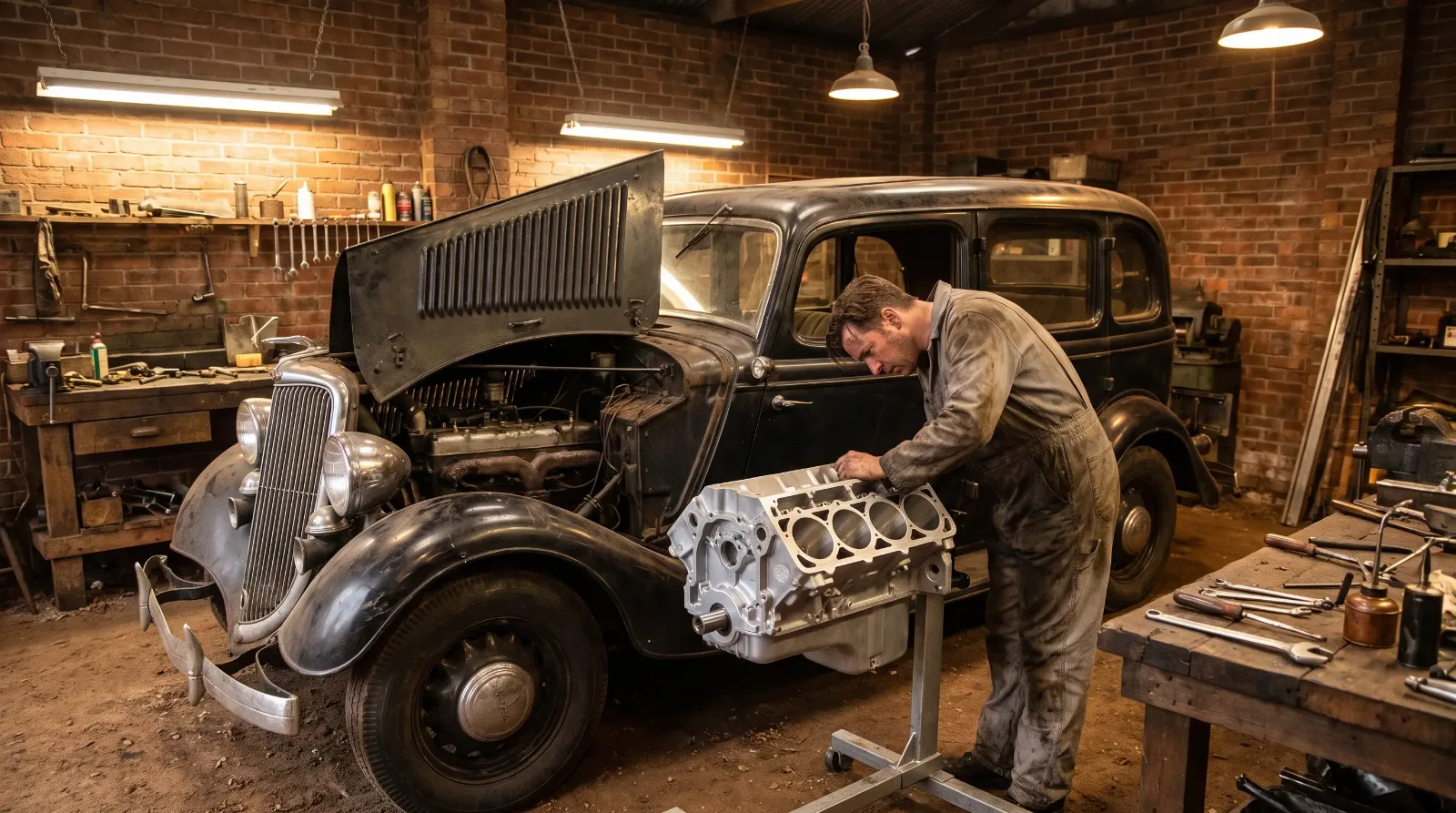
Engine swaps are the clearest case. Replacing an original, period-correct powerplant with a later or non-original unit, even a more powerful or more reliable one, reduces value on the vast majority of pre-war cars in the serious collector market. The reduction scales with how well documented and reversible the swap is. A period-correct replacement installed decades ago and thoroughly documented costs less than an undocumented modern engine swap done for driveability, which can meaningfully depress a car's standing in condition-grade terms regardless of how well it runs.
The specific engine family matters as well. Swapping in a later engine from the same manufacturer, one that was never offered in that model but shares mechanical lineage, tends to draw a smaller deduction than an entirely foreign powerplant from a different make altogether. Buyers read the first as an internal, if unauthorized, substitution. They read the second as a departure from the car's identity, and price it accordingly.
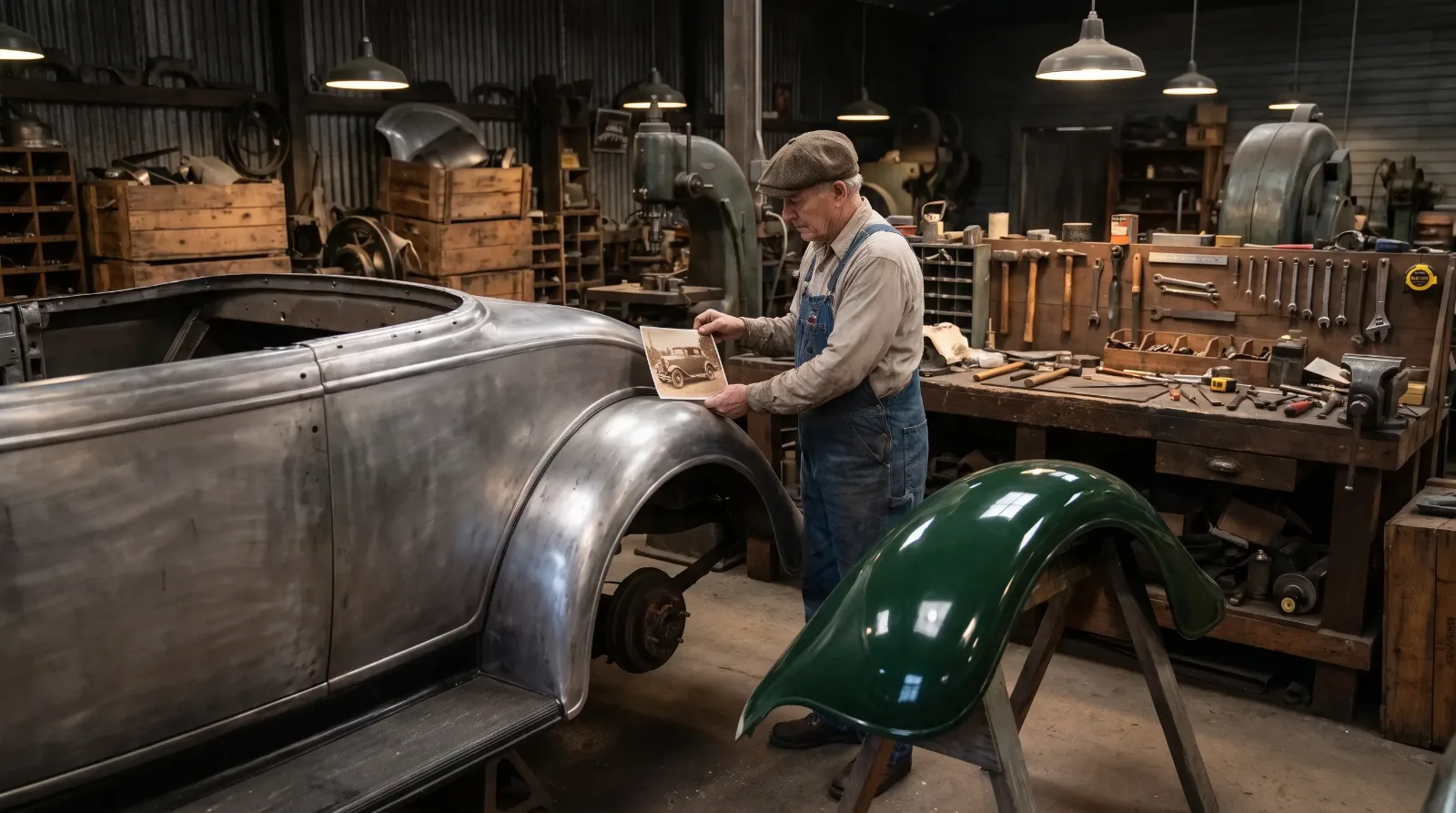
Body modifications tend to hit even harder. Non-original bodywork, altered fenders, modified grilles, or changes to the original coachwork configuration are difficult or impossible to fully reverse and directly undermine the authenticity argument that much of the pre-war market is built on. Interior modifications sit in the middle: reupholstery in non-original materials or colors is a moderate deduction, while structural interior changes, altered dashboards or added modern gauges, weigh more heavily.
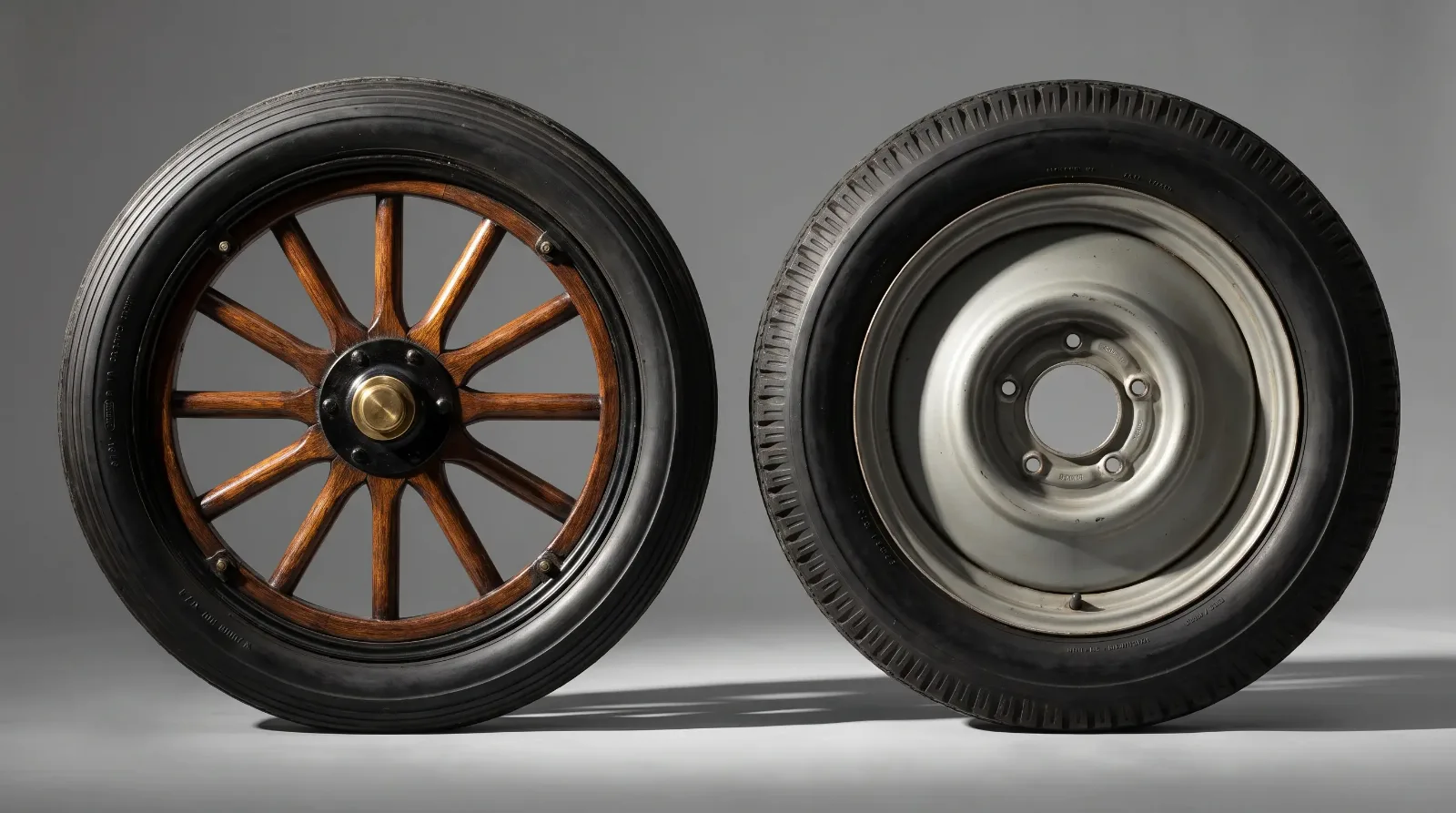
Wheel and tire changes fall into their own category. Swapping period-correct wire or wood wheels for later steel wheels, or fitting a tire size never offered on the model, draws a real deduction because it is highly visible and immediately readable by anyone familiar with the car. The fix is usually straightforward and inexpensive relative to the deduction it removes, which makes it one of the more cost-effective corrections an owner can make before selling.
| Modification type | Typical value impact | Reversibility |
|---|---|---|
| Undocumented engine swap | Significant reduction | Often reversible, at real cost |
| Documented period-correct swap | Modest reduction | Reversible, historically justified |
| Altered original bodywork | Significant reduction | Rarely fully reversible |
| Non-original interior materials | Modest reduction | Reversible |
| Period-correct performance upgrades | Minimal to neutral | Case by case |
Where modifications do not move the number much
Mechanical modifications that were common or available in period, and that a buyer for the specific model expects or even wants, tend not to move value nearly as much as originality purists assume. A car fitted with period-correct aftermarket performance parts that were genuinely available and used when the car was new sits closer to neutral than a straightforward deduction, since it reflects how enthusiasts actually used cars of that era rather than a later, unrelated alteration.
Safety and usability modifications also fall into a gray area that the market treats more leniently than pure originality logic would predict. Sympathetic upgrades like modern-compound tires on period-correct wheels, or a discreetly added electric fuel pump wired to be removable, generally do not depress value much among buyers who intend to actually drive the car, even if they would matter more to a strict concours judge.
Reading a modified car's real deduction
The gap between a "modified" car and an "original" car of the same model in comparable condition is rarely a single fixed percentage. It depends on which specific systems were changed, how well documented the change is, and how reversible it would be for a future owner who wanted to return the car closer to original specification. A car with one significant, well-documented, reversible modification is priced differently than a car with several undocumented, hard-to-reverse changes stacked on top of each other, even if both get labeled "modified" in a listing.
Buyers evaluating a modified car should ask for the same documentation standard applied to originality claims elsewhere: what was changed, when, by whom, and whether original parts were retained. A seller who kept the original engine in storage while running a modern substitute is offering a meaningfully different proposition than one who scrapped the original parts entirely.
Get any significant deduction confirmed by an independent appraiser rather than negotiating purely off instinct. A modification that looks minor to an untrained eye can carry outsized weight with the specific buyer pool for that model, and the reverse is also true. What one collecting community treats as a serious originality issue, another treats as routine and unremarkable, and knowing which camp your buyer or seller falls into changes the negotiation considerably.
"Buyers ask me if a modification kills the deal. Almost never, unless it is a body alteration or an unexplained engine swap. Most modifications are a pricing conversation, not a disqualification. The data supports negotiating around them, not walking away from every modified car on principle."
— David Mercer
What this means for buyers and sellers
If you are selling a modified pre-war car, document every change honestly and retain original parts wherever you can. That documentation is what turns a vague "modified" deduction into a specific, negotiable one. If you are buying, do not assume every modification is a dealbreaker or that every original component adds proportional value. Ask what changed, why, and how it compares to the untouched alternative before you set your offer. For our deep dive on antique car valuation modifications, this factor rounds out the broader picture of what actually determines a pre-war car's price. For how this plays out specifically on show-quality cars versus cars meant to be driven, a related read covers the tradeoffs between concours and driver-quality builds.
Sources and notes
- Hagerty Insider: how numbers-matching came to matter for collector cars
- Hagerty - collector car condition rating guide
- AACA - judging standards and modification deductions
- RM Sotheby's - catalog notes on modified versus original cars
- CCCA - judging standards for Full Classics
- PreWarCar - modifications and originality reference articles