
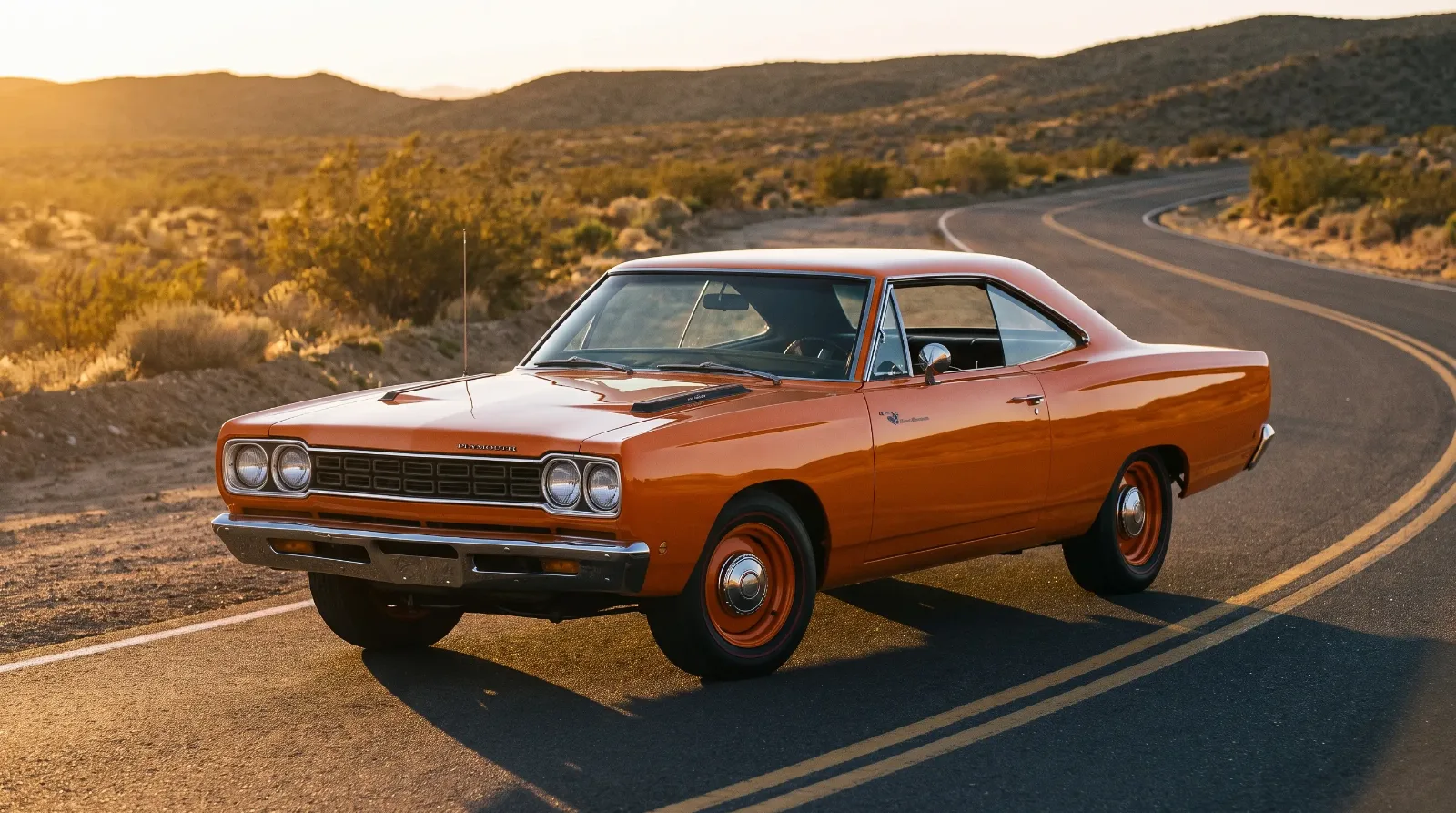
Every appraisal of a 1968 Road Runner comes down to the same four factors, in this order: documentation, condition, engine authenticity, and liquidity. Buyers walk in wanting to talk about horsepower and color. I want to talk about the paper trail first, because 1968 road runner value swings harder on documentation than on almost any spec on the build sheet, and sellers who lead with the wrong pitch are usually hiding a gap in one of those four areas.
Car Features
7 min read
Collecting the 1968 Road Runner
Documentation, not horsepower, is what actually drives 1968 road runner value. An appraiser's breakdown of condition tiers, liquidity, and downside risk.

This was a car built cheap and sold cheap, which sounds like it should make appraisal simple decades later. It doesn't. The very thing that made these cars affordable in period, the huge production run and the willingness of original owners to drive them hard, is exactly what makes verifying a specific car's history so much more work today.
Documentation is the whole game
A 1968 Road Runner with a broadcast sheet, a fender tag that matches the VIN, and a clean chain of title from a known owner history sells in a different tier entirely from an identical-looking car with none of that paperwork. I have seen two cars that appeared mechanically indistinguishable at a glance sell tens of thousands of dollars apart, purely because one had documentation that removed doubt and the other asked the buyer to take everything on faith.
For anybody researching 1968 plymouth road runner history before buying, understand that the story of the car's launch and the story of any individual surviving example are two separate research projects. Knowing the launch history tells you what the car should be. Only documentation tells you what a specific car actually is.
Condition tiers and what they actually mean for price
I grade these cars the way most serious appraisers do, on a rough scale from driver-quality to concours-correct, and the price gap between tiers on a 1968 Road Runner has widened noticeably over the past several years rather than staying flat.
| Condition tier | What it typically means | Risk profile for a buyer |
|---|---|---|
| Driver quality | Runs and drives, some non-original parts, honest wear | Lower entry cost, weaker resale ceiling |
| Restored, undocumented | Cosmetically strong, but paperwork gaps on engine or paint code | Value depends heavily on buyer trust, harder to resell at top dollar |
| Numbers-matching, documented | VIN, engine, and broadcast sheet align, verifiable history | Highest liquidity, smallest discount at resale |
| Hemi or rare-option, documented | Verified rare drivetrain or factory option combination | Strongest appreciation, but smallest buyer pool at the top |
Most of the cars that come across my desk sit somewhere in the middle two tiers, which is exactly where the appraisal work matters most. A car that looks restored but can't prove its engine is original will always sell at a discount to one that can, even if the two are visually identical from ten feet away.
Liquidity: the factor buyers forget to ask about
Value on paper means nothing if a car can't find a buyer at that number within a reasonable window. Documented, numbers-matching 1968 Road Runners move relatively fast at auction and through private sale because the buyer pool trusts what they're looking at. Undocumented cars, even well-restored ones, can sit on the market longer while buyers negotiate a discount to cover their own uncertainty. That gap between asking price and actual sale price is where a lot of sellers lose money they never expected to lose.
"Condition gets a car noticed. Documentation gets a car sold at the number the seller actually wanted. Skip the paperwork and you're not selling a car, you're negotiating a discount before the buyer even shows up."
- Marcus Feld
Downside risk buyers underestimate
The biggest downside risk on a 1968 Road Runner isn't mechanical, it's representation risk. A seller who describes a car as numbers-matching without producing the paperwork to back that claim is asking a buyer to underwrite a gap in due diligence. I always advise clients to get an independent inspection that specifically verifies engine stamping against the fender tag before any money changes hands, not after.
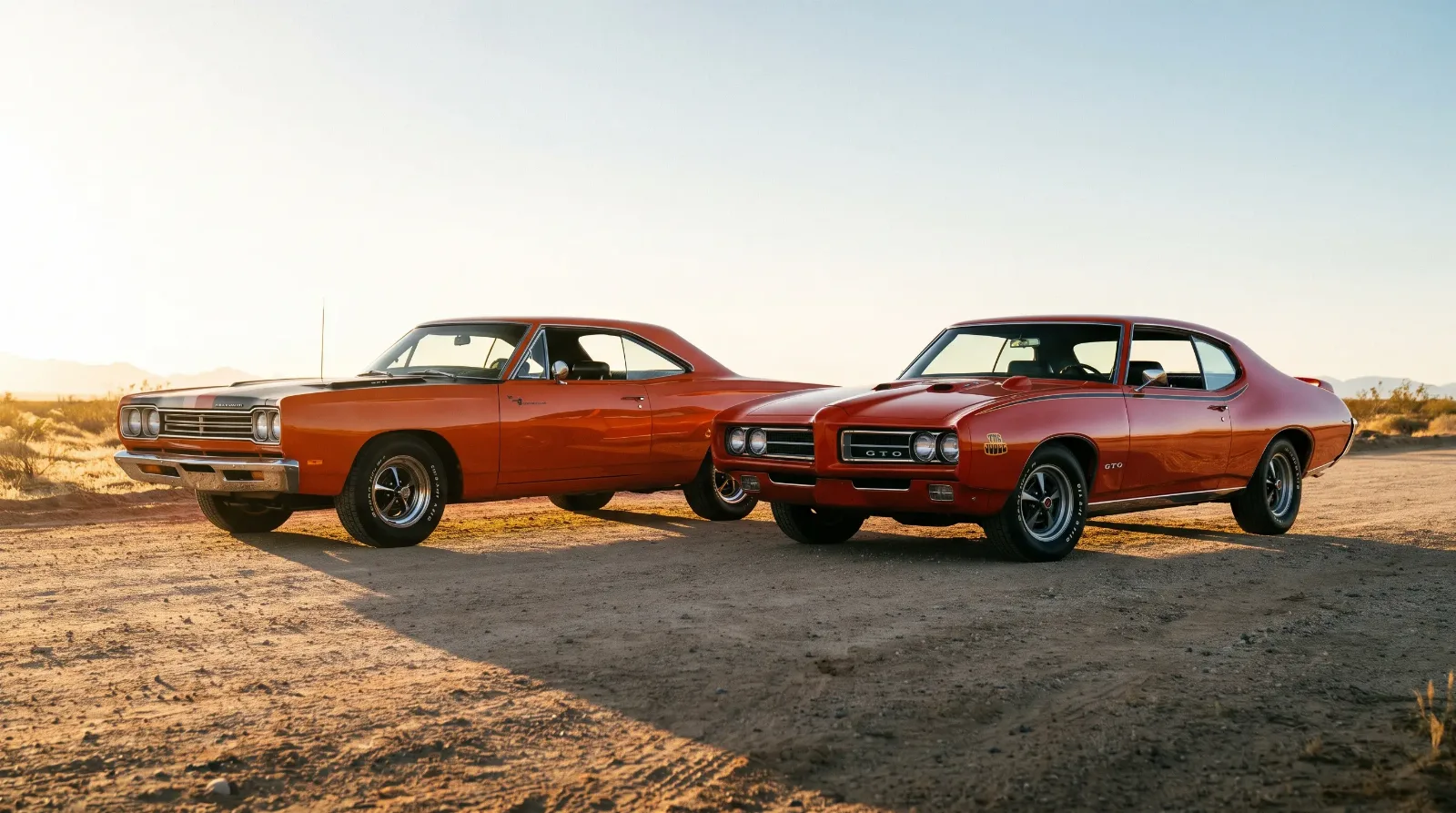
A related risk shows up when comparing this car against its era's competition. Buyers weighing a Road Runner against rival muscle cars from the same period should look at a related story covering how the Road Runner stacked up against the Pontiac GTO in period sales, since relative desirability against competing nameplates feeds directly into long-term resale strength.
The inspection checklist I use on every deal
Before I sign off on a value opinion for a client, I want to see the engine stamping cross-referenced against the fender tag in person, not from a photograph a seller has cropped and lit favorably. I also want to see the trunk pan and floor pans checked for rust repair that hasn't been disclosed, since hidden bodywork on a car marketed as original is one of the more common ways a seller inflates an asking price without technically lying about anything.
Title history matters just as much as the physical car. A clean, traceable chain of ownership reduces risk for a buyer in ways that go beyond simple provenance bragging rights, since a murky title history can complicate financing, insurance, and eventual resale even when the car itself is mechanically sound. I flag any gap in ownership records as a discount factor in every appraisal I write, regardless of how strong the rest of the documentation looks.
Where the market sits right now
Demand for well-documented 1968 Road Runners has stayed firm even as some broader segments of the muscle car market have softened. The car's combination of genuine period significance, strong production numbers that keep parts and knowledge accessible, and a lower entry price relative to its Hemi-badge peers has kept it attractive to a wider buyer pool than some rarer, more expensive nameplates can claim.
My honest take: this is a buy for buyers who prioritize documentation over flash, and a pass for anyone unwilling to pay for an independent inspection before closing. If you're ready to start shopping with that discipline in mind, there are usually a few Runners for sale now worth cross-referencing against their paperwork before making an offer.
Insurance and registration costs also factor into a full ownership picture, and I encourage clients to price those items before finalizing a purchase rather than after. A documented, numbers-matching car often carries a higher agreed value on a classic car policy, which raises the premium but also protects the buyer's investment more accurately than a standard policy written against a generic used-car valuation would.
1968 road runner value isn't a single number you can pull from a price guide. It's a range that narrows or widens dramatically depending on what the seller can actually prove, and the buyers who understand that distinction are the ones who consistently make the smarter purchase.
Sources and notes
Related Reading

Have a
Plymouth Road Runner
for Sale?
Reach thousands of serious classic car collectors across the US.
Sell It Here →
Are You a Classic Car Dealer?
List your full inventory and connect with targeted classic car buyers.
Join as a Dealer →
#numbers matching
#classic car buying
#Plymouth Road Runner
#car appraisal
#muscle car value
#1968 Road Runner

About the author
Marcus Feld
Accredited collector-car appraiser who reads the market through hammer prices, condition tiers and risk.
Related Listings - Plymouth Road Runner


Comments
Be the first to comment on this article.