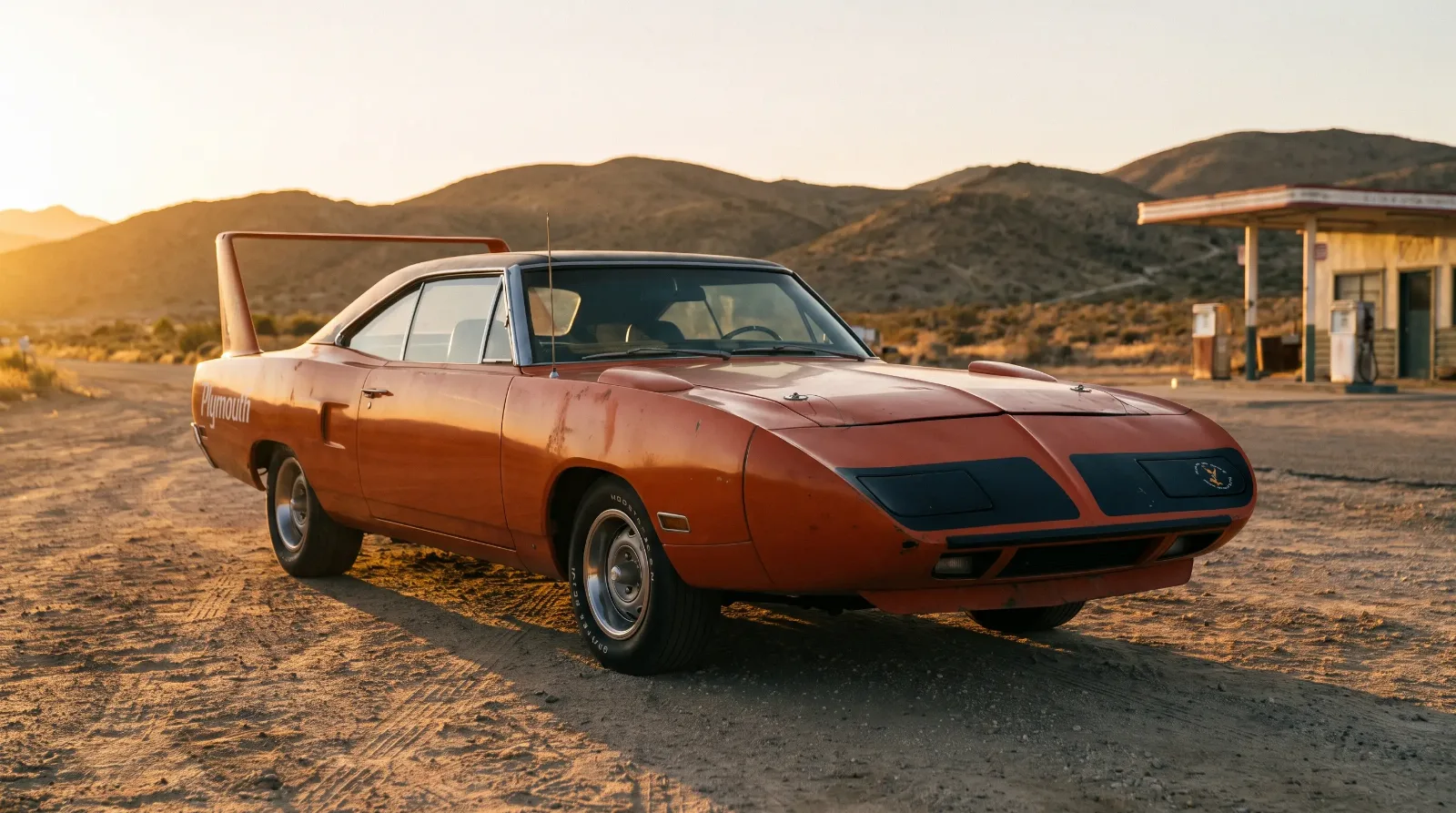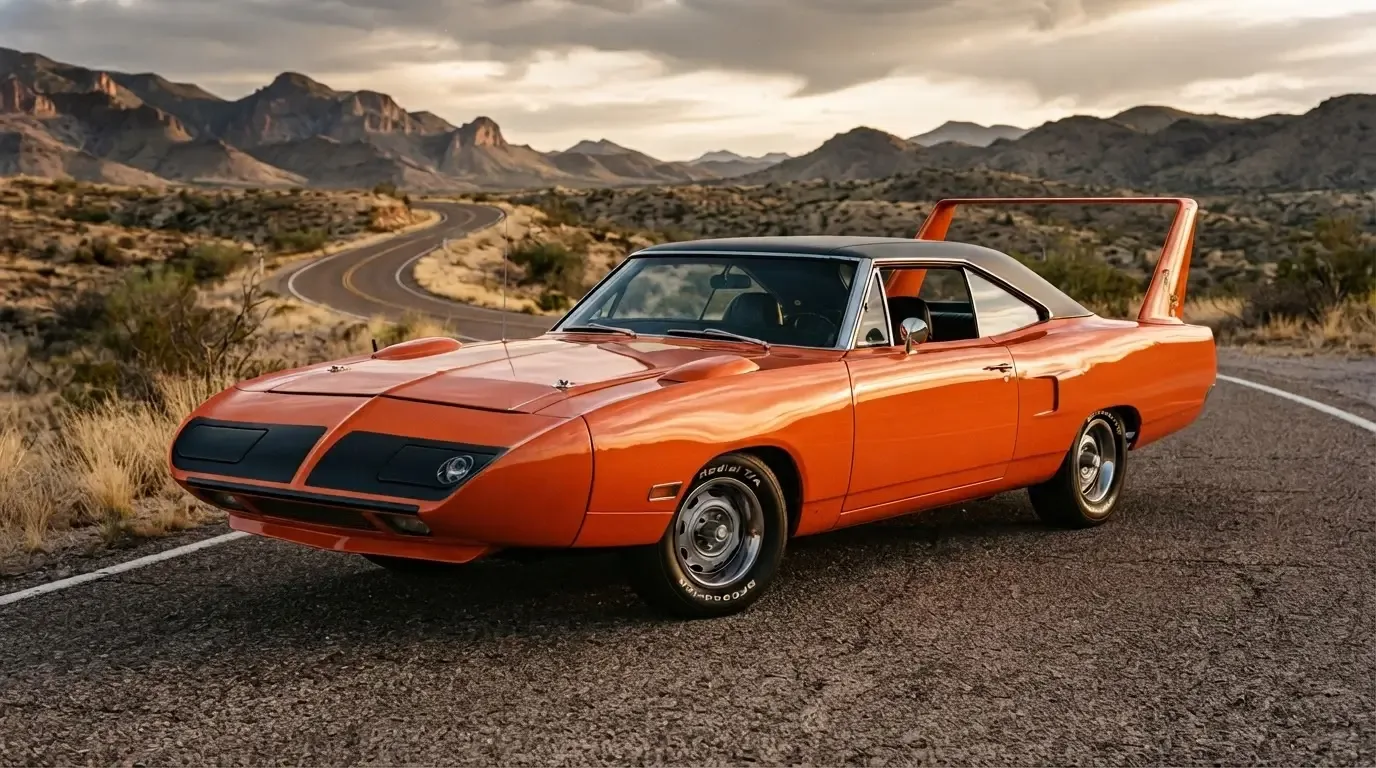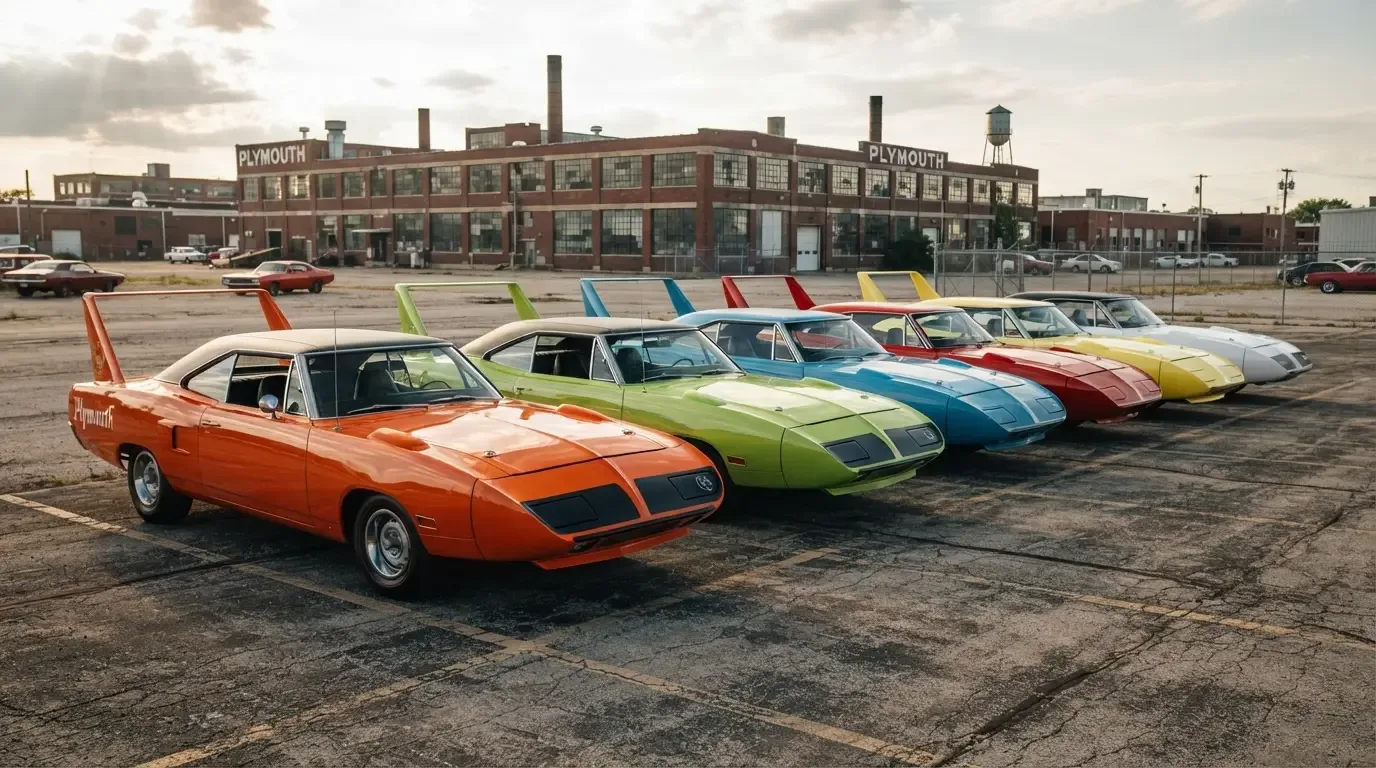
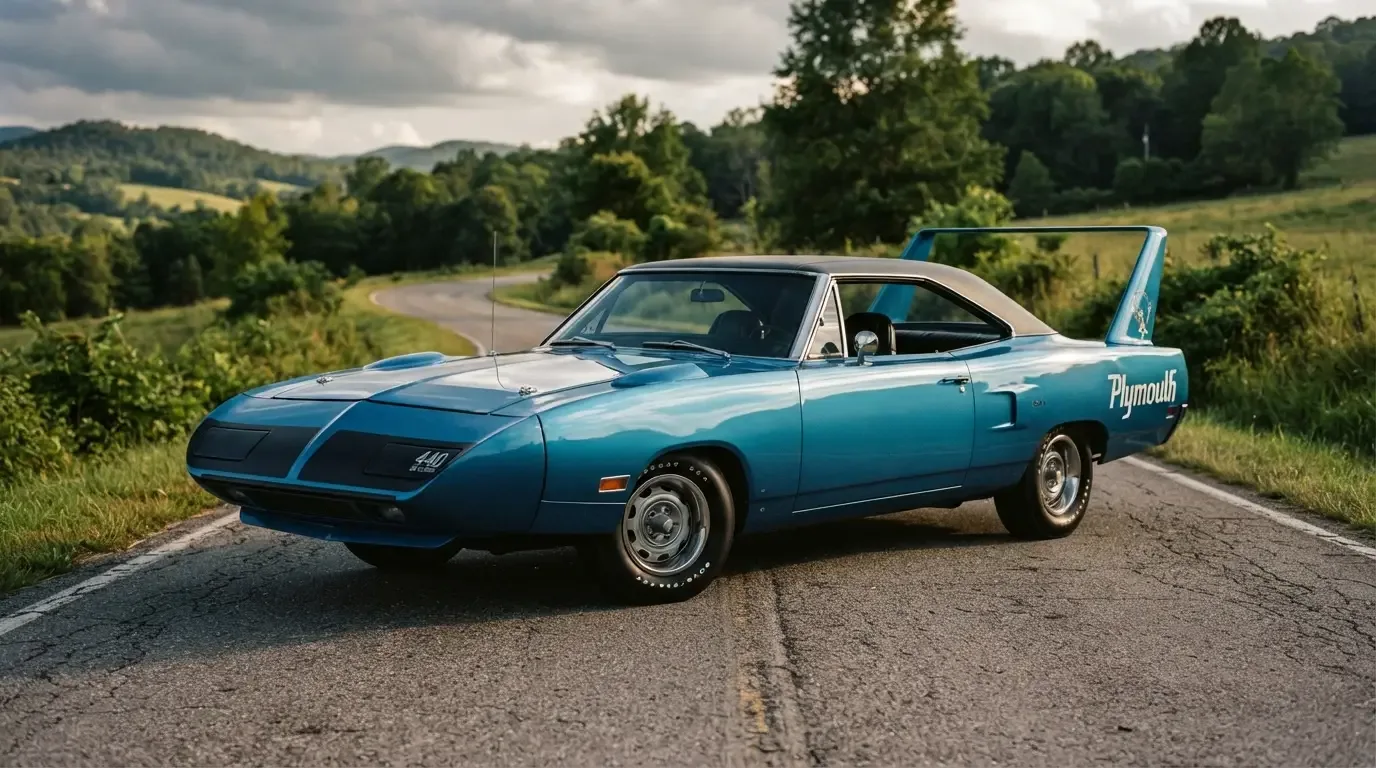
The 440 Six Barrel Superbird gets treated as the consolation prize next to the Hemi, and that framing does not hold up well once you actually compare the two on paper. It was the engine most buyers chose in 1970, and there were good engineering reasons for that decision beyond just sticker price.
What the Six Barrel actually was
The 440 Six Barrel used three two-barrel Holley carburetors mounted on an aluminum intake manifold, a setup Chrysler had introduced the year before on the 1969 Road Runner and Super Bee. The center carburetor ran the engine at part throttle for everyday driving and fuel economy that was, relatively speaking, tolerable for a big block. The two outer carburetors opened under hard acceleration, adding fuel and air flow exactly when the engine needed it. It was a mechanically simple way to get big-carburetor performance without asking a single four-barrel to do all the work across the entire rpm range.
Factory power was rated at 390 horsepower, a number that sat close to the Hemi's advertised 425 despite the Hemi's reputation for a much larger gap. Torque told a similar story. The 440 Six Barrel produced strong low-end pull that made it an easier car to drive quickly on the street than a Hemi, which needed higher rpm to make its best power and was fussier about tune and idle quality as a daily proposition.
Comparing the two engines on paper
| Spec | 440 Six Barrel | 426 Hemi |
|---|---|---|
| Advertised horsepower | 390 hp | 425 hp |
| Carburetion | Three two-barrel carburetors | Dual four-barrel carburetors |
| Displacement | 440 cubic inches | 426 cubic inches |
| Everyday drivability | Strong low-rpm torque, easier idle | Higher-strung, needs rpm to perform |
| Original price premium | Lower than Hemi | Highest engine option cost |
Quarter-mile times between the two engines in period road tests were close enough that the gap was arguably within the margin of driver skill and track conditions. A widely cited 1970 Hot Rod magazine drag test pitting a Hemi car against a 440 Six Barrel car over ten runs had the Hemi averaging around 13.5 seconds against roughly 13.6 for the Six Barrel, a gap of a few tenths at most. That closeness is the entire point of this comparison. Chrysler sold the Hemi as the flagship, and it was, technically, the more powerful engine on paper. But the 440 Six Barrel closed most of that gap for a lower purchase price and a noticeably lower insurance bracket, which is exactly why it outsold the Hemi within the Superbird's short production run.
Where the Six Barrel actually falls short
Being evidence-based about this car means being honest about its weak points too. The triple-carburetor setup is more complex to keep in tune than a single four-barrel, and the linkage connecting all three carburetors needs to be adjusted correctly or the outer two will not open together, robbing the engine of the power the setup is supposed to deliver. Vacuum leaks at the base gaskets are a known failure mode on original manifolds, and a Six Barrel that idles rough or hesitates under load usually has a carburetor synchronization problem rather than anything wrong with the bottom end.
Parts availability is also a real consideration. Correct, date-coded Six Barrel carburetor sets and the aluminum intake are harder to source in original condition than common four-barrel parts, and a numbers-matching Six Barrel car that is missing its correct induction system loses meaningful value even if the short block underneath is untouched.
"People assume the Hemi is the smart buy because it says Hemi. Run the actual numbers on power, price, and how often you would want to drive the thing on a Tuesday, and the 440 Six Barrel wins more categories than the badge would suggest."
- Emily Chen
How the aluminum intake changed the equation
The aluminum intake manifold underneath the Six Barrel's three carburetors was not just there to save weight, though it did shave a noticeable amount off the nose compared to a cast-iron piece. Aluminum also dissipates heat faster than iron, which helped keep intake charge temperatures down during hard acceleration runs on a hot summer day, a small but real advantage over a cast-iron four-barrel setup fighting heat soak in the same conditions. Chrysler engineers were not chasing a marketing bullet point with that material choice. They were solving a real thermal problem on a big-displacement engine being asked to work hard in a package that already ran warm.
That same intake, six decades later, is one of the more counterfeited pieces in the Mopar parts world precisely because it carries real value on its own, separate from the car it came on. A Six Barrel Superbird missing its correct, date-coded intake and being sold with a generic aftermarket aluminum manifold in its place is not the same car, financially, as one wearing its original casting, even if the two run identically on a dyno.
Why it matters for the Superbird specifically
The Superbird's whole reason for existing was NASCAR homologation, and most of that homologation math ran through the 440, not the Hemi. Chrysler needed to build enough street Superbirds to qualify the body for racing, and the majority of those cars rolled off the line with a 440 under the hood in either four-barrel or Six Barrel form. That makes the 440 Six Barrel car the more representative Superbird of the two, not the exotic outlier. If you want the aerodynamic story behind why the car looks the way it does, read the background on the nose cone and wing before deciding which engine variant fits your budget.
The buying case
For a shopper weighing cost against capability, the 440 Six Barrel Superbird is the more defensible engineering choice for a car you actually intend to drive rather than trailer to shows. It costs less to acquire, it costs less to insure historically, and its torque curve makes it friendlier at part throttle. The trade-off is a slightly lower ceiling on outright top-end power and a documentation premium that still trails the Hemi at auction, fair or not.
Run the comparison the way an engineer would rather than the way a bench racer would. Weight the categories that actually affect ownership: purchase price, insurance cost, tune-up complexity, parts availability, and how the engine behaves at the rpm you will actually drive it at on a normal day. Score the Six Barrel and the Hemi honestly against those categories instead of a single bragging-rights number, and the Six Barrel wins more of them than its reputation as the lesser option would suggest. It is not a compromise. It is a different, defensible set of trade-offs that happened to be the majority choice for a reason.
If the Six Barrel's mix of usable power and lower buy-in appeals to you, you can find a classic Runner and compare what is currently listed against the specs above before making a call.