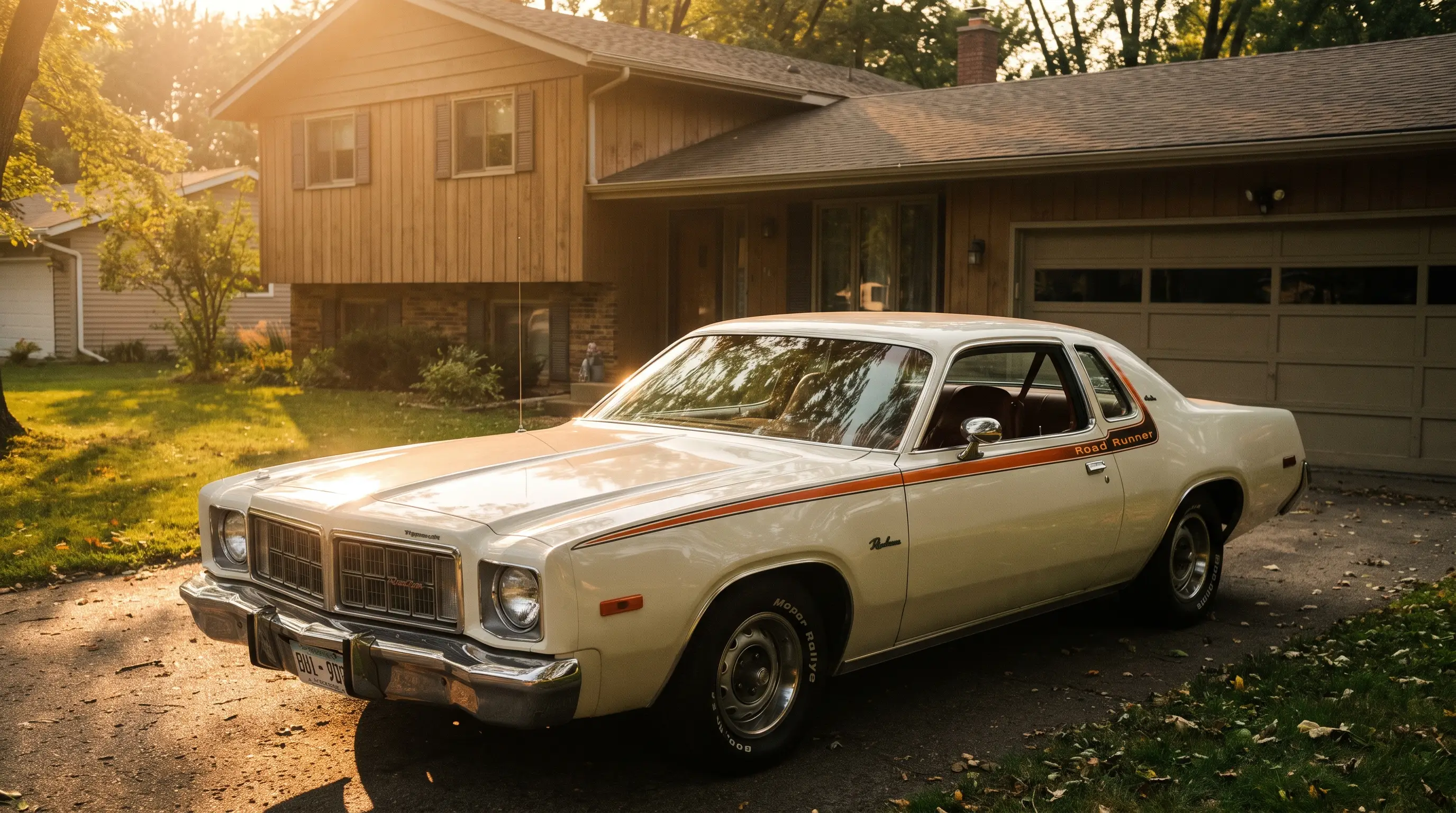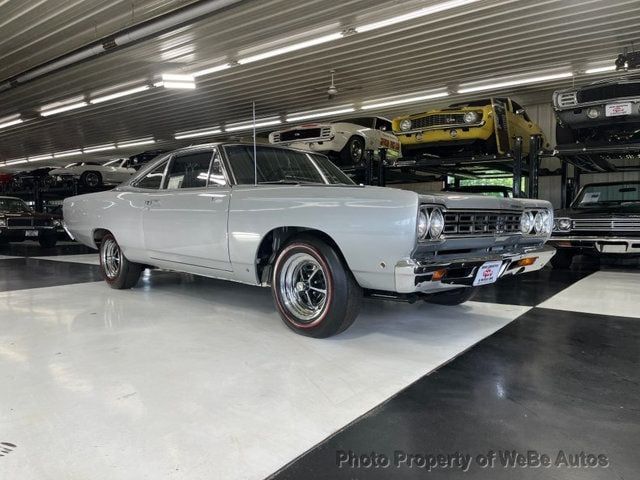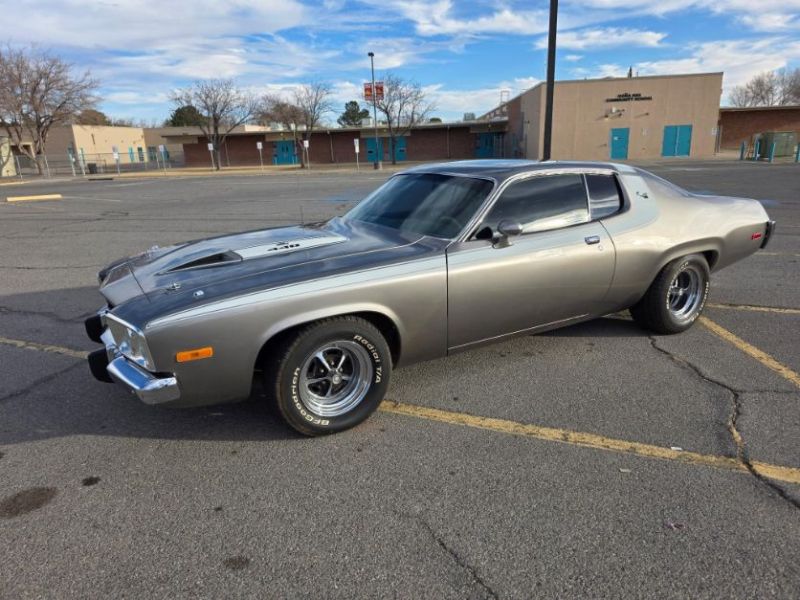
Picture a service department mechanic in 1972, staring at a Road Runner up on the lift, trying to figure out why an engine that should have been familiar was suddenly behaving like a stranger. The timing was different, the carburetor jetting had changed again, and the compression numbers stamped on the block no longer matched what he remembered from two years before. That mechanic was living through the road runner emissions decline in real time, watching a car he understood get quietly rewritten by regulations nobody in the service bay had voted on.
The regulatory wave that hit Detroit
The Clean Air Act Amendments of 1970 set the timeline that would eventually strangle the muscle car era, mandating dramatic reductions in automotive emissions over the following years. Manufacturers responded the only way available with the technology of the time, lowering compression ratios so engines could run on the lower octane, lead reduced fuel that was becoming standard, retarding ignition timing, and leaning out carburetor jetting to cut hydrocarbon output. None of those changes were free. Every one of them cost horsepower, and every one of them landed directly on cars like the Road Runner that had built their entire reputation on making a lot of it.
Chrysler also switched from gross to SAE net horsepower ratings right in the middle of this period, a measurement change that makes the decline look even steeper on paper than it actually was mechanically, since net figures account for accessories, exhaust backpressure, and other real world losses that gross figures ignored. Even accounting for that measurement shift honestly, actual output was falling too. Compression ratios that had sat above ten to one on top Road Runner engines in 1970 dropped into the eight to one range by the middle of the decade, and that is not a rounding error. That is an engine built to run differently, tuned for a different set of priorities than the one it replaced.
Watching the numbers fall, year by year
Follow the Road Runner's big block options through this period and the pattern is impossible to miss. The 440 that anchored the lineup after the Hemi disappeared following 1971 kept losing ground season after season, its advertised output shrinking even as Plymouth kept the same basic displacement on the spec sheet. The 440 Six Barrel carburetor setup, once the Road Runner's clearest link to genuine big block muscle, was actually the first big casualty. Chrysler pulled the option in the fall of 1971 once it was clear the triple carburetor setup could not meet the incoming 1972 emissions rules, so from 1972 on the 440 was sold only as a single four barrel arrangement that could not match what the earlier engine had delivered. By 1975 the 440 had vanished from the regular Road Runner order sheet entirely, leaving the 400 cubic inch V8 as the largest engine a Road Runner buyer could order, even though the platform underneath the car had not actually shrunk that year.
Insurance made a bad situation worse
Emissions rules were only half of what squeezed the Road Runner during these years. Insurance companies had started pricing policies around engine displacement by the early seventies, and a Road Runner ordered with anything larger than a small block could carry a surcharge steep enough to make the whole proposition impractical for a young buyer, exactly the demographic the car had always targeted. That combination, an engine that made less power than it used to and a policy that cost more to insure it, hit the Road Runner from both directions at once. A car built on the premise of maximum performance for minimum money was losing ground on both halves of that equation simultaneously, and there was no single fix available since the causes were coming from two entirely different directions, one from Washington and one from the actuarial tables.
"Nobody at Chrysler woke up one morning and decided to make the Road Runner slower. It happened in small increments, a half point of compression here, a jetting change there, until one day the car that used to embarrass everything on the street was just another decent performing coupe. That is a harder story to tell than a single dramatic decision, but it is the truer one."
- Patrick Walsh
| Model year | Top engine option | Approx. compression ratio |
|---|---|---|
| 1970 | 426 Hemi | Above 10.25 to 1 |
| 1972 | 440 four barrel | Around 8.2 to 1 |
| 1975 | 400 cubic inch V8 | Around 8.2 to 1 |
Compression is the number that tells the real story better than horsepower ever could, since it is not distorted by the gross to net measurement change that muddies any direct comparison of advertised output across these years. A Road Runner engine built in the Hemi era ran compression that would be considered aggressive even by later performance standards, while an engine built five years afterward was designed from the ground up around a completely different set of fuel and emissions assumptions. That is the actual mechanism behind the road runner emissions decline, not a single dramatic cut but a steady, deliberate lowering of the ceiling every engineering team in Detroit was working under at the same time.
What makes the Road Runner's version of this story worth telling is the contrast with where the nameplate started. Few cars had built their entire identity as explicitly around raw power for the money as the Road Runner had in 1968, which meant few cars had further to fall when the regulatory ground shifted under the entire industry. Watching Plymouth's engineers manage that fall without simply killing the nameplate outright is, in its own quiet way, as interesting a story as the Hemi years that get all the attention.
What survived the squeeze
The remarkable part of this story is not that the Road Runner lost power through the seventies. Every performance car did. The remarkable part is that Plymouth kept building the nameplate at all, holding onto the cartoon branding and the underlying concept of an affordable performance coupe even as the regulatory and insurance environment made that concept harder to execute every single year. Read our 1971 plymouth road runner retrospective for the full model by model account of how the car absorbed these pressures across the fuselage generation, and see a related story covering exactly how those changes showed up in the production numbers Plymouth actually posted through this stretch.
For collectors today, understanding this decline changes how you should evaluate a car from any specific year in this window. A 1974 Road Runner running weaker than a 1970 example is not a sign of a poorly maintained engine. It is often simply the car running exactly as it left the factory, built to a completely different set of engineering targets than the model it replaced. If you're shopping this era with that context in mind, Runners for sale now span the entire span of this decline, giving buyers the chance to compare a stronger early seventies car against a later, more heavily regulated example side by side before deciding which story they actually want parked in their garage.