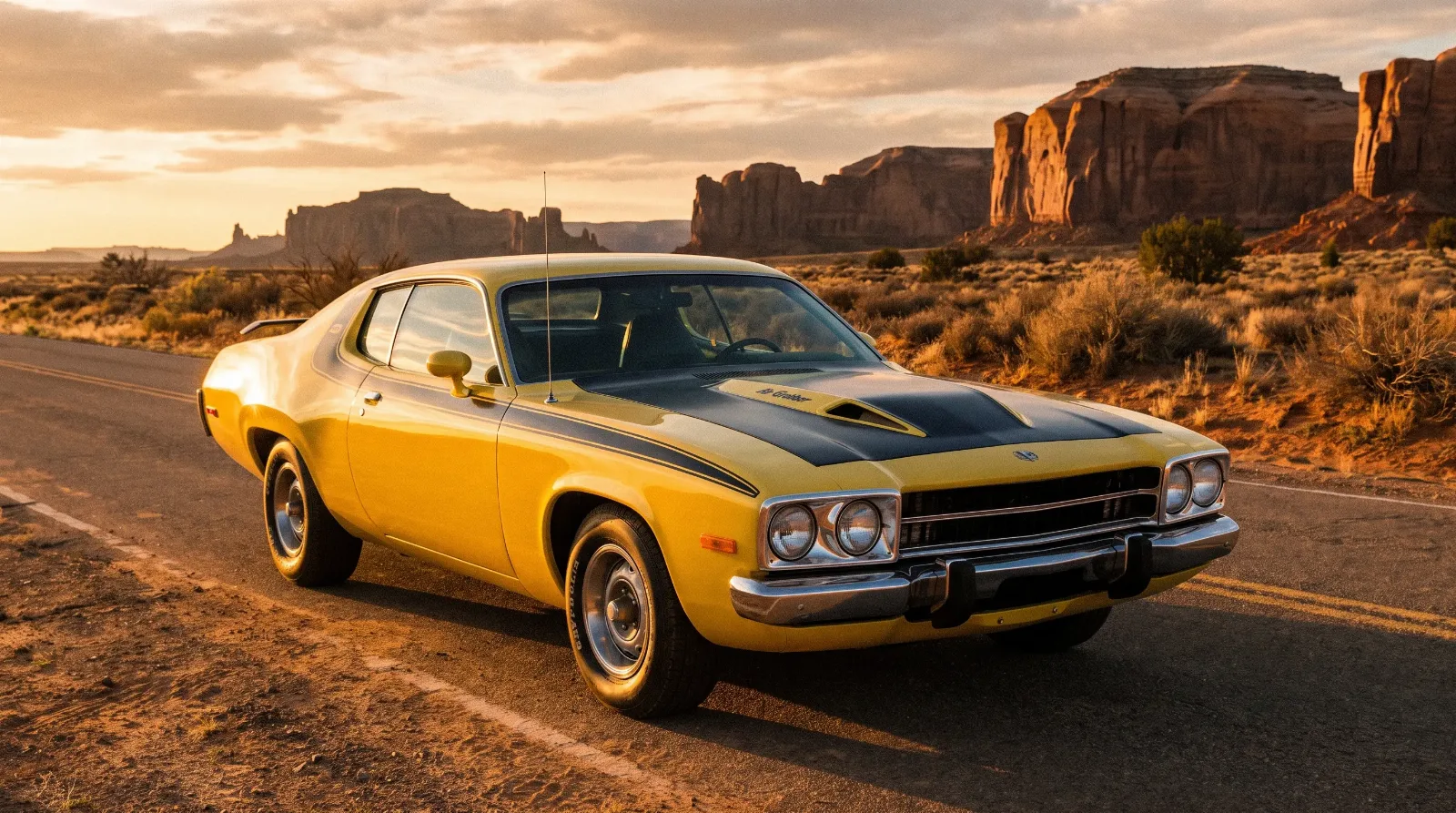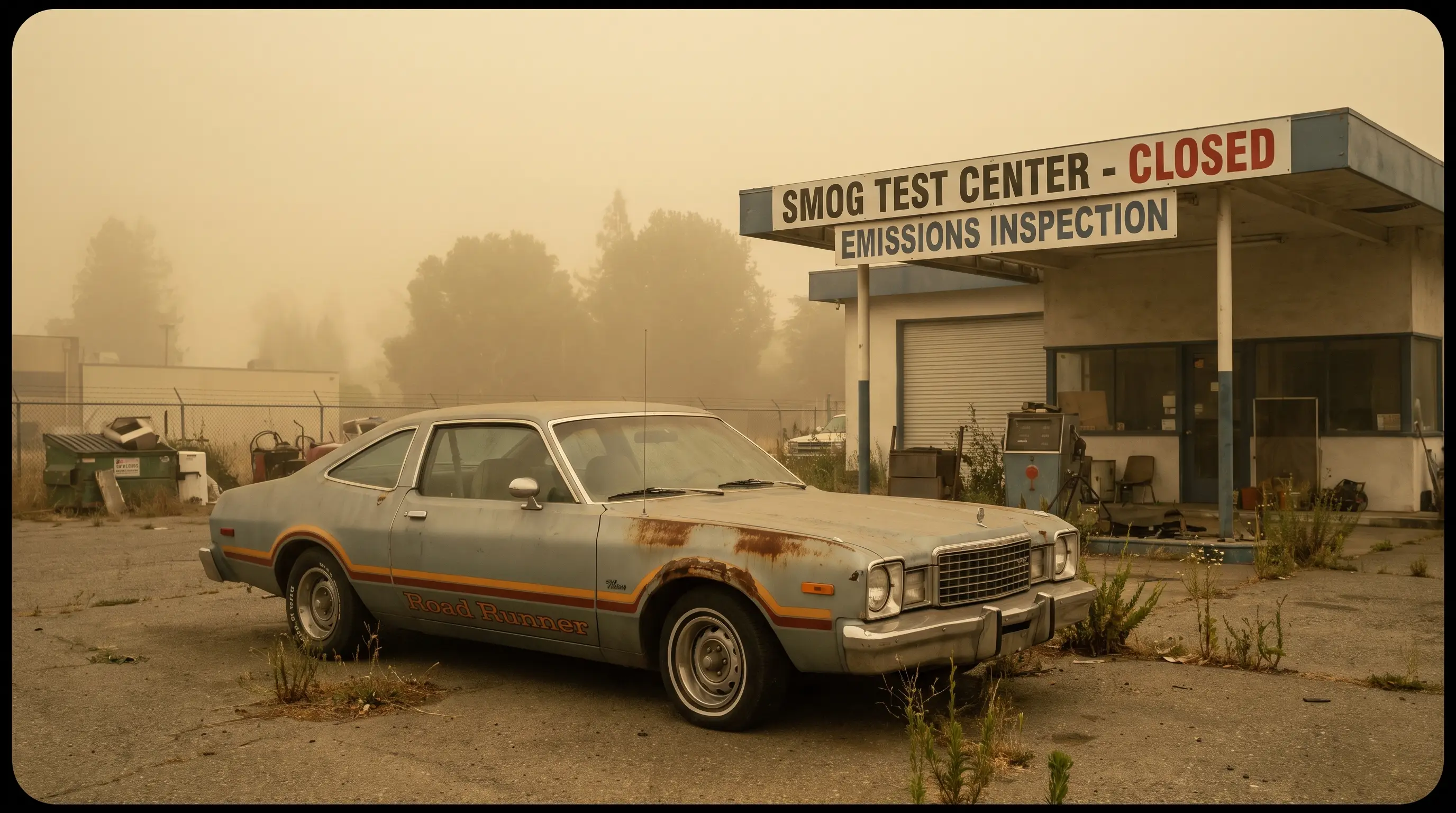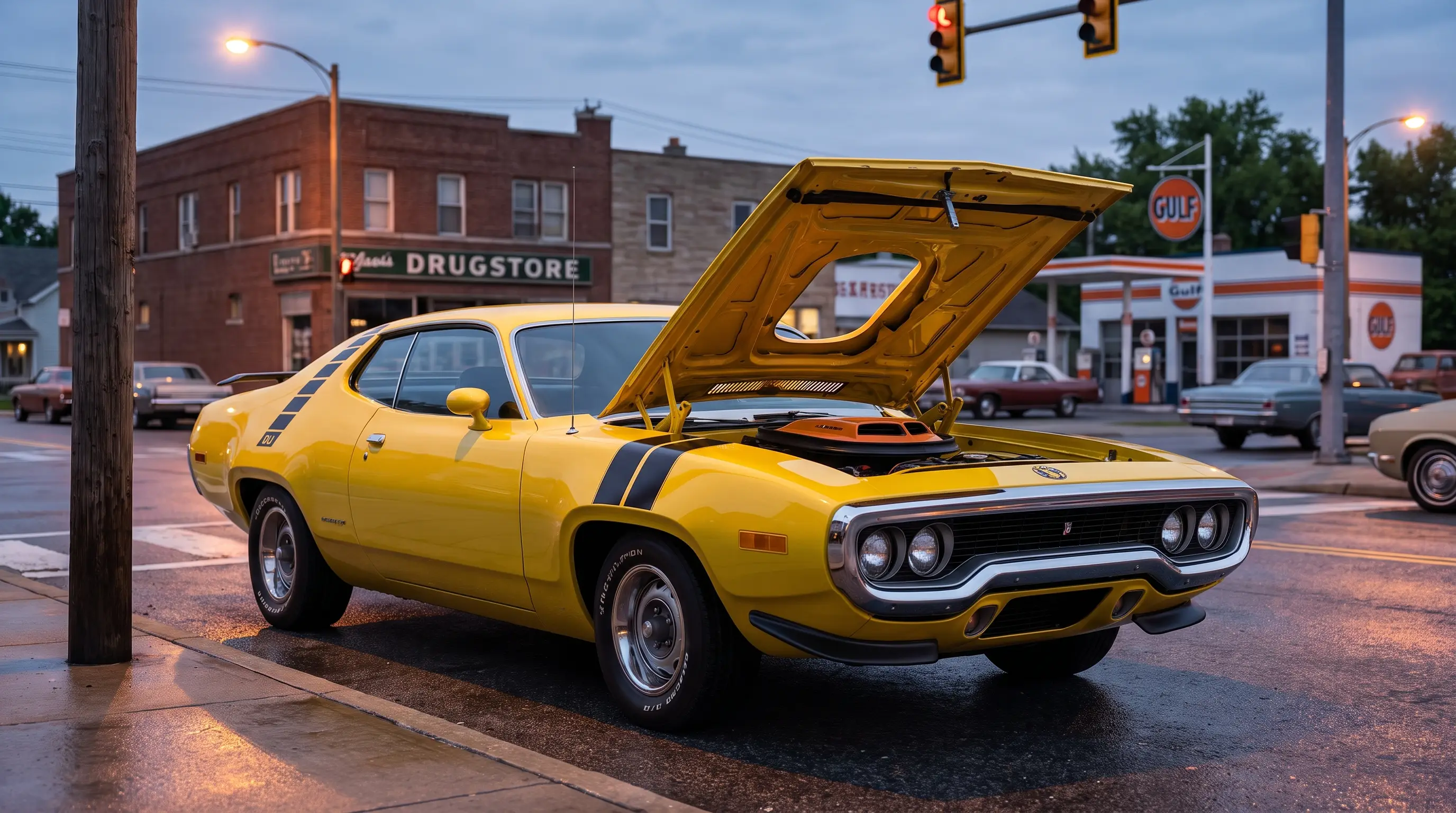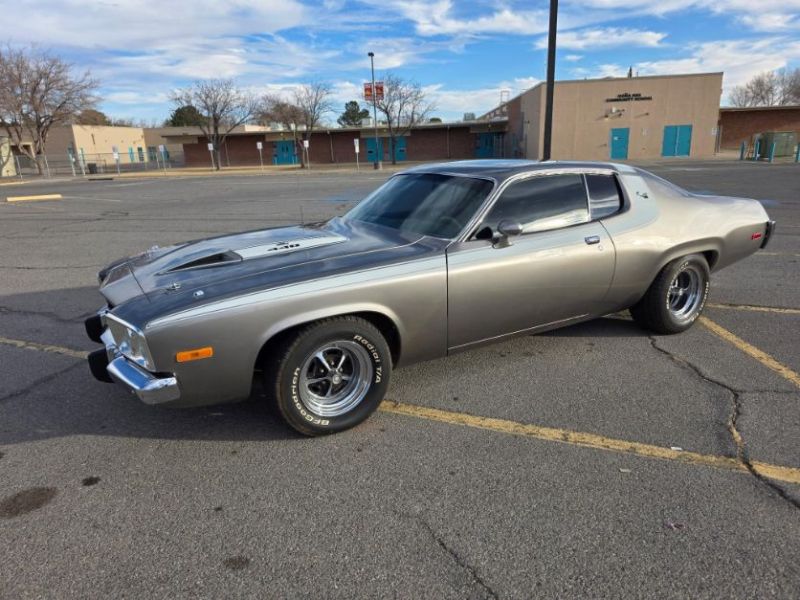
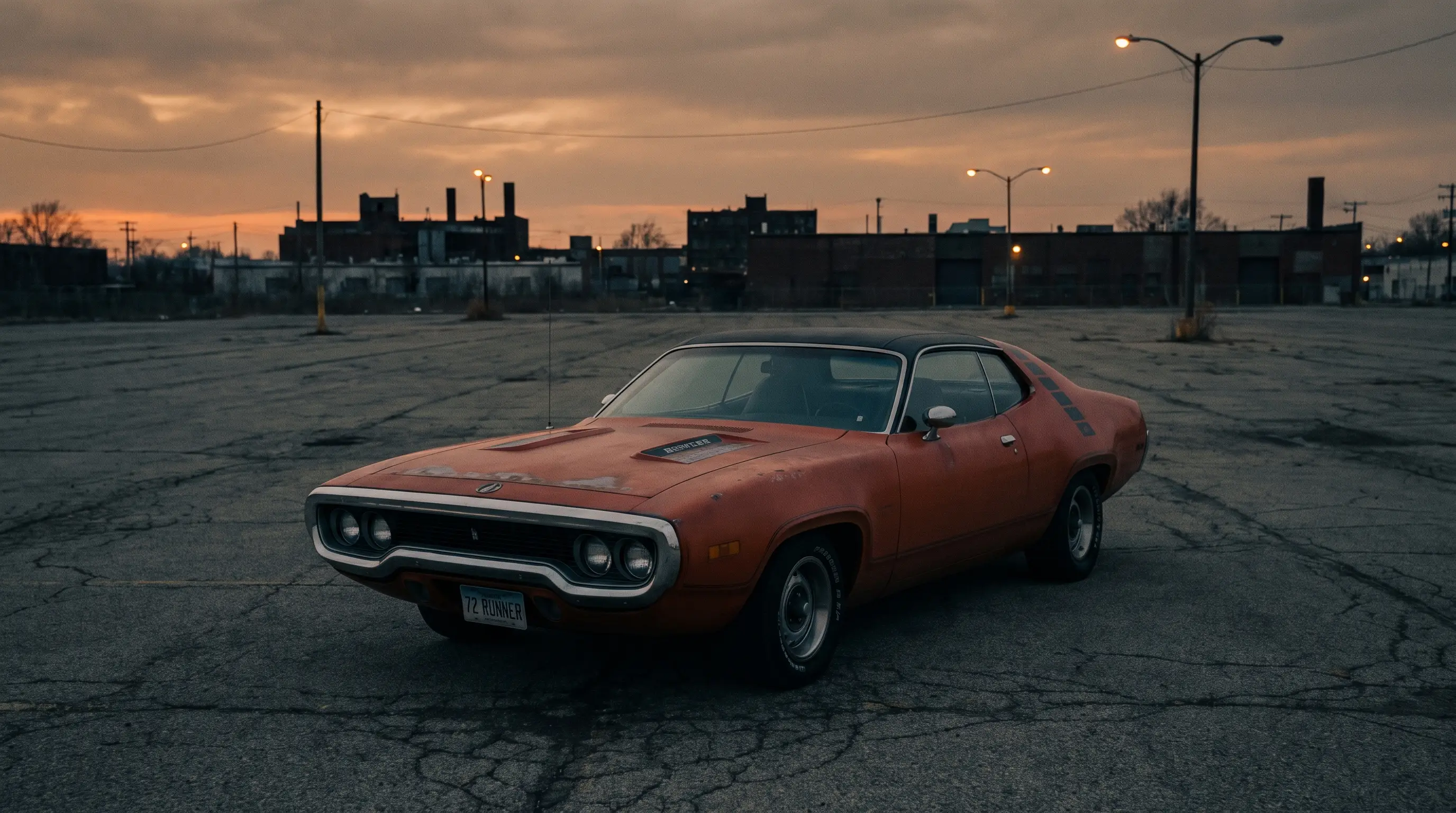
Production figures rarely get the attention that engine specifications and body styling do, but for the fuselage era Road Runner they tell a story just as important as any horsepower rating. Between 1971 and 1975, Plymouth's build numbers for the nameplate traced a steady decline that mirrored everything happening around the car, from insurance surcharges to emissions regulation to the eventual shrinking engine lineup that closed out the fuselage generation before the actual platform downsize arrived a year later. Tracking 1972 road runner production and the years surrounding it against the wider fuselage run shows exactly how far the model had fallen from its late sixties peak, and how much further it still had to go.
The scale of the decline
Plymouth built more than 80,000 Road Runners for 1969, the nameplate's high water mark and a figure that reflected genuine mainstream popularity for a car built around a stripped down performance concept and a cartoon mascot. By 1971, that number had collapsed to roughly 14,218 units, a drop of almost seventy percent in just two model years. The following year did not offer much relief. Plymouth's 1972 Road Runner production landed around 7,600 units, continuing a slide that showed no sign of stabilizing even as the car itself, now absorbing the folded in GTX nameplate and adjusting to net horsepower ratings, remained a genuinely capable performance coupe on paper.
The reasons behind that decline were rarely about the car's actual merits. Insurance underwriters had begun pricing policies specifically around engine displacement, pushing buyers toward smaller cars or away from performance nameplates entirely regardless of how well a given model actually drove. Rising fuel costs following the 1973 oil crisis compounded the pressure further, and the broader muscle car category was contracting across every American manufacturer at the same time, not just at Plymouth. A buyer who might have ordered a Road Runner in 1969 without a second thought was, by 1972, weighing insurance premiums, fuel costs, and a shrinking list of engine options before signing anything.
| Model year | Approx. Road Runner production | Year over year change |
|---|---|---|
| 1969 | More than 80,000 | Peak year |
| 1971 | Roughly 14,218 | Down sharply from peak |
| 1972 | Roughly 7,628 | Continued decline |
| 1973 | Roughly 19,000 | Partial recovery |
| 1975 | Roughly 7,183 | Small block focused finale |
The 1973 recovery, and why it happened
Curiously, 1973 production actually rebounded to roughly 19,000 units, a genuine improvement over the 1972 low point despite the arrival of federally mandated bumper standards and continued compression cuts. Part of that recovery reflected buyers adjusting their expectations industry wide, a Road Runner that could not match a 1969 car in a straight line was still competitive against contemporary rivals facing identical regulatory constraints, so relative performance mattered more than absolute numbers by this point. Plymouth also held the Road Runner's price positioned as an accessible option within its lineup, which helped it compete for buyers who wanted a performance badge without committing to the priciest models on the lot.
What the numbers mean for collectors today
Production figures from this period matter enormously to how collectors value individual cars now. A 1972 Road Runner, built during the segment's steepest production low, is objectively rarer than a 1969 or 1973 example, yet it rarely commands a premium reflecting that scarcity, since collector demand still gravitates toward the Hemi cars and the earlier, more famous model years rather than pure production numbers. That gap between actual rarity and market price is exactly the kind of detail worth understanding before buying, since a well documented low production year car can represent real value relative to its more common but more celebrated siblings.
"People assume rarity always drives price in this hobby, and it just does not work that way here. The 1972 cars are genuinely scarce, scarcer than plenty of years that sell for more, and the market has not fully caught up to that fact yet."
- Sarah Whitfield
The engine mix within any given year adds another layer worth understanding. Total 1972 road runner production of roughly 7,628 units was split across the 340, 400, and 440 four barrel engine options, along with the folded in Road Runner GTX package (the true 440 Six Barrel had already been canceled for 1972 after only a handful of cars slipped through before the shutdown), and the big block cars represented a shrinking minority of that already reduced total as buyers gravitated toward smaller, cheaper to insure engines. That means a documented big block car from the low production years of 1971 and 1972 is scarcer still than the headline model year figure alone suggests, a detail that gets lost when collectors compare only the top line numbers between years rather than digging into how each year's production actually broke down by engine and trim.
Chrysler's own internal reporting from this period, where it survives, remains the most reliable source for exact figures, though even those records sometimes group similar variants together in ways that make precise engine by engine counts difficult to reconstruct with full confidence today. Serious buyers researching a specific car's rarity should treat any production figure, including the ones summarized here, as a reasonable estimate rather than an exact count, and should lean on documentation specific to the individual vehicle, its broadcast sheet and fender tag, ahead of any general statistic about the model year as a whole.
Reading production alongside the rest of the story
Production numbers only make full sense alongside the styling, engine, and regulatory changes happening at the same time, and read the background on the complete fuselage generation to see how each of these declining and recovering years connects to the bumper mandates, the GTX merger, and the small block focused 1975 finale that closed out the B body Road Runner before the nameplate moved to the compact Volare for 1976. Taken together, the production figures from 1971 through 1975 chart a nameplate under sustained pressure from multiple directions at once, still managing to hold on longer and sell better than plenty of its direct competitors before finally giving way to a quieter successor.
For anyone assembling a collection around this specific window, understanding which years were genuinely low production versus which years simply feel underappreciated is essential homework before shopping. Buyers can find a classic Runner from any point across this range and use the production context here to judge whether a given asking price actually reflects the rarity of the car in front of them.