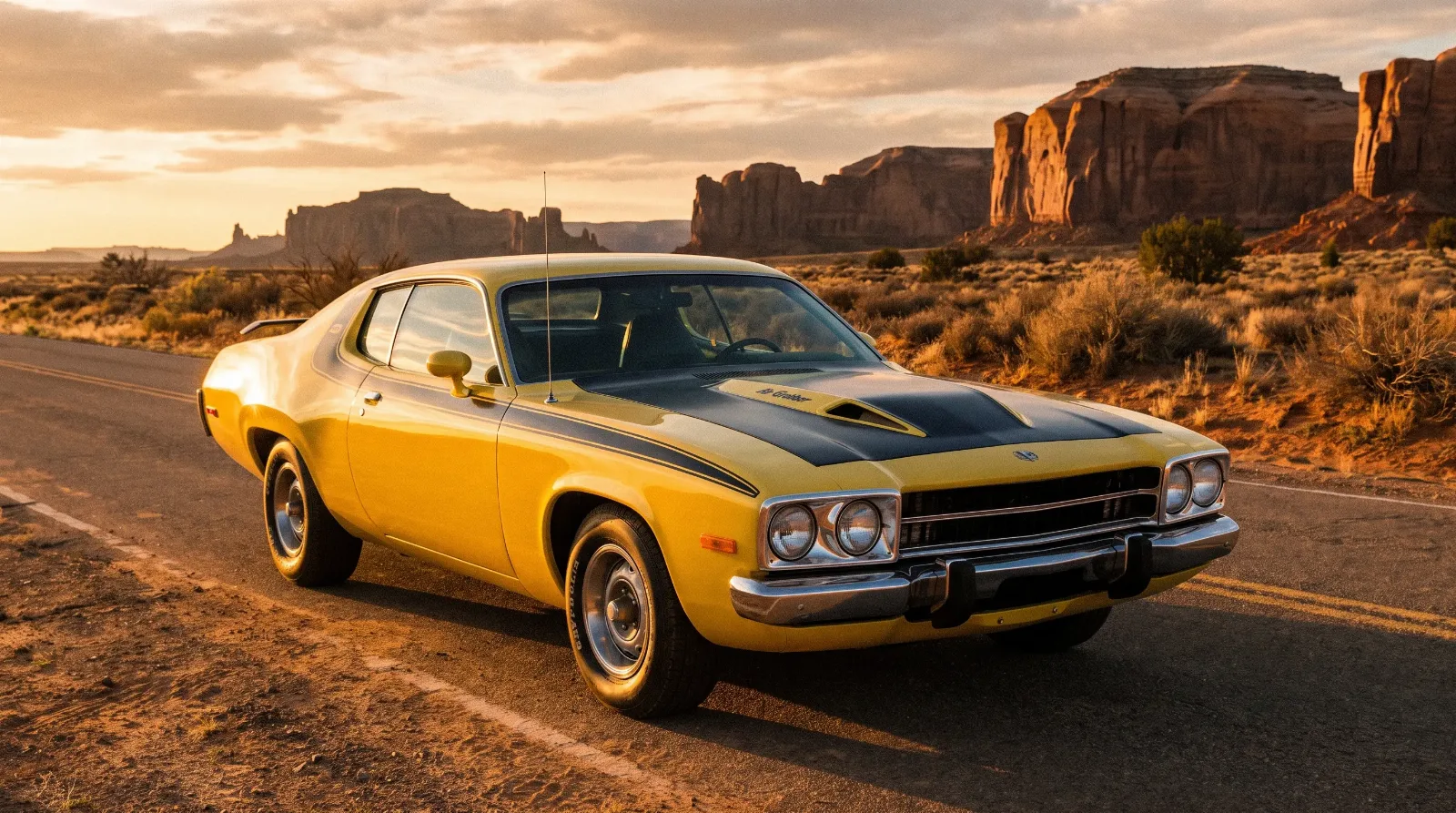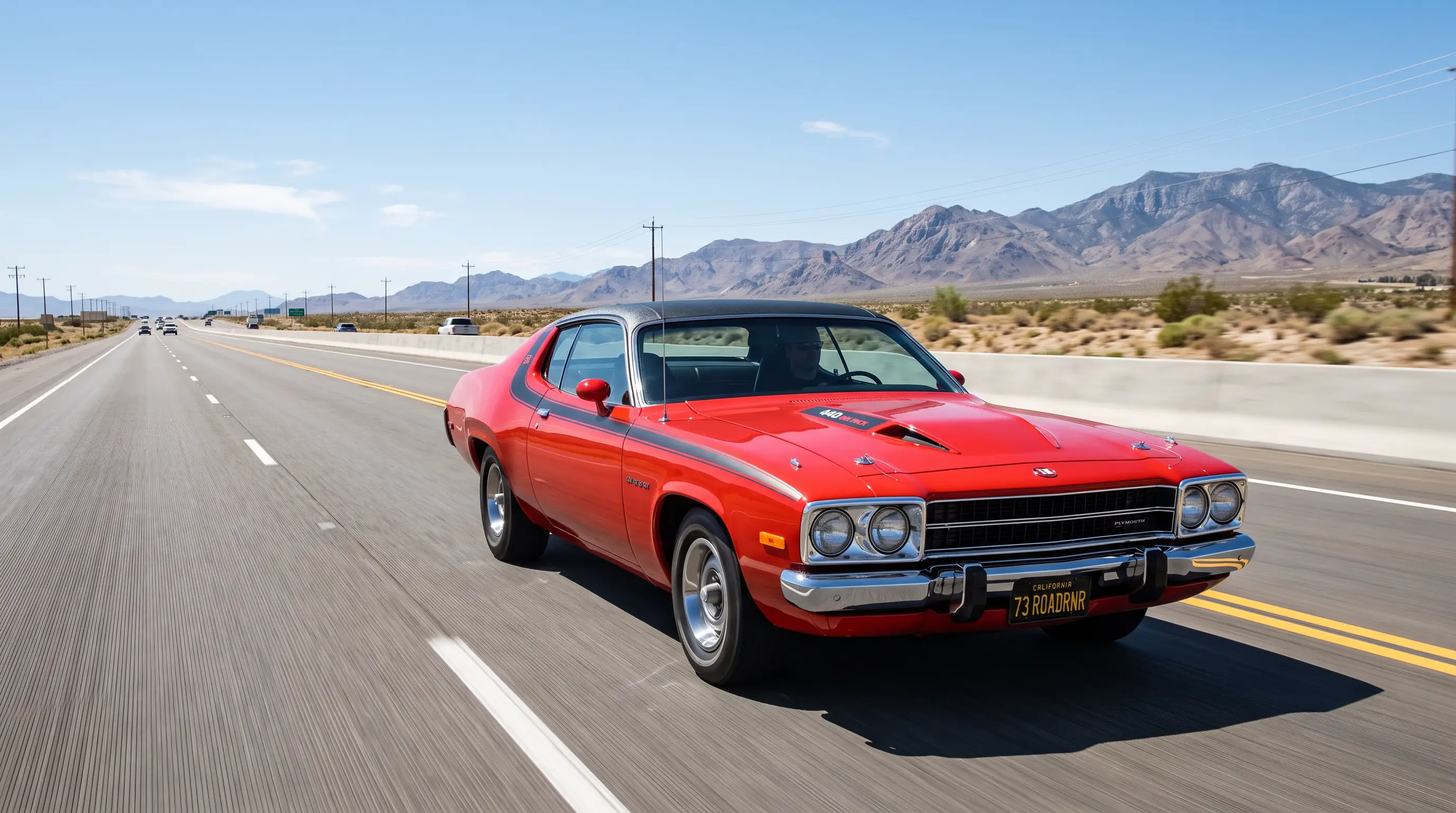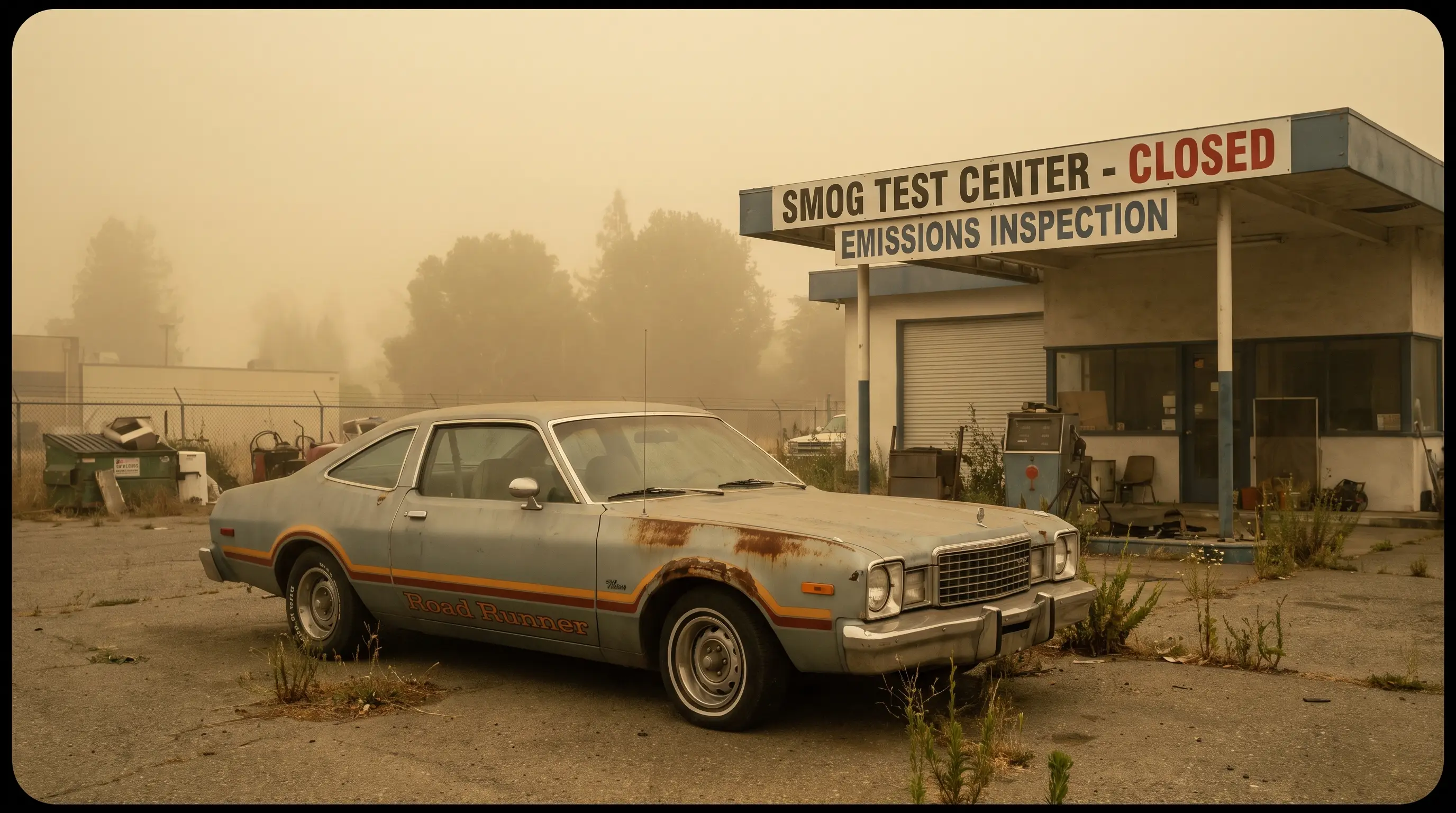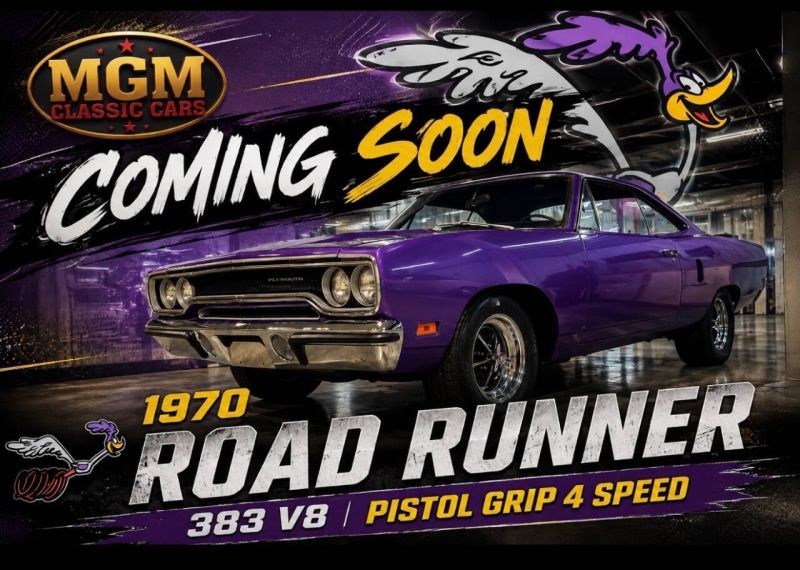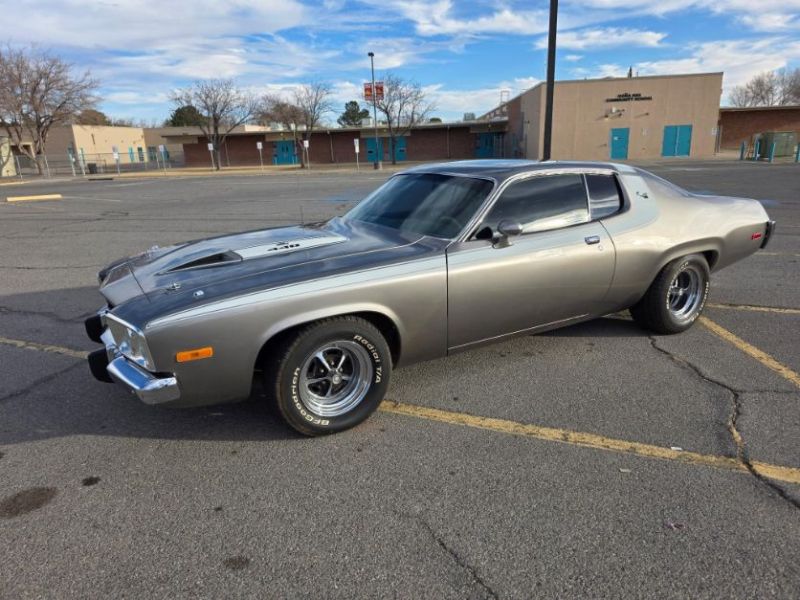
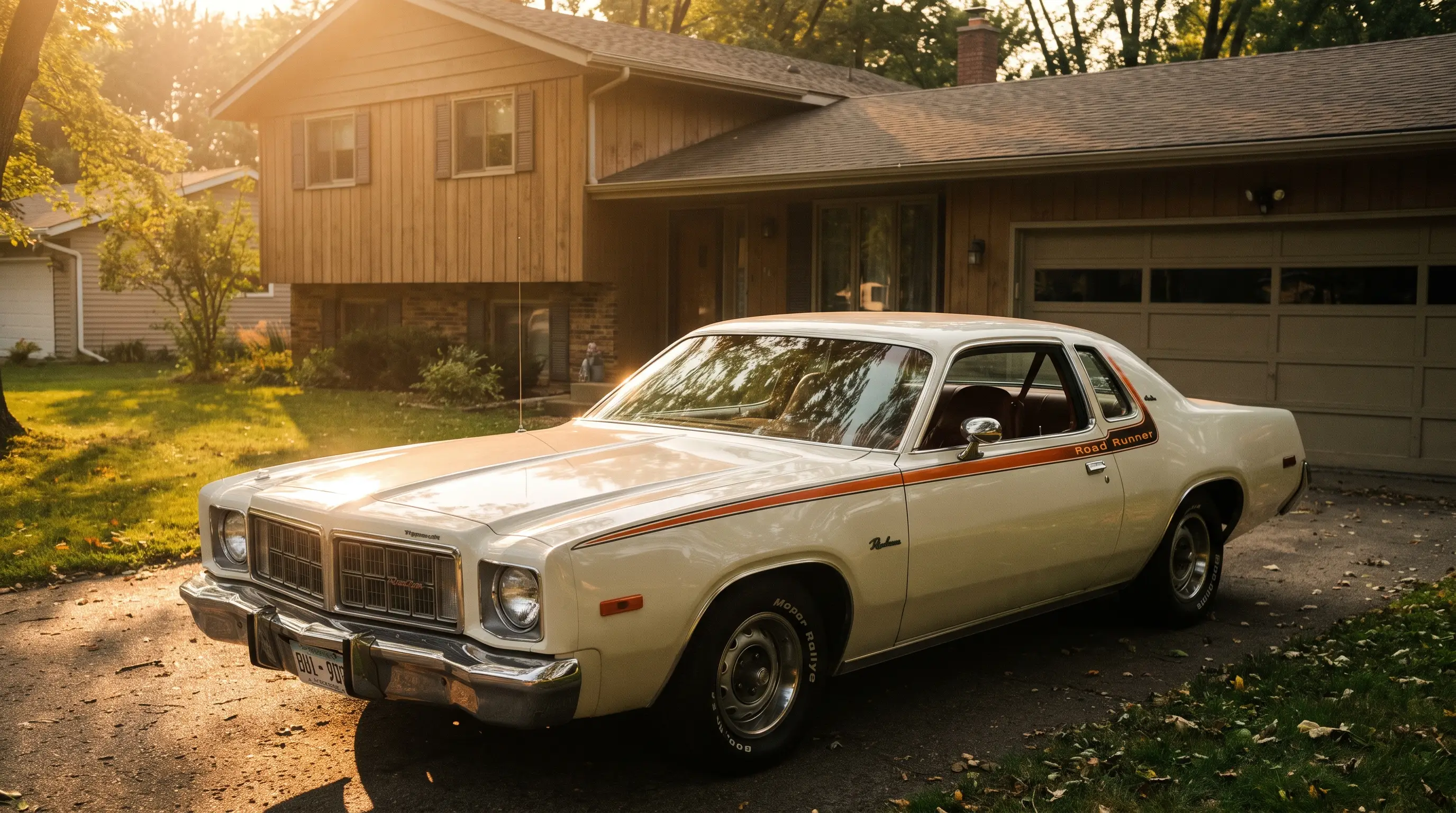
The 1975 Plymouth Road Runner closed out the fuselage era still riding on the same B body intermediate platform that had carried the nameplate since 1968, badge and all, even though the car around it had never felt further from its origins. What actually changed for 1975 was the nameplate wrapped around that platform. Plymouth's full size Fury was renamed Gran Fury that year, freeing up the Fury name to be applied to the restyled intermediate line the Road Runner had always lived on, so buyers saw a Road Runner badged as a Fury based car without the platform underneath actually shrinking. The wheelbase stayed at 115 inches, identical to the 1971 through 1974 cars and even a hair shorter than the original 1968 to 1970 body, but the engine lineup and the overall character of the car had drifted a long way from the bargain big block formula the name was built on.
Why the Road Runner lost its teeth
The reasoning behind the changes was straightforward even if it disappointed longtime Road Runner buyers. The 1973 oil crisis had reordered consumer priorities almost overnight, sending buyers toward smaller, more fuel efficient cars and away from anything associated with big block displacement. Insurance surcharges on performance nameplates had also grown severe enough that a genuinely quick intermediate coupe no longer made financial sense for a large share of the buyers who might have wanted one a few years earlier. Rather than continue chasing a shrinking pool of big block buyers, Plymouth repositioned the Road Runner as a formal, more efficiency minded coupe built around small block power, keeping the name and the branding on the same intermediate platform while dramatically narrowing the engine range wrapped around it.
The 1975 Road Runner kept the cartoon bird decal and the horn, the two details that had defined the nameplate since 1968, and Plymouth's marketing leaned hard on that continuity to soften the transition. But the car underneath told a different story. Even with an unchanged wheelbase, the newly restyled, more formal bodywork and the contracted engine lineup reflected a market that had lost its appetite for big block displacement almost entirely.
What was left under the hood
The 1975 Road Runner's engine range topped out well below what the nameplate had offered even three years earlier. The 318 cubic inch small block, rated at just 145 net horsepower with a single exhaust, became the standard engine, a displacement and output figure that would have seemed almost comically modest to a 1969 Road Runner buyer. Above that sat a two barrel 360 rated around 170 horsepower and a four barrel, dual exhaust 360 rated around 220 horsepower, with the 400 big block topping the chart in three states of tune ranging from a 160 horsepower two barrel version up to a 235 horsepower four barrel, dual exhaust performance variant. The 440 was gone from the regular Road Runner order sheet entirely, a genuine milestone in the car's decline from its late sixties peak, available only in a handful of documented cases through a police package order code rather than as a normal consumer option. Every engine came bolted to Chrysler's three speed TorqueFlite automatic, since a manual transmission was no longer offered at all.
Compression ratios continued falling in step with tightening emissions standards, and catalytic converters, newly required across the industry for 1975, added another layer of restriction to an engine lineup already operating well below its earlier output. A 1975 Road Runner with the top available engine could not match the acceleration of even a modest 1971 340 car, a genuine reversal for a nameplate that had spent its first several model years defining what a budget performance coupe could do.
How buyers and enthusiasts reacted
Contemporary reception was mixed at best. Some buyers appreciated a Road Runner that was cheaper to insure and simpler to live with day to day, and the car did find an audience among people who wanted the branding and a reasonably peppy small block without the baggage that came with a genuine big block muscle car by 1975. Enthusiasts who remembered the nameplate's origins, however, generally viewed the detuned 1975 lineup as the end of the real Road Runner story, a badge engineering exercise that kept the name alive on paper while abandoning the performance credentials that had made the name worth having in the first place.
That split reaction still shapes how collectors think about the car today. The 1975 Road Runner sits at the very bottom of typical fuselage era pricing, valued more as a curiosity marking the end of an era than as a desirable performance car in its own right. Documented, well preserved examples still attract interest from collectors trying to assemble a complete run of Road Runners across every model year, but they rarely command anything close to what a comparable 1969 or 1970 car brings at auction.
"You have to judge the 1975 car on its own terms, not against a 1969 Hemi car it was never trying to be. It is a document of exactly what the market and the regulations would allow by that point, and that context is worth preserving even if the performance numbers disappoint."
- Sarah Whitfield
| Model year | Platform | Top available engine | Approx. production |
|---|---|---|---|
| 1971 | B body, fuselage restyle | 426 Hemi | Roughly 14,218 |
| 1973 | B body, revised bumpers | 440 four barrel | Roughly 19,000 |
| 1975 | B body, renamed Fury based line | 400 cubic inch V8 | Roughly 7,183 |
Set against the earlier years, the table makes the scale of the change plain. A nameplate that opened the decade with a genuine Hemi option closed it with a detuned, catalytic converter equipped small block as its default engine and a 400 cubic inch big block topping the chart in place of the departed 440, all still riding on the same wheelbase it had worn since 1971. That is not a minor trim revision. It is a very different car wearing a familiar decal on a familiar frame, and reading the 1975 model honestly means acknowledging just how far the nameplate's performance ambitions had traveled from its 1968 origins even without the platform itself shrinking.
Interior appointments on the 1975 car leaned more toward economy and formality than the earlier fuselage cars had, with simpler upholstery choices and fewer of the sportier options like console shifters commonly seen on the 1971 and 1972 cars. Plymouth still offered a performance minded trim package with the 1975 Road Runner, but period reviewers and buyers alike tended to describe the car in terms of what it no longer was rather than what it had become, a reaction that says as much about the muscle car era's abrupt end as it does about the specific merits of the 1975 model itself.
The end of the fuselage story
The 1975 model year closes out a run that began with the dramatic fuselage restyle covered at length in the full story of this generation, a five year span that took the Road Runner from a bold new body style through federal bumper mandates and finally into this quieter, small block focused finale still riding on the same intermediate platform underneath. Reading the whole arc together makes the 1975 lineup feel less like an isolated decision and more like the logical endpoint of pressures that had been building since at least 1971, with the true platform downsizing still a year away when Plymouth moved the Road Runner nameplate onto the compact Volare for 1976. Buyers interested in tracing that full timeline through an actual car in their own garage can browse classic Runner listings spanning the entire fuselage era, from the bold early cars through this quieter finale that brought the original Road Runner concept to a close.