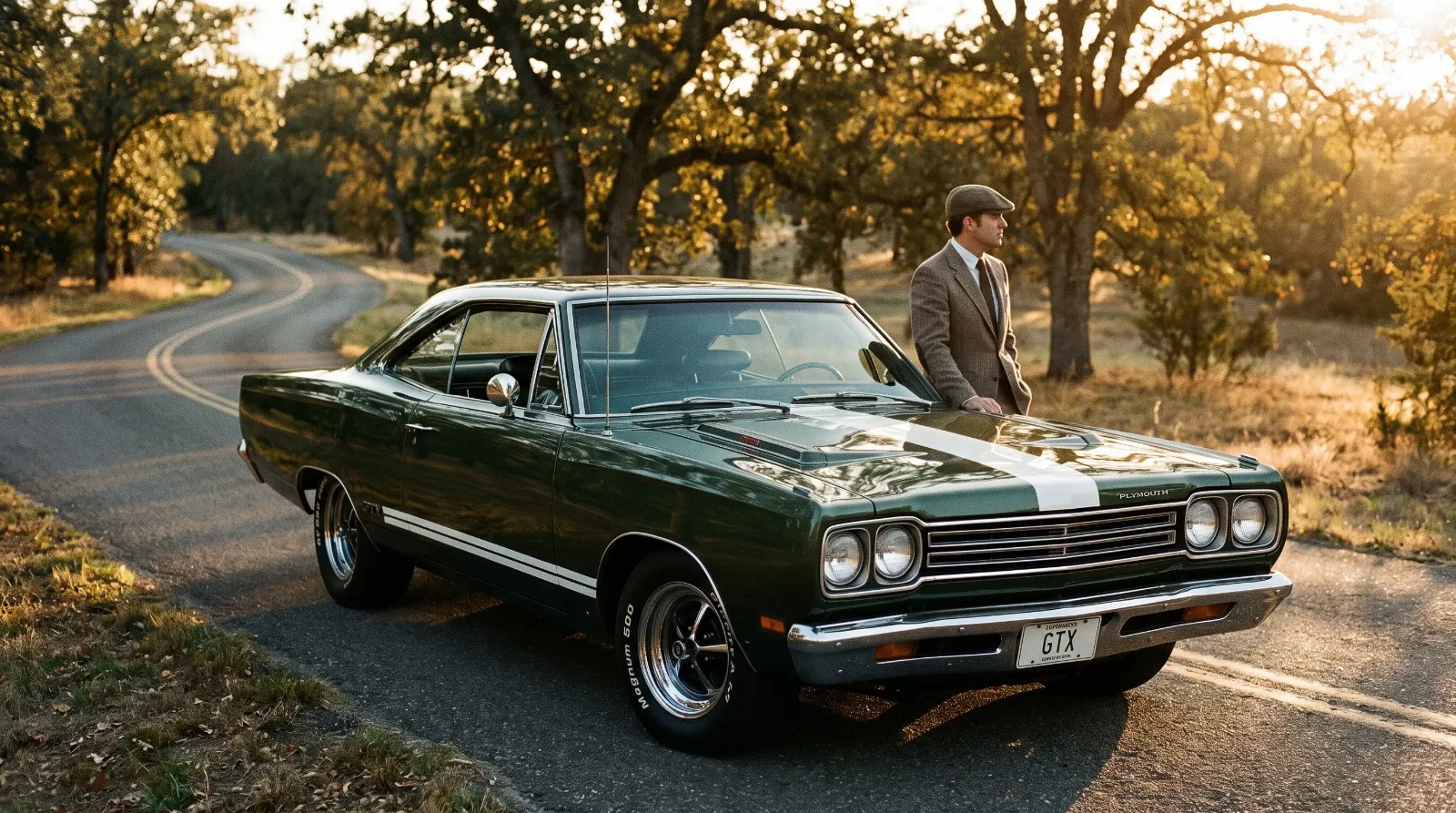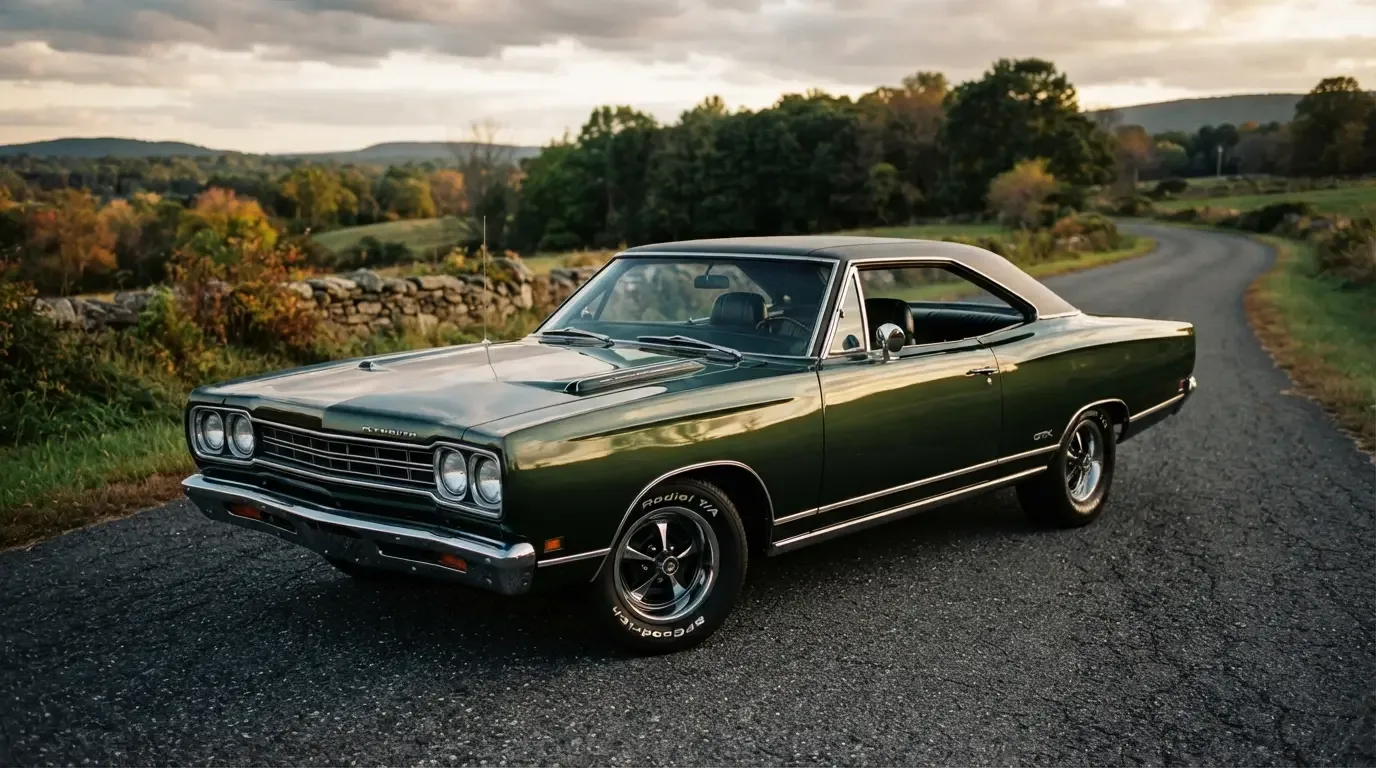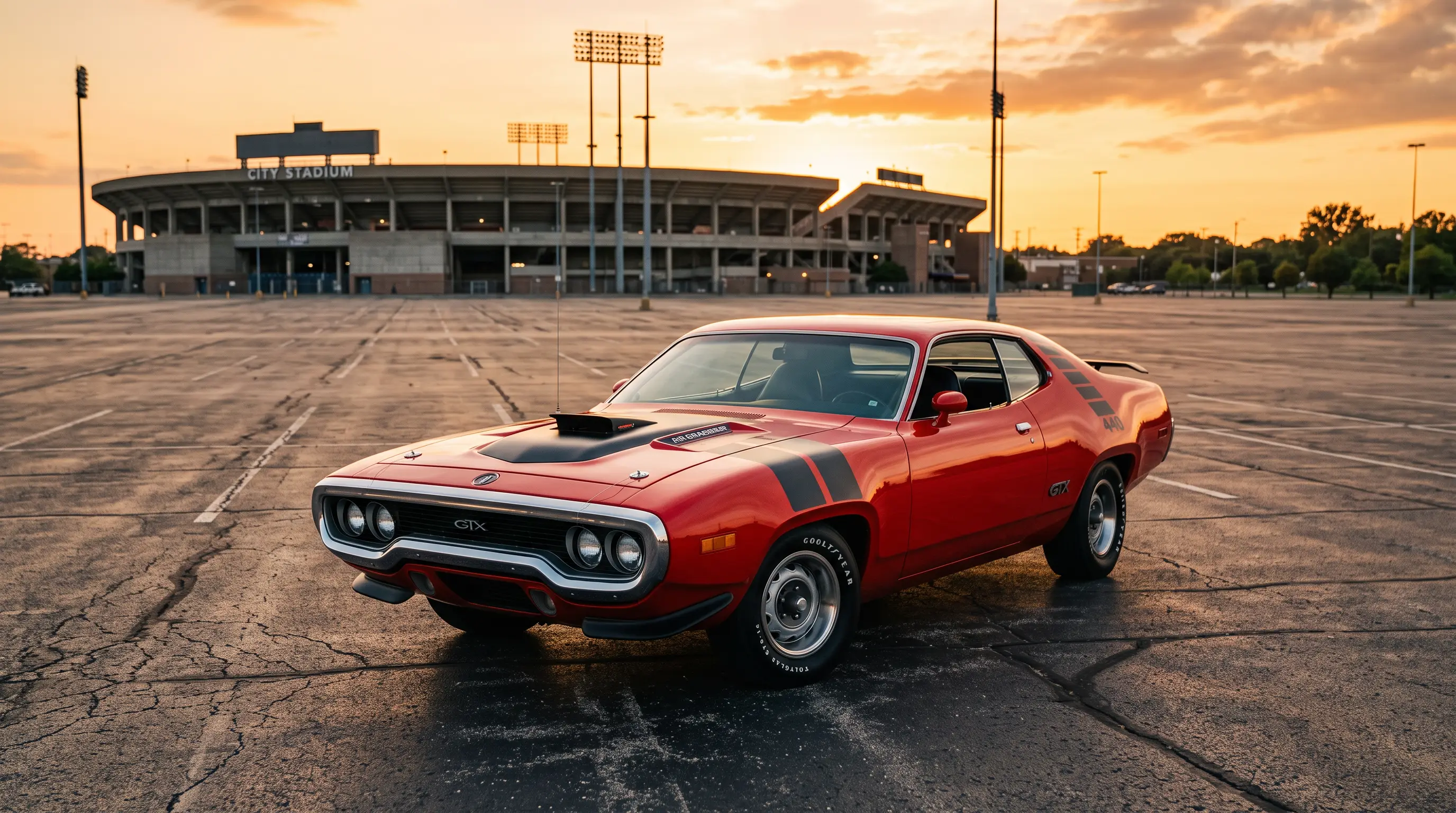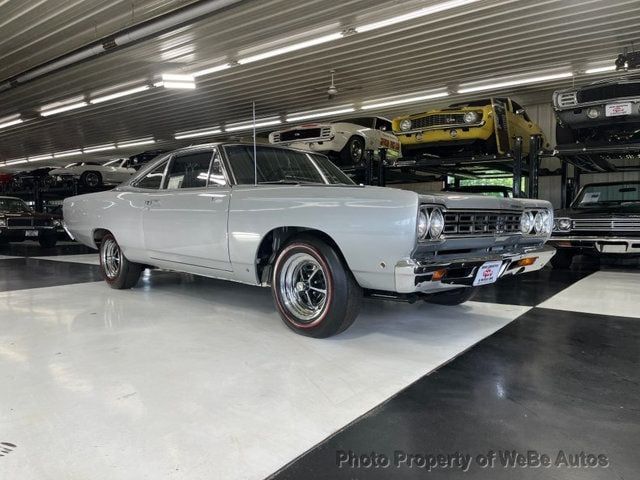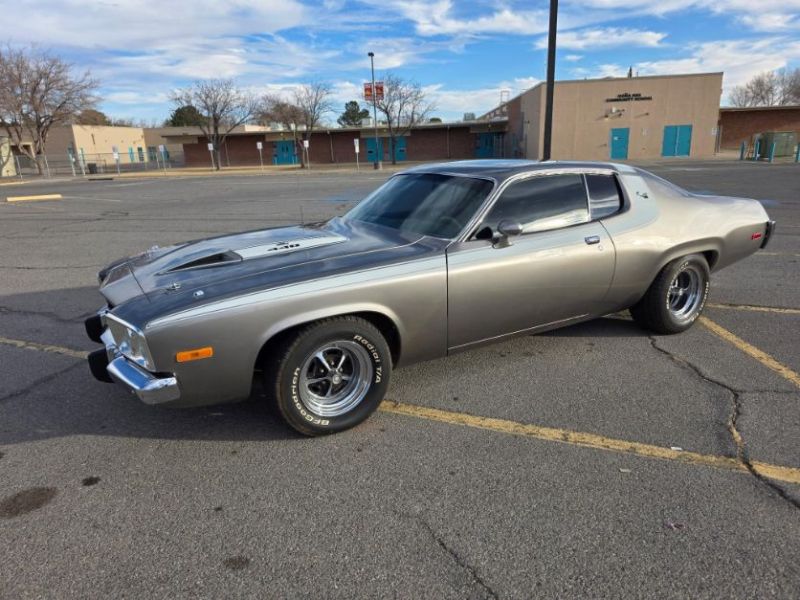
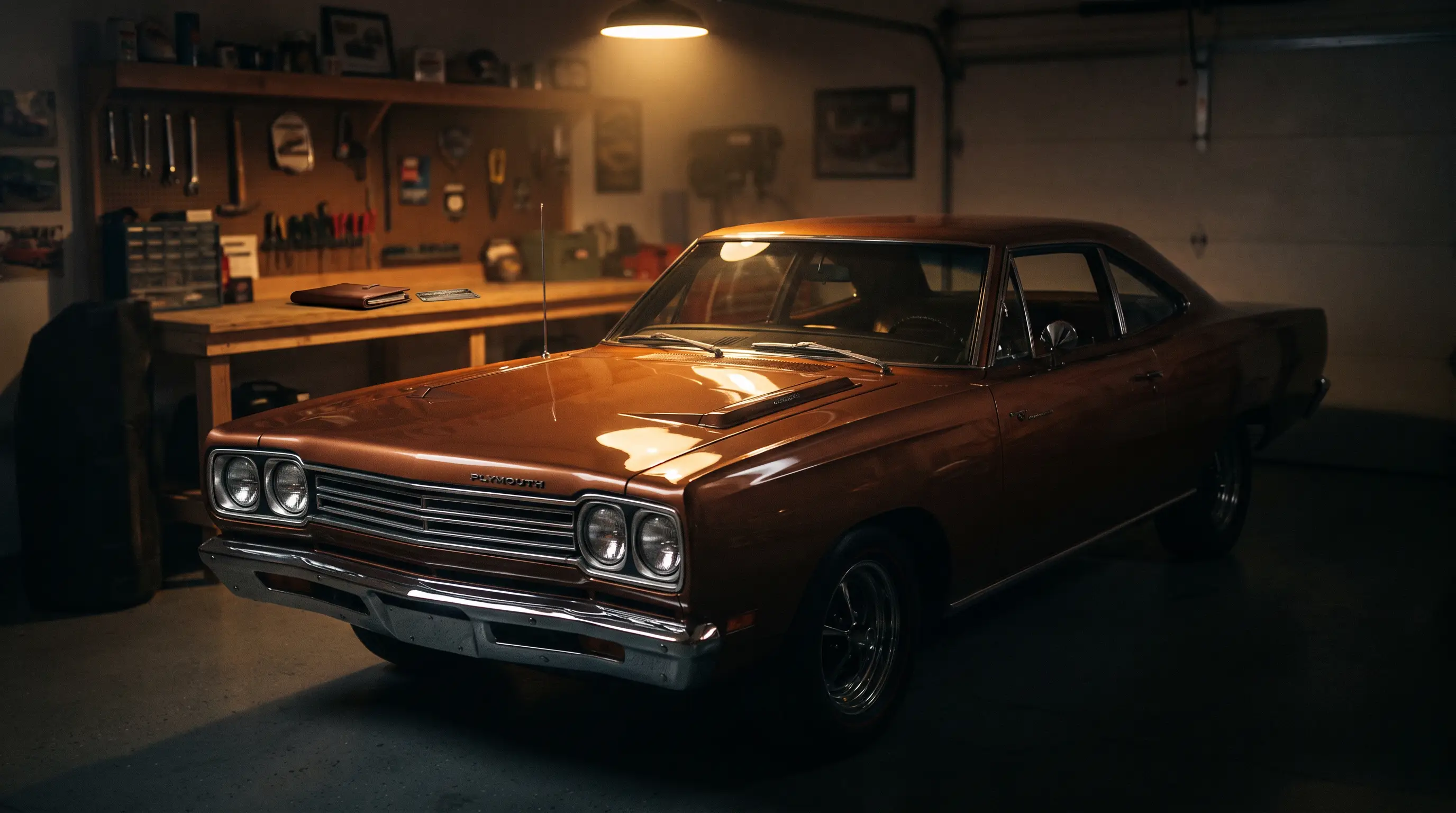
Collecting a Plymouth GTX in today's market is not a bet on nostalgia alone. It is a bet on documentation, condition, and a shrinking pool of genuinely correct cars, and that combination is exactly what separates a defensible purchase from an expensive mistake. Buyers who treat the GTX like a straightforward nostalgia purchase tend to overpay for the wrong car and underpay attention to the paperwork that actually determines resale value five or ten years down the line.
Condition still does most of the talking
Condition drives value in this segment more than almost anything else, and the gap between a genuinely well-preserved GTX and a tired driver-quality example is wide. Rust in the trunk floor, quarter panels, and torsion bar crossmember is common on cars that spent decades outside, and repair work in those areas, even when done well, reduces the premium a documented-original car can command. Buyers should expect to pay a real markup for a car with minimal rust history and original sheet metal intact, and should expect a real discount for a car carrying extensive prior bodywork, regardless of how good the paint looks in photos.
Mechanical condition matters too, but less than most first-time buyers assume. A tired engine or transmission is a known, fixable cost. Compromised structural sheet metal is a much harder problem to price accurately, and it tends to resurface as a negotiating issue every time the car changes hands again.
Documentation is the difference between an asset and a guess
A fender tag decode, broadcast sheet, and any period paperwork tied to a specific car turn a claim into a fact. Without that documentation, a buyer is relying entirely on the seller's word for engine originality, trim level, and factory options, and that word is worth exactly nothing at resale time. Documented GTX cars, especially those with matching numbers and a verifiable build history, consistently sell at a premium over comparably conditioned cars lacking paperwork.
This matters more with the GTX than with some other muscle cars because of how much sheet metal and hardware it shares with the Road Runner and base Satellite. A car can wear GTX badges convincingly without ever having been a genuine GTX from the factory, and the only way to rule that risk out is the fender tag, not the seller's confidence.
Liquidity varies more than buyers expect
Not every GTX is equally easy to sell when the time comes. Standard 440 hardtop cars from the higher-production years are relatively liquid within the collector market, meaning a realistically priced, well-documented example tends to find a buyer in a reasonable window. Rarer configurations, Hemi cars, Six Barrel convertibles, or documented low-production final-year examples, are less liquid in the sense that fewer buyers exist who can afford them, even though the eventual sale price on a genuine example can be substantially higher.
That tradeoff matters for anyone thinking about the GTX as part of a broader collection strategy rather than a single passion purchase. A liquid, well-documented standard car is easier to exit if priorities change. A rare, expensive car takes longer to sell and requires a more patient, more targeted buyer pool, even when it eventually commands a stronger price.
"Every collector car purchase has a downside case. With the GTX, the downside case is almost always a documentation problem, not a market problem. The market for these cars is stable. Buyers who skip the fender tag decode are the ones who get burned."
- Marcus Feld
Where the risk actually lives
The biggest risk in this segment is not overpaying for a genuine car, it is paying a genuine-car price for a car that turns out not to be genuine, or paying a documented-original price for a car with undisclosed bodywork. Both mistakes are avoidable with the same basic diligence: fender tag decode, physical inspection for rust and repair history, and comparison against comparable documented sales rather than asking prices alone. Asking prices in this segment run well ahead of realized sale prices more often than sellers like to admit, and treating a listing price as a market fact rather than an opening position is a common and costly error.
For readers who want the fuller background on how the GTX nameplate developed across its production run, plymouth gtx history covers the model year changes that shape which cars are genuinely rare versus which are simply less common. A related story looks at the GTX's original market positioning, which still informs how collectors think about the car's value proposition today.
A practical framework before you buy
Treat any GTX purchase as four separate questions rather than one gut decision. What does the fender tag confirm about engine, trim, and originality. What does a physical inspection reveal about rust and prior repair work. How liquid is this specific configuration if you need to sell in three to five years. And what is the realistic downside if the documentation turns out to be incomplete or the car needs more structural work than disclosed. A car that answers all four questions well deserves a fair premium. A car that fails even one of them should be priced, and negotiated, accordingly.
Buyers ready to apply that framework to real inventory can review Runners for sale now and evaluate each listing against documentation quality and condition before asking price rather than the other way around.
The bottom line on collecting a GTX today
The GTX remains a defensible collector purchase precisely because its risks are well understood and largely avoidable through diligence rather than luck. Buyers who prioritize documentation and condition over sticker appeal consistently do better on both enjoyment and eventual resale than buyers chasing a color or a badge without asking the harder questions first.
How prices have trended
The broader muscle car market, GTX included, has cooled rather than run hot over the past couple of years, with Hagerty's tracking indexes showing American muscle cars roughly flat to down year over year through 2024 and into 2025. Within that softer overall market, the pattern still holds at the individual-car level: documented, matching-numbers GTX cars in strong condition have held their value noticeably better than undocumented cars or cars carrying disclosed structural repairs, which have seen the steepest declines. The price gap between the two categories has widened rather than narrowed over that period, even as the segment overall cooled.
That widening gap is the clearest signal in the market right now. It tells buyers that documentation quality is becoming more important over time, not less, as the pool of genuinely verifiable cars continues to shrink relative to demand. Anyone buying today should assume that trend continues, and should weight their purchase decision accordingly rather than assuming an undocumented car will simply catch up in value later.
Convertibles and rare drivetrain combinations sit at the top of nearly every valuation table in this segment, but that top-line strength can mislead buyers who are not shopping in that rarefied bracket. A far larger share of the actual GTX market consists of standard 440 hardtops, and pricing decisions for those cars should be benchmarked against comparable hardtop sales, not against headline auction results for a documented convertible or Hemi car that represents a different tier of the market entirely.