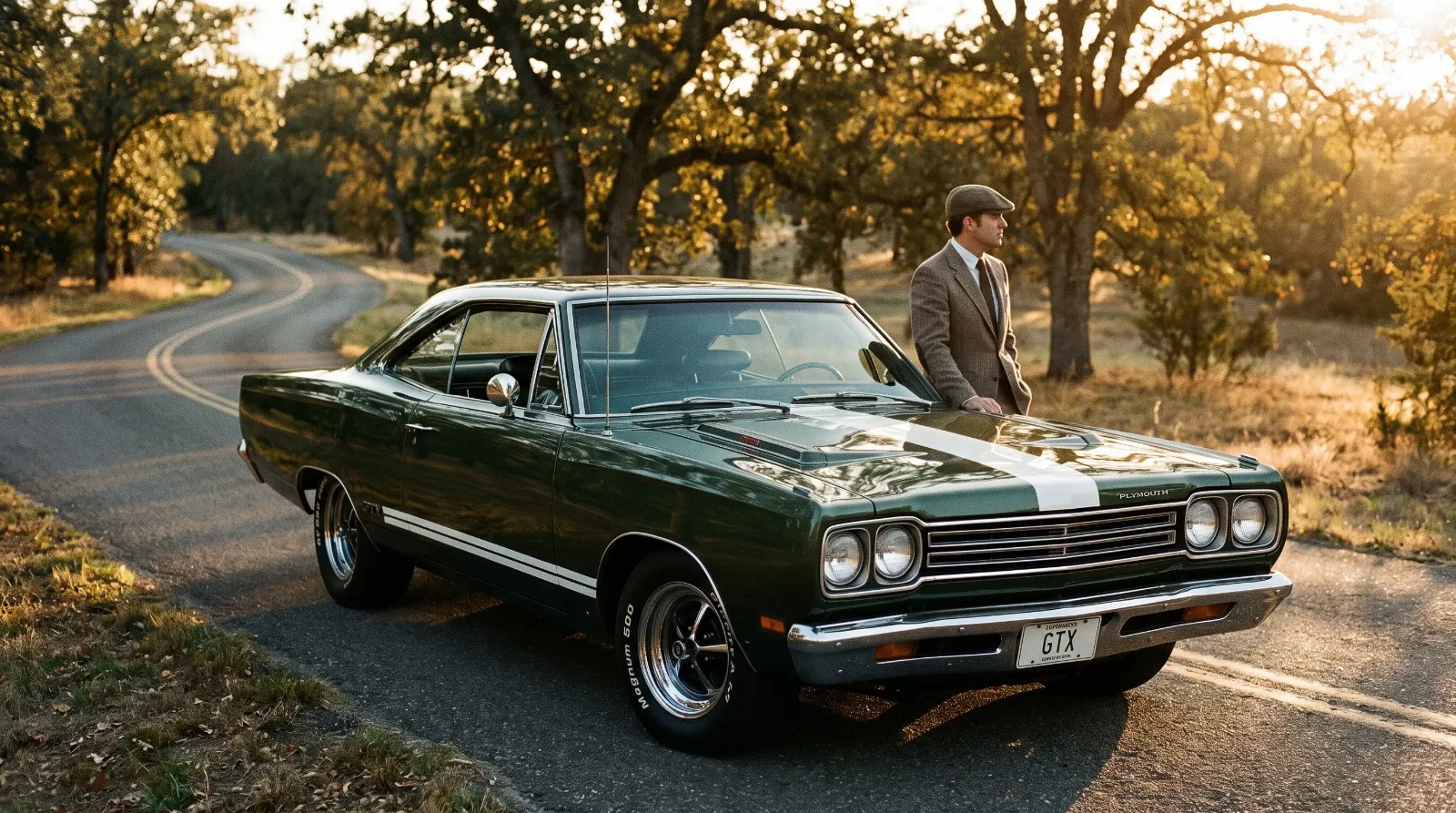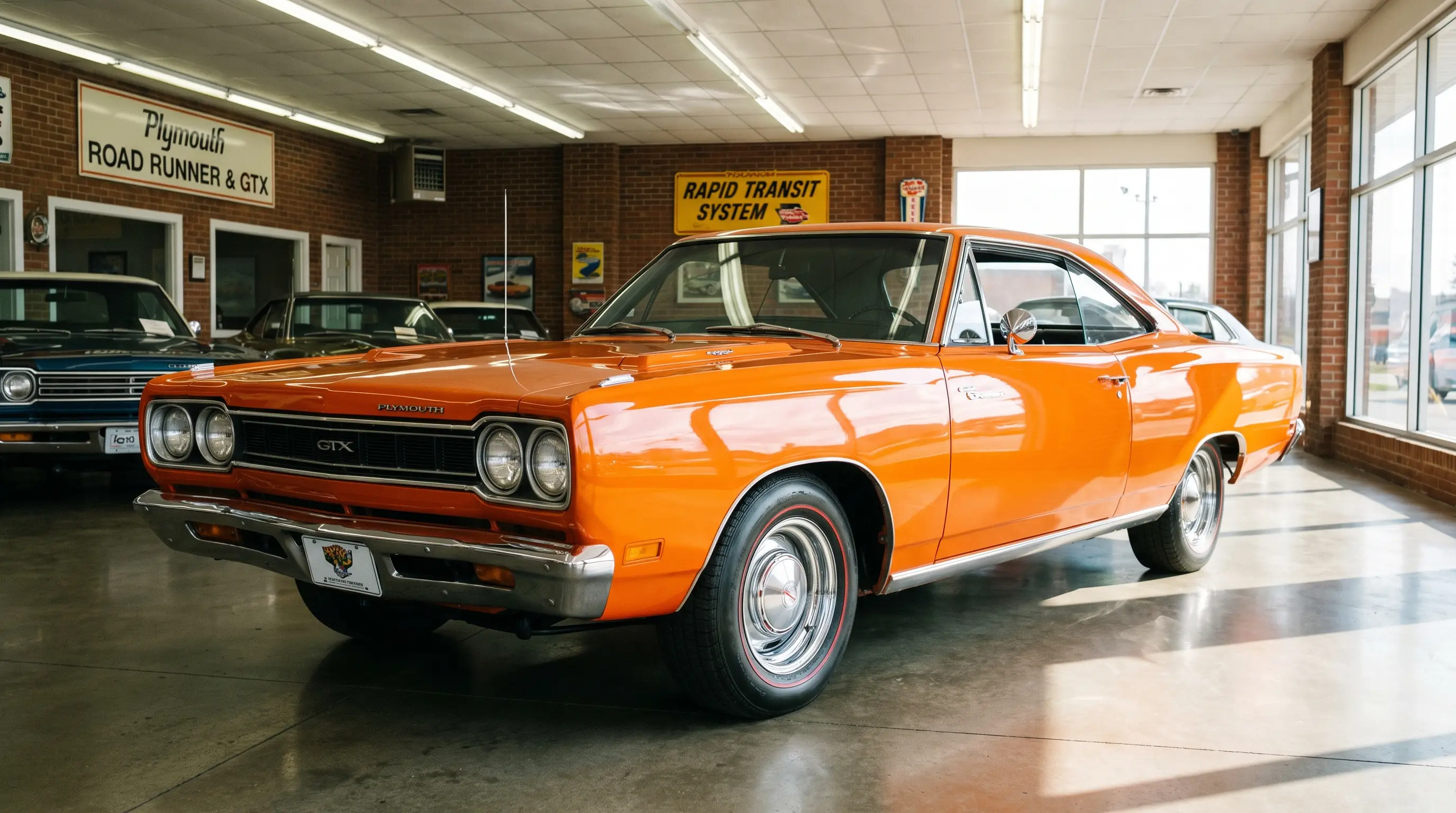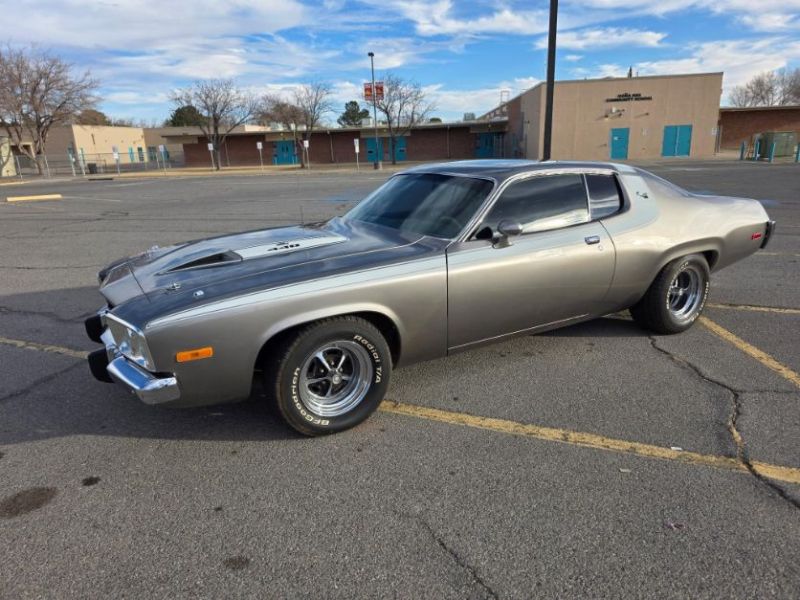
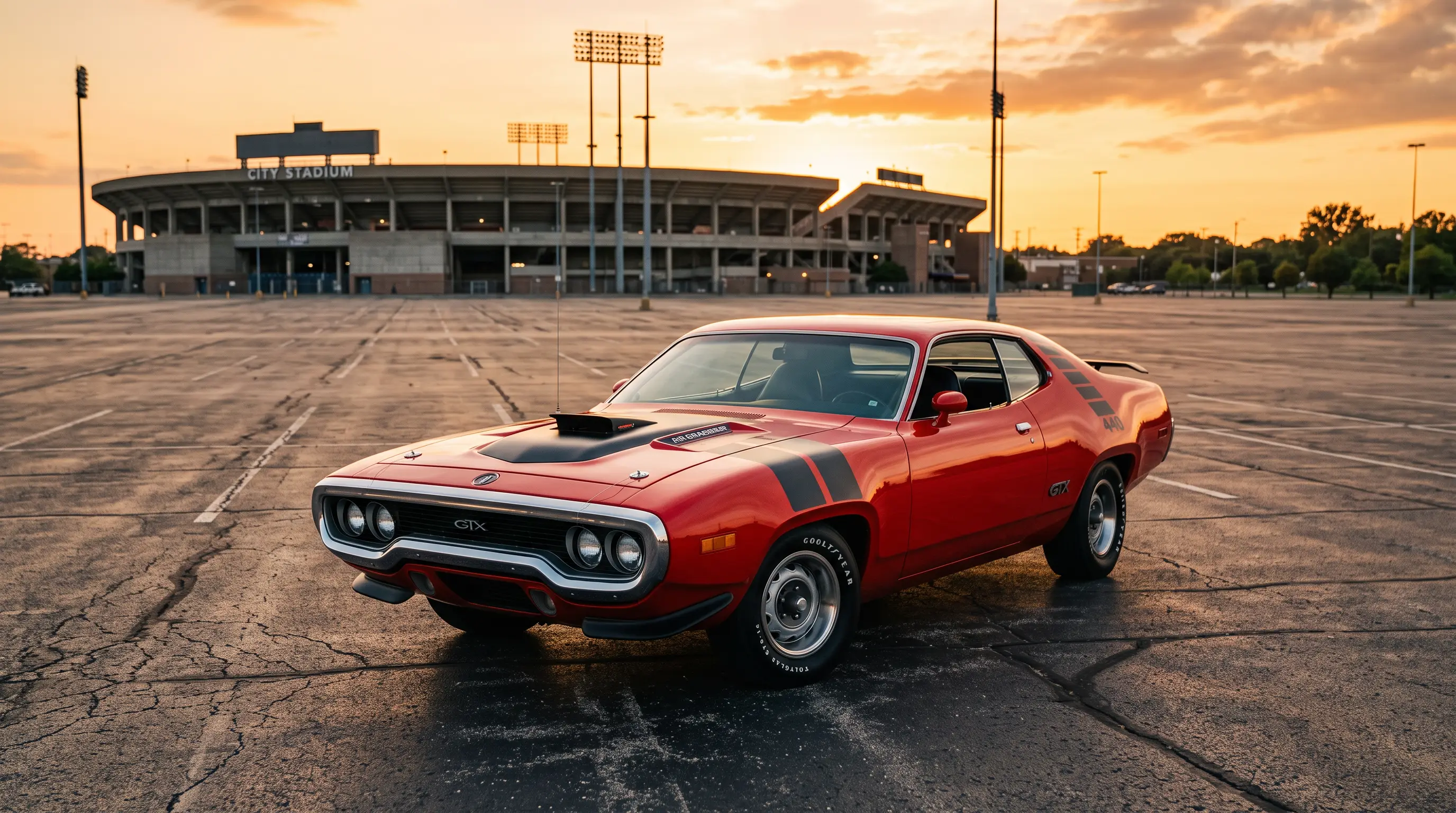
Starting with the 1972 model year, if you wanted a Plymouth GTX, you didn't buy a GTX anymore. You bought a Road Runner and checked a box. That's the whole story in one sentence, and it still confuses people at car shows who assume every GTX badge means the same thing regardless of what year is stamped on the fender tag. It doesn't, and the difference matters if you're buying, selling, or just trying to sound like you know what you're talking about.
Five years as its own car, then a checkbox
From 1967 through 1971, the GTX was a standalone model with its own model code, its own place on the order form, and its own identity separate from the Road Runner. Once Chrysler redesigned the intermediate lineup again for 1972, the GTX name got demoted. It became an appearance and performance option package layered onto the Road Runner, not a car you could order on its own line item anymore. Same badge, completely different place in the paperwork.
Nobody made a big announcement about it. Plymouth just restructured the order sheet, and buyers who wanted the old GTX flavor now got it by checking the GTX option box on a Road Runner order instead of picking GTX off a separate model list. If you weren't paying close attention to how Chrysler organized its build sheets, you'd have missed the whole thing happening.
Why Chrysler made the call
The short answer is money. Standalone GTX sales had been sliding for a few years running while the Road Runner kept selling in bigger numbers at a lower price point. Keeping two separate model lines that competed for the same basic customer, one comfortable and pricier, one stripped and cheaper, stopped making financial sense once the sales gap between them got wide enough. Folding GTX into the Road Runner as an option let Chrysler keep the nameplate alive for buyers who still wanted it, without carrying the overhead of running it as its own model.
Insurance costs were also squeezing the whole muscle car segment by this point, and that pressure hit optional-equipment-heavy cars like the standalone GTX especially hard. Consolidating the lineup was a straightforward business decision, not some grand creative choice, and it happened right around the same time a lot of manufacturers were quietly trimming their own performance model lists for the same reasons.
What you actually got with the option
Ordering the GTX option on a Road Runner got you badging and trim details that referenced the old standalone car, along with access to performance equipment that tied back to the GTX's original reputation. It wasn't a hollow sticker package. Buyers who checked the box still got a car built around real performance intent, just wrapped inside a Road Runner shell instead of a separately badged model.
That said, a GTX-optioned Road Runner and a genuine standalone GTX from a couple years earlier are not the same thing, and treating them as interchangeable when you're buying or selling is a good way to overpay or underpay depending on which side of that mistake you're on. Anyone doing a fender tag decode on a post-1971 car needs to understand they're reading an option code layered onto a Road Runner base car, not a separate GTX model code.
"People ask me all the time if a GTX option car counts as a real GTX. Depends what you're asking. It's a real option package built with real intent behind it. It's not the same animal as a standalone model with its own build sheet. Both things can be true at once."
- Mike Sullivan
What it means when you're wrenching on one
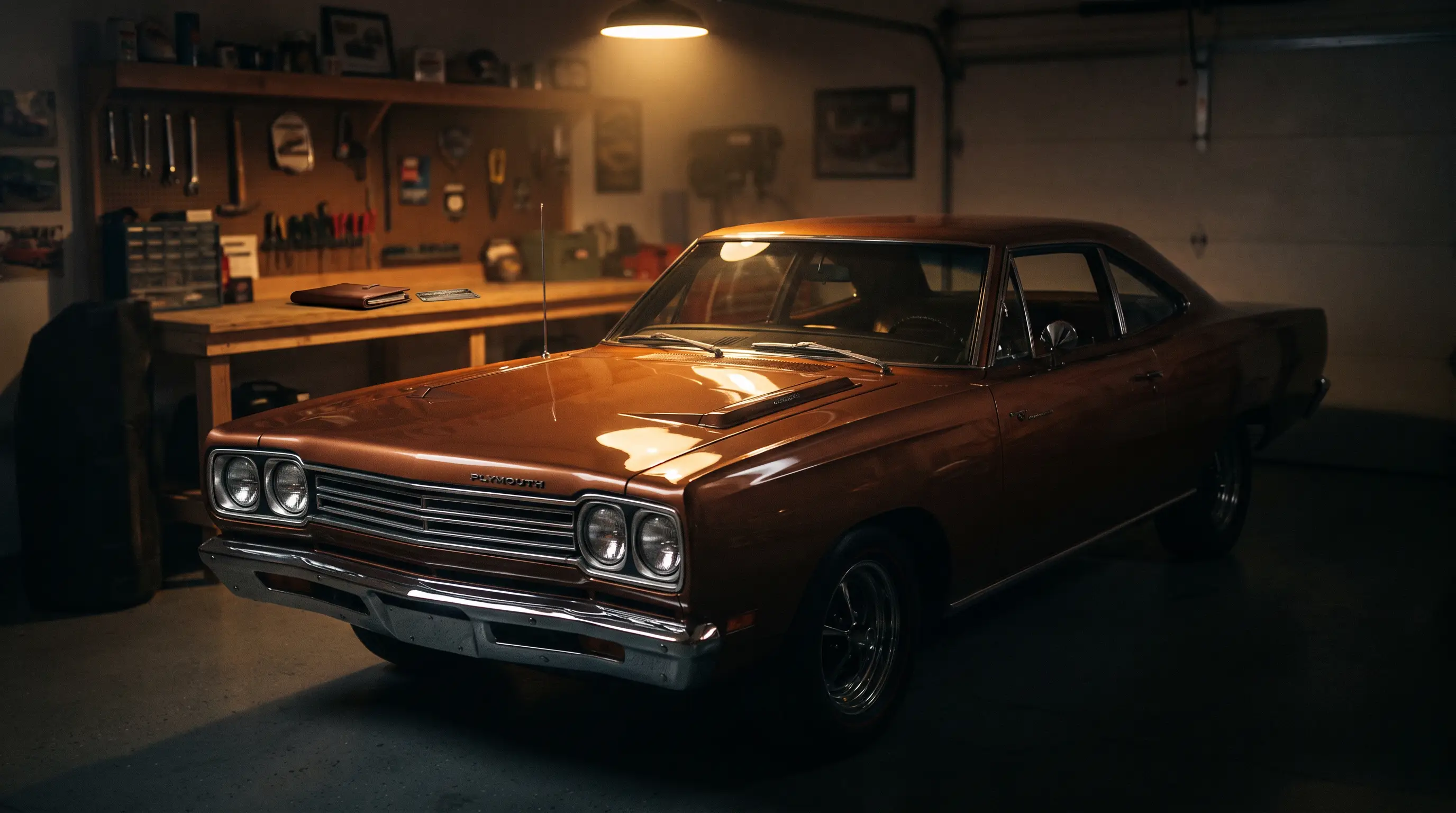
From a mechanical standpoint, working on a GTX-optioned Road Runner isn't fundamentally different from working on any other Road Runner of the same year. The platform, chassis, and most of the drivetrain hardware are shared across the lineup regardless of trim badge. Where it gets tricky is parts sourcing and originality work, since GTX-specific trim pieces from the option years aren't always the same parts used on the earlier standalone cars, and mixing them up during a restoration creates a car that looks right at a glance but doesn't actually match its own build sheet.
If you're restoring one of these cars, get the fender tag decoded first and buy parts against that decode, not against a general idea of what a GTX is supposed to have. It saves money and it saves you from explaining to a judge at a show why your trim doesn't match your paperwork.
Where the option years fit in the bigger picture
Understanding the option-package years requires understanding what came before them, and our complete history covers the full run from the GTX's 1967 launch through its final standalone year and into its life as a Road Runner option afterward. Reading that background makes it a lot easier to spot the difference between a standalone GTX and an option-package GTX when you're looking at a car in person instead of just reading a badge.
Buyers shopping across both eras of the nameplate can browse classic Runner listings to compare standalone GTX models against later GTX-optioned Road Runners and get a feel for how pricing and availability differ between the two.
Same name, different animal
The GTX name never really died, it just changed jobs. What started as Plymouth's standalone flagship performance model spent its final years as a well-built option package on a car it used to compete against. That's not a tragedy, it's just how Detroit consolidated its lineups once the muscle car market cooled off, and knowing which version of GTX you're looking at is the difference between an informed purchase and an expensive guess.
I get why the change bugs some purists. There's something to be said for a car having its own dedicated model line instead of living as a checkbox on somebody else's order form. But I've also seen plenty of GTX-optioned Road Runners built with just as much care and just as much genuine performance intent as the standalone cars that came before them, and dismissing them outright because of where they sit on a build sheet misses what actually matters, which is what's under the hood and how well the car has been documented and maintained since.
At the end of the day, both versions of the GTX name represent the same basic idea: a Plymouth intermediate built with real performance behind it, wearing a badge that meant something to the people who bought it. Whether that badge came attached to its own model code or to an option box on a Road Runner order form is a paperwork distinction, not a character difference, even if it changes how a fender tag gets decoded and how a buyer should shop for one today.